REVIEW · REYKJAVIK
Reykjavík: National Museum of Iceland Entry Ticket
Book on GetYourGuide →Operated by National Museum of Iceland · Bookable on GetYourGuide
A single museum ticket, and time flips. The National Museum of Iceland in Reykjavík turns big chapters of the island’s story into a walk you can actually follow, from the early settlers onward. I like the Viking-era artifacts that make the Settlement period feel tangible, and I like how the exhibit spotlights the famous Thor figure dated around the year 1000.
If there’s a downside, it’s that the galleries can feel spread out, so the route may not feel perfectly sequential. That’s not a deal-breaker, but it’s worth planning your pace so you don’t miss the main beats.
In This Review
- Quick highlights
- Entering the National Museum of Iceland in Reykjavík without stress
- The permanent exhibition’s big idea: what makes a nation?
- Settlement Age to modern life: plan your path through the “timeline”
- Viking-era artifacts that feel more real than a textbook
- The Thor figure around the year 1000 (and why it sticks with you)
- More than Vikings: Bibles, church treasures, and prints
- From settlers’ ship to the airport: Iceland’s “nation” story keeps moving
- Temporary exhibitions included: use them to match your interests
- The museum shop: replicas that help you remember what you saw
- Audio guide in 10 languages: how to use it without slowing down
- Layout reality check: what to do if the rooms feel spread out
- How long should you plan for?
- Price and value: about $20 for a year of museum access
- Who should book this museum ticket?
- Should you book the National Museum of Iceland ticket?
- FAQ
- How do I use the ticket at the museum entrance?
- What’s included with the entry ticket?
- Which languages are available on the audio guide?
- Can I visit temporary exhibitions with this ticket?
- How long is the ticket valid?
- Is the museum wheelchair accessible?
- Are large bags allowed inside?
- What is the cancellation policy?
Quick highlights
- Thor figure dated around 1000 you’ll want to see up close
- About 2,000 artifacts from the Settlement Age to today
- Audio guide in 10 languages plus Wi‑Fi on site
- Temporary exhibitions included with your ticket
- Replica finds in the museum shop for take-home archaeology
- Plan about 90 minutes for a solid pass if you read enough to feel the story
Entering the National Museum of Iceland in Reykjavík without stress
This ticket is built for an easy start: show it at the reception desk and you’re in. The museum also supports skipping the ticket line, which matters in Reykjavík, especially when you’re trying to squeeze museum time between weather shifts and daylight hours.
The bigger practical win is flexibility. Your admission is valid for 365 days, so if you’re reworking your Iceland plan (very normal), you can still use the ticket later instead of forcing one exact day.
A few more Reykjavik tours and experiences worth a look



The permanent exhibition’s big idea: what makes a nation?
The heart of the National Museum of Iceland is a permanent exhibition organized like a guided timeline. It’s framed by a question: What makes a nation? The story starts with the ship medieval settlers used to cross to the new home, then it ends with the modern airport—an Icelanders’ gateway to the world.
That structure works because it doesn’t treat Iceland as a list of dates. It connects material culture—objects people made, used, printed, carried, and worshipped—to the bigger themes of identity and survival. You get a sense of continuity even as the centuries change.
Settlement Age to modern life: plan your path through the “timeline”

A lot of museums try to cram centuries into one room. This one lays things out so you can pace yourself across eras: early settlement, Viking-era material, religious and everyday life, the modern transition, and the photography that shows how Iceland looked as the 1900s rolled in.
If you’re the type who wants a clean route, I’d treat it like a route with checkpoints rather than wandering. Hit the Viking and Settlement Age rooms first, then shift to the religious/cultural centerpieces, and finish with the more modern sections and photos. It reduces the “wait, what era am I in?” feeling, especially if you notice the galleries aren’t arranged in the most obvious linear sequence.
Viking-era artifacts that feel more real than a textbook
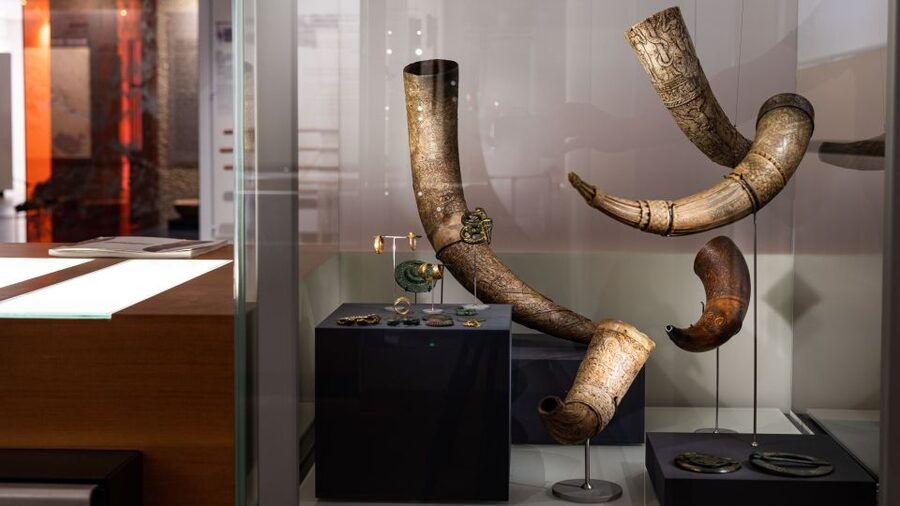
This museum’s Viking content isn’t just about swords and helmets as decoration. You’re looking at unique artifacts from the Viking era and other materials that connect directly to what life was like during the island’s early development.
Even if you don’t think of yourself as a Viking person, this part matters because it grounds the story in everyday things. Objects help explain trade, belief, and power in a way that doesn’t require you to already know the saga details. You’re not just admiring craftsmanship—you’re learning how people carried identity across harsh distance and isolation.
The Thor figure around the year 1000 (and why it sticks with you)
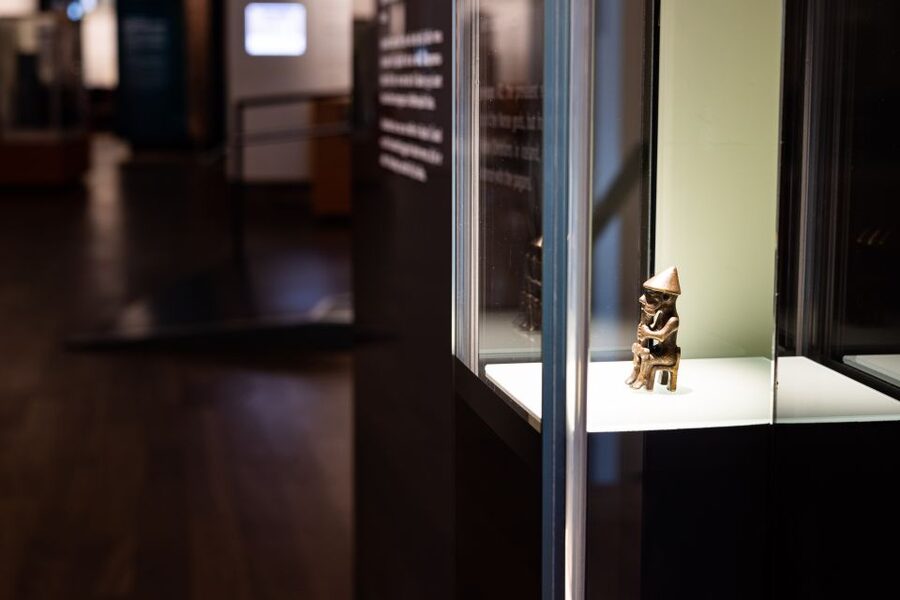
One standout is the famous figure of Thor, dated from around the year 1000. It’s the kind of object that anchors a visitor’s memory because it’s specific and time-stamped, not a vague “Norse religion” concept.
This is also where the museum’s mission clicks. You see how belief systems and cultural symbols show up in objects that outlast their original moment. When you connect the figure to the broader timeline, the museum stops being a Viking stopover and becomes a story about change—especially around the era when Iceland’s society was shifting.
You can also read our reviews of more museum experiences in Reykjavik




More than Vikings: Bibles, church treasures, and prints
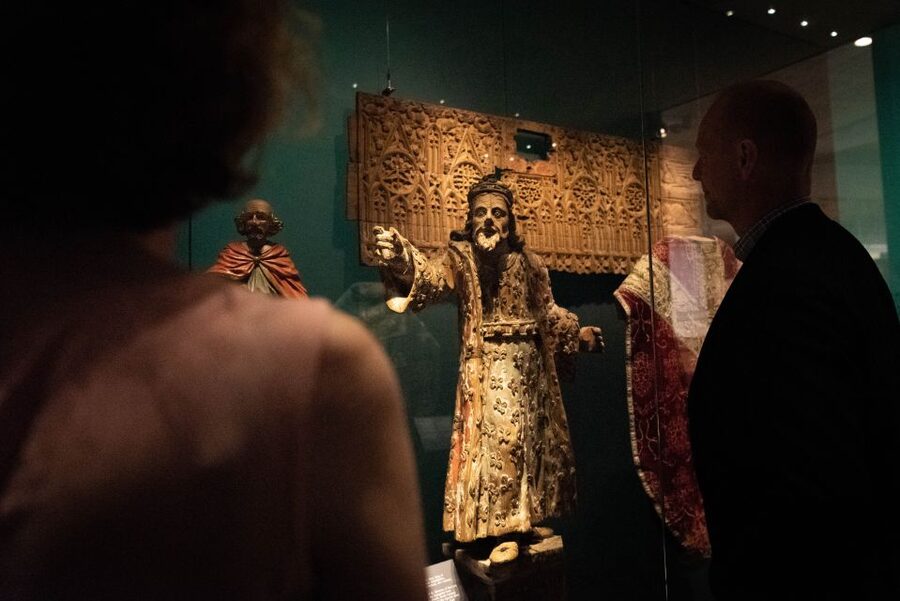
The museum also brings in religious history in a way that feels concrete. You’ll see the first Bible printed in Iceland in the 16th century, highlighted as one of the most beautiful prints in Icelandic.
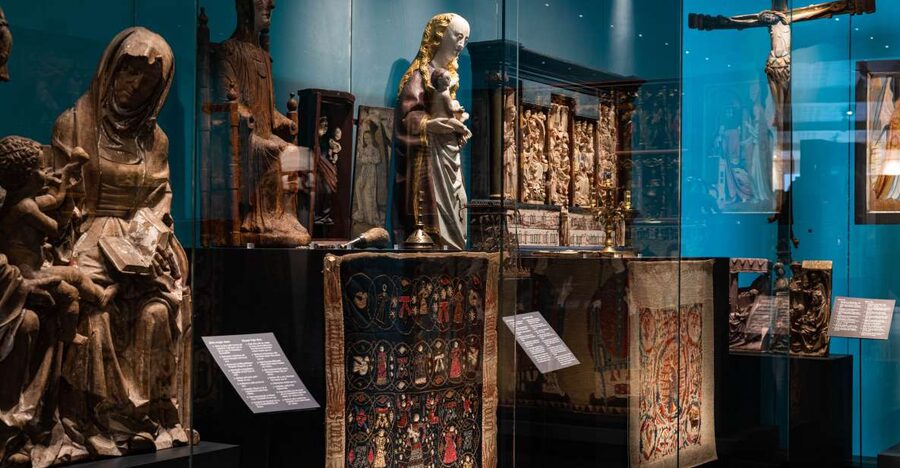
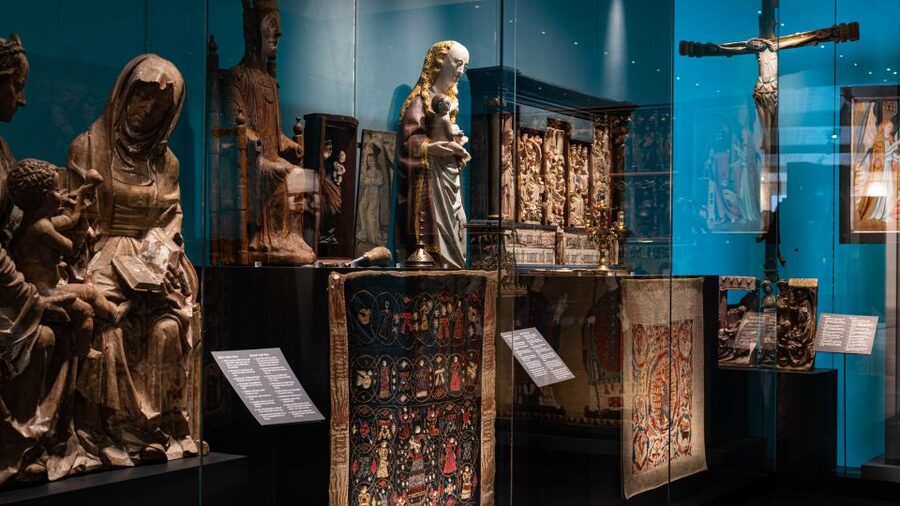
There are also beautiful artifacts from medieval churches, which helps broaden the museum beyond the sword-and-drama version of the past. You’re not only looking at what people wore or carried—you’re looking at what they read, what they built, and what they preserved. The result is a fuller picture of how Iceland’s culture formed as it matured.
From settlers’ ship to the airport: Iceland’s “nation” story keeps moving
One of the most practical ways to enjoy this exhibition is to follow the ending theme early: the modern airport. The museum’s framing suggests that Iceland’s story doesn’t stop with settlement or conversion—it continues into how Icelanders connect with the world now.
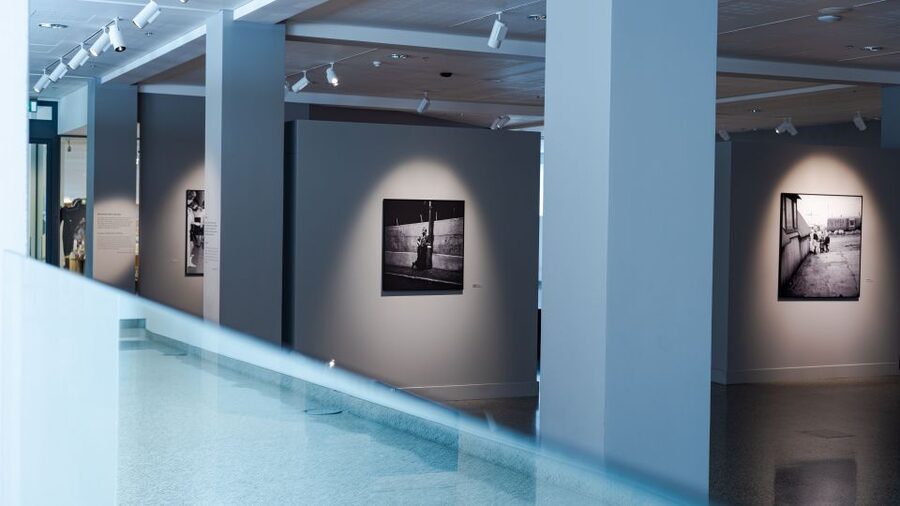
Along the way, you’ll also encounter photographs from the 20th century, which add human scale. Textbook history can feel distant; photos bring it back to faces, daily life, and the visual reality of how the country changed.
Temporary exhibitions included: use them to match your interests
Your ticket grants access to the museum’s temporary exhibitions as well as the permanent collection. Those change over time, but the overall pattern is cultural and historical—often focused on Icelandic life, identity, and heritage.
Here’s a useful strategy: treat the permanent exhibition as your “core route,” then use temporary exhibits to tailor your visit. If you’re more drawn to art, go back for those rooms after the main timeline. If your goal is archaeology and old objects, spend your extra time where the museum shop and the replica items connect visually to what you just saw.
The museum shop: replicas that help you remember what you saw
If you like turning information into a souvenir that actually matters, don’t skip the shop. You can find exclusive replicas of archaeological finds.
Even if you don’t plan to buy anything, the shop is a helpful way to reinforce what you saw in the galleries. It gives your brain a bridge from fragile, behind-glass history to something you can hold onto when you’re back in your hotel unpacking wet socks.
Audio guide in 10 languages: how to use it without slowing down
The ticket includes an audio guide in English, Danish, French, Polish, Spanish, Dutch, Swedish, Icelandic, Italian, and Chinese, plus Wi‑Fi. That’s a strong feature set because it means you can pace yourself: take short stops with the audio, then get back to walking.
If you’re reading at a steady pace, you might find you don’t need every single clip. But it’s a great safety net for objects that would otherwise blur together. The audio guide can help you connect an artifact to its place in the timeline.
Layout reality check: what to do if the rooms feel spread out
Some people find the exhibit spacing less intuitive, with numbering that may be harder to follow than expected. If you notice that, you can fix the experience with a simple routine:
- Pick a direction and stay with it for a while.
- When you reach a major centerpiece, slow down and let it anchor your understanding of that era.
- Then keep moving rather than doubling back constantly.
Also keep in mind that the museum can feel information-heavy. If you want maximum detail on every single item, you might wish some labels went further. The good news is you can control how deep you go—choose a handful of pieces to read carefully, then let the rest support the timeline.
How long should you plan for?
A common sweet spot is around an hour and a half for most visitors: long enough to see the key exhibits and absorb the storyline, without turning the museum into a marathon.
If you’re especially into Icelandic history, artifacts, or you expect to pause for the audio guide repeatedly, you might extend that. If you’re traveling with kids who want hands-on activities, you may want to factor in more breaks—this museum is excellent, but it may not be ideal for very small children.
Price and value: about $20 for a year of museum access
At about $20 per person, this is priced like a serious museum ticket, not a casual add-on. The value comes from three things:
- You get full access to the permanent exhibition plus temporary exhibitions.
- You get an audio guide in multiple languages and Wi‑Fi included.
- Most importantly, the ticket is valid for 365 days, which makes it forgiving if your schedule changes.
In a country where planning can get disrupted by weather and timing, that “use it any day within the year” feature is a hidden value. It lowers the pressure to cram Reykjavík museums into one perfect window.
Who should book this museum ticket?
This is a smart choice if you want Iceland’s story in one place: from settlement and Viking-era material to modern Icelanders and 20th-century photography. It’s also a great match for history buffs, couples, and solo travelers who like museums that explain the why behind objects.
I’d also consider it if you’re doing a Reykjavík-focused trip where you want one indoor plan that still feels meaningful. If you’re traveling with very young kids, you might still enjoy it, but the experience may work better with older children who can handle exhibits that rely on reading and looking closely.
Should you book the National Museum of Iceland ticket?
Book it if you want one ticket that gives you Viking-era artifacts, Thor around the year 1000, and the long arc of Icelandic life—from the first crossing ship to today’s airport gateway. The $20 price is reasonable for the time you’ll spend and the included audio guide, and the 365-day validity makes it low-risk.
Skip it only if you’re specifically chasing Vikings-only thrills and don’t care about the broader nation story, or if you need super kid-friendly, highly hands-on content. Otherwise, this is one of Reykjavík’s most solid ways to understand the country beyond the outdoors.
FAQ
How do I use the ticket at the museum entrance?
Show your ticket at the reception desk at the National Museum of Iceland. The ticket also supports skipping the ticket line.
What’s included with the entry ticket?
The ticket includes entry to the National Museum of Iceland, an audio guide in 10 languages, and Wi‑Fi.
Which languages are available on the audio guide?
The audio guide is available in English, Danish, French, Polish, Spanish, Dutch, Swedish, Icelandic, Italian, and Chinese.
Can I visit temporary exhibitions with this ticket?
Yes. Your ticket grants access to the museum’s exhibitions, including temporary exhibitions.
How long is the ticket valid?
The ticket is valid for 365 days. You can check availability to see starting times.
Is the museum wheelchair accessible?
Yes, the museum is wheelchair accessible.
Are large bags allowed inside?
No. Luggage or large bags are not allowed.
What is the cancellation policy?
There is free cancellation up to 24 hours in advance for a full refund.