REVIEW · CAPE TOWN
Cape Town: Private Guided Tour of Cape Town Diamond Museum
Book on GetYourGuide →Operated by The Cape Town Diamond Museum · Bookable on GetYourGuide
Diamonds can feel like magic, until someone explains the mechanics. This private Cape Town Diamond Museum tour turns that spark into a clear, guided look at how diamonds form, how they’re chosen and cut, and how the final jewelry look gets made in South Africa.
I especially liked the private guide time (a focused 45-minute walkthrough with lots of questions allowed), and the free drinks (soft drinks and South African wine) that keep things relaxed while you learn.
One thing to consider: this is both a museum and a jewelry environment, so the option to design and buy a diamond is part of the experience. If you’re sensitive to sales pressure, go in with your plan—enjoy the tour, and decide later whether you want to design.
In This Review
- Key takeaways before you go
- Cape Town Diamond Museum at the V&A Waterfront: easy to fit into your day
- What a private 45-minute guided tour actually feels like
- Over 3000 pieces in the cutting factory and jewelry workshop
- The diamond story: from billions of years to today’s craft
- Free drinks help you slow down and enjoy the details
- Designing your own diamond: the fun part, even if you pause on buying
- When the setting feels like a shop (and how to handle it)
- Timing, meeting point, and practical flow from Gavin Collins Gallery
- Language options and the Q&A advantage
- Price value: why $24 can make sense here
- Who should book this private diamond tour (and who might not)
- Should you book the Cape Town Diamond Museum Private Guided Tour?
- FAQ
- Where does the tour take place?
- How long is the guided portion?
- What does the tour include?
- Is this tour private?
- What languages are offered?
- Do I need to buy tickets in advance?
- What should I bring?
- What’s the meeting point?
- Is food included?
- Is it refundable if I cancel?
Key takeaways before you go
- V&A Waterfront location makes it easy to pair with other nearby stops in Cape Town
- 45-minute private museum time means you won’t be stuck watching from the back
- Over 3000 pieces you can see in the cutting factory and jewelry workshop
- Ethical sourcing + selection talk gives context beyond the sparkle
- Design-your-own diamond is the real “only-in-Cape-Town” moment here
- GIA certificate is part of the diamond design/purchase process you may choose
Cape Town Diamond Museum at the V&A Waterfront: easy to fit into your day
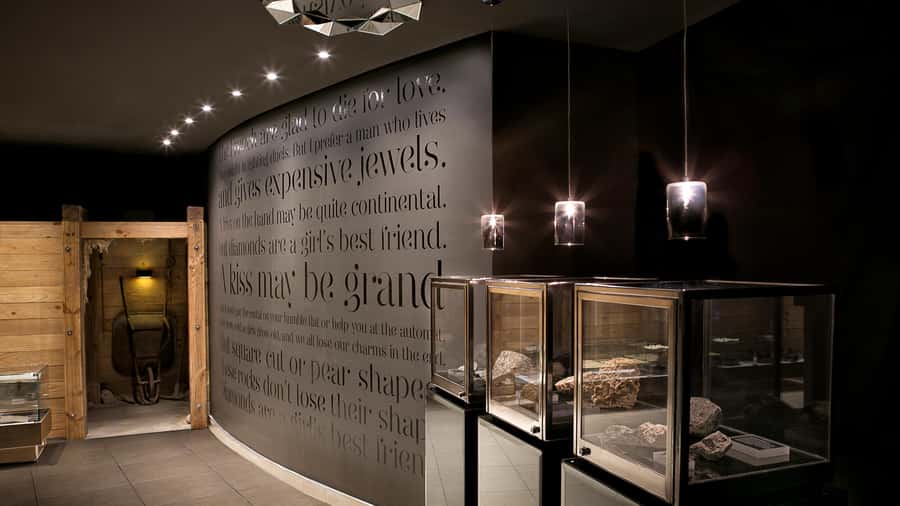
If you’re already planning time around the V&A Waterfront, this tour is one of the simplest “add-on” experiences. You’re not crossing town or juggling complicated logistics. You just meet your guide at the Gavin Collins Gallery reception, then head to the Cape Town Diamond Museum, which sits at the Waterfront area.
The setting matters here. You’re in a place where diamonds are handled, discussed, and sold—not hidden behind glass only. That can make the experience feel more real, like you’re watching a craft and not just reading about it.
Price-wise, it’s also not a “big ticket” gamble. At $24 per person, you’re paying mainly for private guidance, a short museum visit, and the chance to interact with the diamond design side if you want to.
You can also read our reviews of more tours and experiences in Cape Town.
What a private 45-minute guided tour actually feels like
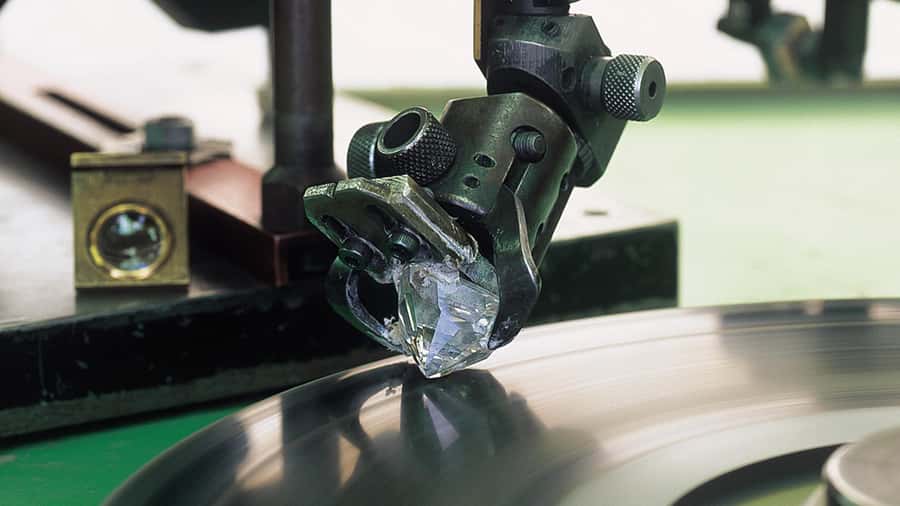
The heart of this experience is straightforward: you get a 45-minute private guided tour with a live guide who answers your questions. English is available, and Afrikaans too, depending on your guide and tour language.
During the museum portion, you’ll get a guided story that connects three things:
- How diamonds form over time (including South Africa’s diamond history, described as spanning billions of years)
- How diamonds are ethically selected and sourced (Shimansky hand selection is explained)
- How diamonds are cut and polished into their final aesthetic form
What I like about this structure is that it doesn’t treat diamonds as “just pretty rocks.” It frames them as a result of geology, technology, and taste. That makes the museum part more engaging even if you don’t buy anything.
A big bonus is the Q&A. This is the kind of activity where asking one good question can turn into five minutes of wow—especially if you care about the difference between cut quality, clarity, and the visual effect.
Over 3000 pieces in the cutting factory and jewelry workshop
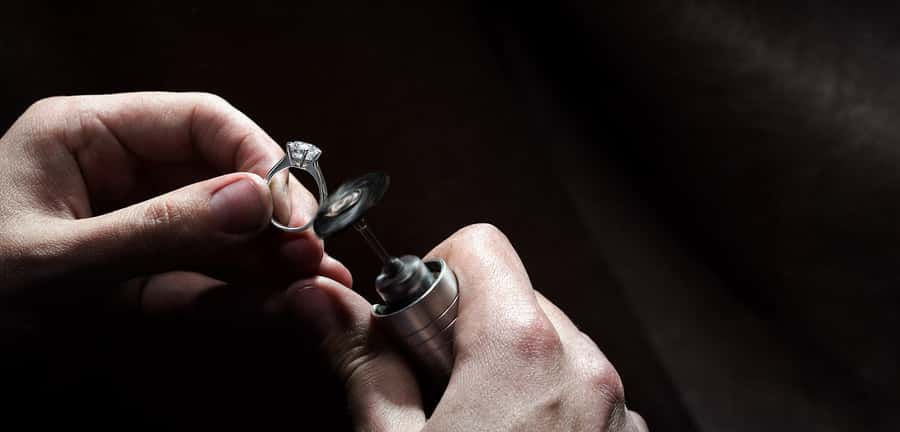
The tour includes time where you can see what’s happening behind the sparkle. You’ll view over 3000 pieces displayed in the diamond cutting factory and jewelry workshop spaces.
That number isn’t just a marketing stat; it changes how the tour feels. Instead of one or two “hero” exhibits, you get a sense of variety—different diamonds, different styles, and different stages of the diamond journey. It’s the kind of visual proof that helps you understand how a diamond’s appearance isn’t random.
Also, seeing the workshop setup can give you a reality check on how much work goes into a final product. You start thinking differently about why some stones look “brighter” or “bigger” than others, and why cut choices affect what your eyes notice first.
If you’re the type who likes hands-on craftsmanship, you’ll appreciate that this isn’t only a history stop. It’s part education, part workshop viewing.
The diamond story: from billions of years to today’s craft
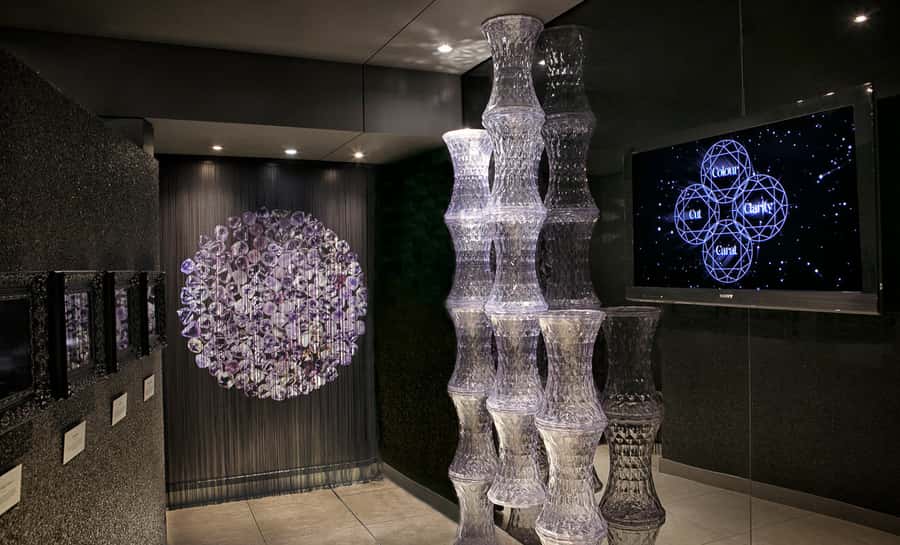
The museum covers South Africa’s 3-billion-year diamond history, and it presents that story in a way that connects to modern diamond selection and processing.
Here’s what’s valuable about that for you:
- You get context for why South Africa became such an important diamond source.
- You learn how the industry talks about ethics and selection, not only aesthetics.
- You understand the difference between a diamond’s origin and the final look you see in jewelry.
One practical way to use this part of the tour: ask your guide how the “4Cs” framework applies to what you’re seeing. Several guides are described as enthusiastic about walking people through the 4Cs (cut, carat, color, clarity), and it’s one of the easiest ways to turn a museum visit into real knowledge.
You’ll also hear about how Shimansky hand selects and how they approach ethical sourcing, which gives you something to think about when you’re deciding whether you want to design a diamond or just appreciate the process.
Free drinks help you slow down and enjoy the details
This is one of those tours where the mood is intentionally calm. You start with welcome drinks on arrival, either soft drinks or South African wine, and those drinks are available throughout the tour.
In at least some guided experiences, a tea break mid-tour also gets mentioned as a nice touch. Either way, the drink element matters because it helps you spend time looking instead of rushing.
It also makes the pacing easier if you’re not used to museum-style talking. You can listen without feeling like you’re being marched through. That’s especially helpful in a short tour where every minute counts.
Designing your own diamond: the fun part, even if you pause on buying
Here’s the big draw: you get the chance to design and (if you choose) buy your own diamond with an on-site personal designer, and you’ll be offered a GIA certificate as part of that diamond process.
Even if you don’t plan to buy, this can be a memorable moment. Designing gives you control over decisions like shape, look, and style choices. More importantly, it trains your eye. When you see how options change the appearance, you stop thinking of diamonds as one single thing and start thinking in terms of tradeoffs and design intent.
This part also makes the tour feel more personal than a typical museum walk. It’s interactive, and your designer will be the one translating what you want into a diamond choice.
A practical tip: bring cash. The tour notes cash is needed, which usually means you’re expected to make purchase decisions on-site if you want to. If you’re on a strict budget, tell yourself up front how much you’re willing to spend before you go browsing.
When the setting feels like a shop (and how to handle it)
Let’s be real: the museum is connected to a jewelry environment. You’re touring in a space tied to Shimansky, and that means the experience ends in a place where shopping is part of the flow.
The good news is that the experience is described as not having heavy pressure in the way you might fear. But you should still plan to be offered the design/buy option, because that’s the point of the experience.
How to stay in control:
- Treat the museum portion as your “education ticket.”
- If you’re tempted to design, ask questions first, then decide.
- If you’re not buying, you can still enjoy the workshop visuals and the history without feeling like you missed something.
If you’re traveling with someone who dreams about engagement-ring style sparkle, this is a strong match. If you’re with someone who dislikes anything sales-related, tell them upfront that design and purchase options are part of the experience.
Timing, meeting point, and practical flow from Gavin Collins Gallery
Your tour starts at Gavin Collins Gallery, where you meet your guide at reception. From there, you’ll go to the Cape Town Diamond Museum at the V&A Waterfront.
The experience runs about one hour on the ground, with the museum guide portion lasting 45 minutes. That means it fits well into a day packed with Waterfront sights, but it’s still long enough to ask real questions and not feel rushed.
Photo-wise, you’ll likely want to capture the museum setting and workshop displays, especially if you like detail shots. Just keep your expectations realistic: some museum lighting and display areas may limit how much you can shoot.
One more timing note that can be useful: if you go during a weekday window around 9:00–13:00, you might catch additional work like jewelry and diamond carving, depending on what’s happening on-site. That won’t be guaranteed from the basic info, but it’s a smart reason to pick a weekday if you can.
Language options and the Q&A advantage
Tours run in English and Afrikaans, and the guide who leads your session is key to how satisfying the talk feels. The museum has several guides who come through in different tour sessions, including people named Shani, Constantina, Sandy, Nadya, and Aloma.
You don’t need to memorize names to benefit from this. What matters is that your guide can explain:
- how diamonds form,
- how diamonds are selected and sourced,
- and why cut and polishing change the look.
Because it’s private, you can ask follow-up questions without worrying that you’re holding up a big group. If you’ve ever been in a group museum tour where your questions die halfway through, this format is a fix.
Price value: why $24 can make sense here
At $24 per person for a private tour, you’re not paying for a long day. You’re paying for focus: a guided museum visit, access to the workshop display area, and the drink element.
Here’s why I think it’s good value:
- Private guide time is the expensive part of many tours, and you get it for 45 minutes.
- You see a large amount of visual material, including over 3000 pieces in the factory/workshop setting.
- The option to design comes with educational value. Even if you don’t buy, it helps you learn what design choices do to a diamond’s look.
- The tour is located in the V&A Waterfront area, so you save time and transportation stress.
If you’re the type who loves craft stories and wants to understand what you’re looking at, $24 feels fair. If you’re only interested in a quick photo stop, you might prefer something shorter and cheaper. This experience is built for people who want the “how and why,” not just the shine.
Who should book this private diamond tour (and who might not)
I’d book it if you:
- enjoy short, focused museum time with lots of explaining,
- want to learn the basics behind the 4Cs-style diamond thinking,
- like the idea of seeing cutting and workshop displays,
- and/or want the option to design a diamond with a personal designer.
You might skip it if you:
- want a long, multi-stop sightseeing day (this is short and concentrated),
- strongly dislike any shopping environment in the middle of your experience,
- or need food included (it notes food isn’t included, though drinks are).
If you’re visiting Cape Town for the first time and want one highly “local craft + industry” activity, this is a solid pick—especially because it’s right at the Waterfront.
Should you book the Cape Town Diamond Museum Private Guided Tour?
Yes, if you want a compact, high-context diamond experience at a place that’s easy to reach. I’d recommend it as a great use of an hour: you get the story, you see the workshop side, and you have the option to design a diamond if that’s your style.
Before you go, do two things:
- Decide whether you’re there to learn only or learn plus design. That makes the shopping environment feel much easier.
- Bring cash and your ID, since those are specifically requested for the experience.
If you’re flexible and you like asking questions, you’ll probably leave with better diamond instincts than you arrived with—and that’s the kind of souvenir you can’t wrap.
FAQ
Where does the tour take place?
The Cape Town Diamond Museum is located at the V&A Waterfront.
How long is the guided portion?
The private guided tour lasts 45 minutes.
What does the tour include?
It includes the 45-minute private guided tour, soft drinks, South African wine, and the opportunity to design and buy a diamond.
Is this tour private?
Yes. It’s a private group experience.
What languages are offered?
Tours are available in English and Afrikaans.
Do I need to buy tickets in advance?
You can skip the ticket line.
What should I bring?
Bring your passport or ID card, and bring cash.
What’s the meeting point?
Meet your guide at reception at Gavin Collins Gallery.
Is food included?
No. Food is not included.
Is it refundable if I cancel?
Yes. Free cancellation is available up to 24 hours in advance for a full refund.