REVIEW · SANTONA
Guided Tour of the Factory + Anchovy Museum
Book on GetYourGuide →Operated by Conservas Ana Maria S.L. · Bookable on GetYourGuide
Anchovies, explained in real time. This guided stop in Cantabria pairs live production at a canning/anchovy factory with a sensory anchovy museum that’s part food lesson, part exhibit. I especially like how you go beyond the jar on the shelf and see the steps that connect Cantabrian fishing to preservation, and then you finish by eating the result with a tasting. One thing to plan around is that the live factory visit depends on the working calendar and only runs on specific days and times.
You should also know it’s a Spanish-guided experience. If your Spanish is limited, you may miss some of the finer points of the stories and explanations—though the visuals and tasting help a lot.
In This Review
- Key things to know before you go
- Where You Meet on the Clock: Santoña in a Compact 45 Minutes
- The Factory Portion: Watching Work Happen, Not Just Packaging
- Santoña Anchovy Museum: A Seabed You Can Smell and Touch
- The Projection Room: From Fishing to Jar or Can
- Octavillo Tin Demo: Why That Small Container Is a Big Deal
- Tasting Conservas Ana María: The Payoff at the End
- Price and Value: What $8 Buys You in Santoña
- Practical Tips: Spanish Comfort, Finding the Entrance, and Buying Smart
- Who Should Book This Tour (and Who Might Want Another Option)
- Should You Book the Guided Factory + Anchovy Museum?
- FAQ
- Where is the meeting point?
- How long does the tour take?
- Is the live factory production always included?
- What language is the guided tour in?
- What food is included?
- Can I buy products during or after the tour?
- Is it wheelchair accessible, and what if I need to cancel?
Key things to know before you go
- Live factory visit (Mon–Fri, morning) when artisans are working, timed for specific slots.
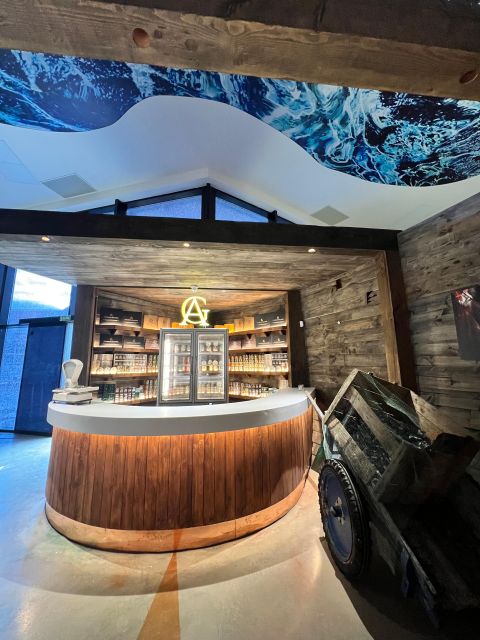
- Seabed-themed museum building where you can hear, see, smell, taste, and touch.
- Auction-sirens intro to kick off the guided tour in a very Santoña way.
- Octavillo tin demonstration by a craftswoman, showing the container used for preserving anchovies.
- Anchovy and wine pintxo plus tasting of Conservas Ana María at the end.
Where You Meet on the Clock: Santoña in a Compact 45 Minutes
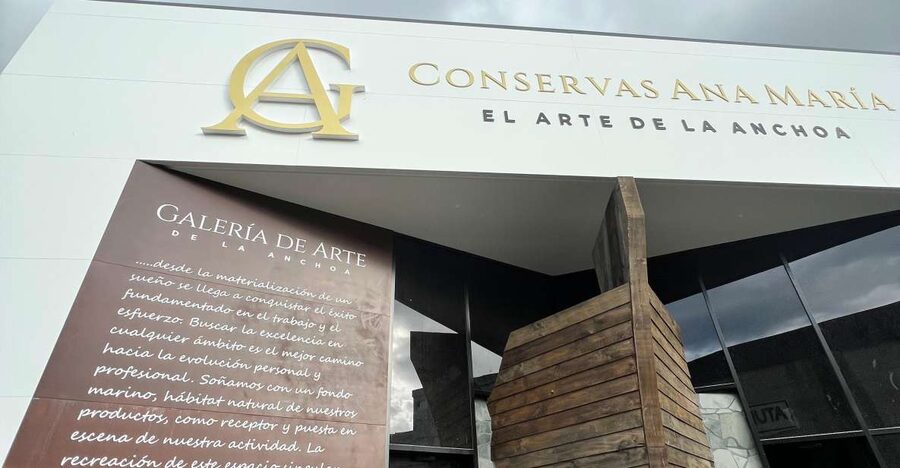
You’ll meet at C. Baldomero Villegas, 38, at the entrance to the Ana María Canned Food Anchovy Art Gallery—also known as the Santoña Anchovy Museum. The tour is listed at about 45 minutes, so it’s not a slow museum stroll. It’s more like a focused “food craft 101” in a single sitting.
Timing matters because the live factory visit is only available in the morning. The slot given is 12:30 p.m., and it’s subject to the working calendar, Monday through Friday. If you’re visiting on a day when the artisans aren’t working, you’ll still get the museum experience, but don’t expect the in-person production step.
Practical tip: the address is specific (number 38), but on the street you might not find it clearly marked. Aim to locate the Ana María gallery name first, not the number.
The Factory Portion: Watching Work Happen, Not Just Packaging
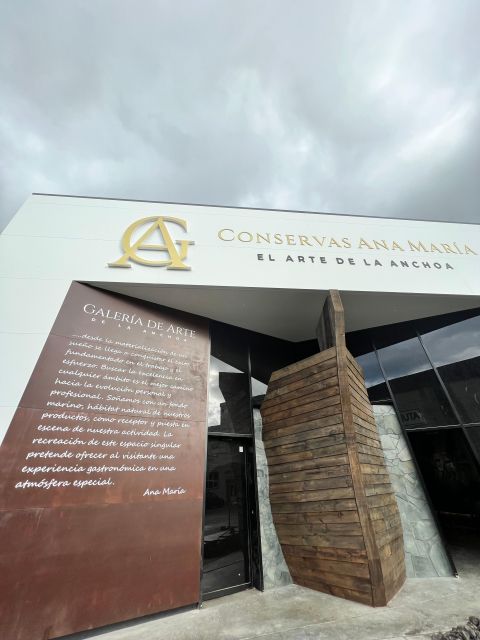
When the factory visit is running, the day starts with a trip to the factory so you can observe live production and join the anchovy-making process in real time. That’s the value here: you’re not just told that anchovies are tricky—you see the workflow, the preservation logic, and the pace of the work.
You’ll get a guided explanation of the whole process, from the way anchovies are handled through the preservation stage. And since the experience includes observation of the production process, you can look closely without needing to be an expert. It’s a great fit if you like food, but you also like understanding how food gets made.
You also get a snack here: anchovy and wine pintxo is included. Think of it as your first taste of the local style before you enter the museum’s more theatrical, sensory setting.
One caution: the factory part is the one that can change depending on the work schedule. I’d treat the museum as the constant, and the factory step as the bonus.
Santoña Anchovy Museum: A Seabed You Can Smell and Touch
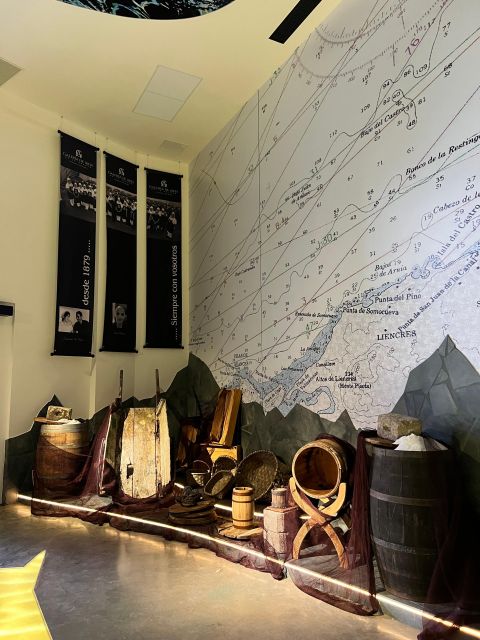
After the factory stop (when available), you move into the Ana María Anchovy Art Gallery, where the museum experience is described as total sensory. That means you’re not only looking at displays—you’re also guided to hear, see, smell, taste, and touch. For me, this is what makes it more than a standard “history of canned food” room.
The museum is in a unique building that recreates the seabed. You can even see the remains of a stranded ship, and the exhibit layout is built to make you feel like you’re exploring something real, not just reading labels. It’s oddly effective: you walk in expecting jars and get a story of fishing life that’s tied to place.
The tour begins with sound: an auction setup marked by the three sirens of the Santoña fish market. That audio cue is a clever way to anchor the experience in local rhythm—fish arrived, sold, processed. It gives context before you even enter the linked seabed exhibitions.
Then you’ll step into the museum displays connected to the seabed theme. You can see utensils from the last century that were used in the fishing and preservation of anchovies from the Cantabrian Sea. If you’re into everyday tools—hooks, gear, preservation-related items—this part is a treat because it shows the craft side, not just the end product.
The Projection Room: From Fishing to Jar or Can
Next comes a projection room with a video explaining the process anchovies follow—from fishing at sea to preservation in a jar or can. This is where the tour helps your brain connect the dots. When you watch live production (or just observe the museum sequence), the video turns that observation into a clear storyline.
It’s also where you’ll likely understand why the preservation process is so central to the reputation of Cantabrian anchovies. The steps matter because the goal is shelf-ready flavor and consistent quality, not just preservation for storage.
Even if your Spanish is basic, the structure is visual: the journey from catch to container. The narration is guided in Spanish, but the pacing of the video tends to keep everyone moving along.
Octavillo Tin Demo: Why That Small Container Is a Big Deal
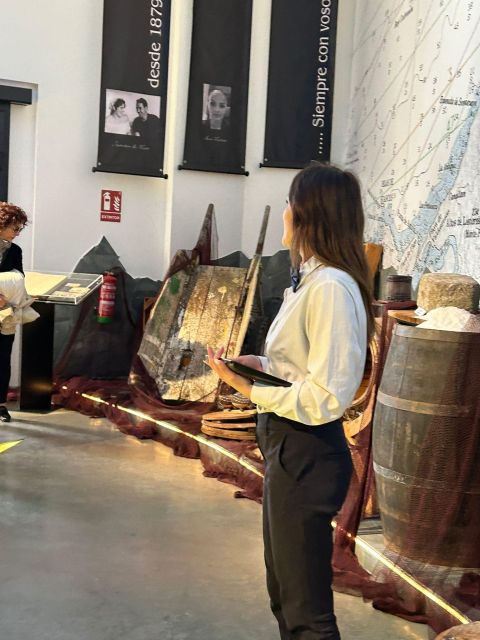
A craftswoman then shows you live how an octavillo is made. The octavillo is the tin container where anchovies are preserved.
This part is easy to underestimate because it sounds like packaging trivia. But tin choice and container role are part of the preservation logic, and that’s the bridge between craft and final taste. Seeing the container made adds a layer of respect for the process—because the whole chain matters, not only the fish.
If you like hands-on demonstrations, this is the moment where the museum turns from viewing to doing. You watch, and you get a clearer picture of how anchovies move through the world and end up ready to eat.
Tasting Conservas Ana María: The Payoff at the End
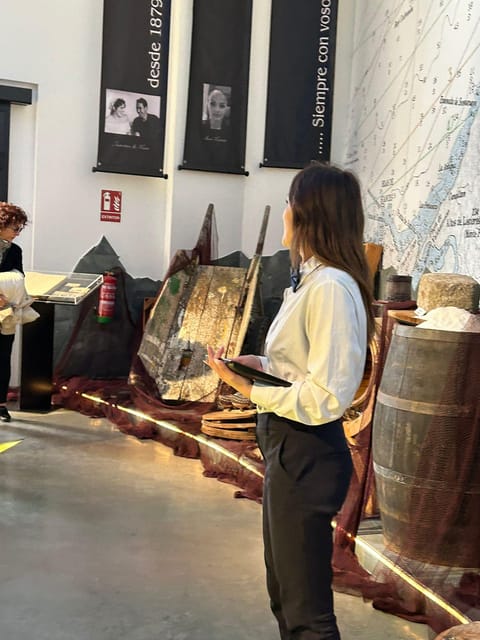
You finish the guided museum experience with a tasting of anchovies from Conservas Ana María. The brand is mentioned as having received national and international prizes for best anchovy in the Cantabrian Sea in recent years, which sets expectations before the first bite.
This tasting is also a smart teaching tool. After you’ve listened to sirens, toured the seabed displays, and watched the process unfold, your palate becomes part of the story. You’re not just tasting salt and fish—you’re tasting the result of the preservation steps explained earlier.
And don’t forget the earlier included anchovy and wine pintxo. If you’re the type who likes comparing bites, you can treat the pintxo as your warm-up and the tasting as the main course moment.
What to do: slow down for the tasting and pay attention to how the anchovies present (salt level, texture, and overall balance). The guide’s Spanish explanations will add nuance if you can follow along, but your senses will still get the message even if you can’t catch every word.
Price and Value: What $8 Buys You in Santoña
At about $8 per person for a guided factory-and-museum experience, this is strong value in a region where food culture is a serious business. You’re paying for more than entry. You get:
- a guided visit through production space when the live factory slot is running
- the museum’s guided sensory experience
- a wine pintxo with anchovy
- and a tasting of Conservas Ana María
A lot of tours charge the same or more just to show a room and let you read signs. Here, the tour is structured around guided explanation and food moments, which makes the cost feel fair—especially because you’re leaving with products you can buy if you want them.
Also, you’re getting local credibility: the museum and brand are positioned around Cantabrian anchovy tradition, and the tour’s sequence is meant to show how that tradition becomes a jar or can you can eat later.
If you’re trying to keep expenses down while still getting something authentic, this hits a sweet spot.
Practical Tips: Spanish Comfort, Finding the Entrance, and Buying Smart
A few real-world notes will make your visit smoother:
Language reality check
The tour guide is Spanish-speaking. If you don’t read or understand much Spanish, the experience may feel more challenging. That said, the museum uses sound, visuals, and a tasting. Those parts reduce how much you need the language to still enjoy yourself.
Where to look on arrival
Use the Ana María Canned Food Anchovy Art Gallery name as your landmark. One review flagged that the street number can be hard to spot, so arriving a few minutes early and scanning for signage can save stress.
Shopping at the end
There’s a clear opportunity to purchase products at the establishment at the end of the visit. Since the tasting includes Conservas Ana María, you’ll have a reference point for what you’re buying. If you’re deciding between items, start with the products you tasted and ask the staff for recommendations in your comfort language.
Who Should Book This Tour (and Who Might Want Another Option)
This experience is ideal if you:
- like food crafts and want to understand how anchovies go from fish to preserved product
- enjoy sensory museums and guided storytelling
- want a compact, affordable activity in Santoña that still feels specific to the region
It may be less ideal if you:
- need a tour delivered in English (the guide is Spanish)
- can’t match the Mon–Fri morning window for live factory production
- prefer long, unhurried museum time rather than a tighter guided schedule
Should You Book the Guided Factory + Anchovy Museum?
If you’re in Cantabria and you even mildly care about where food comes from, I’d book this. The strongest reasons are simple: you get live production when it’s running, a sensory museum that goes beyond text, and a tasting that lets you understand what you just learned.
The main reason to hesitate is the practical one: it’s Spanish-guided, and the live factory portion depends on the working calendar. If you can handle that (or you’re happy to enjoy the museum component), this is a smart, good-value way to spend your time in Santoña.
FAQ
Where is the meeting point?
You meet at the entrance to the Ana María Canned Food Anchovy Art Gallery (Santoña Anchovy Museum) on C. Baldomero Villegas, 38.
How long does the tour take?
The activity is listed as about 45 minutes. The museum experience is described as lasting about 1 hour, depending on how the visit is timed.
Is the live factory production always included?
No. The live factory visit is only available in the morning (12:30 p.m., subject to the working calendar) from Monday to Friday when the artisans are working.
What language is the guided tour in?
The live guide conducts the tour in Spanish.
What food is included?
You get an anchovy and wine pintxo during the experience, and there is also a tasting of anchovies from Conservas Ana María at the end.
Can I buy products during or after the tour?
Yes. There is a possibility to purchase products in the establishment at the end of the visit.
Is it wheelchair accessible, and what if I need to cancel?
The experience is wheelchair accessible. You can cancel up to 24 hours in advance for a full refund.
If you tell me your travel dates (and whether you prefer morning vs. afternoon), I can help you decide whether the live factory slot is likely to fit your schedule.