REVIEW · PARIS
Paris: Louvre Museum Highlights Small-Group Guided Tour
Book on GetYourGuide →Operated by Dayin · Bookable on GetYourGuide
The Louvre can feel like a maze. This private small-group tour helps you see the big masterpieces without getting steamrolled. You’ll start near the pyramid, meet the guide holding a blue Dayin sign, and get a route that actually makes sense once you’re inside. I also like that your guide comes from a team that’s been working in the museum for years, with names like Romain, Vincent, Wei, Walid, and Hamish showing up in the guide lineup.
Two things I especially like: skip-the-ticket-line access plus a guide who chooses what to focus on, so you’re not wandering in art-fiction. The other big win is pacing. You move at your speed, which matters when you’re with kids, you’re tired, or you just want time to look up close.
One consideration: even with skip-the-line help, you still may face a security line that can reach around 20 minutes in busy periods. Also, parts of the museum can close for reasons you can’t control, so your guide may flex the plan in the moment.
In This Review
- Key things to know before you go
- Meeting the Guide by the Louvre Pyramid (and the horse statue landmark)
- Skip the ticket line, but don’t bet your day on it
- The 2-hour highlights route: Mona Lisa, Venus de Milo, and Victory of Samothrace
- 3-hour and 4-hour options: more time for famous works and lesser-known stops
- Going at your pace inside a museum that never stops
- Your guide is the real “highlights” factor (Romain, Vincent, Wei, Walid, Hamish)
- Price and value: $262 per person for ticket + expert routing
- What to bring (and what will slow you down)
- Practical timing and languages so you can plan like a pro
- Should you book this Louvre small-group highlights tour?
- FAQ
- Where do we meet the guide?
- Which artworks are included on the 2-hour highlights tour?
- How long is the tour?
- Is this tour skip-the-ticket-line?
- What languages are available for the live guide?
- What do I need to bring?
- What items are not allowed?
Key things to know before you go
- Meet at the pyramid by the horse statue, with a blue Dayin sign to make finding your guide easier
- Two-hour, three-hour, or four-hour options so you can match time and energy
- Iconic works included on the highlights route: Mona Lisa, Venus de Milo, and Victory of Samothrace
- Private or small-group format so you’re not stuck in a human bottleneck
- Multilingual guides (English, French, Spanish, Chinese, Traditional Chinese, Arabic)
- No selfie sticks, no flash, no large bags, which keeps the visit smoother for everyone
Meeting the Guide by the Louvre Pyramid (and the horse statue landmark)
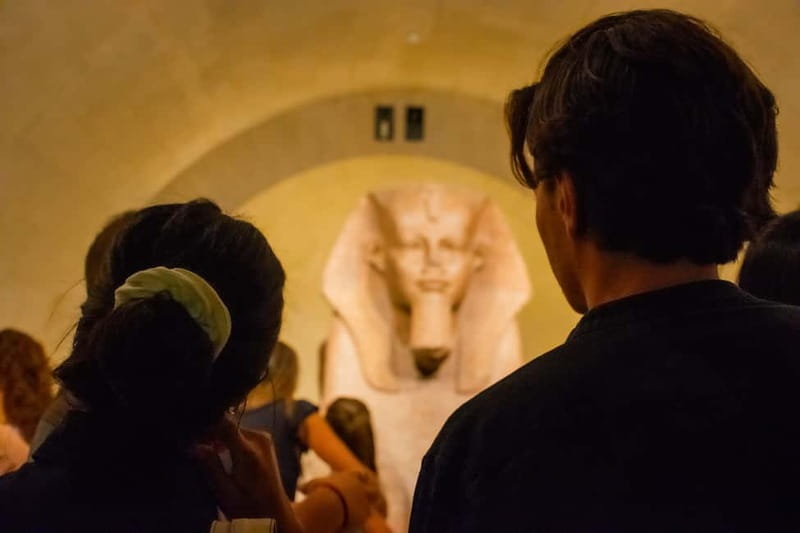
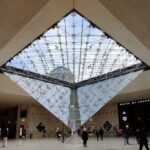
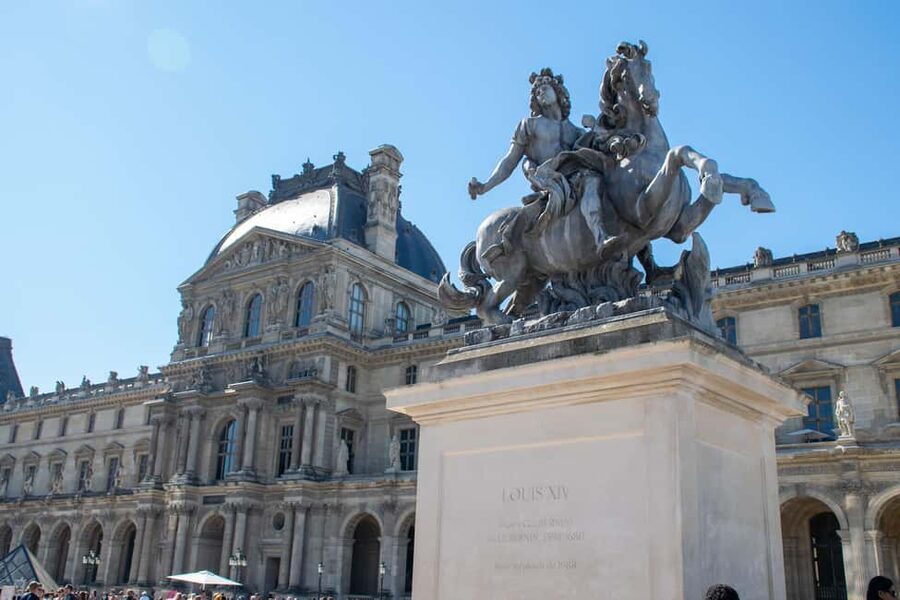
Your tour starts right at the Louvre’s most famous exterior marker: the pyramid area. You’ll meet your guide next to the horse statue in front of the pyramid, and the guide will be holding a blue Dayin sign. If you’re using Google Maps, search for Louvre Pyramid. This sounds basic, but in Paris, a 10-minute “where are you?” delay can snowball fast.
There’s also a neat clue built into the start point. One of the first reference points on this experience is the sculptural landmark Louis XIV sous les traits de Marcus Curtius (copie). Even if you don’t catch every detail of the sculpture, it helps you orient. You’re aiming for a specific spot in a huge complex, not just the general neighborhood.
If you want this day to feel calm, do one simple thing: arrive a few minutes early. Not because you’re being rushed—because you’re about to walk into one of the world’s busiest museums, and friction costs time and patience.
You can also read our reviews of more guided tours in Paris



Skip the ticket line, but don’t bet your day on it
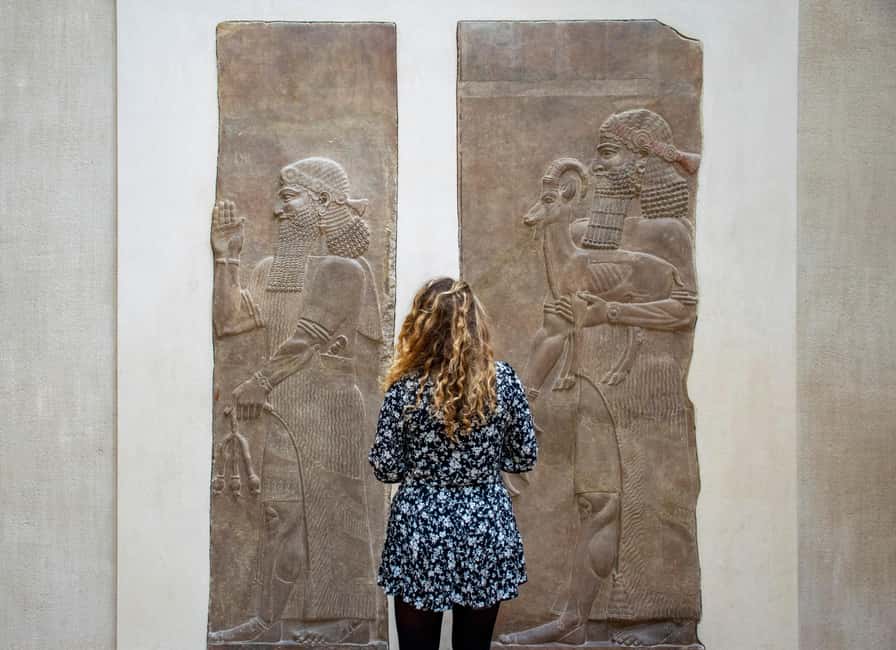
This tour includes Louvre entry and access that helps you skip the ticket line. That alone can be the difference between enjoying your first 30 minutes and feeling like you’re losing your day before it starts.
But here’s the honest part: you should still expect security screening. The museum setup means the line can be up to about 20 minutes during high season, even with optimized access. So treat the ticket-line skip as helpful, not magical. Your guide will do what they can to time your entry, but security is still security.
Also, the Louvre is a living museum. Some galleries can close without a long heads-up, and objects can move for restoration or loans. Your guide’s job is to keep the experience coherent, which is exactly where a good guide matters.
The 2-hour highlights route: Mona Lisa, Venus de Milo, and Victory of Samothrace
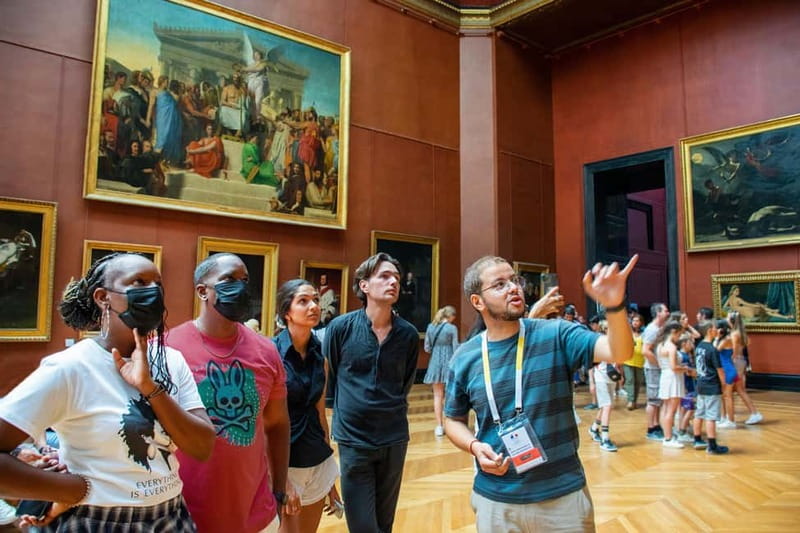
If you choose the 2-hour Highlights Tour, you’re basically buying a laser-focused route through the Louvre’s most famous “you’ve definitely seen this in posters” pieces. The plan is built around must-sees such as:
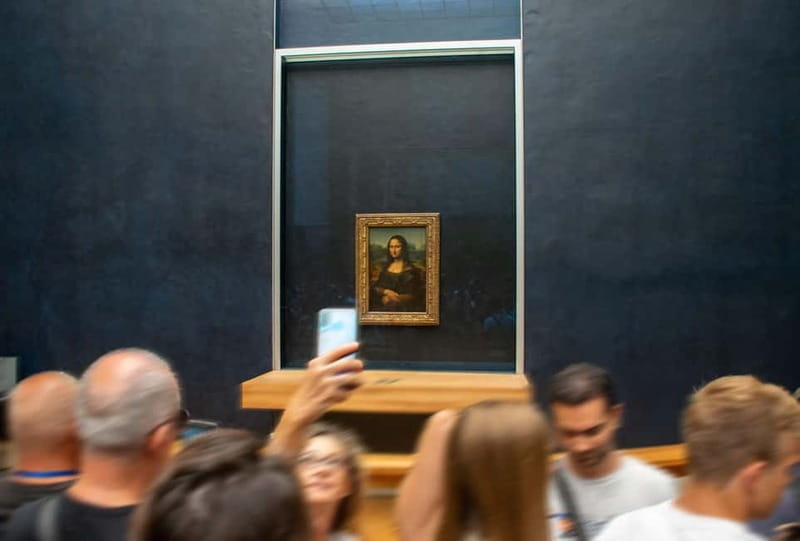
- Mona Lisa
- Venus de Milo
- Victory of Samothrace
The value here isn’t just that you’ll tick off famous artworks. It’s that a guide helps you see what makes each one special, so the crowd doesn’t turn the experience into a quick photo-and-leave ritual.
One practical benefit of having a route is that you’ll spend less time choosing. The Louvre forces decisions constantly: where to look, which wing makes sense, and what you can realistically see before you start losing the thread. With the highlights route, you don’t have to solve the puzzle while you’re standing inside the puzzle.
A small warning: the highlights itinerary is fast by design. Two hours is enough to hit the classics, but it’s not enough to become emotionally attached to every room you pass. If you’re the type who likes to linger, the longer options will feel more like a proper museum visit.
3-hour and 4-hour options: more time for famous works and lesser-known stops
The 3-hour Extended Tour gives you breathing room. You’ll still see the famous works, but you’ll also get time for lesser-known gems—not the “mystery” kind, but the kind you’d normally miss because you’re stuck navigating crowd control and guessing routes.
The 4-hour Deep Dive Tour is for the people who say things like, I want to come back and feel like I understand what I’m looking at. With extra time, your guide can slow down the pacing where it matters most: context, comparisons, and the little art-and-history connections that make the Louvre feel less like a list and more like a story.
In real terms, the longer tours help you avoid the classic Louvre problem: you see the headline pieces, then you’re too tired to explore the rooms you’d actually enjoy. More time can mean a calmer museum, not just more museum.
Going at your pace inside a museum that never stops

The pitch is private or small-group. The real payoff is that you get to function like a human, not like a guided tour stamp. Large groups move in clumps. You get dragged forward, then you’re stuck behind someone who’s reading every label like it’s literature class.
With this format, your guide can adjust the speed so you can:
- stop when something catches your eye
- spend a little extra time on one artwork instead of forcing yourself onward
- ask questions without hearing your own voice disappear under 40 other voices
This matters a lot for families. In the guide lineup, you’ll see names like Wei, and the way these guides handle children tends to focus on keeping the pace engaging so kids don’t melt down mid-gallery. That’s not a guarantee, but it’s an approach that shows up strongly.
It can also help if you want accessibility-friendly movement. One of the stronger themes in the experience description is that guides understand the best ways to navigate crowds. In at least some cases, that includes knowing smoother routes and elevator options—useful if you walk more slowly or need the shortest-change paths.
You can also read our reviews of more museum experiences in Paris




Your guide is the real “highlights” factor (Romain, Vincent, Wei, Walid, Hamish)
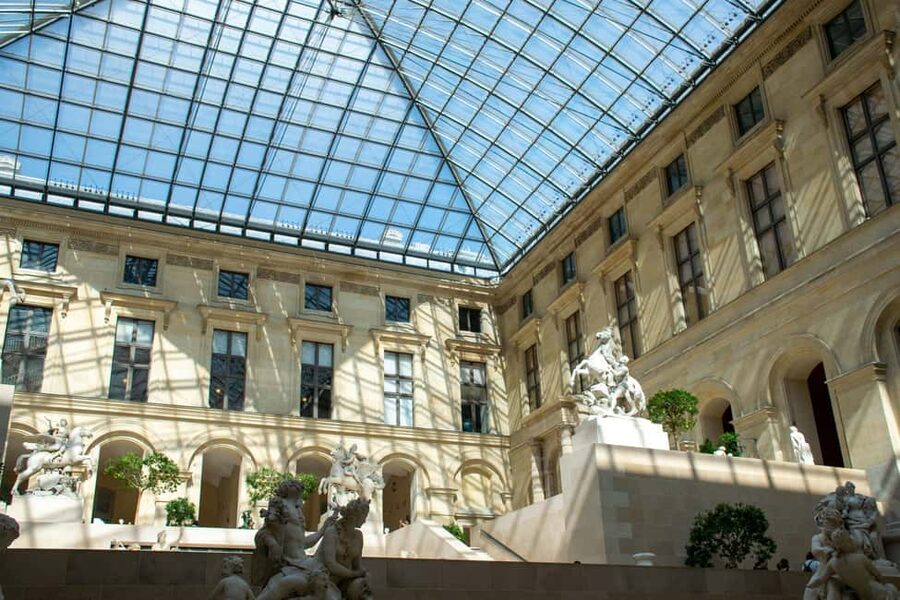
A tour like this rises or falls on the guide. Here you’re getting a licensed, fun guide, and the “must-sees” are chosen for you. That means you’re not stuck reading a route off an app while your brain tries to keep up.
Some guide names you’ll see in the roster include Romain, Vincent, Wei, Walid, and Hamish. What ties them together in the experience is the ability to keep the museum moving while still giving you context. In other words: you’re not just looking at objects, you’re understanding why they were made, what changed over time, and how the Louvre’s layout affects what you notice.
I also like that customization is part of the concept. If you’re a first-time visitor, you get a smart overview of the Louvre’s main hits. If you care about a specific angle—art history depth, historical themes, or even a narrower subject—your guide can shape the story. Walid is one of the names associated with tailoring, including steering into topics like Mesopotamia when that’s what the group wanted.
And yes, the “fun, engaging experience designed for all ages” isn’t just marketing language. You’ll feel it when your guide keeps explanations lively and doesn’t talk only in facts. The best Louvre guides turn labels into meaning.
Price and value: $262 per person for ticket + expert routing
At $262 per person, this is a premium option. It’s not “cheap Louvre.” But the value comes from what’s included:
- Louvre museum entry ticket
- a licensed guide
- a private experience (or small-group setup, depending on what you book)
- a highlights tour aligned with the length option you choose
- practical tips for navigating after the tour
When you add it up, you’re paying for time saved and for someone to do the hard thinking for you: where you go first, how you avoid the worst bottlenecks, and how you connect the artworks so the Louvre doesn’t feel like random rooms.
If you’re traveling solo and comparing to self-guided, the difference is simple: self-guided is cheaper, but it can cost you attention and energy. If you’re traveling with kids or you only have one shot at the Louvre, the guide time often pays back fast. It’s the difference between seeing the Louvre and having the Louvre make sense.
What to bring (and what will slow you down)
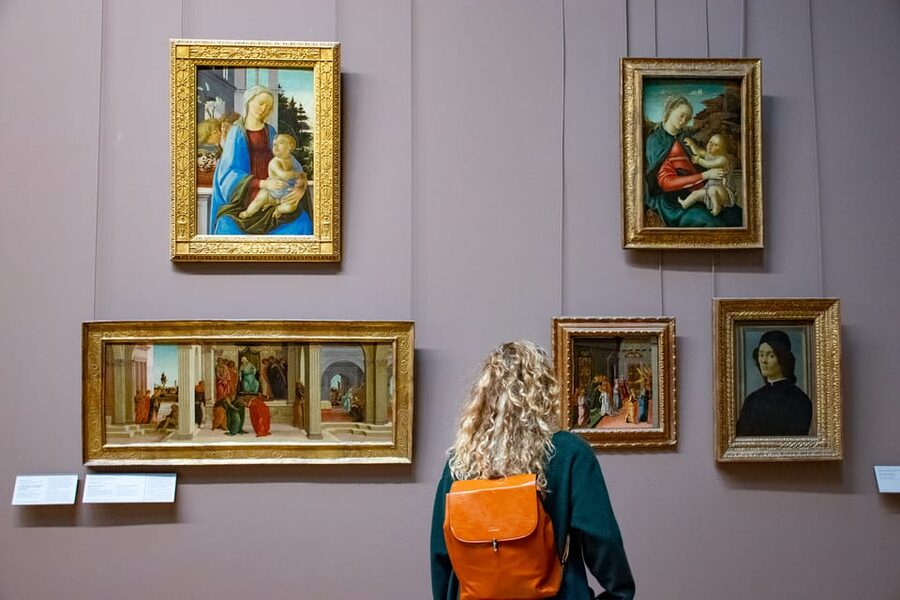
Before you leave, keep the day light. You’ll want:
- A passport or ID card (a copy is accepted)
- Wear shoes that can handle lots of walking and museum-floor pacing
And avoid what’s not allowed:
- Selfie sticks
- Flash photography
- Luggage or large bags
That last point matters more than people expect. If you show up with a heavy bag, you may spend time dealing with storage rules or trying to squeeze around others. A smaller bag setup keeps the entire visit smoother.
Also, plan for the fact that your tour ends back at the meeting point. After the guided portion, you’re free to explore on your own at your pace. That’s smart, because your guide gives you a map in your head—then you can choose what to re-see without the pressure of sticking with the group.
Practical timing and languages so you can plan like a pro
This experience runs for 2 to 4 hours, depending on what you book. Starting times vary, so check availability first. In Paris, timing is everything. If you can, leave extra room for getting there. Traffic and transit delays happen, and you don’t want your Louvre day to start already stressed.
Language options include English, French, Spanish, Chinese, Traditional Chinese, and Arabic. That’s a real help if you want your guide to explain complex ideas without turning the Louvre into interpretive guesswork.
One more practical note: your guide holds a blue Dayin sign. If you’ve got trouble finding them (Paris is crowded; sometimes it’s just chaos), don’t panic—use the exact meeting spot and give yourself a buffer.
Should you book this Louvre small-group highlights tour?
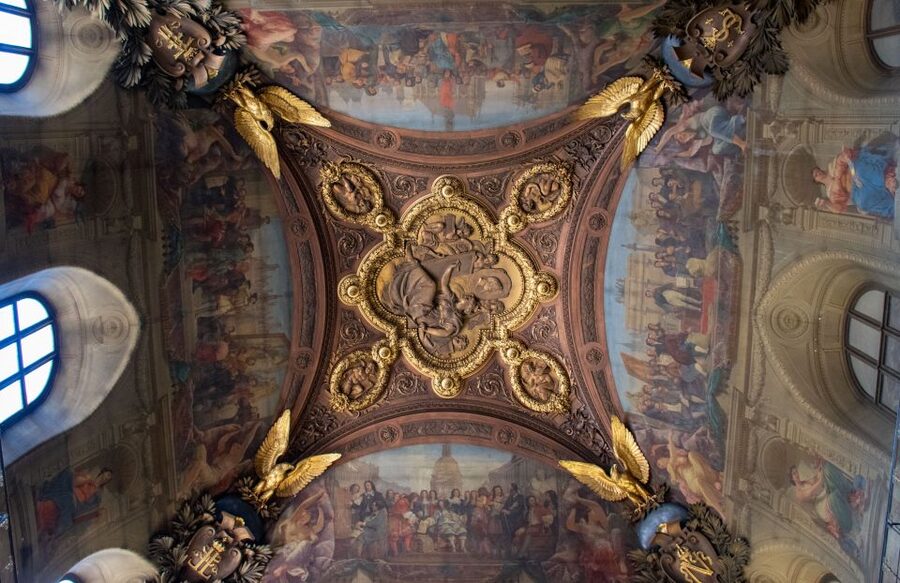
Book it if:
- you want to see the key masterpieces without spending half your time figuring out logistics
- you care about a guided explanation, not just wandering room to room
- you’re traveling with kids or anyone who needs a calmer pace
- you want skip-the-ticket-line access and a smart crowd-navigation approach
Consider another option if:
- you truly want total freedom with no set route
- you’re planning to spend most of your visit reading every label for hours (the Louvre will win that battle)
- you’re visiting during peak season and you’d rather avoid any potential security-line wait at all
My take: for most first-timers, this is a strong way to get the Louvre’s biggest moments plus enough context to make a future return feel easier. The longer tour option is especially worth it if you tend to linger or you want more than the postcard classics.
FAQ
Where do we meet the guide?
Meet your guide next to the horse statue in front of the pyramid. The guide will be holding a blue Dayin sign.
Which artworks are included on the 2-hour highlights tour?
The 2-hour Highlights Tour covers must-sees including Mona Lisa, Venus de Milo, and Victory of Samothrace.
How long is the tour?
The tour runs for 2 to 4 hours, depending on which option you choose.
Is this tour skip-the-ticket-line?
Yes, it includes skip-the-ticket-line access, but you may still wait at security.
What languages are available for the live guide?
English, French, Spanish, Chinese, Traditional Chinese, and Arabic.
What do I need to bring?
Bring a passport or ID card. A copy is accepted.
What items are not allowed?
Selfie sticks, flash photography, and luggage or large bags are not allowed.