REVIEW · PARIS
Les Invalides: Napoleon’s Tomb & Army Museum Entry
Book on GetYourGuide →Operated by Distributor: GetYourGuide Tours & Tickets GmbH · Bookable on GetYourGuide
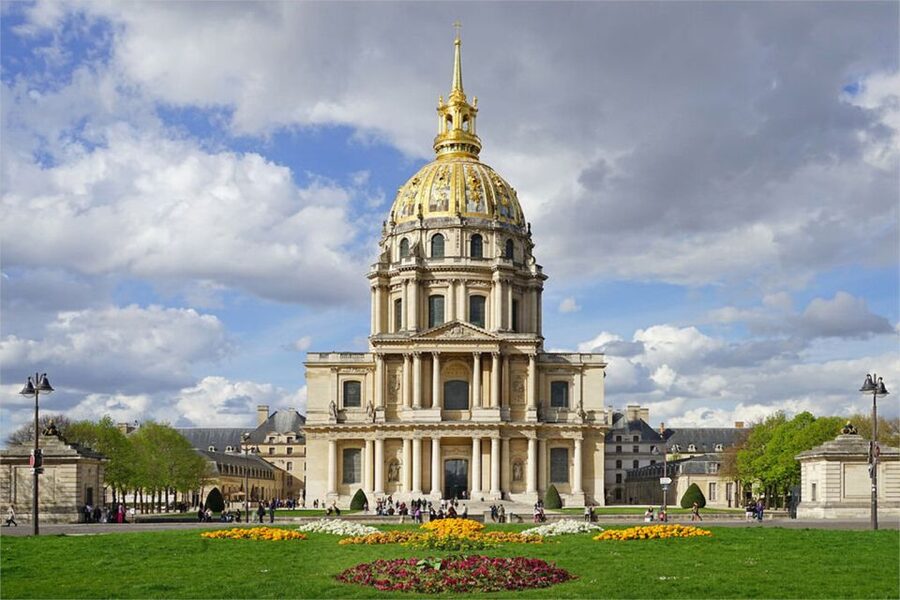
Napoleon rests under one impossible-looking dome. I loved the gilded Dome Church and the arms and armor collection with hundreds of thousands of items. The only drawback: you need real time here, because this site is big and you’ll miss stuff if you rush.
Les Invalides is not just one museum stop—it’s a whole military-history world inside the Hotel National des Invalides, created for Louis XIV’s veterans. You can wander at your own pace through major collections (from the Middle Ages onward) and then focus on Napoleon’s tomb in the dome.
In This Review
- Key highlights worth planning around
- Les Invalides: Why this Dome stop feels different
- Tickets, entrances, and how to avoid the site confusion
- Inside the Dome Church: seeing Napoleon’s tomb up close
- The Army Museum rooms: 500,000+ items you can actually manage
- Plans-Reliefs and the Liberation museum: smaller stops with real purpose
- Interactive battle displays: why the tech is worth your time
- Signs, languages, and the on-site multimedia option
- How much time do you actually need?
- Price and value: why $20 can still feel like a deal
- Family-friendly plans: weekend activities and smart kid pacing
- Practical tips that make the visit smoother
- Should you book this Les Invalides ticket?
Key highlights worth planning around

- Napoleon’s tomb in the Dome Church is the main visual payoff, and it’s worth going slowly
- Hotel National des Invalides turns a royal building into a serious museum complex
- Arms and armor are displayed with a scale that makes you understand how military power shaped France
- Multiple museum components (plans-reliefs, Liberation, temporary exhibits) let you choose how deep you go
- Interactive digital battle experiences help connect objects to real campaigns
- Self-guided freedom means you can spend more time where your interest actually is
Les Invalides: Why this Dome stop feels different

Paris has plenty of churches and plenty of museums. Les Invalides is different because it mixes both, and it does it with a clear purpose: honoring the people (and the history) of war. The gilded Dome Church is the headline, but the site’s real strength is the way it turns military artifacts into a walkable story of France.
Inside, you’re stepping into the Hotel National des Invalides, originally built by Louis XIV to house veterans and wounded soldiers. That context matters. You’re not only looking at shiny armor behind glass—you’re in a place designed to hold the physical reminders of service and sacrifice.
And yes, the dome is spectacular. If you only have one stop on your Paris history list, this is one of the most convincing choices.
You can also read our reviews of more museum experiences in Paris



Tickets, entrances, and how to avoid the site confusion
This is a self-paced visit, but the site still has a “keep your eyes open” factor. The Invalides complex includes multiple spaces, so you may have to show or rescan your admission more than once to access each part of the site. Keep your ticket with you until the end.
The practical tip: to avoid a long queue at the cash desk, enter the Invalides area and show your tickets to access the museums. Once you’re inside, don’t assume everything is covered under one single scan—different sections can require separate checks.
Entry access works via specific points and times:
- From Esplanade des Invalides: 10:00 to 18:00
- From Place Vauban: 14:00 to 18:00
Also note the “last chance” detail: ticket counters close 30 minutes before the museum closes. If you arrive late, you might still get in, but you can miss services.
Inside the Dome Church: seeing Napoleon’s tomb up close
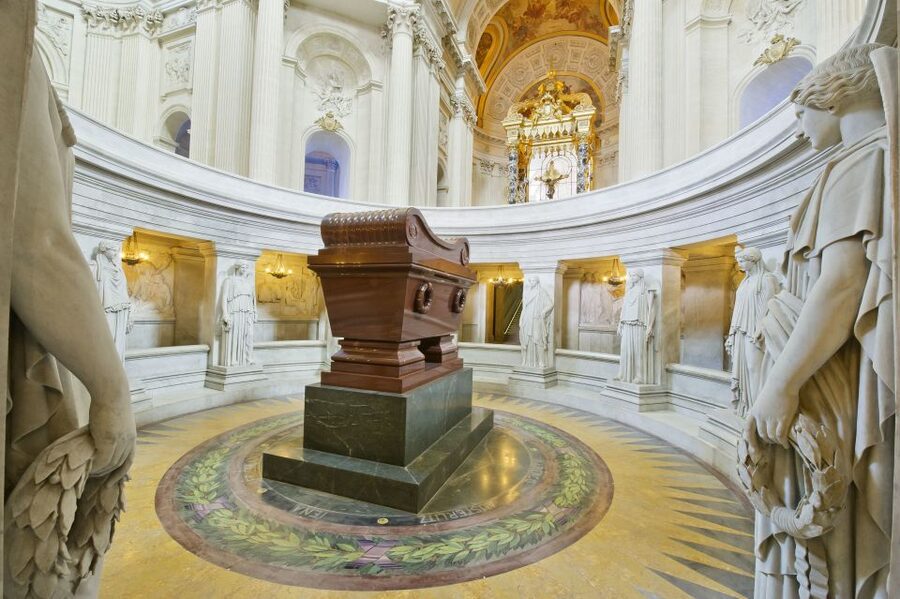
The Dome Church is where most people remember Les Invalides. Napoleon Bonaparte is resting here, and the setting is intentionally dramatic—gilded grandeur above, the sense of finality below.
What I like about this part of the visit is that it doesn’t feel like a rushed photo stop. You can actually slow down and take in the architecture, then shift into the mindset the site is pushing: France’s wars were personal, and symbols mattered.
One key planning thought: give yourself a little buffer for this area. Even when lines are manageable, the tomb zone tends to draw focus, and crowds can collect quickly.
Also, don’t forget this is still a museum site. You’re not “done” after Napoleon’s tomb. Use the tomb as your anchor moment, then keep going into the collections nearby.
The Army Museum rooms: 500,000+ items you can actually manage
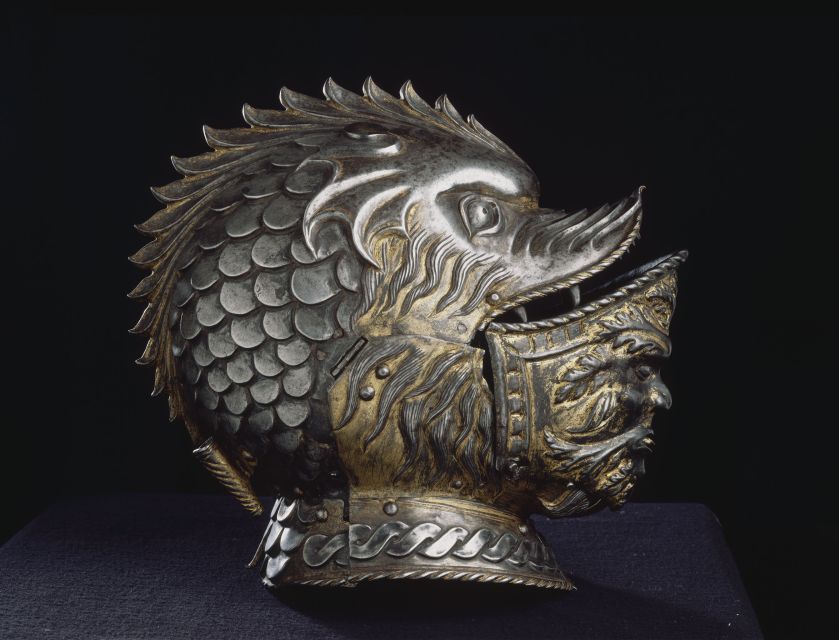
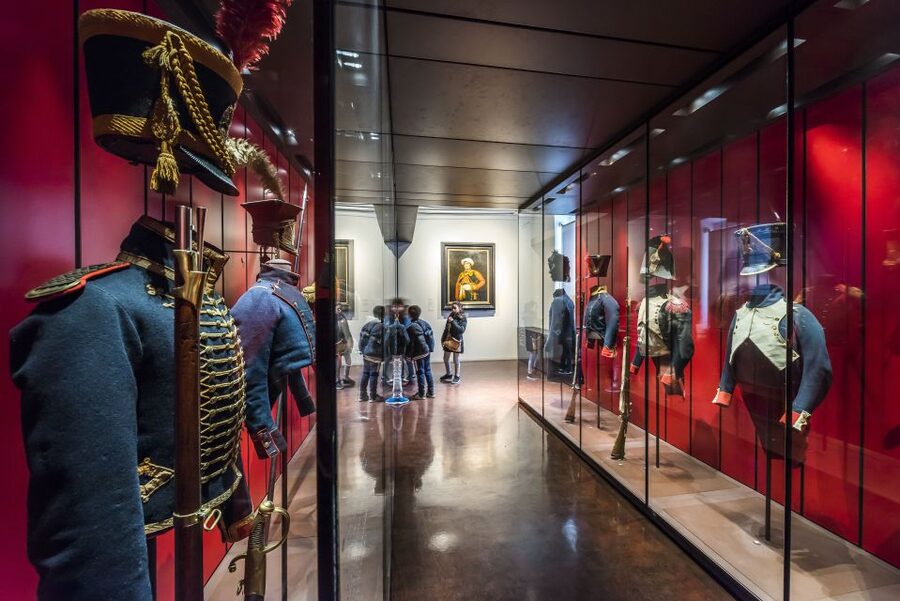
After the dome, the rest of Les Invalides is the bigger challenge—and the bigger reward. The museum experience is designed for wandering. You’re looking at over 500,000 pieces, spanning from the Middle Ages through more modern military history.
The arms and armor collection is widely considered one of the largest in the world, and you’ll feel that scale as you walk from room to room. Weapons aren’t only displayed; uniforms, swords, cannons, personal belongings, paintings, and photographs show up in different contexts. That variety matters because it helps you see military history as culture, technology, and power—not just battlefield events.
Practical pacing tip:
- If you try to “cover everything,” you’ll end up skimming.
- If you focus on one theme (Napoleon-era items, weapons evolution, or the World Wars displays), you’ll walk out feeling like you understood more than you expected.
Plans-Reliefs and the Liberation museum: smaller stops with real purpose

Not every part of Les Invalides feels like the blockbuster Dome moment. Some sections are easier to under-plan. That’s your choice—but I’d still budget time for the extra museums included with this ticket.
Here’s what you can access:
- Museum of Plans-Reliefs
This is the kind of museum section that rewards people who like maps, strategy, and how geography shapes conflict. Even if you’re not a “map person,” it can help you visualize battles and defenses in a way that objects alone don’t always do.
- Museum of l’Ordre de la Libération
This focuses on the Liberation story (especially connected to WWII). If you’re interested in resistance and how France fought back, this part gives you a clearer sense of what “military history” means beyond generals and battles.
These sections also help break up the visit. Instead of being in one long “weapons” loop, you shift your attention to planning, organization, and the human side of conflict.





Interactive battle displays: why the tech is worth your time

Les Invalides isn’t only about old objects in glass cases. The museum includes interactive digital experiences with devices that help you understand some of the battles that shaped French history.
I like this because it solves a common museum problem: without context, weapons can turn into a list of shapes. With interactive material, you start seeing why specific pieces mattered—who used them, how campaigns moved, and what was at stake.
If you’re visiting with kids or teens, this is also a good “attention reset.” Reviews from real visitors highlight that the experience can be engaging for a range of ages—especially around WWII and the interactive sections.
Signs, languages, and the on-site multimedia option
You don’t need to speak French to enjoy Les Invalides. Signs and explanations are available in English and French, and that makes a big difference if you’re trying to understand what you’re seeing without constantly guessing.
If you want extra help, there’s a multimedia guide available on-site for €5. It’s not included with the base ticket, but visitors often find it useful because it adds context and connects artifacts to broader historical events.
If you’re a “read everything” person, you might not need it. If you’re more of a “I want the fast path to understanding” person, it can save you time and help you avoid getting lost in the volume of objects.
How much time do you actually need?
This is the part people underestimate. Les Invalides can feel like a “dome and a museum” outing. In reality, it’s a full-day kind of site if you want to see more than the highlight zone.
A realistic range:
- 2–3 hours: enough for Napoleon’s tomb and a targeted sweep of the main museum sections
- 4–5 hours: a comfortable pace to see more rooms without rushing
- Most of the day: if you want deeper WWII material, multiple museums, and time for interactive areas
One smart trick: build in a break. Seating is available throughout the museum areas, and on hot days that matters. If you visit mid-season, you might also appreciate doing the dome and the most crowded rooms earlier, then using later time for slower indoor wandering.
Price and value: why $20 can still feel like a deal
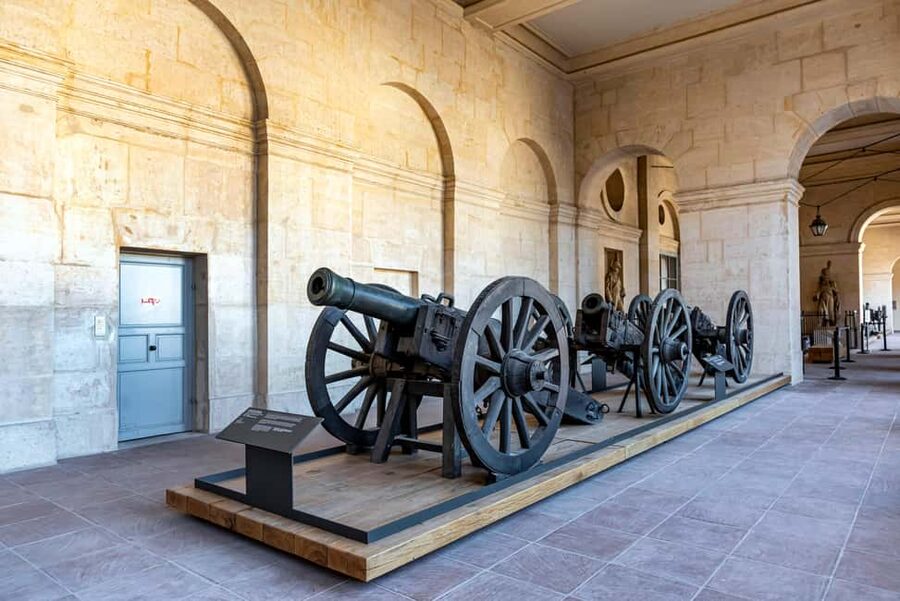
For around $20 per person, this ticket covers a lot of ground: permanent collections, the Dome Church with Napoleon’s tomb, the Museum of Plans-Reliefs, the Museum of l’Ordre de la Libération, temporary exhibitions, and access to family activities on weekends.
Here’s why the value works:
- You’re paying for a single complex with multiple collections, not a one-room exhibit
- Napoleon’s tomb is a fixed “must see,” and you’re not forced into a long guided tour
- The sheer scale (500,000+ pieces) makes it feel worth the time even if you don’t see every object
The main value risk is time. If you only allocate 90 minutes, you might feel like you paid for a highlight and a quick lap. If you plan for a realistic window, it becomes one of those Paris tickets that feels like you got a whole day of history for less than you expected.
Family-friendly plans: weekend activities and smart kid pacing
If you’re visiting with kids, this site can work well—especially because there are both historic objects and interactive content. The ticket includes access to family activities on:
- Saturday and Sunday at 11:00 and 14:30
These are in French and are subject to availability. Tickets for those activities are €7 per child on site.
What I suggest:
- Let kids start with something visual (the dome and tomb).
- Then shift to rooms with hands-on or media-based experiences.
- Keep your expectations flexible: this is a museum complex, so the visit is more “explore and learn” than “run around all morning.”
Also plan for breaks. There are places to sit, and you can purchase snacks, but bringing water is smart—especially if you’re visiting in warmer months.
Practical tips that make the visit smoother
A few details can save you stress:
- Expect a one-ticket site check at multiple points. Keep your ticket until the end. You might need to show it entering each part of the complex.
- Plan for lines even if you’re fast. The dome and tomb area is popular. Avoid wasting time by going straight in using your entry process.
- Use cloakrooms. Cloakrooms are available, which helps if you’re arriving with a day bag or shopping.
- Don’t forget closing buffers. Counters close 30 minutes before closing.
- Closed dates matter. The site is closed on January 1, May 1, and December 25.
And if you care about mobility: the venue is wheelchair accessible, though it may not be perfect everywhere. Old monumental buildings can still include less-friendly routes or tighter internal transitions than you’d hope.
Should you book this Les Invalides ticket?
Yes, I’d book it if you want a genuinely important Paris history stop that’s also a feast for the eyes. Napoleon’s tomb in the Dome Church alone makes it worth it, and the Army Museum collections keep you busy long enough to feel like you earned your time.
I’d pass or rethink if:
- You hate big museums and prefer tiny, focused exhibits
- You only have a short window and you’re set on doing multiple major attractions the same day
- You’re looking specifically for a guided narrative. This ticket is self-guided, so you’ll get more from reading signs, using the optional multimedia guide, or focusing on a theme as you walk.
If you’re on the fence, my decision rule is simple: if you can spare half a day to a full day, you’ll come away thinking this place deserves the attention.