REVIEW · MADRID
Madrid: Reina Sofía Museum Entrance Ticket
Book on GetYourGuide →Operated by Distributor: GetYourGuide Tours & Tickets GmbH · Bookable on GetYourGuide
Reina Sofía is where 20th-century art hits you in the face. With Picasso’s Guernica as the headline and a huge collection around it, this full-day ticket is a smart way to see Madrid’s most important contemporary museum without wasting time. Even if you only care about one painting, the building and the surrounding rooms pull you into the bigger story of modern Spain.
I especially like two things: the skip-the-line setup that lets you get inside fast, and the way the collection makes it easy to build your own route. You’ll find Guernica plus major names like Dalí and Miró, and the museum’s focus on 20th-century Spanish artists keeps everything connected.
One drawback to plan for: the museum can get seriously crowded, especially around popular moments and free-entry windows. Also, some areas may be less interesting depending on what’s open that day, so it helps to know what to prioritize.
In This Review
- Key things to know before you go
- Where to meet: Nouvel courtyard (and how to get oriented fast)
- Ticket value: what $14 really buys you in a big museum
- Best timing in Madrid: opening hours and free entry windows
- Your priority route: Guernica and the Picasso rooms
- Dalí displays: what to look for beyond El gran masturbador
- Miró in primary colors: how his style reads in real time
- How the museum tells 20th-century Spanish stories (and why that matters)
- Navigation reality check: expect some confusion (and plan around it)
- Audio guide strategy: when it helps, when it doesn’t
- The small details: rules, bags, and what you can’t bring in
- Bonus: free time, crowds, and when lines form
- Should you book this Reina Sofía ticket?
- FAQ
- How long is the Reina Sofía museum visit with this ticket?
- What is included in the price?
- Do I need to buy an audio guide separately?
- What time is the meeting point and where do I go?
- Is the museum wheelchair accessible?
- When is the museum closed?
- Are there restrictions on what I can bring?
Key things to know before you go
- Skip-the-line entry means less time in bottlenecks and more time looking at art.
- A full-day ticket gives you access to more than 21,000 works in the main building.
- Guernica is non-negotiable, and you’ll want time to absorb it, not just pose near it.
- Dalí and Miró are front-and-center, so you can hit the classics without hunting.
- Audio guide costs extra (€4.50), and not every room’s audio experience is perfect.
- Know the free hours so you can avoid the loudest crush (or time it on purpose).
Where to meet: Nouvel courtyard (and how to get oriented fast)
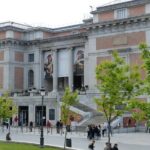
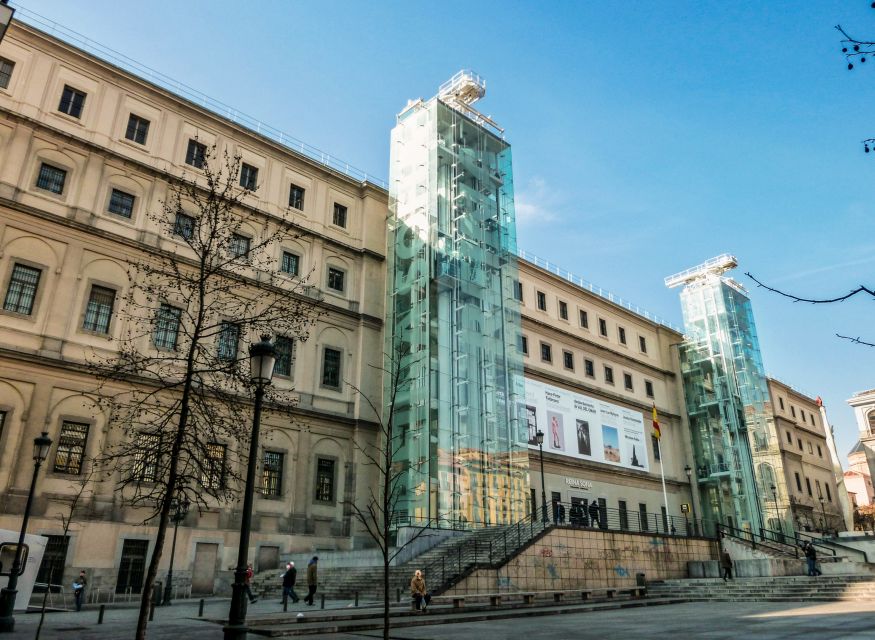
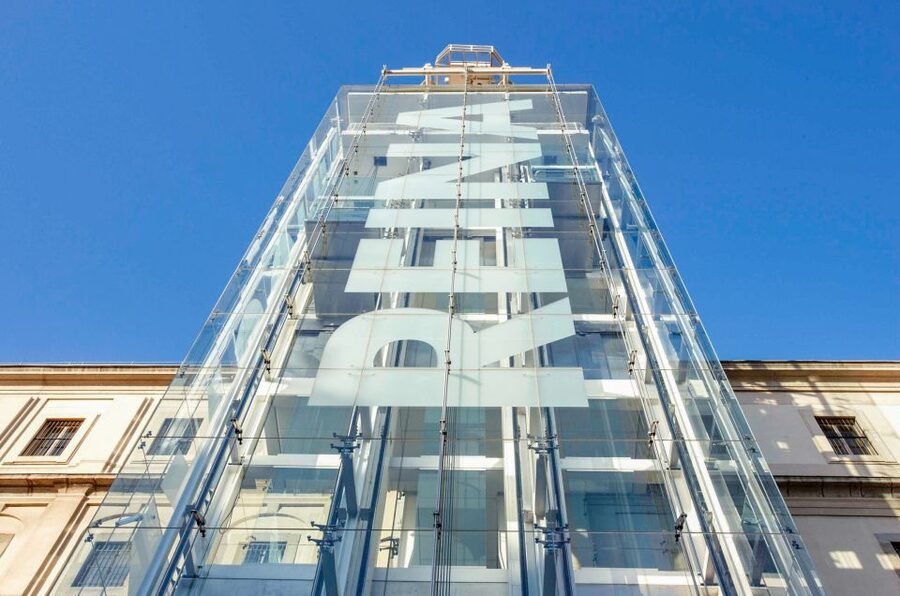
Your meeting point is the access through the Nouvel courtyard at Ronda de Atocha nº2. If you arrive a bit early, use that time to get your bearings before you enter the galleries. Reina Sofía is not like the smaller museums where you can wander in any direction and instantly see everything.
Once inside, I find the key is to decide what you’re there to see first. If Guernica is your anchor, aim for it early or schedule a later lap if the crowd level makes you wince. If Dalí and Miró are your goal, you’ll get more satisfaction by planning a route instead of letting your day drift.
A few more Madrid tours and experiences worth a look
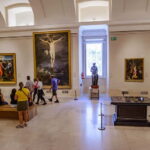
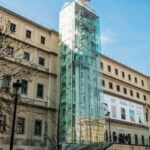

Ticket value: what $14 really buys you in a big museum
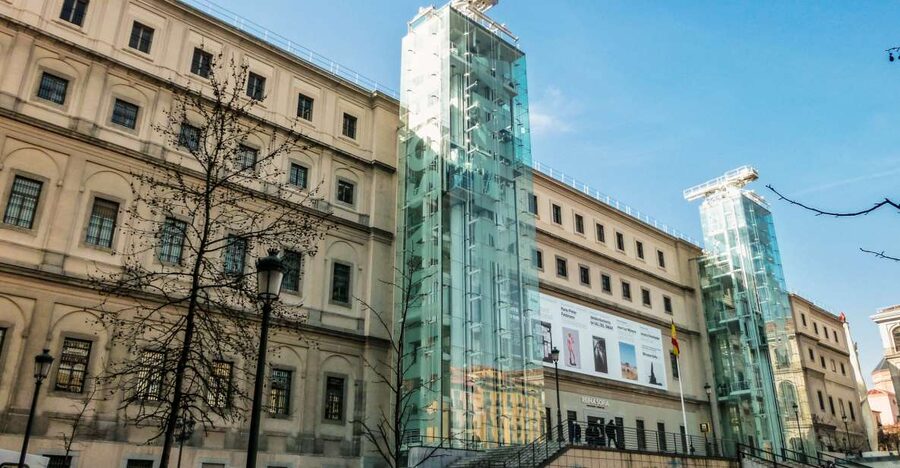
This ticket is priced at $14 per person, and it includes entrance to the Reina Sofía Museum and temporary exhibitions. That matters because the museum isn’t a single “one-room masterpiece” stop. The main building’s collection is huge—more than 21,000 works—so you want time that actually fits the scale.
Also, your ticket includes the booking and handling fee, so you’re not dealing with add-ons just to get in. The main thing not included is the audio guide, which you can buy inside the museum for €4.50. If you love context—why a work exists, what symbols mean—that audio guide can feel like money well spent.
The practical payoff: you’re buying time back. With a reserved ticket, you’re more likely to avoid the worst line pain and step into the galleries with your energy still intact.
Best timing in Madrid: opening hours and free entry windows
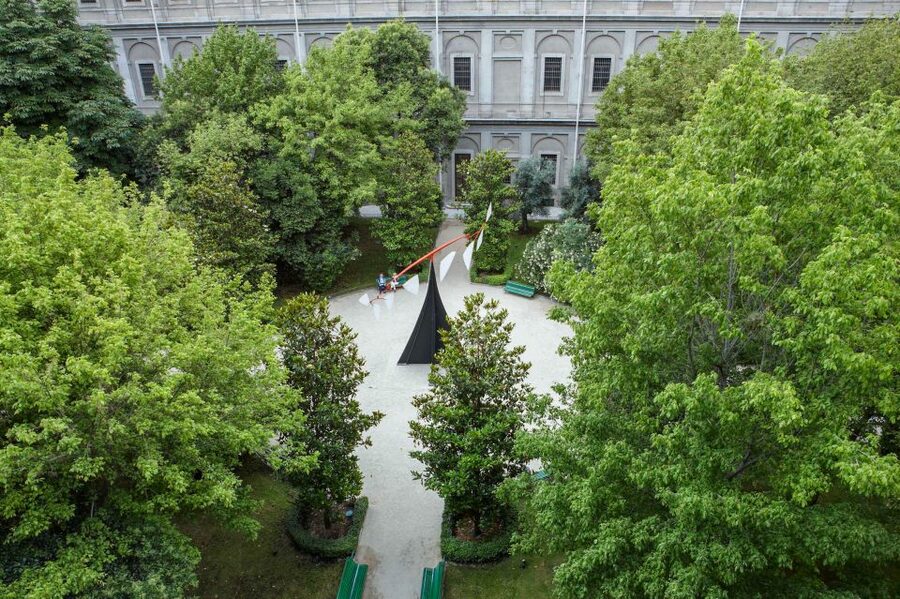
Reina Sofía’s schedule can shape your whole experience. It’s closed on Tuesdays, and it’s also closed on specific dates like 1 and 6 January, 1 and 15 May, 9 November, and 24, 25, and 31 December. On normal weeks, opening hours are Mondays 10 AM–9 PM, Wednesdays to Saturdays 10 AM–9 PM, and Sundays 10 AM–2:30 PM.
There’s also free museum time that can be a blessing or a mess. Free entry is available Monday to Saturday 7 PM–9 PM, and on Sundays and public holidays 12:30 PM–2:30 PM. A common pattern is that the museum gets much more crowded around these windows, so if you dislike shoulder-to-shoulder viewing, come earlier on paid hours and save free time for a calmer day if you’re flexible.
A smart strategy: go early, then do a second visit-style pass later if you still have energy. Or, if you only have one shot, pick the time that matches your art style—some people rush for highlights, others need long staring time.
Your priority route: Guernica and the Picasso rooms
If you’ve come for one artist, make it Picasso—and yes, that means starting with Guernica. This isn’t a painting you “see” quickly. It’s one of those works where your attention keeps getting pulled back to different figures, shapes, and emotions. Give it time, even if you have a quick plan on paper.
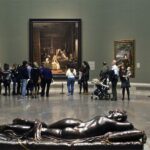
Around Guernica, you’ll also encounter Cubist ideas and other works from Picasso that show how his thinking evolved. The museum layout can feel like a puzzle, but Picasso’s presence helps you anchor your route. If you want a fast win, focus first on Picasso rooms, then let the rest of the museum build from there.
One more practical note: Guernica often draws people who want photos. If you care more about viewing than snapping, be prepared to step aside, wait for the crowd to shift, and return to your preferred angle. It’s not about being annoyed—it’s about getting your own eye time.
Dalí displays: what to look for beyond El gran masturbador
Dalí’s work is a major reason many people buy a ticket. You’ll find around 20 canvases by Salvador Dalí, including the surrealist painting El gran masturbador. Dalí can be visually loud, but what makes him interesting in a museum setting is how his symbols and themes land differently when you slow down.
So don’t treat Dalí like a checklist. Look for repetition—motifs, faces, objects that feel dreamlike—and try to connect them to what you’re seeing elsewhere in the museum. Reina Sofía puts 20th-century Spanish art in a wider conversation, so even “weird” works start to make a kind of emotional sense once you notice patterns.
If you’re sensitive to art that feels confrontational or uncomfortable, know that Dalí is exactly the kind of artist who can push buttons. That’s not a warning to avoid it. It’s a heads-up to help you pace your day and not get mentally steamrolled.
You can also read our reviews of more museum experiences in Madrid



Miró in primary colors: how his style reads in real time
Joan Miró’s works tend to feel lighter on the eyes—especially because of his bright primary colors—but they still reward attention. Miró’s style often reads like a visual language: lines, shapes, and signs that don’t try to mimic reality.
In a big museum, the danger is spending ten seconds in front of a work, then moving on just to keep your schedule intact. With Miró, I like a different approach: stand back first, then step closer. When you do that, the piece tends to “click” as a composition rather than just an image.
Miró is also useful as a break from the heavier mood of Picasso’s political weight and some of the surreal intensity in Dalí’s world. If you’re building a route, place Miró strategically—after you’ve been in the most emotionally intense rooms, not before.
How the museum tells 20th-century Spanish stories (and why that matters)
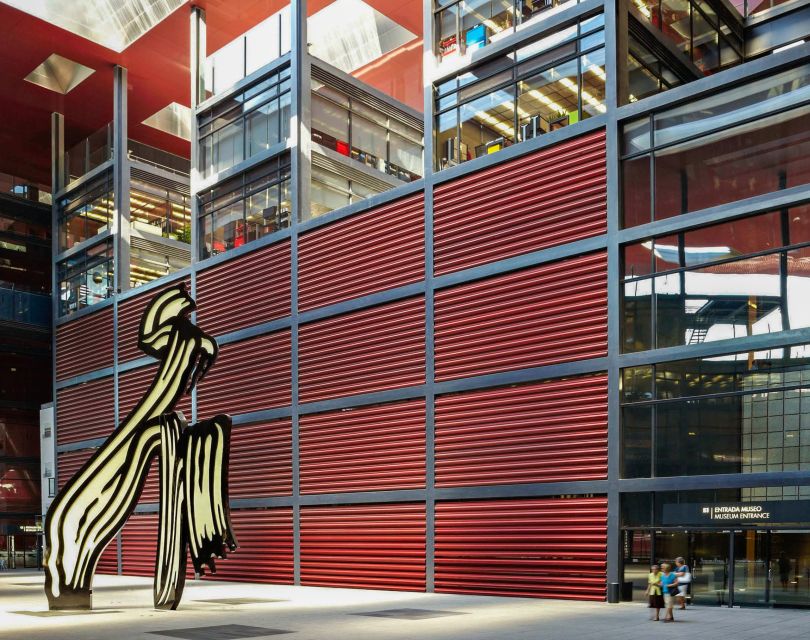
Reina Sofía isn’t only about famous names. It’s also about how 20th-century Spanish artists thought and argued through art. The museum presents works across time and styles, mixing traditional genres with photography, film, sound, and dance elements. In plain terms: it doesn’t lock you into one kind of artwork.
That’s valuable for your enjoyment because it stops modern art from feeling like a single school of thought. You’re allowed to have shifting reactions—confused, curious, moved, or irritated—and the museum keeps offering you new ways to interpret what you’re seeing.
If you’re not sure how to “read” modern art, this is a good museum to practice. You don’t have to pretend you instantly understand everything. Instead, focus on how the pieces communicate: through emotion, structure, symbolism, and the contrast between media.
Navigation reality check: expect some confusion (and plan around it)
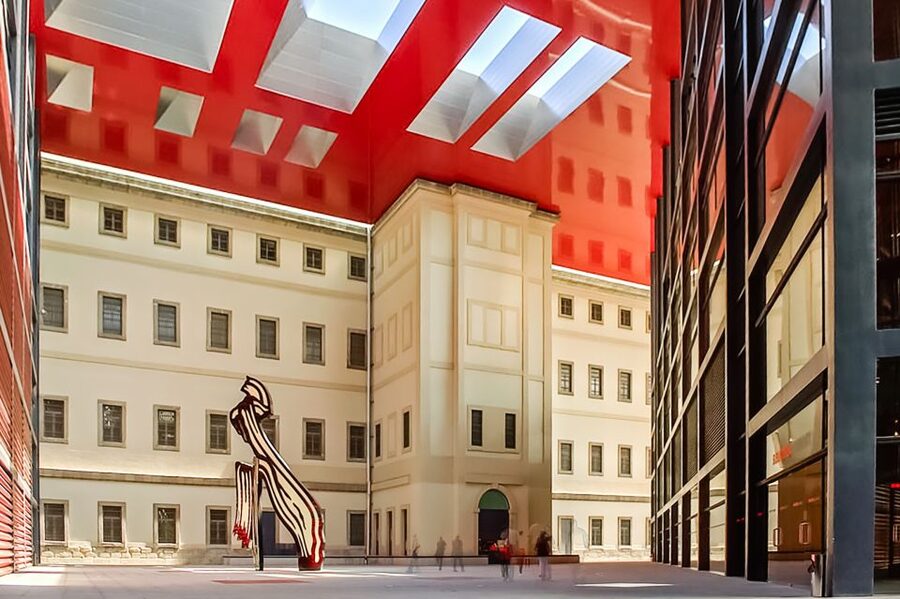
Even with a ticket, Reina Sofía can feel big and a little confusing. Some visitors find certain floors less worth the effort depending on what’s open. In at least some cases, people reported that not all floors felt equally rewarding, so don’t assume every level will hit the same way.
Here’s my practical advice: use the museum’s highlights as your spine. Start with your must-sees (Guernica, then the Picasso and Dalí zones), then move outward based on what you’re enjoying. If you discover a floor isn’t doing it for you, you’re not failing—you’re just learning how the museum organizes attention.
Also, signage can be confusing. If you don’t speak Spanish fluently, you might need patience. In that case, an audio guide helps, and it also helps to keep asking staff for directions when you’re stuck.
Audio guide strategy: when it helps, when it doesn’t
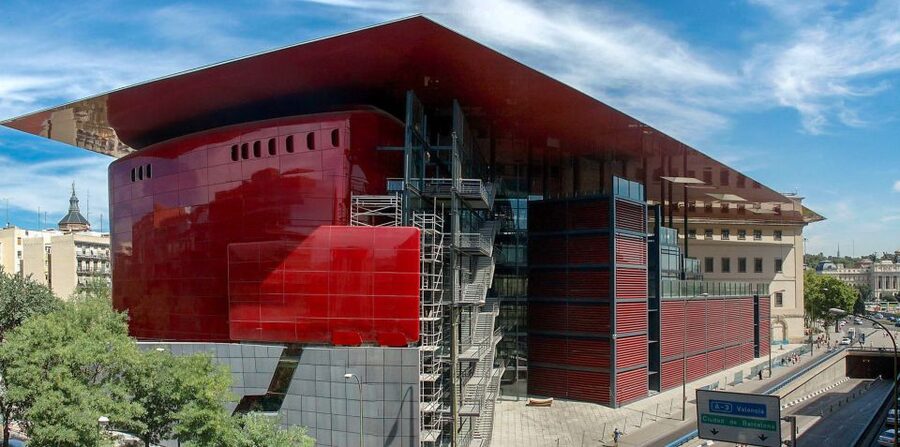
The audio guide costs €4.50 and you can buy it inside the museum. If you like understanding what you’re looking at, it’s often a worthwhile add-on. It can help connect techniques, symbolism, and historical context so you’re not just reacting blindly.
That said, audio quality can vary by area. Some people have had moments where audio support didn’t work well on certain floors, so don’t plan your whole visit like every room will play perfectly. If the audio glitches, lean on the room text and your own reaction.
My best approach: use the audio guide in the rooms where you feel least confident. Save it for Picasso and Dalí-heavy spaces, and then switch to “look mode” when you find works that already hook your attention.
The small details: rules, bags, and what you can’t bring in
Reina Sofía has clear rules, and they affect comfort. Pets aren’t allowed, and food and drinks are not allowed. You also can’t bring luggage or large bags. A bag up to 40x30x10 cm is recommended for permitted items.
Closed folding umbrellas are allowed, but if it’s raining, plan to keep it controlled. Sharp objects and tools aren’t allowed, and you’ll need to follow staff instructions at all times.
Good news: the museum is wheelchair accessible, and assistance dogs are allowed. If you’re bringing a service or emotional support dog, just be ready with the necessary justification if requested.
Bonus: free time, crowds, and when lines form
Lines can be part of the rhythm here. One pattern people notice is that around the free-entry start time, queues can surge fast. If you hate crowds, go early in paid hours and aim to be deeper inside the museum before the “everyone arrives at once” moment.
If you love people-watching or you’re flexible on timing, free entry can work. Just treat it as a social event as much as an art visit: expect more noise, more selfie stops, and more movement around the most famous paintings.
Should you book this Reina Sofía ticket?
If you’re only doing one major museum in Madrid, I think this ticket is a strong choice. For the price, you get full-day access to a world-class modern collection, plus a ticket that helps you get in faster. You also get flexibility: you can go fast for highlights or slow down for media-rich rooms.
Book it if:
- You care about Guernica and want to see it without line stress
- You want Dalí and Miró in the same visit
- You have a full day and want a museum that mixes painting with other media
Skip this ticket (or rethink timing) if:
- Crowds stress you out
- You’re not interested in 20th-century Spanish art at all and only want one quick photo stop
The smart move is simple: plan your day around the hours that match your comfort level with crowds, then prioritize Guernica first and let the rest of the museum follow your curiosity.
FAQ
How long is the Reina Sofía museum visit with this ticket?
The activity is listed as 1 day, with full-day access to the museum.
What is included in the price?
Your ticket includes entrance to the Reina Sofía Museum and all temporary exhibitions, plus the booking and handling fee.
Do I need to buy an audio guide separately?
Yes. The audio guide is not included. You can purchase it inside the museum for €4.50.
What time is the meeting point and where do I go?
You’ll find access to the museum through the Nouvel courtyard at Ronda de Atocha nº2. Starting times depend on availability.
Is the museum wheelchair accessible?
Yes, the museum is listed as wheelchair accessible.
When is the museum closed?
The museum is closed on 1 and 6 January, 1 and 15 May, 9 November, and 24, 25, and 31 December, and it is also closed every Tuesday.
Are there restrictions on what I can bring?
Yes. Pets, food and drinks, and large bags/luggage are not allowed. Pets aren’t allowed, and permitted bags are recommended up to 40x30x10 cm. Closed folding umbrellas are allowed, and sharp objects are not permitted.