REVIEW · MADRID
Madrid: Private Tour of the Prado Museum
Book on GetYourGuide →Operated by Madrid auf Deutsch · Bookable on GetYourGuide
Prado art makes sense faster with a guide. What makes this tour worthwhile is the private format (no other participants) paired with a German live guide who turns big museum rooms into a clear story. I like that you get answers in real time, not just a lecture, and you’ll hear how artists from Rafael and Titian to El Greco and Goya shaped what came next. One thing to plan for: the price covers the guide, but museum entry fees are extra.
The Prado is enormous, so a tight 2-hour plan is smart. You’ll get a guided sweep through eras from the Middle Ages up through the beginning of the 20th century, with attention to technique, symbolism, and why those famous names mattered. After the tour, you still have time to wander and linger where you want, instead of feeling dragged along.
In This Review
- Key points to know before you go
- Prado in 2 hours: why private guidance matters
- Meet at the Goya Statue: your starting moment inside the Prado
- A guided timeline from the Middle Ages to the early 1900s
- The artists you’ll hear about (and what to watch for)
- Private format perks: asking questions without losing the thread
- What’s included, what you’ll pay at the museum, and real value
- After the guide: how to keep the momentum on your own
- Wheelchair access: what’s confirmed, and what to plan for
- Should you book this Prado private tour?
- FAQ
- How long is the private Prado Museum tour?
- What is the price for this tour?
- What language is the live guide?
- Where is the meeting point?
- Is the museum entry fee included?
- How much is the Prado museum ticket?
- Is this a private tour?
- Does the tour include headphones?
- Is cancellation free if plans change?
Key points to know before you go
- Truly private for your group: no other participants, so questions fit the pace you want
- German-speaking live guide: the explanation is built for German speakers throughout
- A museum timeline in 2 hours: Middle Ages to the early 1900s, with clear transitions between eras
- Focus on major artists: Van der Weyden, Rafael, Titian, El Greco, Velázquez, Rubens, Tintoretto, and Goya
- You control the follow-up time: once the guided part ends, you can see additional works at your own pace
Prado in 2 hours: why private guidance matters
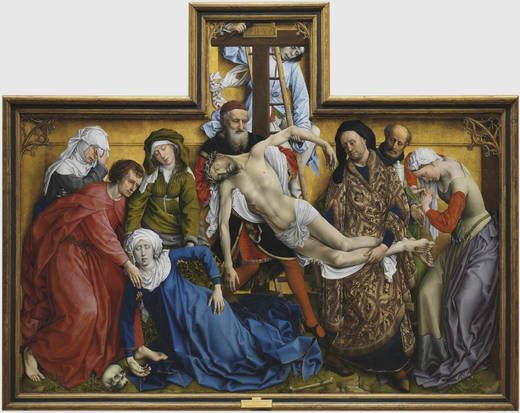
The Prado Museum is one of those places where your first impulse is to wander. That can be fun, but it’s also how you end up staring at paintings without a solid thread connecting them. A private, guided visit helps you build that thread fast.
This tour is designed for exactly that: a structured run through major eras (Middle Ages, Renaissance, Baroque, and into the beginning of the 20th century). Instead of treating the Prado like a storage room full of masterpieces, your guide gives you context so you know what you’re looking at and why it matters.
I also like the tone: it’s not just art facts. The guide approach centers on how paintings were made and what the artists were trying to do. That’s where the tour gets practical. If you walk out with a better sense of how artists thought—composition, lighting, realism, drama—you’ll enjoy the paintings you see after the tour even more.
One more advantage: you’re not sharing that attention with other people. If something catches your eye, you can ask. If something confuses you, you can request a clearer explanation. That kind of flexibility is hard to get in a large group.
You can also read our reviews of more private tours in Madrid



Meet at the Goya Statue: your starting moment inside the Prado
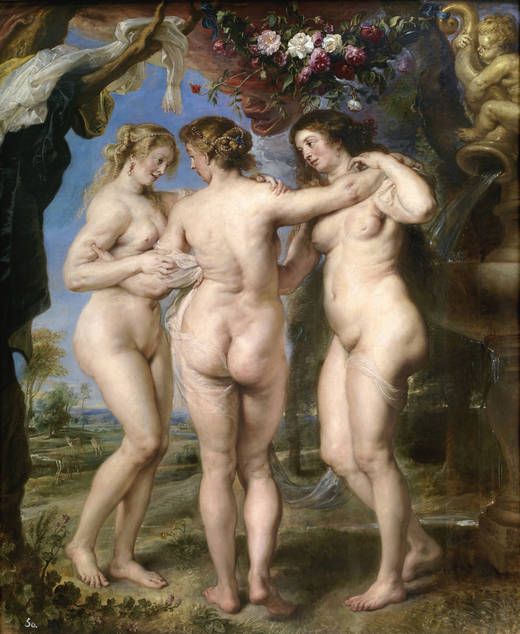
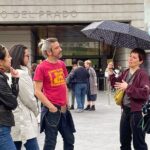
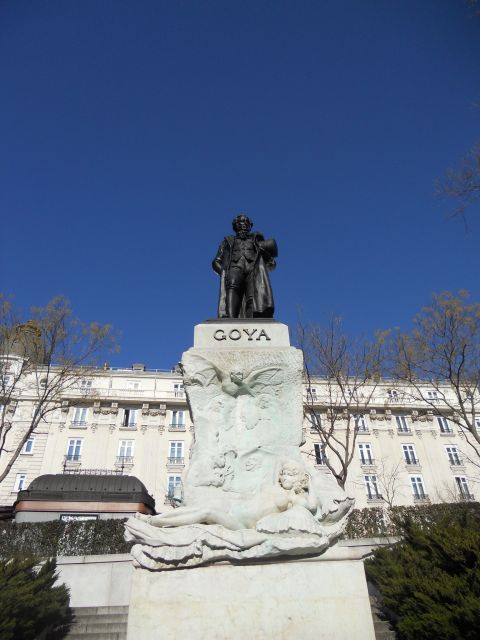
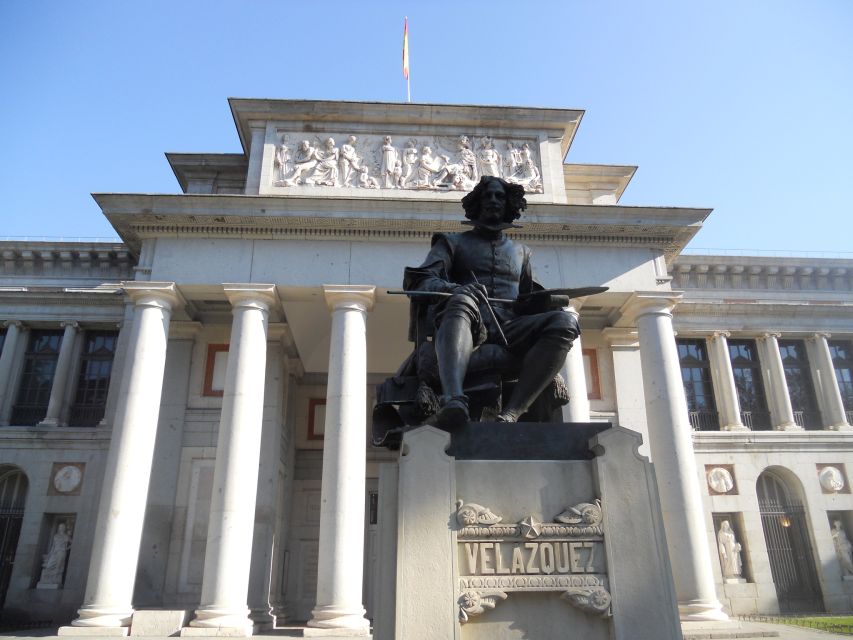
You’ll meet at the Goya Statue in front of the main entrance of the Prado Museum, Paseo del Prado, s/n, 28014. That’s a good meeting choice because it’s easy to spot and it keeps everyone oriented before you even step in.
From there, the tour format is straightforward. You’ll follow your guide through the museum with an efficient order that matches the story of European art development. The goal isn’t to “see everything.” The goal is to see enough, in the right sequence, so the collection clicks into place.
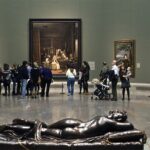
The Prado’s scale can be intimidating, especially if you come in cold. A guide-led start helps you avoid that common mistake: drifting toward whatever is closest or most famous and missing the connections between works.
Also, because this is a German-language tour with a live guide, the pacing tends to feel like a conversation. In real use, guides like Javier and Anne have been praised for making the material feel like stories you can follow, not a list of titles.
A guided timeline from the Middle Ages to the early 1900s
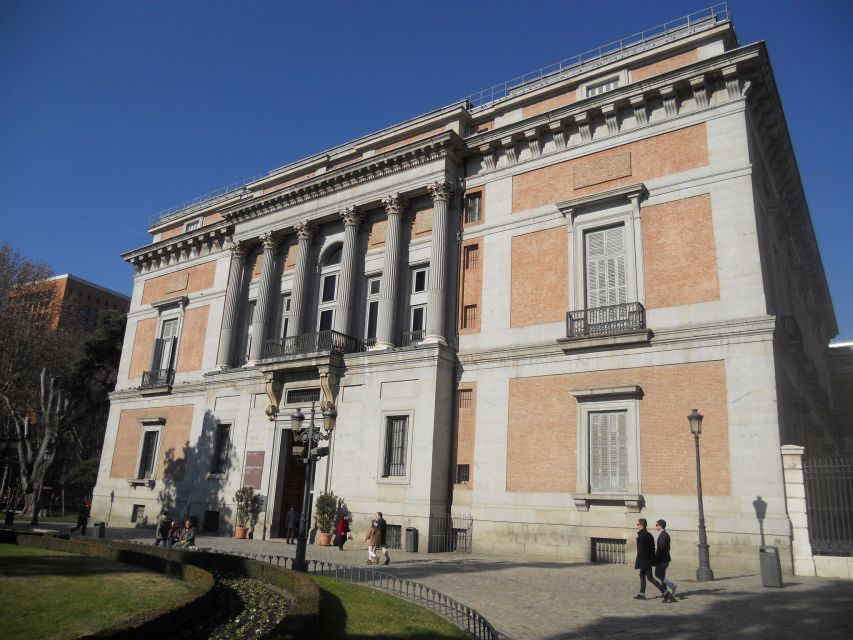
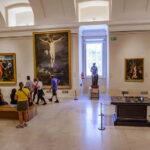
A key part of this experience is the chronological arc. You’ll cover the development of art history from the Middle Ages through the Renaissance and the Baroque period, then onward to the beginning of the 20th century. That range matters because the Prado doesn’t just collect paintings; it shows changes in taste, technique, and ideas over time.
Here’s what you’re effectively building during the tour:
- A sense of how styles evolve: how realism, perspective, and emotional expression shift as art moves through different eras
- A way to compare artists: you start noticing patterns in what painters cared about, even when the subject matter changes
- A map for your own browsing: once the guide places the paintings in sequence, it’s easier to choose where to look next on your own
In 2 hours, the guide likely won’t cover every room. But the point is that you get signposts. If you’re the type who wants to understand what you’re seeing, these signposts help you avoid random viewing.
And because it’s private, the guide can adjust focus based on interests. One of the strong themes from real experiences is that guides can respond to what the group wants to know, including tailoring the pace for different ages.
The artists you’ll hear about (and what to watch for)
This tour puts major names front and center. You’ll learn secrets and impressive skills connected to artists including Van der Weyden, Rafael, Titian, El Greco, Velázquez, Rubens, Tintoretto, and Goya.
Even without listing specific painting titles, this artist lineup gives you a clear advantage: it focuses on painters who represent turning points. When you hear how their work fits into the broader story, you’ll start looking for the same “signals” in the paintings around them.
For example, once you’ve been told what to notice, you can compare:
- how artists suggest depth and space
- how faces and hands communicate emotion
- how dramatic lighting changes the mood
- how realism is used to persuade you a scene is real
- how religious, historical, and everyday subjects are handled differently over time
The Prado is a museum where many paintings reward repeated viewing. The guide experience helps you get that “first decoding” done while you’re still fresh. Later, when you see more works on your own, you’ll recognize visual strategies rather than just appreciating color.
This is also where the human part shows up. Guides like Javier have been singled out for funny, informative storytelling. Anne has been praised for explaining epochs and key works clearly, including adapting to children (11 and 9 years old). If your group likes questions, the tour style supports it.
Private format perks: asking questions without losing the thread
Two hours can disappear fast in a museum. So the quality of the guide interaction matters.
This is a private tour with a personal guide, with no other participants, so you’re not stuck waiting for the moment when the guide finishes a pre-planned explanation for everyone. You can ask in the moment.
That’s especially useful if:
- you’re returning to art basics (and want plain, clear explanations)
- you want to know why a painting looks the way it does, not just who painted it
- your group includes different interests or different ages
- you have specific curiosities, like what painters were learning technically during an era
One more practical benefit: the tour is said to include time for questions and requests to be answered. That matters because Prado visits can feel intimidating if you worry you’ll ask something “too simple.” Here, you can ask without derailing the whole visit.
You can also read our reviews of more museum experiences in Madrid




What’s included, what you’ll pay at the museum, and real value
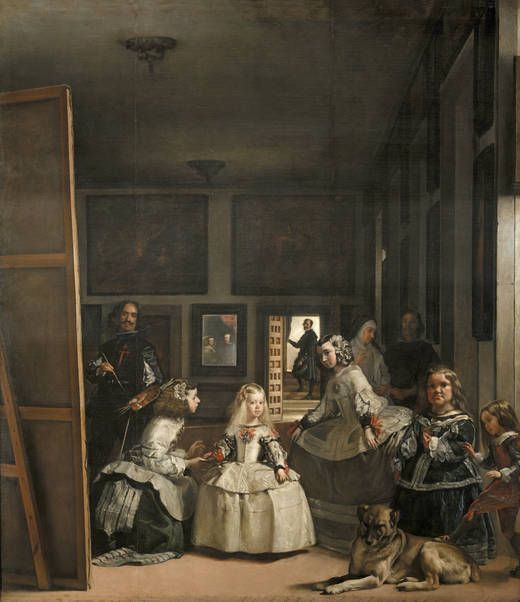
Your reservation covers a private guided tour with a personal guide. Museum entry is not included.
Here are the entry fees you should budget for:
- Adults: EUR 15
- Seniors over 64 years: EUR 7.50
- Students up to 25 years: free
If you’re a group of 7 to 15, the museum has extra requirements mentioned for that size range, including headphones at EUR 1 per person (and the entrance fee is still paid at the venue). For your typical private group of up to 2, you’re not looking at those group-size headphone add-ons based on the information provided.
Now the value question. The tour price is $171 per group up to 2 for a 2-hour private experience. That price is mainly paying for something you can’t easily replicate alone: expert guidance, time saved on figuring out what to prioritize, and context that makes the rest of the museum more rewarding.
Add museum tickets on top, and you’ll get:
1) a guided session that helps you understand the Prado’s big evolution story, then
2) personal time to see additional rooms and paintings at your own pace
If you’re comfortable spending your own time searching for context, you could do the Prado independently. But if you want the museum to “click” within a couple of hours, a private guide is usually the faster route.
After the guide: how to keep the momentum on your own
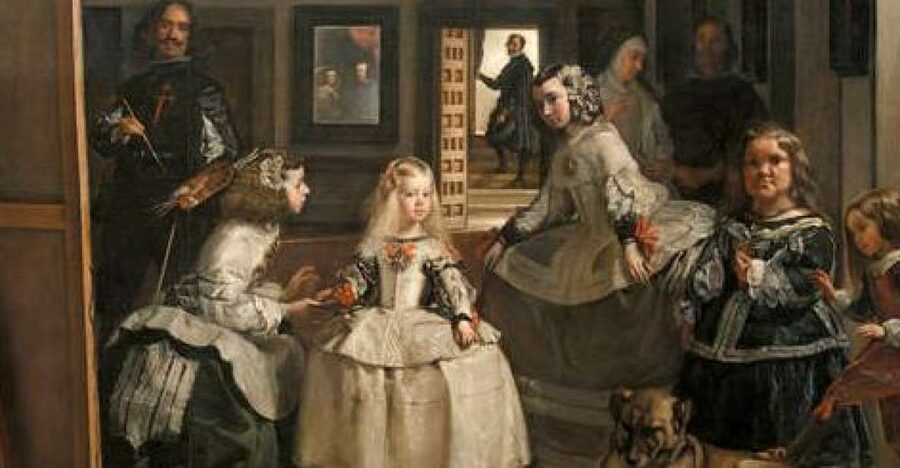
Once the private tour finishes, you’re not locked into a rigid schedule. You can take time to see other paintings and rooms that interest you at your own pace.
That freedom is the secret sauce for this kind of experience. The guide portion helps you decode what you’re looking at, and the rest of the time is where you follow your instincts. If you loved an artist mentioned during the tour, you can look for more. If a particular era felt more engaging, you can spend longer there.
Here’s a practical tip: before you head off on your own, take a minute to think about what worked during the guided part. Was it the storytelling about how painters built emotion? The explanation of era changes? The focus on specific artists? Use that as your filter, so you don’t turn your second half into aimless wandering.
Wheelchair access: what’s confirmed, and what to plan for
This experience is listed as wheelchair accessible. That’s a meaningful point because the Prado is a large building, and mobility planning can make or break a museum day.
What isn’t specified here is the exact route your guide takes through galleries, or whether any specific areas are temporarily restricted. So if mobility is a major factor for your group, I’d plan to ask a staff member or confirm with the tour operator at booking time about your exact needs.
Should you book this Prado private tour?
Book it if you want the Prado to make sense quickly and you’re happy to experience the museum through a German-speaking guide. This works well for couples or small groups because the private format keeps your questions and interests central. If you like structured explanations that connect eras and artists, this is a good match.
Skip it or reconsider if you want a self-paced museum day with zero guide structure. Also, make sure you budget for museum admission since entry fees are not included.
If your goal is to leave the Prado not just impressed, but oriented, this private 2-hour tour is a solid value use of time. You’ll get a guided roadmap through major eras and artists, and then you can spend your extra hours exactly where your interests land.
FAQ
How long is the private Prado Museum tour?
The tour lasts 2 hours.
What is the price for this tour?
The price is $171 per group up to 2.
What language is the live guide?
The live tour guide speaks German.
Where is the meeting point?
Meet at the Goya Statue in front of the main entrance of the Prado Museum, Paseo del Prado, s/n, 28014.
Is the museum entry fee included?
No. Museum entry fee is not included and is paid at the venue.
How much is the Prado museum ticket?
Adults pay EUR 15, seniors over 64 pay EUR 7.50, and students up to 25 are free.
Is this a private tour?
Yes. It’s a private group with a personal guide and no other participants.
Does the tour include headphones?
Headphones are required by museum guidelines for groups of 7 to 15 participants. The listing notes an extra EUR 1 per person for head phones in that case.
Is cancellation free if plans change?
Yes. You can cancel up to 24 hours in advance for a full refund.