REVIEW · NEW ORLEANS
New Orleans: Whitney Plantation & Museum Tour
Book on GetYourGuide →Operated by 2nd Line Tours · Bookable on GetYourGuide
What you see on the River Road hits hard. This New Orleans tour pairs an air-conditioned coach ride with a Whitney Plantation Museum visit that honors enslaved people through respectful, place-based storytelling, including original cabins and memorial grounds. I like that the trip is structured (hotel pickup, clear timing, and audio), and I especially like the way the drive adds context—on some departures, the bus guide (like Jay) turns the ride into a moving history lesson. One drawback to consider: the museum portion is self-paced, so you need to pay attention to the audio/headset setup, and you may not get a full live guide moment inside the grounds every time.
You also get a clear, 5-hour framework, which helps when you want one powerful outing without eating your whole day. The schedule is tight enough to feel focused, but long enough for a real walk and reflection at Whitney.
In This Review
- Key Things You’ll Notice on This Tour
- River Road Pickup and the 5-Hour Rhythm
- What You Get on the Bus Ride: Context, Film Locations, and the River Road
- Arriving at Whitney Plantation: A Memorial First, Not a Photo Stop
- How the Self-Guided Part Works (and How to Make It Better)
- Why the River Road Story Changes What You See at Whitney
- Comfort, Timing, and What to Bring
- Price and Value: Is $79 Worth It?
- Who This Tour Fits Best
- Should You Book Whitney Plantation From New Orleans?
- FAQ
- How long is the Whitney Plantation & River Road tour?
- Is the Whitney Plantation part self-guided?
- Do I get hotel pickup in New Orleans?
- What’s the pickup timing and do I need to be there early?
- Are meals included?
- What should I bring?
- Is there a cancellation policy?
Key Things You’ll Notice on This Tour
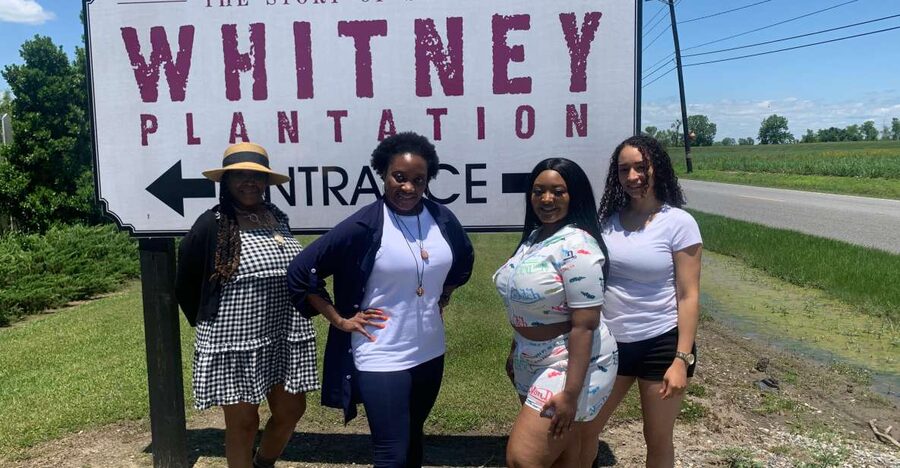
- River Road storytelling: You pass antebellum plantations on the way, with context for how the region’s wealth was built.
- A coach that keeps you comfortable: Air-conditioned transport, plus headsets so you can hear the narration clearly.
- Whitney’s grounds, at your pace: You walk through memorial areas and visit original slave cabins.
- The tour leans memorial first: The museum emphasizes survival and lived experience, not just dates and dates.
- Movie-related scenes are part of the mix: The ride includes “Scenes from movies,” and your driver may make photo stops.
- Some groups may add extra listening time: Depending on the day, you may be able to listen along with live narration while you use the headset.
River Road Pickup and the 5-Hour Rhythm

This tour is built like a day trip with a clear starting point: hotel pickup in the morning, then a bus ride north along the River Road, and finally a Whitney Plantation visit before heading back. The total time is about 5 hours, which is long enough to absorb the story without feeling like a full-day commitment.
Pickup matters here. If you’re staying close to downtown, hotel pickup starts between 8:00am and 8:30am with a 30-minute window for drivers making multiple stops. If your hotel is farther out, you’re directed to the main pickup point at 414 Canal St—near Jazz Gumbo on Canal Street, between Tchoupitoulas and Magazine St, a short walk from Caesars Casino. This is the kind of detail that can save stress later: show up early, and keep your phone charged in case you’re waiting on a driver who’s running other pickups.
The ride itself is comfortable. You’re on an air-conditioned coach, which helps because Louisiana’s heat can turn a long morning into a sweaty scramble. You’ll also get headsets, which is key for the self-guided portion at Whitney. If you’re the type who hates missing audio details, bring a headset-ready mindset: keep your device secure and listen actively rather than treating the audio like background music.
You can also read our reviews of more museum experiences in New Orleans



What You Get on the Bus Ride: Context, Film Locations, and the River Road
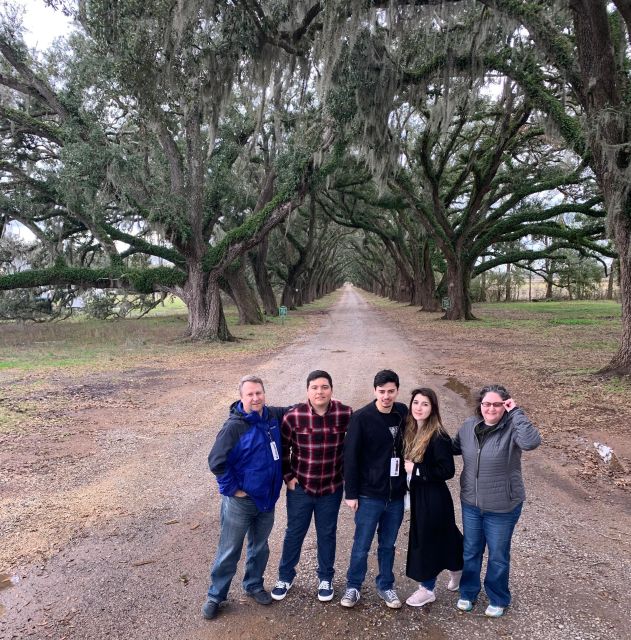
The River Road segment is more than a transfer. It’s where you get the larger picture: how Louisiana’s economy and social system were shaped by slavery, and how that system played out on plantations.
You’ll drive the historic River Road area, including reference points tied to the largest slave rebellion in U.S. history. The tour frames this not as a dramatic footnote, but as part of the region’s story. That framing matters at Whitney, because it sets your brain up to look for people—not just plantation structures.
A practical bonus: the bus guide can make the ride more enjoyable and more meaningful. In one case, the driver named Jay was praised for knowledge during the drive. Another highlight mentioned a driver who even made extra stops at filming locations for photos, which you don’t strictly need—but it’s a nice way to break up the ride without derailing the schedule.
And yes, movie culture is part of the package. The tour includes Scenes from movies, which can help you connect what you may have seen in pop culture with the reality of what plantation life meant. Just keep your expectations grounded: this is still history education, not a cinematic tour.
Arriving at Whitney Plantation: A Memorial First, Not a Photo Stop
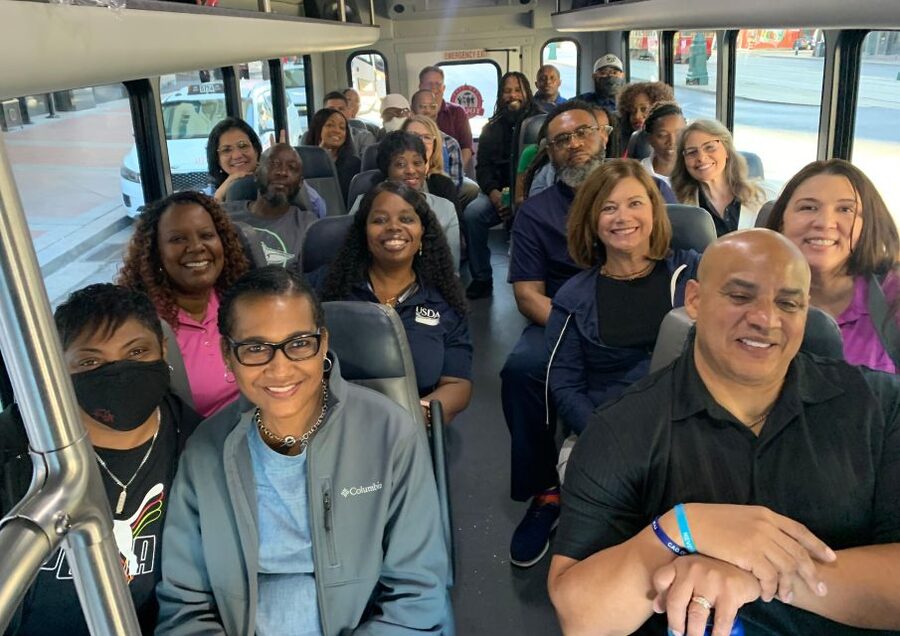
Whitney Plantation is different from many plantation visits because the emphasis is memorial and testimony. You’re going to walk grounds designed for reflection, with an approach that centers enslaved Africans and their endurance and survival.
Once you arrive, you have time to explore at your pace. The tour is described as self-guided, but it’s supported: you’ll have headsets to hear the guidance clearly. That setup helps because you don’t get shoved through like a checklist. Instead, you can stop when something catches your attention and give it a minute.
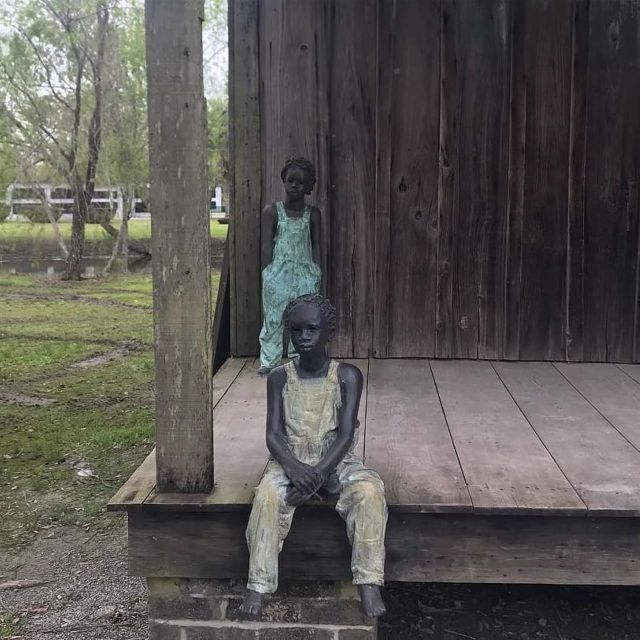
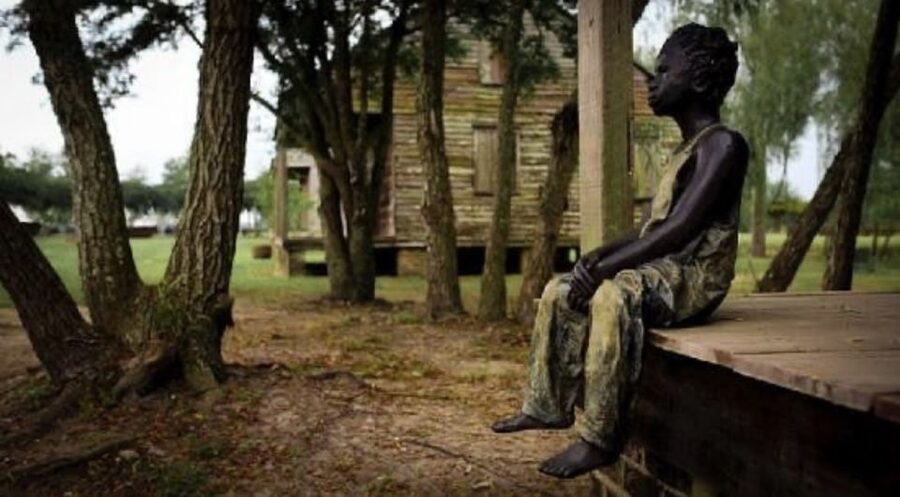
One of the biggest strengths is that you can see the site’s material reminders. You visit areas that include original slave cabins, which changes how you understand the story. Buildings like these don’t feel like a reenactment. They feel like a place where human lives actually played out—families, fear, work, resistance, and survival.
The grounds also include moving memorials, and this is where the tour’s emotional tone becomes real. The museum doesn’t treat suffering like a spectacle. It treats it like history with human faces and human loss.
How the Self-Guided Part Works (and How to Make It Better)
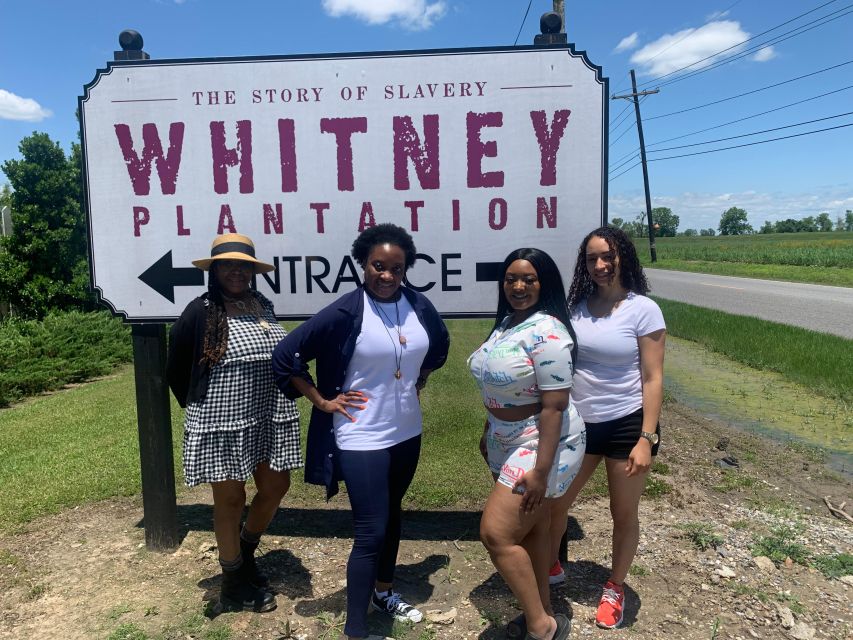
Because Whitney is self-paced, your success on this portion depends a lot on how you use the audio and how you manage your time. Here’s what helps:
First, use the headsets from the start and keep them on. The headset audio is the tool that stitches the visit together. If you only listen in occasional bursts, you’ll feel like you’re seeing scenes without the connective tissue.
Second, slow down for the cabins and memorial areas. Even if you’re tempted to race through to “get it done,” the tour works best when you treat it like a walk through lived experience rather than a quick sightseeing stop.
Third, be open to the possibility of extra narration. Some departures have allowed people to listen along with the guided tour while doing the self-guided walk. You can’t count on that every time, but if it’s offered on your day, it’s worth taking advantage of because it adds live pacing to the audio.
One more consideration: a small mismatch can happen between what you expect and what you receive. There’s at least one account where the ticket descriptions didn’t line up with what was experienced on-site. So if you care a lot about having a fully guided moment inside the museum, ask before you go or be prepared to rely mainly on the self-guided audio.
Why the River Road Story Changes What You See at Whitney
The best thing about combining the bus ride with Whitney is that it gives you two angles at once.
On the bus, you’re looking at geography and context: where plantation wealth came from and why the region’s history is inseparable from slavery. Along the River Road, you pass antebellum plantations and you learn what that architecture and power structure were built to serve.
Then, at Whitney, the story shifts from systems to lives. When you see the cabins and memorial areas at Whitney, the history stops being abstract. The earlier drive makes you look harder at what you’re seeing: labor, control, resistance, and what survival meant day to day.
The tour also connects past to present, not just by saying it, but by describing how slavery shaped Louisiana’s culture, economy, and people. That’s important because it helps you avoid treating the past like a closed chapter. Here, it’s presented as the foundation of many modern realities—social, economic, and cultural.


Comfort, Timing, and What to Bring
This outing is built for convenience: hotel pickup and drop-off, coach transport, and a set return after the Whitney visit. That makes it easier for you to focus on the experience instead of navigation.
It’s also structured around a morning start, with pickups beginning around 8:00am to 8:30am. Your driver’s multiple stops mean the arrival at each pickup point can vary inside that window. If you want a calm start, be ready early and don’t wait until the last minute.
What to wear is simple: bring comfortable clothes. You’ll be walking on museum grounds, so choose shoes you can walk in for a while. If you tend to get chilly indoors, you might still want a light layer for the bus, but the day is generally about being outside enough to need comfort more than warmth.
Food is not included. That’s not a dealbreaker, but you should plan. The tour doesn’t mention a meal stop, and with an early departure, you’ll want breakfast either before pickup or with a snack plan after. If you’re sensitive to waiting time or you skip meals, bring a small snack and water outside the tour’s structure so you’re not stuck hungry during the museum walk.
Price and Value: Is $79 Worth It?
At $79 per person, the value comes down to what’s included and what you get for it.
You’re not just buying a drive and a general admission stop. The price covers:
- Hotel pickup and drop-off
- The River Road bus tour
- A Whitney Plantation tour experience with access to the self-guided audio setup
- Headsets so you can hear the self-guided content clearly
- Included content tied to movie scenes
- English live guidance on the ride portion, plus the self-guided museum audio support
For a 5-hour outing that includes guided context on the drive and a focused museum memorial visit, $79 feels fair if you want one organized, respectful experience without piecing together tickets, transport, and timing yourself.
The main reason people might hesitate is also the main reason it’s structured: there’s no food, and the museum component is self-paced, so you don’t get every second explained by a live speaker inside the grounds. If you want a fully narrated museum tour with no room for independent pacing, you may need to compare other options. If you’re comfortable listening through headsets and pausing when something hits you, this price-to-experience ratio can feel strong.
Who This Tour Fits Best
This tour is a strong match if you:
- Want a New Orleans outing that treats slavery history seriously and respectfully
- Prefer a memorial-centered museum visit rather than a casual plantation stop
- Like structured storytelling with a guide on the bus ride and audio support at Whitney
- Want to see the River Road context without driving yourself or stitching together transport
It may be less ideal if you:
- Need a fully live, narrated museum walkthrough from start to finish (the experience is self-guided with audio support)
- Have trouble with headset audio or dislike self-paced museum time
- Are counting on a meal or snack included in the package
Should You Book Whitney Plantation From New Orleans?
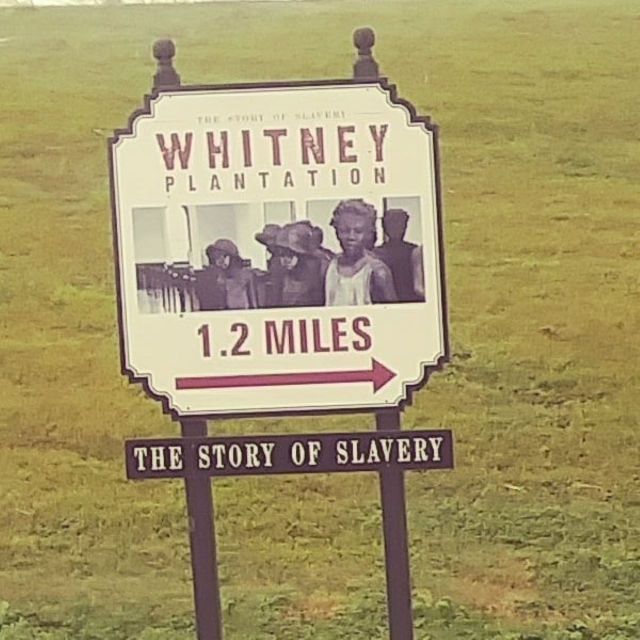
If you’re deciding between doing nothing structured and trying to DIY this on your own, booking this tour is an easy choice. Hotel pickup, a comfortable coach ride, and audio support inside Whitney remove the stress so you can actually pay attention.
If you’re the type who likes to understand the bigger story before you arrive, the River Road portion is exactly what you want. It gives context for what you’ll see on the grounds, especially when the visit focuses on cabins and memorials.
My call: book it if you want one emotionally serious, well-supported day. Skip it (or compare alternatives) if you absolutely need a fully live guided museum tour inside every area and you hate self-paced audio experiences.
FAQ
How long is the Whitney Plantation & River Road tour?
The total duration is 5 hours.
Is the Whitney Plantation part self-guided?
Yes. You’ll use headsets to hear the self-guided tour clearly while you walk the grounds at your own pace.
Do I get hotel pickup in New Orleans?
Yes. Hotel pickup is included for many hotels within a 1–2 mile radius of 414 Canal St. If your hotel is outside that area, you’ll use the pickup spot at 414 Canal St (Jazz Gumbo on Canal St, between Tchoupitoulas and Magazine St).
What’s the pickup timing and do I need to be there early?
Pickup begins between 8:00am and 8:30am, and there is a 30-minute pickup window. If you’re not picked up right away, you should still be within the grace period, but you should be at your designated location.
Are meals included?
No. Food and drinks are not included.
What should I bring?
Wear comfortable clothes, since you’ll be walking on the museum grounds.
Is there a cancellation policy?
Yes. Free cancellation is available up to 24 hours in advance for a full refund.