REVIEW · NEW ORLEANS
Museum of the Southern Jewish Experience in New Orleans
Book on Viator →Operated by The Museum of the Southern Jewish Experience · Bookable on Viator
This museum turns a corner of New Orleans culture in a new direction. It traces how Jews in the American South shaped local life—and how Southern life shaped them back—using artifacts, exhibits, and moving media. I especially like that you get permanent galleries plus temporary exhibitions, and you can go at your own pace instead of feeling rushed. One thing to consider: at roughly 1.5 hours, it’s a quick, focused stop, so if you want to read every label slowly, you may need a bit more time on site.
I also like how simple the experience is to manage. You choose your day and time, you get a mobile ticket, and you can time it around the rest of your New Orleans day. If you’re the type who enjoys asking real questions, you’ll get a lot out of staff help—one highlight from the visit is learning from a staff member named Mark, who adds context that makes the exhibits click.
There’s a chance you’ll feel emotionally hit in the best way. The museum uses stories and film to make the history feel personal, not dusty. And yes, the museum includes a gift shop, so you can take something home besides a few photos.
In This Review
- Key things to know before you go
- Why This New Orleans Museum Feels Like More Than a One-Time Stop
- Your 90-Minute Timing Plan (And How to Use It Well)
- Permanent Galleries and Temporary Exhibitions: What You’ll Get
- Artifacts, Videos, and That Film Moment That Actually Hits
- The Best Part Is Often the People: Learning From Mark
- Getting There in New Orleans: Hours, Transit, and Practical Comfort
- Price and Value: How $15 Makes Sense Here
- Who This Visit Suits (And Who Might Want a Longer Day)
- FAQ
- FAQ
- What does the ticket include?
- How long should I plan for the visit?
- What is the price?
- Do I choose a date and time?
- Is the ticket mobile?
- What are the opening hours provided?
- Can I bring a service animal?
- What is the cancellation policy?
- Is there a weather requirement?
- Should You Book This Museum Ticket?
Key things to know before you go
- A Southern Jewish lens on American life: how identity, community, and change show up in the South
- Permanent galleries + temporary exhibitions: you’re not limited to one static route
- A self-paced, time-slot visit: you control the pace, not the clock
- Media-based storytelling: expect videos/film moments that come with real emotion
- Staff interaction matters: learning from Mark is a standout for many people
- Plan for a focused 90-minute visit: great for a stop, not a half-day deep read
Why This New Orleans Museum Feels Like More Than a One-Time Stop
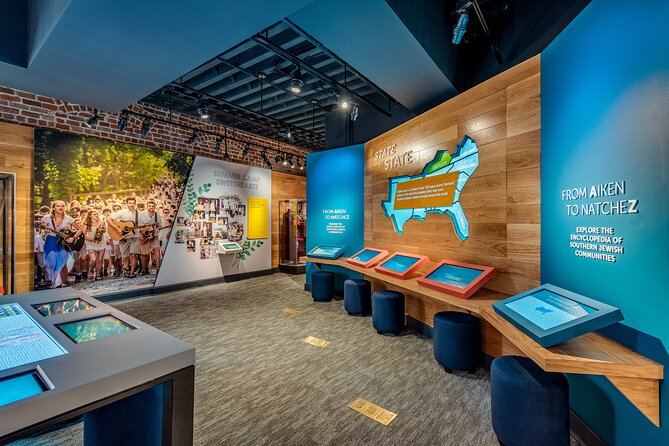
New Orleans is good at surprises. This museum delivers one that’s less about famous landmarks and more about identity—how communities build themselves, adapt, and influence the place they call home.
The Museum of the Southern Jewish Experience centers on the many ways Jews in the American South influenced—and were influenced by—the cultural heritage of their new surroundings. That framing matters. Instead of presenting Southern Jewish history as a side note, it treats it as part of the South’s everyday story: schools, culture, civic life, and personal identity.
What I love is the way the museum connects big themes to tangible details. You’re not just reading about a community; you’re seeing objects, exhibits, and human stories that help explain why acceptance and diversity took different shapes over time. It’s the kind of stop that can change how you look at a region you thought you already understood.
Possible drawback to keep in mind: if you’re expecting a massive museum that eats up half your day, this visit is more like a smart, structured hour-and-a-half. It’s extremely workable for your schedule, but it’s not designed to sprawl.
You can also read our reviews of more museum experiences in New Orleans



Your 90-Minute Timing Plan (And How to Use It Well)
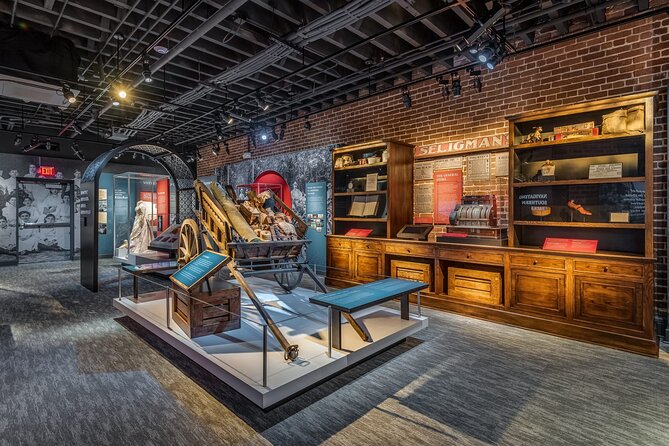
The visit runs about 1 hour 30 minutes. That timing is ideal if you want learning without turning your day into a blur of museums. It’s also long enough to hit both the permanent galleries and the temporary exhibitions, as long as you don’t stop at every single display for 10 minutes.
Here’s the practical way to make the most of the time:
- Start with the permanent galleries if you want the foundation first.
- Then switch to the temporary exhibitions once you have the context in your head.
- If you see a film or video segment, don’t rush past it. Those moments are built to land emotionally.
If you’re the type who reads everything, you can still do that—but be aware you may need to move a bit faster through sections after your first big stop. The museum is set up so you can adjust your pace, but your entry time window is still a real constraint.
One helpful note: this experience is offered with a selected day and time, so you can slot it between other New Orleans activities rather than hunting for open hours on the fly. That’s a small detail that makes planning less stressful.
Permanent Galleries and Temporary Exhibitions: What You’ll Get
The museum visit includes entry to both permanent galleries and temporary exhibitions. In practical terms, that means you’re covering two kinds of content:
- A stable baseline of the Southern Jewish experience—think themes, historical anchors, and identity through time.
- Temporary material that adds variety and freshness, so you’re not seeing the same thing in every visit.
This mix is valuable because it prevents that common museum problem: you either get a strong, but narrow, storyline—or you get variety with no context. Here, you get both. You can build understanding first, then test it against additional exhibits.
The exhibit layout supports wandering at your own pace. You’re not tethered to a guide schedule. You can pause where something catches you, skip what doesn’t, and return later if you want. That freedom is a big reason many people rate the experience so highly.
Artifacts, Videos, and That Film Moment That Actually Hits
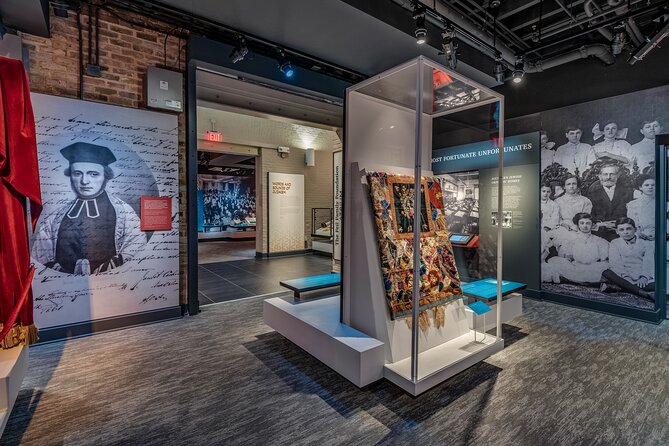
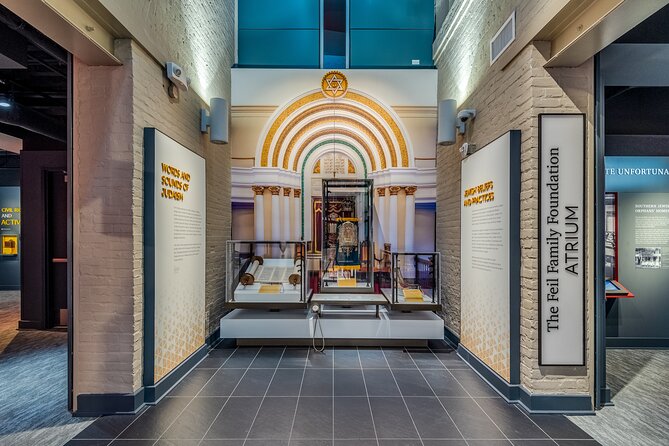
One of the most praised parts of the visit is how much there is to see beyond text. The museum includes lots of interesting artifacts, stories, and videos, which makes it easier to stay engaged even if you’re tired from walking.
A memorable element from the experience: there’s a film that many people describe as moving, and there’s also an interactive-feeling portion involving Bubbe. The point isn’t to turn history into a game. It’s to make the material feel human, not academic.
When a museum uses film well, it does two jobs at once:
- It slows you down at exactly the right moments.
- It gives you emotional anchors so the objects and dates mean something.
You’ll likely feel the difference in tone between sections. Some displays focus on community life and cultural influence. Others shift toward identity, acceptance, and how people carried their heritage in a changing environment.
This is also where staff help can make a difference. If you talk with Mark, you’ll get extra context that ties the exhibits together—especially if your starting point is just curiosity about Jews in the South rather than a specific historical topic.
The Best Part Is Often the People: Learning From Mark
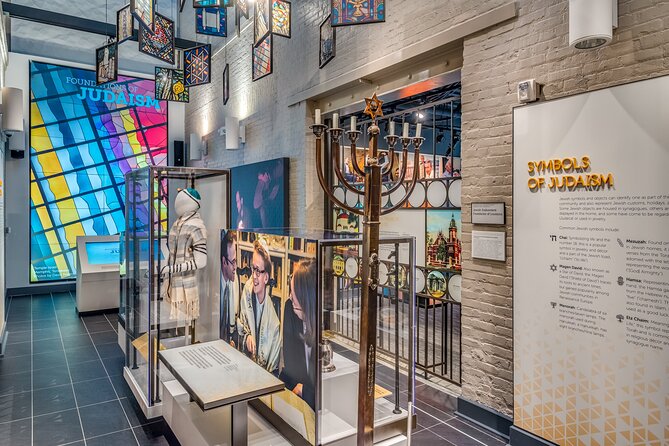
Museums can be good on the walls and thin on the human part. This one seems to get the human part right.
A standout detail from the experience is speaking with Mark. People didn’t just mention his presence—they described how his knowledge helped them see things they hadn’t noticed before. That’s exactly the kind of interaction that turns a museum visit into a story you can repeat later.
If you’re deciding whether to ask questions, I’ll say this plainly: do it. Even if you’re not “that museum person,” staff can point out connections between exhibits—like how one theme (identity, community life, cultural influence) shows up in multiple areas.
And because the visit is self-paced, you can ask questions when something already makes you wonder. That’s the easiest time to get answers that actually stick.
Also worth noting: there’s a gift shop. It’s not the main reason to go, but it’s a nice finish—especially if you want a book or a small item that extends what you learned.



Getting There in New Orleans: Hours, Transit, and Practical Comfort
The museum is in New Orleans, and it’s listed as near public transportation. That matters in a city where parking and traffic can eat your time.
Opening hours provided include: Monday, 10:00 AM to 5:00 PM (during the date range shown). Since only Monday hours are specified here, treat that as your safest confirmed anchor and check before you plan a different day.
Good news for many visitors: most people can participate, and service animals are allowed.
One small practical tip: if you’re coming on a Monday, don’t aim for the very end of the day. Give yourself breathing room so you’re not cutting off the film or the temporary exhibition just because you’re trying to beat closing time.
Price and Value: How $15 Makes Sense Here
The price is $15.00 per person, and the ticket includes admission for the museum experience. On paper, that looks modest. In practice, it’s a good deal because you’re getting more than a single exhibit.
You’re getting:
- Entry to permanent galleries
- Access to temporary exhibitions
- Plenty of media and artifacts that support a real hour-and-a-half visit
Another practical value point: the experience is commonly booked about 20 days in advance on average. That doesn’t mean you need months of planning—but it does mean it’s smart to book ahead rather than hoping for last-minute availability.
Also, you get a mobile ticket, which keeps the whole thing simple. No paper ticket hunting. No last-minute stress.
If you like museums that are focused—clear theme, strong storytelling, and not too time-consuming—this price feels fair for what you’re walking away with: better context, better understanding, and a visit that’s more emotional than you might expect at first glance.
Who This Visit Suits (And Who Might Want a Longer Day)
This is a great fit if you:
- Want a history and culture stop that connects to identity and acceptance
- Prefer self-paced visiting over rigid schedules
- Enjoy exhibits with artifacts and videos, not just walls of text
- Like asking staff questions and getting extra context
It may be less ideal if you:
- Want to spend half a day reading every label slowly
- Expect a large multi-building museum campus
- Are trying to pack it in so tightly that you’d feel stressed about the 1.5-hour pace
That said, you can still slow down. Just be strategic: choose one or two “must-see” parts and treat everything else as bonus time.
FAQ
FAQ
What does the ticket include?
The admission ticket included access to the museum experience, including the permanent galleries and the temporary exhibitions.
How long should I plan for the visit?
Plan for about 1 hour 30 minutes.
What is the price?
The price is $15.00 per person.
Do I choose a date and time?
Yes, you can choose the day and time of admission.
Is the ticket mobile?
Yes, you’ll receive a mobile ticket.
What are the opening hours provided?
Opening hours listed include Monday from 10:00 AM to 5:00 PM (during the date range shown).
Can I bring a service animal?
Yes, service animals are allowed.
What is the cancellation policy?
You can cancel for a full refund up to 24 hours in advance of the experience’s start time.
Is there a weather requirement?
The experience requires good weather; if it’s canceled due to poor weather, you’ll be offered a different date or a full refund.
Should You Book This Museum Ticket?
If you’re in New Orleans and you want one meaningful museum stop that’s focused, readable, and emotionally grounded, I’d book it. For $15, you get both permanent and temporary content, plus media storytelling that people find moving—not just informative.
Book ahead if you can, since it’s often reserved about 20 days in advance. And go with the mindset that this isn’t about memorizing dates. It’s about understanding identity in the American South and seeing how culture travels both directions.
If your schedule is tight, this still works. And if you like good conversations, ask for help from staff like Mark when something sparks your curiosity. That’s often where the visit turns from “I learned stuff” into “I’ll remember this.”