
REVIEW · NEW ORLEANS
The National WWII Museum Admission Ticket New Orleans
Book on Viator →Operated by National WWII Museum · Bookable on Viator
WWII history hits hard in New Orleans. The National WWII Museum uses real artifacts and smart, interactive stops to show the American experience of the war that changed the world. I especially like how the galleries mix story-driven exhibits with big, physical display pieces, and you can set your own pace inside the opening hours. The main thing to consider is that the subject matter can be emotionally heavy and very media-heavy.
What makes this ticket feel like real value is that general admission gets you into the core museum experience, with major stops like the Louisiana Memorial Pavilion and Campaigns of Courage already included. I also like that you’re not boxed into a rigid tour route; you can linger over aircraft, personal histories, and the 360-degree presentation style where you can literally take the soldier’s eye-view.
The one drawback is simple: this is not a quick, light museum visit. Even though the ticket is often described as 2 to 3 hours, the museum is large and packed with exhibits, and the sound, lighting, and short video segments can be a lot if you’re easily overwhelmed.
In This Review
- Key highlights that make this ticket worth your time
- WWII Museum in New Orleans: why this stop feels different
- Price and time: what $37.80 buys you (and what costs extra)
- Getting in smoothly: the museum layout and how to approach it
- Louisiana Memorial Pavilion: D-Day and Home Front to anchor your visit
- Dog tag mini-train and the soldier’s eye-view concept
- Campaigns of Courage: 360° European and Pacific theater storytelling
- US Freedom Pavilion: preserved machines and the weight of remembrance
- Optional add-ons: USS Tang submarine mission and the Tom Hanks 4D film
- Food and breaks: how to keep your energy up during a long day
- How long should you plan? (And how to avoid the rush)
- Who this works best for (and who might find it overwhelming)
- Should you book this National WWII Museum admission ticket?
- FAQ
- What is included in the National WWII Museum admission ticket?
- How long should I plan to spend at the museum?
- Is the ticket mobile?
- Where is the museum, and do I need a guide to enter?
- What are the optional add-on experiences?
- Is there food available inside the museum?
- What if the experience gets canceled due to weather?
- Is this a family-friendly activity?
Key highlights that make this ticket worth your time
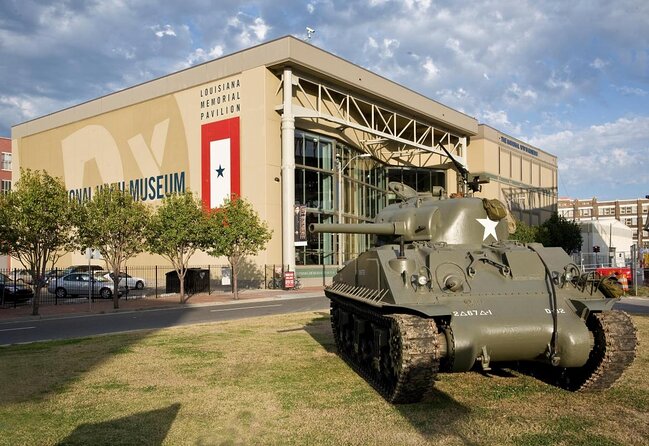
- Louisiana Memorial Pavilion start with D-Day and Home Front histories plus an authentic C-47 aircraft
- Dog tag experience that begins right away via a mini-train ride concept
- Campaigns of Courage 360° galleries with a soldier’s eye-view and story-point stations
- US Freedom Pavilion with preserved war machines and galleries honoring American servicemen
- Optional, high-impact add-ons like Final Mission: USS Tang and the Beyond All Boundaries 4D film
- You control your pace and can take breaks at on-site food spots without losing your ticket
WWII Museum in New Orleans: why this stop feels different
New Orleans is famous for its music, food, and parades. This museum adds a different beat: wartime history told through the American experience, with just enough interactive tech to keep it from feeling like a stack of posters. You’re not only learning dates and battles. You’re getting personal histories, aircraft presence, and presentation formats that try to make the war feel human and specific.
I like that the museum doesn’t treat World War II like a single timeline. It shifts into how the war affected people at home and how the campaigns unfolded in Europe and the Pacific. That structure matters. You walk out understanding not just what happened, but why it took the shape it did.
Also, it’s a solid rainy-day option. When the weather turns, you can spend hours inside without wasting a day of sightseeing.
A few more New Orleans tours and experiences worth a look

Price and time: what $37.80 buys you (and what costs extra)
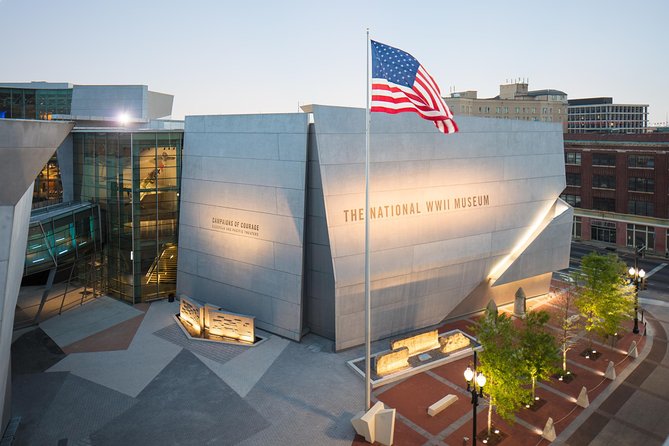
The general admission ticket is $37.80 per person and it’s designed for self-guided exploring. You get a mobile ticket and entry in English. Special exhibits are not included, and two big add-on experiences—Final Mission: USS Tang Submarine Experience and Beyond All Boundaries (the 4D documentary)—cost extra.
Here’s the value math that actually helps you plan: this museum can be done quickly, but it’s better when you give it time. The experience is often framed as around 2 to 3 hours, yet many visitors end up spending much longer because it’s spread across multiple buildings and filled with artifact viewing and interactive segments. If you only have a couple hours, you can still hit the major included areas. If you have a half day or full day, you’ll feel like you did the place justice.
Practical tip: if you’re deciding between squeezing it in and doing it properly, pick the longer option. The museum’s emotional impact and high-detail displays don’t work well when you’re running.
Getting in smoothly: the museum layout and how to approach it
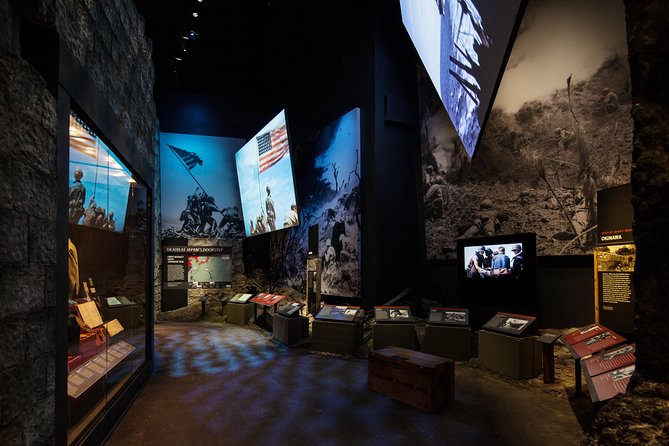
You make your own way to the museum in central New Orleans. Once you’re inside, your ticket covers the main pavilions and included galleries, and you can keep coming and going during opening hours.
Opening hours are 9:00 AM to 5:00 PM, daily. That window is generous enough to build a day around it, but not so long that you can ignore timing. Go early if you can. You’ll hit the main galleries with less pressure and more energy.
You’ll also want to be prepared for moderate walking and some uphill indoor movement. The museum includes a second-floor walkway connection later in the experience, so comfortable shoes help.
Louisiana Memorial Pavilion: D-Day and Home Front to anchor your visit
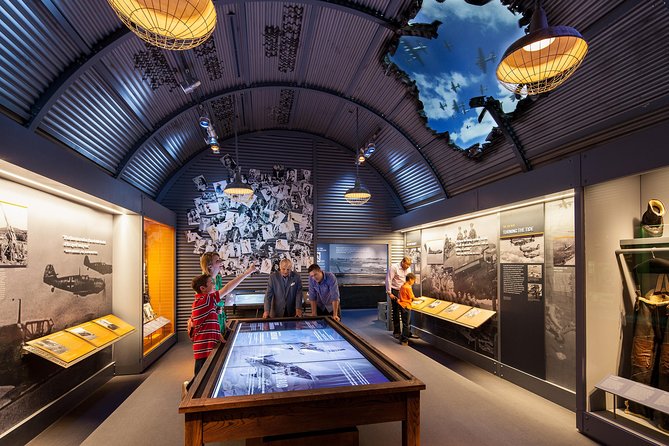
Your visit starts at the Louisiana Memorial Pavilion, which is a strong opener because it sets the tone quickly. Here, you’ll find exhibits focused on D-Day and Home Front histories, plus an authentic C-47 aircraft.
This is a good first stop because it frames the war from multiple angles right away:
- the big operational moments people know (like D-Day)
- the everyday pressure and choices behind the scenes at home
The C-47 matters because it gives you scale. You’re not only watching or reading—you’re standing near a real piece of military history. That kind of physical reference makes later exhibits hit harder, because your brain already understands what these objects looked like in real life.
If you’re trying to manage time, this is also a smart place to decide what you care about most. Aircraft and personal histories? Spend extra time around the C-47 and the early exhibits. Campaign structure and soldier experiences? Keep moving, but don’t rush the start—this pavilion sets the storyline.
Dog tag mini-train and the soldier’s eye-view concept
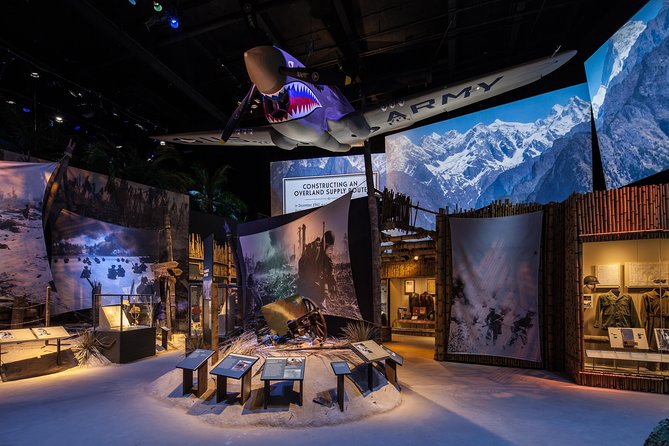
One of the most memorable included elements is the dog tag experience that ties into military transit. After entering, you can take the mini-train concept to learn how the dog tag experience works. Even if you’re not a museum-tech person, it’s a clever way to turn a small object into a whole idea—identity, record-keeping, and the reality of being sent off.
What I like about this part is that it doesn’t stay abstract. It pushes you to imagine the journey and the uncertainty that came with it. In a war museum, that matters. You’re less likely to feel like you’re scanning facts only.
Then you’re guided toward the next key area: the second-floor walkway leading to the Campaigns of Courage collection.
You can also read our reviews of more museum experiences in New Orleans

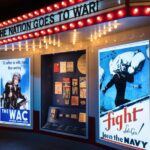
Campaigns of Courage: 360° European and Pacific theater storytelling
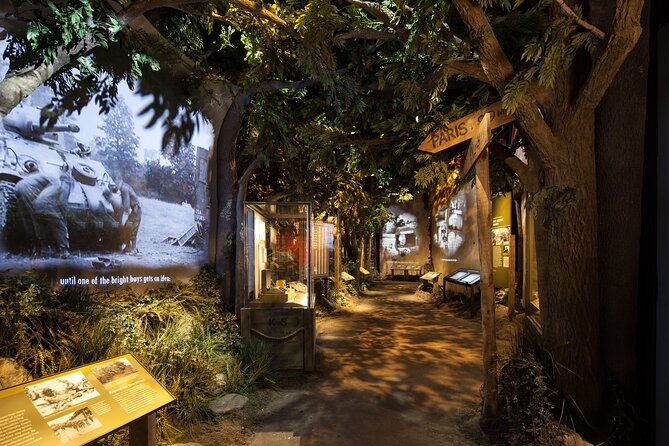
Campaigns of Courage is where the museum really leans into what it does best: guiding you through the war’s path with a strong sense of place.
You’ll see a soldier’s eye-view of key settings through 360-degree displays and dog tag stations with story points. The presentation style uses a mix of:
- set design
- narrated and environmental videos
- period newsreels
- oral-history kiosks
- personal and digital artifacts
- dynamic displays
The two big theater gallery tracks are:
- Road to Berlin: European Theater Galleries
- Road to Tokyo: Pacific Theater Galleries
What this means for you as a visitor: you can follow the war chronologically within each theater without losing the human thread. You’re not just seeing battle maps. You’re getting environment-based storytelling that makes the geography and sequence feel real.
Timing tip: don’t sprint through these galleries. If you rush, you’ll miss the story-point stations—the parts that connect the visuals to the idea of who was there and what that moment meant.
Sensory consideration: some parts involve multiple short video segments running close together, with lights and sound effects. If you’re sensitive, plan to pause when you need quiet time.
US Freedom Pavilion: preserved machines and the weight of remembrance
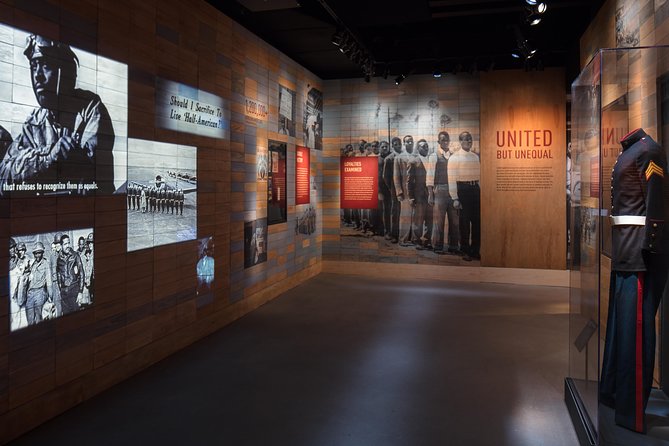
Next comes the US Freedom Pavilion, which shifts from theater storytelling into preserved war machines and honor-focused galleries. This is a great change of pace if you’ve been in video-and-display mode.
You’ll get:
- a rare look at preserved war machines
- a sobering walk through galleries honoring American servicemen
For me, the value here is that the museum slows down slightly. The earlier sections can feel fast and cinematic. This area gives you a chance to stand still, take in details, and absorb the memorial tone without extra tech running in the background.
If you’re the type who likes reading every placard, this is where you’ll naturally linger. The museum’s structure supports that.
Also, if you’re going with family or friends, this pavilion is a good “everyone catches up” zone. People can look at artifacts at their own speed without needing a group decision every few minutes.
Optional add-ons: USS Tang submarine mission and the Tom Hanks 4D film

You don’t have to buy extras to have a meaningful visit. But if you want the two biggest “wow” moments, the ticket can be enhanced by these:
1) Final Mission: USS Tang Submarine Experience
This is an interactive tour tied to one of the most successful WWII submarines. It costs extra.
2) Beyond All Boundaries in the Solomon Victory Theater
This is an epic 4D wartime documentary produced by Tom Hanks. It’s listed as an additional experience, and the showing is about 50 minutes. First-hand accounts of life in battle and on the home front are part of the program.
How to decide if you should add them:
- Choose Final Mission if you like hands-on interaction and submarine history.
- Choose Beyond All Boundaries if you want a cinematic, emotionally driven presentation with 4D effects.
Because they cost extra, I suggest thinking of them as “theme boosters.” They work best when they match what you already felt drawn to during the included galleries.
Food and breaks: how to keep your energy up during a long day
When you’re in a museum this large, breaks aren’t optional—they’re the difference between enjoying it and feeling fried.
On-site food options include:
- American Sector Restaurant + Bar
- BB’s Stage Door Canteen (1940s-style entertainment venue)
- Soda Shop
Food and drinks are at your own expense. I like planning breaks strategically: take one early enough that you don’t skip lunch, and then schedule another pause after the most emotional galleries. You’ll get better focus afterward.
One practical note: bring tissues if you’re sensitive to emotional content. Many visitors find the liberation and remembrance portions very moving.
How long should you plan? (And how to avoid the rush)
Even though the ticket is often described as 2 to 3 hours, the museum is large and easy to lose time in—especially if you stop for aircraft, read more than a few placards, or spend time in the Campaigns of Courage theaters.
If you want a smooth visit:
- 2 to 3 hours works if you commit to a smaller route and prioritize the included “core hits.”
- 4 to 6+ hours feels more realistic for most history lovers because there are multiple buildings and you’ll naturally want time to watch and read.
A simple strategy: pick one or two areas to go deep on, then treat the rest as “worth seeing” instead of “must finish.” This prevents that end-of-day scramble where you only remember what you didn’t get to.
Who this works best for (and who might find it overwhelming)
This museum is ideal for history buffs, students, and people who want a serious rainy-day activity in New Orleans. It also works well if your group has mixed interests—some people can focus on artifacts and aircraft while others gravitate toward the interactive story stations.
You should also consider it’s emotionally intense. If your group is sensitive to depictions of casualties and war’s human cost, plan for that. Some galleries can feel depressing because they show the scale of suffering and the reality of lost lives.
For younger visitors, be cautious with pacing. The museum includes loud effects and real footage elements. If you’re bringing kids, aim for older teens or plan on shorter bursts with breaks. Many families find that very young children struggle with the noise and intensity.
Finally, you’ll want a moderate fitness level. You’ll be walking through multiple indoor areas and up to connected spaces like the second-floor walkway.
Should you book this National WWII Museum admission ticket?
Yes—if you want one New Orleans attraction that’s built around learning that sticks. At $37.80, the general admission gives you core museum access, major pavilions, aircraft presence, and the signature Campaigns of Courage storytelling that turns history into lived moments.
Book it if:
- you’re a WWII fan or you like structured history storytelling
- you want a rainy-day plan that can take most of the day
- your group can handle emotionally heavy content and doesn’t need a casual, light attraction
Skip or adjust expectations if:
- you want a quick stop with minimal emotional weight
- you’re easily overwhelmed by sound, lights, and lots of short media segments
- you’re traveling with very young kids who may struggle with intensity
If you’re on the fence, my advice is to treat this as a half-day minimum. Even if you only do the included highlights, you’ll be glad you didn’t rush it.
FAQ
What is included in the National WWII Museum admission ticket?
The ticket includes general admission to the museum’s included galleries and pavilions. Special exhibits are not included, and certain add-on experiences (Final Mission: USS Tang and Beyond All Boundaries) cost extra.
How long should I plan to spend at the museum?
Plan for roughly 2 to 3 hours if you focus on the main highlights. If you read a lot, watch the media, and move through multiple buildings at a calmer pace, it’s easy to spend much longer during opening hours.
Is the ticket mobile?
Yes. It’s a mobile ticket, and the experience is offered in English.
Where is the museum, and do I need a guide to enter?
The museum is in central New Orleans, and you make your own way there. Your admission ticket gets you in, and you explore at your own pace.
What are the optional add-on experiences?
Beyond All Boundaries is a 4D documentary in the Solomon Victory Theater, and Final Mission: USS Tang is an interactive submarine experience. Both are not included and cost extra.
Is there food available inside the museum?
Yes. You can eat at the American Sector Restaurant + Bar, BB’s Stage Door Canteen, or the Soda Shop. Food and drinks are at your own expense.
What if the experience gets canceled due to weather?
The experience is listed as requiring good weather. If it’s canceled due to poor weather, you’ll be offered a different date or a full refund.
Is this a family-friendly activity?
It can be, but the museum content includes emotionally heavy material and frequent media elements with sound and light effects. If you’re bringing children, consider their comfort level with intense, war-focused presentations.