
REVIEW · NEW YORK CITY
NYC: Guggenheim Museum Entry Ticket
Book on GetYourGuide →Operated by Guggenheim New York · Bookable on GetYourGuide
The Guggenheim swirl is pure New York theater. This ticket lets you experience Frank Lloyd Wright’s iconic building as much as the art, in a museum space that was recently named a UNESCO World Heritage Site. I like how the visit is built around a moving ribbon of galleries, with a downloadable audio guide you can pull down on the museum Wi‑Fi so you’re not stuck reading tiny labels.
My favorite part is the practical pairing of architecture + context: you get full access to all exhibitions, plus a multilingual audio guide (11 languages) that gives you info on both the artworks and the building. You’ll also find it easy to pause, sit, and reset since the museum has seating in places, which makes a short visit feel less hurried. One thing to consider: the museum’s style is deliberate, and your taste will decide how much the exhibits click, with some galleries drawing heavier subject matter at times, plus the interior can feel busy depending on when you go.
In This Review
- Key Highlights You’ll Feel Fast
- Entering the Guggenheim Spiral at 88th–89th Street
- What the Frank Lloyd Wright Building Changes About Viewing Art
- Skip-the-Line Entry: Turning Arrival Time Into Art Time
- The Downloadable Audio Guide: How to Use It Without Getting Lost
- Exhibitions You Can See in 2025 (and How to Prioritize)
- Rashid Johnson: A Poem for Deep Thinkers
- Beatriz Milhazes: Rigor and Beauty
- Faith Ringgold
- Modern European Currents
- Thannhauser Collection (ongoing)
- Permanent Collection and the Thannhauser Connection
- Where to Sit, Look Longer, and Breathe
- Price and Value: Is $30 Worth It?
- Who This Ticket Fits Best (and Who Might Want a Different Plan)
- Should You Book the Guggenheim Entry Ticket?
- FAQ
- How long does the Guggenheim visit usually take?
- Is the Guggenheim ticket a one-day entry?
- What does the ticket include?
- Where is the meeting point?
- Can I skip the ticket line?
- What languages is the audio guide available in?
- Do I need headphones?
- What should I bring besides headphones?
- Are children allowed for free?
- What 2025 exhibitions are included?
Key Highlights You’ll Feel Fast
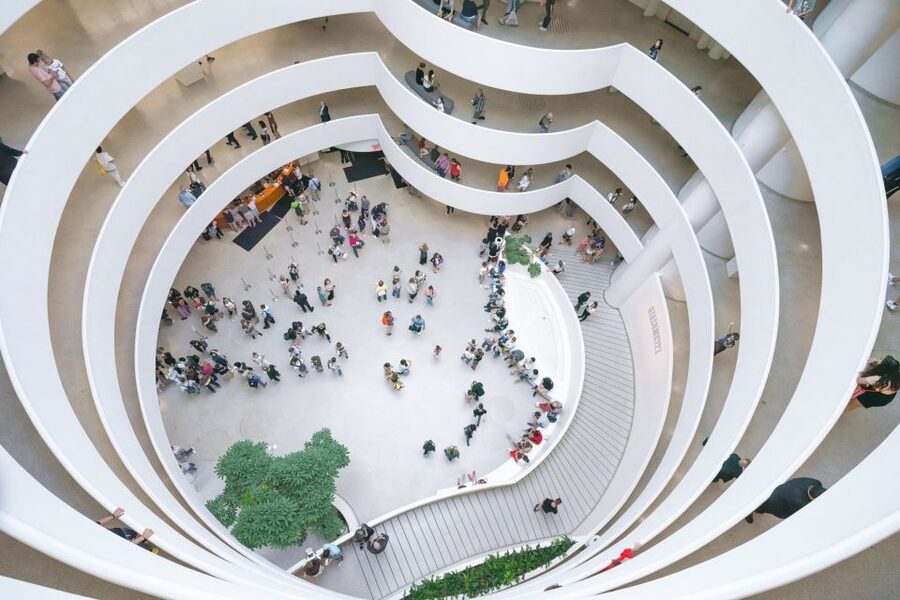
- UNESCO-worthy architecture: Wright’s spiral layout is the show, not just the backdrop
- Skip-the-ticket-line entry: get inside quicker and start your walk while you still have energy
- Audio guide for each exhibition: download on site using the museum Wi‑Fi, in 11 languages
- Unlimited time: take 1–2 hours today, or stretch it if you’re lingering with the art
- 2025 special exhibitions included: you can pair temporary shows with the museum’s permanent collection
- Comfort breaks built in: benches and a calm rhythm help you look longer than you planned
Entering the Guggenheim Spiral at 88th–89th Street
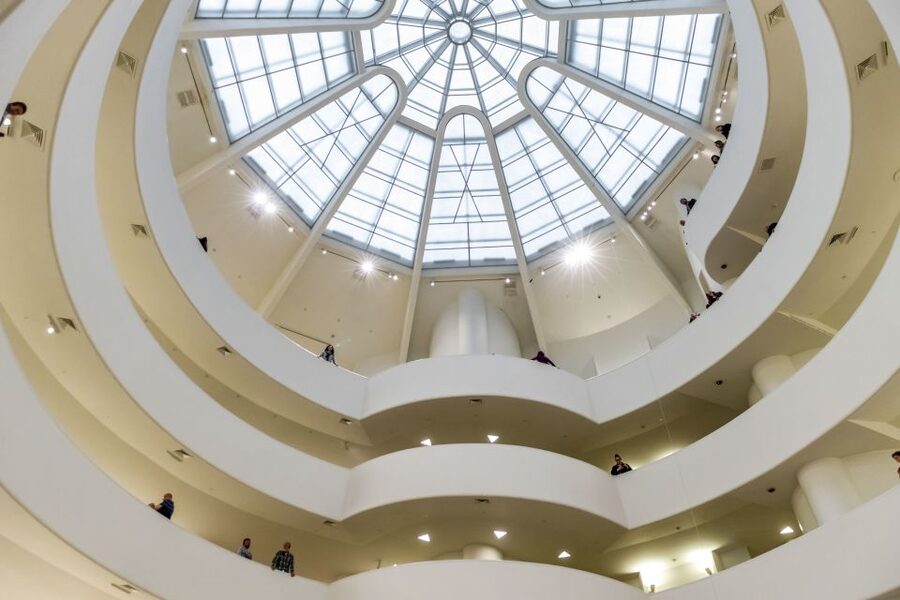
Your day starts at the main entrance between 88th and 89th Street. Show your ticket at the entry point, and then you can go straight into the museum. Because this is an entry ticket with skip-the-ticket-line, you’re less likely to lose time standing around before you even see the building.
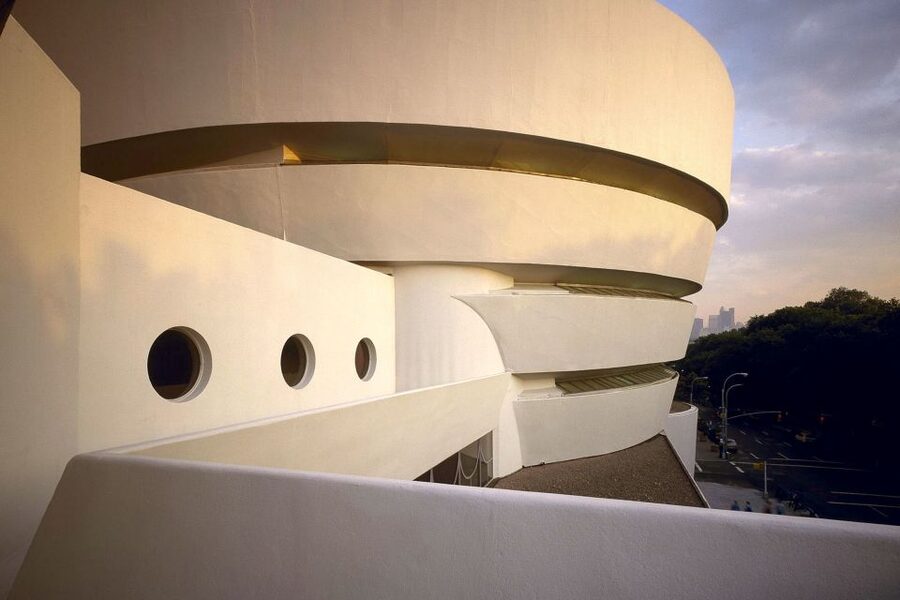
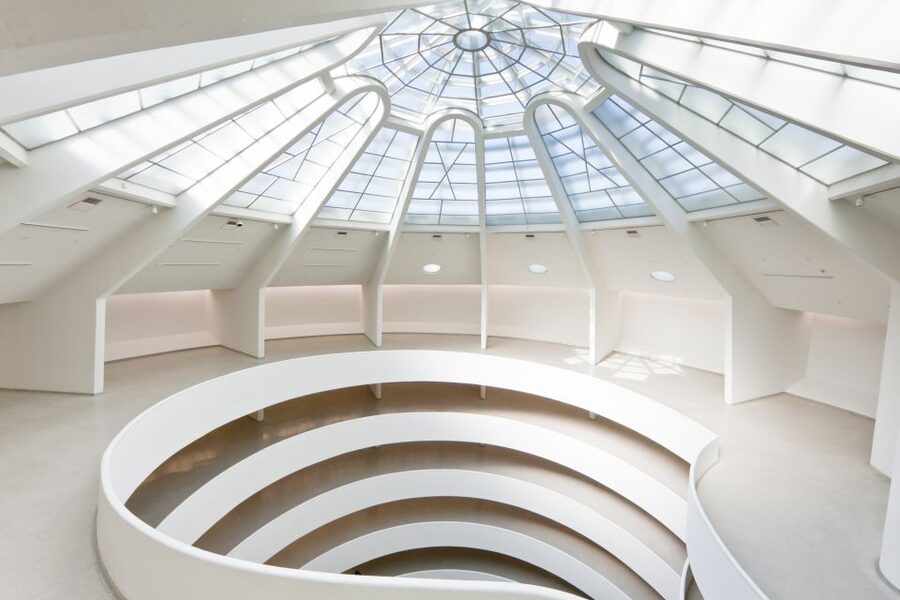
Once you’re inside, you’ll notice the first big difference from most museums: the circulation is built around the spiral ramp and a central core. That matters because it changes how you experience art. Instead of bouncing randomly from room to room, you’re guided by the building’s motion, which can make even a quick visit feel like it has a “path,” not just a checklist.
A few more New York City tours and experiences worth a look



What the Frank Lloyd Wright Building Changes About Viewing Art

The Guggenheim’s architecture is not decorative. It’s a viewing tool. Wright’s design creates a gentle pull upward, and it naturally encourages you to keep walking while you rotate your attention between the ramp and the galleries branching off from it.
I love how this layout helps with two common museum problems: rushing and crowding. With the ramp drawing people through the space, you’re more likely to find stretches where you can see works without pressing your way through a dense pocket of visitors. That said, crowds do happen—some people find it crowded enough that it’s harder to get comfortable viewing distance—so it’s still smart to go in with flexibility.
Also, don’t ignore the building itself as you move. Several visitors highlight the architecture as the main wow moment, and I agree it earns that reputation. When you’re inside, you can actually feel how the curves shape your pace and your attention.
Skip-the-Line Entry: Turning Arrival Time Into Art Time
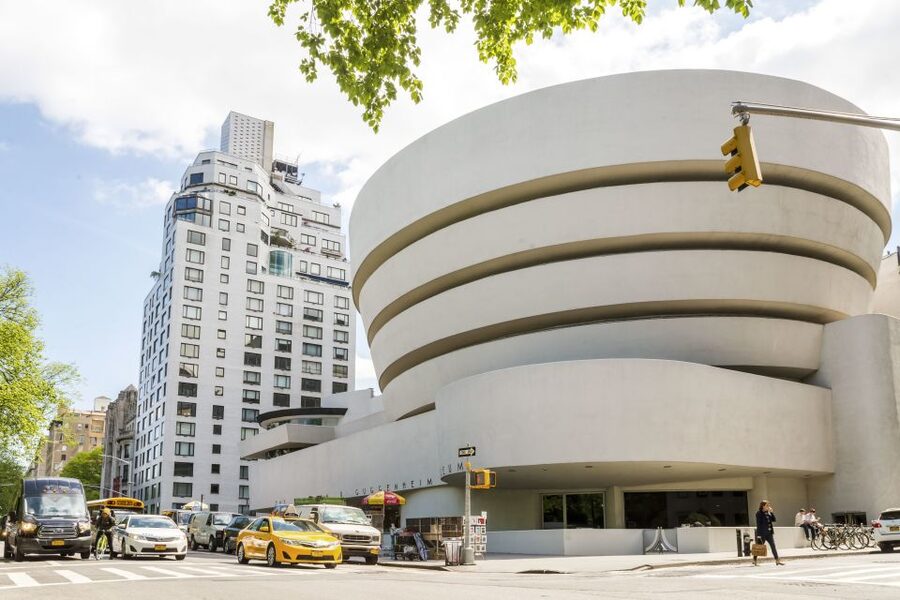
This ticket is designed for speed where it counts: you skip the ticket line and head in. That’s a real value in New York, where “time to actually start” can be the biggest cost of a museum day.
Expect your visit to average around 1–2 hours, but the ticket is valid for your day with unlimited time. So you’re not trapped in a strict window if you get interested halfway through. If you only have a short block between Central Park and whatever you’re doing next, this works well because the building’s route doesn’t force you to commit to a full half-day.
The Downloadable Audio Guide: How to Use It Without Getting Lost
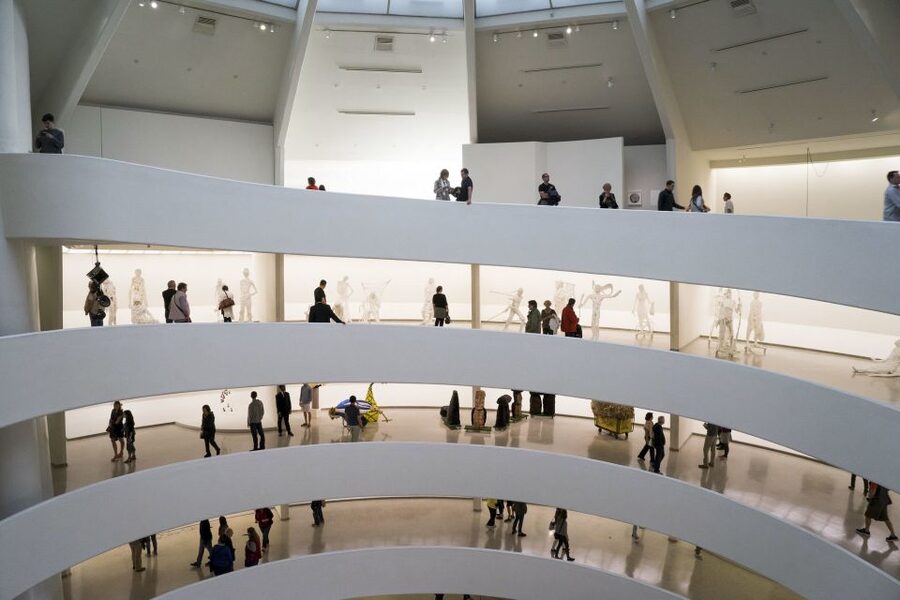
This ticket includes a downloadable multilingual audio guide, and the key detail is that you connect to the museum’s Wi‑Fi and download the digital guide on site. You’ll want headphones and a charged smartphone. Without both, you’ll still be able to see the art, but you’ll miss the built-in structure that makes the experience click faster.
The audio guide covers:
- each exhibition
- the permanent collection
- information about the Frank Lloyd Wright building itself
It’s available in 11 languages, including Spanish, Mandarin, Italian, and Arabic. I like having language options because art museums can get text-heavy. Audio lets you keep moving along the spiral while the meaning catches up.
A practical tip: use the guide to decide where to spend your attention. If you’re the kind of person who needs context to enjoy modern and contemporary art, audio is the shortcut. If you prefer looking first and reading later, start with a few rooms on your own and switch to the guide when something genuinely grabs you.
Exhibitions You Can See in 2025 (and How to Prioritize)
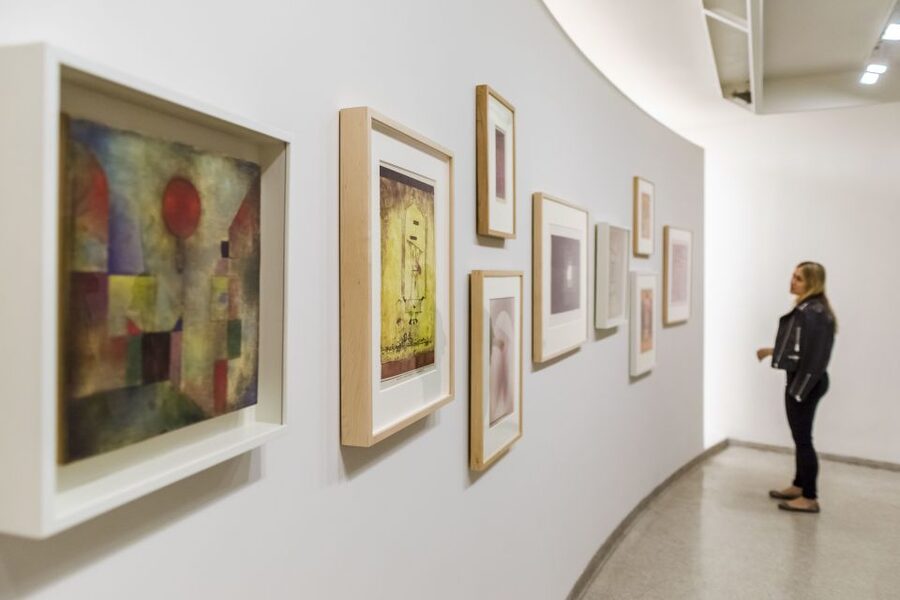
Your ticket gives you access to all exhibitions, including the 2025 lineup listed for the museum. Here’s how I’d prioritize if you only have about 1–2 hours.
You can also read our reviews of more museum experiences in New York City



Rashid Johnson: A Poem for Deep Thinkers
This runs April 18, 2025 to January 18, 2026. I’d treat this exhibition as a “centerpiece stop.” If you like art that feels layered and thoughtful, plan time to slow down here rather than trying to sprint through.
Beatriz Milhazes: Rigor and Beauty
This runs through September 7, 2025. This show tends to reward close looking. If you enjoy color, pattern, and design energy, you’ll likely find it satisfying even if modern art isn’t always your first love.
Faith Ringgold
This runs through September 14, 2025. Ringgold’s work often lands with emotional clarity, so it’s a good pick if you want something more direct. Pair it with a different style right after so you can compare how your eye adjusts.
Modern European Currents
This runs through March 22, 2026. Think of this as the “broader art movement” hour if you like understanding where styles come from. If you’re curious about how modern art developed across Europe, this is a strong use of your limited time.
Thannhauser Collection (ongoing)
This is ongoing, so it’s a reliable anchor even if you visit later in the year. It can include classics associated with major artists such as Picasso, Manet, and Degas, and some visitors specifically call out the satisfaction of seeing those heavyweight names in the museum’s distinct setting.
Permanent Collection and the Thannhauser Connection

The Guggenheim is known for world-renowned modern and contemporary works, and the experience is strongest when you treat the permanent collection as a conversation with the special exhibits. Even if you don’t love every single artwork, the museum’s organization makes it easier to track ideas across rooms.
The Thannhauser Collection is one of the most useful ways to build that thread. I like that it gives you a steady base of famous works while the temporary exhibitions add a newer voice. That balance helps if you’re visiting with someone who loves big-name classics but you also want variety.
One note from the experience vibe: the museum is not only about pretty pictures. Some visitors mention lower-floor galleries with political subject matter, including references related to the Vietnam War, which can feel depressing or disturbing. If you’re sensitive to that tone, plan your emotional pacing and consider saving your most intense stops for when you’re ready.
Where to Sit, Look Longer, and Breathe
Modern museums sometimes feel like you’re supposed to stand forever. The Guggenheim bucks that. Visitors specifically mention seating benches that make it easier to slow down and enjoy the art instead of fighting fatigue.
I recommend building in at least one “sit break,” especially if you’re going to use the audio guide. A good pause helps you avoid the common museum trap where everything blurs together. Sit, listen, then decide whether you want to revisit a work from a different angle.
There’s also a restaurant/café option mentioned by visitors, including people praising cappuccino. That’s handy because if you plan a rainy-day museum (common in NYC), you can turn your art stop into a full afternoon instead of a rushed hour.
Price and Value: Is $30 Worth It?
At $30 per person, this ticket isn’t cheap, but it’s also not paying-only-for-the-room pricing. Here’s what you’re getting for the money:
- Guggenheim Museum entry
- access to all exhibitions
- Wi‑Fi
- a downloadable multilingual audio guide
- sales tax included
The audio guide and Wi‑Fi piece is a meaningful value. Without it, you’d likely spend more time scanning labels and less time understanding the building and exhibitions. With it, you can get more from a 1–2 hour visit, which is a big deal if your NYC schedule is tight.
The unlimited time part also helps. If you start at 2:00 and end up lingering because one exhibition grabs you, you’re not racing a “hard stop” during your booking window.
Who This Ticket Fits Best (and Who Might Want a Different Plan)
This ticket is a great match if you:
- care about architecture as much as art
- want modern/contemporary art with context from an audio guide
- like shorter, focused museum visits that still feel complete
It also works well if you’re pairing your museum day with Central Park, since the museum’s location is often described as convenient and close by.
If you’re someone who needs every exhibition to match your personal taste, you may have a more mixed experience. Even when the building and organization are admired, some people come away feeling that not all works speak to them. That’s normal with modern and contemporary art, and the best strategy is to follow what grabs you rather than trying to “finish” everything.
Should You Book the Guggenheim Entry Ticket?
Book this if you want a museum day that feels efficient and iconic. The skip-the-line entry, downloadable audio guide in 11 languages, and unlimited time add up to a strong value—especially if you’re interested in modern art but also want the Wright building to do some of the work for you.
Skip it (or adjust your expectations) if you only have time for a very quick picture-and-leave stop. The Guggenheim is better when you use at least part of the 1–2 hour window to read the room with the audio guide and let the spiral layout guide your attention.
In short: if your idea of a good museum day includes both art and the experience of the space itself, this ticket is an easy yes.
FAQ
How long does the Guggenheim visit usually take?
Most people spend around 1–2 hours. The ticket also provides unlimited time for the day you choose.
Is the Guggenheim ticket a one-day entry?
Yes. The ticket is valid for 1 day, based on availability and starting times.
What does the ticket include?
Your entry ticket includes access to all exhibitions, Wi‑Fi, and a downloadable multilingual audio guide. Sales tax is also included.
Where is the meeting point?
The main entrance is located between 88th and 89th Street. Show your ticket at the museum’s entry point.
Can I skip the ticket line?
Yes. This ticket is designed to skip the ticket line.
What languages is the audio guide available in?
The audio guide is available in 11 languages, including Spanish, Mandarin, Italian, and Arabic.
Do I need headphones?
Yes. The important items to bring include headphones.
What should I bring besides headphones?
Bring a charged smartphone, since you’ll connect to the museum Wi‑Fi to download the audio guide.
Are children allowed for free?
Children 11 years of age and under get free museum entry.
What 2025 exhibitions are included?
The included 2025 exhibitions are Rashid Johnson: A Poem for Deep Thinkers (Apr 18, 2025–Jan 18, 2026), Beatriz Milhazes: Rigor and Beauty (through Sep 7, 2025), Faith Ringgold (through Sep 14, 2025), Modern European Currents (through Mar 22, 2026), and the Thannhauser Collection (ongoing).