REVIEW · NEW YORK CITY
9/11 Memorial Museum Admission Ticket
Book on Viator →Operated by National September 11 Memorial & Museum · Bookable on Viator
Ten minutes can change everything.
The 9/11 Memorial Museum is hard to describe in any normal way, and that is exactly why the timed-entry setup is so useful. I like that your admission is handled with a mobile ticket, so you can go straight to the museum after you check in. I also like that the museum gives you time to wander without being herded, with two major exhibits—In Memoriam and September 11, 2001—built for your own pace. The main drawback: plan on an emotionally heavy visit, so rushing through can feel like you’re skipping the point.
You’ll start right at the National 9/11 Memorial & Museum, with the museum living below the reflecting pools. The visit is suggested at around 2 hours, and that sounds short until you’re inside and realize how much you’re taking in. One more consideration: because the museum uses airport-style screening and you can’t re-enter once you exit, I’d avoid late-day surprises and treat this like a real timed stop.
In This Review
- Key Things That Matter Here
- Timed Admission at 9/11: Why This Ticket Is Worth Planning
- From the Memorial Pools to the Museum Below
- The Two Main Exhibits: How to Prioritize Your Time
- In Memoriam: A Place to Remember Names and Stories
- September 11, 2001: Timeline and Meaning After the Fact
- What You’ll See in the Galleries (and How to Watch Without Getting Overwhelmed)
- How Long Should You Plan? (Hint: Two Hours Is the Start)
- Logistics That Affect Your Experience (Without Making It Your Main Focus)
- Accessibility and Who This Museum Works For
- Price and Value: Is $36 Good for What You Get?
- Practical Tips to Make Your Visit Feel Like It Has a Point
- Should You Book This Timed-Entry Ticket?
Key Things That Matter Here

- Mobile timed entry helps you avoid extra waiting at security and check-in.
- Two anchor exhibits cover both the remembrance and the day’s timeline, including the 1993 attack.
- Everything is self-paced, which is great when you want to linger at artifacts and videos.
- Memorial pools and museum layout are tightly linked, so the story starts outdoors and continues underground.
- Plan for emotion and time—most people need more than the minimum to actually absorb it.
Timed Admission at 9/11: Why This Ticket Is Worth Planning
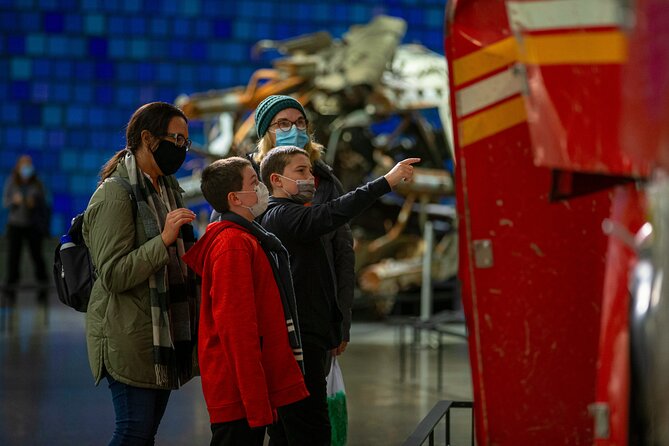
The National 9/11 Memorial & Museum doesn’t feel like a normal stop on a sightseeing list. It’s a place of remembrance, and the line and check-in experience can be the difference between a calm visit and a frantic one. That’s where prebooking shines. With your timed admission, you’re not gambling on walk-up timing, and you can spend your mental energy on the exhibits instead of on waiting.
I also like how the ticket design matches how the museum works. You get a set entry time, but the experience is built for wandering. That means you can slow down where you need to, and speed up when you’re ready to move on. If you’ve ever tried to do this kind of museum with a tight schedule, you already know how quickly it turns into a blur.
There’s another small but important value here: your mobile ticket. You don’t need to hunt for printed paper or deal with slow app problems once you’re in the area. Just have your phone ready, and let the day flow.
A few more New York City tours and experiences worth a look



From the Memorial Pools to the Museum Below
The emotional center of the site is the memorial itself: the reflecting pools that mark the footprints of the Twin Towers. That outdoor start matters. Even before you hit the galleries, you’re placed in the right frame of mind. The sound and quiet of the pools set a pace that carries into the museum.
Then you go below. That physical move adds weight to the story. The museum is set up so you’re not simply reading history on a wall—you’re walking through evidence, photographs, artifacts, and multimedia accounts tied to September 11, 2001 and February 26, 1993.
If you want the visit to land properly, come in ready to pause. Some people move fast because it feels easier. But the museum is built for small stops—close looks at items, and re-reads of context that helps the day make sense.
The Two Main Exhibits: How to Prioritize Your Time
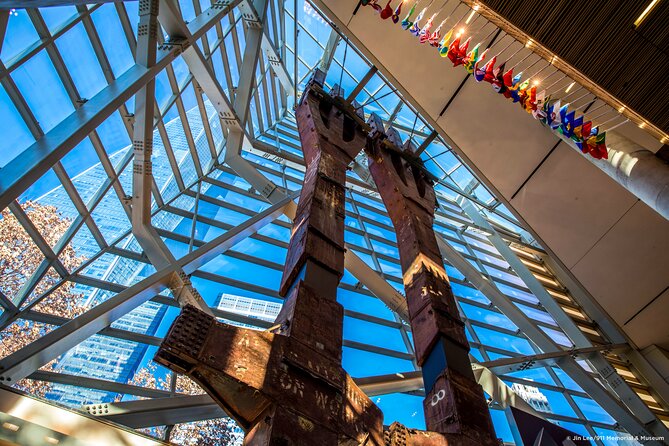
This is a self-guided museum, but you’ll feel the structure right away once you’re inside. Two core exhibits shape the experience, and knowing what they do helps you plan your route.
In Memoriam: A Place to Remember Names and Stories
In Memoriam focuses on honoring the people who were killed. It includes the 2,983 victims from September 11, 2001 and also those who died during the World Trade Center’s 1993 bombing. The emphasis here is remembrance, not just explanation.
What I like about this section is how it balances personal loss with a clear sense of scale. You’re not only looking at objects; you’re being reminded that these weren’t abstract numbers. Expect the kind of stops where your brain does the math, then your heart catches up.
September 11, 2001: Timeline and Meaning After the Fact
The second anchor is September 11, 2001, described as a three-part exhibit. It tells the tale of the day and also analyzes motives for the attacks. Then it moves forward to the aftermath—how the event changed the world, both locally and globally.
This section is the one that helps a lot of people who feel overloaded after seeing the memorial. The memorial hits you with presence. The museum tries to give you a framework: what happened, why it mattered, and how the ripple effects lasted well beyond the day itself.
I recommend you treat this like the story section. Don’t rush past it just because the memorial already broke your heart. The explanation helps you make sense of what you saw outside.
You can also read our reviews of more museum experiences in New York City



What You’ll See in the Galleries (and How to Watch Without Getting Overwhelmed)

The museum mixes artifacts with first-person accounts, plus multimedia displays. That combination is key. Artifacts make it real. First-person accounts keep it human. Multimedia ties it together when your brain needs a fuller picture.
Plan to encounter moments that hit hard. That’s not a complaint. It’s the point. The best way to handle it is to give yourself permission to breathe and step back when something is too intense. If you’re visiting with family or friends, it’s also a good idea to set a quiet expectation: some sections are not meant to be skimmed.
A practical tip: pace yourself so you can actually benefit from the videos and audio-style content. One visitor specifically called out a boat lift video as a moment worth watching closely. Even if you don’t know what you’ll see until you’re there, the museum’s multimedia pieces are worth taking seriously because they add context you can’t get from objects alone.
How Long Should You Plan? (Hint: Two Hours Is the Start)

The suggested time is about 2 hours, and that’s a fair baseline for a first visit. But in practice, you might find yourself adding time without realizing it—especially if you stop at multiple points for reading, photos, and listening to accounts.
I’d plan your visit like this:
- If you want a full, respectful pass, think closer to 2 to 3 hours.
- If you’re short on time, aim for focused attention: memorial pools outside, then In Memoriam and September 11, 2001 as your two priorities.
The museum is emotionally heavy, and that slows people down in a good way. One thing I took from the experience of reading feedback is that visitors who said it felt most meaningful often also said they didn’t treat it like a quick checklist. You get more out of it when you allow the time to land.
Logistics That Affect Your Experience (Without Making It Your Main Focus)

This ticket includes admission to the museum, and it’s a timed entry. That affects your day more than you might expect. You’ll need to arrive when your time slot starts, and you’ll pass through screening that feels similar to airport security.
Also note the no re-entry rule: once you exit the building, you can’t come back in. That matters if you’re tempted to duck out for snacks or photos nearby during your visit window. It’s better to set your museum time as a single block and handle breaks before you start.
Photography is permitted for private, non-commercial use. That’s useful if you want to remember details that you might not recall later—though in a place like this, I’d also keep your phone away when you’re absorbing the moment.
Finally, large bags and some bulky items go to mandatory storage in the coat room. If you can travel light—small backpack or day bag—you’ll keep things smoother.
Accessibility and Who This Museum Works For
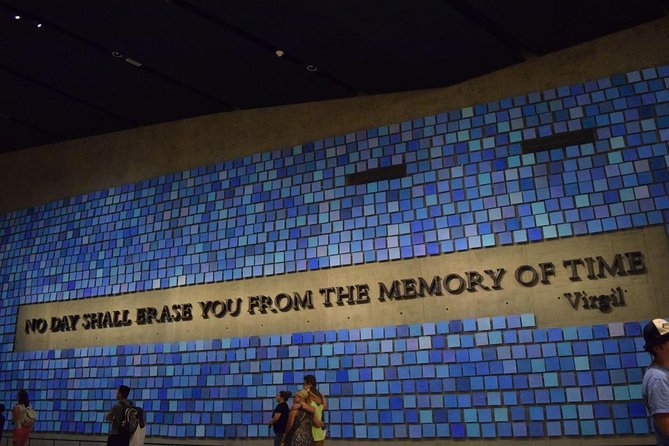
The museum is wheelchair and stroller accessible, which is a major plus for families and anyone with mobility needs. You won’t need to skip key parts because of basic access barriers.
This is also a strong choice for people who want meaning, context, and careful storytelling. If you like museums where you can read at your own pace and decide what to focus on, you’ll appreciate the self-guided format.
It can be a challenging visit for young kids or anyone who struggles with intense emotional material. That said, the museum’s structure is built for learning, and many families plan it as an important educational stop. If you go with children, consider preparing them a little in advance about what kind of content they’ll encounter.
Price and Value: Is $36 Good for What You Get?

At $36 per person, the ticket isn’t cheap. But it’s also not just a line-jump. You’re paying for timed admission to a major institution, plus the ability to stay for as long as you want once you’re inside.
The value is strongest if:
- You want to skip the uncertainty of walk-up entry times.
- You want a self-paced route through major exhibits that cover both remembrance and explanation.
- You’re visiting once and want the museum to feel complete, not rushed.
It’s less of a bargain if you’re the type who needs very short visits or if you’re only going to see one small portion. This museum rewards patience. Give it that, and the ticket starts to make sense.
Also, children ages 6 and under are free, which can reduce the sting for families.
Practical Tips to Make Your Visit Feel Like It Has a Point
Here are a few ways to keep the visit meaningful instead of stressful:
- Start with the memorial mindset. Before you look at anything in the galleries, take in the reflecting pools.
- Choose a pace that fits you, not the crowd. The museum works better when you linger at the spots that pull you in.
- Plan for screening and storage. You’ll save energy if you show up ready to clear security efficiently and store larger items.
- Don’t force a full circuit if you’re overwhelmed. You can always return later, but even on one visit you’re allowed to stop where you need to.
- Bring a quiet plan for emotional moments. If you’re with family, decide in advance how you’ll handle pauses and tears.
One more note from real-life feedback: some people felt the site can feel donation-heavy, including prompts in places like the cafe and store. If that bothers you, just know it can be part of the experience.
Should You Book This Timed-Entry Ticket?
Yes—if you’re visiting the 9/11 Memorial & Museum as a serious stop, not a quick photo op. The timed admission and mobile ticket help you keep your day calm, and the museum’s two main exhibits give you both remembrance and explanation in a way that most visitors find moving and informative.
Skip it only if you’re unsure you can handle emotionally intense content or if your schedule is so tight that you’d be forced to rush through. In a museum like this, speed usually costs you something important.
If you can give it time, this is one of those NYC experiences where planning ahead improves everything—access, pacing, and how much the place can actually mean to you.