REVIEW · NEW YORK CITY
9/11 Memorial & Ground Zero Tour with Optional Museum Admission
Book on Viator →Operated by City Wonders USA · Bookable on Viator
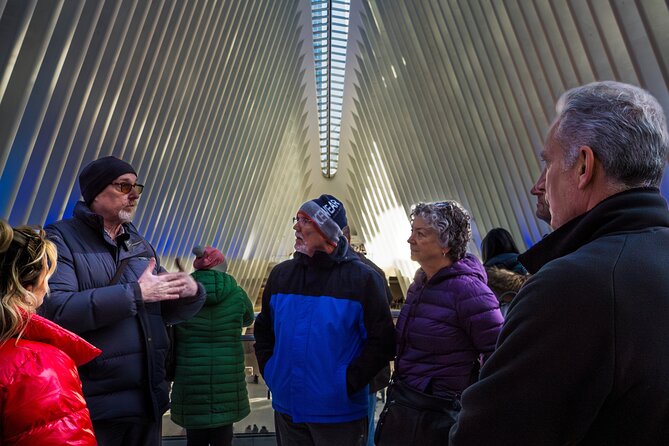
Lower Manhattan hits hard, fast. This small-group 9/11 Memorial & Ground Zero walking tour moves you through the places that shaped the day—guided all the way, with headsets so you don’t miss a word. I like that it’s designed for clarity and flow: you follow your guide, not a map, and you get headsets to hear commentary clearly even in busy areas.
My second favorite part is how the route mixes solemn remembrance with real context—St. Paul’s Chapel, the Oculus transit hub, Liberty Park, the FDNY memorial, and finally the reflecting pools and One World Trade Center. The one drawback to plan for: it’s a walking format with a moderate pace, so wear comfortable shoes and be ready for some street-to-street walking near Ground Zero.
In This Review
- Key highlights worth your attention
- Price and what you’re really paying for
- Meeting point and the walk’s rhythm in Lower Manhattan
- Stop 1: St. Paul’s Chapel and the start of the story
- Stop 2: The Oculus—renewal, transit, and design you can feel
- Stop 3: Brookfield Place and the Hudson-facing pause
- Stop 4: Liberty Park and the meaning of small details
- Stop 5: The FDNY Memorial Wall—honoring firefighters by name
- Stop 6: The National 9/11 Memorial & Reflecting Pools
- Stop 7: One World Trade Center—seeing the skyline remade
- Stop 8: Museum admission when you want the extra hours
- What I think makes the guides matter (and who you might get)
- Who this tour fits best
- Should you book this Ground Zero walking tour?
Key highlights worth your attention
- Headsets included so your guide’s narration stays clear throughout the walk
- Small groups (20 or fewer) for a more personal experience
- Walking-only access to key spots that big bus tours often miss
- Optional museum admission so you can choose how long you want to stay
- Smart pacing with short stops that keep the story moving without rushing you
Price and what you’re really paying for
At $29 per person, this tour sits in the low-to-mid range for a guided Ground Zero experience—especially because it’s a guided walk with headsets and covers multiple major sites in one trip. You’re not just paying for someone to point at famous buildings. You’re paying for interpretation: the why behind each location, plus a route that links together the emotional and the historical.
The optional upgrade is also a big part of the value equation. With the upgrade, you get an admission ticket to the 9/11 Memorial Museum, and the guided portion ends at the museum entrance so you can continue at your own pace. Without the museum ticket, you still get a focused guided walk of the Memorial and surrounding area. That choice matters if you’re short on time or if you already plan to visit the museum separately.
Duration is about 1 hour 40 minutes. That’s long enough to feel like you covered Ground Zero properly, but not so long that you’ll feel stuck inside a schedule for the entire morning or afternoon.
You can also read our reviews of more museum experiences in New York City



Meeting point and the walk’s rhythm in Lower Manhattan
The tour starts at M Social Hotel New York Downtown (formerly Millennium Downtown New York), 55 Church St. It ends at the 9/11 Memorial & Museum entrance on 180 Greenwich St, where your guide hands you the ticket (if you selected museum admission) and you go in on your own.
Why that matters: you’ll get the “guided framing” outside, then the museum is yours to control once you’re there. Some people want time to read every name; others want to focus on particular exhibits. The format supports both.
Also, this is a real walking tour. The itinerary is built out of short segments—around 10 to 15 minutes at most stops—so your feet stay active but you’re not stuck at any single place for too long. You’ll still want comfortable shoes. And since Lower Manhattan weather can swing, bring layers.
Stop 1: St. Paul’s Chapel and the start of the story
The tour begins at St. Paul’s Chapel, a key starting point for anyone trying to understand Ground Zero beyond headlines. This is the oldest surviving church in New York City, dating back to 1766, but its real power here is what it did during 9/11. The chapel served as a relief center for first responders and recovery workers, offering rest and support when the area was in crisis. It miraculously survived without damage, and for months it functioned as a place of comfort and hope.
This is a smart first stop because it sets the tone before you step into the more modern memorial landscape of the World Trade Center site. Instead of jumping straight to the reflecting pools, you start with a building that shows how New York responded in real time.
If you’re sensitive to emotional spaces, take it slow here. You don’t have to rush the chapel. It’s the kind of place where silence feels natural.
Stop 2: The Oculus—renewal, transit, and design you can feel
From St. Paul’s Chapel, your guide moves you to the Oculus at the World Trade Center site. It opened in 2016 and was designed by architect Santiago Calatrava. It’s a dramatic, white, modern structure that resembles a bird in flight, and it works as both a transit hub and a shopping center.
What I like about this stop on a 9/11 tour is the balance it offers. The Oculus isn’t a memorial marker in the traditional sense, but it represents the rebuilding of movement and daily life at this address. Inside, it’s bright and open, with a soaring ribbed roof that makes the space feel larger than you expect.
One caution: if you’re expecting a quiet, purely reflective moment, this is more of an architectural breather. The design is moving, but it’s also a place where people are coming and going.
Stop 3: Brookfield Place and the Hudson-facing pause
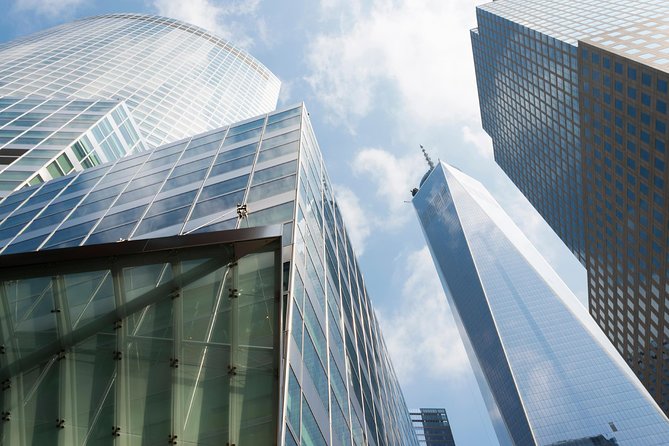
Next comes Brookfield Place, a modern complex with office buildings, a luxury shopping mall, and lots of places to eat. The headline for many visitors is the Winter Garden Atrium: a glass-enclosed space with palms and a tall ceiling that gives you a chance to pause without stepping far from the route.
The practical value here: Brookfield Place helps you reset your energy before you get closer to the memorial core. It’s also a good moment to look out toward the Hudson River area and the Statue of Liberty views you can catch from this side of the neighborhood.
Downside to know: if you’re focused on keeping the day strictly solemn, this stop can feel more “city” than “ceremony.” I treat it as a short reset—then you’re back to reflection at the park and memorial sites.



Stop 4: Liberty Park and the meaning of small details
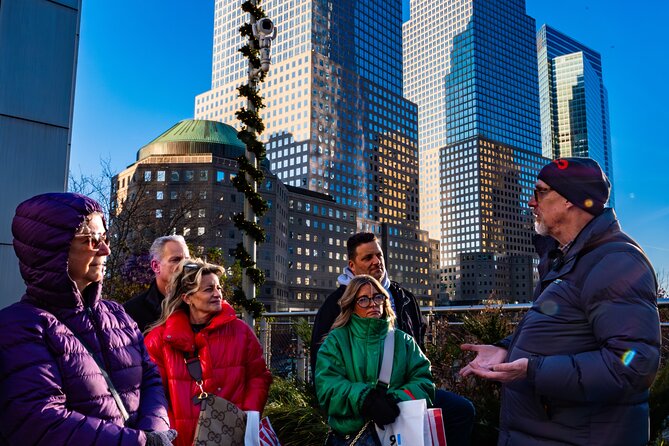
Your guide then takes you to Liberty Park near the National 9/11 Memorial and Museum. This is a green space with paths and seating, opened in 2016, built for reflection and breathing room inside Lower Manhattan.
Two details help the story land. The Liberty Park Overlook gives a specific vantage point for seeing the surrounding historic sites and One World Trade Center. And the park includes the Survivor Tree, a symbol of resilience that survived the attacks.
This stop works well because it turns the route into a conversation with the area’s geometry—where you stand changes what you see. It also offers a calmer pause before the emotional intensity increases at the memorial.
If you have mobility limitations, this is one of the better places to take a breather, since there are seating areas. Still, you’ll want to keep an eye on your stamina for the final stretch.
Stop 5: The FDNY Memorial Wall—honoring firefighters by name
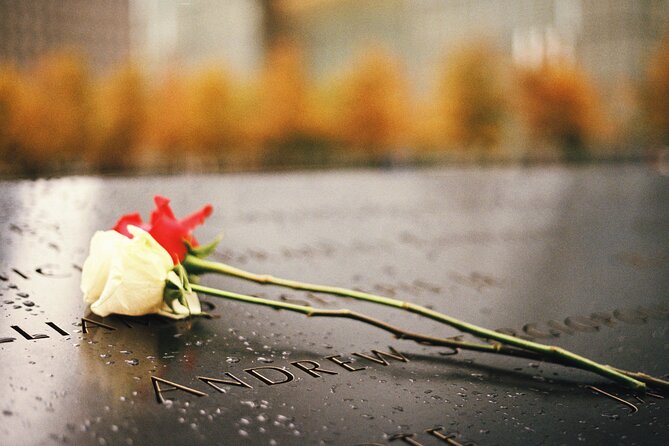
The FDNY Memorial Wall is one of the most poignant moments on the itinerary. Located at the FDNY headquarters on Pearl Street, it honors firefighters who died in the line of duty. Dedicated in 2004, it includes engraved plaques listing the names of the 343 fallen firefighters.
The reason this stop hits is that it shifts your attention toward a specific community of first responders. It’s not only about the day; it’s about people who lived that role and paid the ultimate price.
The drawback is also simple: it’s intense. If you’re visiting with kids or someone who struggles with heavy topics, go slowly and let your group set their own pace. I find it helps to ask yourself what you want to remember from the names on the wall—because the list makes the day feel personal.
Stop 6: The National 9/11 Memorial & Reflecting Pools
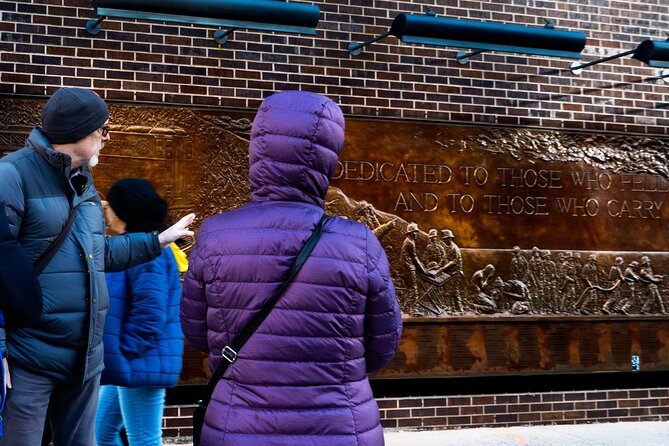
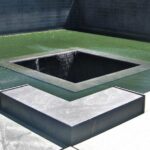
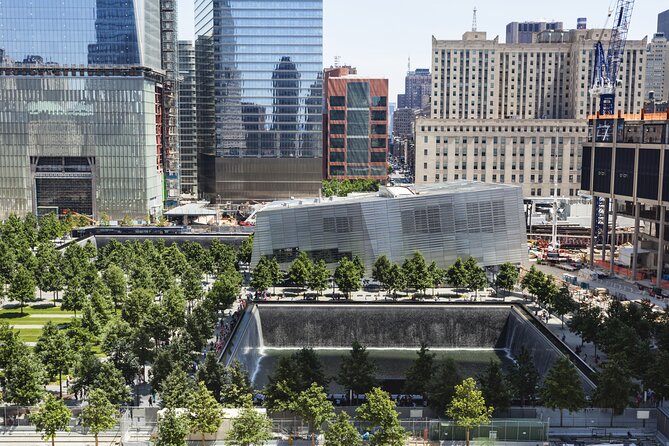
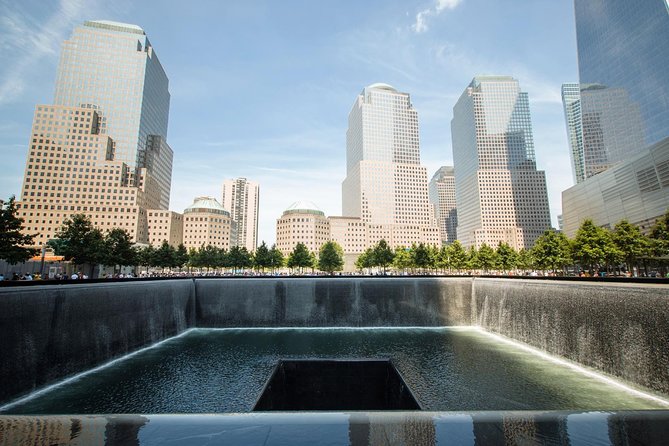
Then you reach the center of it all: the National 9/11 Memorial and its Reflecting Pools. The pools sit within the footprints of the original Twin Towers and are each nearly an acre in size. Cascading waterfalls run down into the water, and the bronze panels around the pools carry the names of victims (including those from the 1993 bombing and 9/11 attacks).
This is where your guide’s pacing matters. You’re not just dropped at a famous photo spot. You’re guided in a way that connects the meaning of the pools to what happened and who is remembered.
One practical note: the area around the reflecting pools can be crowded. The included headsets help you stay focused on the story, even when you’re standing among lots of people. Take your time finding a spot near the names you want to see.
Stop 7: One World Trade Center—seeing the skyline remade
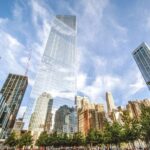
Your walk then moves to the base of One World Trade Center, also known as the Freedom Tower. It’s the tallest building in the Western Hemisphere, built on the World Trade Center site, and its height is 1,776 feet—symbolically tied to the year of American independence.
This is a short stop, but it provides a useful “present day” anchor. The building’s glass facade and modern scale can feel abstract until you’ve walked through the memorial’s emotional gravity. After the reflecting pools, seeing One World Trade Center from street level gives you a sense of how the skyline changed.
If you’re planning to go up later, note that there is an optional observatory at One World (100th to 102nd floors), but admission is not included in this tour. So for this itinerary, think of it as a final sightline and context stop, not an elevator-and-view ticket.
Stop 8: Museum admission when you want the extra hours
If you choose the upgrade, the tour ends with your guide pointing you toward the National 9/11 Museum. You’ll receive the entry ticket, and then you can visit the museum at your own pace.
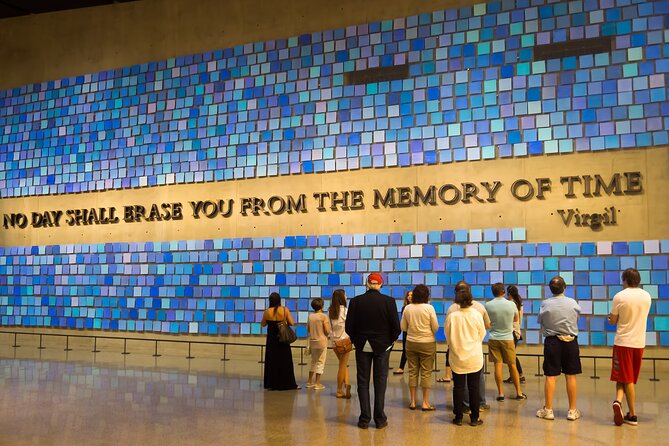
The museum sits beneath the memorial area and includes exhibits with artifacts from the Twin Towers, personal belongings, photographs, and oral histories. You also see displays connected to how the events unfolded before, during, and after 9/11, plus accounts of resilience and recovery.
One detail that makes the museum feel more grounded is the way it’s built into the preserved archaeological remnants of the original World Trade Center—like the Survivor Stairs and exposed steel from what’s described as the Last Column. That structure helps you feel like you’re not only reading history; you’re walking through parts of the site that still carry physical evidence.
You might enjoy the museum add-on most if you want context and stories beyond what you can process in a walking route. If you’re short on time or already have strong background, you can skip it and still come away with the memorial-focused visit.
What I think makes the guides matter (and who you might get)
The tour’s biggest strength is the guide. The format depends on good narration, and the included headsets remove a common problem on walking tours: not hearing the person talking.
In the guide names shared from past guests, I especially noticed recurring praise for guides who keep the story human, not just factual. Sara stood out for being very informed about the memorial and its history. Ron Ng earned strong praise for being kind and patient, which matters a lot if someone in your group needs breaks. Mike D was mentioned for delivering excellent history and keeping the walk moving with context.
My advice: if you’re the sort of person who likes to ask questions, this tour is built for that. With short stops and headsets, it’s easier to keep attention than on long, free-form wandering days.
Who this tour fits best
This experience is a strong match if you want a guided Ground Zero visit without spending the day getting lost in logistics. It’s also great if you want the option to stop at the museum but don’t want to commit to extra hours upfront.
It’s especially worth it for:
- First-time visitors to Lower Manhattan who want a clear route
- People who like guided interpretation more than self-guided reading
- Families and groups who benefit from pacing and headsets
It may be less ideal if:
- You want a long, unbroken quiet experience with lots of time at one exhibit. This itinerary moves through multiple stops.
- Your group can’t handle moderate walking. Comfortable shoes help, but it’s still a walk.
Should you book this Ground Zero walking tour?
I’d book it if you want a structured, respectful route that links key sites into one coherent story. At $29, the value is strongest when you take advantage of what’s included: a small group, a guided route, and headsets that let you follow the meaning of each stop, not just the sights.
Choose the museum upgrade if you want the deeper layer—artifacts, oral histories, and the site’s preserved remnants—because the walking portion alone can’t cover everything the museum does.
If you’re on a tight schedule or you already plan to visit the museum later, the non-museum version still gives you a guided walk through the most important memorial-adjacent places, from St. Paul’s Chapel to the reflecting pools and the base of One World Trade Center.
Either way, this is the kind of tour where planning your day for comfort—shoes, layers, and patience—pays off fast.