REVIEW · HEUSENSTAMM
Heusenstamm:tour of the Depot of the museum of communication
Book on GetYourGuide →Operated by Museum für Kommunikation Frankfurt · Bookable on GetYourGuide
This museum stores time itself. In 1.5 hours you get rare historic vehicles for photos and a focused look at the history of communication through an enormous collection. The only real catch: the Depot is huge, so the tour can’t show everything in full detail.
I like that the experience feels like a real guided walk through working museum material, not just a slideshow. You’ll see classic television sets from the 1930s, radio design icons, and large objects like telephone boxes, plus the world’s largest collection of telephones. One more practical note: there are no food or drinks included, so plan snacks before or after if you need them.
You also get entry to the Museum of Communication Frankfurt as part of the same ticket. That’s a big value lever, because Frankfurt is where you can turn your newly learned context into a deeper visit of your own.
In This Review
- Key things you’ll remember from this Depot tour
- Heusenstamm’s Museum Depot feels like a communication warehouse with soul
- Price and value: $16 for a guided tour plus Frankfurt entry
- The photo stop with rare historic vehicles (and why it’s not just a gimmick)
- The telephone collection: from tube receivers to internet-era radio ideas
- Classic TVs from the 1930s and radio design icons you can actually study
- Big objects (sleighs, buses, telephone boxes) make the past feel physical
- Art alongside telecom tech: 300+ paintings from the 17th century to today
- How to plan your 1.5 hours (and why you’ll probably want more)
- Should you book this Depot tour of the Museum of Communication in Heusenstamm?
- FAQ
- How long is the guided tour in Heusenstamm?
- What is included in the ticket price?
- Is food or drinks included?
- What language is the live tour guide?
- How much does it cost?
- Can I cancel for a full refund?
- Is reserve and pay later available?
Key things you’ll remember from this Depot tour
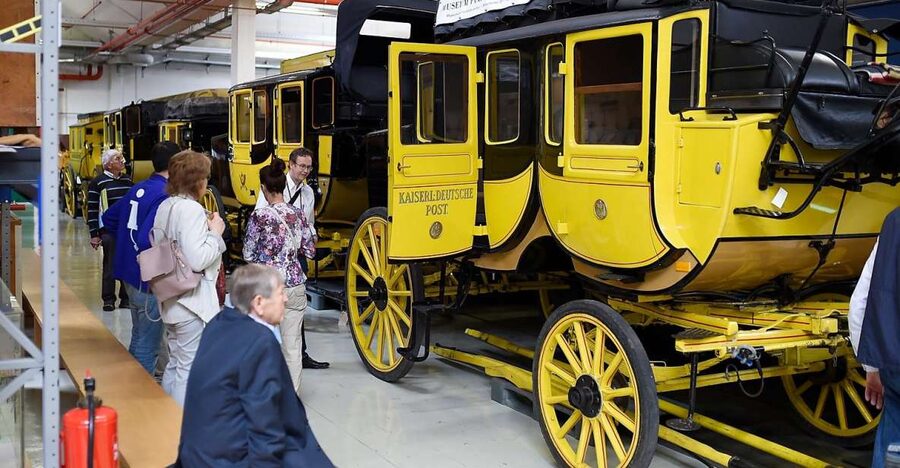
- Historic-vehicle photo moments that make the early messaging era feel real
- A guided overview of 375,000 objects, even if you can’t see them all
- Telephone evolution in one arc—from tube receivers to internet-era audio
- Big display pieces like buses, sleighs, and phone booths that you can actually stand near
- 300+ paintings running from the 17th century to contemporary works
- A German live guide who connects the gadgets to how people communicated
Heusenstamm’s Museum Depot feels like a communication warehouse with soul
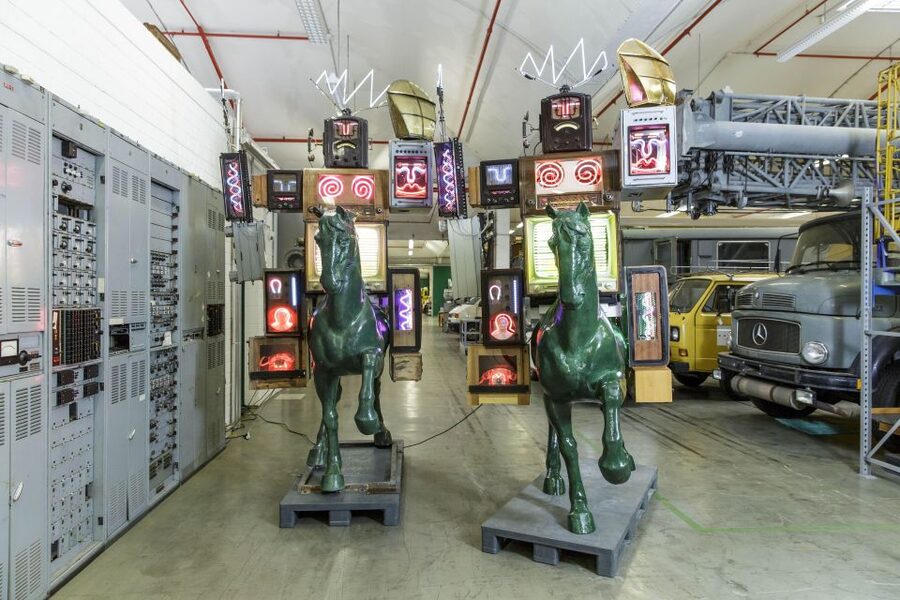
Heusenstamm’s Museum Depot is a museum in a different mood than the typical “white walls and everything behind glass.” Here, the focus is on the physical stuff of communication—objects you can picture in daily life. And when you’re moving through the displays with a live guide, it clicks fast: phones, radios, and early TV weren’t just tech. They were how people built distance into something human.
I particularly liked how the tour doesn’t stay stuck in one decade. It takes you along the timeline from early receiver designs toward later audio and network ideas. You’ll also meet the scale of the collection early on: the Depot is home to 375,000 objects, and the tour is designed to give you the “best of” version.
If you’re the type who loves looking closely, you’ll likely want more time. Several parts of the collection are so large that even after the tour, you’ll feel like you scratched the surface. That’s not a failure of the guide—it’s just the nature of a depot that preserves far more than it can display at once.
Price and value: $16 for a guided tour plus Frankfurt entry
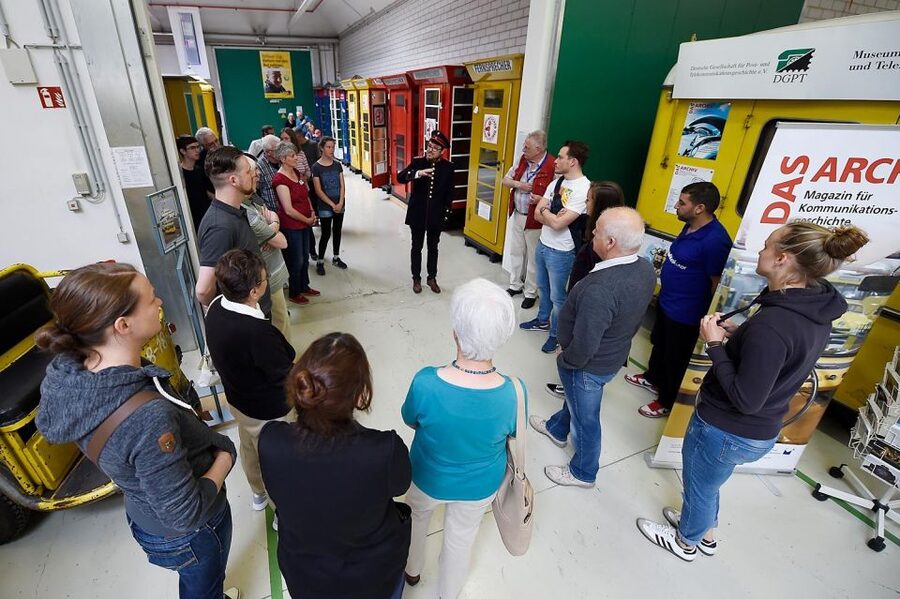
Let’s talk value in plain terms. You’re paying $16 per person for a 1.5-hour guided walking tour at the Museum Depot in Heusenstamm. On top of that, your ticket also includes entry to the Museum of Communication Frankfurt.
That combination matters. The tour gives you context in Heusenstamm—how the objects developed and why they mattered. Then the Frankfurt museum lets you follow your interests without being limited to a fixed tour route. If you’re only visiting one location, you’d miss half the story.
Also, the tour includes a live German guide, which is a cost that usually isn’t cheap when you break it down. And since the Depot focuses on communication hardware—phones, radios, early TV sets, and telecom-related objects—the guide’s explanations help you interpret what you’re seeing instead of just guessing.
Two small budgeting realities to keep in mind:
- Food and drinks aren’t included, so don’t plan on a meal during the activity.
- The depot displays can pull you in. If you’re the slow-walker type, build in time for Frankfurt afterward, not just a quick stop.
The photo stop with rare historic vehicles (and why it’s not just a gimmick)
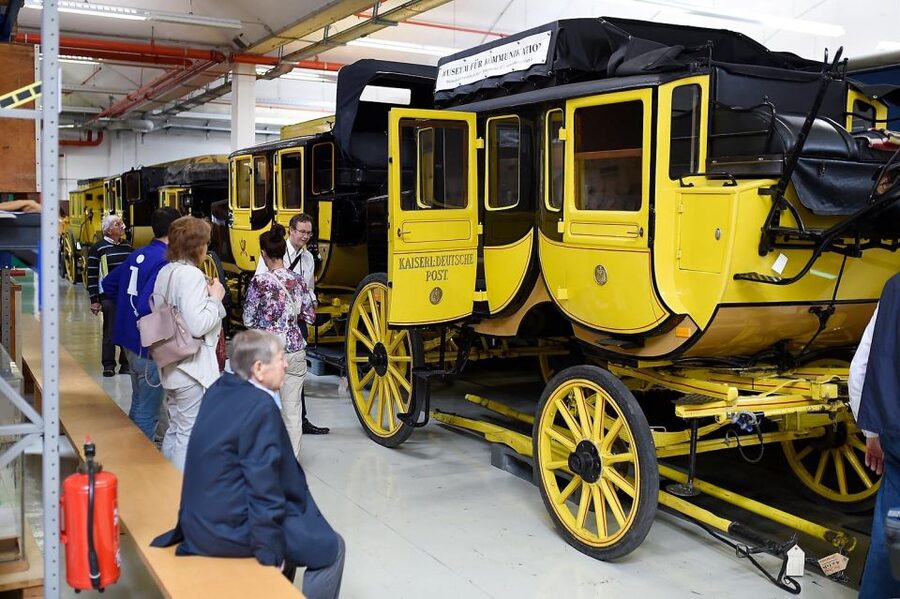
One of the highlights is the chance to photograph yourself with rare historic vehicles. It sounds fun—which it is—but it also does something useful: it anchors the technology story in real-world use.
Vehicles tie together communication and mobility. Think about how messaging changed when people traveled, moved goods, and worked across towns. Even if you only get a minute for the photo, you’ll carry the context into the next objects you see.
Practical tip: bring a camera mode that doesn’t take forever to focus. The best photos usually happen fast, before you’re pulled onward by the group pace.
And if you’re traveling with family or friends, this is the easiest “everyone gets something” moment. Kids and adults tend to react to old vehicles quickly—then the guide can connect that reaction to the broader theme.
The telephone collection: from tube receivers to internet-era radio ideas
If you like communications tech, the telephone portion is the heart of the Depot tour. The experience leads you through the world’s largest collection of telephones, and the route is built around evolution, not just variety.
Here’s what makes it click for your brain:
- Early telephone designs show how voice communication was made physical—receivers, cables, and hardware you can almost imagine using.
- Later steps highlight the shift in audio technology and the way radio and network thinking shaped modern communication.
- The tour’s emphasis on development helps you understand the jump from classic hardware to later, more modern forms like internet radio concepts.
Even if you’re not a “tech person,” the guided walkthrough helps you see patterns. For example, you start noticing how design choices reflect the goal: clarity, portability, durability, and usability. It’s one thing to read about it; it’s another to stand in front of objects and realize they were built for real conversations.
This is also where the scale of the collection matters most. The Depot doesn’t just show a few famous items. It helps you grasp that communication history isn’t a straight line—it’s a pile of experiments, improvements, and inventions that built on each other.
Classic TVs from the 1930s and radio design icons you can actually study
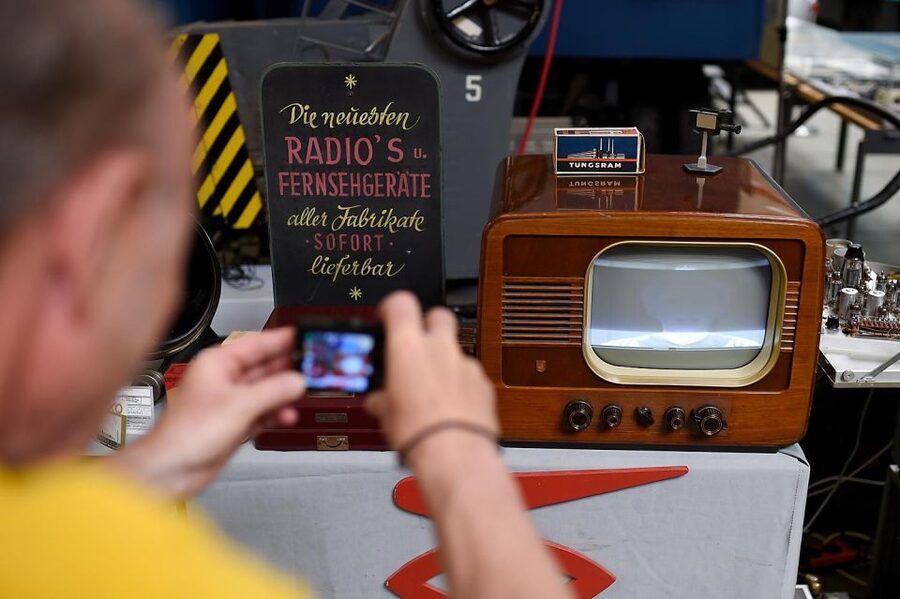
The tour doesn’t only focus on phones. You also get rare television sets from the 1930s and design icons from radio history. Those are two areas where people often think they know the story—until they see the specific objects.
Why these displays work:
- 1930s TV sets can surprise you with how different the viewing experience must have been compared to today. Even without deep technical explanations, the design choices tell a story.
- Radio design icons let you see how sound tech became everyday culture. You can spot visual design, not just function—how it looked shaped how it belonged in a room.
What I liked is that the tour doesn’t treat those objects as isolated artifacts. They’re connected to the bigger theme: how inventions changed daily communication and how culture followed the tech.
If you’re a design-minded traveler, pay attention to the physical details: shapes, materials, controls, and how the objects were meant to be handled. The tour doesn’t ask you to read a textbook, but it makes you look like you’re the one researching.
Big objects (sleighs, buses, telephone boxes) make the past feel physical
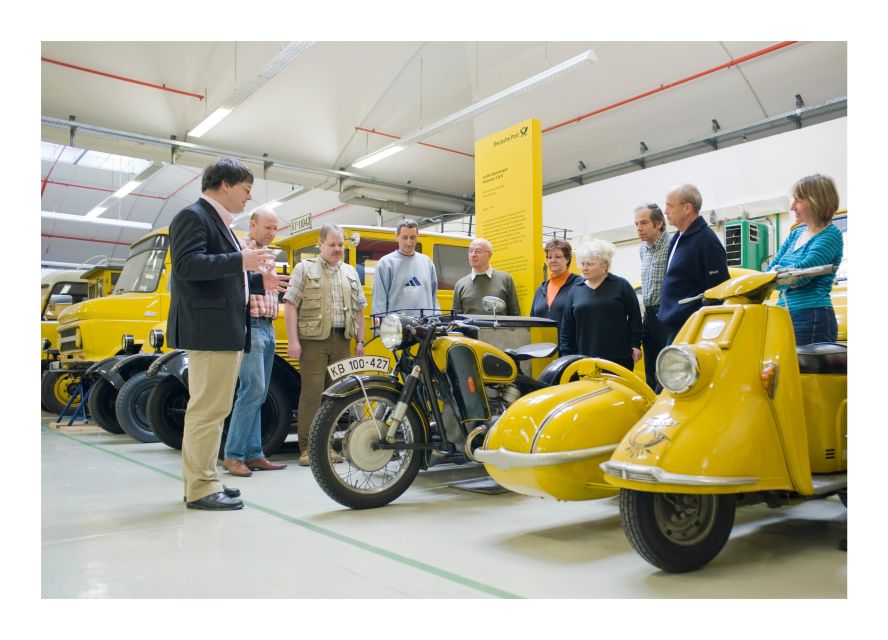
A standout feature is the presence of large objects—not just small collectibles. You’ll encounter displays that include sleighs, buses, and telephone boxes. Standing near oversized telecom-related items changes the feel of the museum.
Small items encourage careful attention. Big objects encourage imagination. You start thinking about how communication systems were installed in real spaces and how they affected movement and work. It turns communication history from a timeline into a lived environment.
The guide’s explanations (in German) help bridge the gap. Even when you’re focused on the sheer size, you’re still learning how those objects fit into the overall communication story.
One more practical note: for big displays, you’ll want shoes that handle walking in indoor museum spaces comfortably. This is a guided walking tour, and 1.5 hours can feel longer if you’re standing still a lot for photos.
Art alongside telecom tech: 300+ paintings from the 17th century to today
Here’s a twist that I really appreciated: the Depot tour isn’t purely about hardware. The art collection includes more than 300 paintings, spanning from the 17th century to contemporary works.
That pairing can feel odd at first. But for a museum of communication, it actually makes sense. Art doesn’t just decorate. It reflects what people value, how they see the world, and what kinds of stories they’re drawn to.
So when you shift from a telephone or radio display to paintings, your brain gets a rest. And you also get a bigger idea of communication: it’s not only technical transmission—it’s also cultural expression.
If you’re short on time, don’t try to force “art completion.” Instead, pick a few works that catch your eye and let the guide’s context help you connect them to the broader museum theme.
How to plan your 1.5 hours (and why you’ll probably want more)
The tour lasts 1.5 hours. That’s a good length—enough for a guided overview—but it’s not enough to fully inventory a place with 375,000 objects.
Here’s how to make the most of it:
- Arrive ready to look. Bring your camera and expect photo moments, especially near the historic vehicles.
- Choose one priority theme: phones, radio/TV, or the big objects. You’ll still see everything broadly, but you’ll remember more if you care about one lane.
- Leave yourself time after the depot tour for the Museum of Communication Frankfurt entry you already have. The Frankfurt museum tends to be the smaller “slice” compared to what the depot preserves, so your depot context will make Frankfurt more meaningful.
One local practical tip based on real-world experience: if you’re visiting on a Friday afternoon, plan extra time. Road traffic can get heavy, and the entrance to the area can be partially hidden by a roadside sales stand. It’s not a disaster—just something to factor into your arrival so you don’t feel rushed.
Should you book this Depot tour of the Museum of Communication in Heusenstamm?
Book it if you want the best shortcut into communication history. This is one of those experiences where the guided structure helps you connect devices to the bigger story, and the depot setting gives you scale you can’t get from a smaller display.
It’s especially worth it if:
- You care about how phones, radios, and early TV changed daily life
- You like museums where you can see big objects, not just tiny artifacts
- You want a guided orientation before you explore the Museum of Communication Frankfurt on your own
Skip it (or at least rethink timing) if:
- You need food included or want an all-in-one half-day plan without thinking about meals
- You’re only interested in one narrow decade—because the tour covers multiple eras and won’t go deep on just one
If you’re flexible and you enjoy learning while looking, this 1.5-hour guided walk is a smart buy. You’ll leave with a mental map of communication evolution—and a strong reason to spend time at Frankfurt with fresh eyes.
FAQ
How long is the guided tour in Heusenstamm?
The guided walking tour in the Museum Depot in Heusenstamm lasts 1.5 hours.
What is included in the ticket price?
Your ticket includes entry to the Museum Depot in Heusenstamm, the 1.5-hour guided walking tour in the depot, and an entry ticket to the Museum of Communication Frankfurt.
Is food or drinks included?
No. Food and drinks are not included.
What language is the live tour guide?
The live tour guide is German.
How much does it cost?
The price is $16 per person.
Can I cancel for a full refund?
Yes. You can cancel up to 24 hours in advance for a full refund.
Is reserve and pay later available?
Yes. You can reserve now and pay later, keeping your plans flexible.