REVIEW · STOCKHOLM
Vasa Museum Guided Tour in Stockholm
Book on Viator →Operated by Scandic Tours · Bookable on Viator
A sunken ship deserves a good guide. This Vasa Museum tour adds context you won’t get from reading labels alone, including 19th-century maps used to locate the wreck and the engineering behind salvaging it. In about 2 hours, you move through the exhibits with a real person steering the story in plain language.
What I like most is the pacing. You get a guided route through the museum’s key levels without feeling rushed, and you can actually follow the logic of how the ship was found and brought up. I also like the practical touch from guides—some even use last-minute help like texting a meeting picture and dropping a pin so you’re not wandering around wondering where to stand.
One drawback: this is a guided tour, not a self-guided sprint. If you prefer quiet time to read every sign at your own speed, you may feel you’re paying for explanations that sometimes echo the placards rather than adding new layers.
In This Review
- Key highlights worth your time
- Why book a Vasa Museum guided tour at all?
- Stop inside Vasa Museum: what the 2 hours actually feels like
- A quick reality check: tours aren’t equal in how much they add
- Entering with skip-the-line and a smooth start
- Meeting point: know where you’re going
- The Vasa warship story: what your guide helps you see
- 19th-century maps: why this part is more than a trivia stop
- Salvage engineering: turning a wreck into a restoration story
- Pacing and group size: how 2 hours can feel unrushed
- If you’re sensitive to sound or pace
- Price and value: is $65.12 worth it?
- What kind of guide makes this tour better?
- Who should book this Vasa Museum guided tour?
- Quick practical notes that help you plan
- Should you book the Vasa Museum guided tour?
- FAQ
- Where is the meeting point for the Vasa Museum guided tour?
- What time does the tour start?
- How long is the guided tour?
- Is admission included in the price?
- Is the tour offered in English?
- Do I need to bring a paper ticket?
- Is there free cancellation?
Key highlights worth your time
- Skip-the-line entry included, so you spend more time inside the museum than waiting outside.
- English guide commentary that ties exhibits together instead of treating them like separate facts.
- 19th-century maps used to locate the wreck, explained in a way that makes the hunt feel real.
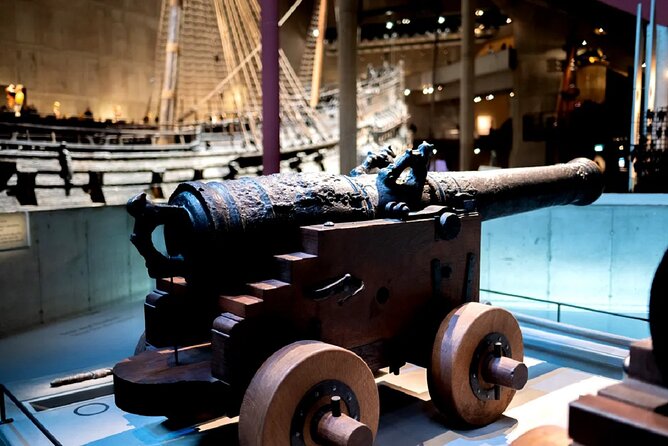
- Salvage engineering stories that connect the displays to the work behind them.
- Group size can stay small (one group was noted as around 10–15), which helps with questions and hearing.
- Guides that manage logistics well, including staying together and keeping start times on track.
Why book a Vasa Museum guided tour at all?
The Vasa Museum is the kind of place where details matter. Yes, you can walk in and read signs. But a guide helps you connect the dots—what you’re looking at, why it’s there, and how the museum tells the story.
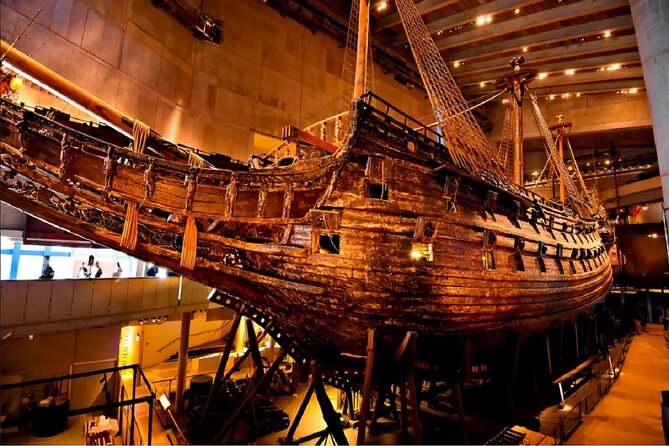
For me, the main value is the story structure. Instead of seeing a pile of artifacts and photos, you get a guided path through the museum’s big themes: the Vasa warship, how it ended up in the water, and the bigger process of locating and salvaging the wreck. That context turns the exhibit from static objects into an actual sequence of events.
Also, a guide gives you something you can’t easily get on your own: immediate clarification. When something looks confusing—maps, engineering notes, or how the museum presents the ship—you can ask right then. One tour experience highlighted that the guide answered questions readily, which is exactly how you get more from a museum visit.
You can also read our reviews of more guided tours in Stockholm


Stop inside Vasa Museum: what the 2 hours actually feels like
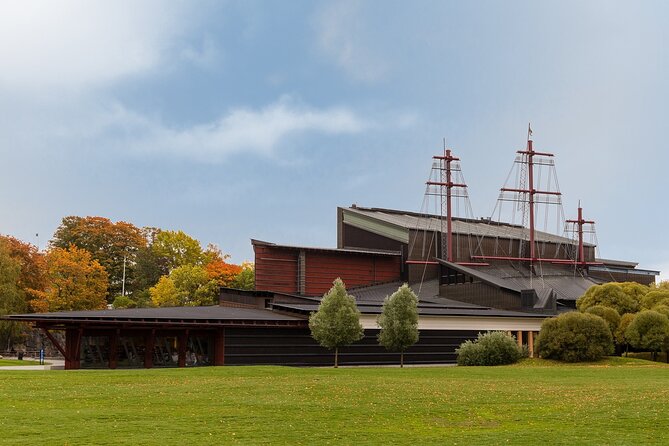
This tour keeps things simple: one stop, the museum itself, with a guided walkthrough for about 2 hours. That setup matters. You’re not bouncing between multiple attractions. You can plan your day knowing this will be a focused museum morning.
Once you start, expect the guide to steer you through the museum’s main levels and key exhibits rather than leaving you to guess what deserves attention first. Multiple guides are described as moving through the displays step by step, which is useful in a museum with lots to look at. If you’re the type who can get distracted easily, this structure can be a win.
The best part is how the guide connects the ship’s story to the museum’s way of showing it. Instead of just naming pieces, you’re getting the “why” behind them—especially around the salvage side of the story and the maps used to locate the wreck.
A quick reality check: tours aren’t equal in how much they add
One piece of honest feedback is important. On at least one tour, the commentary was described as sometimes repeating what was already on nearby signs. That’s not the end of the world—reading signs can still be informative—but it does mean the experience may feel less “worth it” if your expectation is a constantly fresh layer of insight.
So here’s how I’d handle that: go in ready to ask one or two questions. When you do, you’ll usually get more value than someone who just lets the guide read at you.
Entering with skip-the-line and a smooth start
The tour includes skip-the-line ticket entry, which you’ll feel the moment you arrive. Museums can have bottlenecks, and waiting is the easiest way to lose momentum on a short trip to Stockholm. With priority entry built in, you’re more likely to start promptly and settle into the experience without a long delay.
The start time is 10:00 am, and the tour ends back at the meeting point. That means you can plan around it: it’s a clean “in and out” museum block. You’ll also be glad it’s near public transportation, since you won’t need private transport to make the timing work.
Meeting point: know where you’re going
You’ll meet at Vasa Museum, Galärvarvsvägen 14, 115 21 Stockholm, Sweden. One of the best practical touches mentioned is that some guides share an easy-to-find meeting plan the day of the tour—like sending a meeting-place photo and dropping a pin. If you’re the kind of person who hates guesswork, that support can be a big relief.
You can also read our reviews of more museum experiences in Stockholm





The Vasa warship story: what your guide helps you see
The core of the tour is the history of the Vasa warship as told through the museum’s exhibits. The guide role here isn’t to overwhelm you with dates and jargon. It’s to help you look at the details with purpose.
When the commentary is working well, you don’t just walk past the ship-related displays—you understand what you’re looking at and why those details matter to the overall story. That’s especially helpful because the museum can be visually busy. A guide turns the chaos into a sequence.
You may also notice the kind of explanations guides give about design and consequence. One review joked about a design-related reason the ship sank, pointing to a typical style of narration: you’re given the story, not just the objects. If you enjoy a bit of narrative flow, that’s a good sign.
19th-century maps: why this part is more than a trivia stop
One of the tour’s standout elements is time spent on the 19th-century maps used to locate the wreck. This is the kind of exhibit section that can easily feel like “paper with lines” if you’re only reading labels.
With a guide, the maps become evidence. You’re learning how the search worked and how the museum’s collection connects to real methods people used to find what was lost. That’s the value: you see the difference between a museum display and the real-world thinking behind it.
In practical terms, this section is also a good break from staring at the ship itself. It gives your brain a different kind of information—problem-solving and discovery—so the tour feels varied rather than repetitive.
Salvage engineering: turning a wreck into a restoration story
Another key theme is the engineering involved in salvaging the wreck. This is where the tour can really earn its price, because it explains the work behind the displays.
Without context, salvage artifacts and related exhibits can look like “stuff from a museum.” With a guide, you get a human-scale understanding of the process—how recovery became possible and why the museum can show the ship in the way it does.
This matters because it changes how you interpret the museum. You’re not only learning about the end of the ship’s story. You’re also learning how people transformed a difficult situation into a preserved exhibit you can stand in front of today.
Pacing and group size: how 2 hours can feel unrushed
A tour can be great or stressful depending on pacing. This one is designed to take about 2 hours, which is long enough for real commentary but short enough that it doesn’t eat your entire day.
One person specifically called out a small group experience—around 10–15 people—which made the tour more intimate. That kind of group size usually helps in two ways:
- You’re more likely to hear the guide clearly.
- You’re more likely to get your questions answered without the guide juggling a huge crowd.
That said, the maximum group size is up to 96 people, so the real-world experience may vary by day. Still, the best reviews point to guides who manage the group well, keeping people together and on time.
If you’re sensitive to sound or pace
There’s also a comfort factor mentioned by at least one reviewer: a guide was careful that seniors could hear and stay involved. If you’re traveling with someone who struggles with hearing or attention span, you’ll likely appreciate this kind of tour management style.
Price and value: is $65.12 worth it?
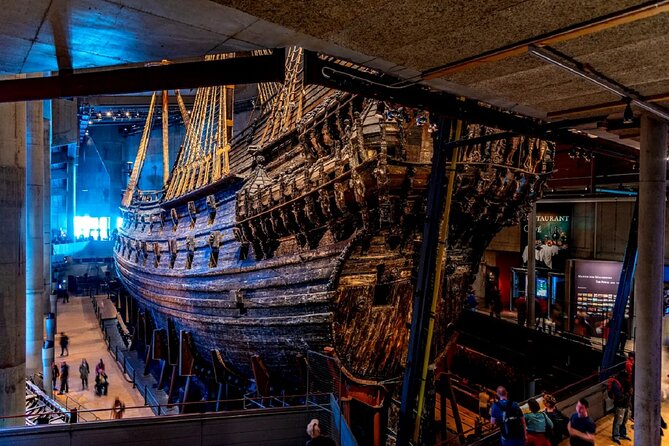
At $65.12 per person, you’re not just buying entry—you’re buying a guide plus skip-the-line access. That price makes sense when the tour adds context you can’t get from reading placards by yourself.
So what should you look for as signs of value?
- You want a guided narrative that helps you connect ship history to how the museum tells that story.
- You like asking questions and getting quick clarification.
- You’d rather spend effort understanding than hunting for what to focus on.
And here’s when it might not feel worth it: if you mainly want to read signs at your own pace and don’t plan to engage with the guide, a tour can feel repetitive. The candid downside mentioned about one tour reading signs back to the group is the exact risk scenario.
My practical advice: if you book, show up ready to interact. Ask about the maps and the salvage engineering part. Those are the sections most likely to feel like actual “tour value” rather than duplicate signage.
What kind of guide makes this tour better?
The experience depends a lot on the guide’s delivery. You’ll see that in the names and styles people mentioned:
- Caoimhe stood out for friendliness and practical meeting support like texting a picture and using a pin.
- Pedro and Daniela were praised for clear, historical explanations and keeping people engaged through the museum.
- Ben was noted for walking through many levels and answering questions with genuine interest in the topic.
- Daniela also received praise for being careful and thorough, including making sure seniors could participate.
Even without naming every guide, the takeaway is consistent: you’ll get the most from the tour when your guide treats it like a conversation, not a script.
Who should book this Vasa Museum guided tour?
This tour is a smart fit if:
- You want a guided route through the museum’s main exhibits in about 2 hours.
- You care about the how behind the story, especially maps and salvage engineering.
- You like an orderly start and a guide who helps keep the group moving.
You might consider skipping the guided option if:
- You’re the type who wants to read every placard silently, with no interruptions.
- You don’t plan to ask questions and you’d rather save money for other Stockholm priorities.
If you’re doing a tight Stockholm itinerary, the single-stop format is also a plus. You can enjoy the museum without building a complicated day around multiple sites.
Quick practical notes that help you plan
- It’s offered in English.
- You’ll get a mobile ticket.
- Service animals are allowed.
- You start at 10:00 am and return to the meeting point.
- Private transportation is not included, but the museum is near public transportation.
- Confirmation is received at booking time.
- You’ll have access to a skip-the-line entry ticket as part of the tour.
These details matter because they reduce friction. Less scrambling usually means a calmer, more enjoyable museum visit.
Should you book the Vasa Museum guided tour?
Yes, I’d book it if you want your visit to feel guided, story-driven, and efficient. The tour’s strongest value sits in the parts that connect exhibits into a bigger narrative: 19th-century maps and the engineering behind salvage. If those topics sound like your kind of history (or if you just like understanding how things work), the guide adds real value.
But if you’re mainly there for quiet self-paced reading and don’t care much about interpretation, the price may feel steep. In that case, you could decide to visit on your own and spend more time exactly where your interests pull you.
If you fall in the middle—curious, but not obsessed—this tour is a very workable way to get the most from the museum without turning your day into a research project.
FAQ
Where is the meeting point for the Vasa Museum guided tour?
The tour meets at Vasa Museum, Galärvarvsvägen 14, 115 21 Stockholm, Sweden.
What time does the tour start?
The start time is 10:00 am.
How long is the guided tour?
The tour lasts about 2 hours.
Is admission included in the price?
Yes. The tour includes a Vasa museum guided tour plus admission with skip-the-line ticket entry included in the price.
Is the tour offered in English?
Yes, it is offered in English.
Do I need to bring a paper ticket?
No. The tour uses a mobile ticket.
Is there free cancellation?
Yes. You can cancel for a full refund if you cancel at least 24 hours before the experience’s start time.