REVIEW · STOCKHOLM
Stockholm: Skansen Open-Air Museum Admission Ticket
Book on GetYourGuide →Operated by Skansen Open-air Museum · Bookable on GetYourGuide
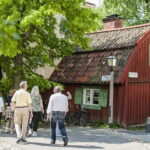
Skansen turns Stockholm into a time machine. You walk among 150+ historic houses and farmsteads, showing Swedish life from the 1500s through the early 1900s. It also has animal encounters, so your day has both culture and living wildlife.
What I like most is the mix: historic buildings you can actually wander through and the chance to see Nordic animals up close. The other big plus is the seasonal atmosphere, especially around the Christmas Market days.
One drawback: it’s a big place with lots of walking on uneven ground, and not every enclosure or activity is guaranteed to be running on every day or in every season.
In This Review
- Key things that make Skansen worth your time
- Skansen in Stockholm: more than a museum ticket
- The value question: $27 for a full day of “both sides” of Sweden
- Historic Swedish life: the houses and farmsteads you can walk into
- Animal encounters at Skansen: Nordic wildlife plus farmyard favorites
- The seasonal Christmas Market: when Skansen turns festive
- How to plan your day: a realistic route for 4–6 hours
- Terrain and weather: the part that can surprise you
- Getting your bearings near Djurgårdsslätten 49–51
- Food, views, and the museum shop you’ll actually use
- Tickets, time window, and cancellation: simple but worth knowing
- Who should book Skansen admission
- Should you book this Skansen ticket?
- FAQ
- Where is the Skansen Open-Air Museum admission meeting point?
- How much is the admission ticket?
- What is included with the ticket?
- Is food included?
- How long is the ticket valid?
- Can I arrive at a different time than the one I selected?
- Is Skansen wheelchair accessible?
- Can I cancel if my plans change?
- Is there a seasonal Christmas Market?
Key things that make Skansen worth your time
- World’s first open-air museum focused on everyday Swedish life, not just big monuments
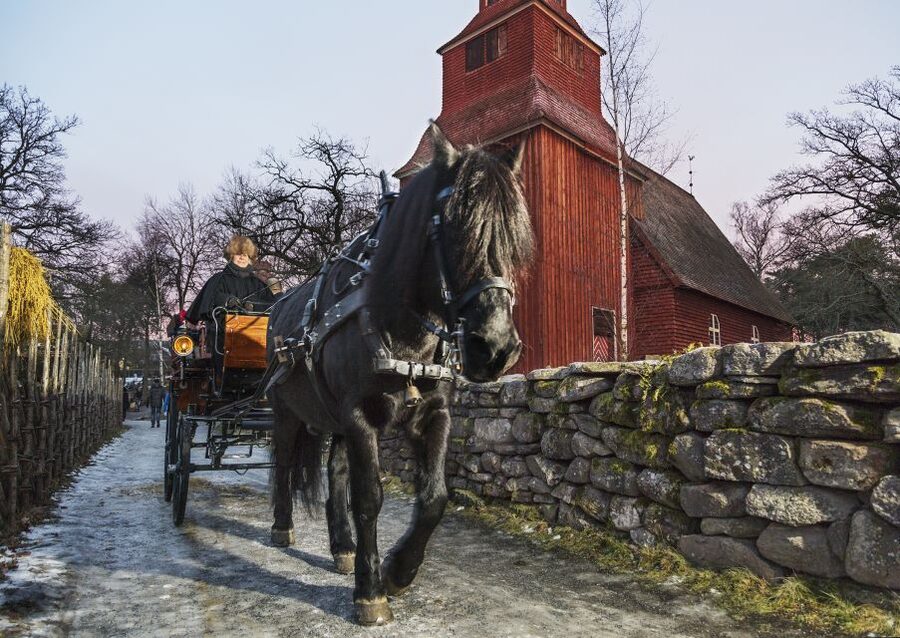
- 150+ houses and farmsteads collected from across Sweden, arranged so you can follow the story of daily life
- 75 animal species including Nordic wild animals like lynx, elk, and brown bears
- Seasonal themes, including a historic Christmas Market (1903-style) with crafts and treats
- Hands-on moments from tradespeople and demonstrations, like glass blowing and baking
- A self-paced layout where you can spend anywhere from a few hours to a full day
Skansen in Stockholm: more than a museum ticket
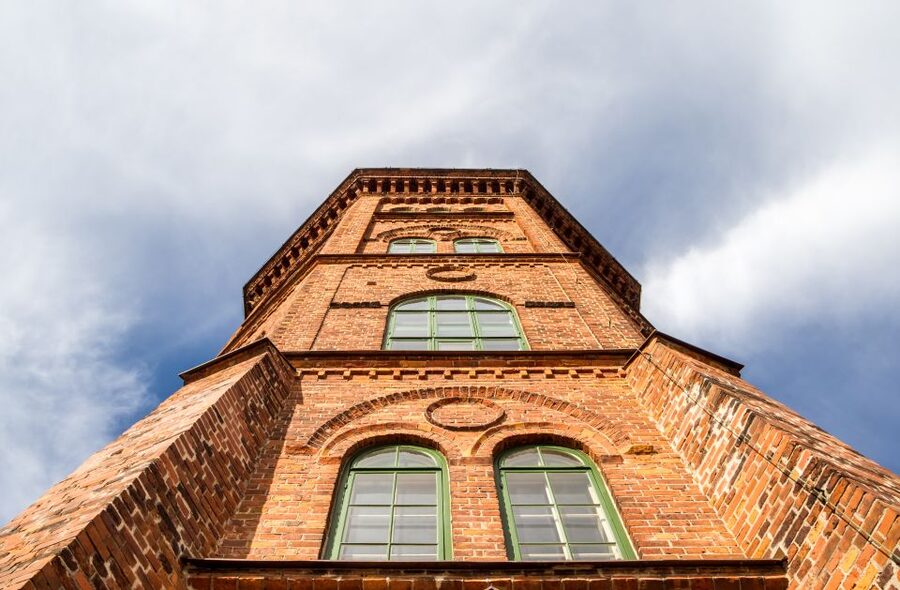
Skansen Open-Air Museum is one of those places that’s hard to shrink into a one-line pitch. It’s part open-air museum, part living zoo, and part outdoor village you can walk through at your own pace. If you want to understand how everyday life worked in Sweden before modern industry took over, this is the easiest way to do it in one day.
The admission ticket is simple: you get entry to the grounds and the main museum areas. From there, you build your day around what you care about most—historic houses, animal viewing, seasonal events, or demonstrations. The total time isn’t really the point. What matters is that you’ll keep finding new paths and little scenes once you’re inside.
A few more Stockholm tours and experiences worth a look



The value question: $27 for a full day of “both sides” of Sweden
At about $27 per person, Skansen can be a good buy if you treat it like a real visit and give it time. You’re paying for a lot of space, not a single building. A site like this costs more to maintain because it’s outdoors, spread out, and built around preserving actual historic structures.
What makes that price feel fair is the range. You’re not only looking at houses from the outside—you can step into the world they represent. And because it’s also home to animals (including Nordic species), you get that same “slow discovery” feeling while you walk, pause, and watch.
Just don’t plan on doing Skansen as a 90-minute stop. Even on calmer days, it can easily eat half a day. People who plan for only two hours usually miss a lot of the grounds.
Historic Swedish life: the houses and farmsteads you can walk into
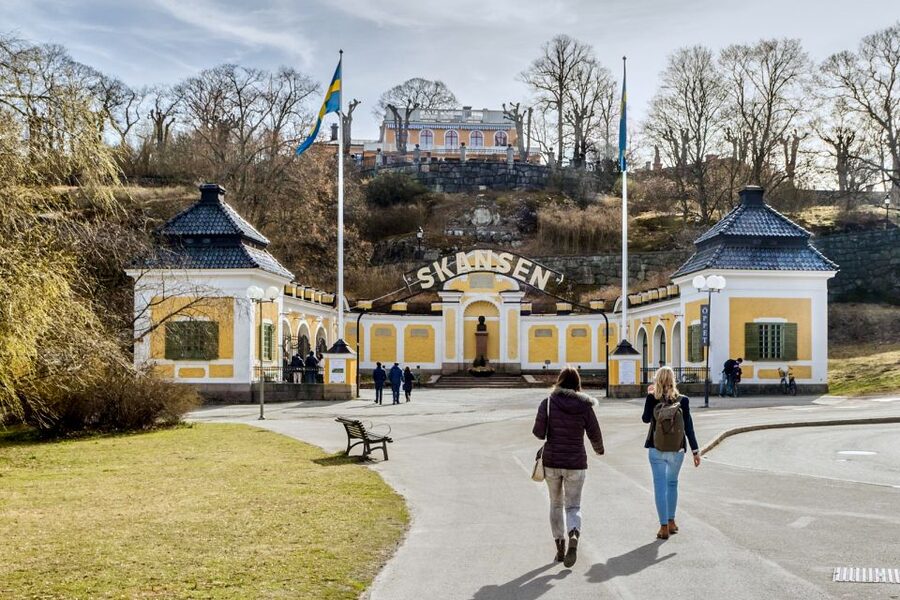
Skansen’s heart is the way it shows Swedish life over centuries. You’ll see buildings and farmsteads from different parts of Sweden, arranged so you can compare how people lived through changing seasons, work, and traditions. The overall timeline runs from the 16th century through the first half of the 20th century, which gives you a sense of how life shifted before and during major modern changes.
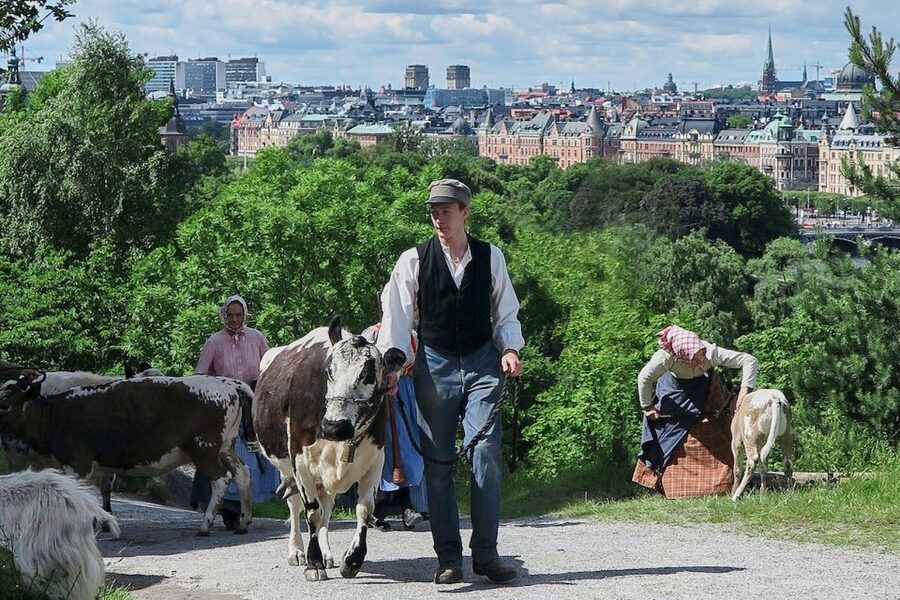
Here’s why this matters: open-air museums only work if the buildings feel “lived in.” Skansen tries to recreate that sense with period details and active demonstrations. You may run into staff dressed for the role, talking about trades and daily routines in a way that makes the spaces easier to understand.
If you like practical history, you’ll probably enjoy the small craft and trade moments. One highlight from recent visits includes things like making a bookmark at a printers’ setup and watching glass blowing. There’s also baking that smells good enough to make you want to time your walk around it.
Animal encounters at Skansen: Nordic wildlife plus farmyard favorites
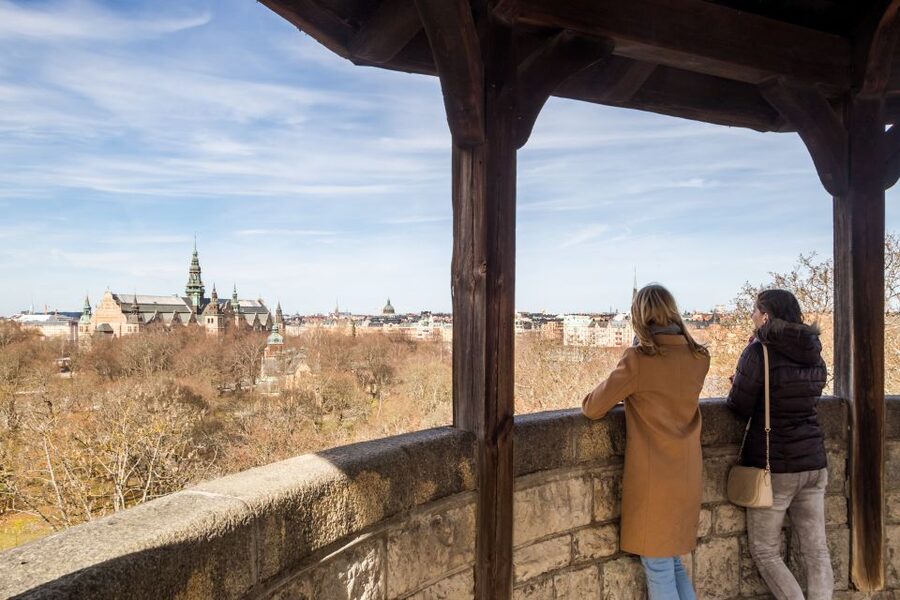
If you’re coming for the animals, Skansen delivers. The site is home to 75 different species. That includes Nordic wild animals such as lynx, elk, and brown bears—and you can also find domestic animals like cats, rabbits, and guinea pigs.
What I like about the animal side is that it doesn’t feel like a separate attraction you have to force yourself into. It’s woven into the walking route. You’ll often turn a corner and hit an enclosure that changes the pace of your visit from reading signs to simply watching.
From the animal list visitors highlight again and again, you should be prepared for sightings like moose and wolverines, plus other Nordic species. You might also spot birds and additional exhibits around the site. One fun example: people mention a close peacock encounter.
Important reality check: enclosures can be closed or limited depending on the day, season, or operations. I’d rather you plan a flexible day than assume you’ll see every single species every time.
The seasonal Christmas Market: when Skansen turns festive
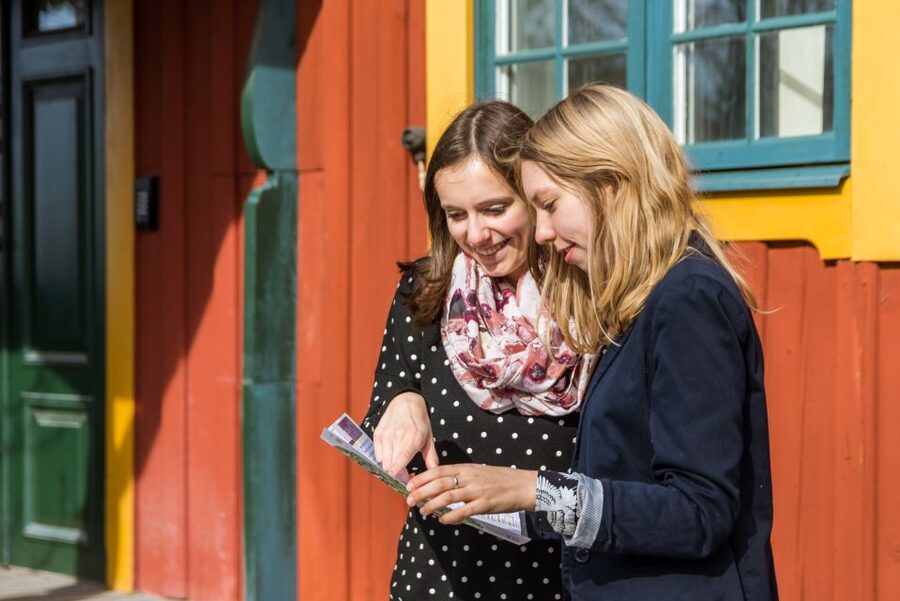
Skansen changes decorations seasonally, and that can seriously change the vibe of your visit. One seasonal theme that stands out is a historic Christmas Market dating back to 1903. It runs from Friday to Sunday, from 26 November until 19 December.
When this market is on, the grounds feel more like a historical celebration than just a museum walk. You can find handicrafts and Swedish-designed items, and there are gifts and treats like sweets and homemade candles. It’s also a nice option if you’re traveling in winter and want something atmospheric without rushing from one indoor attraction to another.
If your trip lines up with those dates, build your day around the market hours. It’s also a good buffer if you’re spending time in animal areas and want a reason to slow down later.
You can also read our reviews of more museum experiences in Stockholm






How to plan your day: a realistic route for 4–6 hours

Skansen doesn’t run on the idea of “one perfect order.” It’s self-guided, and the best route is the one that matches your priorities. That said, you’ll get more out of it with a simple rhythm.
Start by deciding your first priority: historic buildings or animal viewing. If you’re there mainly for animals, go early while you still have energy for walking and standing. If you’re more into buildings and crafts, begin with the areas that give you the best “feel” for Swedish village life.
Then use mid-day as your reset. This is when you can slow down, take photos, and catch demos if they’re running. Some of the costumed staff and guided portions inside buildings may have cutoffs during the afternoon. One practical tip from recent visits: staff leading activities inside houses may wrap up around 15:00, so try not to leave the interior exploration for too late.
By late afternoon, you’ll likely have a full sense of the place even if you didn’t see everything. Reviews often land around a sweet spot of half a day to a full day, with some people needing closer to a full day to feel complete.
Terrain and weather: the part that can surprise you
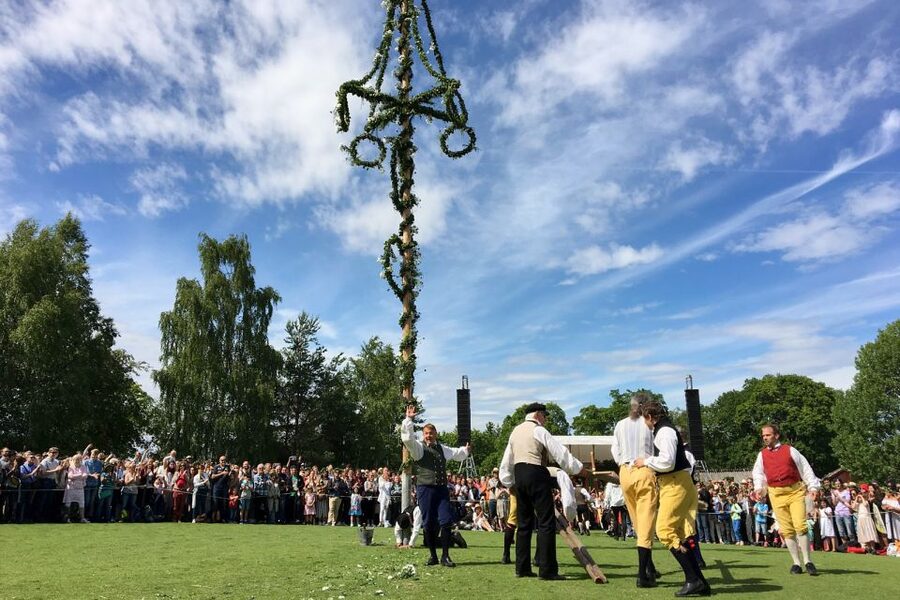
Skansen is outdoors and it can feel hilly. Even when the weather is decent, plan on steady walking and some slopes. On snow days, it can look beautiful, but traction matters. In winter, some features may be limited, and some enclosures may not be open.
If you’re visiting with mobility concerns, the good news is the site is wheelchair accessible. Still, that doesn’t erase the fact that it’s a large outdoor museum with paths. If you’re pushing a wheelchair or stroller, it’s smart to go slower and choose your stops intentionally.
Also, some visitors report that certain animal enclosures (like reindeer) may be closed on certain days. So if seeing one specific animal is a must, keep expectations flexible.
Getting your bearings near Djurgårdsslätten 49–51

The meeting point is Djurgårdsslätten 49–51, 115 21 Stockholm. The ticket’s timeslot is more of a reference than a strict appointment. You can arrive during opening hours as long as you show up within the operating window for that day.
If you’re staying centrally, you might find it’s possible to walk from downtown along the water. One visitor says it can take around 25 minutes on foot. Still, many people will prefer local transit or a taxi drop-off depending on weather and where you’re starting.
Once you enter, give yourself time to orient. It’s easy to start walking toward the most exciting animal enclosures and then realize you missed a section of historic buildings worth seeing.
Food, views, and the museum shop you’ll actually use
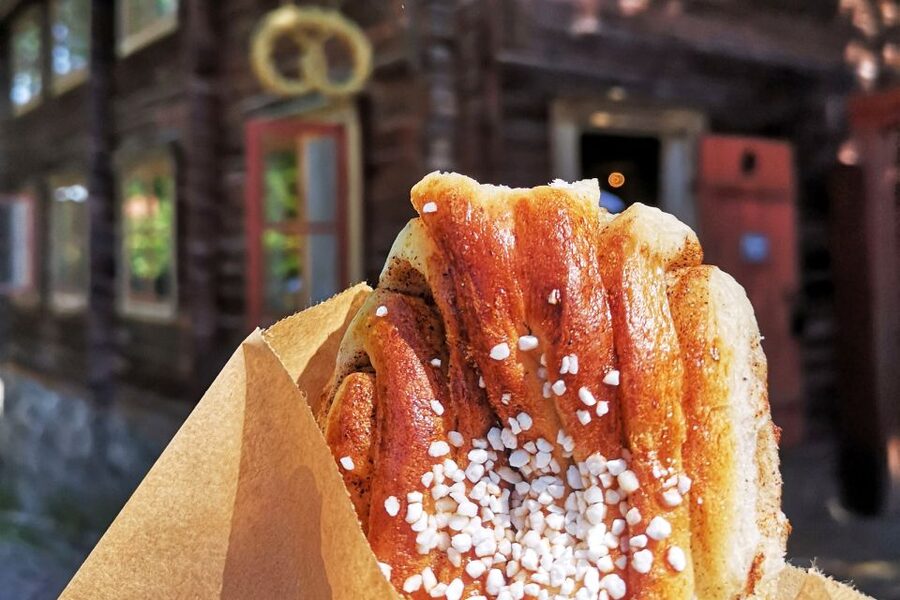
Food isn’t included with the admission ticket. Skansen has restaurants, and at least some offer views over the area, which makes breaks feel less like a pause and more like part of the scenery. If you’re going in winter or around a holiday theme, you’ll probably want a warm stop built into your route.
You should also factor in time for shopping. The museum shop is known for traditional handicrafts and Swedish-designed items. During the Christmas Market period, you’ll see even more gift-style browsing with handmade goods, sweets, and candle-type treats.
Tickets, time window, and cancellation: simple but worth knowing
Your entry is valid for 1 day from first activation. If you buy in advance and your schedule changes, the experience supports free cancellation up to 24 hours in advance for a full refund. The ticket also supports a reserve-now, pay-later style for flexibility.
None of that is exciting, but it matters because Skansen is best when you’re not rushing. You’ll enjoy it more if you’re free to adjust your day based on weather and how long you end up staying in animal areas or particular buildings.
Who should book Skansen admission
Skansen is a great fit if you want Stockholm with a human scale. It works especially well for:
- Families who want animals and history in one spot
- Curious travelers who like “walk-through” museums with real buildings
- People who enjoy seasonal events and holiday atmosphere
- Anyone who wants Nordic animal experiences along with Swedish cultural history
If you hate walking or want a strictly indoor, timed visit, it might feel like too much effort. And if you’re short on time, you’ll need to choose: either commit to a bigger full-day feel or accept that you won’t see everything.
Should you book this Skansen ticket?
Yes, if you’re planning a real day around Stockholm and you like history that you can physically walk through. The mix of 150+ historic structures and Nordic animal life is the main reason this ticket earns its place on a trip list. It’s also one of the few Stockholm experiences where winter can be a plus, not a problem.
I’d book it if you can spare at least half a day, ideally 4–6 hours, and you’re okay with outdoor walking and seasonal closures. If you’re going for a specific animal you’ve dreamed of, remember that operations vary—so focus on the whole day’s experience rather than a single must-see.
If that sounds like your style, Skansen is a strong choice.
FAQ
Where is the Skansen Open-Air Museum admission meeting point?
It’s at Djurgårdsslätten 49–51, 115 21 Stockholm, Sweden.
How much is the admission ticket?
The price is listed as $27 per person.
What is included with the ticket?
The ticket includes admission to Skansen.
Is food included?
No. Food and drinks are not included.
How long is the ticket valid?
The ticket is valid for 1 day from first activation.
Can I arrive at a different time than the one I selected?
Yes. The timeslot is a reference, and you can show up anytime during opening hours.
Is Skansen wheelchair accessible?
Yes, it’s listed as wheelchair accessible.
Can I cancel if my plans change?
Yes. You can cancel up to 24 hours in advance for a full refund.
Is there a seasonal Christmas Market?
Yes. A historic Christmas market runs Friday to Sunday from 26 November until 19 December.