REVIEW · ROME
Vatican Museums and St. Peter’s Basilica Private Tour Options
Book on Viator →Operated by Eyes of Rome · Bookable on Viator
One line can eat your whole morning. This private Vatican Museums and St. Peter’s Basilica tour gets you inside fast with skip-the-line entry and a Blue Badge guide, then helps you make sense of rooms that can feel endless.
I love that you choose your start time, morning or afternoon, and the pacing stays human. I also like the upgrade choices, including the Raphael Rooms (when selected) and the Dome climb plus St. Peter’s Square (when selected), so you can tailor the visit to what you actually care about.
The one big consideration: St. Peter’s Basilica can close last minute for ceremonies or masses. If that happens, your tour ends at the Vatican Museums exit instead, so it’s smart to keep your expectations flexible for that final leg.
In This Review
- Key things to know before you go
- Why this private Vatican tour feels worth it
- Entering fast: skip-the-line, plus the security reality
- Vatican Museums: from Courtyard drama to the Gallery of Maps
- Courtyard of the Pigna: scale you can feel
- Sphere within a Sphere: modern art meets ancient space
- Gallery of Maps: a 120-meter snapshot of Italy
- Gallery of Tapestries and the story behind weaving
- Candelabra Gallery and the Renaissance Rooms: the art gets louder
- Gallery of the Candelabra: ancient pieces with architectural theater
- Stanze di Raffaello (Raphael Rooms): harmony, intellect, faith, history
- Sistine Chapel: timed to let your eyes catch up
- St. Peter’s Basilica options: Pietà, John Paul II, and Bernini scale
- Michelangelo’s Pietà
- John Paul II’s tomb stop
- La Pietà (another Michelangelo Pietà stop)
- St. Peter’s Baldachin
- If St. Peter’s Basilica closes last minute
- Cupola di San Pietro and St. Peter’s Square: views and the stairs you’ll feel
- Price and value: what $317.54 is buying you
- Who should book this, and who should pass
- Practical tips: dress code, pacing, and what to plan around
- Dress code is not optional
- Build in security time
- Don’t underestimate the ending
- Photo reality check
- Should you book this Vatican Museums and St. Peter’s Private Tour?
- FAQ
- How long is the tour?
- Is this tour private?
- What language is the tour offered in?
- What’s included in the Vatican Museums part?
- Do I automatically get St. Peter’s Basilica?
- What dress code should I follow?
- If I choose the Dome option, how hard is it?
- Where does the tour start and end?
Key things to know before you go
- Skip-the-line Vatican Museums entry plus security help so you spend more time looking, less time queuing
- Private, one-guide setup with a Blue Badge guide and time to ask questions at real stops
- Flexible upgrades for the Raphael Rooms and St. Peter’s Dome, depending on the option you pick
- Sistine Chapel visit with time built in so you can see Michelangelo without feeling chased
- St. Peter’s Basilica is optional in some versions, and closures can change the last stretch
- Dress code is strict: cover knees and shoulders, or you risk refused entry
Why this private Vatican tour feels worth it
The Vatican is one of those places where timing matters more than most museums. If you get stuck in general lines, you lose the best part of the day: quiet attention. This tour is built around the idea that you should arrive ready to look, not survive a crowd.
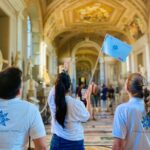
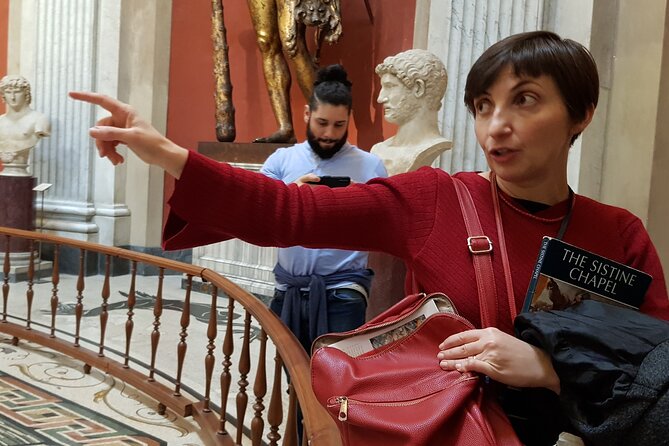
The other thing I like is the private format. Instead of being swept along with a group that’s always ten steps ahead, you get a guide who can slow down for details you care about, or move faster when you already know the big story. In past tours, guides have included people like Alberto, Luigi, Maria, and Giulia, and you can feel the difference when the explanation matches the art, not just the facts.
You also get smart “choose your focus” options. If you want the Raphael Rooms, pick the Renaissance option. If you want Rome from above, pick the Dome option. That lets you avoid the classic regret of paying for the time you didn’t actually want.
You can also read our reviews of more private tours in Rome
Entering fast: skip-the-line, plus the security reality
Even with a skip-the-line ticket, you still have to pass through security. The tour includes a shortcut to St. Peter’s Basilica, and it also flags that you should allow at least 20 minutes for security checks. That matters because security lines can swing based on the day and the crowds.
What you’ll appreciate is that your guide doesn’t just hand you a ticket and wish you luck. You’re oriented at the start at Caffè Vaticano (Viale Vaticano, 100, 00192 Roma), and the flow is managed so you don’t waste time figuring out where to go next.
A practical tip: wear layers. Inside the Vatican museums it can run warm, and security lines can be chilly. If you’re wearing something that shows your knees or shoulders, plan on changing—this is one place where rules are enforced.
Vatican Museums: from Courtyard drama to the Gallery of Maps
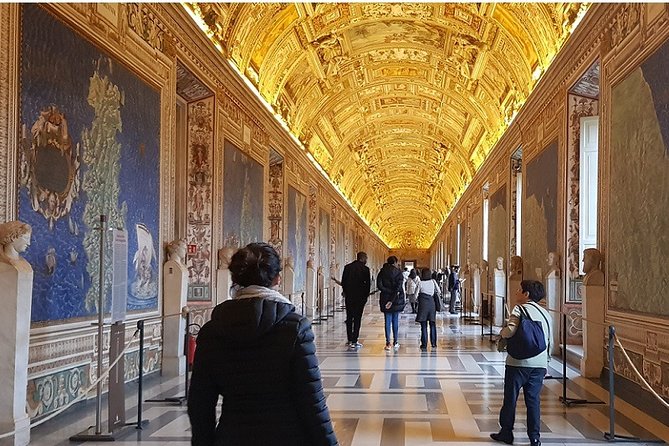
The heart of the experience is the Vatican Museums circuit, but it’s not just a generic walk. You go room-to-room with stops that connect art, architecture, and symbolism.
Courtyard of the Pigna: scale you can feel
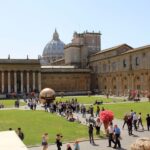
One of the first memorable moments is the Courtyard of the Pigna. It’s tied to the 16th-century Belvedere complex, and it sets the tone: you’re not just viewing objects, you’re stepping into a curated atmosphere that has been arranged for centuries.
Sphere within a Sphere: modern art meets ancient space
Then there’s Arnaldo Pomodoro’s sculpture, the Sphere within a Sphere, located in the Cortile della Pigna area. The idea is simple but effective: a large bronze sphere with a cracked, textured surface reveals a smaller sphere inside. The effect changes as light hits it, so you get that rare thing in museums—movement from one still viewpoint.
I like this stop because it breaks the usual “tour mode” of seeing only famous frescoes or only ancient statues. It reminds you the Vatican isn’t frozen in time.
You can also read our reviews of more museum experiences in Rome
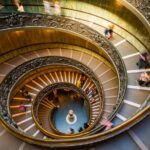
Gallery of Maps: a 120-meter snapshot of Italy
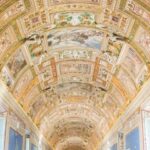
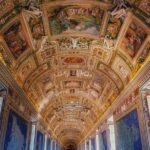
Next up is the Galleria delle Carte Geografiche, the Gallery of Maps. The painted maps stretch 120 meters, and they were created in the 16th century under Pope Gregory XIII. If you’re even mildly interested in how power and geography shaped the world, you’ll enjoy how this gallery uses art as a way to define borders and identity.
A quick way to get more out of it: pause at map sections that show areas you’ve traveled in already. It turns the gallery from a history lesson into something personal.
Gallery of Tapestries and the story behind weaving
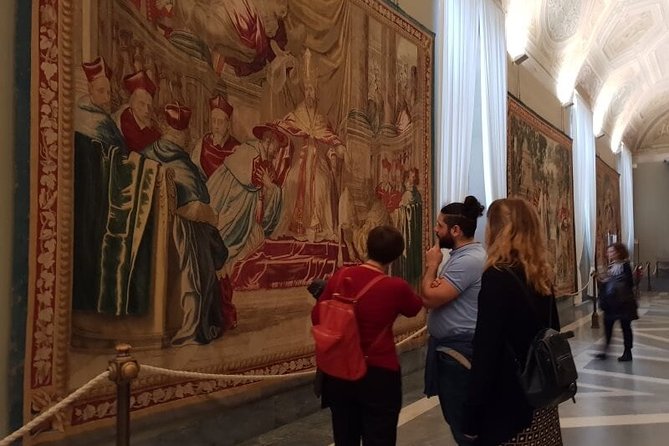
The Gallery of Tapestries focuses on 15th and 16th-century works woven from designs linked to Raphael’s school. These tapestries carry both biblical and historical narratives, and what makes them special is that they were made to be seen from a human scale while still feeling monumental.
The downside? If you’re short on time or tired, tapestries can feel slower than sculpture or frescoes. That’s where a good guide matters: they’ll point you to what to notice first so you’re not just staring at textures.
Candelabra Gallery and the Renaissance Rooms: the art gets louder
Gallery of the Candelabra: ancient pieces with architectural theater
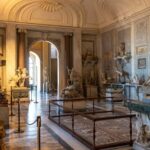
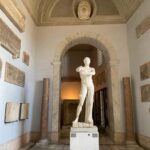
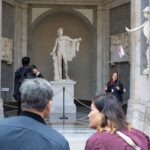
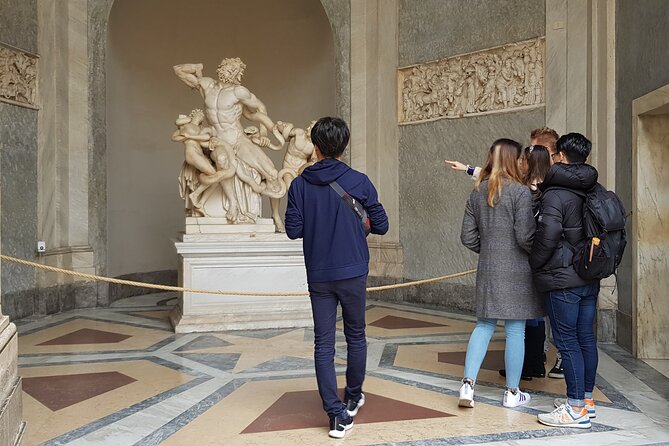
The Gallery of the Candelabra is named for the grand marble candelabra that divides the gallery into sections. You’ll see a mix of Greek and Roman statues, sarcophagi, and reliefs, set inside a space that’s arranged to guide your attention.
This stop is a good example of why a private guide helps: the guide can help you see the connections between works instead of treating each one like a separate “photo opportunity.”
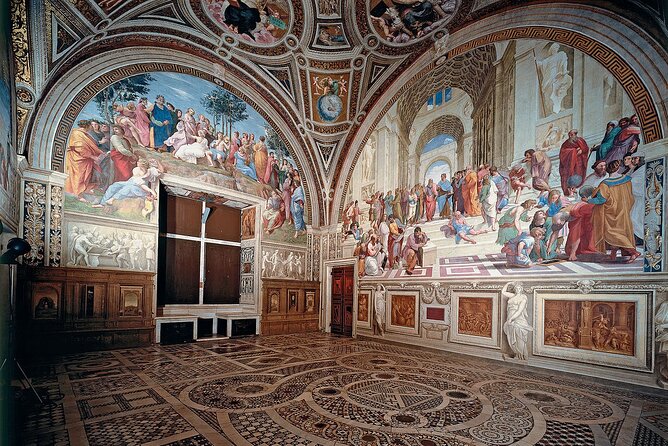
Stanze di Raffaello (Raphael Rooms): harmony, intellect, faith, history
If you choose the Renaissance option, you’ll include the Rooms of Raphael. These spaces are designed around Renaissance ideals—harmony, intellect, faith, and history—and your guide helps you connect the themes across rooms.
The practical value here is time. Without a guide, you might wander through quickly and miss the logic of what you’re seeing. With the tour, you spend your limited time with the paintings and room layouts that make the Renaissance feel coherent.
Sistine Chapel: timed to let your eyes catch up
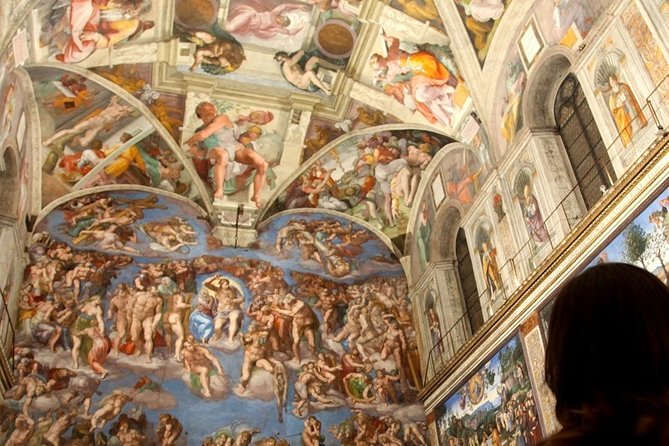
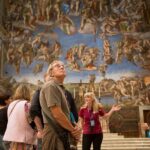
The Sistine Chapel is the main event, and the tour gives you about 30 minutes there. That time block matters. Michelangelo’s ceiling isn’t a “look at it once and move on” experience. You need a little room to step back, scan, and then focus on the details that actually grab you.
Your guide also helps you understand what you’re seeing, including the way the chapel was restored under Pope Sixtus IV della Rovere and how it relates to conclaves and official ceremonies. Even if you know the famous scenes, learning how the space functioned historically changes how you read the art.
One more practical point: plan for the dress code even if you feel overdressed already. Shoulders and knees must be covered.
St. Peter’s Basilica options: Pietà, John Paul II, and Bernini scale
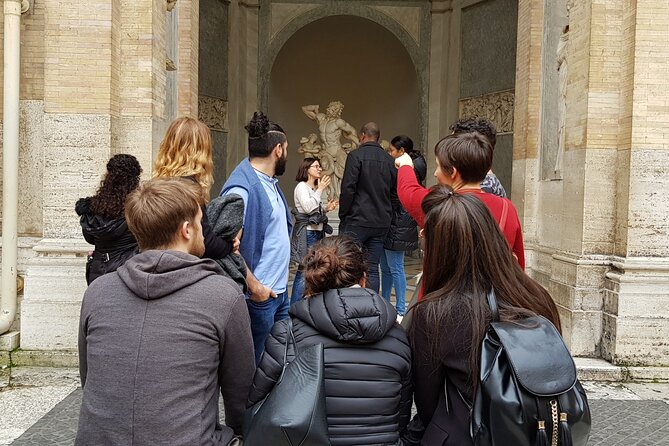
Not every version includes St. Peter’s Basilica. If your option does, the tour continues with a shortcut and then you’ll see the basilica highlights.
Michelangelo’s Pietà
You’ll have time at Michelangelo’s Pietà. It’s a Renaissance sculpture, and the tour specifically calls out its presence inside the basilica. This is one of those works where the “famous” part doesn’t spoil it—the emotion reads even if you don’t know the backstory.
John Paul II’s tomb stop
The itinerary also includes a stop at the tomb area connected with Saint John Paul II (Karol Wojtyła). For many people, this is the moment the Vatican shifts from museum mode into something more personal.
La Pietà (another Michelangelo Pietà stop)
Some options include La Pietà as well, described as the first of several works on the same theme by Michelangelo. It’s also noted that Michelangelo signed it, which is a neat detail to know so you can look for it instead of passing right by.
St. Peter’s Baldachin
You’ll also see the St. Peter’s Baldachin, designed by Gian Lorenzo Bernini. It’s a bronze canopy over the high altar and the height is emphasized in the description, which helps you appreciate just how much this is designed to dominate your field of view.
If St. Peter’s Basilica closes last minute
This is the key planning note: St. Peter’s Basilica may close for religious ceremonies without warning. If that happens, the tour ends at the exit of the Vatican Museums. I’d treat St. Peter’s as a bonus you’ll try to catch, not a guarantee.
Cupola di San Pietro and St. Peter’s Square: views and the stairs you’ll feel
If you select the Dome option, the tour includes the climbing of the Cupola di San Pietro. The description is clear: there’s a lift for part of the way, but then you still tackle 320 steps, and the space can be tight.
That means this isn’t for everyone. The tour data says it’s not recommended if you have mobility issues or if you’re claustrophobic. If any of that sounds like you, choose a version without the dome and save your energy for the basilica and museums.
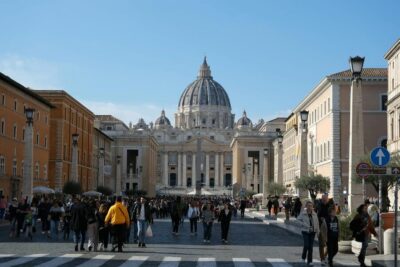
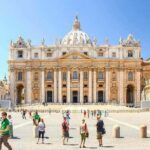
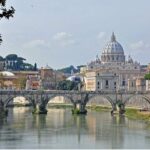
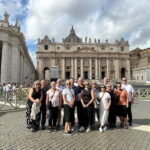
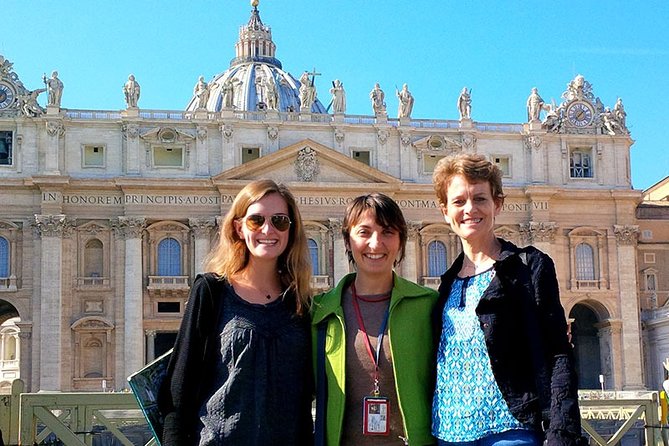
Once you’re up top, the reward is the panoramic view and the sense of scale. Then the tour includes St. Peter’s Square, with time to see Bernini’s elliptical layout and its columns—284 Doric columns arranged four rows deep, described with dimensions (196 meters wide and 148 meters long).
If you like architecture, the square is worth the last walking push. If you don’t, it still helps to orient you—suddenly the Vatican feels like one designed system instead of separate buildings.
Price and value: what $317.54 is buying you
At $317.54 per person, this isn’t a budget stroll. It’s priced like a practical solution to two problems in Rome: time and confusion.
Here’s where the value comes from:
- Skip-the-line Vatican Museums: that alone can save hours, especially in peak season.
- A private tour with a Blue Badge guide: you’re paying for interpretation, pacing, and decision-making, not just entrance.
- Multiple optional expansions: you can add Raphael Rooms or Dome/St. Peter’s Square depending on what kind of Vatican day you want.
- Included access pieces: admission ticket coverage for key museum segments, plus Sistine Chapel included.
- A shortcut to St. Peter’s Basilica when your option includes it: shortcuts aren’t “nice-to-have” at the Vatican—they’re time savings.
Also, the tour is commonly booked about 68 days in advance, which is a clue to plan ahead. If you’re traveling in high season or on a tight schedule, you’ll do better booking earlier rather than rolling the dice.
If you’re a first-timer, this price can still feel steep—until you consider that you’re not learning the Vatican by trial and error. You’re getting a guided plan that helps you prioritize.
Who should book this, and who should pass
This tour fits best if you want:
- A guided route through the Vatican Museums that hits major highlights in a logical order
- Flexibility via morning/afternoon timing
- A private guide experience, including time for questions and slower attention when you need it
- The chance to add Raphael Rooms or the Dome climb if those are your priorities
It might not be the right match if:
- You strongly dislike stairs or have mobility constraints and are considering the Dome option
- You want zero religion-related pacing (the Sistine Chapel and basilica are religious spaces, with dress rules and ceremony closures)
- You need certainty about St. Peter’s Basilica access; closures can happen last minute
Practical tips: dress code, pacing, and what to plan around
Dress code is not optional
The tour data is direct: no shorts or sleeveless tops, and knees and shoulders must be covered. That’s for both places of worship and selected museums. If you show up in the wrong outfit, you risk refused entry. Bring a light shawl or scarf if you’re traveling with summer clothes.
Build in security time
Plan on security taking time. Even with skip-the-line, you still pass checks, and the tour flags at least 20 minutes.
Don’t underestimate the ending
The tour ends at St. Peter’s Square. If St. Peter’s Basilica is closed, it ends at the exit of the Vatican Museums. Keep your next plan flexible.
Photo reality check
You’ll likely want to take pictures at the big sculpture moments, but the Sistine Chapel experience is about careful looking more than snapping. Follow posted rules and let your eyes do the work.
Should you book this Vatican Museums and St. Peter’s Private Tour?
If your goal is to get the Vatican right—without spending your day stuck in lines—yes, I think this is a strong choice. The private Blue Badge guide format is the difference between seeing many rooms and actually understanding what you’re standing in front of. Add in the skip-the-line entry and the structured stops, and the price starts to make sense.
I’d especially consider booking if you’re:
- visiting for the first time,
- going with multiple generations (the pacing and guide attention can help),
- or you know you want specific upgrades like Raphael Rooms or the Dome view.
I’d think twice if St. Peter’s Basilica access is your one non-negotiable wish, since last-minute ceremonies can affect the final stretch. And if you’re considering the dome, read the stair warning carefully—lift plus 320 steps is real.
FAQ
How long is the tour?
It runs about 3 to 4 hours, depending on the option you choose and the pace on the day.
Is this tour private?
Yes. It’s a private tour/activity, with only your group participating.
What language is the tour offered in?
The tour is offered in English.
What’s included in the Vatican Museums part?
You get skip-the-line admission to the Vatican Museums, time in the Sistine Chapel, and the museum experience includes multiple highlighted stops. The admission ticket coverage for those museum segments is included as described.
Do I automatically get St. Peter’s Basilica?
Only if you choose an option that includes St. Peter’s Basilica. Some versions focus on the Vatican Museums and Sistine Chapel, while others add the basilica highlights.
What dress code should I follow?
You need knees and shoulders covered. The tour notes no shorts or sleeveless tops. If you don’t meet the dress requirements, you can risk refused entry.
If I choose the Dome option, how hard is it?
There’s a lift for part of the way, but you still have to climb about 320 steps. The tour data notes it’s not recommended for guests with mobility issues or claustrophobia.
Where does the tour start and end?
It starts at Caffè Vaticano (Viale Vaticano, 100, 00192 Roma) and ends at St. Peter’s Square (Piazza San Pietro, 00120). If St. Peter’s Basilica is closed for ceremonies, the tour ends at the exit of the Vatican Museums instead.