REVIEW · ROME
Rome: Jewish Museum and Tempio Maggiore Entry with Audio
Book on GetYourGuide →Operated by OPERA ROMANA PELLEGRINAGGI · Bookable on GetYourGuide
Rome’s Jewish story starts here. This is one of the easiest ways to wrap your head around 2,200 years of Jewish life in the Eternal City, using an innovative phone audio guide at your own pace. I especially like that you get a structured visit through the museum’s themed rooms, and then you add synagogue access without having to piece everything together yourself.
You’ll walk through collections focused mainly on the Ghetto period (1555–1870), with artifacts that go beyond names and dates. That mix of manuscripts, historical records, and ceremonial objects helps you understand what community life actually looked like. One possible drawback to keep in mind: a couple of past visitors flagged issues with finding the right language guide for the synagogue segment, so it’s smart to arrive on time and double-check the meeting details when you get there.
In This Review
- Quick hits before you go
- Why Rome’s Jewish Museum feels different than most museum stops
- From 2200 years of continuity to the Ghetto period: what you’ll see
- Entering the museum: the security check and main entrance flow
- The 7-room museum layout: how the themed route helps you understand
- Tempio Maggiore and the Spanish Synagogue: what the synagogue visit really means
- Audio guide on your phone: languages, app, and pace tips
- Price and value: is $20 worth it?
- Group size, logistics, and meeting point tips so you do not lose time
- Who this experience fits best (and who should plan differently)
- Should you book this Jewish Museum and Tempio Maggiore entry?
- FAQ
- Do I need an app to use the audio guide?
- What languages are available for the audio guide?
- Is the Tempio Maggiore synagogue visit included?
- How big is the group?
- Where do I meet for the tour?
- Is there an express security option?
- Is it wheelchair accessible?
- Is free cancellation available?
Quick hits before you go
- Skip the stress of security lines with express security check
- Audio in many languages on your phone, including English, Italian, Spanish, French, Portuguese, and German
- 7-room museum route covering major themes of Jewish life in Rome
- Synagogue access included, with time inside Tempio Maggiore and the Spanish Synagogue
- Small group capped at 10 for a calmer experience in a busy museum
Why Rome’s Jewish Museum feels different than most museum stops
Most museum visits in Rome are about architecture or big-ticket art. This one is about people. You’re not just looking at objects; you’re tracing how a community lived in Rome continuously for roughly 2200 years, adapting to changing laws, neighborhoods, and identities while keeping religious traditions intact.
What makes it work well for you is the structure. The museum is organized into seven rooms, each with a theme that turns history into something you can follow. Even if you only have a short window in Rome, you’ll leave with a clearer mental timeline instead of a blur of facts.
And because the museum visit is paired with an audio guide you download to your phone, you control the pace. You can linger on a vitrine. Or you can keep moving when you want momentum.
You can also read our reviews of more museum experiences in Rome
From 2200 years of continuity to the Ghetto period: what you’ll see
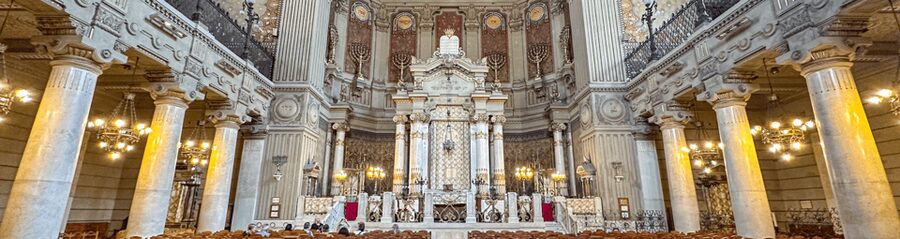
The heart of the museum collection is strongly tied to the period of the Roman Ghetto, roughly 1555 to 1870. That matters, because it’s one of the most intense and defining chapters in early modern Jewish history outside Israel. You’ll see objects and documents that reflect daily life, religious practice, and the record-keeping that helped communities endure.
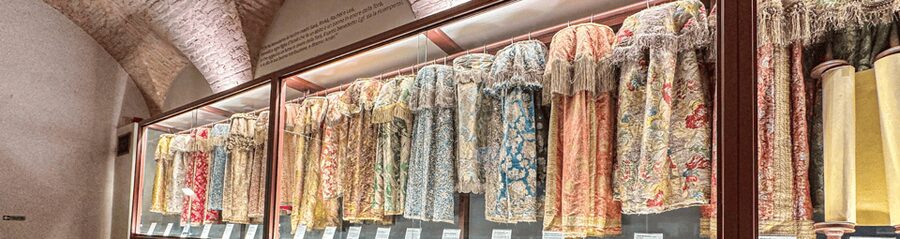
Inside, the exhibits you’ll encounter include:
- liturgical furnishings
- manuscripts
- incunabula (very early printed books)
- historical documents and registers
- marble works
That list isn’t just a catalog for collectors. It helps you understand the full weight of what survived. A synagogue isn’t only a room for prayer. It’s a place where learning, ritual, and community governance meet.
Another detail that makes this museum stand out is the source of much of what you’ll view. Many pieces come from the Palazzo delle Cinque Scole (the five synagogues). So you get a more cohesive feel for the world those communities shared, rather than a random assortment.
Entering the museum: the security check and main entrance flow
Your visit starts with a very practical instruction: go directly to the main entrance of the Jewish Museum after the security check. The idea is simple. Don’t wander the area trying to figure out where the group begins. Aim for the museum entrance, be ready to show your reservation, and then you can focus on the experience instead of logistics.
One bonus you should appreciate is the express security check. In Rome, that can be the difference between feeling rushed and actually enjoying the start of a visit.
Also note the visit ends back at the meeting point. That helps you plan the rest of your day, because you’re not getting dropped somewhere far away. You can build a nearby lunch or another stop without sprinting across town.
The 7-room museum layout: how the themed route helps you understand
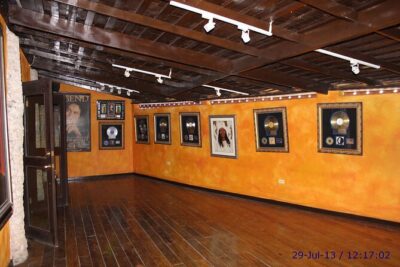
The museum covers about 700 square meters, split into seven rooms. Each room offers a slice of life and a different lens on the community. This kind of themed layout is more helpful than you might expect, especially when a subject is emotionally heavy.
You’ll move through a route that reconstructs how Jews in Rome integrated into the city’s socio-economic life while maintaining religious and cultural identity. That balance is a key theme: you’re not only seeing segregation or confinement. You’re also seeing continuity, learning, and community organization.
A bit of behind-the-scenes history adds another layer. Since 1960, the museum’s treasures were displayed in a single room. But cataloging and study required more space, and a new layout was inaugurated in 2005. Translation for you: the visitor route is designed to be more usable than older one-room setups, so you’re less likely to feel like you’re staring at objects without context.
Tempio Maggiore and the Spanish Synagogue: what the synagogue visit really means
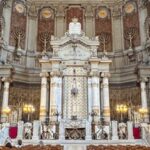
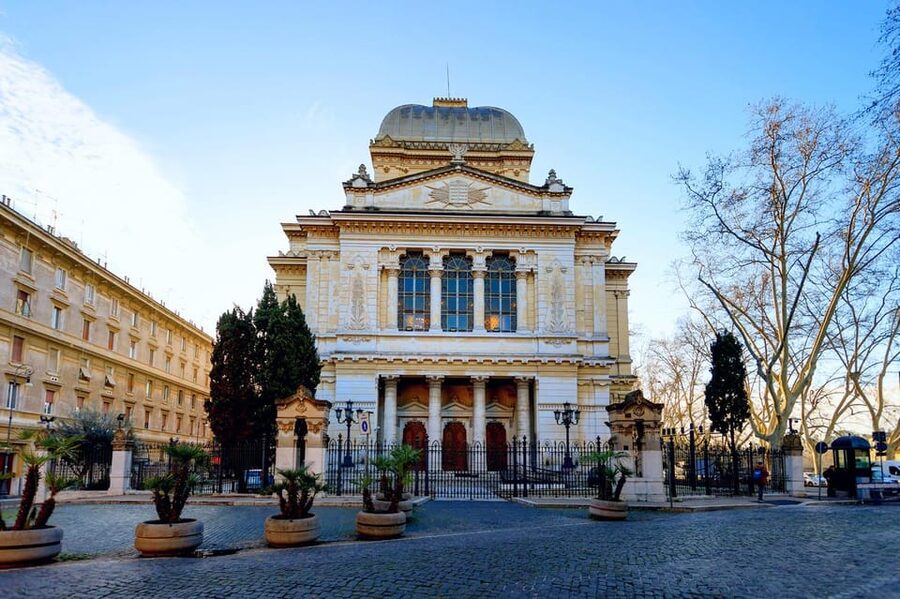
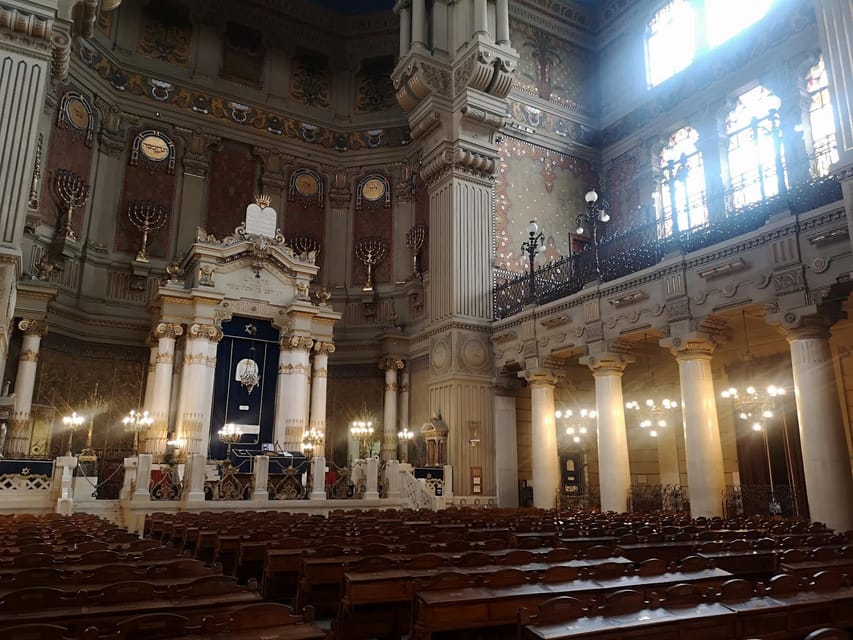
Inside the museum itinerary, you’ll be able to visit two synagogues: Tempio Maggiore and the Spanish Synagogue. The Spanish Synagogue is located inside the museum rooms, so you’re not traveling off-site for it. This keeps the experience compact and efficient, which is great if you’re trying to fit the Jewish quarter into a busy itinerary.
Tempio Maggiore is the big name stop here, and the entry includes access to it along with a guided tour. In theory, that’s the part where you get a more human explanation of what you’re seeing.
However, one thing I’d treat as a serious practical consideration is that there have been complaints about guide logistics for the synagogue language. Some visitors reported not finding the expected guide. Others felt the synagogue portion leaned more toward a short audio prompt (like a QR-based listening moment) rather than a full guided talk.
So here’s the best advice: when you arrive, confirm the synagogue guide language you reserved and ask the on-site team where to meet for the synagogue segment. If you’re counting on French, German, or another language, don’t assume it’s automatic. Get clarity fast, then enjoy what you came for.
A few more Rome tours and experiences worth a look

Audio guide on your phone: languages, app, and pace tips
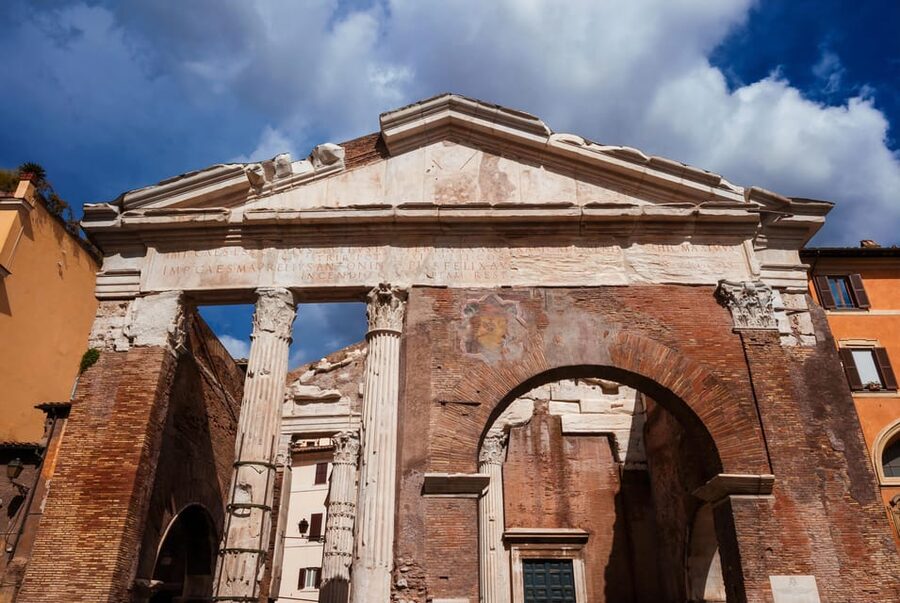
The audio guide is a major part of the value here. You’ll have a downloadable museum audio guide on mobile devices, and you’ll also have an additional Jewish Quarter audio guide accessible through the same ecosystem.
To listen, you need to download the Vatican&Rome App from the App Store or Play Store. If you show up without the app downloaded (or without your headphones), your experience can feel like it’s missing a key piece. So I’d do this before you ever leave your hotel: download the app, test audio once on Wi-Fi, and bring headphones you like.
Language coverage is broad. The museum audio includes languages such as English, Hebrew, Spanish, German, Russian, and French. The Jewish Quarter audio guide is available in Italian, English, French, German, Spanish, and Portuguese. For the synagogue guided component, staff/greeters are listed in Italian, English, Spanish, French, Portuguese, and German depending on the group.
How to use the audio guide without getting overwhelmed:
- Start the first room immediately so you get your bearings fast
- Use the audio to understand what you’re looking at, then look at the object itself
- If a room feels crowded, let the audio lead for 5–10 minutes before you slow down
You’ll enjoy it more when you treat the audio as a companion, not a replacement for your eyes.
Price and value: is $20 worth it?
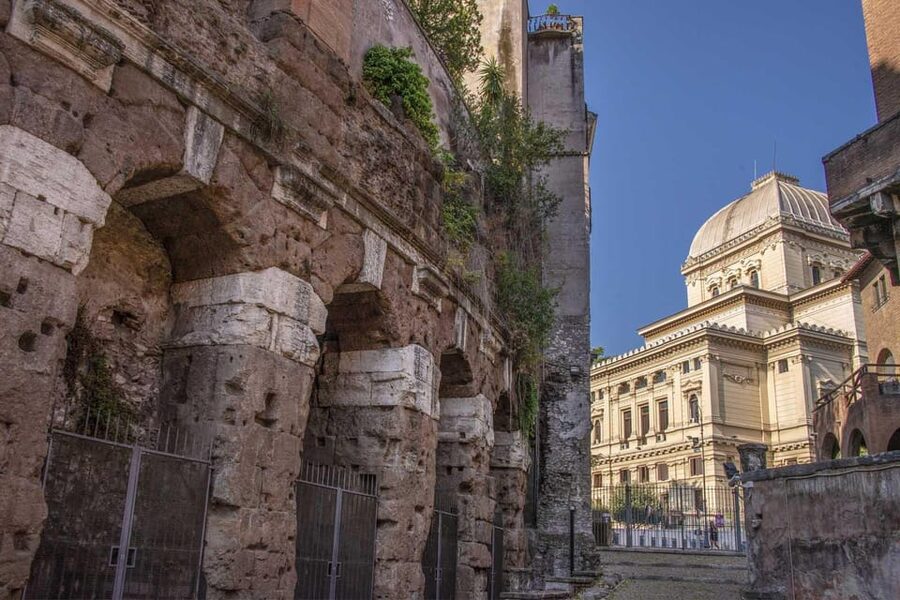
At $20 per person, this isn’t priced like a budget stop, and it’s not priced like a deluxe private experience either. So the value question is really: what do you get for that money?
You get:
- Guaranteed access upon reservation
- Express security check
- Museum entry plus a downloadable audio guide
- Tempio Maggiore synagogue entry with guided tour
- A small group capped at 10
- Wheelchair accessibility
That combination is what helps justify the price. Many standalone museum tickets give you entry only. Here, the audio guide is built into the experience, and the synagogue access makes the visit more than just a history walk-through.
Still, you should factor in that some visitors felt the synagogue portion was lighter on live guidance than expected. That’s not something you can predict perfectly before you go. But if you want a very interpretive, long-form lecture inside the synagogue, you may feel more satisfied when you confirm exactly how long the guided segment is and which format the language support uses.
If your goal is to get smart, structured context plus synagogue entry without complicated planning, this price usually makes sense.
Group size, logistics, and meeting point tips so you do not lose time
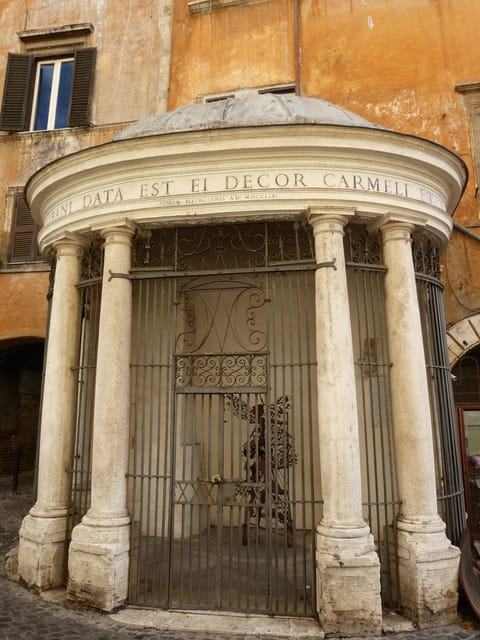
With a small group (limited to 10 participants), you should expect a calmer flow than the big coach-crowd tours. That matters in a museum environment where it’s easy to get separated or stuck behind other visitors.
The practical issue is that your meeting point is defined tightly. You’re told to go to the main entrance of the Jewish Museum after security check, and the visit ends back at that same point. That means your best move is to show up a few minutes early, find the staff/greeter presence, and settle before the group moves in.
One more helpful detail: the host/greeter languages are listed, and the audio guide languages are listed too. If you’re traveling with someone who needs a specific language, it’s worth aligning both the live component and the audio component when you check in.
If you’re the kind of traveler who likes to compare notes mid-visit, this group size makes it easier to keep track of what’s happening.
Who this experience fits best (and who should plan differently)
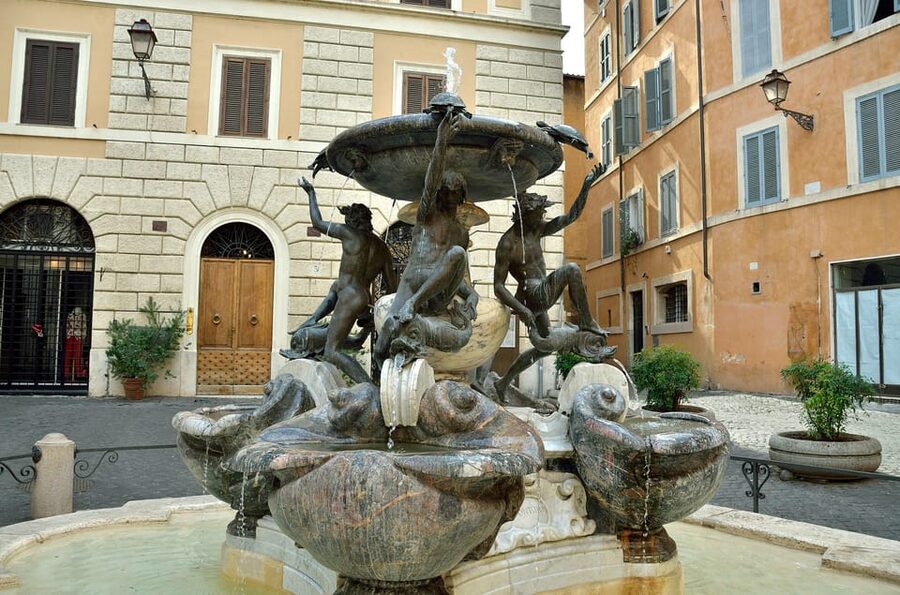
This is a strong fit if:
- you want a structured, emotionally grounded historical visit
- you like using a phone audio guide to set the pace
- you want synagogue access as part of a museum visit
- you’re traveling with limited time in Rome and want a coherent experience
It may be less ideal if:
- you need a long, detailed live lecture inside the synagogue in your exact language
- you dislike downloading apps or using headphones during museum time
- you prefer totally self-guided touring with no guided segment at all
In other words, it works best when you’re flexible about audio support and you’re proactive about language confirmation on-site.
Should you book this Jewish Museum and Tempio Maggiore entry?
If you want a meaningful, efficient way to understand Jewish life in Rome from ancient continuity through the Ghetto period, I think booking is a good call. The museum’s seven-room structure, the heavy focus on objects tied to the 1555–1870 era, and the included Tempio Maggiore synagogue access are the big reasons.
My one caution is to be smart about the synagogue language and guide format. Arrive early, confirm the plan at check-in, and don’t wait until you’re already inside to figure out whether the guide you expected is there.
If you do that, you’ll likely come away with exactly what most people want from this kind of stop in Rome: a clearer story, not just scattered facts—and a visit that feels anchored in real community artifacts rather than generic history talk.
FAQ
Do I need an app to use the audio guide?
Yes. To listen to the audio guide, you need to download the Vatican&Rome App from the App Store or Play Store.
What languages are available for the audio guide?
Audio guide languages listed include Italian, English, French, German, Spanish, and Portuguese. Another line for the museum audio guide also includes Hebrew, Russian, and French, depending on the specific audio portion.
Is the Tempio Maggiore synagogue visit included?
Yes. Entrance to the Tempio Maggiore is included, along with a guided tour.
How big is the group?
The group is small, limited to 10 participants.
Where do I meet for the tour?
Go directly to the main entrance of the Jewish Museum after the security check.
Is there an express security option?
Yes. You can use an express security check.
Is it wheelchair accessible?
Yes. The activity is listed as wheelchair accessible.
Is free cancellation available?
Yes. Free cancellation is available up to 24 hours in advance for a full refund.