REVIEW · STOCKHOLM
Stockholm: Nobel Prize Museum and Exhibition Entry Ticket
Book on GetYourGuide →Operated by Nobel Prize Museum · Bookable on GetYourGuide
A Nobel Prize museum hits different in Stockholm. You’ll find the stories of peace, science, literature, and activism brought to life right in Gamla Stan. It’s a smart stop when you want world-scale ideas without getting lost in a huge building.
I especially like the multimedia—video and audio that make the laureates feel human, not just names in books. I also love that the museum backs it up with real artefacts and objects connected to Nobel winners, so your visit feels concrete instead of abstract.
One possible drawback: the museum is small, so if you’re expecting a massive collection, you may want to plan for a quick, focused visit rather than a full day.
In This Review
- Key things to know before you go
- Nobel Prize Museum in Gamla Stan: an easy, central plan
- What you’ll experience inside: multimedia stories plus real objects
- The permanent exhibition: These things changed the world and its 200+ artefacts
- Guided museum tour in English (and Swedish): use it to sharpen your visit
- How long to plan: a small museum that you can pace your way
- The museum shop: buy the chocolate Nobel medal and practical souvenirs
- Bistro Nobel is closed: what that means for your day
- Value check: is $18 worth it for a Nobel Prize museum?
- Who this museum suits best (and who might want to rethink)
- Should you book the Nobel Prize Museum ticket?
- FAQ
- Where is the Nobel Prize Museum located?
- How much does the ticket cost?
- How long should I plan for?
- What’s included in the ticket price?
- Is food included?
- Are tours included, and what languages are available?
- Can I visit without a tour?
- Is the museum wheelchair accessible?
- Is there free cancellation?
- Is Bistro Nobel open?
Key things to know before you go
- English-guided museum tour included (and tours also run in Swedish)
- Videos and audio stories that run alongside the exhibits
- The permanent show These things changed the world with 200+ artefacts
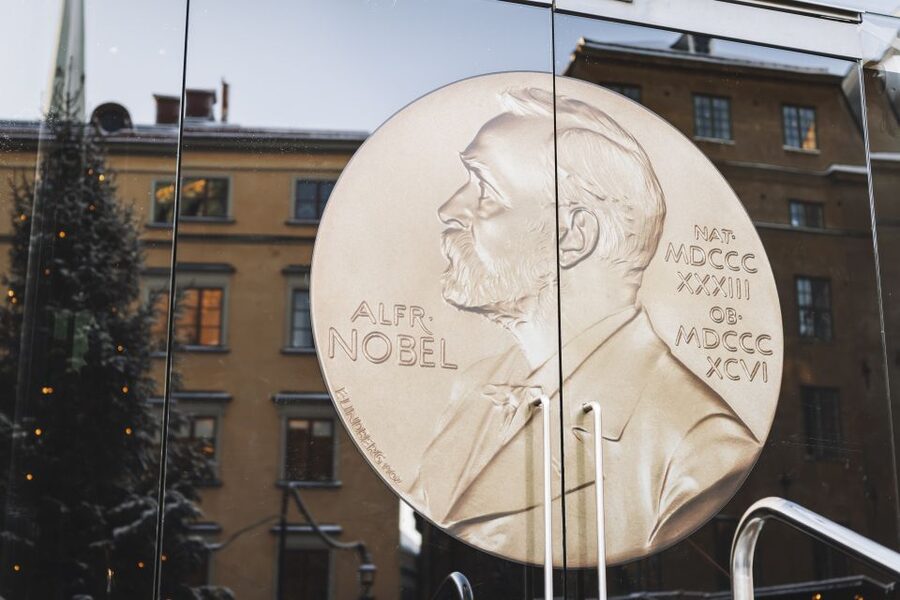
- A museum shop where you can buy the famous chocolate Nobel Prize medal
- Food isn’t included, and Bistro Nobel has been closed during spring restoration work
Nobel Prize Museum in Gamla Stan: an easy, central plan

The Nobel Prize Museum sits at Stortorget in Stockholm’s Old Town, Gamla Stan. That matters because you can wrap it into a day already filled with historic streets, walking tours, and coffee stops.
For timing, this ticket is valid for 1 day and you can check availability for starting times. In real life, that flexibility helps you choose a slot that fits your energy level—either early to beat the crowd, or later when you’re ready to slow down and read.
And yes, this is a museum with a mission. It’s built to connect Nobel laureates—scientists, authors, and freedom fighters—back to one theme: contributions to peace and the bigger benefit to humankind.
A few more Stockholm tours and experiences worth a look



What you’ll experience inside: multimedia stories plus real objects
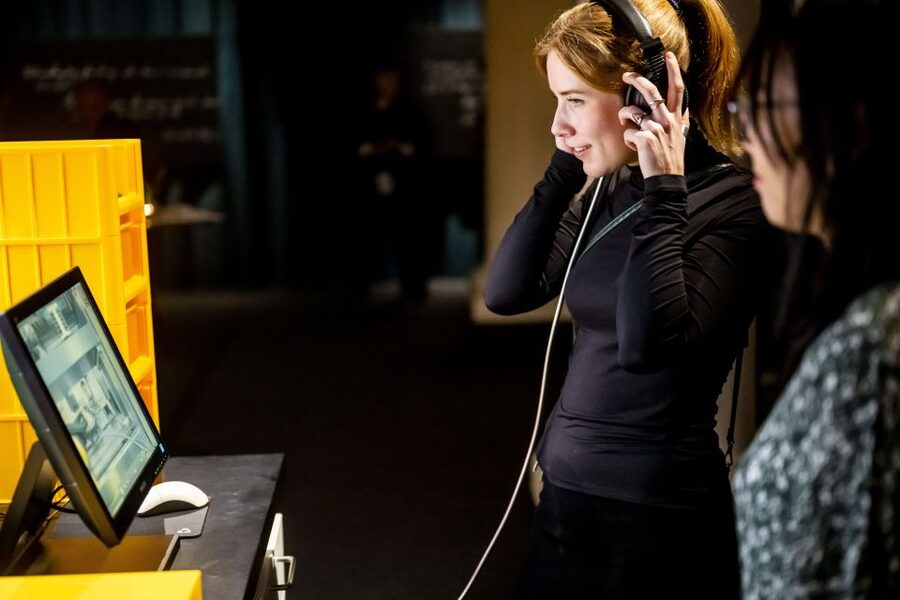
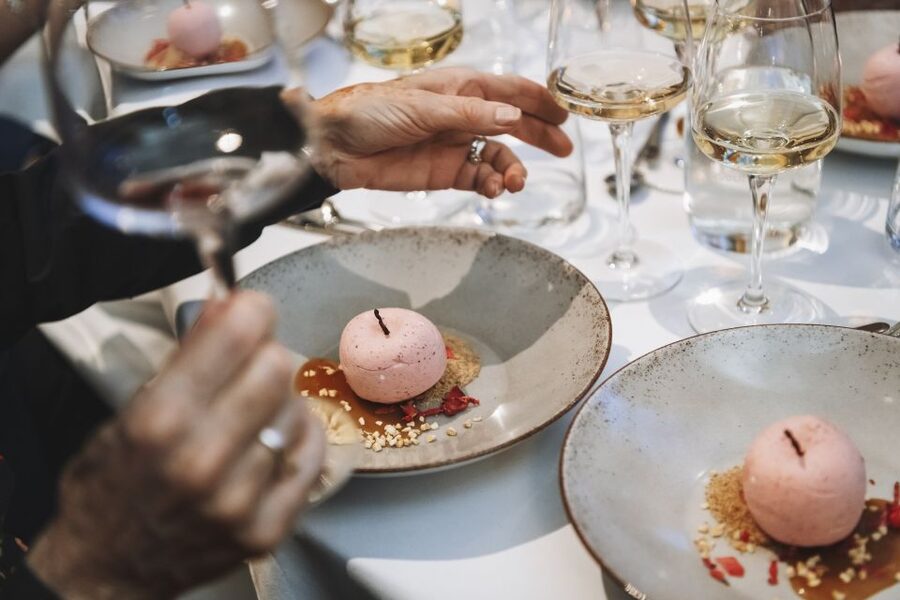
The Nobel Prize Museum is not all reading walls. The exhibits are paired with video, audio, and artefacts, so you can switch between learning modes.
This approach works well if you’re traveling with different interests. If you like science, you’ll find Nobel winners tied to discoveries and breakthroughs. If you lean toward history and ethics, you’ll get stories from peace efforts and freedom work, presented in a way that’s easier to follow than a textbook timeline.
Also, the displays don’t feel random. They’re grouped to help you understand how Nobel recognition connects to impact in the real world—through inventions, courageous actions, and literature that shaped public conversation.
The permanent exhibition: These things changed the world and its 200+ artefacts
The museum’s permanent exhibition is called These things changed the world. It’s a major highlight because it’s showing a large selection of objects from the museum’s collection.
The key detail here: it includes more than 200 artefacts. That doesn’t mean you’ll see 200 full “stuffed into one room” exhibits. Instead, you’ll encounter objects that represent major Nobel themes—revolutionary inventions, peace efforts, groundbreaking ideas, and innovative literature.
This is where the museum gives you the most payoff per minute. When you stand in front of an object, you’re not just learning a fact—you’re learning what that laureate did and why it mattered.
One practical note: because it’s a smaller museum, you’ll notice the layout quickly. If you’re the kind of visitor who likes a clear path, you can do a fast loop. If you prefer detail, the museum’s text and descriptions are there to slow you down.
Guided museum tour in English (and Swedish): use it to sharpen your visit
Your ticket includes a museum tour with daily guided sessions in English and Swedish. Even if you’re comfortable self-guiding, I’d treat the tour as the backbone of the visit.
Why? The guide helps you understand what you’re looking at, and that changes your reading speed. Instead of scanning, you start to connect themes: how Nobel categories link to specific kinds of work, and how the prize process ties into why these stories get preserved.
If you’re visiting with kids or a teen, the guided portion is also a good way to keep attention from drifting. You’ll get a structured path through the highlights, which makes the rest of the museum feel easier to explore on your own afterward.
I’d also plan to ask the guide where to focus for your interests. If you care more about peace work, spend extra time there. If you’re drawn to science or literature, you’ll naturally pick the relevant stops.
How long to plan: a small museum that you can pace your way
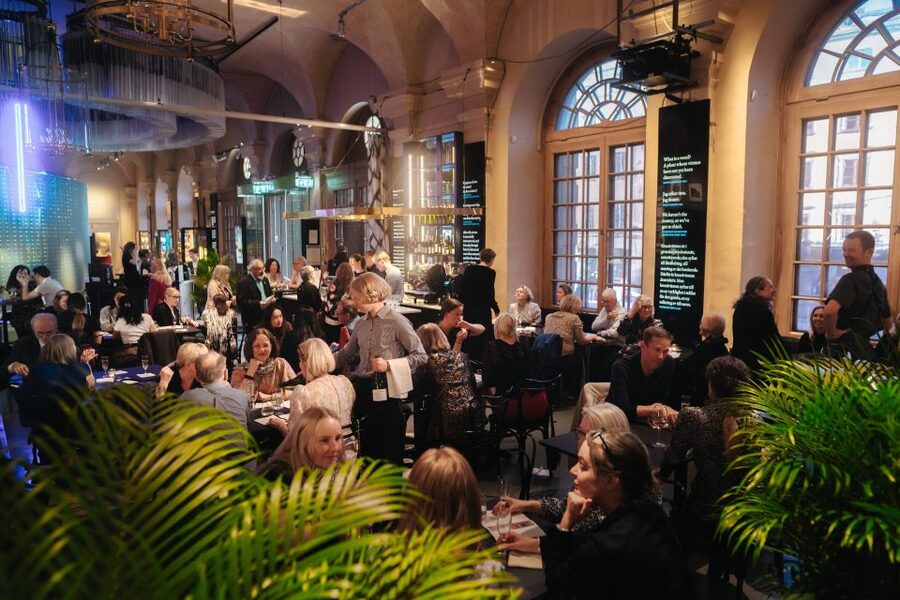
People tend to describe the Nobel Prize Museum as compact, and that’s exactly how I’d plan it. With the guided component and time for videos/audio, a realistic visit can land around 1–2 hours for many people, and longer if you watch more media and read more descriptions.
Here’s the useful part: you don’t have to “finish everything” to get the value. The museum is set up so that even a focused circuit gives you a meaningful understanding of Nobel laureates and the themes behind the awards.
If you’re a slower reader or you want to take in more video/audio, give yourself extra time. The museum gets better when you pause, because the artefacts and stories are what make the place feel personal rather than like a lecture hall.
You can also read our reviews of more museum experiences in Stockholm





The museum shop: buy the chocolate Nobel medal and practical souvenirs
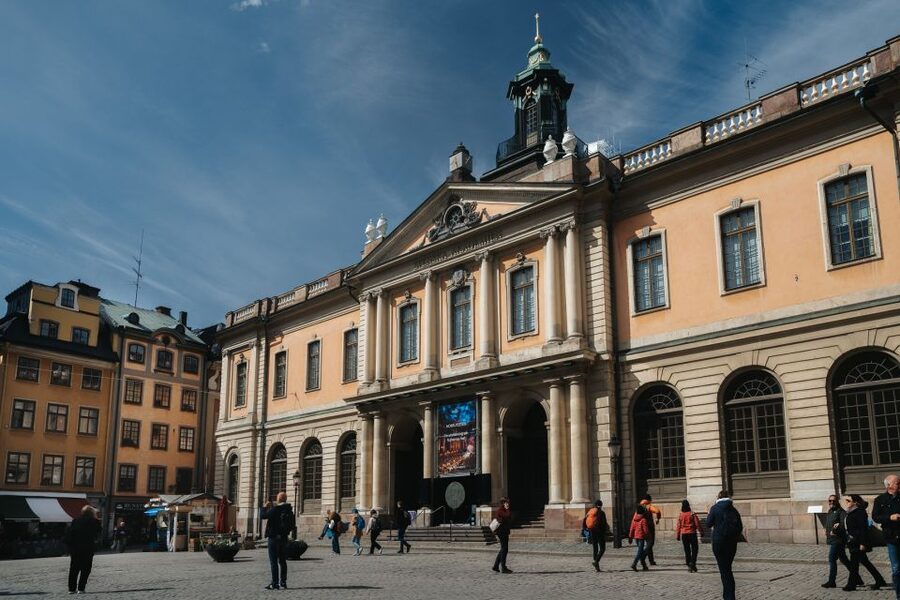
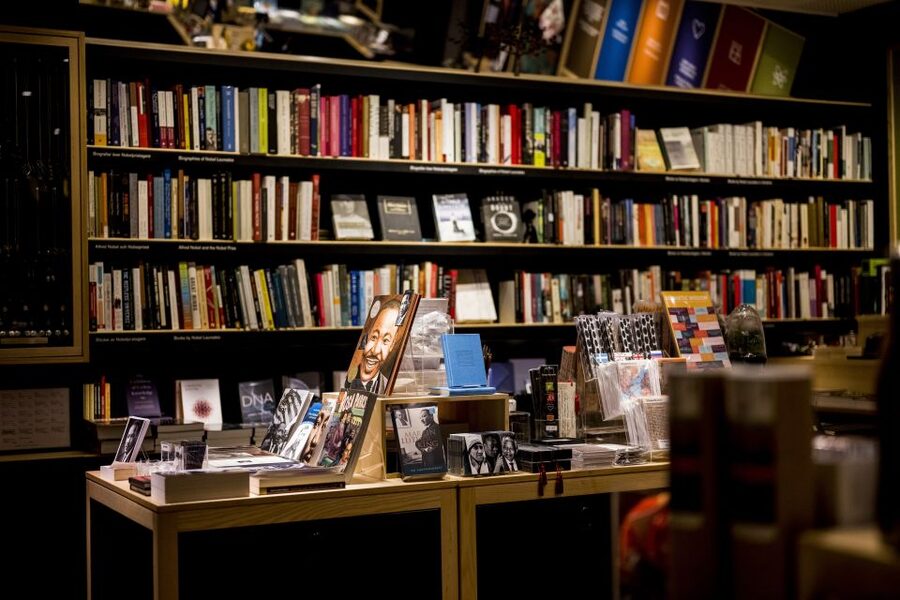
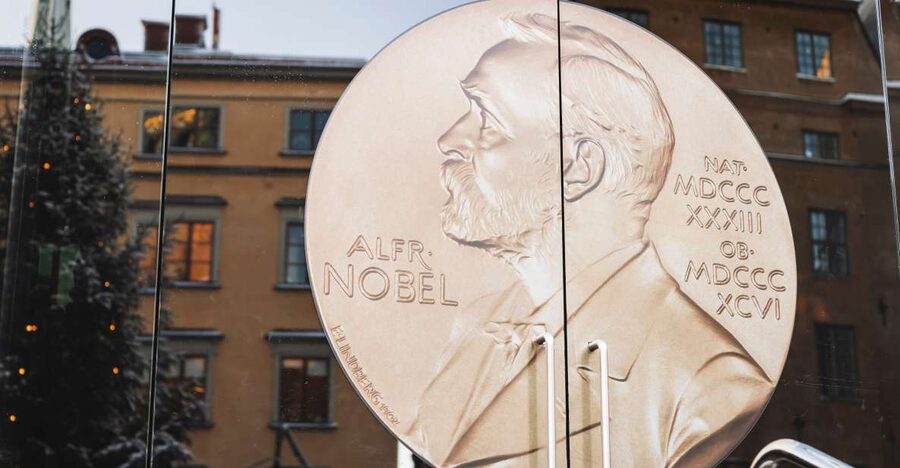
The museum shop is part of the experience in a fun, low-pressure way. It offers literature and souvenirs, and yes—there’s the famous chocolate Nobel Prize medal.
This is one of those “small thing, big smile” purchases. It’s an easy way to bring home a piece of the theme without needing a complicated souvenir hunt around Stockholm.
If you’re traveling with someone who likes gifts that connect to what they just learned, this shop is worth a quick stop before you exit. You might find it’s the best impulse-buy of the day.
Bistro Nobel is closed: what that means for your day
Food and drinks are not included with your ticket. The museum also notes that Bistro Nobel will be closed during the spring for restoration work after prior water damage.
Some visitors have reported the restaurant has been closed for a longer stretch (not just a quick pause), so plan meals elsewhere. The good news is you’re in Old Town, so you’ll have plenty of nearby options for lunch or a snack break.
This closure doesn’t hurt the museum itself, but it does change how you schedule. If you’re hungry, don’t count on finishing your visit and grabbing a meal inside. Build in time to eat nearby instead.
Value check: is $18 worth it for a Nobel Prize museum?
At $18 per person, this ticket is priced like a museum experience, not a “light snack” attraction. The value comes from what’s included: entry, access to special exhibition, and a museum tour.
You’re not only paying for walls and labels. You’re paying for structured guidance plus multimedia storytelling plus real objects linked to Nobel laureates. If you enjoy museums where the narration matters, this is exactly the type of package that can feel fair for the time you spend.
Also, because the museum is central and compact, you can fit it into a normal sightseeing rhythm. You’re not forced into half a day of transit just to learn a few key themes. That practical efficiency adds value.
The only reason it wouldn’t feel worth it is if you want a huge, hours-long collection. If you’re the kind of person who needs museum scale to feel satisfied, you might come away wanting more. But for many visitors, the focused nature is part of the charm.
Who this museum suits best (and who might want to rethink)
This works especially well if you like:
- World history with a human story, not just dates
- Museums with audio/video support
- Trips where learning and walking through a classic neighborhood go together
It’s also a solid choice for families. One reason: the museum can be educational without being dry. The exhibits are set up to be accessible, and the multimedia makes it easier for younger visitors to follow along.
If you’re only interested in one Nobel category (say, purely scientific breakthroughs), you might feel the coverage is broad rather than deeply technical. But if you’re open to peace, literature, science, and activism as connected threads, you’ll probably enjoy the way the museum frames the Nobel idea.
Should you book the Nobel Prize Museum ticket?
Yes—if you want a compact museum that mixes artefacts with guided interpretation in central Stockholm. The included tour is the part that most improves the experience, because it helps you read the exhibits with context instead of treating them like isolated displays.
I’d book it when:
- You’re already in Gamla Stan and want an easy, central indoor stop
- You like museums that use audio/video to make people and ideas come alive
- You want a learning break that still feels like a real attraction, not homework
Skip or reconsider if:
- You need a very large collection that fills your whole day
- You expect food inside the museum (Bistro Nobel has closure/restoration issues, and nothing is included)
If you’re planning a tight Stockholm day, this is the kind of ticket that turns a simple stop into something memorable—without stretching your schedule.
FAQ
Where is the Nobel Prize Museum located?
It’s located at Stortorget in Stockholm’s Old Town (Gamla Stan).
How much does the ticket cost?
The price listed is $18 per person.
How long should I plan for?
The activity is listed as lasting 1 day. Many visitors will likely finish in a shorter museum timeframe, but the ticket supports a full, unhurried visit.
What’s included in the ticket price?
Your ticket includes an entry ticket, access to a special exhibition, and a museum tour.
Is food included?
No. Food and drinks are not included.
Are tours included, and what languages are available?
Daily guided tours in English and Swedish are included. The host or greeter is English.
Can I visit without a tour?
The information provided confirms the tour is included with the ticket, and the museum also offers visitors ways to explore the museum. If you prefer self-guided time, plan to spend time after the guided portion.
Is the museum wheelchair accessible?
Yes, the venue is wheelchair accessible.
Is there free cancellation?
Yes, you can cancel up to 24 hours in advance for a full refund.
Is Bistro Nobel open?
Bistro Nobel will be closed during the spring for restoration work after water damage, and some visitors noted it has been closed for a longer period as well.