REVIEW · BRUGES
Bruges: Ticket Museum Sint-Janshospitaal
Book on GetYourGuide →Operated by Musea Brugge · Bookable on GetYourGuide
Art and medicine share one building. St John’s Hospital Museum in Bruges turns a 12th-century hospital into a smart route through art, care, and how people treated visitors when they needed help. I especially like the chance to see Hans Memling works created for this place, not just displayed near it.
I also love the museum’s apothecary experience: the old pharmacy interior and herb garden help you picture how medicine looked and smelled centuries ago. One consideration: the mix includes contemporary pieces, and if you dislike unsettling or odd imagery, a few works may not land gently.
If you’re in Bruges for more than canals and chocolates, this ticket gives you something calmer and deeper, without feeling like homework.
In This Review
- Key Highlights You Should Aim For
- St John’s Hospital Museum: Why This One Ticket Works
- Walk Through a Medieval Hospital, Not a Stiff Gallery
- The Memling Connection: Art Made for This Hospital
- Contemporary Art in the Same Rooms (and Why It’s There)
- The Apothecary: Where Old Medicine Becomes Real
- Stories, Testimonies, and the Hospital’s “Care DNA”
- How Long You’ll Need and How to Pace Yourself
- Ticket Value in Real Terms (Not Just the Price)
- Practical Tips Before You Go
- Who Should Book This Museum (and Who Might Not)
- Should You Book Bruges: Ticket Museum Sint-Janshospitaal?
- FAQ
- How long is the Bruges Ticket Museum Sint-Janshospitaal visit?
- What does the ticket include?
- Is free cancellation available?
- Can I pay later?
- Is it wheelchair accessible?
- Are pets allowed inside?
Key Highlights You Should Aim For
- Memling’s hospital-linked masterpieces created for St John’s Hospital, kept here since the 15th century
- A 12th-century hospital setting where the building itself does part of the storytelling
- Contemporary art next to medieval artifacts, including works by Berlinde De Bruyckere and Patricia Piccinini
- The old pharmacy and herb garden, including a 17th-century interior
- Testimonies and storytelling about care and empathy, not just art labels
St John’s Hospital Museum: Why This One Ticket Works
Bruges can tempt you into doing the same loop: square, canal, church, repeat. This museum breaks that pattern in a good way. You enter a hospital that has been serving people for centuries, and you move through galleries that explain the idea of hospitality as part of everyday life, not a slogan.
The biggest value for me is how the museum uses contrast. You get world-famous Flemish art and, in the same building, you also encounter contemporary artists working in very different visual languages. That pairing can make older works feel sharper, and it makes modern pieces feel less like random detours.
It’s also a one-day plan that doesn’t demand super-tight timing. You can take your time with the art, then slow down in the apothecary zone where the museum becomes more about senses than shock-and-awe.
A few more Bruges tours and experiences worth a look

Walk Through a Medieval Hospital, Not a Stiff Gallery
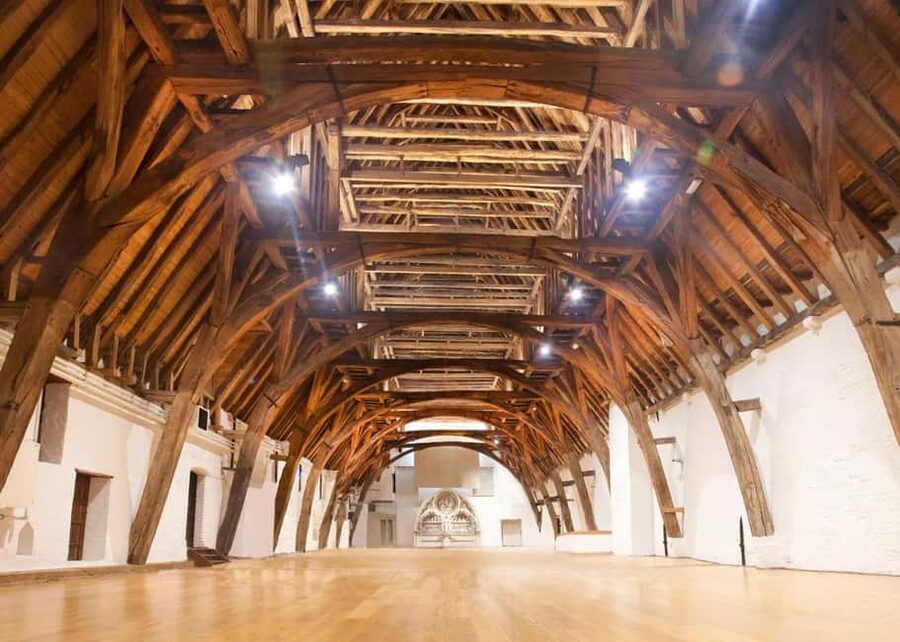
The St John’s Hospital Museum is housed in a hospital that dates back to the 12th century, which is the foundation of the whole experience. As you move through rooms, you’re not just looking at objects in a neutral space. You’re seeing how the building was designed for people who needed shelter and care.
That matters because it changes how you read everything else. When the museum talks about how care and hospitality shaped the place, it isn’t floating in the air. You feel the logic of the architecture and layout, even if you don’t know every term about medieval construction.
Also, if you like historic buildings that are still doing something, this is one. The museum’s focus is on the long human need for compassion, and the site makes that theme believable.
The Memling Connection: Art Made for This Hospital

Let’s talk about the reason many people buy this ticket: Hans Memling. He’s one of the best-known Flemish primitives, and the key point here is that multiple major works were created specifically for St John’s Hospital. They’ve been home to these works since the 15th century.
This is where your visit becomes more than “see famous paintings.” You’re seeing art that was made with a particular community in mind. Memling’s works feel like they belong to the hospital’s mission, not like they were dropped into the building later.
If you want a practical way to enjoy this section, don’t try to rush from painting to painting. Spend time on one or two, then look again at how the museum frames the hospital context. You’ll get more out of the story of why these pieces sat here for generations.
Contemporary Art in the Same Rooms (and Why It’s There)
One of the most interesting parts of this museum is the way it keeps the art program alive with contemporary artists. The museum includes work by Berlinde De Bruyckere and Patricia Piccinini, placed alongside older collections and Memling masterpieces.
That can feel like a jolt at first. But for me, it works because it keeps the hospital theme human and ongoing. The museum isn’t treating “care” as a medieval museum piece frozen in time. It’s showing that empathy, discomfort, identity, and the body are still part of how people process compassion today.
Now the balance: there’s at least one warning sign in how people react to the contemporary mix. Some imagery can come off as odd or even unsettling, especially if you’re sensitive to how the human and animal forms are represented. If you prefer strictly traditional, pretty religious art only, you might find parts of the contemporary gallery less satisfying.
The Apothecary: Where Old Medicine Becomes Real
After the art galleries, the museum makes a sharp shift into a more tangible world: the old hospital pharmacy. You get an authentic 17th-century interior, plus an herb garden.
This stop is often the one people remember later because it’s sensory. Even if you can’t smell every herb perfectly in a modern museum setting, the herb garden idea helps your brain connect medicine with daily growing, drying, mixing, and preparing. It’s a reminder that healthcare used to look and smell very differently than it does now.
It also keeps the pacing smart. After time spent with painting details and modern art concepts, the pharmacy area gives you a calmer “how did this work” experience.
You can also read our reviews of more museum experiences in Bruges





Stories, Testimonies, and the Hospital’s “Care DNA”
A big piece of the museum isn’t just objects. It’s the idea of care and caring woven into the site’s history. The museum includes gripping stories and testimonies related to hospitality and empathy.
For me, this is the part that turns the visit from cultural sightseeing into something more personal. You’re walking through a building that has long served people who needed help, and then the museum connects that history to broader human experiences: needing rest, needing treatment, needing kindness.
If you enjoy museums that explain the human context behind artifacts, you’ll like this approach. If you want only art and nothing else, budget a little extra time anyway, because these story sections are part of why the Memling works feel relevant here.
How Long You’ll Need and How to Pace Yourself
This experience is planned as a 1-day visit with an entrance ticket. Since you’ll be moving through art plus the hospital and pharmacy spaces, give yourself enough time to avoid feeling like you’re collecting rooms rather than experiencing them.
A good pacing style:
- Start with the art galleries while you’re fresh.
- Slow down for the Memling rooms so you can actually look, not just pass through.
- Finish with the apothecary and herb garden when you want something quieter and more grounded.
There’s no need to sprint. The site rewards slower looking, especially for the Memling section where the context matters.
Ticket Value in Real Terms (Not Just the Price)
The ticket price is listed at about $17 per person, and that number feels more reasonable once you understand what’s inside. You’re not paying just for a famous name. You’re paying for:
- Memling’s hospital-linked masterpieces
- medieval hospital architecture as part of the storytelling
- contemporary art additions
- the pharmacy interior and herb garden
For many museums in major tourist cities, you pay similar money for only one “type” of experience. Here, the mix of art + historic care + the apothecary makes the ticket feel more like a full program than a quick stop.
If you’re visiting Bruges for just a day or two, I’d treat this as one of your best-value cultural stops—especially because it uses the building as an attraction, not just a container.
Practical Tips Before You Go
A few rules will save you time and annoyance:
- Don’t bring luggage or large bags.
- Pets aren’t allowed, but assistance dogs are.
- Flash photography isn’t allowed.
- For children, bring a passport or ID card.
The museum is wheelchair accessible, which is a real win if you’re traveling with mobility needs or pushing a stroller.
Also, you’ll want to plan for “hands-on” energy only if you’re expecting it. One review mentions the idea of designing your own artworks, so if you like activities, you might enjoy that kind of creative component—just don’t assume it’s the main event like an art workshop.
Who Should Book This Museum (and Who Might Not)
Book it if you:
- love Flemish art and want Memling in a meaningful setting
- like medieval buildings that still make emotional sense
- enjoy when a museum puts old and new art in conversation
- want a slower, caring-themed visit away from the loudest parts of Bruges
You might reconsider if you:
- strongly dislike contemporary art themes that can feel strange or unsettling
- want only classic painting without any modern contrasts
- plan to arrive with big bags or pets (the rules are clear)
Should You Book Bruges: Ticket Museum Sint-Janshospitaal?
Yes, I’d book this if you want a Bruges experience that feels human, not just scenic. The Memling connection is a real anchor, the hospital setting gives it credibility, and the apothecary stop is a satisfying change of pace.
If you’re the type who loves context—why art was made, where it lived, and what the building meant—you’ll get your money’s worth quickly. If you know contemporary art upsets your comfort level, spend extra attention in the older sections and treat the modern galleries as optional rather than mandatory.
FAQ
How long is the Bruges Ticket Museum Sint-Janshospitaal visit?
The experience is listed as valid for 1 day, so you can plan your visit within that day based on available starting times.
What does the ticket include?
Your ticket includes entrance to the St John’s Hospital Museum.
Is free cancellation available?
Yes. Free cancellation is offered up to 24 hours in advance for a full refund.
Can I pay later?
Yes. You can reserve now and pay later, keeping your plans flexible.
Is it wheelchair accessible?
Yes. The museum is wheelchair accessible.
Are pets allowed inside?
Pets are not allowed, but assistance dogs are allowed.