REVIEW · LAS VEGAS
Atomic Museum Admission Ticket
Book on Viator →Operated by Atomic Museum · Bookable on Viator
Las Vegas gets all the attention, but this stop tells a different story. You’re paying for mobile ticket ease and walking through atomic development artifacts you almost never see outside this setting. It’s the kind of museum that turns big-picture headlines into objects, photos, and context you can actually process.
What I like most is how the museum connects the Nevada Test Site and the nation’s nuclear weapons program to the real decisions, secrecy, and science of the era. I also appreciate the learning options, from reading placards at your pace to adding more context through a guided experience with headphones.
One thing to keep in mind: the exhibit experience can feel dated to some people, and if you want only bomb details, you may wish there were more focused sections.
In This Review
- Key things to know before you go
- Why this Atomic Museum ticket is worth your time in Vegas
- Ticket value: $29 mobile admission and what you’re really paying for
- Your main stop: the National Atomic Testing Museum exhibits
- A quick note on the vibe
- What you’ll see about WW2-era development (and why it matters)
- The tech sections: cryptography, rocket engines, and more
- Pop culture artifacts: why the atomic age keeps showing up
- How long to stay, and how to choose your pace
- Getting there and timing it in a Vegas day
- Who should buy this $29 Atomic Museum ticket
- Should you book this Atomic Museum ticket?
- FAQ
- What is included with the Atomic Museum admission ticket?
- How long should I plan to spend at the museum?
- What are the museum hours in Las Vegas?
- Do I need to print a ticket?
- Are service animals allowed?
- Is the ticket refundable if I cancel?
Key things to know before you go
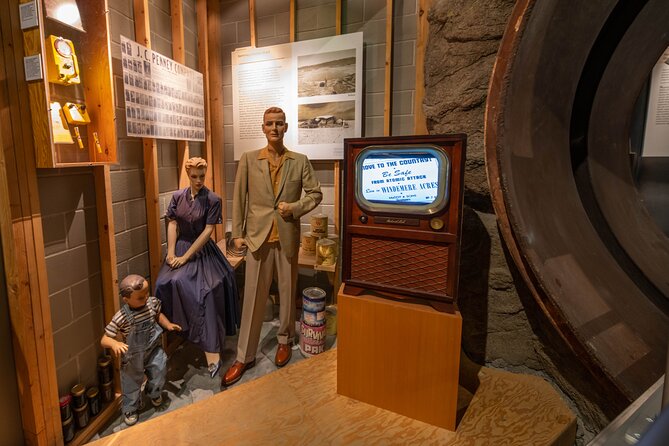
- $29 mobile admission is simple to use and usually saves money compared with buying later
- You’ll learn how the museum frames the Nevada Test Site and the Manhattan Project era
- Expect tech and science threads like WW2 bomb development, rocket engines, and even cryptography
- There’s room for a slower read-through, which helps if you like photos and placards
- It can feel more informational than dramatic, so set expectations for a museum-first visit
Why this Atomic Museum ticket is worth your time in Vegas
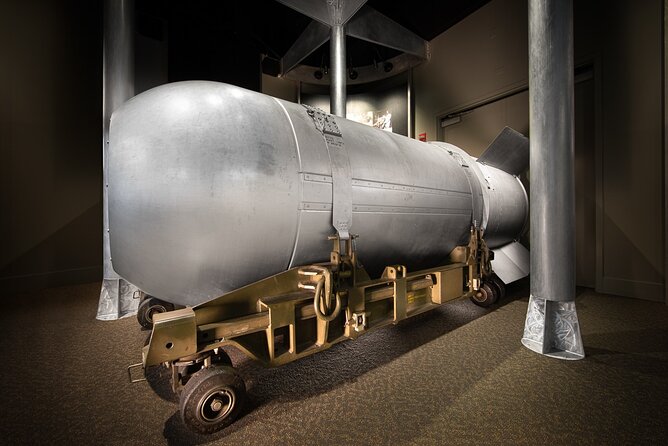
If your Vegas plan is all neon and buffets, the Atomic Museum is a smart left turn. It’s not trying to be entertaining in the casino sense. It’s trying to educate you about how the United States developed atomic weapons, and how the Nevada Test Site shaped that story.
The value here is that you’re buying access to a museum designed to preserve and explain a very specific national chapter. That focus matters. Instead of skimming general history, you get artifacts and exhibit panels built around the nuclear testing program and its impact. You also get the chance to see the pop-culture echoes of that era, which helps you understand why the atomic age still shows up in movies, books, and conversation decades later.
If you’re a fan of the modern wave of attention on this topic, the museum is a great companion stop. You’ll see how the era looked on the ground—through exhibits, text, and visual material—rather than only through a big-screen storyline.
A few more Las Vegas tours and experiences worth a look



Ticket value: $29 mobile admission and what you’re really paying for
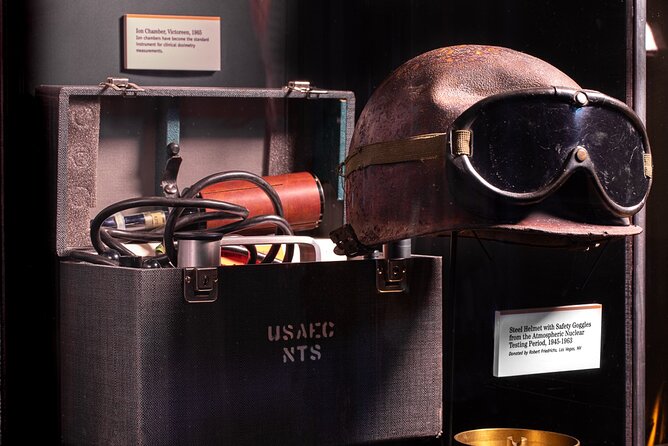
The ticket price is $29 per person, and you’re getting admission included for about 1 to 2 hours. On paper, that sounds like a quick museum stop. In practice, it’s a good length for getting the main points without getting exhausted halfway through.
Here’s the part that makes it feel like a deal: you can often pay more if you show up later. One of the best practical tips from people who have compared prices is to buy in advance because walk-in options can cost substantially more, especially if you want guided touring with headphones. With the $29 ticket, you’re paying less up front and still getting access to the core exhibits.
Also, the mobile ticket approach is a real convenience. Vegas can mean last-minute decisions, traffic decisions, and lineup decisions. A ticket that’s ready on your phone helps you keep your day from turning into a hunt for paper tickets and confirmations.
One caution for value-minded visitors: if you know you want more structure, plan for how you’ll experience the museum. The museum experience can be self-paced, but there’s also a guided option with headphones, and that may change how you spend your money and time.
Your main stop: the National Atomic Testing Museum exhibits
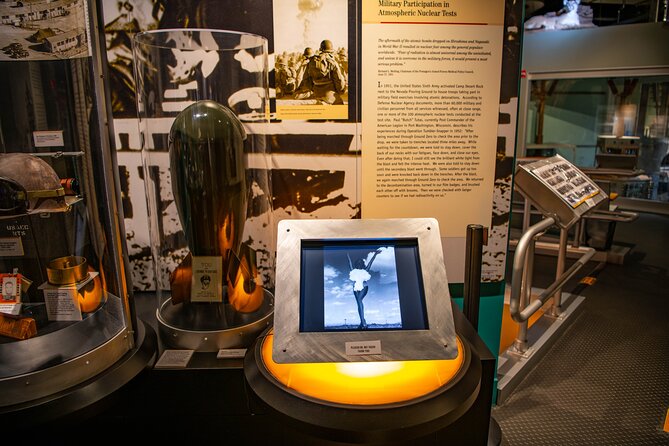
This is the heart of the experience: the Atomic Museum, operated under the mission of the Nevada Test Site Historical Foundation and charged by Congress to preserve and educate about the nuclear testing program. That mission shows up in the way the exhibits are organized—less like a theme park, more like a carefully built educational sequence.
You’ll walk through galleries that connect:
- the Manhattan Project era and WW2-era development,
- the test-site story tied to the nation’s nuclear weapons program,
- and the science and technology that sat behind the headlines.
What makes this museum feel different from a generic history museum is the level of specificity. Instead of only explaining outcomes, the displays try to show you process: how ideas became hardware, how testing worked as policy and practice, and how people handled secrecy and political pressure. That’s a lot to pack into an hour or two, so pacing matters.
A quick note on the vibe
This museum can feel surprisingly eerie, not because it tries to shock you, but because of the subject matter and the way exhibits create a reflective mood. If you want a light, funny break from Vegas, this isn’t that. If you want a grounded, thoughtful visit, it fits well.
What you’ll see about WW2-era development (and why it matters)
One of the standout threads in the museum is the section tied to US atomic bomb development during WW2. This is where the story starts to feel concrete. You’re not just hearing about the bomb as a concept; you’re seeing how the era’s engineering, decision-making, and scientific thinking connected to what was tested and why.
This part is valuable because it answers a common question people have after watching modern films: how did it become real? The museum helps close that gap by showing the chain of work behind the scenes—politics and secrecy included.
If you’re the type of visitor who likes to read, you’ll probably slow down here. If you’re the type who prefers quick glances, you can still get the gist, but the museum rewards attention to placards and details.
A practical tip: take a few minutes early to orient yourself. There’s also a video presentation option mentioned as a highlight by visitors, and that can help you decode what you’re looking at once you start moving through the galleries.
You can also read our reviews of more museum experiences in Las Vegas






The tech sections: cryptography, rocket engines, and more
The museum doesn’t treat atomic history as only politics and mythology. It also includes the science side and the supporting technology that had to work for the program to function.
Two topics specifically get attention:
- a cryptographic section
- and a section connected to rocket engines and related technical material
Why does this matter to you as a visitor? Because it broadens the idea of what “atomic development” includes. It’s not only about building a device. It’s also about communication, information handling, systems design, and the engineering ecosystem around weapons research and testing.
If you come from a film background, these exhibits are especially interesting because they fill in gaps. Films often focus on a few characters and big events. The museum shows how the effort depended on many moving parts, not just one plot point.
Pop culture artifacts: why the atomic age keeps showing up
Atomic history has seeped into culture in a strange way. Even people who don’t study nuclear history still absorb atomic-age references through art, design, and media.
That’s why the museum’s pop culture paraphernalia section can be a surprisingly helpful part of the visit. It acts like a bridge between formal history and everyday cultural memory. You get to see how the era stayed present, not just as a past event but as an ongoing influence.
I like this part because it helps you leave with perspective. You stop treating the atomic age as a closed chapter and start noticing how it shaped themes, fears, and symbols that still echo today.
How long to stay, and how to choose your pace

Plan on 1 to 2 hours. That’s enough time to read key panels and see the main galleries without feeling like you need a half-day commitment. If you’re the slow, careful museum reader, you’ll likely land closer to the longer end.
You’ll have at least two ways to experience the exhibits:
- Self-paced browsing, where you can go back to photos and placards you want to read closely
- A guided option with headphones, which adds extra structure and explanation
If you’re unsure which to pick, match it to your motivation:
- If you want to control pacing and reread details, self-paced is the easiest route.
- If you want more interpretation so you don’t have to connect every dot yourself, headphones add value.
A heads-up based on practical feedback: some visitors recommend renting or using headphones because it can turn your visit from reading about the topic to understanding it more quickly. If you usually skip museum audio, don’t assume this one is the same. The subject is technical and political, and guidance can help you stick the landing.
Getting there and timing it in a Vegas day
The museum is open 9:00 AM to 5:00 PM, Monday through Sunday. That makes it workable for both a morning start and an afternoon reset from the Strip.
It’s also near public transportation, which is a plus if you don’t want to rely on rideshares all day. Vegas distances are real, so having an easy transit option can save time and stress.
For scheduling: try to avoid stacking too many “heavy thinking” activities back-to-back. This museum can slow your brain down in a good way, but it’s still intense subject matter.
If you want a clean day flow, go early enough that you’re not rushing your last hour. The exhibits and photos reward time. If you hit the museum at the end of your energy budget, you may end up skimming instead of learning.
Who should buy this $29 Atomic Museum ticket
This visit is a strong fit for:
- history-minded couples looking for something different than casinos
- solo travelers who like museums with clear themes
- people watching or planning to watch atomic-era stories and want real-world context
- anyone curious about how secrecy, science, and politics intersected in the nuclear age
It’s also a good value stop if you want a structured education session that doesn’t require a full day. At $29, you’re not paying “big tour” money for a quick hit of education you’ll remember.
The main mismatch is for visitors who want a fast, bomb-only story with minimal broader context. The museum covers more than just the simplest version of atomic weapons history, and that can feel like extra for some people.
Should you book this Atomic Museum ticket?
Yes, I think you should book it if you want a real, focused museum stop in Las Vegas that’s priced fairly and doesn’t eat your whole day. The mobile ticket makes it easy to commit without friction, and the 1 to 2 hour length is ideal for fitting into a busy itinerary.
I’d skip or reconsider if you only want a tight sequence about bomb mechanics and nothing else. If you’re drawn to the bigger story—WW2 development, test sites, and the supporting tech—this ticket is a solid choice.
If you’re the type who likes to read placards and look closely at photos, you’ll likely get the most out of it.
FAQ
What is included with the Atomic Museum admission ticket?
Your purchase includes an admission ticket to the Atomic Museum and entry to the exhibits.
How long should I plan to spend at the museum?
Most visits take about 1 to 2 hours.
What are the museum hours in Las Vegas?
The museum is open 9:00 AM to 5:00 PM, Monday through Sunday.
Do I need to print a ticket?
No. You’ll receive a mobile ticket.
Are service animals allowed?
Yes, service animals are allowed.
Is the ticket refundable if I cancel?
No. The experience is non-refundable and cannot be changed for any reason.