REVIEW · BRUGES
Bruges: Musea Brugge Card with Entry to 11 Museums
Book on GetYourGuide →Operated by Musea Brugge · Bookable on GetYourGuide
Bruges gives you instant wow, and this pass turns it into a plan. The Musea Brugge Card is a 72-hour ticket that gets you into 11 museums and monuments around town, so you spend less time buying tickets and more time looking closely. I like that it covers both big-name highlights and smaller, quirky sites that explain how Bruges lived—so your visit feels more like understanding the city than just checking boxes.
Two of my favorite reasons to buy it: climbing the Belfort (Belfry) with the 366 steps for a real bird’s-eye view, and then shifting gears to art and faith at the Groeninge Museum and the Museum of the Church of Our Lady, including Michelangelo’s Madonna and Child. The one drawback to consider is timing—some places have winter closures or shorter hours, so your “I’ll do it tomorrow” strategy can backfire.
In This Review
- Key things I’d plan around
- Musea Brugge Card: 11 Stops in 72 Hours, Without the Ticket Hassle
- Your Best 3-Day Route: Clustered Walks and When to Start
- Belfort and Stadhuis: The 366 Steps View plus City Power
- Groeninge Museum and Church of Our Lady: Flemish Primitives to Michelangelo
- Brugse Vrije, Gruuthuse, and Gezellehuis: Meet Bruges’ People
- St John’s Hospital and Sint-Janshospitaal Mill: Medicine, Work, and Winding Stairs
- O.L.V.-ter-Potterie and Volkskundemuseum: Daily Life Details
- Price and Value Math for a $38 Pass
- Common Snags to Watch For (Winter Hours, Wheelchair Access, and Closings)
- Who Should Buy This Card
- Should You Book? Quick Decision Guide
- FAQ
- How long is the Musea Brugge Card valid?
- How many attractions are included?
- Can I start at any museum or do I need a specific meeting point?
- Do I need to reserve for the Belfort?
- How do I use the card at each site?
- Can I activate the card long after purchase?
- Is the Sint-Janshuismolen mill open year-round?
- Are pets and luggage allowed?
- Are there any photo rules?
Key things I’d plan around
- Belfort time slot matters: Reserving online for your preferred slot is recommended.
- You can start anywhere: Scan your voucher at the entrance, no fixed tour start needed.
- One card, 11 cultural stops: From Flemish Primitives to archaeology, folklore, furniture, and more.
- Winter changes the equation: Sint-Janshuismolen (the mill) opens April 1, and opening hours are shorter.
- Not every site is equally accessible: Gruuthusemuseum isn’t wheelchair accessible.
- QR entry is the whole workflow: No paper tickets, just scan and go.
Musea Brugge Card: 11 Stops in 72 Hours, Without the Ticket Hassle
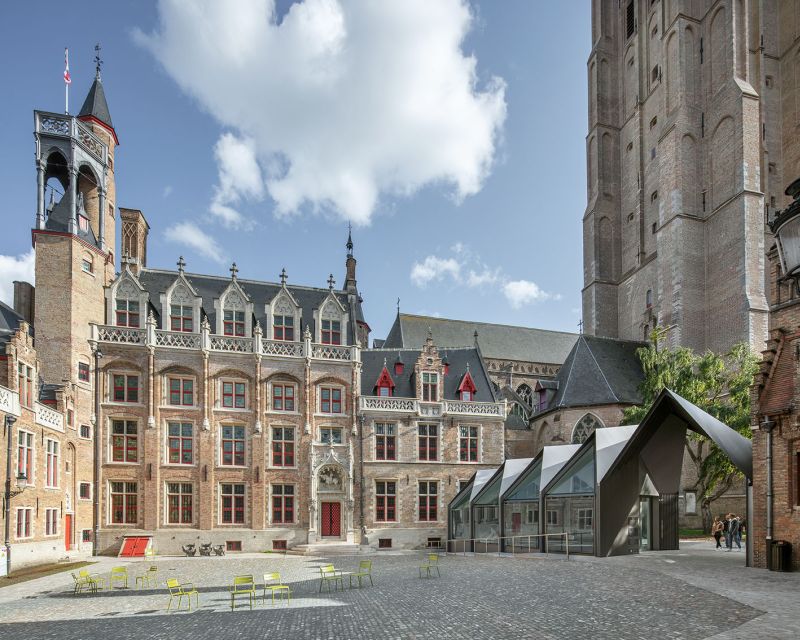
This pass is built for people who want Bruges to be an active visit, not a “we wandered until things got crowded” day. For about $38 per person, you get one-time entry to 11 key attractions over 3 days, with the big practical benefit that you can skip the ticket line.
What I like most is how the card shapes your decisions. When admission is bundled, you don’t hesitate to step into the next museum because it might be worth it—or because you’ll “only have time for one more.” Instead, you can follow your mood: art one hour, local culture the next, then a historical monument that helps you read the city’s architecture with better context.
Also, the card is simple to use. You activate it and then, at each location, you scan your voucher at the entrance. You can activate up to 1 year after purchase, which gives you some flexibility if your plans shift.
You can also read our reviews of more museum experiences in Bruges

Your Best 3-Day Route: Clustered Walks and When to Start
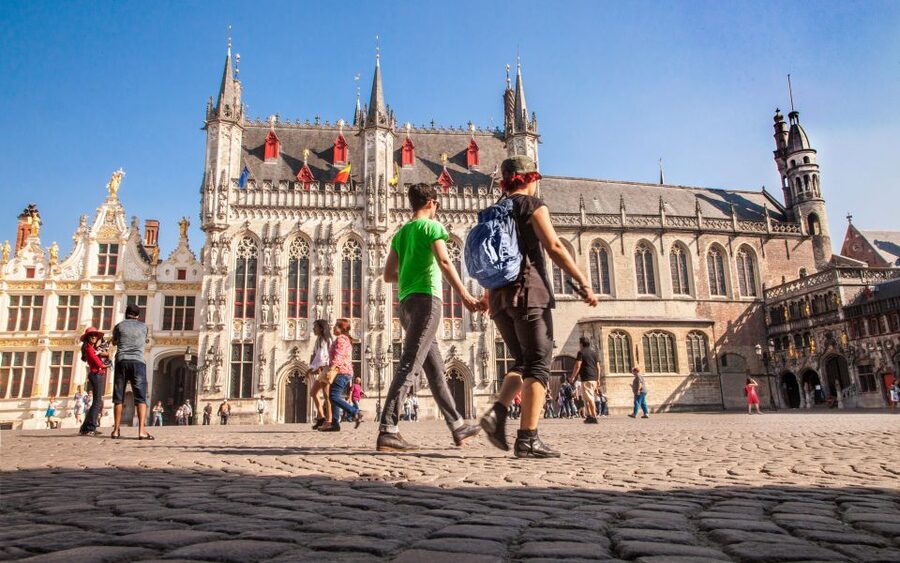
Bruges is compact, and these sites are close enough that a walking route makes sense. You can start at the Museum Pavilion (the main ticketing center), but you don’t need to “check in” there first. You can start at any museum or attraction of your choice and just scan your voucher on arrival.
Here’s how I’d think about your 72 hours:
- Day 1 (core monuments + major art): Begin with the Belfort area and City Hall vibe, then move into the museum cluster nearby.
- Day 2 (deep Bruges culture): Use the card for the Church of Our Lady Museum and Groeninge Museum, then add Brugse Vrije and other heritage houses.
- Day 3 (life and work museums): Finish with St John’s Hospital and the Volkskundemuseum, plus the mill if it’s in season.
Real talk: many museums close around the same time. If you like to linger, give yourself early starts. If you’re visiting in winter, expect shorter opening windows. And if your trip includes a Monday, I’d double-check opening hours for Gruuthusemuseum and Museum Sint-Janshospitaal, since closings can happen on certain days.
Belfort and Stadhuis: The 366 Steps View plus City Power
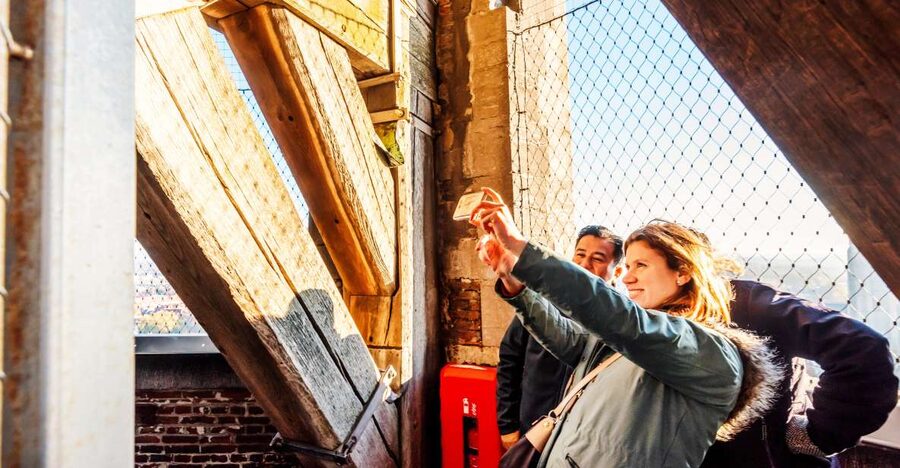
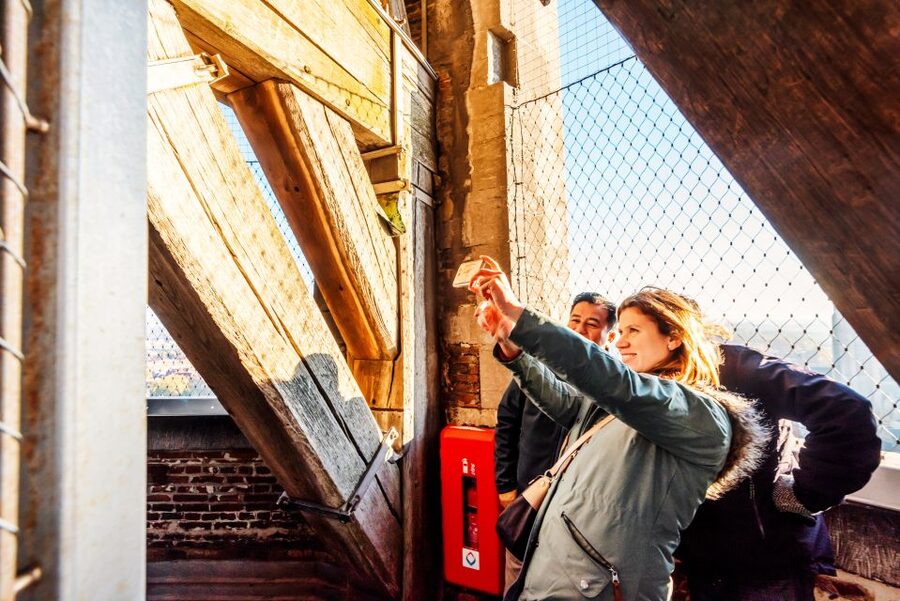
Start with Belfort (Belfry and Carillon) because it changes how you see Bruges. The big detail is the 366 steps—it’s not a casual climb, but it’s the kind of effort that pays off. When you reach the top, you get a panoramic view that helps you understand why Bruges’ medieval buildings still look so impressive from every angle. It’s also a good “reset” between museum rooms: one climb, then you’re ready to look at art and artifacts with sharper context.
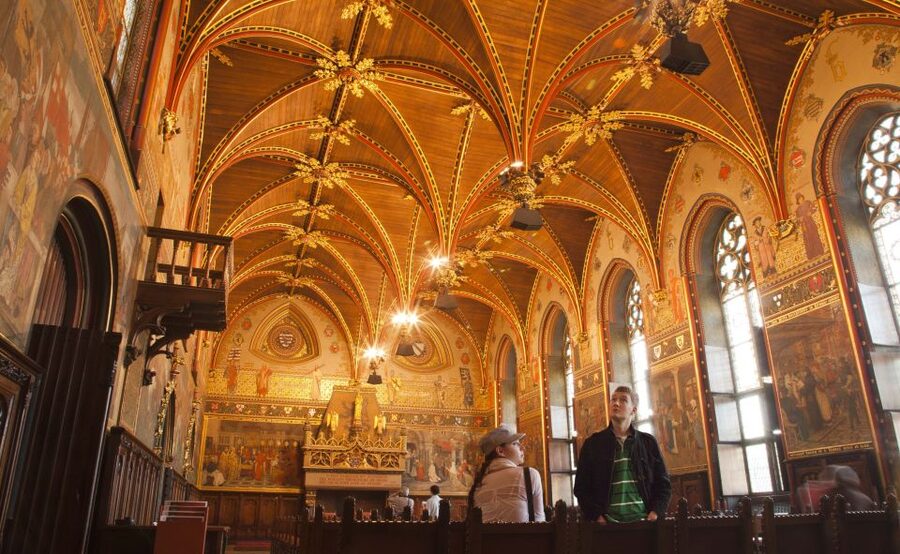
Right nearby, don’t skip Stadhuis (City Hall). It’s included, and it’s the kind of place that makes Bruges feel like it ran on civic pride. There’s an audiovisual display there showing Bruges’ development, which is a smart way to connect dates and buildings instead of treating the city like a photo backdrop.
Two practical tips for Belfort:
- Reserve a time slot online if you can. This is specifically recommended for the Belfort reservation at www.museabrugge.be/museabruggecard.
- Wear shoes you trust. The climb is straightforward, but you’ll appreciate not thinking about foot grip the whole way.
Groeninge Museum and Church of Our Lady: Flemish Primitives to Michelangelo
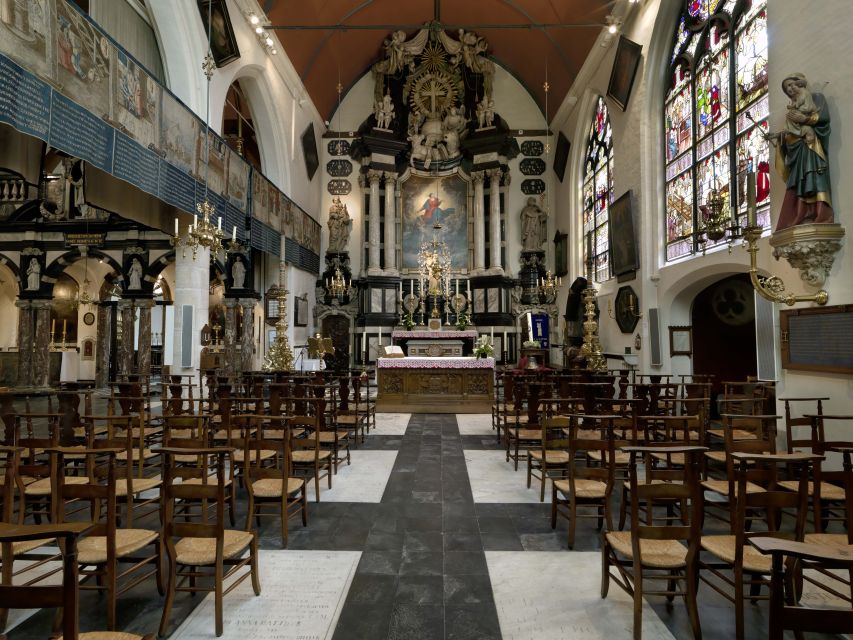
Bruges art has a particular flavor, and Groeningemuseum (Groeninge Museum) is where you feel it. This is where you go for paintings by Flemish Primitives—that term matters because the style isn’t just “old art,” it’s a whole approach to detail, faces, light, and religious scenes.
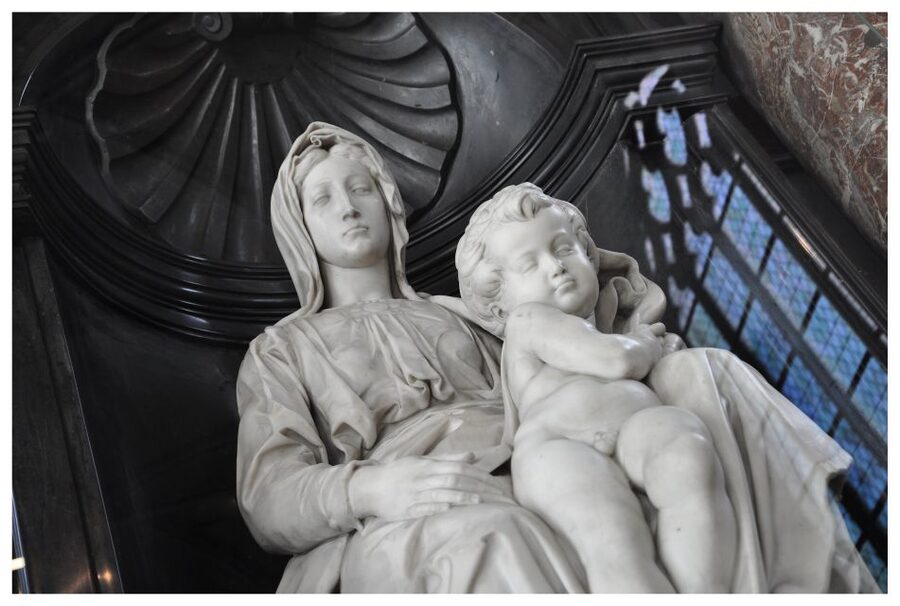
Then pivot to the O.L.V.-kerk Museum (Museum of the Church of Our Lady). The headline for many visitors is Michelangelo’s Madonna and Child. Even if Renaissance masterpieces aren’t your usual thing, this stop is powerful because it’s tied to place—church art isn’t just displayed, it’s framed by the building and setting.
If you do these two back-to-back, you get a neat contrast:
- Groeninge helps you read Flemish painting techniques and how local artists worked.
- The Church of Our Lady Museum connects you to religious art that feels both intimate and monumental.
One smart move: use the museum audio options. The Musea Brugge website offers free audio tours for each location, and it can make your time feel less like “seeing rooms” and more like “understanding why those rooms exist.”
Brugse Vrije, Gruuthuse, and Gezellehuis: Meet Bruges’ People
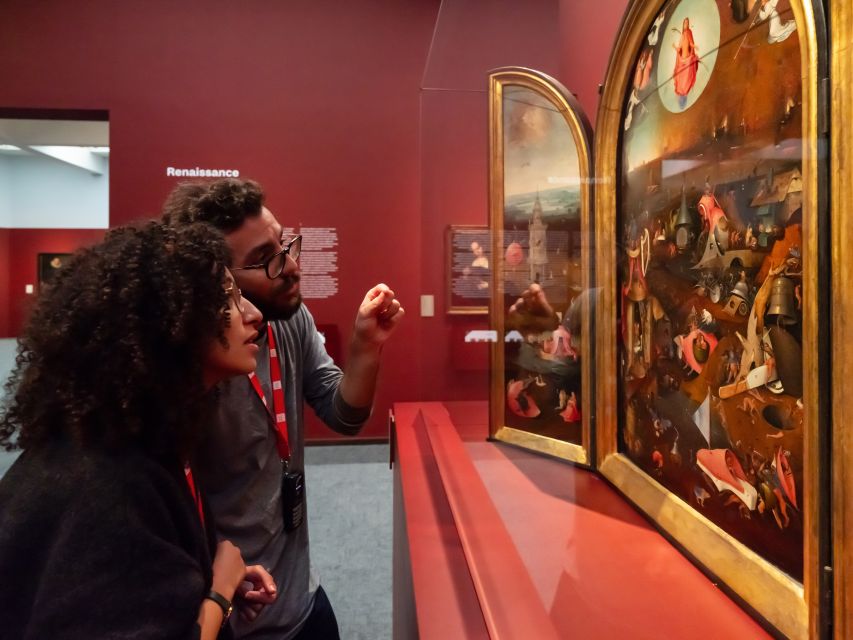
Not every included stop is a traditional museum with huge galleries. That’s part of the charm. Brugse Vrije (Liberty of Bruges) gives you a sense of how the city organized itself and protected its identity—think civic power and governance, not just decorative history.
Gezellehuis (House Gezelle) is a different flavor: it focuses on people and culture tied to Bruges. If you like learning how local authors and traditions shaped daily life, it’s a good palate cleanser between bigger art halls.
Then there’s Gruuthusemuseum. It’s included, and it’s the kind of place where you expect more material about life, objects, and status. One caution: Gruuthusemuseum is not wheelchair accessible, so if mobility access matters for you, plan alternatives and ask staff on arrival if you can’t reach the exhibits you want.
If you’re trying to get beyond “pretty medieval streets,” these stops help. They answer the question you might not realize you’re asking: who actually made Bruges run, and what did they value enough to collect, build, and preserve?
St John’s Hospital and Sint-Janshospitaal Mill: Medicine, Work, and Winding Stairs
Two of the most memorable experiences on the card are Museum Sint-Janshospitaal (St John’s Hospital) and Sint-Janshuismolen (Sint-Janshuis Mill).
St John’s Hospital tends to grab people because it’s not only about medicine as a topic—it’s also about the human side of care and how institutions worked. You’ll see archaeological and cultural material alongside the hospital’s story, which makes it feel grounded and practical. It’s also a stop where you’re likely to slow down. The exhibits are set up so you can focus on details instead of racing from one “must-see” to the next.
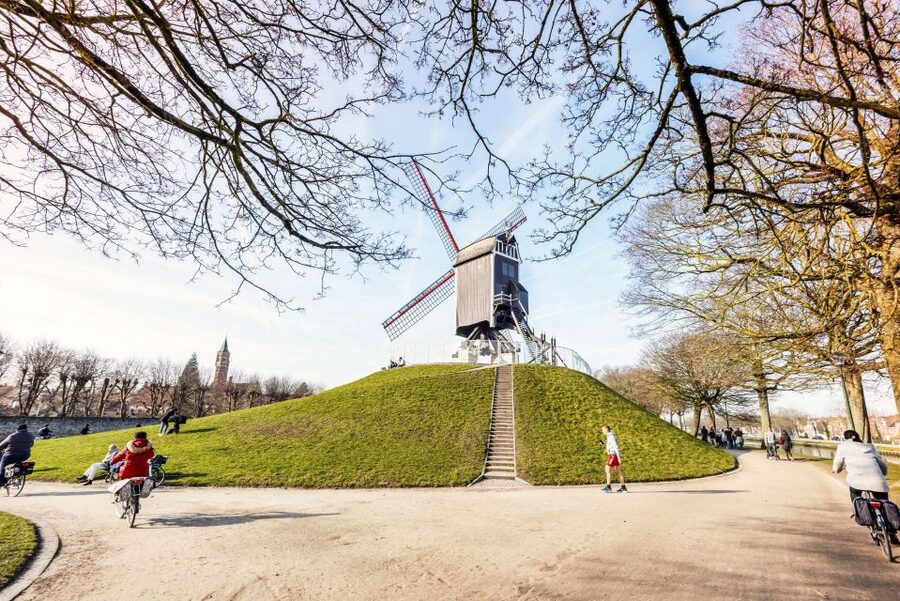
The mill is a different kind of challenge. It’s included, but here’s the big scheduling detail: the mill is closed during winter and opens April 1. So if you’re visiting before that, you’ll want to swap it for another included site or a plan outside the card.
If you’re in season, expect a climb vibe and take it seriously. One reason people get excited about it is that it’s physically memorable. You’ll earn your views and your photos, and the experience connects you to how people used water and wind for real work.
O.L.V.-ter-Potterie and Volkskundemuseum: Daily Life Details
To balance out the famous names, Bruges also rewards you for slowing down into small, specific stories. The card includes O.L.V.-ter-Potterie (Church of Our Lady of the Pottery), a site that adds another layer to the city’s religious landscape and local identity. It’s the sort of stop that works best when you’re not trying to cram it between two huge museum rooms. Give it space, then let the smaller details land.
Then hit the Volkskundemuseum (Museum of Folk Life). This is one of those included attractions that makes the whole trip feel more “lived-in.” You’ll get insight into traditions and everyday culture, which helps you see Bruges not just as a medieval postcard, but as a place where people had rituals, roles, and objects that mattered to them.
The best part about ending with folk and daily life museums is mental. By then, you’ve already seen buildings and art. Now you get to understand the people behind them—what shaped their habits, beliefs, and community life.
Price and Value Math for a $38 Pass
At $38 per person for 3 days, this card makes the most sense if you plan to do at least 3 museums/sites. That’s the tipping point where bundled admission starts to beat paying individually.
There’s also a second layer of value that’s hard to measure with numbers: the card encourages you to keep moving through the city’s best cultural stops without the pause of buying tickets each time. Even if you end up visiting “only” 4 or 5 sites, the time saved from skipping lines and using QR entry can make your days feel smoother.
And remember: some included stops are more “site museums” than huge art collections. That doesn’t make them bad. It just means they may take less time than you expect. If you’re the type who likes quick, rewarding stops, you’ll do well with this card. If you want only big gallery-style museums, you might find yourself wishing for more time in fewer places.
Common Snags to Watch For (Winter Hours, Wheelchair Access, and Closings)
A few practical realities can affect how happy you feel on day one.
Winter closures and shorter hours
- The Sint-Janshuismolen mill is closed in winter and opens April 1.
- Opening hours are shorter in winter across the board, so plan earlier starts.
Accessibility
- Gruuthusemuseum isn’t wheelchair accessible. If you need step-free routes, build your plan around what you can access comfortably.
Time clustering
- Many of these sites close around the same time. If you like to linger in museums, don’t leave your “big” stops for the last hour of the day.
Rules that can surprise you
- No large bags or luggage.
- Pets aren’t allowed (assistance dogs are fine).
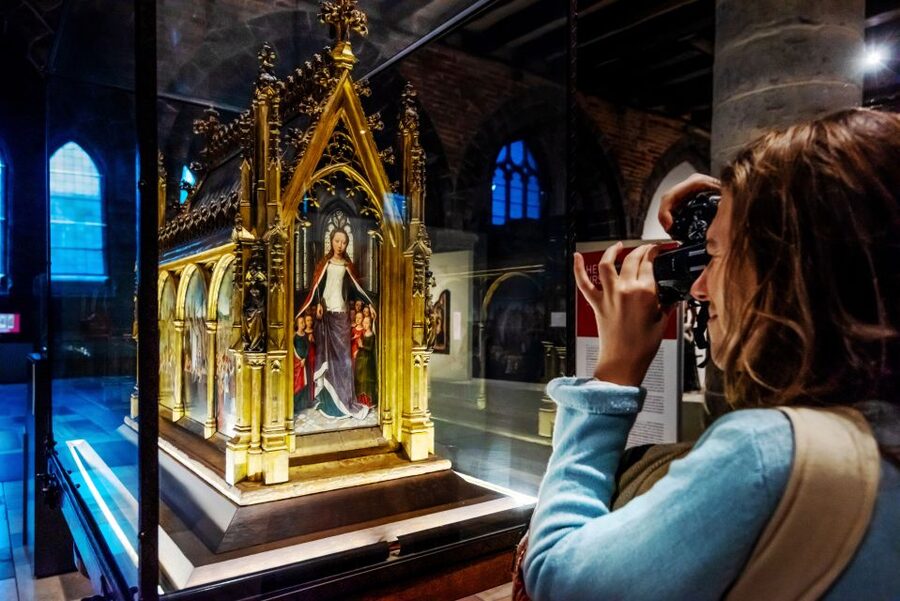
- Flash photography is not allowed.
Finally: the Belfort experience is better with forethought. Reserving a Belfort time slot online helps you avoid planning stress.
Who Should Buy This Card
This pass is ideal for you if:
- You want to see major Bruges highlights and also add context through smaller heritage sites.
- You like doing art and culture at a steady pace for 3 days, not just one.
- You’d rather pay once and keep options open than decide today which museums are worth it.
It’s less ideal if:
- You only want a couple of very large, gallery-heavy museums and hate short stops between them.
- You visit in the off-season and especially want the mill included. In that case, you’ll need a winter backup plan.
If you’re traveling solo, with a couple, or as a family group that can handle steady walking, this card fits well. If mobility access is central for you, you’ll want to plan around the one clearly noted accessibility limitation.
Should You Book? Quick Decision Guide
If your Bruges plan includes the Belfort climb and at least a couple of museums like Groeninge Museum or the Church of Our Lady, I think the Musea Brugge Card is an easy yes. The price works when you commit to a real multi-stop visit, and the QR entry system keeps your days from getting bogged down.
Book it if you want structure without a guided group. Don’t overbook yourself, though—start early, leave room for slower looking, and check winter opening hours before you lock in your exact dates. If you do that, you’ll come away feeling like you understood Bruges, not just photographed it.
FAQ
How long is the Musea Brugge Card valid?
It’s a 72-hour card, designed for 3 days. You’ll want to check availability for starting times.
How many attractions are included?
The card includes entry to 11 museums and monuments in Bruges, including Belfort, City Hall, Groeninge Museum, Museum of the Church of Our Lady, and more.
Can I start at any museum or do I need a specific meeting point?
You can go to the Museum Pavilion for main ticketing, or you can start at any museum or attraction of your choice.
Do I need to reserve for the Belfort?
A reservation for the Belfort time slot online is recommended. You can do it at www.museabrugge.be/museabruggecard.
How do I use the card at each site?
You can activate your voucher and then scan it at the entrance at each attraction. A QR scan is used for entry.
Can I activate the card long after purchase?
Yes. You can activate your Musea Brugge card up to 1 year after purchase.
Is the Sint-Janshuismolen mill open year-round?
No. The mill is closed during winter and opens April 1.
Are pets and luggage allowed?
Pets are not allowed (assistance dogs are allowed). Luggage or large bags are also not allowed.
Are there any photo rules?
Yes. Flash photography is not allowed.