REVIEW · CAPITOLINE MUSEUMS
Rome: Capitoline Museums and Centrale Montemartini Tickets
Book on GetYourGuide →Operated by TOURISTATION · Bookable on GetYourGuide
One ticket, two very different kinds of Rome. You’ll move between the Capitoline Museums’ famed collections and the industrial drama of Centrale Montemartini, where ancient sculpture sits inside a former thermoelectric power plant.
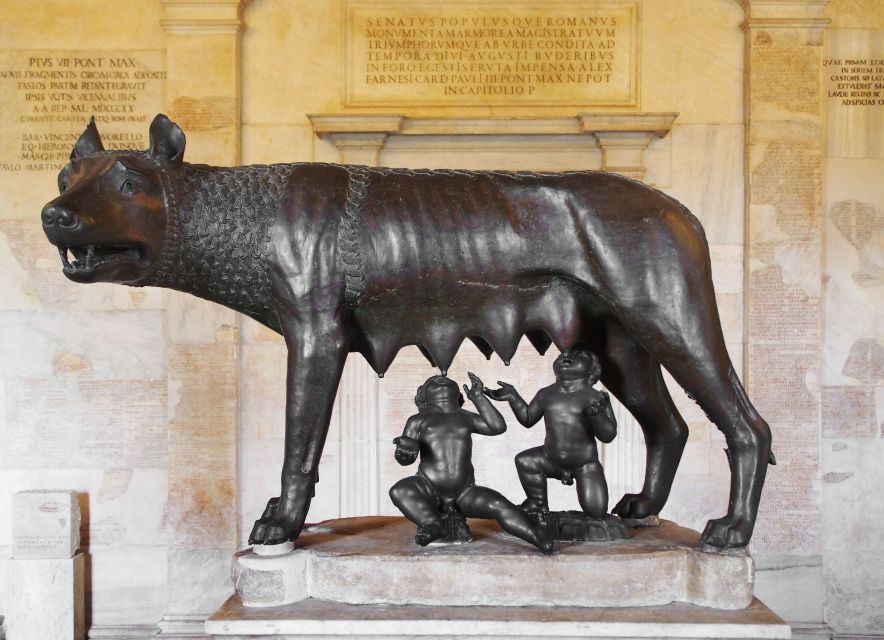
I especially like the way the museum layout gives you quick “wow” moments, like the central piazza between the Roman Empire Museum buildings. I also love seeing the She-wolf of Rome tied directly to the legend of Romulus and Remus, plus the museum’s display of objects that explain Rome’s rise as Caput Mundi.
If you choose the combined option, the main thing to plan for is the spacing: Centrale Montemartini is about 10 minutes by car or 30 minutes by public transportation away, and transfers aren’t included.
In This Review
- Key highlights to clock in fast
- Capitoline Museums vs. Centrale Montemartini: what you’re really buying
- Where to redeem your voucher at TOURISTATION ARACOELI
- Entering the Capitoline Museums: the Roman Empire Museum experience
- The artifacts that connect you to Rome’s story
- Michelangelo’s buildings and the Forum view
- How long should you spend here?
- Centrale Montemartini: Rome’s power plant museum (and how to enjoy it)
- What you’ll see inside
- How to fit it into your day (important logistics)
- A great reason to go even if you’re not an “industrial” person
- The museum tools included: audio guide, Wi‑Fi, and the app
- What the ticket gives you (and what it doesn’t)
- Real-world friction points: how to avoid a stressful entry
- Who this works best for
- Should you book this Capitoline + Centrale Montemartini ticket?
- FAQ
- Where do I redeem my voucher?
- How long does the experience take?
- What do I get for Capitoline Museums?
- If I choose the combined option, do I get Centrale Montemartini too?
- Is there a guided tour included?
- Is there free cancellation?
Key highlights to clock in fast
- Central piazza views: Use the open space between the Roman Empire Museum buildings to reset and orient yourself.
- The She-wolf of Rome: One of the most recognizable Rome symbols, grounded in the city’s founding legends.
- Michelangelo’s Forum outlook: The architecture above the Forum gives you an easy mental map of where Rome’s power sat.
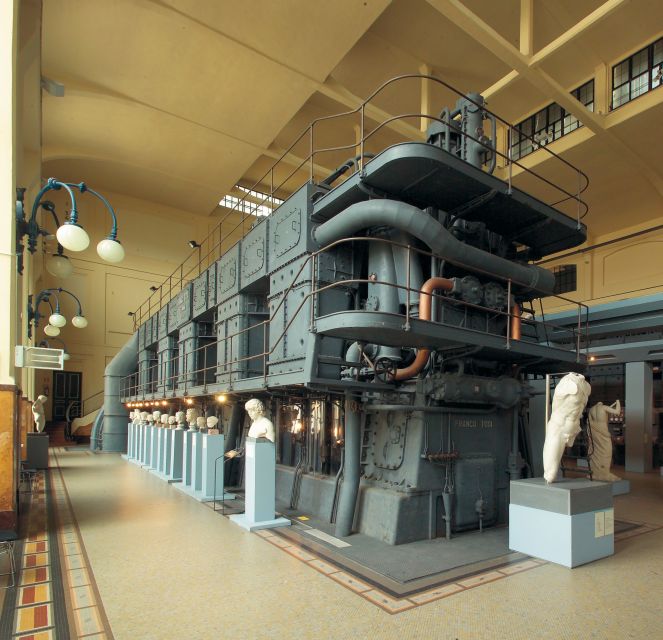
- Centrale Montemartini’s power-plant setting: Roman sculpture framed by real industrial bones.
- The Machines and the Gods exhibition (1997): The museum’s famous concept hinges on classical art next to machinery-era remnants.
- Free audio guide + Wi‑Fi on your phone: You can slow down on your own schedule without feeling lost.
Capitoline Museums vs. Centrale Montemartini: what you’re really buying
This ticket is about more than “see a few rooms.” It’s a structured way to understand how Rome keeps rewriting itself in different physical spaces.
The Capitoline Museums—often called the Roman Empire Museum—are where you go for artifacts and art that connect you to Rome’s story in a straight line: from legend and early civic identity to imperial scale. The big idea is that a major collection became permanently accessible to the people of Rome in 1734, when Pope Clement XII made that push. That matters because it shapes the museum’s role: you’re not just viewing objects, you’re walking through a place designed to hold the city’s identity for the public.
Centrale Montemartini is a totally different lesson. It’s Rome’s first public thermoelectric power plant, later converted into a museum. Instead of white gallery walls, you get the tension of classical sculpture displayed inside an old industrial setting. The exhibition concept named The Machines and the Gods (from 1997) is essentially the point: you’re meant to compare two worlds—classical art and industrial archaeology—without them blending into each other.
The value of booking this as a combined experience (if you’re doing both) is that it changes how you interpret what you’re seeing. You’ll likely catch yourself thinking about the city’s past as a living system—adapted, reused, and re-presented—rather than a frozen photo.
Where to redeem your voucher at TOURISTATION ARACOELI
Before you enter the museums, you’ll redeem your voucher at TOURISTATION ARACOELI, piazza d’Aracoeli 16. There’s a simple visual cue: a fountain and orange flags are in front of the office entrance. That’s helpful when you’re arriving in Rome and you don’t want to waste time cross-checking streets.
This stop is also where the provided experience includes assistance at the Touristation Office. That support matters because museum tickets can be a headache if the date or selection doesn’t match what’s expected.
Practical tip: once you get your paper/ticket confirmation, double-check that it matches your reserved date. One of the issues highlighted in real-world feedback was a date mismatch on the ticket, which caused a tense moment at entry when staff saw a different month than expected. It wasn’t a “museum problem,” it was a ticket detail—so verify early and you’ll protect your day from avoidable stress.
Entering the Capitoline Museums: the Roman Empire Museum experience
Plan on using the 3–5 hour time window to actually look, not just pass through. The Capitoline Museums are built to reward slowing down because the collection is large and the displays connect to Rome’s political and cultural identity.
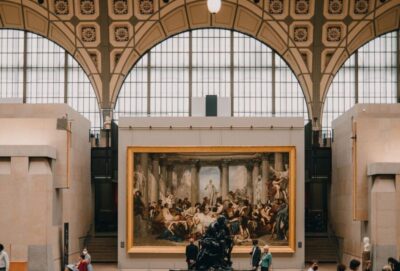
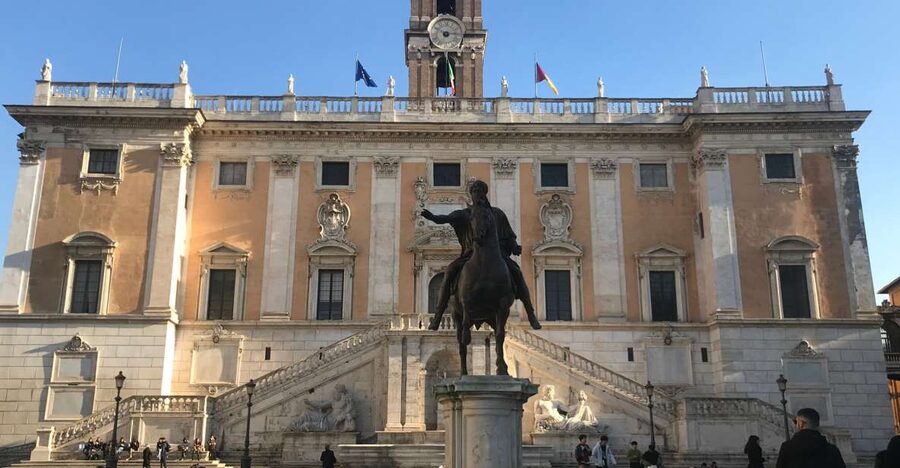
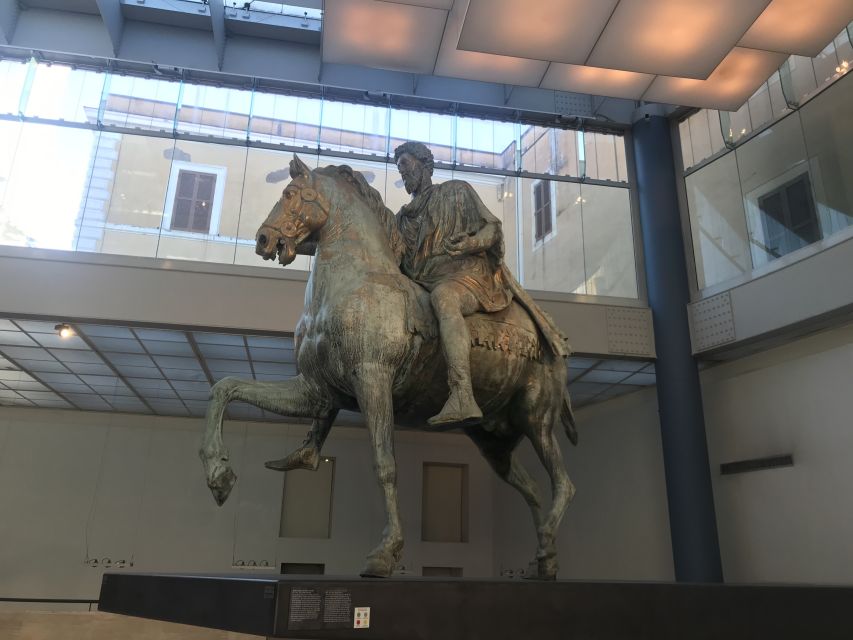
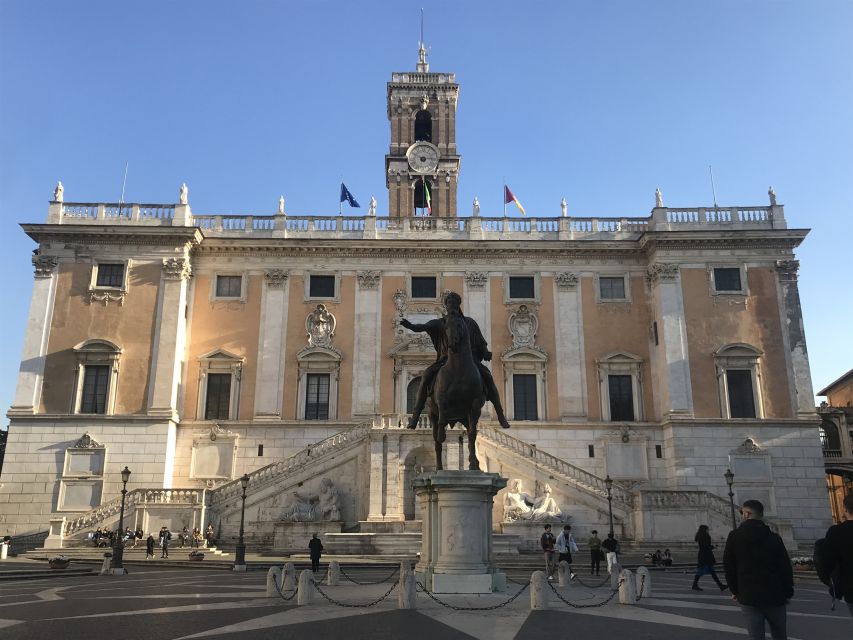
You’ll start inside the Roman Empire Museum (Capitoline Museums) and quickly notice the building logic. A key visual moment is the central piazza that sits between the museum buildings. Use it like a station break. From there, you can re-orient before committing to deeper rooms.
The artifacts that connect you to Rome’s story
The museum’s collection is presented as a narrative of Rome itself, including the way Rome became known as Caput Mundi—the head of the world. Instead of treating objects as isolated masterpieces, the displays help you track how Rome’s identity develops over time.
You’ll also see the museum’s famous founding-symbol centerpiece: the She-wolf of Rome. This sculpture represents the legendary founders Romulus and Remus, and it’s powerful partly because the myth is clear even if you’re not doing heavy background reading. It’s also useful for beginners: it gives you a concrete entry point into Rome’s “story” before you go looking at more specialized artifacts.
Michelangelo’s buildings and the Forum view
One of the most valuable parts—especially if you’re new to Rome—is how the site itself frames the city. The Capitoline Museums include the architecture by Michelangelo that looks over the Forum. Even if you don’t memorize dates, this view gives you geography. It helps you understand what it means that the Forum was the civic engine of ancient Rome.
This is one of those details that changes how later sites make sense. After you’ve seen the Forum from this elevated perspective, other locations around it feel less random and more connected.
How long should you spend here?
You’re not required to sprint. But with a total duration of 3–5 hours for the overall experience, I’d treat Capitoline time as your anchor. If you’re also doing Centrale Montemartini, plan to save energy and daylight logic for the power-plant museum later.
Also note: this experience includes skip-the-line entry for Capitoline Museums. That’s a real time-saver in Rome, where lines can swallow an hour faster than you expect.
Centrale Montemartini: Rome’s power plant museum (and how to enjoy it)
Centrale Montemartini is what makes this ticket feel like more than a standard museum day. The setting is the show: you’re inside Rome’s first public thermoelectric power plant, now repurposed as a museum space.
What you’ll see inside
The museum features a large display of sculptures tied to the exhibition concept The Machines and the Gods. The plan here is to show the tension between classical art and industrial archaeology. That contrast is more than decoration. It changes your attention span: you’ll start looking at texture, scale, and repetition differently because the industrial environment forces a new visual rhythm.
You’ll also find displays that reconstruct monumental complexes and show how the city developed from the Republican era to the late Imperial Age. The practical effect is that you’re not only seeing “pretty statues.” You’re seeing a curated argument about Rome’s growth, staged in a setting that feels modern and mechanical by comparison.
How to fit it into your day (important logistics)
Here’s the key combined-option planning point: Centrale Montemartini is about 10 minutes by car or 30 minutes by public transportation from the Capitoline Museums, and transfer isn’t included.
So for the combined option, you’ll want to build a buffer into your schedule. Don’t assume you can walk it off in one relaxed stretch. If you’re traveling with limited time, you may be better served by choosing just one site and doing it carefully.
One more practical note from real use: when people want Centrale Montemartini, they need to make sure the mark/selection is correct. In plain terms, double-check that you actually have the Centrale entry included in your option and that your ticket reflects what you plan to visit. It’s the kind of small admin detail that can create wasted time.
A great reason to go even if you’re not an “industrial” person
If you’re worried Centrale Montemartini might feel too weird, it probably won’t. The power plant shell gives you a strong atmosphere, but the content is still Roman sculpture and historical context. You’re just getting Rome’s art in a setting that makes you look twice.
That “look twice” moment is where the experience becomes memorable.
The museum tools included: audio guide, Wi‑Fi, and the app
You’re not locked into a group tour here. This experience is self-guided with help.
Included benefits:
- City APP audioguide you can download on your smartphone
- Free Wi‑Fi
- Access to the specific exhibition: Cartier e il Mito ai Musei Capitolini (Nov 19, 2025 – Mar 15, 2026)
That exhibition name means you’ll also get an extra layer beyond ancient Rome. If you’re in town during the exhibition dates, it’s an appealing way to connect modern storytelling to the museum’s theme of myth-making and Roman identity.
The audio guide is where you’ll likely get the most value for your time. When you don’t have a guided tour, it helps you choose what to focus on without feeling like you’re wandering blind.
What the ticket gives you (and what it doesn’t)
This is priced at $42 per person, and the value is in the combination of convenience + entrance type:
- Skip the line for Capitoline Museums
- Reserved entrance ticket for Centrale Montemartini if you select the combined option
You’re also getting practical support:
- assistance at the Touristation Office
- access to the exhibition during the specified dates
- audio guide, Wi‑Fi
What’s not included:
- Hotel pickup/drop-off
- Food and drinks
- Guided tour
- Public transport
So think of this as an efficient “door-to-door museum framework,” not a full service city excursion.
Also, if you’re carrying a larger backpack: you might find lockers in the building and they can be used at no extra cost. That’s worth knowing because museums often frustrate people who arrive with bulky bags, and being able to store them quickly keeps your visit calm.
Real-world friction points: how to avoid a stressful entry
One thing I’d treat seriously: ticket date accuracy. A reported issue involved someone arriving with a ticket showing a different reserved date than the day they showed up. The result was an argument at entry and a near denial of entry. That’s not the kind of drama you want on a Rome itinerary.
Your best defense is simple:
- confirm the date shown on your ticket before leaving the Touristation office
- keep your voucher and any confirmation handy until you’re inside
Another minor consideration is language. Entry staff may check tickets, and some staff might only speak Italian. If you’re only comfortable in a limited language range, the best move is having your printed date/entry details clear so you can point quickly and move on.
Finally, remember you’re not automatically transferred between sites. For the combined option, you’ll need to plan your own ride or transit window between Capitoline Museums and Centrale Montemartini.
Who this works best for
This experience is a good fit if you want:
- a museum day that teaches you Rome through objects (not just big ruins)
- an unusual contrast between ancient sculpture and industrial setting
- the flexibility to use the audio guide and go at your own pace
- a short-to-medium time commitment (3–5 hours)
It’s especially useful for first-time Rome visitors who want a strong “Rome story” base before tackling other ancient sites. The Forum view from Michelangelo’s architecture is a helpful mental anchor.
If you hate logistical juggling and you don’t want any transit between sites, consider booking only the Capitoline Museums portion. The combined ticket can be fantastic, but it’s better when you’re comfortable moving across that short gap in the day.
Should you book this Capitoline + Centrale Montemartini ticket?
Yes—if you like the idea of comparing two Rome identities in one day. The Capitoline Museums bring you the classic anchor: the She-wolf of Rome, the story of Rome as Caput Mundi, and that Forum-view perspective from Michelangelo’s architecture. Centrale Montemartini then flips the stage to an industrial past, showing you sculpture in a power-plant environment and turning history into a physical contrast you can feel.
Don’t book this if:
- you want a fully guided experience with no self-planning
- you’re short on time and don’t want any transit between locations
- you’re likely to show up without checking your ticket date carefully
If you do book, I’d go in with one mindset: you’re buying a narrative, not a checklist. Give yourself time to stand still in the central piazza, take in the Forum outlook, then let the power-plant room change your interpretation of what Rome’s art can look like. That’s where the best payoff happens.
FAQ
Where do I redeem my voucher?
You redeem your vouchers at TOURISTATION ARACOELI, piazza d’Aracoeli 16. Look for a fountain and orange flags in front of the office entrance.
How long does the experience take?
The total duration is about 3 to 5 hours, depending on the starting time available.
What do I get for Capitoline Museums?
You get a skip-the-line ticket for the Capitoline Museums (the Roman Empire Museum).
If I choose the combined option, do I get Centrale Montemartini too?
Yes, if you select the combined option you receive a reserved entrance ticket for Centrale Montemartini. You’ll need to arrange your own transfer between the two sites.
Is there a guided tour included?
No. This is not listed as a guided tour, but you do get a city app audioguide for your smartphone.
Is there free cancellation?
Yes. You can cancel up to 24 hours in advance for a full refund.