
REVIEW · STOCKHOLM
Stockholm: Paradox Museum Entry Ticket
Book on GetYourGuide →Operated by Paradox Museum Stockholm · Bookable on GetYourGuide
One twist and you’re hooked. The Paradox Museum Stockholm turns optical and tactile tricks into a playful walk-through with 70+ interactive exhibits and staff who help you get the photos. I like how it’s kid-friendly but still fun for adults, and I also like the photo-forward design with marked spots. One thing to consider: the Zero Gravity add-on costs extra, and busy time slots can make it harder to pose without waiting.
This is a timed experience (about 80 minutes) right by Hötorget in central Stockholm, built as a one-way flow. You’ll follow signs from exhibit to exhibit, scan QR codes for more info, and you can ask staff questions as you go. Then you end at the Paradox Boutique for games and souvenirs so you can bring a little brain-bending home.
In This Review
- Key highlights worth your attention
- Why Paradox Museum Stockholm is such a good “rainy day” choice
- Getting there at Hötorget and picking the smartest time slot
- The one-way flow: how to walk it without missing the best shots
- Exhibit highlights that actually deliver: rotating cylinder, tall vs small, upside-down room
- How the museum plays with your brain and senses
- Staff support and photo help (including when you’re short on people)
- The Zero Gravity add-on: what’s included and what costs extra
- Paradox Boutique: turn fun into a take-home souvenir
- Price and value: is $28 fair for an 80-minute ticket?
- Who this museum fits best (and who might feel impatient)
- FAQ
- FAQ
- How long is the Paradox Museum Stockholm entry ticket?
- What is included with the ticket?
- Is Zero Gravity included in the ticket price?
- Where is the museum located?
- Is the Paradox Museum wheelchair accessible?
- Are pets allowed inside?
- Can I bring food and drinks?
- Is the experience one-way or do I choose my own route?
- What’s the cancellation policy and can I pay later?
- Should you book this Paradox Museum ticket?
Key highlights worth your attention
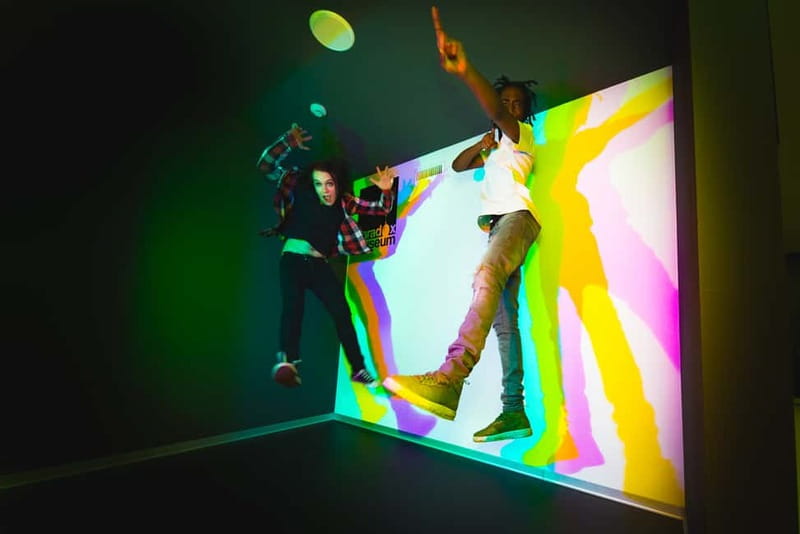
- One-way flow maze: Follow the signs and keep moving so you don’t miss the “best angle” photo moments.
- Over 70 interactive exhibits: Visual illusions and touch-based challenges that are designed for hands-on play.
- Photo points built in: Marked spots help you frame the mind-bending effects.
- QR codes for quick learning: Scan along the way to understand what’s happening and what to do.
- Staff can help with group photos: Helpful team members like Izzy and Georgina can step in when needed.
- Zero Gravity costs extra: Included entry covers the museum, but the add-on is separate.
Why Paradox Museum Stockholm is such a good “rainy day” choice
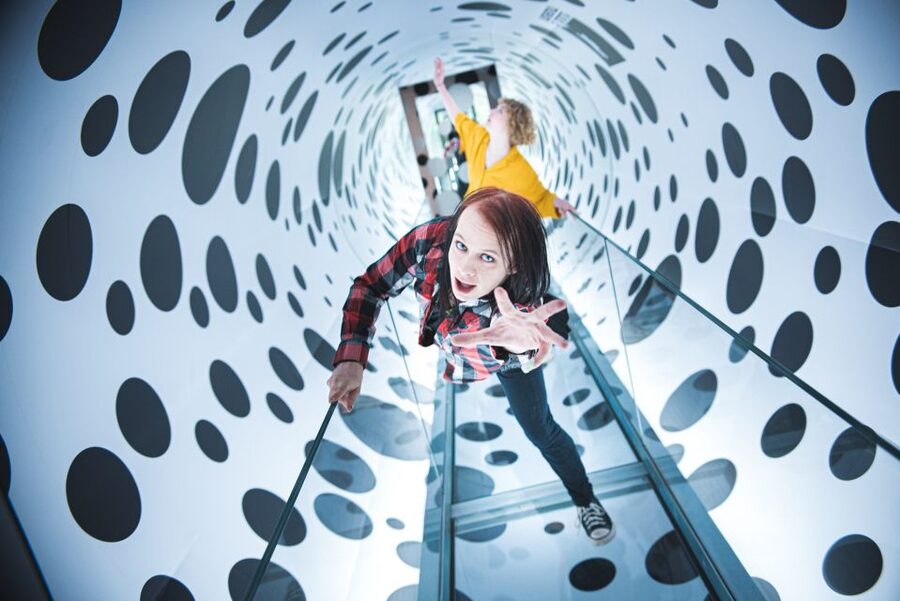
Stockholm has plenty of world-class museums, but the Paradox Museum Stockholm is built for a different kind of day. Instead of reading walls, you’re doing the experiments. You’ll see visual illusions that look impossible, and tactile challenges that make your brain question what your hands are telling you.
The biggest value is that it’s interactive and photo-friendly without feeling like a gimmick. The exhibits aren’t just for staring. They’re designed so you can try, react, and then pose at the right moment. And because it’s also set up as a timed, one-direction route, you’re not spending your time hunting for the next thing to do.
If you’re traveling with kids, this kind of museum can be a lifesaver: there’s no lecture vibe, and the focus stays on “try it now.” If you’re traveling solo or as a couple, it still works—just plan for some exhibits that feel best with two or three people.
A few more Stockholm tours and experiences worth a look



Getting there at Hötorget and picking the smartest time slot
The Paradox Museum Stockholm is conveniently located right by Hötorget subway station, with its entrance from street level on Sergelgatan 20. That makes it easy to slot into a day that already includes central Stockholm sights—no long transport plan needed.
The experience is also timed, meaning you should arrive on time for your chosen slot. That matters more here than at a normal museum because you’re moving through a one-way route. If you show up late, you may feel rushed.
A practical tip: if you can choose, go for a less busy time. When it’s crowded, the exhibits still work, but you’ll spend more time waiting for space to pose. If you’re aiming for lots of photos, the quieter slots give you breathing room at the popular setups.
The one-way flow: how to walk it without missing the best shots
This museum is designed like a guided path, but without a human escort for every step. You’ll follow signs to each exhibit in a one-way flow system, which helps the layout keep moving smoothly. The upside is that it’s simple: you don’t need to figure out which room comes next.
The downside is you can’t slow down indefinitely. Plan to enjoy each exhibit, but also keep an eye on the flow so you don’t get stuck lingering at one photo spot and then feel behind later.
Here’s how to make the route work for you:
- Watch for marked photo points and line up before you start the interaction.
- Read exhibit instructions on site (they explain what to do and what’s going on).
- Scan QR codes when you want the extra layer of explanation—some people love learning the logic, others just want to test the effect.
And yes, you can ask staff questions. If you’re trying to get a specific shot, it’s worth asking what angle works best.
Exhibit highlights that actually deliver: rotating cylinder, tall vs small, upside-down room
Several standout moments are built for that big “how is this possible?” reaction. The most talked-about starting point is a rotating cylinder near the beginning of the route. It’s a strong opener because it sets the theme quickly: your brain sees patterns and motion that don’t behave the way you expect.
Another favorite is the tall vs. small room setup. These spaces are great for photos because you can line up your body against the illusion and capture the size shift. It’s one of those exhibits where your first instinct is to rush in, but your second instinct should be to try different positions—especially if you want a clean, readable photo.
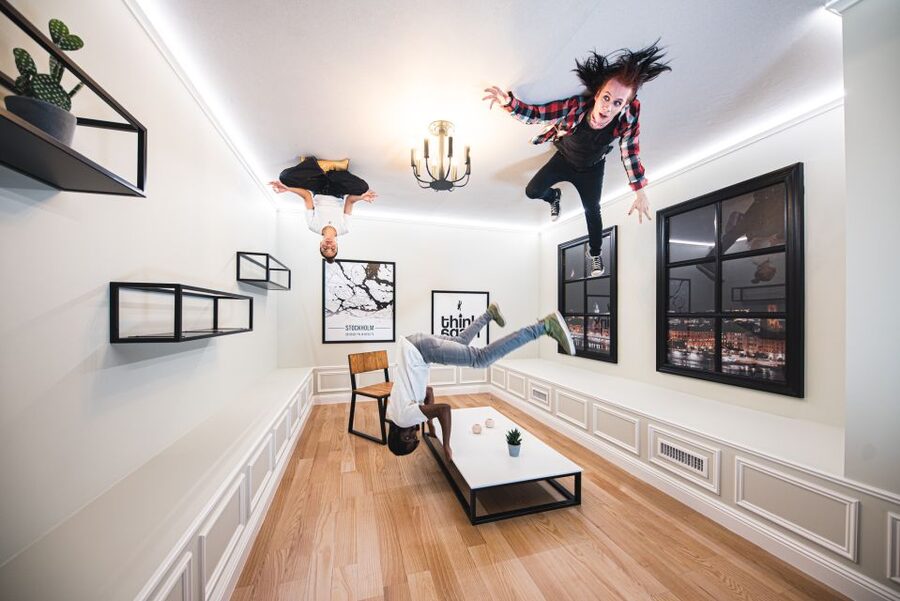
Then there’s the upside-down room, which is exactly what it sounds like, and it’s usually where people start laughing for real. This is also where having one extra person helps. You can stage shots more easily and get better angles without crowding other people behind you.
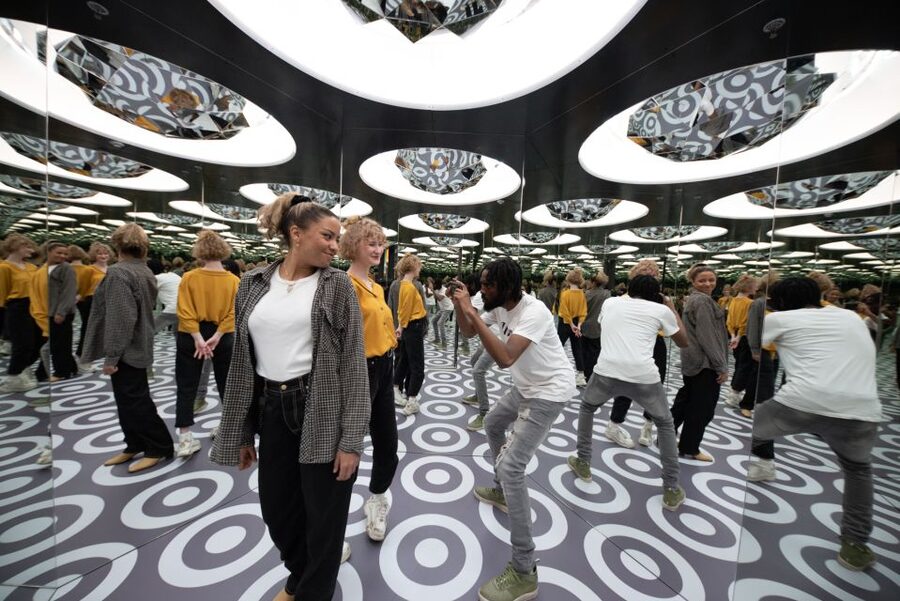
A theme you’ll notice across the museum: many exhibits use light, mirrors, and touch-based setups. If you love visual tricks, you’ll get plenty of payoff. If you’re expecting a lot of sound-based challenges, you might find it more visual than audio.
How the museum plays with your brain and senses

The Paradox Museum Stockholm focuses on how your perception can be tricked. You’ll experience visual and tactile stimuli that make your brain interpret the world in ways that aren’t quite accurate.
What I appreciate is that each exhibit gives you something actionable. Some are about movement. Some are about where you stand. Some are about touching the right surface at the right time. The goal isn’t just to watch an illusion; it’s to show how your senses can be nudged into the wrong conclusion.
If you want the science-y explanation without making the visit feel like school, the QR codes are a good middle ground. Scan when you want the “okay, that makes sense” moment—then go back and try again.
And because there’s staff on site, you’re not stuck guessing. Even at photo moments, you can ask for help getting the best perspective, or for tips on how to make the effect show up clearly in a picture.
You can also read our reviews of more museum experiences in Stockholm






Staff support and photo help (including when you’re short on people)
One of the best parts of this experience is how friendly the staff are, especially when you need help with photos. People often end up with better results because staff will explain what to do and help position groups.
In the photosphere, a big deal is teamwork. Several exhibits can require two or three people to get the full effect—think about poses that need one person at the right spot and another person to catch the illusion. If you have a group, you’ll usually move faster and get more varied pictures.
If you’re solo, don’t assume you’re out of luck. There’s support for solo visitors with camera setup options so you can capture the moment using your phone and a timer. The key is planning: decide where you want to stand first, then set up once, then interact.
Crowds can still slow you down. If the room is busy, you might wait for space to pose. That doesn’t ruin the museum—it just changes the pace. Pick a quieter time slot if your priority is photography.
Also, keep expectations realistic about lighting in specific areas. If a spot feels a bit dim, you can still get the shot, but you may need to move slightly to find the clearest angle and reduce glare.
The Zero Gravity add-on: what’s included and what costs extra
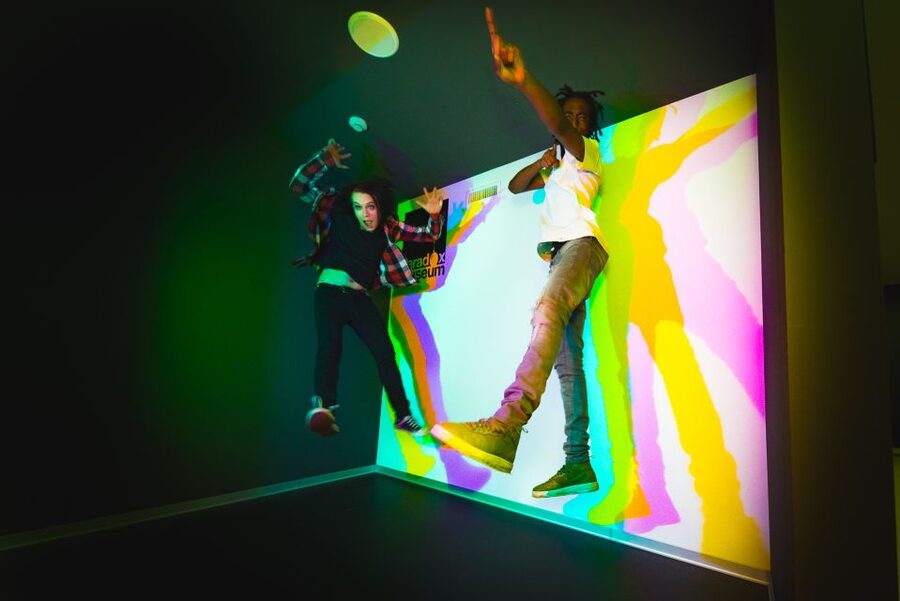
Your entry ticket covers the museum itself, and the overall time you’ll spend is designed around that. But the Zero Gravity experience is explicitly listed as an add-on that costs extra (20 SEK).
What this means for your planning: if you see Zero Gravity as a must-do, budget for it before you arrive. If you don’t care about that one specific experience, you can still have plenty of fun without it because the museum has lots of other interactive paradox exhibits.
Also note a small reality check from the layout: some “featured” experiences feel like separate experiences because they’re not part of the base ticket. So it helps to treat the museum as the main plan, and Zero Gravity as the optional upgrade.
Paradox Boutique: turn fun into a take-home souvenir
When you finish the main exhibit route, you’ll end by heading into the Paradox Boutique. This shop sells games, clothing items, souvenirs, memorabilia, and gadgets.
This is a nice final touch because it gives you a chance to pick something that matches your interests. If your group loved a particular illusion type, you might find a game that recreates the same thinking style at home. If you just want a Stockholm memory, the clothing and small gadgets can work as practical souvenirs you’ll actually use.
It’s also a good place to reset after the active exhibits. Browsing for five or ten minutes can help you slow down and avoid rushing out the door right after the last illusion.
Price and value: is $28 fair for an 80-minute ticket?
For many attractions, “interactive” can mean short, photo-only stops. Here, the value comes from the mix of quantity and structure. You’re getting 70+ exhibits in a route designed for a smooth one-way experience, plus time to pose at photo points and scan QR codes for extra explanations.
At about $28 per person, it’s not a budget impulse buy, but it also isn’t a half-day commitment. The experience is set for around 80 minutes, and in practice it can feel efficient—especially if you’re the type who enjoys moving from one challenge to the next and taking multiple photos at the marked spots.
So the value check comes down to you:
- If you like hands-on optical tricks and want a lot of photo moments, it feels worth it.
- If you prefer quiet museums with long reading stops, you might find it more short-and-sweet than you hoped.
- If you’re going at a peak crowd time, you may spend some energy waiting for space to pose—still fun, but less relaxed.
Who this museum fits best (and who might feel impatient)
This is a strong match for families, groups, couples, and anyone who likes “try it now” learning. Kids usually do well here because the exhibits reward curiosity and action. Adults often like it because it plays with perception in a way that’s immediate.
It’s also a good match if you’re visiting during bad weather. Instead of searching for indoor alternatives, this is one indoor plan that stays light, playful, and structured.
If you’re truly short on time—like you only have one central stop to make—it can work, but it’s best if you treat it as a prioritized activity. Don’t plan a long dinner right after without buffer, because you’ll likely want to spend some time at the boutique too.
FAQ
FAQ
How long is the Paradox Museum Stockholm entry ticket?
The entry ticket experience is about 80 minutes, and you can check availability to see starting times.
What is included with the ticket?
The ticket includes Paradox Museum Stockholm entry.
Is Zero Gravity included in the ticket price?
No. The Zero Gravity experience is an add-on for an extra 20 SEK.
Where is the museum located?
It’s in downtown Stockholm right by Hötorget subway station, with the entrance from street level on Sergelgatan 20.
Is the Paradox Museum wheelchair accessible?
Yes, it is wheelchair accessible.
Are pets allowed inside?
Pets are not allowed. Assistance dogs are allowed.
Can I bring food and drinks?
No. Food and drinks are not allowed.
Is the experience one-way or do I choose my own route?
It’s a one-way flow experience with signs to follow for each exhibit.
What’s the cancellation policy and can I pay later?
You can cancel up to 24 hours in advance for a full refund. You can also reserve and pay later, meaning you can book your spot and pay nothing today.
Should you book this Paradox Museum ticket?
Yes, if you want a fun, structured indoor activity in central Stockholm where you’ll likely leave with great photos and a brain that feels slightly confused—in a good way. It’s especially worth booking if you’re traveling with kids, if you love visual illusions, or if you want an easy-to-fit plan near Hötorget.
I’d book with your eyes open if you’re price-sensitive or if photography is your top goal. Choose a quieter time slot when you can, and remember that Zero Gravity is extra if it’s on your wish list. If you do that, you’ll get a visit that feels like more than just a quick stop.