REVIEW · STOCKHOLM
Stockholm: ABBA The Museum Entrance Ticket
Book on GetYourGuide →Operated by ABBA The Museum · Bookable on GetYourGuide
ABBA comes to life in Stockholm. I love the way this ticket turns a museum visit into a hands-on music day, not a slow walk past glass. The pre-booked time slot also helps you get in without wasting your morning.
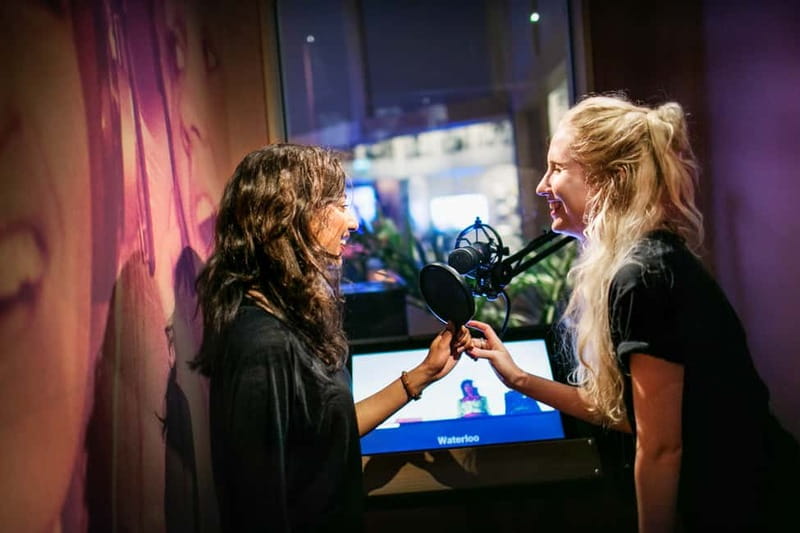
What I liked most is the “you’re the fifth member of the band” feeling you get by doing the activities yourself, especially the Polar Studio sing-along. You also get a real dose of ABBA history with instruments, awards, and stage outfits on display.
One thing to plan for: it can get crowded, especially near the start, and that matters for both comfort and moving through the rooms. If you’re sensitive to noise, it’s smart to bring or get ready for headphone use for audio stations.
In This Review
- Key things that make this ticket worth your time
- ABBA The Museum on Djurgården: what you actually get
- Entering with a time slot (and why “skip the line” matters)
- The audio thread: memories from Agnetha, Benny, Björn, and Frida
- Hands-on ABBA: costumes, quizzes, music mixing, and games
- Polar Studio and the stage moment with ABBA avatars
- The exhibits that make it feel like more than a gimmick
- Timing, crowd flow, and how to not waste your energy
- Rules and what to bring: small details that prevent big annoyances
- Price and value: is $28 a smart buy?
- Who this ticket is best for
- Should you book Stockholm ABBA The Museum entrance tickets?
- FAQ
- How long does the ABBA The Museum visit take?
- Is the audio guide included in the ticket price?
- Where do I meet for entry?
- Are food and drinks allowed inside?
- Can I pay with cash?
- Is it wheelchair accessible?
Key things that make this ticket worth your time
- Pre-booked entry at ABBA The Museum on Djurgården helps you skip the long ticket line
- Audio storytelling centers on Agnetha, Benny, Björn, and Frida memories and career moments
- Do, don’t just watch activities like virtual costume try-ons, quizzes, and music mixing
- Stage time with 3D avatars puts you in the middle of an ABBA performance moment
- Original memorabilia like instruments, gold records, awards, and outfits adds real credibility
- Plan for crowds so you can enjoy the hands-on parts without feeling rushed
ABBA The Museum on Djurgården: what you actually get
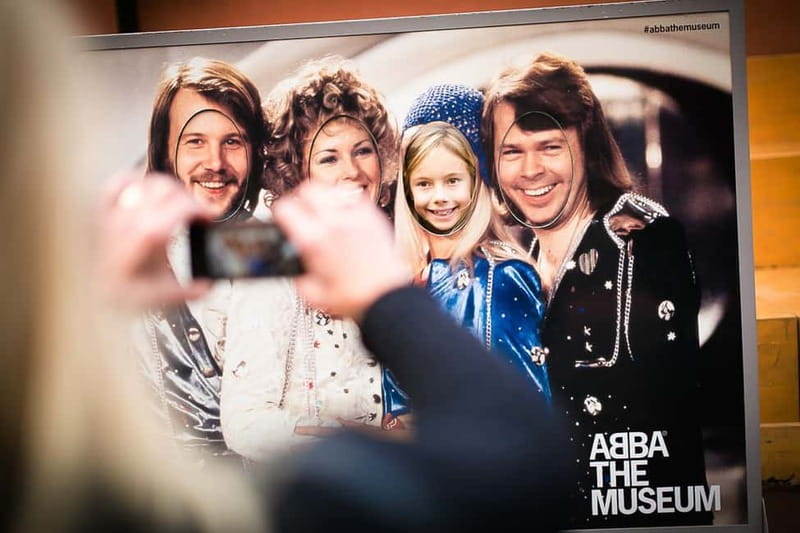
ABBA The Museum is on Djurgården island, a common starting point for a lot of Stockholm sightseeing. With this entrance ticket, you’re buying a timed visit—about 2 hours—to an interactive space built around ABBA’s story and sound.
The ticket itself covers entry. The audio guide is not included in the ticket price, but you’ll find audio options on-site. From what I’d expect on arrival, you’ll likely want audio while you’re walking through the exhibits so the band’s personal context lands while you’re seeing the items.
This is a museum where you’re not just reading labels. You’ll play, sing, take part in music stations, and step into a performance space with 3D avatars.
A few more Stockholm tours and experiences worth a look



Entering with a time slot (and why “skip the line” matters)
The biggest practical win is the time slot. You’re not rolling the dice with a walk-up wait; you show up for your chosen entry time and move into the experience from there.
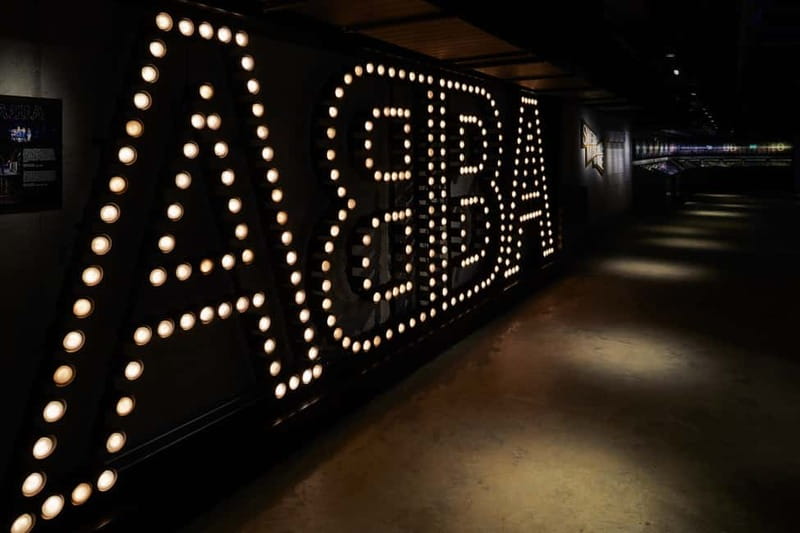
The meeting point is easy: look for the yellow building that says ABBA The Museum. That helps on Djurgården, where it’s easy to lose time hunting for the right entrance.
If it’s your first stop that day, I’d still aim to arrive with a little buffer so you’re not stressed about getting through the start rooms. Once inside, the pacing is designed to move you through multiple interactive zones rather than keeping you stuck in one place.
The audio thread: memories from Agnetha, Benny, Björn, and Frida
One of the most praised parts is the audio storytelling. The museum’s audio guide is narrated through personal memories and stories shared by Agnetha, Benny, Björn, and Frida. That’s a big deal, because it links the artifacts to moments you usually only hear about in interviews and documentaries.
Here’s how that helps your visit. When you’re standing in front of stage outfits, gold records, or instruments, you’re not guessing what era you’re looking at or why a particular moment mattered. The audio framing makes the room feel more like a timeline than a collection.
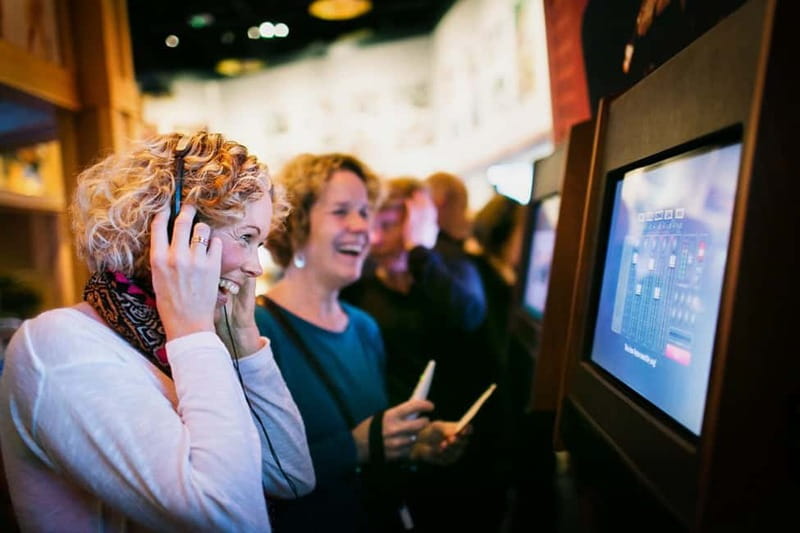
A practical note: the museum rules mention flash photography and video recording restrictions, so you’ll likely be doing quick photos and watching screens more than filming. If you want audio to really work, plan for noise in shared spaces—headphones make a big difference at crowded stations.
Hands-on ABBA: costumes, quizzes, music mixing, and games
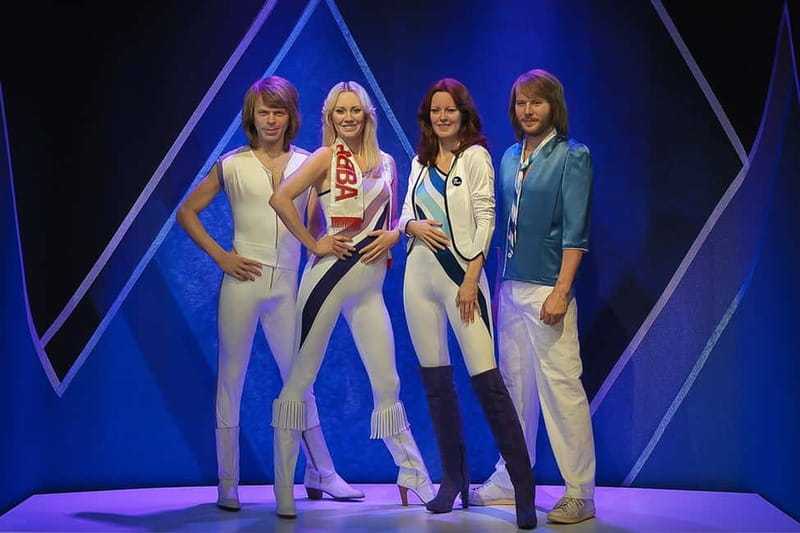
This museum is built around participation. You’ll see ABBA’s world, but you’ll also step into it with interactive stations.
Expect activities like:
- Virtual costumes that let you explore ABBA’s iconic stage looks
- Quizzes that test your ABBA knowledge in a fun way
- Music mixing stations where you get to work with tracks and create your own sound mashups
What makes these stops valuable isn’t just the novelty. They break up the visit so you’re not spending the whole time reading. The moment you’re singing along, posing, or mixing audio, the story sticks better.
I also like that these stations fit different moods. If you’re traveling with kids or teenagers, there’s enough action to keep energy high. If you’re traveling as an ABBA superfan, it still feels like a fan shrine, just with activities instead of only exhibits behind glass.
Polar Studio and the stage moment with ABBA avatars
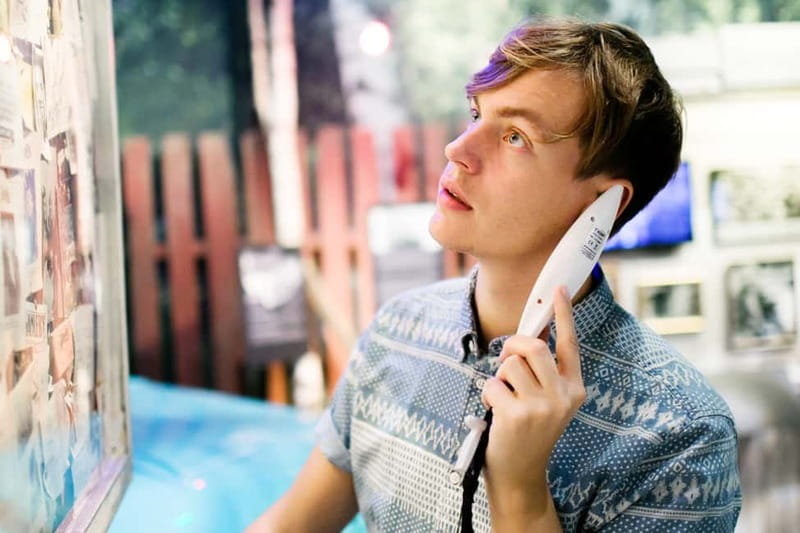
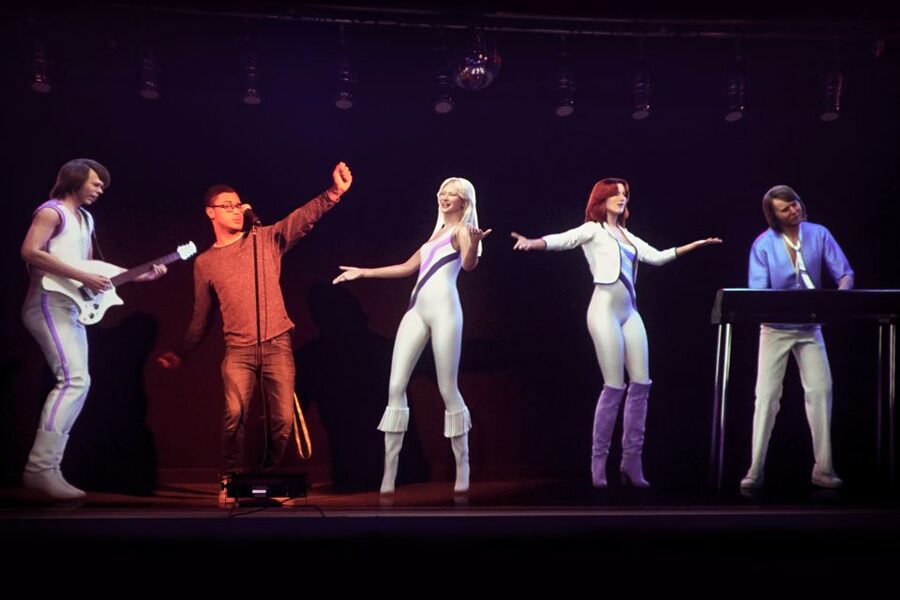
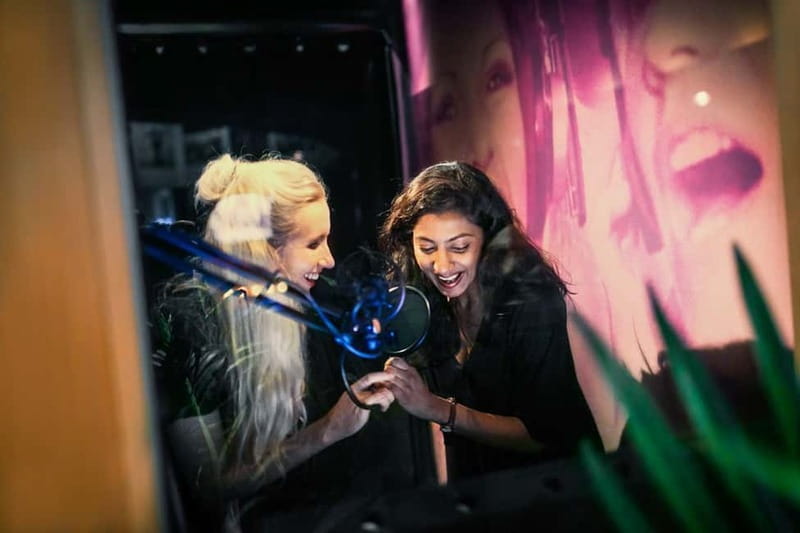
The standout “I can’t believe I’m doing this” part is Polar Studio and the stage area. Polar Studio is referenced as the legendary studio tied to ABBA musicians Björn Ulvaeus and Benny Andersson, and the experience is designed so you end up singing as part of the show.
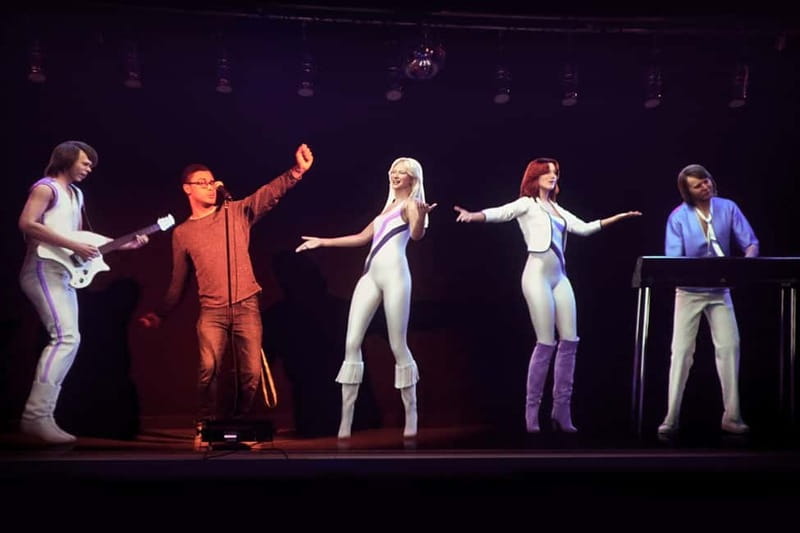
Then comes the 3D avatar stage sequence, where you enter the performance with ABBA. The museum pitches this as you feeling like the fifth member of the band, and it works because the technology is aimed at making you the center of the scene rather than an observer.
If you care about getting the most out of this part, show up ready to participate. That sounds obvious, but it matters: the stage moments are the reason many people choose this ticket over other ABBA-themed stops in Stockholm.
Also note the format: this isn’t a “sit and watch a concert film.” It’s set up so you interact and respond, then it visually wraps your participation into the show.
You can also read our reviews of more museum experiences in Stockholm




The exhibits that make it feel like more than a gimmick
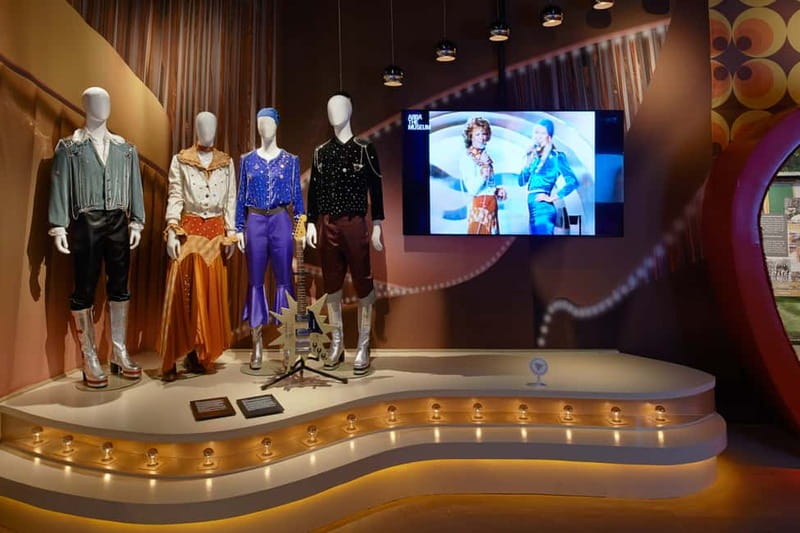
Even though the museum is interactive, it’s not built on costumes alone. You’ll see ABBA’s instruments, gold records, awards, and stage outfits, plus memorabilia and original items.
This is where your brain goes from fun to meaning. When you see the physical pieces—the kind of awards and outfits people recognize instantly—you get proof that the performances you love weren’t just catchy songs. They were built with real gear, real effort, and real milestones.
You’ll also get a sense of ABBA’s path over time as the exhibits move through career highlights. Some of the rooms are visually themed to key moments, so even if you don’t remember every album detail, you still end up with a clearer story.
Timing, crowd flow, and how to not waste your energy
Plan for crowds. Many people love this museum so it tends to be busy, and that can affect movement in the early rooms. A few visitors note it’s harder to move around when it’s crowded, and timing can make the difference between smooth flow and bottlenecks.
My practical advice:
- Arrive ready to go once you’re inside; don’t spend too long lingering at the door.
- If you’re going as a group, stay together once you start the interactive sections.
- Keep your filming expectations realistic: video recording is not allowed, and flash photography is also prohibited.
Also, the visit estimate is 1.5 to 2 hours, but it can run longer if you get pulled into multiple activities. If you’re tight on time elsewhere in Stockholm, build in a buffer.
Rules and what to bring: small details that prevent big annoyances
This ticket works best if you travel light. The museum does not allow:
- Food and drinks
- Luggage or large bags
- Baby strollers
- Flash photography
- Video recording
What to bring is simple: a credit card. Cash payments aren’t accepted, so don’t count on pulling out notes if you want snacks or a souvenir.
Children under 6 can enter for free, but you’ll need to collect the child ticket at the check-in counter. That’s a nice family-friendly rule if you’re visiting with younger kids.
If you’re a photo person, I’d focus on quick moments at designated spots rather than trying to record the entire exhibition. You’ll enjoy it more, and you’ll avoid frustration from restrictions.
Price and value: is $28 a smart buy?
At about $28 per person, this ticket isn’t the cheapest attraction in Stockholm. But it’s also not priced like a passive museum entry.
You’re paying for several things at once:
- A timed visit that helps you skip the line
- A multi-activity experience (singing, music mixing, games, costume interaction)
- A stage moment with 3D avatars
- Exhibits with real awards, instruments, and stage outfits
So the value equation is pretty simple. If you’re a casual listener, it might feel like a fun afternoon rather than a must-do. If you’re an ABBA fan, you’re getting a lot of “return on attention” because the experience is built to match how ABBA fans want to engage: singing, posing, and reliving eras with real artifacts in front of you.
Families often like it because it keeps kids moving and gives adults something fun to do too. Couples tend to like it because it’s interactive without being awkward—everyone gets a moment on the stage.
Who this ticket is best for
I’d put this ticket in your must-pack list if any of these fit:
- You’re an ABBA fan who wants more than memorabilia photos
- You want a hands-on activity that still feels like a real museum
- You’re traveling with mixed ages and need something that works for both kids and adults
- You want a central Stockholm stop that doesn’t rely on long travel times
If you’re not into ABBA music or you dislike interactive attractions, you might feel like you’re missing half the point. But if ABBA is part of your travel soundtrack, this is one of the easiest ways to turn nostalgia into something you actually do.
Should you book Stockholm ABBA The Museum entrance tickets?
Yes, with a simple condition: book it if ABBA is even mildly important to your trip.
The pre-booked timed entry plus skip-the-line feature is a real win when the museum gets busy. The interaction is the main reason to come, and it’s what turns the visit from a history lesson into a memorable experience.
If you’re deciding between “quick photos” and “real participation,” this ticket chooses participation for you. Add the personal audio framing from Agnetha, Benny, Björn, and Frida, and you get both the fun and the context.
If your goal is to keep Stockholm efficient, this also helps: about 1.5 to 2 hours is a manageable block, and the meeting point is straightforward at the yellow ABBA building on Djurgården.
FAQ
How long does the ABBA The Museum visit take?
The ticket is set for a duration of about 2 hours, and the estimated time for your visit is typically around 1.5 to 2 hours.
Is the audio guide included in the ticket price?
No, the audio guide is not included with the ticket. You can buy it at the museum.
Where do I meet for entry?
Meet at the yellow building that says ABBA The Museum.
Are food and drinks allowed inside?
No. Food and drinks are not allowed in the museum.
Can I pay with cash?
No. Cash payments are not accepted, so bring a credit card.
Is it wheelchair accessible?
Yes. The museum is adapted for wheelchair use.