REVIEW · REMBRANDT HOUSE
Amsterdam: Rembrandt House Museum Entrance Ticket
Book on GetYourGuide →Operated by The Rembrandt House Museum · Bookable on GetYourGuide
Rembrandt’s house feels like time travel. The Rembrandthuis (Rembrandt House Museum) takes you room by room through his life in Amsterdam, right down to the studio details, with a new multimedia tour and daily demonstrations. I especially like two things: the way you learn technique through hands-on moments like paint mixing and etching, and the fact that the museum is built around his actual working routine, not just famous images. One thing to consider: it is an old house with many stairs, and it is not suitable for wheelchair users or people with mobility impairments.
At the end of your visit, you don’t just walk away saying Rembrandt was great. You’ll understand how he worked, how the art-making process fit into daily life, and how his career and finances changed over time. The ticket also includes the multimedia/audio experience, so even if you are not a die-hard art collector, you have a built-in story to follow.
In This Review
- Key things that make this ticket worth your time
- Rembrandt at home on Jodenbreestraat
- Ticket value: what $23 buys you
- Your practical game plan for a smooth visit
- The multimedia tour and audio guide: your best tool
- Studio realism: where technique becomes a story
- The live etching and painting demonstrations you should schedule around
- New exhibition spaces: epilogue room, attic, and extra rooms
- What you’ll see besides Rembrandt’s own works
- Rembrandts Masterclass (30 Jan–25 May 2026): craft, tactics, and art you act on
- How long to plan (and when to go)
- Where this experience fits in your Amsterdam day
- Who should book this, and who might not
- Should you book the Rembrandt House Museum ticket?
- FAQ
- How long should I plan to spend at the Rembrandt House Museum?
- What is included in the ticket?
- Is there an audio guide, and what languages are available?
- Is the Rembrandt House Museum only about Rembrandt’s work?
- Are there demonstrations during the visit?
- What is the Rembrandts Masterclass exhibition?
- Where do I meet for the experience?
- Is the museum suitable for wheelchair users or limited mobility?
- Can I cancel for a full refund?
Key things that make this ticket worth your time
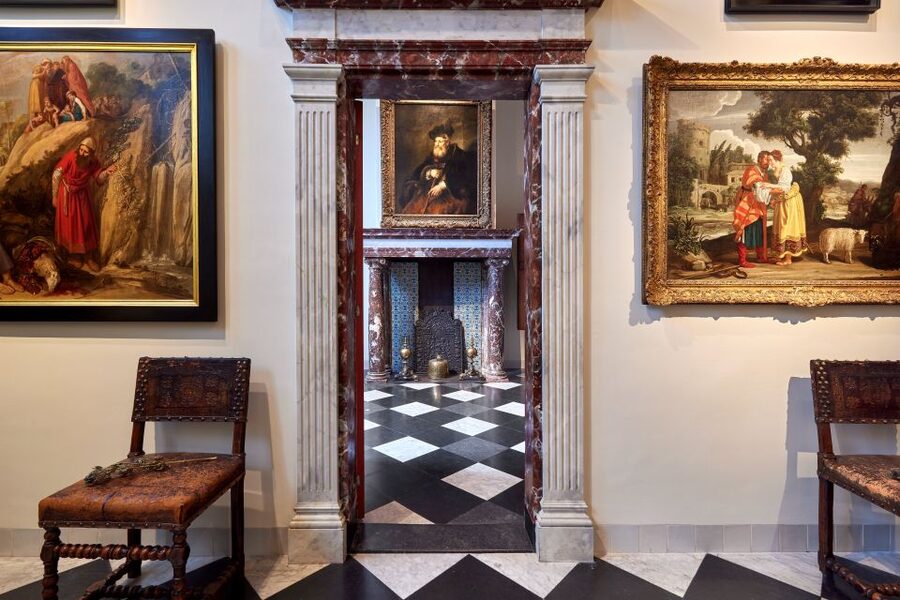
- You visit Rembrandt’s actual home layout, including the studio setting where he created works
- A multimedia tour ties daily life to art technique, so it feels less like standing and reading
- Live demonstrations show etching and painting processes in real time
- New spaces like an etching attic and an epilogue room add fresh ways to understand the man
- You see works across Rembrandt’s circle, not only Rembrandt
- If you go during 30 Jan–25 May 2026, Rembrandts Masterclass turns craft into an interactive exhibit
Rembrandt at home on Jodenbreestraat
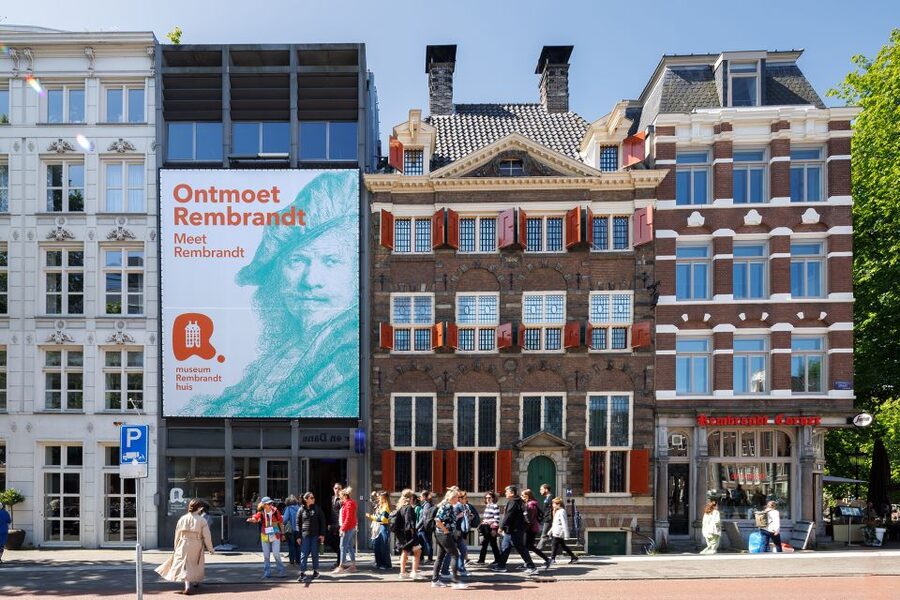
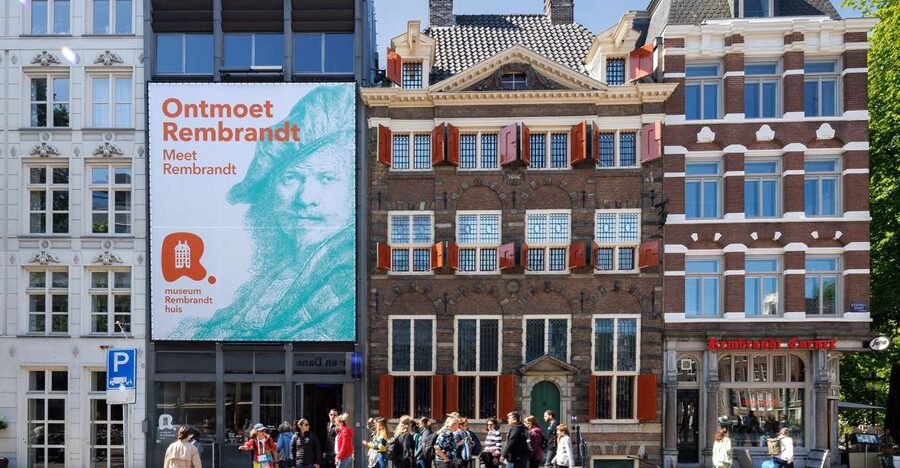
The museum sits at Jodenbreestraat 4 in central Amsterdam, in a neighborhood that still feels like the city’s old bones. This matters, because the Rembrandthuis isn’t trying to be a grand palace. It’s domestic. You’re not looking at him from behind glass in a huge hall. You’re walking through the kind of rooms where his life unfolded.
What makes it work is the focus. You spend more time understanding his daily world and work routine than you do simply collecting visual highlights. The house setting makes the story easier to picture: where he lived, how he arranged his working space, and how his career played out from inside that environment.
Ticket value: what $23 buys you
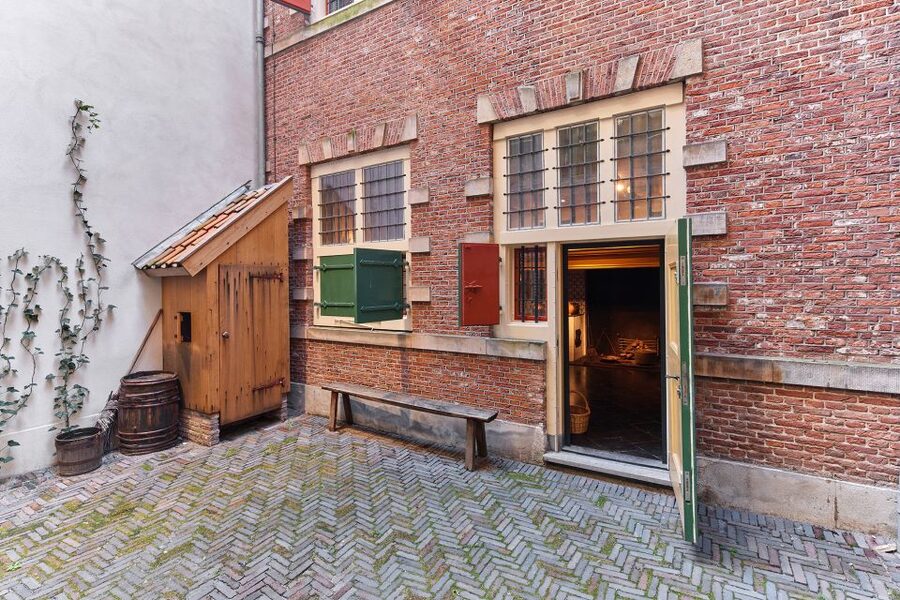
At about $23 per person, the key value here is that you get more than entry. Your ticket includes the new multimedia tour, and the museum schedule includes daily etching and painting demonstrations. That combo is the difference between reading about art and seeing how it’s made.
Also, note what the museum is not. It is not presented as a big painting gallery. The experience is built around sketches, etchings, the art process, and the way Rembrandt’s world looked and operated. Reviews also point out that the museum does not focus on a major painting collection in the way you might expect from a traditional museum.
If you like art but want a visit that stays understandable and story-driven, this ticket is good value.
Your practical game plan for a smooth visit
You’ll start at the Rembrandt House Museum at Jodenbreestraat 4. From there, treat the visit like a guided walk, even though the multimedia component drives most of the pacing.
One practical tip: the layout can feel confusing at first, especially when you’re standing in the entry area trying to figure out what comes next. The upper floors tend to feel easier to navigate than the early transition points, so don’t panic if you take a minute to orient yourself. Staff are there to help, and you can also use the room cues on-site to match what you’re hearing in the multimedia audio.
Aim to be flexible. If a demonstration is happening, it’s often worth adjusting your plan so you can watch it live.
The multimedia tour and audio guide: your best tool
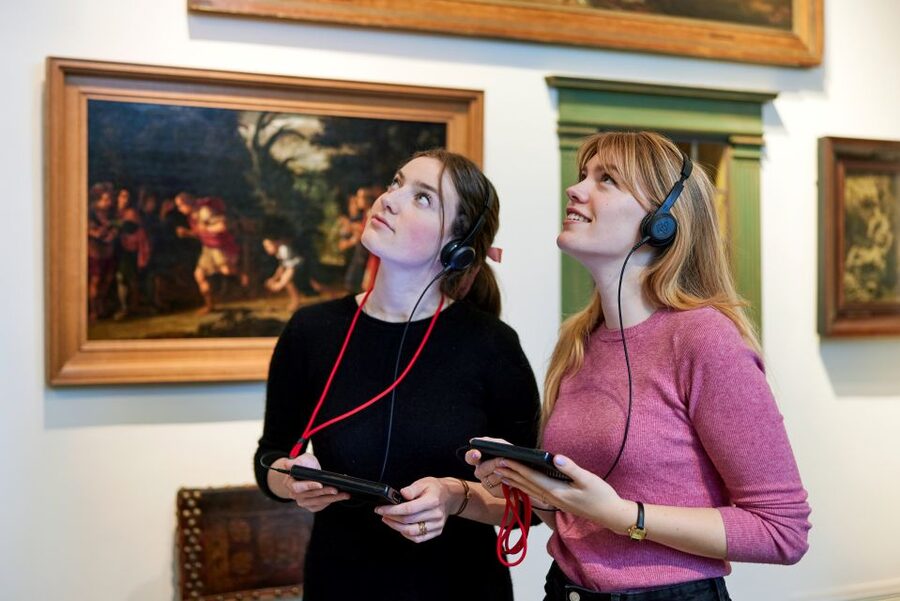
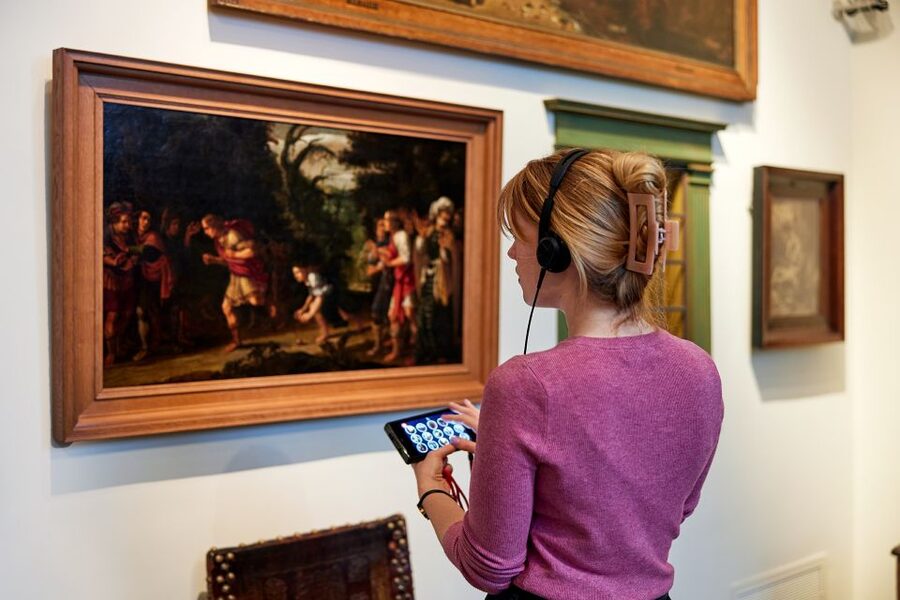
The museum experience is powered by a multimedia tour and an included audio guide. It runs in multiple languages: Spanish, Dutch, English, French, German, Italian, and Russian. That language coverage is a big plus in Amsterdam, where it can be hard to find something smooth in your preferred tongue.
What I like about this setup is that it turns a small house into a structured story. You follow Rembrandt’s life arc—from the ambitious celebrity artist stage to his forced departure when debts accumulated. That story line helps you interpret what you’re seeing in each room. You’re not just recognizing objects; you’re learning why they mattered and how they connected to his work.
Real talk: the audio files are more than tiny blurbs. They’re detailed enough that you’ll probably want to take them seriously rather than treat them as background noise. If you listen closely, the experience gets better room by room.
Studio realism: where technique becomes a story
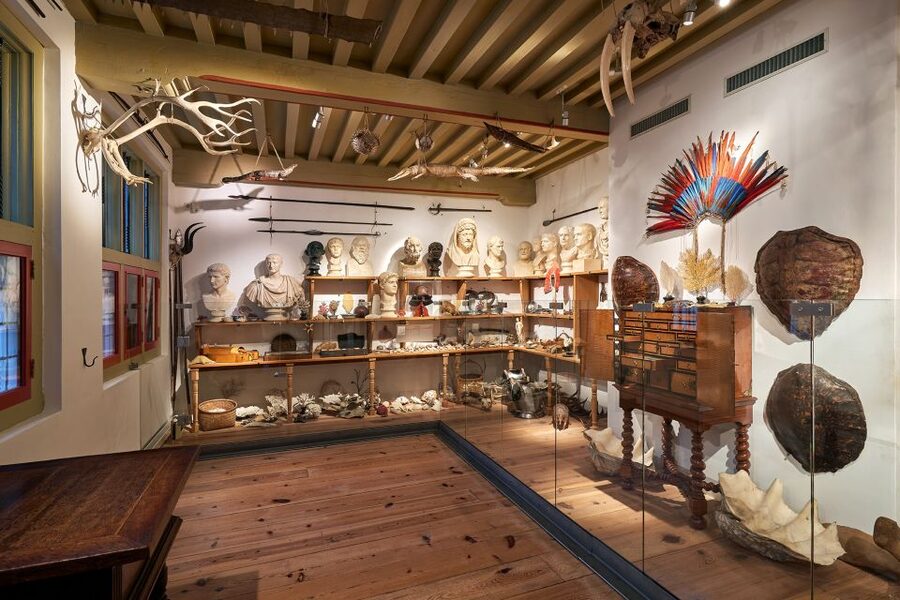
The museum’s most powerful moments come when you’re in the working spaces. The studio is a standout because you’re in the exact kind of place where his masterpieces were created. Instead of treating the studio like a static exhibit, the museum emphasizes process—how he worked and what tools and materials were involved.
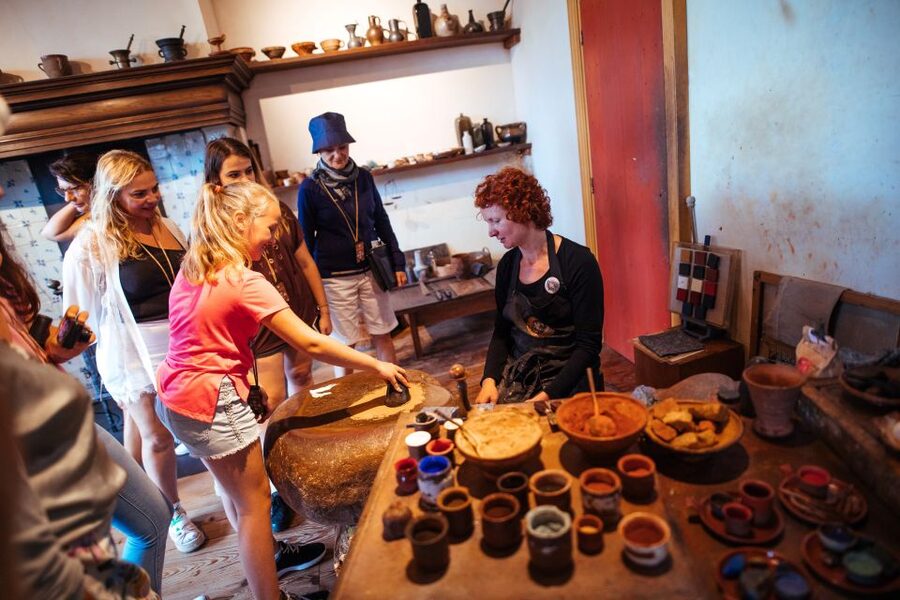
One of the most memorable segments is about paint making. There’s mention of discovering how Rembrandt made his paint in the studio area, and reviews specifically highlight a live paint mixing demo as a bonus. If you like watching craft happen in real time, this is where you’ll feel the visit click.
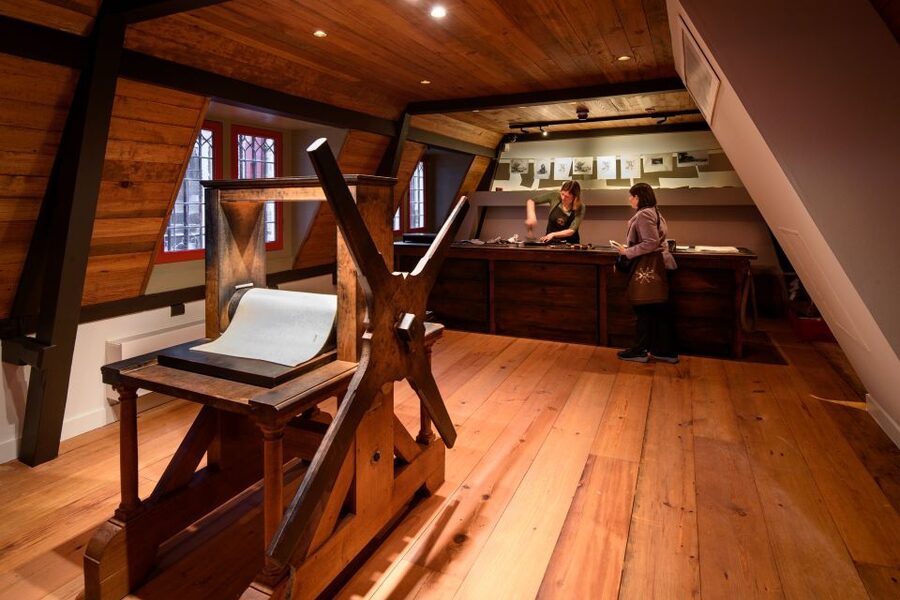
You also get an expanded look at etching technique via the new etching attic. The idea is simple but effective: you learn how etching worked and then you see the results you’re being asked to appreciate. It feels like getting the instructions behind the finished artwork.
The live etching and painting demonstrations you should schedule around
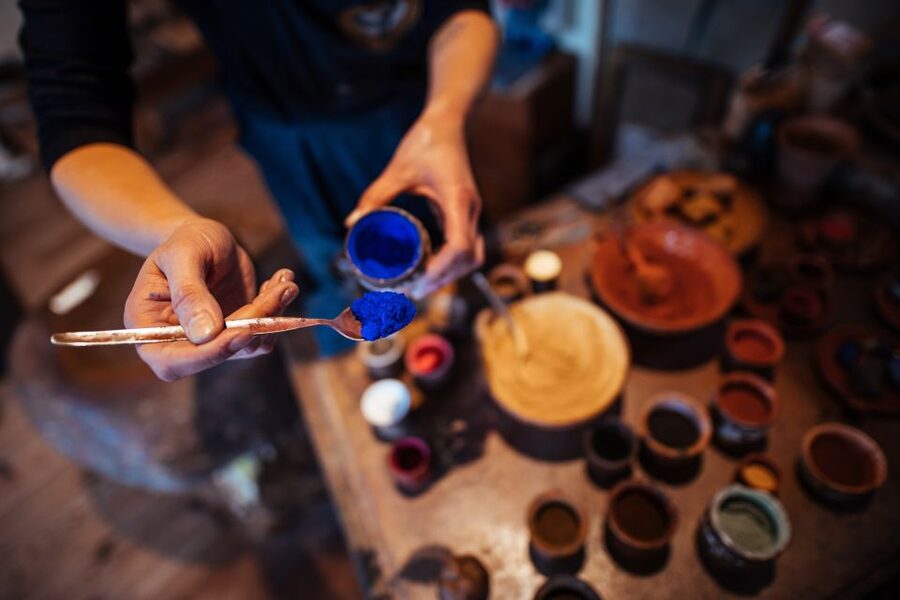
This museum has daily demonstrations, and they’re not just filler. The experience leans on them to teach you how the art was actually made.
Here’s what you can expect, based on what the museum experience describes:
- demonstrations connected to etching
- demonstrations connected to painting
- demonstrations tied to materials and process, including paint preparation
In reviews, people highlight the live etching demo and the demonstrations about how paint was made in Rembrandt’s time. Those moments are also a good way to reset if you’ve been walking for a while. Stand, watch, and let your brain switch from reading to seeing.
Practical tip: if the museum is busy, it can get crowded in certain rooms where people cluster to watch. If you want space for audio listening and photos, step in early or wait near the edges until the action is underway.
New exhibition spaces: epilogue room, attic, and extra rooms
A strong reason to buy a ticket now is that the museum experience includes five recently added museum spaces. Even if you’ve seen Rembrandt House Museum in the past, these additions change the pacing and the emphasis.
The new highlights mentioned include:
- an epilogue room
- an etching attic
- a third exhibition room
For me, the epilogue idea matters because it helps close the emotional loop of Rembrandt’s story. It’s one thing to hear about his career turning points; it’s another to see the museum use space to land the narrative. The attic and added exhibit areas help you understand his craft in a more structured way, especially around etching technique.
If you like museums that feel like they’re building an argument—this is how he lived, this is how he worked, this is how his craft connected to his world—these extra rooms support that.
What you’ll see besides Rembrandt’s own works
Even if you come in as a Rembrandt fan, don’t treat this as a one-artist shrine. The museum includes:
- works from an almost complete collection of Rembrandt’s etchings
- art by some of Rembrandt’s contemporaries
- art by those he inspired
That broader context is useful. It helps you place Rembrandt within the Dutch art scene, rather than imagining him as a lone genius floating above everyone else. You can start to see what he learned from people around him, and how his approach influenced later artists.
Also, remember that the museum environment is more about process and paper-based works—etchings and sketches—than it is about big painting displays. If you mainly want to stand in front of famous oil paintings, another stop might satisfy you more. If you want to understand how an artist’s craft actually works, you’ll be in the right place.
Rembrandts Masterclass (30 Jan–25 May 2026): craft, tactics, and art you act on
If your dates match, this temporary exhibition is worth planning around. Rembrandts Masterclass runs 30 January 2026 to 25 May 2026 and focuses on Rembrandt’s craftsmanship, technique, and tactics.
What I like about this exhibit description is that it is not only lecturing. It frames Rembrandt like a maker you can study:
- five Masterclasses: Looking, Technique, Emotion, Experimenting, and Selling
- a slow watching room for Rembrandt’s masterpiece The Anatomy Lesson of Jan Deijman, shown step by step so you can follow how the work brings together his strengths
Reviews also mention creative activities included in the exhibit: drawing an elephant, trying to recognize a real Rembrandt, and practicing posing for a self-portrait. If you have kids, teens, or anyone who learns better by doing instead of reading, these hands-on bits can make the entire visit feel less like a lecture.
Even if you skip the extra exhibit, the museum’s core story and studio focus already give you plenty. But if you can catch it, this adds a second layer: how to think like Rembrandt.
How long to plan (and when to go)
The experience is meant to fit within a day, but the right time to stay depends on how closely you want to listen and watch.
From the way the museum experience is described and the way people talk about it, plan for:
- about 2–3 hours if you listen carefully and catch at least one demo
- longer if you pause often for audio detail and linger in the new rooms and exhibitions
Timing matters. If you arrive right at your preferred starting time, you’ll usually have a smoother flow through the rooms. If you arrive early, you may still be able to start exploring sooner, but the exact flow depends on crowd levels.
If you are chasing a demonstration, don’t stack too many other plans back-to-back. Amsterdam’s museums can run like a schedule, but people still move in human ways. Build in breathing room.
Where this experience fits in your Amsterdam day
A lot of Amsterdam visits move at a frantic pace—museum, canal cruise, food, repeat. This ticket is different. It’s one focused stop that rewards calm attention.
It pairs nicely with other art stops because you’ll come away with technique context, not just name recognition. You might find it especially good earlier in your trip, when your brain can still translate what you’re seeing into fresh perspective.
If you’re also visiting Anne Frank House or other history-based sites that day, remember this one is about art-making and the domestic side of an artist’s life. It adds a gentler, craft-forward contrast.
Who should book this, and who might not
This is a great match if you:
- love Rembrandt and want to understand the man behind the art
- like etching and printmaking techniques
- enjoy museums where audio guides do real work
- want a more human, story-driven art visit
It may feel like less of a match if you mainly want big oil paintings. The Rembrandthuis experience is built around etchings, sketches, the studio process, and the world he lived in.
One more clear point: it is not suitable for people with mobility impairments or wheelchair users. Expect stairs and a house layout.
If you’re traveling with mixed interests, it’s still a solid choice because the multimedia tour and demonstrations make it less dependent on art vocabulary.
Should you book the Rembrandt House Museum ticket?
Yes, if you like learning by watching and listening, not just scanning captions. The included multimedia tour and the live etching/painting demonstrations give you a high return on that $23 price. The museum is also small enough that you won’t feel like you’re trapped in a giant building all day.
Book if:
- Rembrandt is a priority for your Amsterdam trip
- you want a studio-and-process experience
- you might catch the Rembrandts Masterclass exhibition during 30 Jan–25 May 2026
Skip it if:
- you need an accessibility-friendly museum layout with step-free options
- you only care about famous oil paintings and want a painting-heavy gallery
If your goal is to get closer to how art gets made, this ticket delivers. And if you time it for a demonstration, you’ll walk out feeling like you watched craft happen, not just read about it.
FAQ
How long should I plan to spend at the Rembrandt House Museum?
The experience is listed as 1 day. In practice, many visitors spend around 2–3 hours when they listen to the audio and watch demonstrations.
What is included in the ticket?
Your ticket includes the Rembrandt House Museum entry fee and the new multimedia tour.
Is there an audio guide, and what languages are available?
Yes. An audio guide is included, with Spanish, Dutch, English, French, German, Italian, and Russian.
Is the Rembrandt House Museum only about Rembrandt’s work?
No. You’ll see Rembrandt’s etchings and also art by some of his contemporaries and those he inspired.
Are there demonstrations during the visit?
Yes. The museum has daily etching and painting demonstrations.
What is the Rembrandts Masterclass exhibition?
It is a temporary exhibition focused on Rembrandt’s craftsmanship, technique, and tactics, with five Masterclasses. It also includes a slow watching room for The Anatomy Lesson of Jan Deijman and interactive activities like drawing and self-portrait posing. It runs from 30 January 2026 to 25 May 2026.
Where do I meet for the experience?
The meeting point is the Rembrandt House Museum, Jodenbreestraat 4, Amsterdam.
Is the museum suitable for wheelchair users or limited mobility?
No. It is listed as not suitable for people with mobility impairments and for wheelchair users.
Can I cancel for a full refund?
Yes. Free cancellation is available up to 2 days in advance for a full refund.