REVIEW · BERLIN
Berlin: Natural History Museum Entrance Ticket
Book on GetYourGuide →Operated by Museum für Naturkunde Berlin · Bookable on GetYourGuide
Prehistoric giants in the heart of Berlin. This entrance ticket gets you into the Museum für Naturkunde, where the stories range from Darwin’s ideas to today’s museum scientists. I especially loved the Dinosaur Hall, with the world’s tallest mounted dinosaur skeleton, and the star power of Tristan Otto, the T. rex skeleton.
What really made this ticket worth it for me was the museum’s dual personality: awe-inspiring fossils right next to the East Wing’s wet collection, with about a million animals preserved in alcohol. The one possible drawback to plan around is time and tech: the ticket window is 30 minutes to 1 hour, and the audio guide is downloadable on your phone, so you’ll want headphones ready and a working mobile login.
In This Review
- Key things to know before you go
- Museum für Naturkunde: dinosaurs and real science under one roof
- Price and value: why this ticket feels cheap for what you see
- Where to start: the Dinosaur Hall and the scale shock
- The wet collection in the East Wing: biology you can’t forget
- The Biodiversity Wall: a lesson with consequences
- Tracing the museum’s mission: from Humboldt and Darwin to today
- Audio guide reality check: digital and multilingual
- Timing: how to fit it into 30 minutes to 1 hour
- Lines, entry, and the ticket tech you should be ready for
- Best fit: who this visit is for
- Should you book this Museum für Naturkunde ticket?
- FAQ
- How long does the Berlin Natural History Museum entrance ticket take?
- Is there a skip-the-line benefit?
- What’s included with the ticket?
- Which audio guide languages are available?
- Do I need to bring identification?
- Is the museum wheelchair accessible?
Key things to know before you go
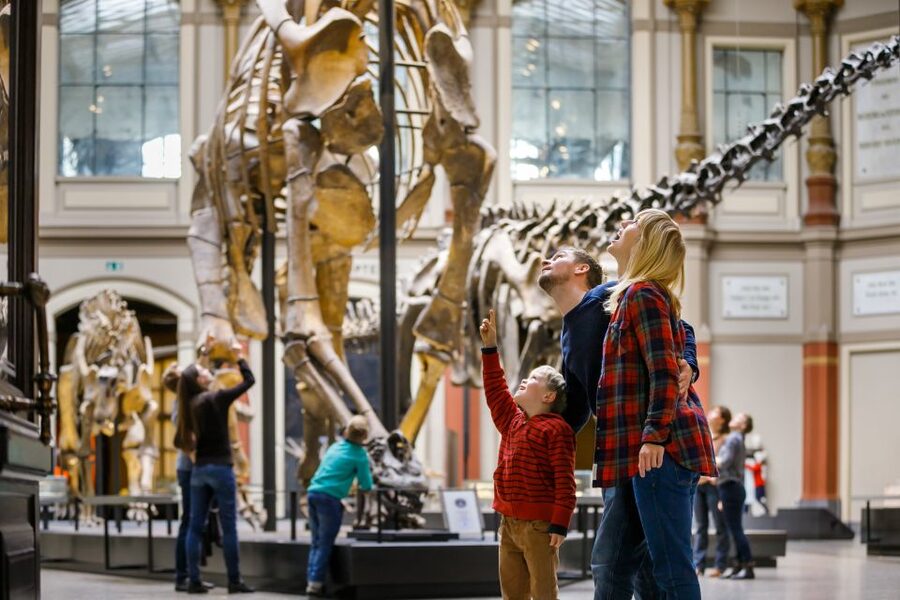
- Giraffatitan brancai greets you in the Dinosaur Hall as the tallest mounted dinosaur skeleton in the world
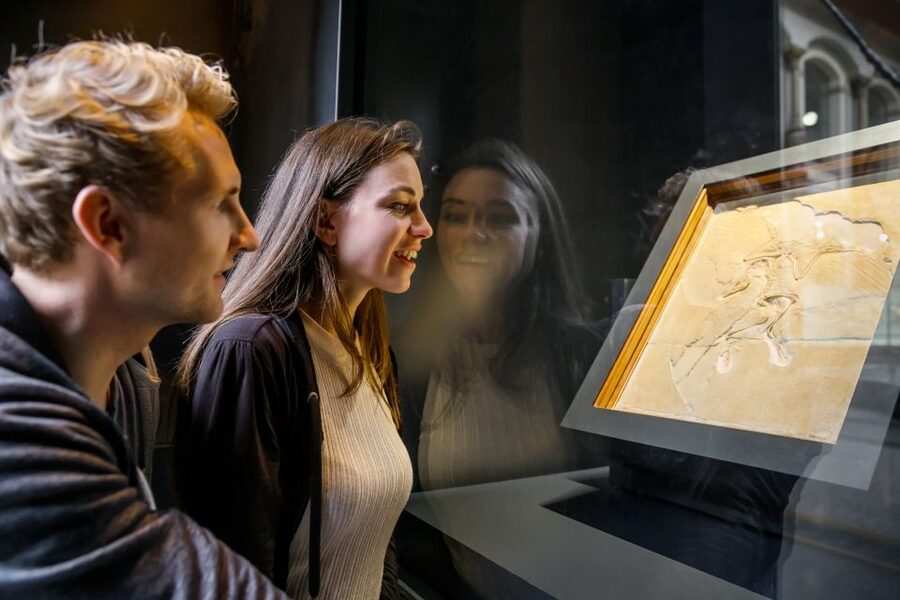
- Archaeopteryx lithographica is displayed as a top natural-history treasure in a safety showcase
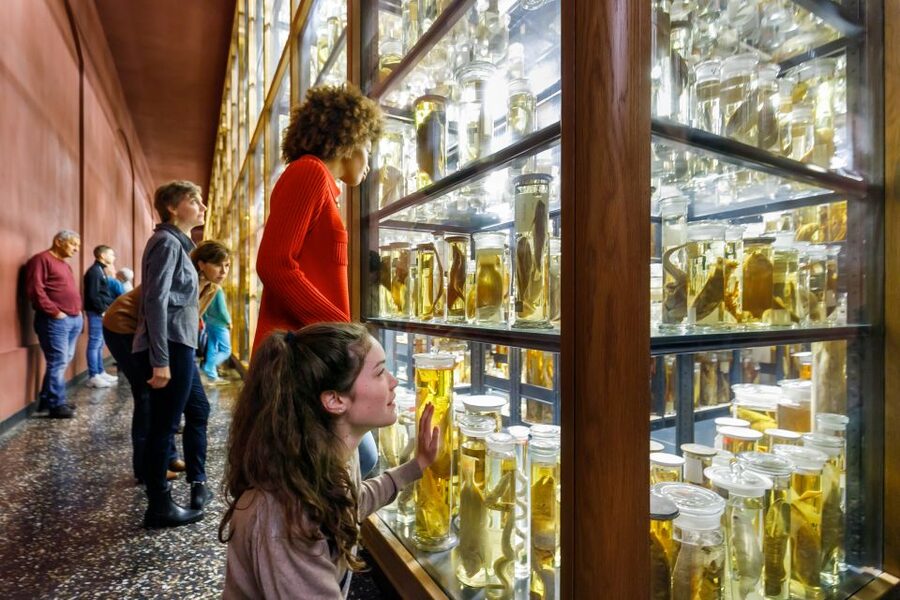
- The wet collection in the East Wing stores about 1 million animals in around 80 tonnes of alcohol
- The Biodiversity Wall lets you see more than 3,000 species at once, with a focus on biodiversity loss
- Tristan Otto gives you a real sense of scale with one of the museum’s famous T. rex skeletons
- Audio content is included digitally (English plus many other languages), but you’ll need your phone and headphones
Museum für Naturkunde: dinosaurs and real science under one roof
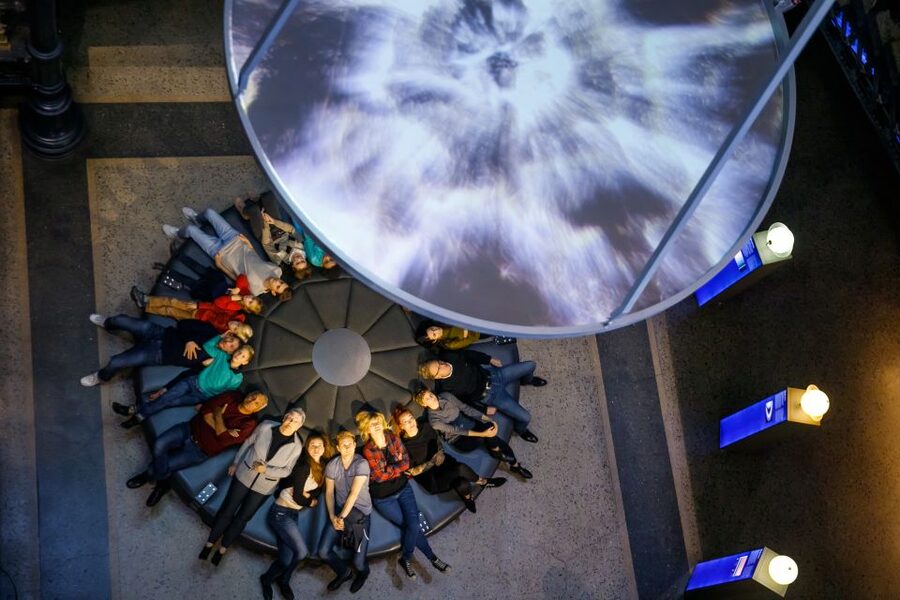
Berlin’s Natural History Museum, the Museum für Naturkunde, is the kind of place that makes you slow down without trying. One ticket can take you from deep time—150 million years ago, in the Dinosaur Hall—to the museum’s living scientific mission today. You’re not just looking at objects; you’re seeing evidence that still helps scientists answer questions about life on Earth.
Your visit starts at the main entrance on Invalidenstraße 43, right in the core of Berlin (and yes, this ticket is designed to skip the ticket line). The experience is slotted for 30 minutes to 1 hour, so it’s built for focused visits rather than a full-day wandering session. Still, the museum is large enough that you may end up spending more time if you get caught by a display—especially the dinosaurs.
A few more Berlin tours and experiences worth a look

Price and value: why this ticket feels cheap for what you see
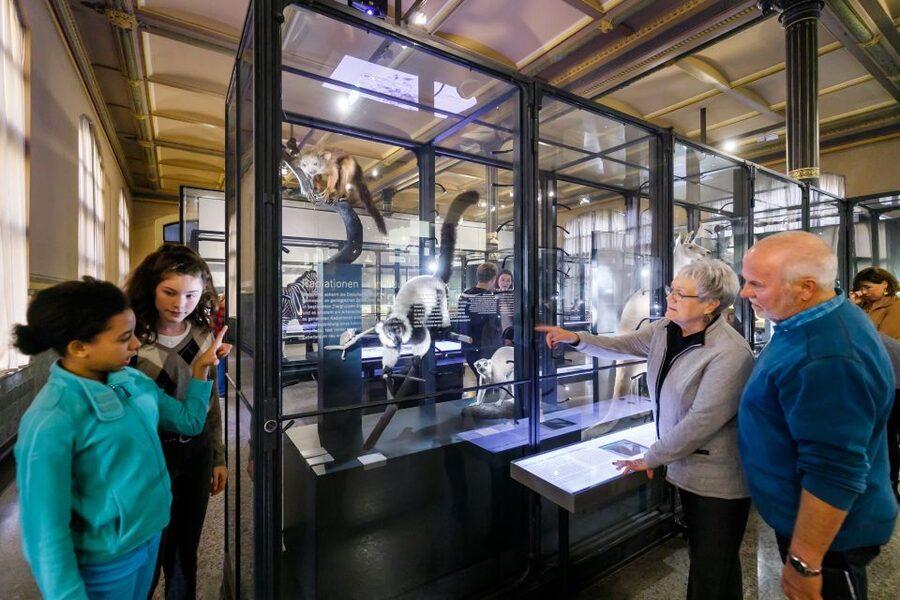
At about $12 per person, this entrance ticket prices itself like a bargain for a major Berlin institution. What makes the value feel real is the range included in that one price: fossils, living biodiversity education, and a rare scientific collection with preserved specimens.
If you only care about the dinosaurs, you’ll still likely feel like you got your money’s worth. If you care about how science works, you’ll get a second reason to be happy: the museum’s collections are enormous (more than 30 million items), and the permanent exhibits are tied to active research—not just display cases.
There is one value trade-off to be aware of: because the ticket window is relatively short, the museum can feel like a “highlights tour” even if you want to linger. You’ll need to choose what matters most to you before you walk in.
Where to start: the Dinosaur Hall and the scale shock
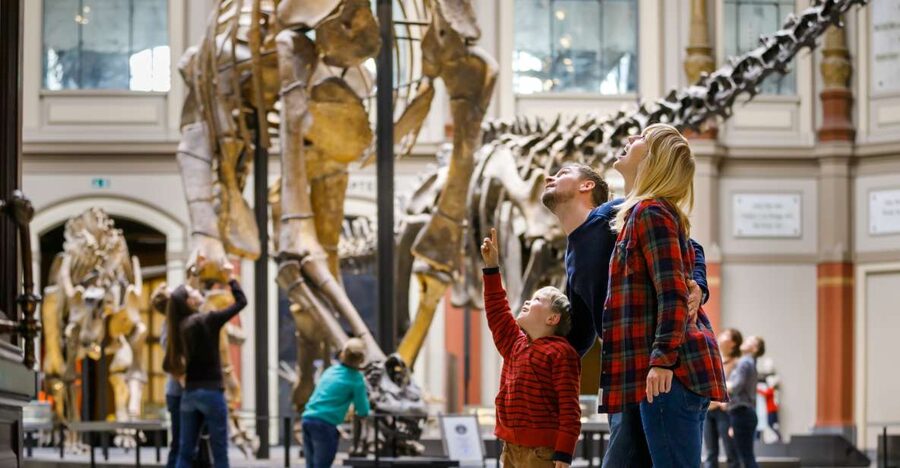
If you’re coming for dinosaurs, go straight to the Dinosaur Hall when you arrive. This is where the museum really sets the tone. The hall recreates life as it might have looked in the Upper Jurassic, about 150 million years ago, and it’s arranged so you understand the timeline without needing a lecture.
The first major “wow” is Giraffatitan brancai, which the museum presents as the tallest mounted dinosaur skeleton in the world. It’s hard to describe how much of a difference an actual mounted skeleton makes compared to photos—you can see proportions and scale in a way that feels physical.
Next, head toward the museum’s famous bird-related fossil star: Archaeopteryx lithographica. It’s displayed in a safety showcase at the back of the Dinosaur Hall, and the museum frames it as a “Mona Lisa of natural history” type object—rare, iconic, and worth slowing down for. Even if you’re not a fossil geek, this is the sort of exhibit that makes you think, Wow, science can preserve meaning across impossible time spans.
Practical tip: give yourself extra patience in this section. The dinosaur displays pull in families and groups, and it’s easy to get stuck behind someone reading every label.
The wet collection in the East Wing: biology you can’t forget
After dinosaurs, the museum shifts gears in a way that makes the whole visit more interesting. In the East Wing, you can see a genuine scientific research collection—an exhibit section that feels different from typical “museum-only” display.
Here, the museum stores around 1 million animals preserved in about 80 tonnes of alcohol. That’s not a statistic you forget after you’ve seen it. The wet collection is a reminder that natural history is not just about what went extinct—it’s also about how scientists study life, anatomy, and variation by preserving specimens carefully.
If you’re visiting with kids, this can go one of two ways: some will find it fascinating; others will be more cautious. Either reaction is understandable. I’d treat this part like an optional stop that you check out early, so you can decide how much time you want to spend without derailing your schedule.
The Biodiversity Wall: a lesson with consequences
One of the museum’s most thought-provoking elements is the Biodiversity Wall. It presents more than 3,000 different species in one glance. It’s visually packed, and that’s the point: biodiversity is not a single story. It’s a lot of different lives layered together.
The museum uses this wall to open up a conversation about biodiversity and its loss—a theme that stays connected to the museum’s research. If you like museums that make you leave with something to think about (not just something to photograph), you’ll probably appreciate this section.
If you prefer strictly “science facts only,” you’ll still get something solid here. The wall is essentially an information-heavy way to show that life is complicated—and fragile.




Tracing the museum’s mission: from Humboldt and Darwin to today
What I like about Museum für Naturkunde is that it frames the visit as part of a longer intellectual line. The experience begins by following the footsteps of Alexander von Humboldt and Charles Darwin, then carries you forward to modern-day explorers of life on Earth.
There’s also an honesty in the museum’s approach. The exhibits are not treated like museum fossils that sit alone. Instead, you’re shown how the museum’s scientists work with collections of over 30 million items, and how insights from those collections shape both permanent displays and special events.
Even if you only have an hour, this context helps you look at everything with slightly different eyes. You’re not just seeing objects. You’re seeing the results of ongoing research.
Audio guide reality check: digital and multilingual
The ticket includes access to downloadable audio content in several languages, including English, French, German, Italian, Japanese, Polish, Portuguese, Russian, Spanish, and Turkish. You won’t get a physical audio device. Instead, you log into a website and use your phone.
This is where your setup matters. I’d bring:
- your phone (charged)
- headphones (so you’re not stuck sharing or skipping tracks)
A note from real-world experience with this kind of setup: if your phone battery is low or your login is slow at the entrance, you’ll waste time. The museum has worked hard on multilingual support, but the practical solution is simple—prepare before you get inside.
Timing: how to fit it into 30 minutes to 1 hour
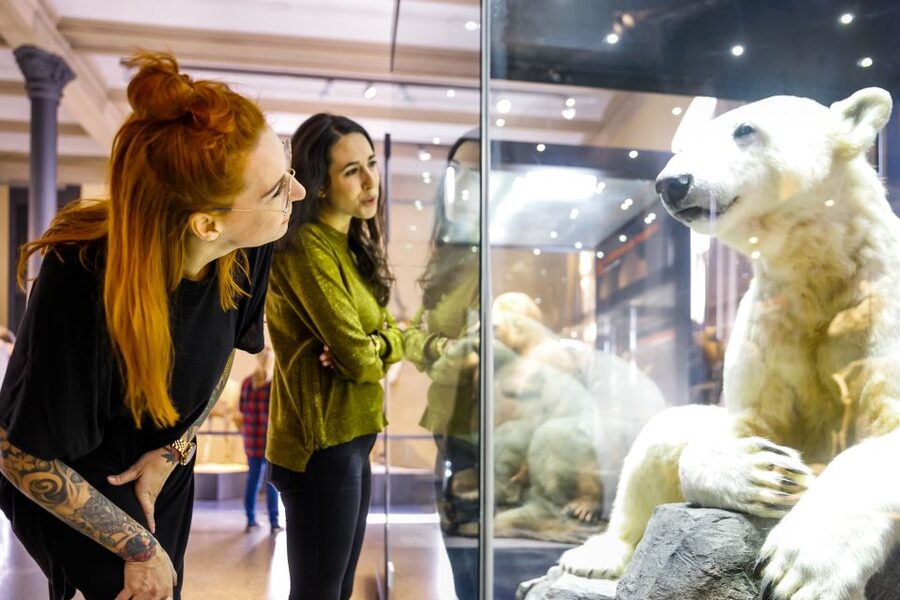
The ticket duration is 30 minutes to 1 hour, which is both helpful and limiting. Helpful because it keeps the visit focused. Limiting because the museum can pull you into slow, detailed looking.
If you only have about 30–45 minutes, I’d prioritize in this order:
- Dinosaur Hall for Giraffatitan brancai and Archaeopteryx
- Tristan Otto (the T. rex skeleton) for the “real scale” moment
- Either the wet collection or the Biodiversity Wall, depending on what you like more
If you have closer to 60 minutes, you can usually fit two big zones with time for audio stops. If you try to do everything with audio, you may still feel rushed—but you’ll cover the museum’s strongest highlights.
Lines, entry, and the ticket tech you should be ready for
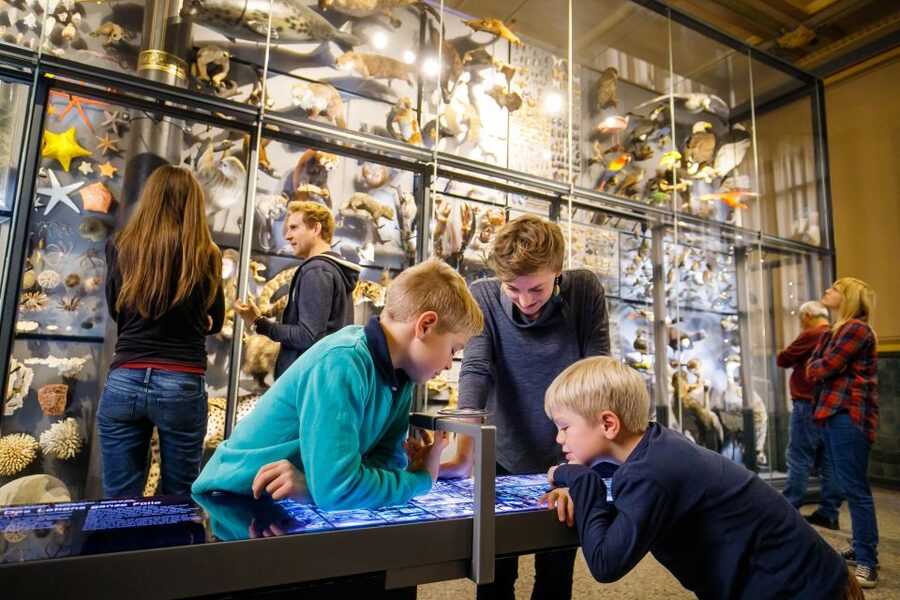
This ticket is designed to skip the ticket line, but entry can still vary based on crowding and time slots. One real caution: if the museum is at full capacity, you might face a wait even with an advance ticket.
Also, a practical detail: some people find that having the ticket ready in the right form matters. If your plan depends on a specific app view or download, make sure you arrive prepared with your voucher accessible.
And don’t forget the basics: bring your passport or ID card. Reduced tickets require proof of age or status at entry.
Best fit: who this visit is for
This is a strong pick for:
- Families with kids who like dinosaurs and big visual displays
- Adult fossil fans who want the top names in one concentrated stop
- Anyone who wants both extinction history and modern biodiversity education
It’s also a good “standalone afternoon” plan if your Berlin schedule is tight. Even though the museum feels like it could fill hours, the core highlights work well inside the ticket’s shorter time window.
If you’re hoping for lots of hands-on interactive stations, temper expectations. Some sections are display-heavy rather than play-heavy. You’ll be looking, reading (or listening), and absorbing.
Should you book this Museum für Naturkunde ticket?
Yes—if you want a high-impact natural history visit without overplanning. For the price, you’re getting multiple major exhibit types: dinosaurs, a top fossil highlight with Archaeopteryx, a scientific wet collection with preserved specimens, and the biodiversity Biodiversity Wall.
Skip it only if you know you hate digital audio setups (because the guide is downloadable) or if you need hands-on interaction above all else. Otherwise, book it, show up with charged headphones ready, and let the museum do what it does best: make deep time feel real.
FAQ
How long does the Berlin Natural History Museum entrance ticket take?
The experience is listed as 30 minutes to 1 hour, depending on the starting time and how long you spend with each exhibit.
Is there a skip-the-line benefit?
Yes. This ticket includes skip-the-ticket-line entry.
What’s included with the ticket?
The ticket includes the museum entrance fee, access to downloadable audio content (via a website login), and a cloakroom.
Which audio guide languages are available?
Audio content is available in English, French, German, Italian, Japanese, Polish, Portuguese, Russian, Spanish, and Turkish.
Do I need to bring identification?
Yes. You should bring a passport or ID card. If you’re buying reduced tickets, proof of age/status is required.
Is the museum wheelchair accessible?
Yes. The experience is listed as wheelchair accessible.