REVIEW · BERLIN
Berlin: Interactive DeJa Vu Museum Entrance Ticket
Book on GetYourGuide →Operated by DeJa Vu Museum · Bookable on GetYourGuide
Your eyes will argue with you here. Berlin’s DeJa Vu Museum turns optical illusions into a hands-on, two-floor art adventure, with projector rooms and mirror spaces that make you the star of the show.
I especially like the mix of interactive exhibits and puzzles, because you’re not just watching—you’re testing what you think you see. I also love the photo-ready design, especially the themed mirror rooms and kaleidoscope moments that give you instant, colorful results.
One thing to plan for: some rooms are small, so the experience can slow down when you’re waiting for your turn—especially at busier times.
In This Review
- Key Takeaways Before You Go
- Why DeJa Vu Feels Different From a Normal Museum
- Where to Find the Entrance by Alexanderplatz
- Timing the Visit: How Long It Actually Takes
- The Two-Floor Layout: What Your Time Should Look Like
- Starting Strong: Exhibits Like the Beuchet-Stuhl
- The Dark Room and Other Projector Spaces
- Mirror Rooms: Starroom and Abyss for Mind-Bending Photos
- Oleg Shupliak’s Art Gallery: Layers You Can Actually Notice
- Interactive Sandbox and Puzzle Zones for Different Ages
- The Real-World Issue: Small Rooms and Waiting Time
- Price and Value: Is $17 Worth It?
- Rules Inside: What You Need to Know Before Entry
- Who Should Book the DeJa Vu Museum Ticket?
- Should You Book? My Practical Take
- FAQ
- Where is the DeJa Vu Museum entrance in Berlin?
- How long is the visit?
- What does the ticket cost?
- What’s included with the ticket?
- Can I take photos or videos inside?
- What languages are available?
- Is it suitable for everyone, and what’s not allowed?
Key Takeaways Before You Go
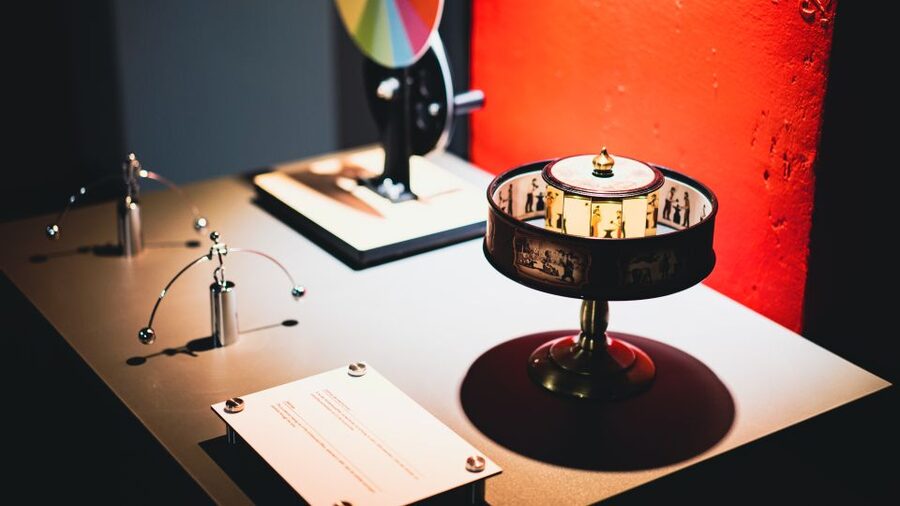
- Interactive exhibits and puzzles keep you moving instead of passively viewing art
- Mirror rooms like the Starroom and Abyss are built for mind-bending photos
- Projector rooms make your body part of the illusion, not just an observer’s point of view
- Oleg Shupliak’s layered artwork adds an art-gallery layer to the fun
- Small-room design can mean short waits when it’s crowded
- About 1.5 hours fits well if you want a focused indoor activity in Berlin
Why DeJa Vu Feels Different From a Normal Museum
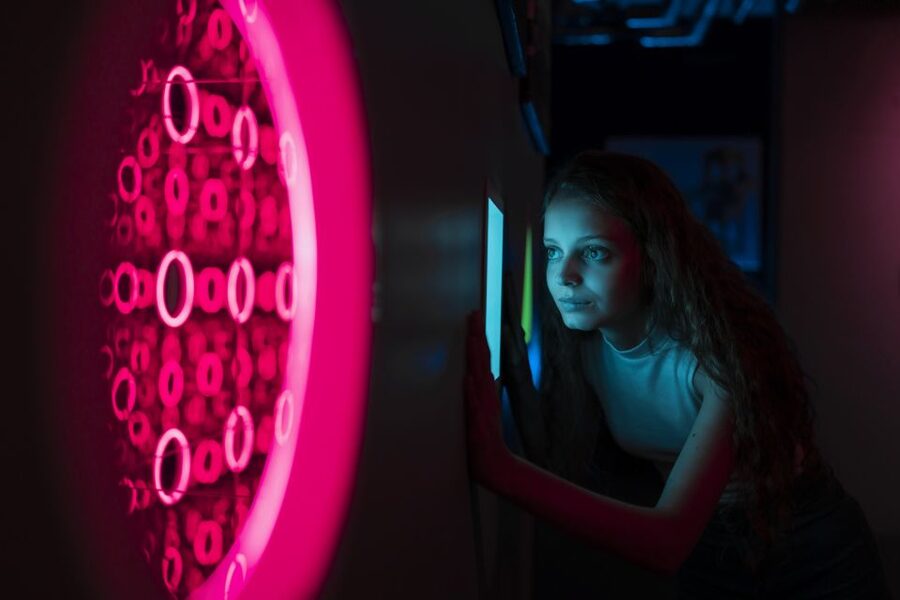
Most museums ask you to look and then read. DeJa Vu does the opposite. Here, the main goal is to mess with perception in a playful way. You walk room to room, and each space nudges your brain in a different direction—wrong angles, tricky lighting, and visual setups that look simple until you step closer.
What makes it work is that the museum treats illusion-making like a conversation. You’re not the kid in the back row being told to be quiet. You’re the participant. The exhibits are built so you can test your own assumptions right there, with your eyes and your body.
This is also a good break from Berlin’s usual sightseeing rhythm. If you’ve already seen a lot outdoors, you’ll appreciate an indoor outing that doesn’t feel like downtime. It feels like a mini theme park, but with an art story woven in.
A few more Berlin tours and experiences worth a look

Where to Find the Entrance by Alexanderplatz
The entrance is right by Alexanderplatz, roughly 300 meters from Fernsehturm. That matters because it’s easy to slot into a day without a complicated route.
If you’re coming by transit, plan to arrive a bit early so you’re not rushing. The museum duration is listed at 1.5 hours, and that time can feel tight if you’re already late and you want to do every room carefully.
Also, notice the neighborhood around Alexanderplatz: it’s lively and full of choices for snacks outside the museum area. Inside, though, there’s a clear rule set (more on that later).
Timing the Visit: How Long It Actually Takes
The ticket experience is set for 1.5 hours, and that’s a solid target if you want a relaxed pace, reading the puzzle prompts, taking photos, and not speed-walking each room.
That said, the museum is room-based. If you move quickly, you might burn through it faster than the time slot. If you prefer to slow down, linger in the trickier setups, and stop for photos more than once, you’ll likely feel right at that 1.5-hour mark.
A practical strategy: do the quickest wins early (the mirror rooms and projector moments that instantly show results), then spend more time on the exhibits and the Oleg Shupliak gallery layer.
The Two-Floor Layout: What Your Time Should Look Like
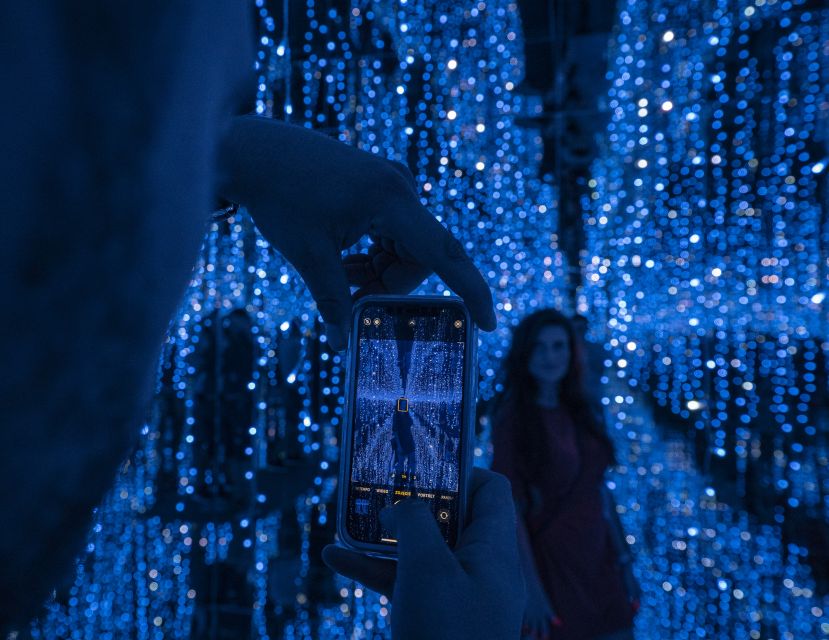
You’ll explore two floors of galleries and illusion spaces. The flow is designed around changing visual rules, so your brain never gets fully comfortable.
A useful way to think about the museum is in three types of rooms:
- Hands-on illusion exhibits and puzzles (you interact, push, sit, or align with the setup)
- Photo and perception environments (especially themed mirror rooms)
- Art gallery moments that slow things down and add meaning to the play
When you treat it like that, it becomes easier to decide what to prioritize. If you love visuals, you’ll spend extra time where the museum is built for photos and video. If you like puzzles and structure, you’ll focus on the exhibit rooms first and circle back for photos.
Starting Strong: Exhibits Like the Beuchet-Stuhl
One of the standout parts of the experience is that it doesn’t rely on one illusion style. You’ll see different setups that attack your eyesight from different angles.
A specific example is the Beuchet-Stuhl, a classic illusion-style exhibit that’s designed to make you doubt what your eyes report. These setups usually work best when you go slowly and try not to rush to conclusions.
Why this matters: the museum’s whole point is learning through contradiction. If you sprint through without engaging, you’ll still have fun, but you’ll miss the clever moment where the illusion finally clicks.
You can also read our reviews of more museum experiences in Berlin

The Dark Room and Other Projector Spaces
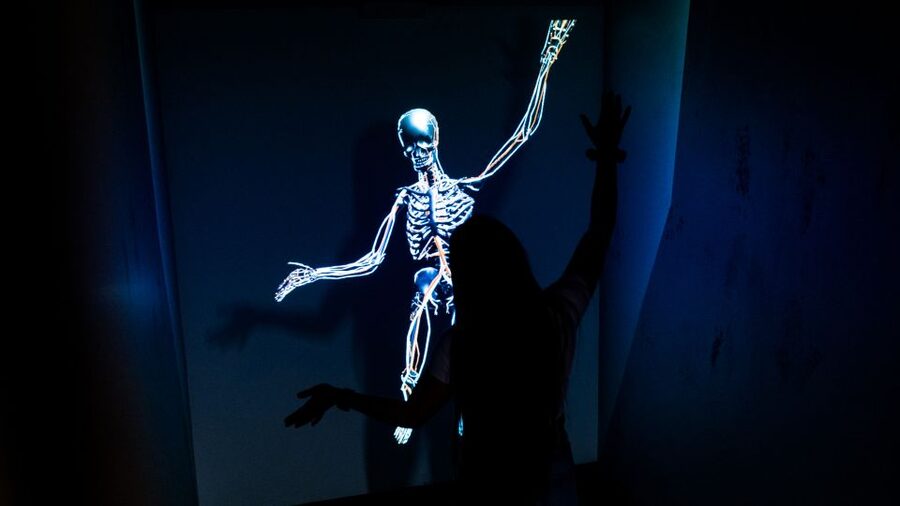
Then come the spaces where the museum shifts from “look at the trick” to “you are part of the trick.” The descriptions highlight projector rooms where you become the focus of the artwork and illusions.
These rooms tend to be the most memorable because they turn your movement into input. You’re not standing still staring at a wall—you’re changing the scene by where you stand and how you react.
A tip: in projector and illusion rooms, give yourself time to reposition. The first view is rarely the only view. If there’s a queue, accept that you’ll need a quick decision, but if you’re not rushed, experiment with a couple of positions before moving on.
Mirror Rooms: Starroom and Abyss for Mind-Bending Photos
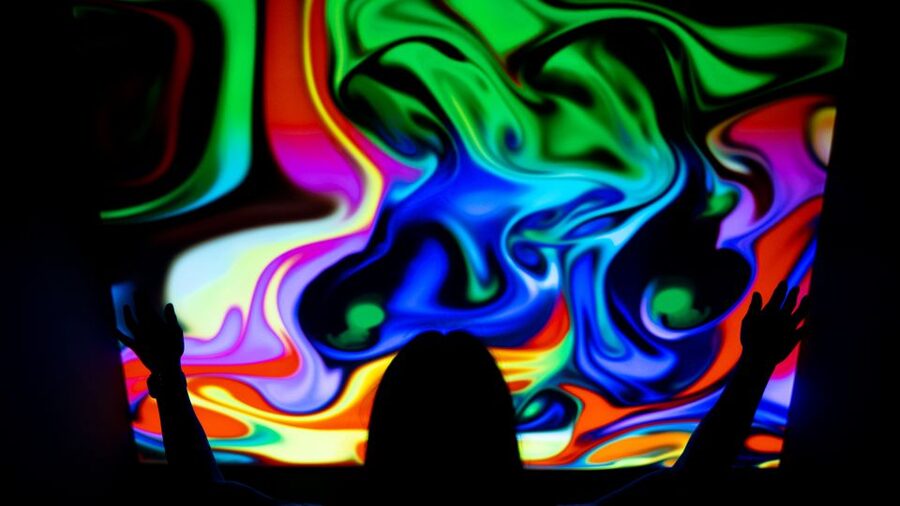
If your camera roll is important to you, you’ll like this museum’s photo strategy. It’s not just that you can take pictures—it’s that the spaces are designed to create a strong image every time.
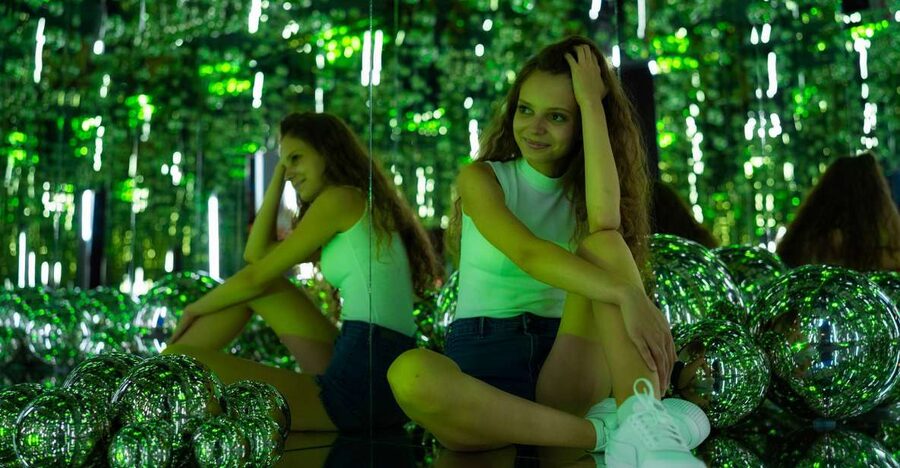
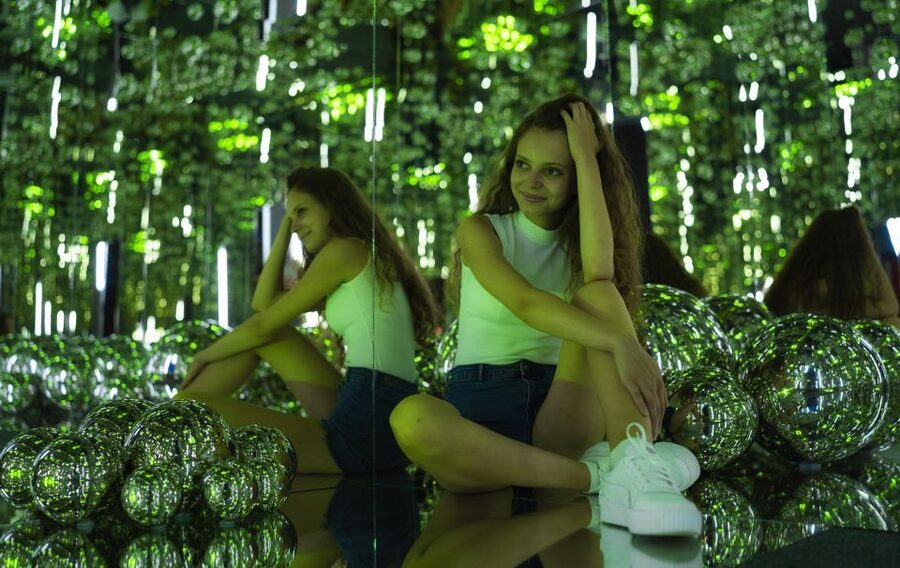
Two themed mirror rooms specifically called out are the Starroom and the Abyss. These rooms rely on reflection and staging, so you get the feeling of going deeper into the scene than your body position should allow.
What you should do: treat mirror rooms like small photo sets. Move with intention. Look for angles where reflections line up cleanly, and don’t be afraid to try one or two poses that you wouldn’t normally attempt. The rooms are built to make you look imaginative without needing a complicated setup.
Also, remember the museum highlights include the ability to take stunning photos or videos of colorful kaleidoscopes. So if you like short clips as much as still shots, plan to spend at least a few minutes there.
Oleg Shupliak’s Art Gallery: Layers You Can Actually Notice
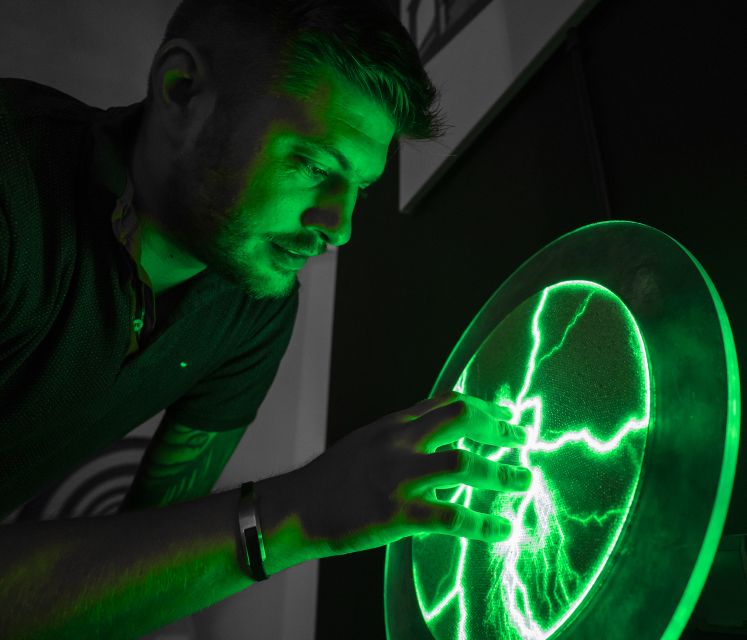
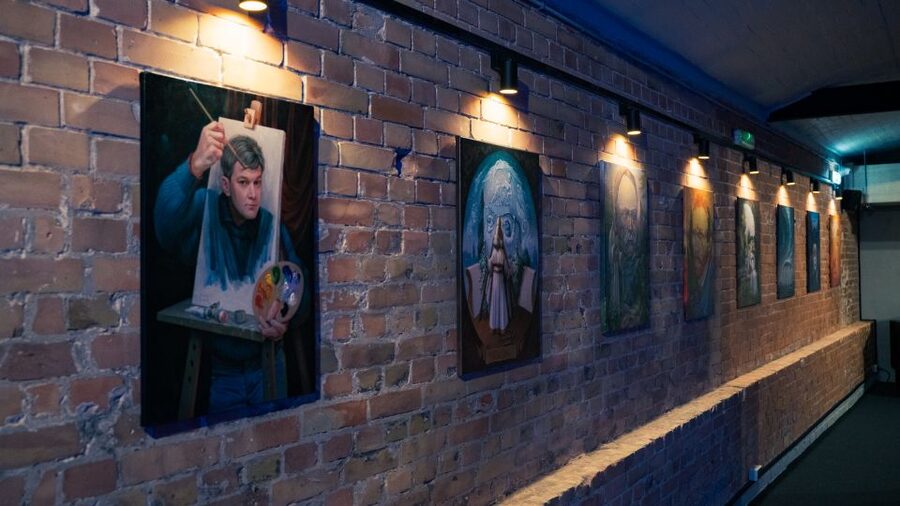
Not all the time is pure gimmick. The museum includes an art gallery featuring painter Oleg Shupliak, and the setup pushes you to look at portraits and artwork in a layered way.
The descriptions mention you’ll marvel at the different layers of his artworks, and you’ll even have fun guessing who is portrayed in his portraits. That’s an important detail: it gives the museum a puzzle-like element that doesn’t just live in interactive rooms.
Why this adds value for you: it ties the illusion theme to art craft. You get a sense that perception is part of painting choices too—how layers, shapes, and contrast can hide and reveal information.
If you’re visiting with a mixed group—say adults who don’t always want to “play”—this art gallery helps bring them in. It’s still playful, but it’s grounded in visual artistry.
Interactive Sandbox and Puzzle Zones for Different Ages
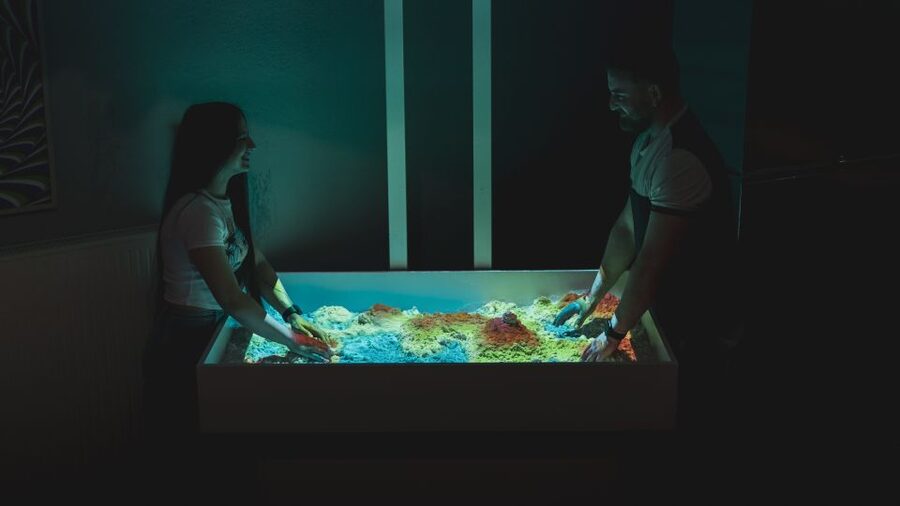
The museum doesn’t lock you into one activity type. Alongside optical illusions, it includes interactive spaces such as an Interactive Sandbox, plus puzzles throughout.
This is where the museum becomes a good family outing. The experience is described as fun and educational, and it’s designed for people of all ages. In practice, that means different corners can appeal to different energy levels:
- Kids and teens often enjoy the instant feedback of interactive exhibits and mirror rooms
- Adults often like the art-gallery layer and the brain-teasing setups
- Mixed groups can split attention without splitting up, because almost every room offers something to do
If you have a group, a good rule is to set a shared goal for the first hour. For example: do all the interactive rooms first, then spend extra time in the mirror and projector areas for photos. That avoids the usual problem where you end up chasing each other.
The Real-World Issue: Small Rooms and Waiting Time
Here’s the part I’d plan for honestly. Some exhibits happen in rooms that can hold only a couple of people at once. When it’s busy, you may face short waits to enter.
This isn’t a deal-breaker, but it changes how you should schedule. If you can choose the time of day, aim for a quieter period so you can enjoy each room comfortably without feeling rushed.
On busy days, the trick is to keep your mood flexible. Treat waiting time like part of the experience: use it to decide what you want to try first when you’re up next—especially for projector or mirror rooms where a slightly different position can change what you get.
Price and Value: Is $17 Worth It?
At about $17 per person for 1.5 hours, this museum sits in the category of experiences that work best when you like hands-on visual play.
For value, I like three things:
- You get real interaction, not just viewing. You’ll spend most of the time doing something rather than standing still.
- You get multiple “types” of fun: interactive exhibits, puzzles, projector rooms, mirror rooms, and an art gallery.
- You’ll leave with photos. Mirror rooms and kaleidoscopes are built for great results, which matters if you’re trying to make the day feel special.
Where the value can feel less strong is when you’re more interested in traditional museums. If your idea of a perfect Berlin day is long galleries and deep labels, De Ja Vu will feel lighter and more playful. But if you want a clever indoor activity that keeps everyone’s attention, it’s a good use of time.
Rules Inside: What You Need to Know Before Entry
The museum lists a few clear restrictions:
- Pets are not allowed
- Food and drinks are not allowed
- Alcohol and drugs are not allowed
Also, it’s not suitable for people with mobility impairments, and it’s not suitable for people with epilepsy. The safest move is to take those limits seriously rather than trying to “push through,” since the experience relies on visual effects.
If you’re bringing kids, plan for energy. This place is active and visual. It’s usually not the time for sleepy mode.
Who Should Book the DeJa Vu Museum Ticket?
Book this if you want:
- A rainy-day plan that doesn’t feel boring
- A family activity with plenty of hands-on moments
- A quick indoor stop that still feels like a full experience
- Plenty of photo-worthy rooms and creative visuals
- A museum outing that mixes illusions with an actual art gallery (Oleg Shupliak)
Skip it (or at least think twice) if you:
- Need an experience designed for mobility impairments
- Have epilepsy or sensitivity to visual effects
- Prefer quiet, label-heavy museums where you don’t interact much
Should You Book? My Practical Take
I think the DeJa Vu Museum is a strong choice when you want a focused, high-energy Berlin experience that fits into a day without swallowing your schedule. At $17 and about 1.5 hours, it’s priced like an attraction, and it delivers like one—hands-on illusions, mirror rooms, projector moments, and puzzles, plus the art gallery layer.
If you can visit when it’s less crowded, you’ll feel the experience better and spend more time in each room. If you’re coming at peak times, go in expecting short waits and treat it as part of the flow.
FAQ
Where is the DeJa Vu Museum entrance in Berlin?
The entrance is by Alexanderplatz, about 300 meters from Fernsehturm.
How long is the visit?
The experience is listed at 1.5 hours. Starting times depend on availability.
What does the ticket cost?
The price is listed as $17 per person.
What’s included with the ticket?
Your ticket includes interactive exhibits, mirror rooms, puzzles, and an art gallery by Oleg Shupliak.
Can I take photos or videos inside?
The highlights specifically mention taking stunning photos or videos, including kaleidoscope visuals and themed mirror rooms.
What languages are available?
The host or greeter is available in English, German, Polish, Spanish, and French.
Is it suitable for everyone, and what’s not allowed?
It’s not suitable for people with mobility impairments and not suitable for people with epilepsy. Pets, food and drinks, and alcohol and drugs are also not allowed.