REVIEW · BERLIN
Berlin: Tickets to the Computer Games Museum
Book on GetYourGuide →Operated by Computerspielemuseum · Bookable on GetYourGuide
If you like games, this museum feels like a time machine. It’s Europe’s first Computer Games Museum and it puts you in the driver’s seat with hundreds of exhibits you can try.
I especially loved the mix of legend-and-gadget: you’ll see iconic machines like Pong and then you’ll get to play along with the story from old tech to newer systems. The other big win is how much is interactive—this isn’t a “look but don’t touch” museum.
One thing to consider: the experience can feel compact if you want nonstop “new” games, and the arcade corner can get busy (so plan for short waits).
In This Review
- Key things to know before you go
- Entering the Computerspielemuseum: what the building sets up
- Permanent exhibition: 60 years of games you can actually touch
- Interactive exhibits: why they matter more than you think
- The special exhibition: how it adds variety to a one-day ticket
- The Wall of Hardware and the arcade corner for hands-on nostalgia
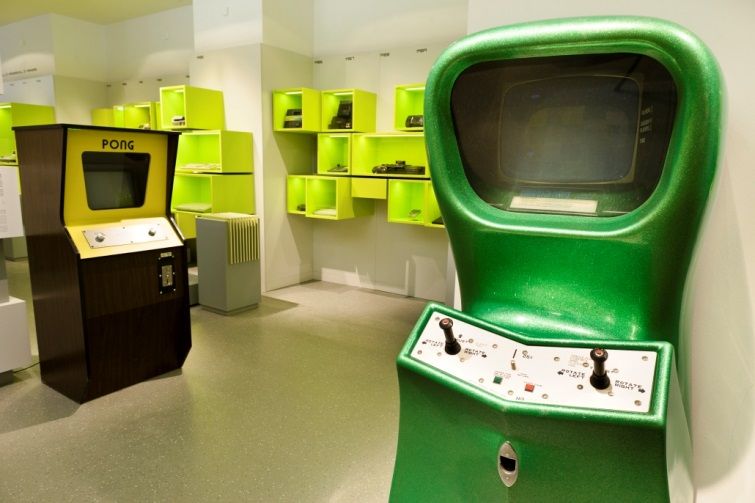
- The “play big” stations: Pong, the Giant Joystick, and PainStation
- 3D games and the 3DS experience: where older tech meets newer formats
- How long to plan for your visit (and how to keep it from feeling rushed)
- Crowds, kids, and the reality of hands-on exhibits
- Price and value: is $22 worth it in Berlin?
- Who this museum fits best—and who might not love it
- If you want to add extra info: optional guided tours and demos
- Should you book the Computer Games Museum ticket?
- FAQ
- What’s included in the ticket?
- Do I get a guide with the ticket?
- How long is the ticket valid for?
- Where is the meeting point?
- Is the museum wheelchair accessible?
- Are transfers included?
- Can I cancel for a refund?
- Is reserve now, pay later available?
Key things to know before you go
- 300+ exhibits across 70 years of computer gaming history, including playable classics
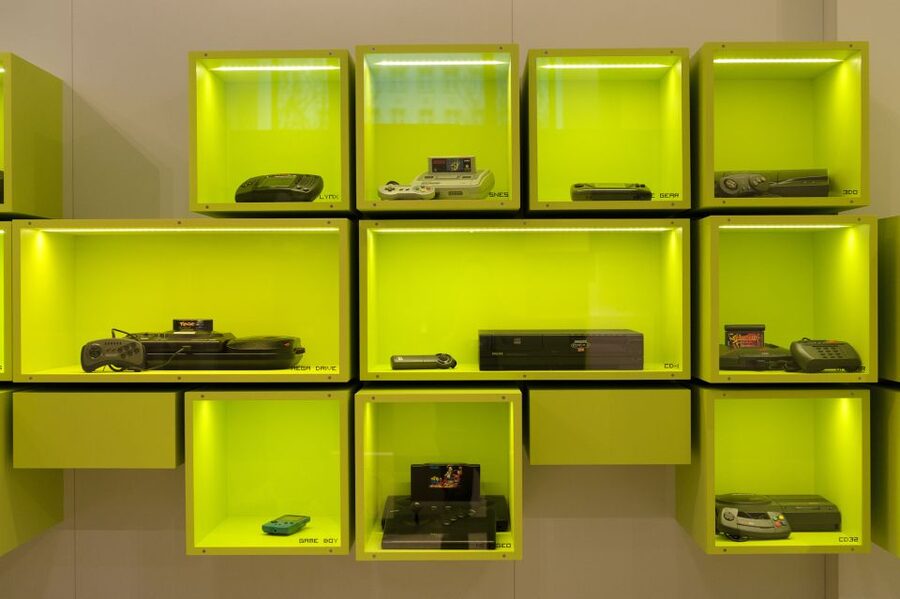
- Wall of Hardware showing favorite machines from multiple generations (Commodore, Game & Watch, PlayStation)
- A small coin-operated arcade corner with games like Donkey Kong and Space Invaders
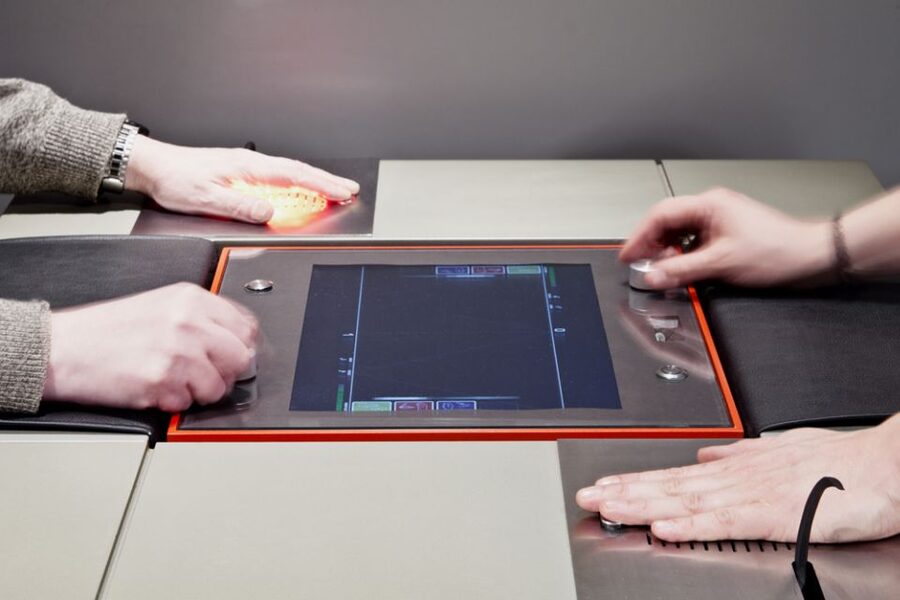
- Interactive big-ticket games such as a Giant Joystick and the PainStation
- Permanent + special exhibitions are both included in your ticket
- Reviews often mention the museum works for many ages, but crowds and kids grabbing controllers can happen
Entering the Computerspielemuseum: what the building sets up
Start at Computer Games Museum Berlin on Karl-Marx-Allee 93a, 10243 Berlin. Even before you reach the main displays, the museum’s tone is clear: this is about play, not just information.
The layout matters because it keeps pulling you from “this is what it was” to “now try it.” You’ll be moving between eras—retro machines, console generations, and then newer formats—so you don’t feel stuck in one time period.
A few more Berlin tours and experiences worth a look



Permanent exhibition: 60 years of games you can actually touch
Your ticket covers the permanent exhibition, which focuses on roughly 60 years of game development. The museum lists more than 300 exhibits, and the key word for planning is more than: it’s not just consoles in glass cases.
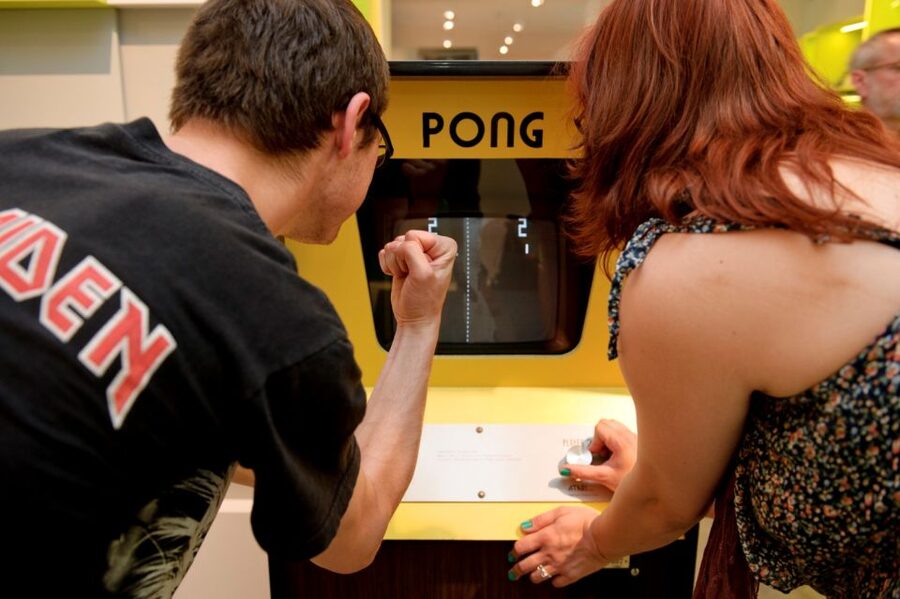
Expect to see the full spectrum of gaming tech. The museum highlights include legendary and recognizable names like Pong, Pacman, Bomb Jack, and Grand Theft Auto IV—and it uses these milestones to show how gameplay, graphics, and platforms changed.
Here’s what makes this portion valuable for you: it turns nostalgia into context. When you play an older game, you understand why later designers built the way they did. And when you test newer tech, you can trace the jump from simple controls to more complex interaction.
Interactive exhibits: why they matter more than you think
A lot of museums show artifacts. This one also turns artifacts into tools you can use. That’s why reviews are full of “play this” moments and why families and adult fans both end up lingering.
You’ll find interactive setups spread throughout the museum, which means you can build your own route. If you love arcades, go where the cabinets are. If you prefer consoles and handhelds, follow the technology wall and the connected gaming stations.
The special exhibition: how it adds variety to a one-day ticket
Your ticket includes the special exhibition as well as the permanent one. That’s important because it prevents a “same room, same vibe” day.
What the museum tends to do well is connect the special content back to the main story—so even if one exhibit topic is unfamiliar, you’re still learning the bigger progression of gaming.
If you’re short on time, you can treat the special exhibition as your “choose-your-own-adventure” stop. Spend the extra time there if it lines up with your interests; otherwise, use it as a fresh change of pace between eras.
The Wall of Hardware and the arcade corner for hands-on nostalgia
One standout area is the Wall of Hardware, which puts a spotlight on favorite machines across generations. The museum specifically calls out systems like Commodore, Game & Watch, and PlayStation.
For you, this is a smart section because it gives you quick visual recognition. You’ll see what different eras looked like, and you’ll connect the device shape with the games you remember. It’s also a good reset point if you’re tired of spinning between interactive screens.
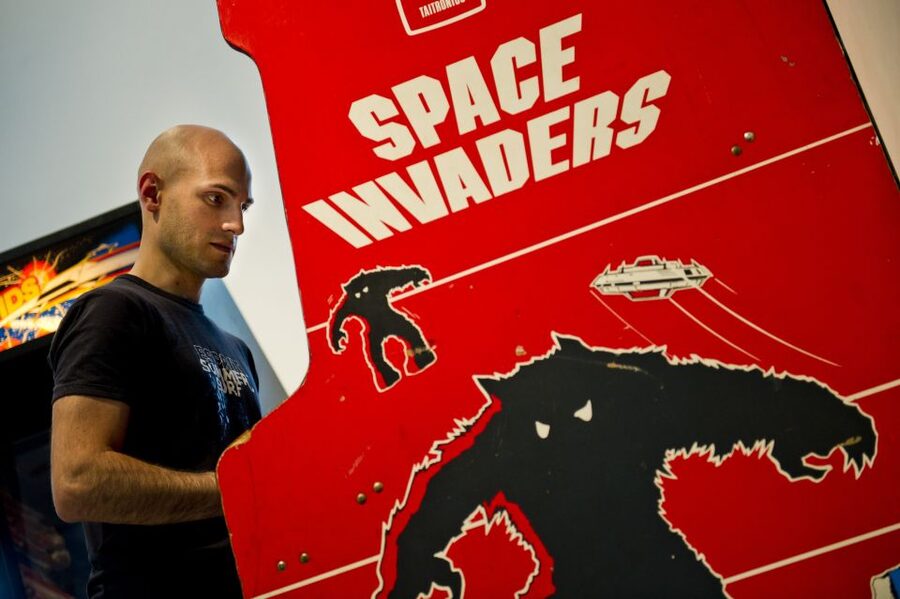
Right around the corner, you’ll find a small amusement arcade with coin-operated machines. The museum mentions classics such as Donkey Kong and Space Invaders. Reviews hint that this arcade area is a frequent favorite—and that it can be popular enough to mean short waits.
Practical advice: if you see an open spot at the arcade cabinets, play right then. Waiting to “come back later” sometimes leads to missing the best available moment.
You can also read our reviews of more museum experiences in Berlin






The “play big” stations: Pong, the Giant Joystick, and PainStation
Some museums give you a button to press and call it interactive. This one goes further by offering big, memorable games that feel like party attractions.
Two of the most talked-about experiences are:
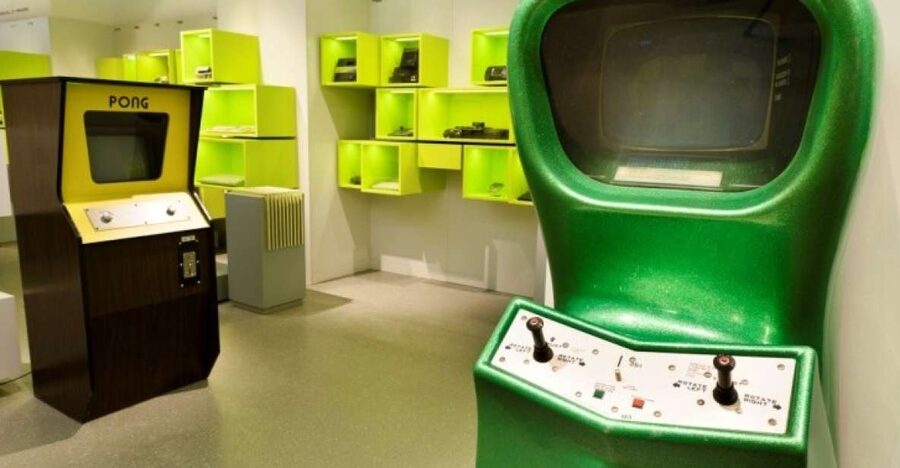
- Pong, the legendary early arcade-style game that you can find referenced throughout the museum
- PainStation, which shows up in multiple reviews as a high-energy challenge
PainStation is one of those places where you can’t help but watch others—especially if you’re traveling with friends. One review notes the PainStation can deliver shocks when you miss the ball. That kind of setup makes it more than a demo; it turns into a moment you’ll talk about after you leave.
Another “make it fun” attraction is the Giant Joystick, where you get a bigger-than-life feel for how physical controls changed over the years. If you grew up with handheld buttons or gamepad sticks, you’ll likely enjoy seeing the older control style at full scale.
3D games and the 3DS experience: where older tech meets newer formats

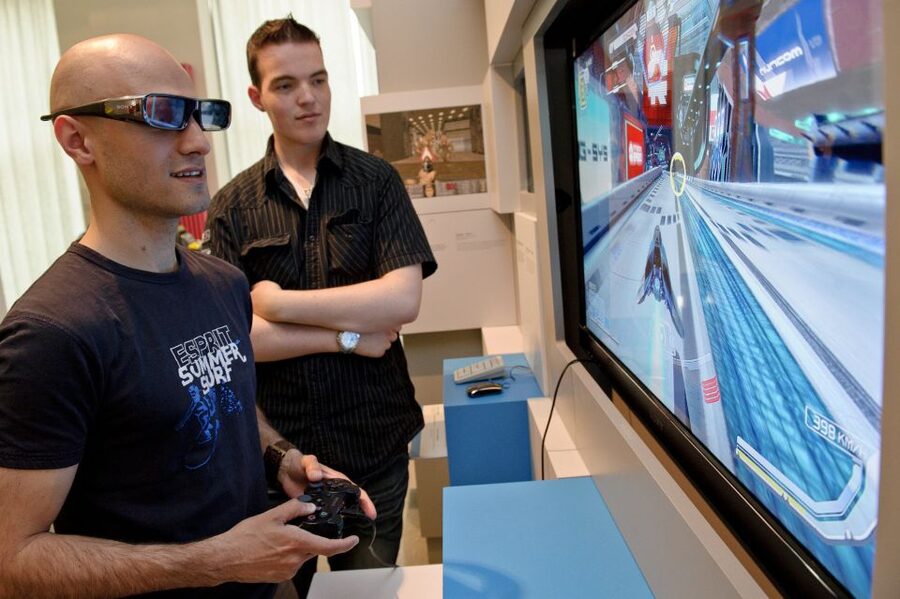
The museum doesn’t stop at “retro.” It also includes experiences aimed at 3D games, including a 3D television and handheld-style options such as the 3DS.
This matters because gaming history isn’t only about graphics improving. It’s also about the interface: how players moved, aimed, and interacted. Seeing the jump to 3D helps you understand why later motion and movement games became so compelling.
If you’re a fan of modern handheld gaming, the 3D sections are a good payoff. If you’re more into classic arcade play, treat this area as a quick “contrast stop,” not the main goal.
How long to plan for your visit (and how to keep it from feeling rushed)
A one-day ticket can go two ways: either you spend a few hours and hit highlights, or you lose track of time because the playable stations keep pulling you back.
Reviews mention anything from a quick loop to much longer visits (some people report several hours, even close to a full afternoon). So I’d plan this like a choose-your-own-adventure day:
- If you want lots of gameplay time, plan for a half to full day
- If you’re there mainly for history and photos, you can cover more quickly, but you’ll still want time at the interactive areas
The biggest time sink is the arcade and the interactive stations. If you want maximum playtime, go to the most crowded areas earlier in your visit.
Crowds, kids, and the reality of hands-on exhibits
Because so much is playable, you may deal with busier moments. Some reviews mention being surrounded by kids, and a few note the museum can get crowded.
This doesn’t ruin the visit—hands-on museums always have a “shared toy room” energy—but you should go in expecting it. If you’re traveling with kids, that’s usually a positive: your children can test and react in real time.
If you’re traveling solo or as a couple and you want quiet focus, aim for less busy hours and be ready to wait briefly for arcade equipment.
Price and value: is $22 worth it in Berlin?
At $22 per person for a one-day ticket, the value depends on how you like to travel.
If you’re the type who enjoys touching controls, swapping between eras, and spending time at playable exhibits, $22 is usually a fair trade. You’re paying for access to hundreds of exhibits, including both the permanent exhibition and the special exhibition, and that adds up fast.
If you mainly want to read and watch (and you’re not excited about trying games), the price can feel higher than it does for hands-on visitors. Even then, the museum’s content is built around interaction, so you won’t feel like you’re “just looking.”
My rule of thumb: if you’ll play more than a few stations, you’ll feel good about this ticket price.
Who this museum fits best—and who might not love it
This museum is a strong match if you’re any of these:
- An arcade or console fan who likes seeing tech across decades
- Traveling with kids who learn best by doing
- A curious adult who wants a “museum plus action” day
It may be less satisfying if you’re looking for a focused, modern gaming showcase. The museum leans heavily toward retro and classic milestones, and you might want more contemporary titles if that’s your main interest.
If you want to add extra info: optional guided tours and demos
Your ticket includes exhibitions, not a guide. Still, some reviews mention there are guided tours available for an additional fee.
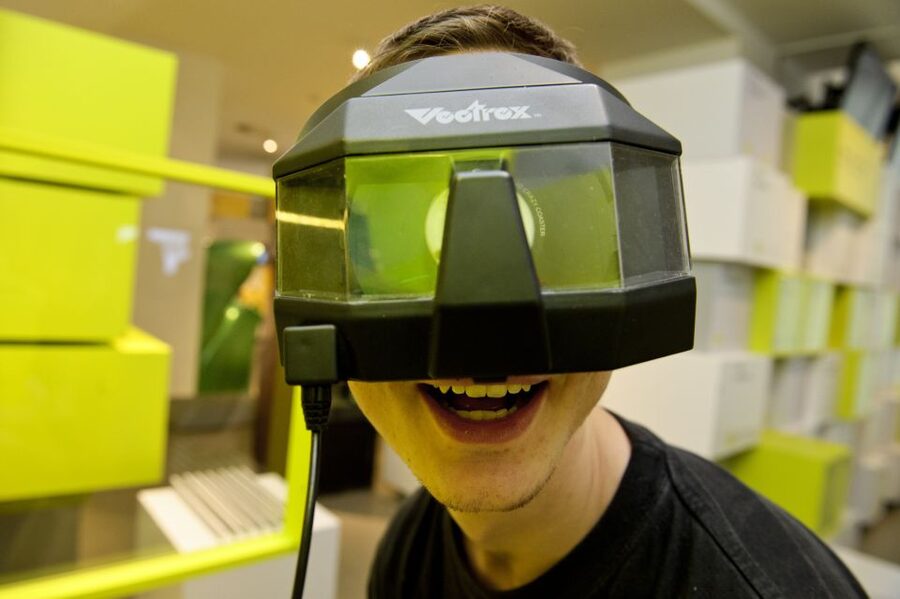
One review also mentions VR demos and suggests asking reception for a free timed ticket. That kind of extra can add variety if you’re planning a longer visit or you want something more “tech demo” than arcade play. Just treat it as an add-on, not part of the included package.
Should you book the Computer Games Museum ticket?
I’d book it if you want a Berlin day that mixes classic game history with hands-on play—and you’re happy to spend time at stations instead of speeding through.
Pass if your idea of a museum is mostly quiet viewing, or if you’re chasing brand-new games above all else. This place is about how games evolved, and it’s strongest when you’re willing to press buttons and try the older stuff for yourself.
If you go, aim to arrive ready for playtime. The best part of the day is when you stop thinking about years and start thinking about controls, challenges, and how each era changed the way you interact with games.
FAQ
What’s included in the ticket?
Your ticket includes entry to the permanent exhibition and the special exhibition.
Do I get a guide with the ticket?
No. A guide is not included.
How long is the ticket valid for?
The ticket is valid for 1 day. You’ll want to check available starting times.
Where is the meeting point?
Computer Games Museum Berlin is at Karl-Marx-Allee 93a, 10243 Berlin.
Is the museum wheelchair accessible?
Yes, wheelchair access is available.
Are transfers included?
No. Transfers are not included.
Can I cancel for a refund?
Yes. You can cancel up to 24 hours in advance for a full refund.
Is reserve now, pay later available?
Yes. There’s a reserve now & pay later option so you can book your spot and pay later.