REVIEW · CAEN
Caen: Memorial Museum Entry Ticket & Optional Audio App
Book on GetYourGuide →Operated by Le Memorial de Caen · Bookable on GetYourGuide
WWII in Normandy gets very personal. I love the 19-minute film that sets the timeline fast, and the D-Day exhibits that make the Normandy story feel concrete. The main catch: this is not a 60-minute stop—you’ll want real time to read, watch, and process.
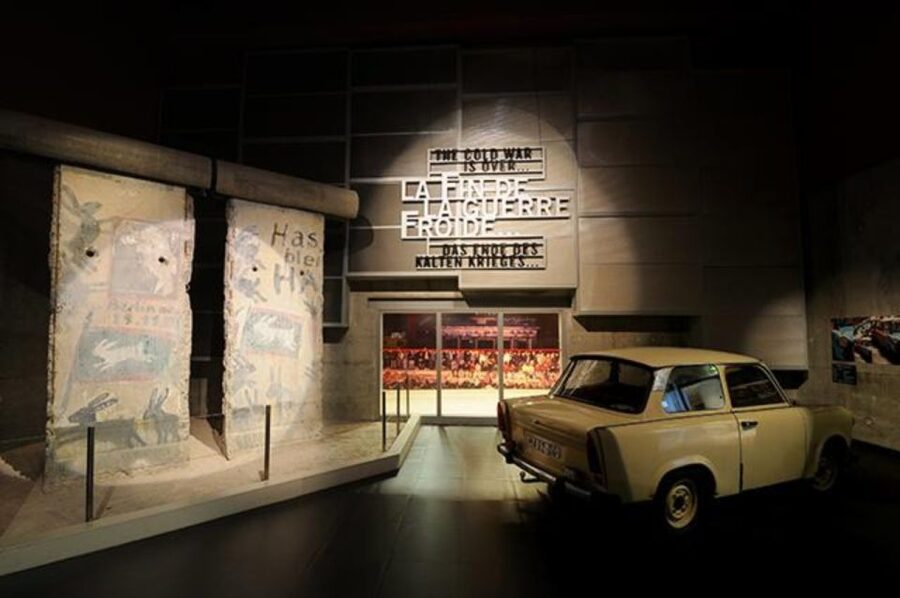
You’re walking through a major memorial center that traces how Europe moved into catastrophe and out again. Expect exhibits spanning from the end of the First World War through the fall of the Berlin Wall, with original battle artifacts, historical documents, and film or audio testimonies. It’s self-guided, so you control the pace—good news when you want to linger, but it can feel like a lot if you rush.
In This Review
- Key things to know before you go
- Ticket value at around $24: what you’re really buying
- Plan for a full day: how long it takes to do this properly
- Entering the galleries: what the museum covers and how it’s organized
- The D-Day Landings and Normandy: the part that sticks with you
- The 19-minute timeline film: quick context before you get lost
- Artifacts, documents, and testimony: where the museum turns factual
- Audio guide web-app: helpful navigation, but don’t forget to add it
- Holocaust area and other emotional stops: where to slow down
- Memorial gardens: the three-force finale
- Food, pacing, and practical breaks
- Getting there: simple routes and a clear meeting point
- Should you book this ticket?
- FAQ
- Is the museum ticket self-guided or does it include a guide?
- How long should I plan to spend at Mémorial de Caen?
- Does the ticket include the audio guide?
- Can I buy the audio guide web-app without the entrance ticket?
- What films are included during the visit?
- Where do I check in?
- Is the museum wheelchair accessible?
- Are pets allowed?
- What’s the last entry time?
- When is the museum closed?
- Do children need to be accompanied?
Key things to know before you go
- A 19-minute timeline film helps you place key 20th-century events in order
- D-Day and the Battle of Normandy are a major focus, not a side note
- Original artifacts and documents mean this isn’t just big panels and photos
- Audio guidance via a web-app is optional, but only works if you add it to your ticket
- Three memorial gardens at the end give you space to slow down and reflect
Ticket value at around $24: what you’re really buying
At about $24 per person, this ticket works out well for what you get: you’re paying for a full, self-paced museum visit that includes multiple film experiences plus permanent exhibitions. In other words, you’re not just buying access to a room. You’re buying time and structure.
What makes it feel good value is the way the museum guides you without forcing a group schedule. Even if you skip the audio guide (totally optional), the layout and built-in films do a lot of the heavy lifting. If you do add the audio guide, you get help navigating the galleries on your phone with a user-friendly web-app—handy in a museum where it’s easy to lose track of what you’re seeing.
One more value point: you can pause. This is a memorial, so the experience asks for attention. The museum’s pacing gives you breaks built into the route, and that’s worth something.
A few more Caen tours and experiences worth a look

Plan for a full day: how long it takes to do this properly
The visit is set up for a full museum session. Your ticket is valid for one day, and the exhibits and films naturally take time—especially because you’ll want to read labels and stop at the audio or film moments.
If you’re the type who likes to “see everything,” plan about a half day to more. The museum includes films (including a film specifically about D-Day) and a 19-minute film that covers major dates. Then you’ll likely spend time moving through the galleries and finishing in the three memorial gardens.
Practical tip: start early in the day, if you can. The museum has last entry 1.5 hours before closing, and you’ll feel the time crunch if you arrive late. You’ll also want breathing room for the emotional parts of the story, where rushing doesn’t help.
Entering the galleries: what the museum covers and how it’s organized
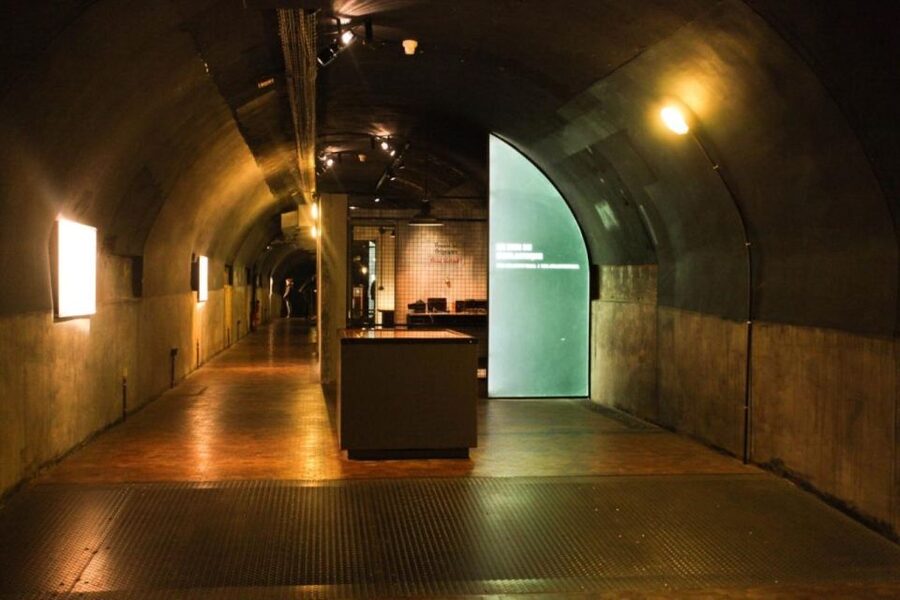
Once you enter at the Mémorial de Caen, you’re looking at a flow that connects causes, occupation, destruction, liberation, and the longer arc of 20th-century history.
A few things stand out about the story path:
- The museum explains what led to WWII and what followed after 1945.
- It focuses on Normandy and especially what happened to Caen—how the city was heavily destroyed, what occupation meant for people, and the feeling of liberation after.
- The route isn’t just war facts. It also includes space for reflection and the “why it matters now” angle.
You’ll move through exhibitions that stretch from the end of the First World War to the fall of the Berlin Wall. That broad sweep is useful because it shows you the longer buildup and aftermath rather than isolating WWII as a single isolated event.
Content note: this is a memorial center, so some areas are heavy. That’s not a complaint; it’s part of what this place does well. Just don’t schedule it like a casual photo stop.
The D-Day Landings and Normandy: the part that sticks with you
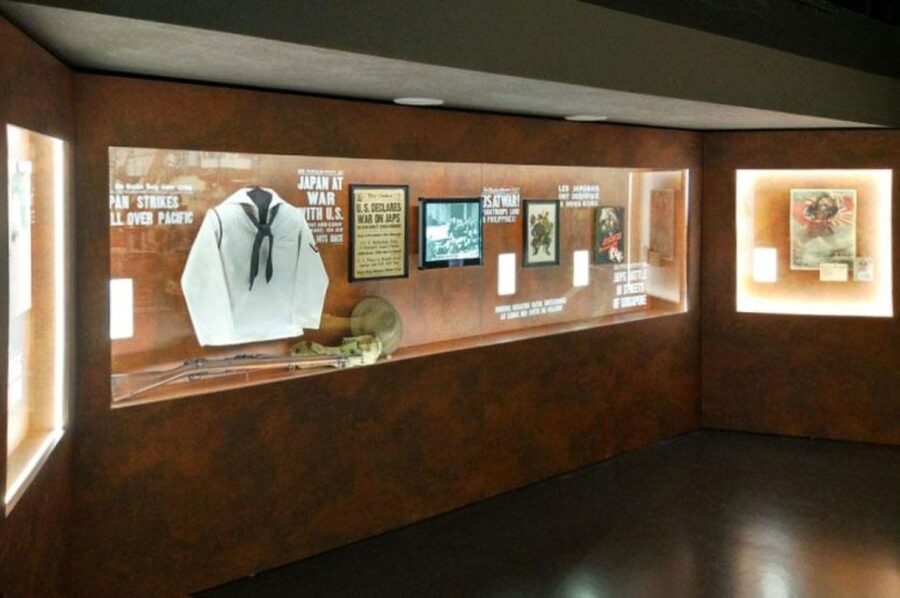
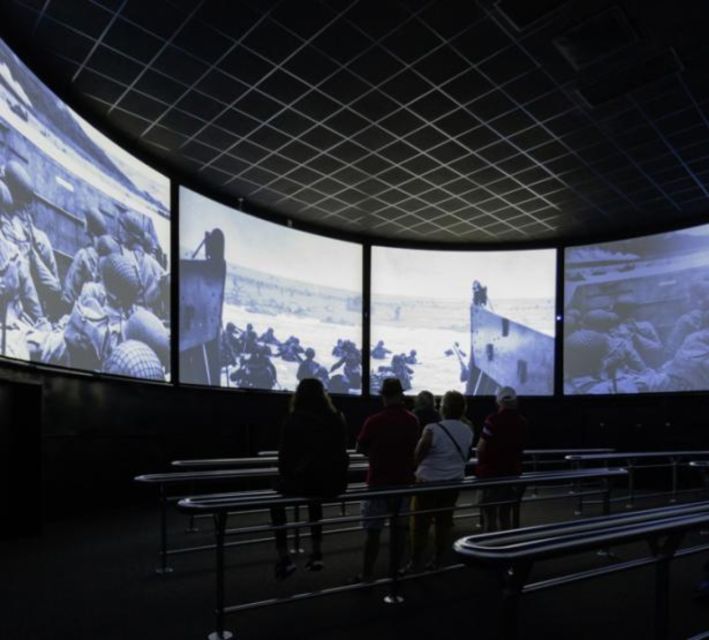
The museum gives the Normandy story real weight, not just a highlight reel. You’ll run into the D-Day Landings section as part of the museum’s guided narrative, including a film about D-Day to help you understand what took place during WWII.
Then the museum connects the invasion to what happened afterward—how Normandy and the 100 days following the invasion changed the course of history. That “then and next” approach matters. It helps you avoid the common mistake of thinking liberation was a single moment instead of an extended, brutal campaign.
What I like about this section is how it’s built to make the war timeline understandable. If you’ve visited other WWII sites and felt like you needed a better frame, this is one of the places that tries to supply that frame up front. The 19-minute film later also helps you check your mental map of the 20th century.
The 19-minute timeline film: quick context before you get lost
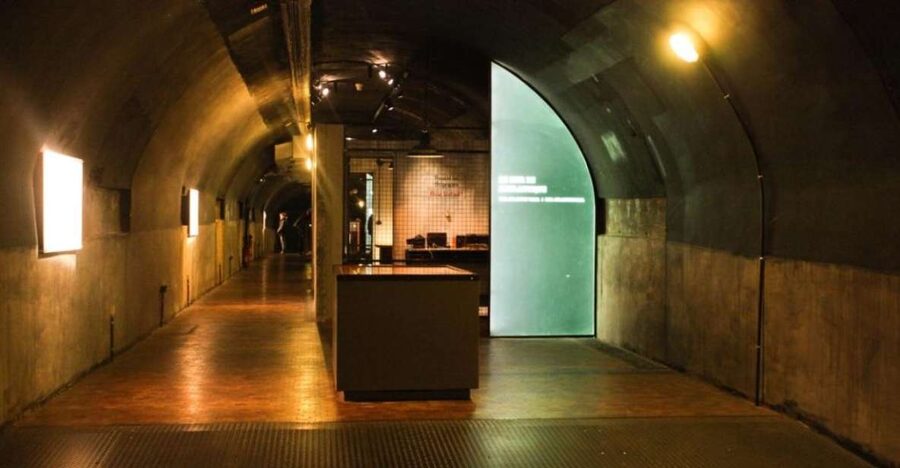
One of the best ways this museum welcomes you is with that 19-minute film that runs through key dates of the 20th century. It’s short enough that you won’t dread it, and structured enough that it can help you connect what you’re reading in the galleries to the larger story.
Think of it like museum-friendly homework done for you. If you’re coming in with only a basic sense of the timeline, this film gives you a backbone. That makes the rest of the exhibits more meaningful, because your brain isn’t trying to assemble the chronology while you’re also trying to absorb documents and testimonies.
If you’re a history buff, the film won’t feel like filler. It’s there to organize the main beats so you can focus on the details that matter to you.
You can also read our reviews of more museum experiences in Caen


Artifacts, documents, and testimony: where the museum turns factual
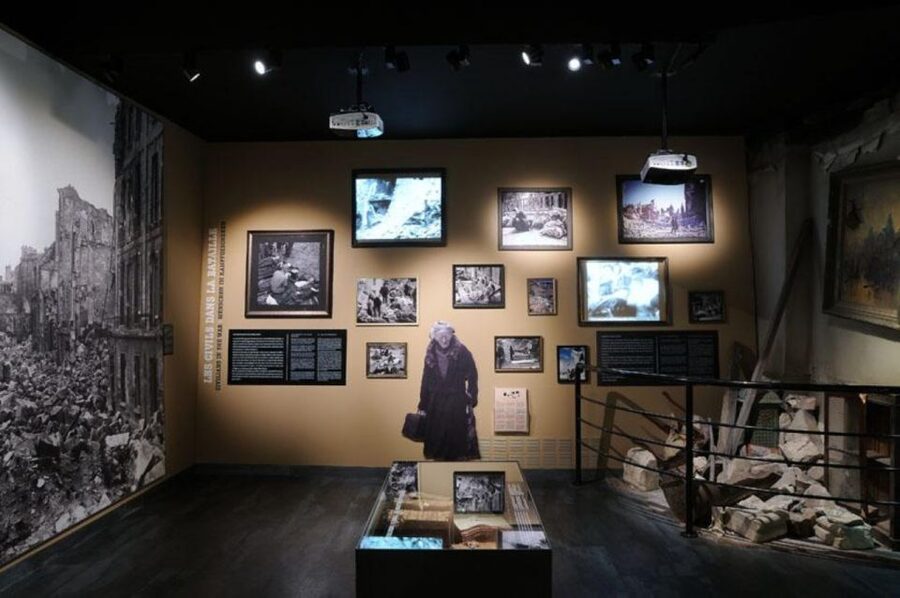
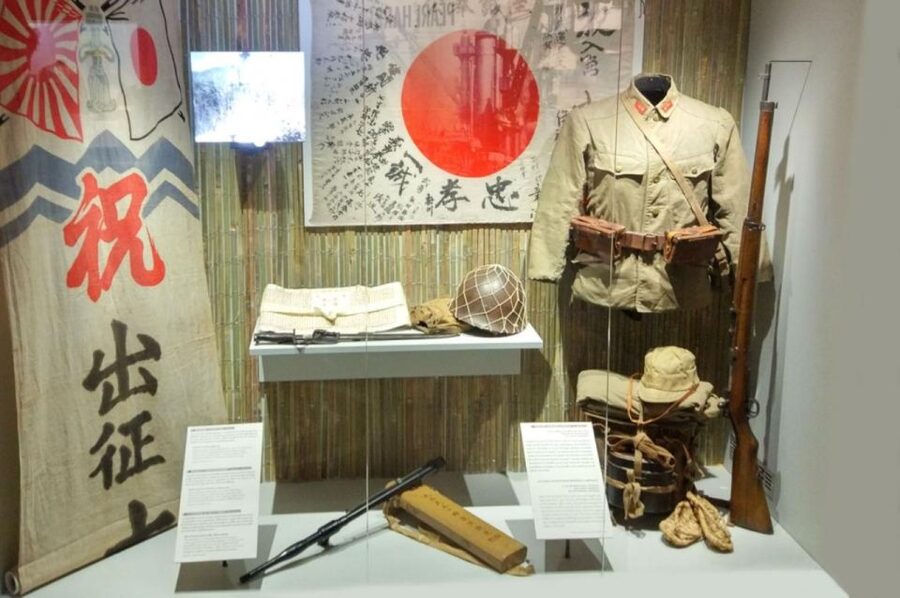
This place isn’t only about big visuals. You’ll see original battle artifacts, historical documents, and film and audio testimonies. That mix matters because it changes how you “receive” history:
- Artifacts make it physical.
- Documents make it specific.
- Audio and film testimonies add human voices to the facts.
If you like authenticity, this is one of the reasons the experience lands. It’s easier to respect the scale of suffering when you’re not only looking at generalities.
Also, the museum’s design gives you moments to pause. You can reflect as you move through the exhibits, and the end section in the memorial gardens acts like a slower finish instead of a sudden exit.
Audio guide web-app: helpful navigation, but don’t forget to add it
The optional audio guide is a web-app you download on your phone. It’s multilingual and meant to make the museum easier to navigate.
But here’s the important part: the audio guide web-app can’t be purchased on its own. It must be booked together with the entrance ticket. So when you’re booking, make sure you actually select both options.
A simple lesson from real-world confusion: it’s easy to think you added audio when you didn’t. If audio matters to you, double-check your order before you go. If you do have it, it can make the galleries less overwhelming, especially when you want context for what you’re seeing without searching for signs.
Holocaust area and other emotional stops: where to slow down
One area stands out in the praise: the zone reserved for the Holocaust. People tend to remember spaces like this because they move from the broad narrative into a very specific, painful reality.
If you’re visiting for education and remembrance, take your time here. This isn’t a section to speed through to catch the “big stuff.” You’ll get more by reading, listening, and letting the place do its job.
A good rule: plan one stop where you spend extra time. Then keep the rest of your pace steady. This is how you avoid leaving with guilt only, or leaving with information only.
Memorial gardens: the three-force finale
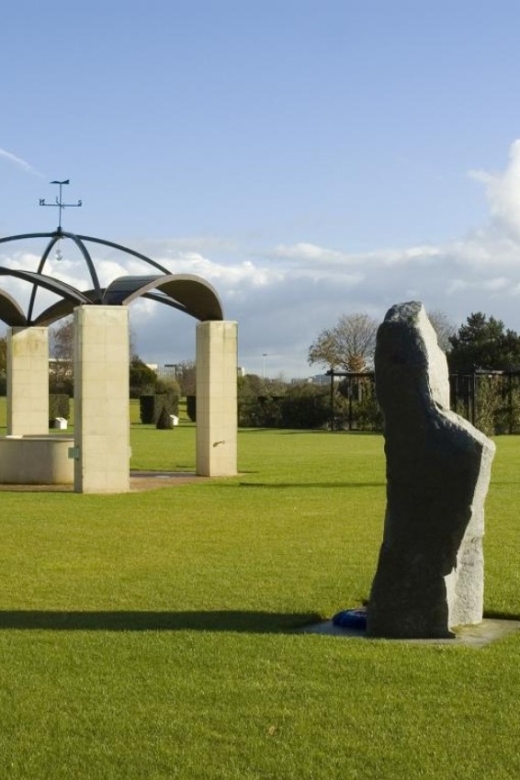
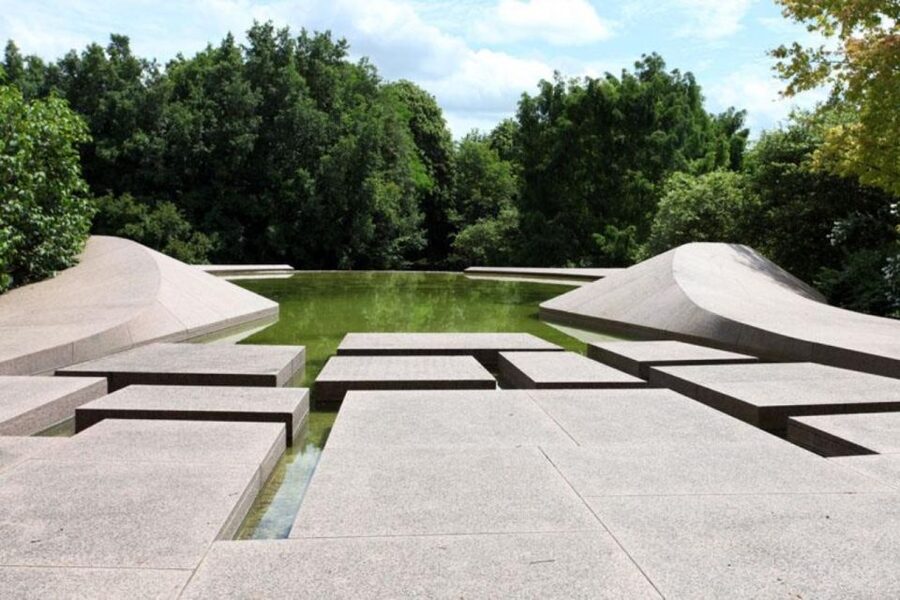
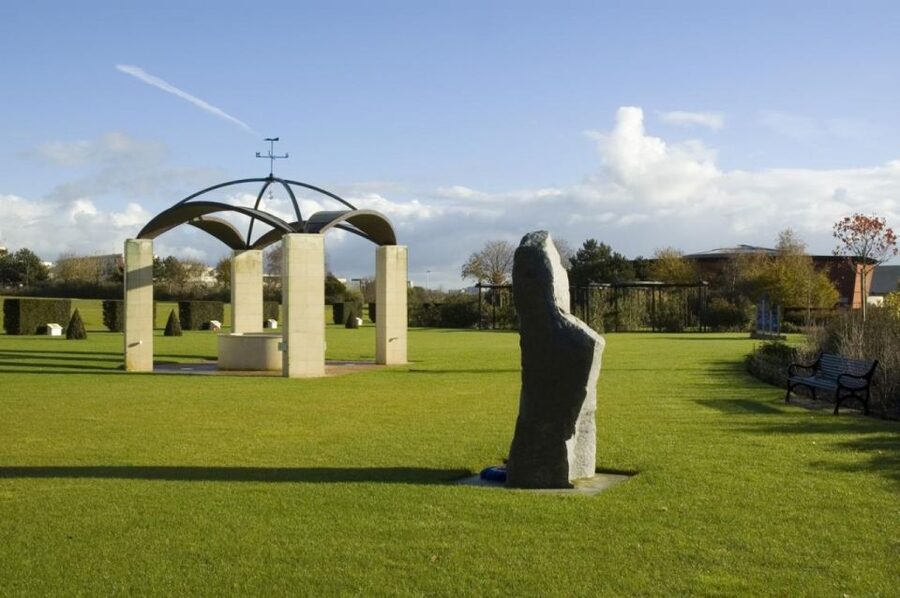
After the exhibits and films, you’ll reach the three memorial gardens dedicated to the three allied forces that helped liberate France. This part works well as a reset after the heavy history inside.
Even if gardens sound like a break you could skip, I’d treat this as part of the story, not decoration. It’s a built-in moment for quiet reflection. If you’re traveling with anyone who gets overloaded by museums, this is the section that often makes everyone breathe again.
Food, pacing, and practical breaks
You’ve got two on-site restaurants at the museum. You can also enjoy a picnic on the museum lawn. This matters because a full visit can stretch, and it’s easier when you don’t feel forced to leave quickly for a meal.
Practical approach: eat earlier than you think. Then you can spend the later hours finishing exhibitions and taking your time in the gardens without feeling hungry or rushed.
Getting there: simple routes and a clear meeting point
The museum entrance is your ticket point. Plan to present your ticket at the entrance of the Mémorial de Caen Museum.
By car, if you’re coming from Paris on the A13 motorway or from Rennes on the A84 motorway, you take the northbound ring road and exit number 7. By bus, use bus number 2 from the city centre.
If you’re based in Caen, bus access makes this fairly straightforward. If you’re road-tripping through Normandy, it’s also easy to slot into a broader day of sites.
Should you book this ticket?
Book it if you want a strong, well-structured WWII and 20th-century education in one place, with films, documents, and testimony, plus time to reflect. At around $24, it’s good value for a full museum day, and the optional audio web-app can make the galleries easier to follow.
Skip it (or adjust your expectations) if you only have a short window. This museum is designed for thoughtful pacing, not quick browsing. Also, if you care about the audio guide, double-check you selected both the entrance and audio options—adding audio later isn’t an option on its own.
If you’re choosing between multiple WWII stops in Normandy, I’d still put this high on your list. It gives context first, then focuses in on the Normandy story, and ends with space for reflection. That combination is why it works.
FAQ
Is the museum ticket self-guided or does it include a guide?
This ticket provides access to the museum’s permanent exhibitions. A guided tour is not included.
How long should I plan to spend at Mémorial de Caen?
The experience is designed for a day visit. Plan time for the galleries and the films, including the 19-minute film and the D-Day film.
Does the ticket include the audio guide?
The entrance ticket includes access to the permanent exhibitions. The multilingual audio guide web-app is optional and is included only if you select the audio guide option with your entrance ticket.
Can I buy the audio guide web-app without the entrance ticket?
No. The audio guide web-app cannot be purchased on its own. It must be booked together with an entrance ticket.
What films are included during the visit?
Your visit includes many films, including a film about D-Day. It also includes a 19-minute film that covers key dates of the 20th century.
Where do I check in?
Present your ticket at the entrance of the Mémorial de Caen Museum.
Is the museum wheelchair accessible?
Yes, the museum is wheelchair accessible.
Are pets allowed?
Pets are not allowed. Assistance dogs are allowed.
What’s the last entry time?
Last entry is 1.5 hours before closing.
When is the museum closed?
The museum is closed on Wednesdays in November and December, December 25, and January 1st, as well as for 3 weeks in January.
Do children need to be accompanied?
Yes. Children under age ten must be accompanied by an adult.