REVIEW · CAEN
Mémorial de Caen Museum Admission and Guided Tour of D-Day Sites
Book on Viator →Operated by Memorial de Caen · Bookable on Viator
D-Day hits different when you see the sites on purpose. This combo starts at the Mémorial de Caen, then moves you through Pointe du Hoc, Omaha Beach, and the American Cemetery with real context before you ever hit the cliffs. I love that the museum is self-paced with a 24-hour ticket, and I love the small-group feel that makes it easier to ask follow-up questions. The one catch: the day is efficient, so if you want to linger for hours at Omaha Beach, this isn’t built for slow wandering.
What makes this set-up work is the way the museum shapes the rest of the afternoon. You get a “bigger picture” timeline (from the post–World War I world to the fall of the Berlin Wall), then a trained guide connects those dots to what happened right here in Normandy.
In This Review
- Key highlights worth planning for
- Entering the Mémorial de Caen: the smart start
- How the museum timing works (and how to use it)
- The 20th-century timeline advantage: why this museum feels different
- The guided D-Day route: how the minivan tour flows
- Pointe du Hoc: cliffs, bunkers, and the point of the attack
- Omaha Beach: the most famous stop, handled with care
- The American Cemetery at Colleville-sur-Mer: where the day lands
- Price and value: what $186.13 really buys you
- What I’d watch out for before you book
- Tips to make your day smoother (and more meaningful)
- Who this tour fits best
- Should you book the Memorial de Caen plus D-Day sites combo?
- FAQ
- Is the Mémorial de Caen visit guided?
- Can I visit the museum on a different day?
- Which D-Day sites are included in the guided portion?
- What language is the tour offered in?
- How long is the whole experience?
- Is this suitable for young children?
Key highlights worth planning for
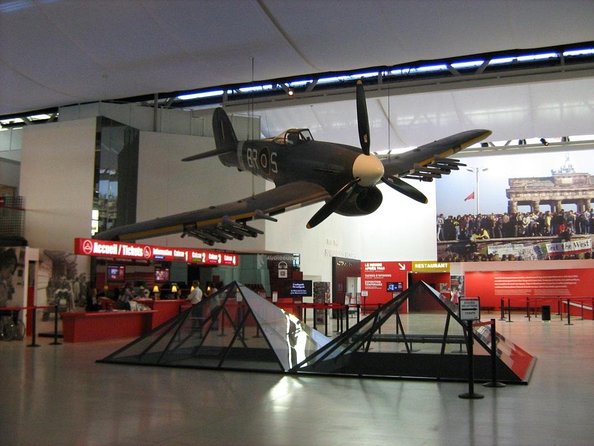
- Museum context first: A 20th-century timeline that helps D-Day click as part of a longer war story
- Small group minivan tour: Maximum 7 people, so you’re not lost in a crowd
- Three major sites, one afternoon: Pointe du Hoc, Omaha Beach (with a short walk), and the American Cemetery
- Memorial-trained guides: The guides are specifically trained by Mémorial de Caen historians
- Flexible museum timing: Visit the museum the same day or use the ticket on another day within 24 hours
- Practical touring rhythm: Plan on limited food time and toilets only at key stops
Entering the Mémorial de Caen: the smart start
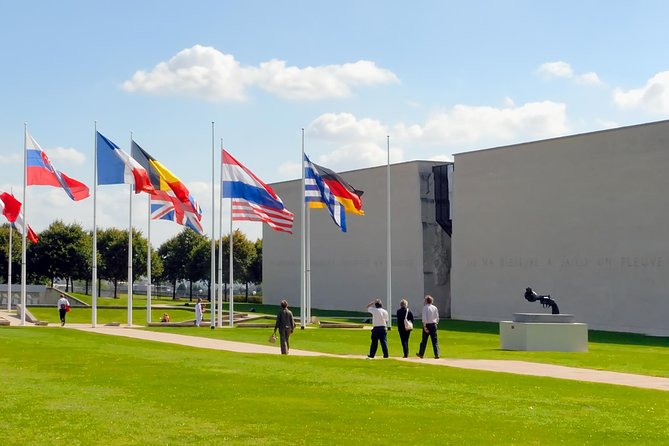
I like tours that help you understand what you’re about to see before you’re thrown into the scenery. This one does that. You can visit the Mémorial de Caen on the same day before the afternoon departures, or use your admission later because the ticket is valid for 24 hours from first entry.
Even if you think you know D-Day already, the museum’s structure matters. The exhibit covers events across the 20th century, so the invasion isn’t presented as a random event on June 6. It’s tied to the decades around it, including the lead-up and the consequences that keep rippling after the beaches.
Plan to give it real time. The D-Day section is a focal point, but the rest of the museum helps you understand why Normandy became the place it did.
You can also read our reviews of more guided tours in Caen


How the museum timing works (and how to use it)
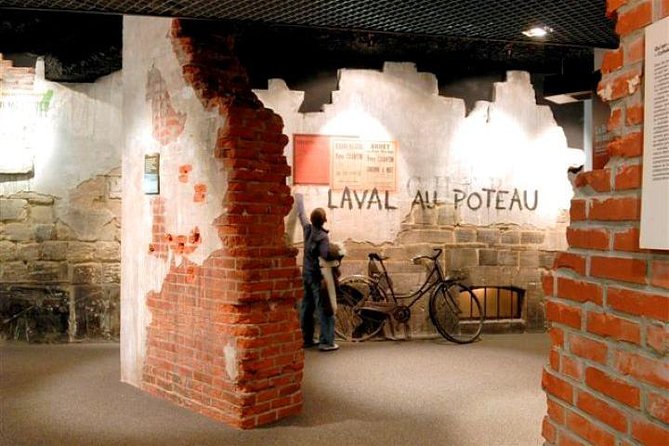
The museum part is self-guided, not a guided lecture. You’ll get a museum ticket included, and you can choose to use an audio guide if you want extra help (audio guide is not included in the base price).
You have two good strategies here:
- Museum first, then beaches: If you can get in early, you’ll walk into the minivan tour with better mental maps.
- Museum the next day: If your day in Normandy is tight, you can treat this like a museum-and-beaches split, with the beaches taking the emotional center stage.
Either way, consider lunch. There’s time to have lunch at the museum, but it’s on your own. Also, keep your energy steady before the guided portion because there isn’t a plan for a random snack stop later.
The 20th-century timeline advantage: why this museum feels different
This museum doesn’t just list events. It explains preparation and the logic of decision-making in a way that’s easier to hold onto later when you’re standing at a bunker or a memorial name wall.
A standout theme is that it addresses the invasion intensity and the preparation from both sides. That balance is useful because it prevents the usual one-note storytelling. Standing near sites like Pointe du Hoc and Omaha Beach is emotional enough without also feeling lost in what happened before the first shot.
And because the museum ranges beyond D-Day, you’ll leave with a stronger sense of how Normandy fits into the broader arc of the 20th century—right up to the end of the Cold War era with the fall of the Berlin Wall.
The guided D-Day route: how the minivan tour flows
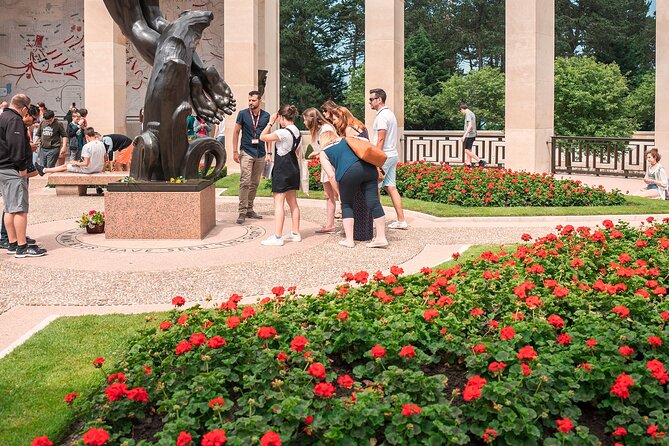
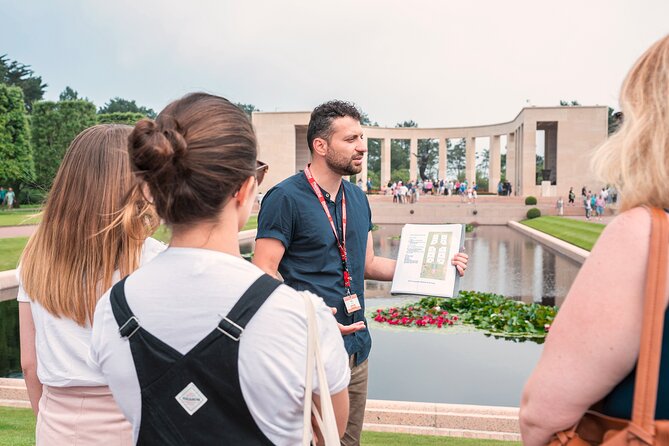
After your museum time, you’ll switch gears to the guided D-Day sites portion. You’ll meet your guide and travel by comfortable air-conditioned minivan with a small group (maximum 7 travelers).
This is the part that saves you from the logistics headache of trying to connect the sites by public transport or car. The tour is designed to hit three major stops that are hard to stitch together in a day on your own, especially if you’re short on time.
The flow is simple and respectful: quick transfers, clear orientation, then enough time at each place to actually feel the space.
Pointe du Hoc: cliffs, bunkers, and the point of the attack
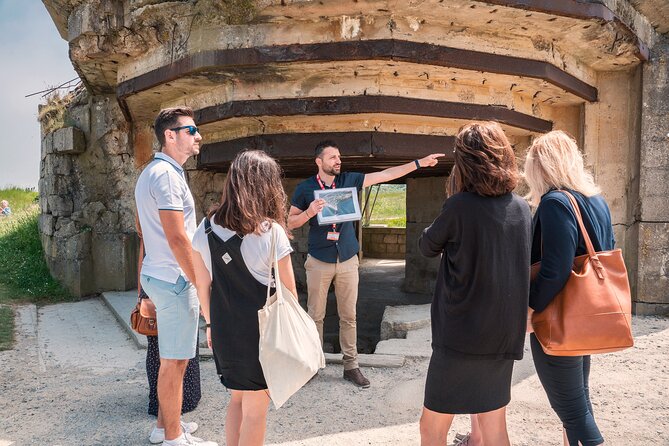
Pointe du Hoc is the kind of place where the landscape tells the story. On D-Day, this area was heavily fortified with concrete casemates and machine gun positions. The whole point of visiting here is to understand why it was targeted at all.
Your guide connects the site to the U.S. Army Provisional Ranger Group attack—Rangers scaled the cliffs to take the position. It also helps to know that senior Allied planners, including Dwight D. Eisenhower, believed the location held artillery that could slow the attacks near the beaches.
Your time here is about 1 hour, which is enough to absorb what you’re looking at and hear the sequence of decisions without feeling rushed through everything.
Practical note: plan for uneven footing near cliff areas. Wear shoes you’re comfortable walking in, and keep a steady pace. This is also one of those stops where your guide’s explanations matter more than a checklist.
You can also read our reviews of more museum experiences in Caen

Omaha Beach: the most famous stop, handled with care
Omaha Beach is the headline for a reason. You get a 30-minute stop, and you can disembark to walk on the beach.
That limited time is a trade-off. It’s great if you want highlights in a single afternoon. It can feel short if you want to do a long, reflective walk along the shoreline. If that’s your style, you might want to spend extra time on your own later with a separate visit.
Still, 30 minutes is enough to do two useful things:
- Get oriented to the coastline and the scale of the landings
- Connect what you heard earlier to the physical geography
If you like photography, this is where timing and angle matter. If you’re wearing layers, you’ll appreciate them too—one tip I’d take seriously is bringing a light jacket for the beach, since Normandy weather can change fast.
The American Cemetery at Colleville-sur-Mer: where the day lands
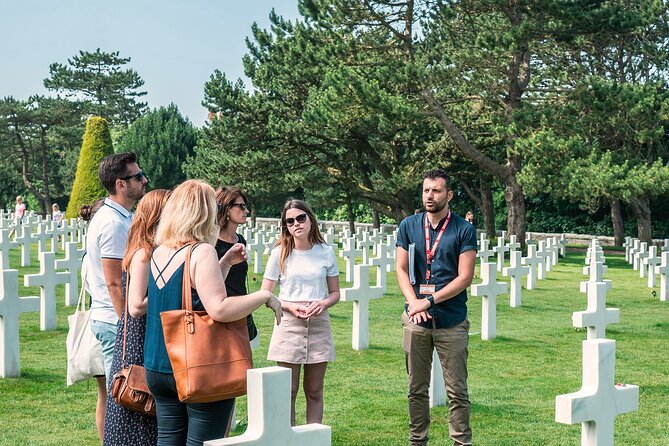
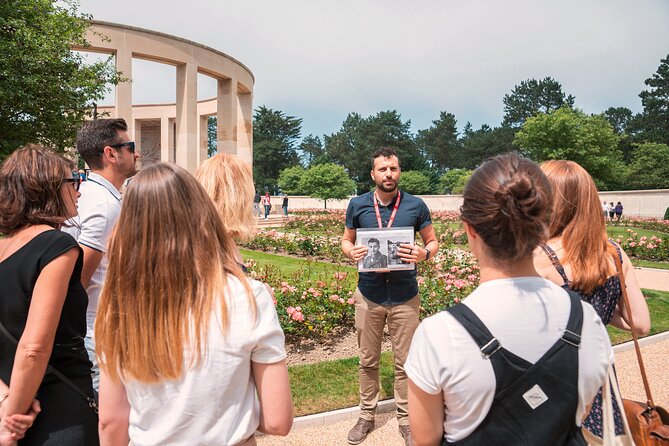
The last stop is the Normandy American Cemetery and Memorial near Colleville-sur-Mer. This cemetery honors American service members who died in Europe during World War II, and it includes the known names and stories you can’t fully process in one glance.
You’ll have about 1 hour 15 minutes, which is a good amount of time to read, reflect, and then look up at the memorial at the center of the grounds. The central sculpture is Spirit of American Youth Rising from the Waves. There are also maps and details related to the Normandy landings and the operations that followed.
One of the reasons this stop hits so hard is that it’s built for remembrance, not spectacle. Flag poles mark where people gather at certain times as the American flags are lowered and folded, and the grounds carry a quiet gravity that makes it hard to rush.
Some departures also include the solemn sound of Taps at the cemetery, which can be especially moving if you’re there for that moment. Either way, give yourself time to slow down here. Save your questions for before the quiet part starts, if you need a moment to gather your thoughts afterward.
Price and value: what $186.13 really buys you

At $186.13 per person, this combo is not a cheap add-on. The value comes from the fact that you’re paying for two things at once:
1) Admission to the Mémorial de Caen (valid for 24 hours)
2) A guided afternoon to multiple WWII sites that are otherwise hard to manage in one day without driving
It’s also value-rich because the group is capped at 7, and the guide work isn’t a generic “look-and-go” script. The tour is built around explanations tied to the Memorial’s historians, so you aren’t just transporting yourself between pretty locations.
If you were doing this solo with a rental car, you’d also be paying for the car, fuel, and the time planning routes. For many people, that’s the deciding factor: the tour removes the stress and replaces it with a clear itinerary and a guide who knows what matters at each stop.
What I’d watch out for before you book
This is a highlights tour with a schedule, not a “take your time all day” plan. The Omaha Beach stop is intentionally short, and that can frustrate anyone who wants hours of beach time or long browsing in the cemetery.
Also, plan food and bathroom timing. There isn’t a built-in snack stop later in the day. The practical heads-up I’d follow is to eat before you go, and know that bathrooms are mainly at the museum at the start and at the cemetery.
Finally, keep your expectations realistic about travel time. Even with a smooth minivan ride, getting in and out of parking areas can add time. If you have a hard dinner reservation that evening, build in buffer.
Tips to make your day smoother (and more meaningful)
A few simple moves can make a big difference:
- Do the museum first if you can. Even 2 hours helps you understand what you’ll see afterward.
- Use the included visit time fully. Don’t treat it like a quick stop. The museum’s D-Day section is designed to be read and processed.
- Bring a light jacket for the beach. Normandy breezes can surprise you.
- Wear comfortable shoes. Pointe du Hoc and the cemetery grounds involve walking on uneven terrain.
- Bring a small notebook or phone notes. Guides often share specific details and numbers; writing down a few helps you connect the dots later.
Who this tour fits best
This is ideal for:
- History-focused travelers who want D-Day sites in one afternoon
- People who don’t want the hassle of arranging transport between remote WWII stops
- Small-group travelers who like asking questions and hearing a guided explanation at each location
It may not be ideal if:
- You want a relaxed, all-day museum experience with no schedule pressure
- You’re the type who needs a long, slow walk on Omaha Beach
- You’re traveling with very young children (the tour isn’t suitable for children under 3)
Should you book the Memorial de Caen plus D-Day sites combo?
If your priority is to see the major D-Day locations efficiently and with context, this is a strong choice. The pairing of Mémorial de Caen self-paced time plus a trained-guide minivan route is exactly the formula that helps the day make sense.
I’d book it if you want a guided structure, limited travel stress, and a small group. I might skip it in favor of a slower plan if you know you’ll feel disappointed by short beach time and you want to spend more hours on your own reading everything line by line.
FAQ
Is the Mémorial de Caen visit guided?
No. The museum ticket is included, and the museum visit is self-guided. You can use an audio guide if you want extra help, but it is not included.
Can I visit the museum on a different day?
Yes. Your admission ticket is valid for 24 hours from your first entry, so you can do the museum on the same day as the guided tour or on another day.
Which D-Day sites are included in the guided portion?
The guided stops are Pointe du Hoc, Omaha Beach, and the Normandy American Cemetery and Memorial near Colleville-sur-Mer.
What language is the tour offered in?
The tour is offered in English (and there’s also English and French noted for the guided tour offering).
How long is the whole experience?
It runs about 7 hours total, with the D-Day sites guided portion listed at about 5 hours, plus time at the museum.
Is this suitable for young children?
The tour is not suitable for children under 3 years old.