REVIEW · GREAT SMOKY MOUNTAINS NATIONAL PARK
Museum of the Cherokee People Admission Ticket
Book on Viator →Operated by Museum of the Cherokee People · Bookable on Viator
A walk through Cherokee history can start with one room and end in your head. This museum admission gives you access to major exhibit stories, including a sweeping 13,000-year timeline and a peace-making chapter set in 1762.
I especially like how the exhibits use life-sized figures and hands-on style storytelling to make big ideas feel human and clear. You also get a strong family visit structure without needing outside planning.
One thing to consider: if the museum is running on limited exhibit space due to construction or staffing changes, your visit may feel shorter than you expected.
In This Review
- Key Highlights Worth Planning For
- Where Cherokee History Shows Up in the Great Smoky Mountains
- Price and Value: What You’re Actually Paying For
- Your Museum Ticket Plan: How to Use the Time Wisely
- Story of the Cherokees: 13,000 Years of Continuity
- Emissaries of Peace (1762): Henry Timberlake’s Memoirs Come Alive
- We the People and Traveling Exhibits: A Second Lens on the Same Story
- Family-Friendly Pacing: How Kids Keep Up Without Being Bored
- What the Museum Experience Feels Like When Things Change
- Accessibility and Practical Comfort Tips (That Matter on a Park Day)
- Who Should Buy This Cherokee Museum Admission Ticket?
- Should You Book It?
- FAQ
- Where is the Museum of the Cherokee People?
- How much is admission?
- How long should I plan for a visit?
- What does the admission ticket include?
- What are the opening hours?
- Is the ticket mobile?
- Are service animals allowed?
- Is the museum accessible for visitors with disabilities?
- Do children need to be accompanied by an adult?
- Is this admission a small group experience?
Key Highlights Worth Planning For
- 13,000 years of Cherokee history told with animation, special effects, artwork, and artifacts
- Emissaries of Peace (1762) connects Cherokee leaders and Henry Timberlake’s memoirs through music, video, and figures
- We the People traveling exhibit adds perspective and context using artifacts and reproductions
- Family-friendly pop-up book and graphic panels help kids follow the story
- ADA access is broad, with accessibility called out for exhibits, restrooms, store, and the Education Wing
- Small-group feel (max 15) if you’re joining an organized visit format
Where Cherokee History Shows Up in the Great Smoky Mountains
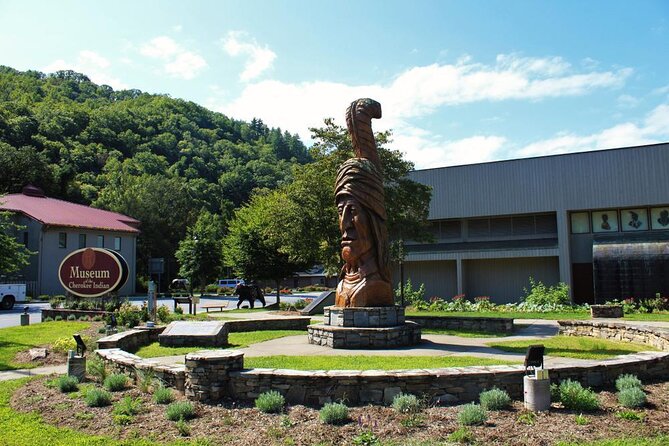
The Museum of the Cherokee People is one of the few places built specifically to share Cherokee history and culture in depth. And in a region where most visitors are chasing nature photos, this is the kind of stop that helps you understand what was here long before the trails and overlooks.
Your ticket is simple: it’s general admission to the museum, and it’s timed to fit naturally into a day in Great Smoky Mountains National Park. It runs Monday through Sunday from 9:00 AM to 4:00 PM during the season dates listed, so you’re not stuck squeezing it in late in the day.
If you like museums that explain the “why” behind events (not just dates), this one works. You’ll spend your time in story-based rooms that move chronologically and thematically. That matters because Cherokee history isn’t a single theme—it’s continuity, change, resilience, and relationships with other peoples over thousands of years.
Price and Value: What You’re Actually Paying For
The admission price is $15.00 per person, and the value comes from what’s included: you get museum access along with several key exhibit spaces and rotating programming.
This isn’t a ticket that only gets you an hour of browsing. The star exhibits are built as full narrative experiences. The museum’s flagship timeline runs for a very long arc, from ancient times through the present day. Another major gallery focuses on a specific year—1762—and uses letters, memoir-style storytelling, and cultural comparison to explain how negotiations and conflict can lead to peace.
You’re also paying for a format that works well across ages. The museum includes elements aimed at children, like pop-up book-style storytelling and graphic panels, plus life-sized figures and media elements that make the pacing easier than it is in many quiet, text-heavy museums.
Your Museum Ticket Plan: How to Use the Time Wisely
Think of this as a museum visit you can do in about a day, and that’s realistic if you want to actually watch the media and slow down for the artifacts and artwork.
Here’s how I’d plan it so you get the most out of the admission:
Arrive with a question in mind. For example: How did Cherokee people maintain community and leadership across major change? Or: What did peace negotiations look like from different sides?
Don’t race the main galleries. The museum is built around story sequences. If you rush, you’ll miss how each section connects to the next.
Build in time at the end for the traveling exhibits. Rotating displays can be the most memorable part because they add a new lens. One example is We the People, which has appeared in other major museums too, so it’s designed to be seen more than once in different contexts.
Also note this: there’s no requirement that you need special skills. Most visitors can participate easily, and the museum lists strong support for service animals, ADA access, and handicapped parking right in front of the entrance.
Story of the Cherokees: 13,000 Years of Continuity
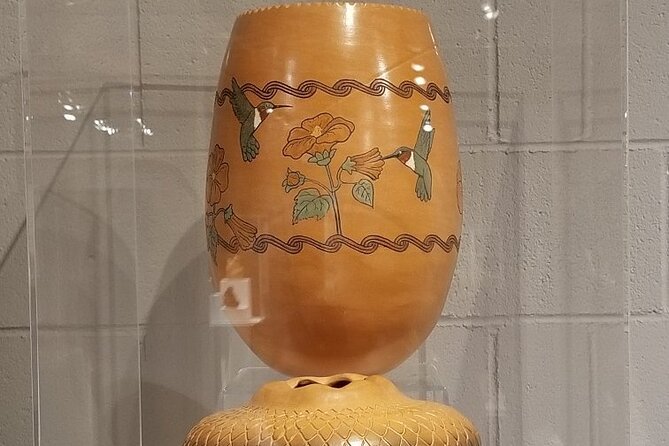
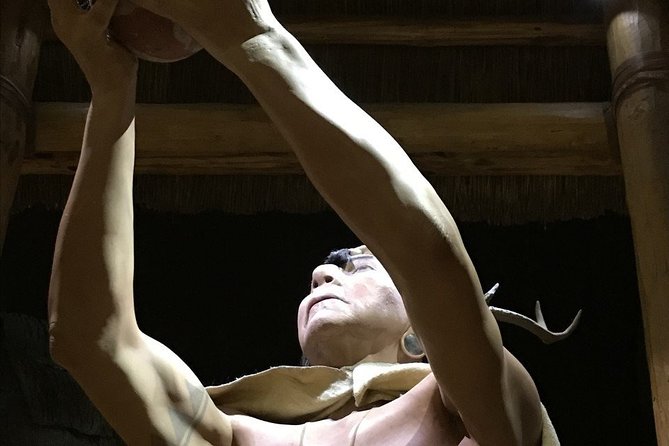
This is the big opening act. The exhibit Story of the Cherokees: 13,000 Years is designed to carry you across an enormous timeline, starting from the time when mastodons roamed the southern Appalachians and reaching into the present day.
What makes it work for visitors is the mix of formats. Instead of only walls of text, you get computer-generated animation and special effects, plus life-sized figures, artwork, and priceless artifacts. That variety is practical: if you’re traveling with kids, one media format can keep their attention while an artifact-based moment gives you something concrete to point at and discuss.
It also helps adults. Large histories often feel abstract, but a long timeline like this becomes easier to hold when it’s paced by visuals and physical presence. You’ll likely leave with a clearer sense that Cherokee history is not a brief chapter. It’s an ongoing story with deep roots.
A small caution: long story exhibits can mean longer walking time than you expect. If you’re tired from the park that day, you may want to pace yourself—take a breather halfway through and then continue while you’re still curious.
Emissaries of Peace (1762): Henry Timberlake’s Memoirs Come Alive
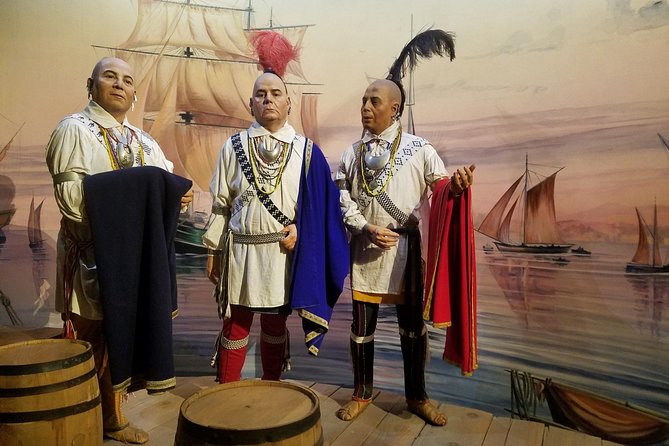
If you want a narrower story with sharper characters, head to Emissaries of Peace: 1762 Cherokee & British Delegations.
This exhibit is built around Henry Timberlake and his memoirs. It puts you in the middle of a moment when Cherokee leaders met with King George III, and it uses that perspective to show how two cultures interacted through conflict and negotiation. The exhibit also brings in period artwork, music, video, archaeological treasures, and life-sized figures, so you’re not just reading about the meeting—you’re experiencing the tone of it.
What’s especially useful here is how the exhibit handles comparison. It doesn’t treat history like a one-way explanation. You see London through Cherokee leadership eyes, and you also see how different worldviews shaped what peace could look like in 1762.
For kids, it’s supported with special pop-up books and graphic panels. That means parents aren’t stuck translating everything in real time. You can point to the visuals and let the story do part of the teaching.
One more practical note: this is the type of exhibit where questions pop up—about who was speaking, what was being negotiated, and what peace meant then. If there’s any on-site interpretive guidance available during your visit, it’s worth asking. The museum’s storytelling is strong, but extra explanation can turn a good exhibit into a great one.
We the People and Traveling Exhibits: A Second Lens on the Same Story
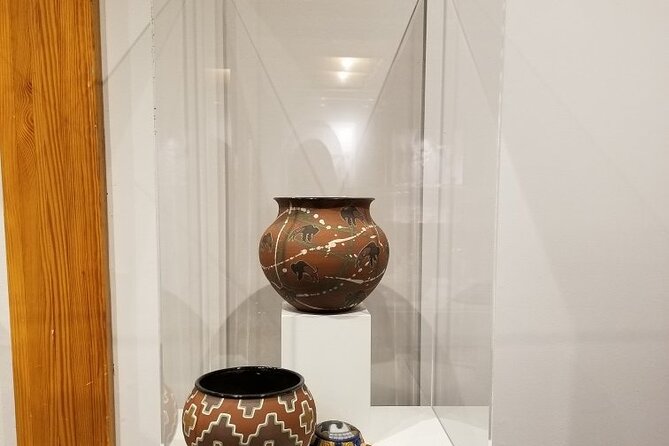
Beyond the two headline galleries, the museum hosts traveling exhibits. One example included in the museum’s programming is We the People, which has been featured not only at this museum but also at the Smithsonian National Museum of Natural History and the McClung Museum.
What to expect from this kind of exhibit is a shift from a single timeline to a comparative storytelling method. In this case, it uses perspectives from Cherokee culture and colonial British culture, building the narrative from Henry Timberlake’s memoirs. You’ll typically see artifacts, illustrated artwork, reproductions, video, and life-sized figures, which helps keep the experience consistent even when the theme changes.
Why this matters for you: traveling exhibits can give new details or different framing. If you already know a bit about Cherokee history, this is where you’ll often catch something you didn’t expect. If you’re starting from zero, it’s a second “entry point” that reinforces the big themes you saw in the 13,000-year story.
Because traveling exhibits can change, the best move is simple: spend time in the rotating space even if you think you’ve seen enough. It can end up being the most memorable room, because it’s not just repeating the main story—it reframes it.
Family-Friendly Pacing: How Kids Keep Up Without Being Bored
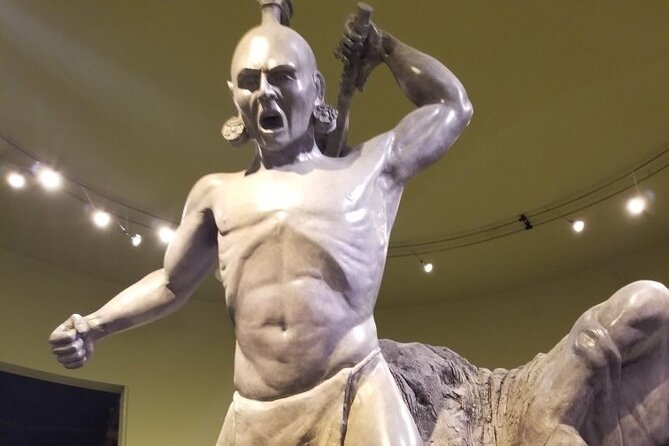
One of the strongest reasons to choose this ticket when traveling with kids is that the museum doesn’t treat children like afterthoughts. It includes design elements meant to keep younger visitors involved while still respecting the subject matter.
In practice, you’ll find story supports like pop-up books and graphic panels that help kids follow complex history without needing constant adult narration. Pair that with media elements, and you’ll likely get a better rhythm than you would in a strictly text-based museum.
Also, the museum is set up for a comfortable visit. It notes ADA accessibility for all exhibits and restrooms, plus accessibility for the Museum Store and Education Wing. That’s helpful with children because it makes it easier to take breaks and keep the trip moving.
If your crew includes teens, they’ll probably appreciate the way the museum doesn’t talk down. The story is explained through figures, media, and artifacts, and the 1762 section gives it a human drama with real-world consequences.
What the Museum Experience Feels Like When Things Change
A museum day never exists in a perfect bubble. One reason you should keep expectations flexible is that the museum has had periods where fewer rooms were available due to construction. If you arrive and find some spaces limited, it won’t ruin the whole visit, but it can shorten it.
Plan for this by doing two things:
- Don’t count on seeing everything in a single pass.
- Prioritize the two anchor exhibits (the 13,000-year story and the 1762 peace story), then let the rest be a bonus.
Also, pay attention to ticket timing. Some visitors reported online ticket trouble, so if you’re trying to align your schedule tightly with arrival time, it’s smart to confirm you’ve got your admission ready before you head there. Build a little buffer so you’re not standing around sorting out tech while everyone’s hungry.
Accessibility and Practical Comfort Tips (That Matter on a Park Day)
This museum is set up to be usable for a wide range of visitors. It states that all exhibits, restrooms, the Museum Store, and the Education Wing are ADA accessible, plus service animals are permitted and handicapped parking is available near the entrance.
That’s not just a checklist. It affects your real day. In a park setting, getting from car to bathroom to a room you can access makes a big difference for families and anyone who needs smoother pacing.
Two quick comfort tips:
- If you’re coming from park hikes, bring water and take a break before you start the timeline. Big exhibits are easier when you’re not running on dehydration.
- If you use mobility assistance, plan for extra time between rooms. Even accessible museums still have doors, media areas, and seating changes that can slow the flow.
Who Should Buy This Cherokee Museum Admission Ticket?
This ticket is a strong fit if you want history with visuals and story structure. It’s also a smart choice if you’re traveling with kids who like media, figures, and interactive-style exhibits.
Buy it if:
- You want one place in the Great Smoky Mountains area that focuses on Cherokee people specifically
- Your group enjoys artifacts and storytelling, not just scenic stops
- You want an educational family activity that doesn’t feel like homework
Consider something else if:
- You’re only interested in quick, minimal walking museum stops
- You’re sensitive to schedule changes or limited exhibit space during construction periods
Should You Book It?
I think this is a good booking for most visitors to the Great Smoky Mountains who want a meaningful cultural stop, not just another visitor center experience. At $15 per person, you’re paying for major exhibits that cover huge time spans, plus a second layer through traveling programming. That combination gives you value even if you only spend part of your day there.
If your top priority is maximum quantity of rooms, then build flexibility. But if your goal is to understand Cherokee history and culture through exhibits that use media, artifacts, and clear storytelling, this ticket makes sense.
Book it if you want your park day to come with context. You’ll leave with a stronger grasp of how long Cherokee history stretches—and how stories of peace and negotiation still matter.
FAQ
Where is the Museum of the Cherokee People?
The museum is located in Great Smoky Mountains National Park, USA.
How much is admission?
Admission is $15.00 per person.
How long should I plan for a visit?
Plan for about 1 day.
What does the admission ticket include?
Your general admission ticket includes entry to the museum and the listed exhibits, plus access to the restrooms, Museum Store, and Education Wing.
What are the opening hours?
From 03/15/2026 to 12/31/2026, it is open Monday through Sunday from 9:00 AM to 4:00 PM.
Is the ticket mobile?
Yes, the experience uses a mobile ticket.
Are service animals allowed?
Yes, service animals are permitted.
Is the museum accessible for visitors with disabilities?
The museum states that all exhibits, restrooms, the Museum Store, and the Education Wing are ADA accessible, and handicapped parking is available in front of the entrance.
Do children need to be accompanied by an adult?
Yes, children must be accompanied by an adult.
Is this admission a small group experience?
The experience has a maximum of 15 travelers.