REVIEW · WATERFORD
Irish Wake Museum Tour Rituals of Death and Celebration of Life
Book on Viator →Operated by Waterford Treasures - Five Museums in the Viking Triangle · Bookable on Viator
Death and celebration in one small museum.
The Irish Wake Museum in Waterford uses Irish folklore and real funerary customs to explain how a wake blends grief, community, and culture, all inside a 15th-century Almshouse with centuries of local ties.
What I like most is how the tour keeps things human and personal, not lecture-y. You get a guided experience with professional storytelling, and the group feel is described as intimate (with highlights noting just four people at a time). Guides like Toby bring humour, while Deirdre is noted for clear, perfectly delivered explanations.
One thing to consider: the museum doesn’t tiptoe around the subject. The experience includes mention of death, injury, and illness, plus realistic depictions of the recently deceased, which may be upsetting for some people. If you’re bringing family, note that it’s advised it’s not suitable for children under age 8.
In This Review
- Key points before you go
- A 15th-century Almshouse makes the Irish wake feel real
- What the tour actually teaches about death and celebration
- The main stop: Waterford Treasures Irish Wake Museum
- Rare funerary artifacts and the folklore behind the wake
- Timing and where to meet on Cathedral Square
- Price and value: $17.54 for a focused guided museum visit
- Who this tour suits—and who should skip it
- Should you book the Irish Wake Museum tour?
- FAQ
- Where does the Irish Wake Museum tour start?
- How long is the tour?
- How much does it cost?
- Is the tour guided, and what language is it in?
- What’s included in the ticket price?
- How big is the group?
- Is it suitable for children?
- Will the tour talk about death and illness?
- What’s the cancellation policy?
Key points before you go
- A 15th-century Almshouse setting: the building itself helps explain why these customs grew where they did
- Folklore tied to mourning: you’ll hear Irish stories linked to death and funeral traditions
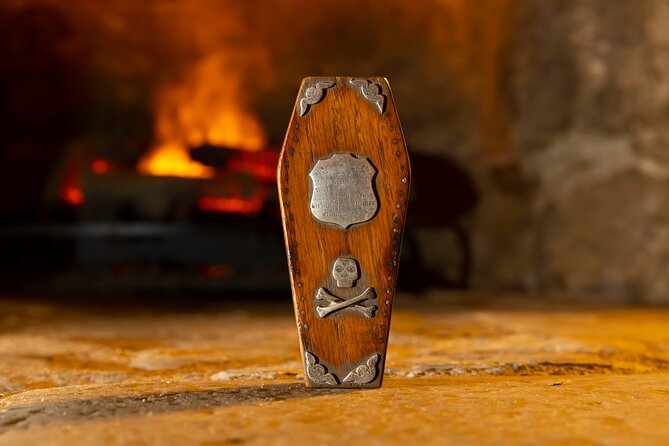
- Rare funerary artifacts: you’ll see items connected to Ireland’s wake and funeral practices
- Small-group feel: the tour is described as intimate, with highlights pointing to a group of four
- 45 minutes, guided: focused, not drawn-out, with admission included in the tour price
A 15th-century Almshouse makes the Irish wake feel real
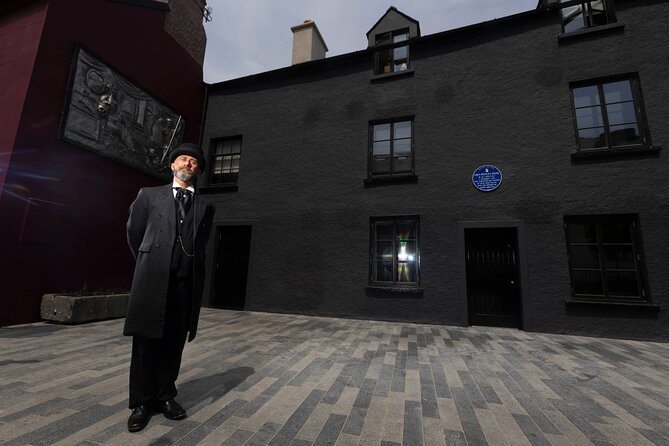
In Waterford, history isn’t just on stone tablets. It’s in the walls. This museum takes place in what was once a 15th-century Almshouse, a place already tied to local life and care. When you’re talking about death customs, that matters. The Irish wake wasn’t just a private ritual. It was a community event with its own rules, sounds, and beliefs.
That setting also gives the tour a certain mood fast. Even if you’re not a “museum person,” you’ll likely appreciate the atmosphere. The museum’s whole goal is to help you understand the roots of wake customs, not just skim the surface.
You also get a practical benefit: the tour runs about 45 minutes, so you’re not stuck for hours if you’re pacing your day in Waterford. It’s short enough to fit between other stops, yet structured enough to feel complete.
You can also read our reviews of more museum experiences in Waterford

What the tour actually teaches about death and celebration
An Irish wake can sound like a single thing until you understand how it works. This museum focuses on how death and mourning show up in Irish culture—and how the wake includes both sorrow and celebration of a life, not just one emotion.
You’ll hear Irish folklore linked to death and mourning, which is where a lot of people get stuck when they only see modern versions of the ritual. Folklore helps explain why certain behaviors took root and why they stayed in communities for generations.
The tour also uses that framework to interpret funerary practices in a more human way. Instead of treating the wake as a quirky tradition, the guide frames it as cultural knowledge: what people did, why they did it, and how they coped together.
One more important note: this is not a “soft” topic tour. The museum explicitly includes mention of death, injury, and illness, and it may include realistic depictions of the recently deceased. If you’re sensitive to medical or death imagery, plan accordingly.
The main stop: Waterford Treasures Irish Wake Museum
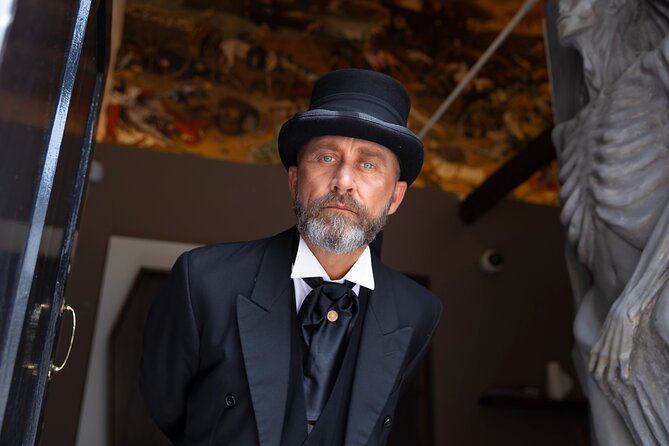
Your experience is essentially one guided museum visit, starting and ending at Waterford Treasures: Irish Wake Museum on Cathedral Square. The structure is simple: show up, go in with your guide, and come back out when it’s done.
Inside, you’re exploring Waterford’s funerary culture across six centuries, with the museum built around the themes of death and funeral practices. That time-span is useful. It means you’re not only learning what people did at one moment in history—you’re seeing how customs developed and persisted.
The tour is also built for close listening. With the small-group approach highlighted (and an overall maximum stated for the activity), it’s the kind of visit where you can ask a question without feeling swallowed by a crowd.
In other words, you’ll get more than a checklist of artifacts. The guide’s job is to connect the items you see with the rituals behind them—so the museum feels like a story, not a warehouse.
Rare funerary artifacts and the folklore behind the wake
This is one of the standout reasons to pick this tour over a quick walk-through. The museum is designed to show rare artifacts connected to Ireland’s funerary customs, then explain what they mean in the context of wake traditions.
That’s the trick with cultural history: facts alone don’t always stick. But folklore plus objects usually does. When you hear a story tied to mourning practices and then see an item linked to those same customs, the meaning travels faster.
You’ll also learn about the origins of a wake’s unique customs, which helps you understand why Irish wakes have their particular mix of ritual, community, and emotion. It’s not just that wakes happen. It’s that people used specific practices to cope, remember, and support one another.
If you like guided history where the guide talks like a storyteller (not a textbook), pay attention to how your guide delivers the details. Two guide names came up in feedback: Toby is praised for brilliant humour and being very informative, and Deirdre is mentioned for very knowledgeable, perfectly delivered explanations. If your group is lucky enough to have one of them, you should expect that kind of clarity and pacing.
Timing and where to meet on Cathedral Square
The tour runs about 45 minutes. That length is ideal if you’re sightseeing in Waterford without wanting to lose half your day to indoor time.
You meet at Cathedral Square at Waterford Treasures: Irish Wake Museum. The tour ends back at the same meeting point, so you don’t need to plan a separate meetup or second location.
It’s also noted as near public transportation, which is handy if you’re moving around Waterford by bus or on foot and don’t want to guess at routes.
Practical tip: because the content includes death and illness references, I’d treat this like an appointment. Give yourself a little mental space before you go in, especially if you have a packed schedule afterward.
Price and value: $17.54 for a focused guided museum visit
At $17.54 per person for a roughly 45-minute guided tour, you’re paying for three things: a professional guide, guided museum access, and admission. Admission is included, so you’re not doing extra math at the counter.
For value, the small-group angle matters. A longer tour is often only valuable if it uses the time well. This one seems designed to stay focused: understand the wake traditions, see the relevant artifacts, and leave with a clearer picture of why these customs formed and endured.
Also, the museum’s content is specific. If you care about Irish culture, local Waterford history, folklore, and funeral practices, this has a strong “targeted interest” value. If you’re only passing through and want broad, general history, you might find it too specialized.
Who this tour suits—and who should skip it
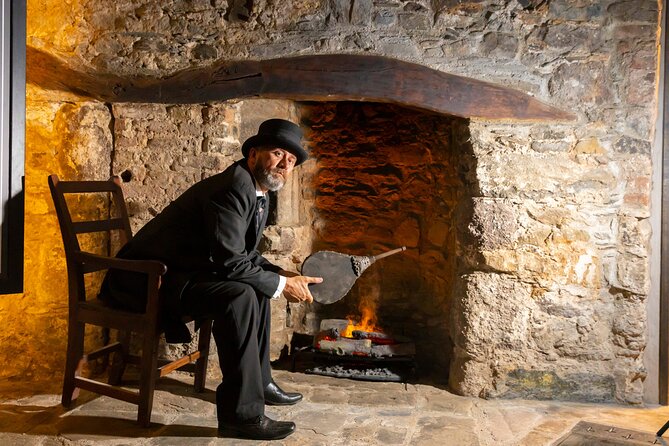
This is best for you if:
- you want Irish folklore and funerary customs explained in plain language
- you like a guided narrative in an atmospheric historic building
- you appreciate small-group history with time for questions
It’s also a good fit if you’re exploring Waterford and want something different from the usual postcard sights. The museum brings you into a side of Irish culture that’s often misunderstood or reduced to stereotypes.
But it’s not for everyone. Keep the museum’s content in mind:
- mentions of death, injury, and illness
- realistic depictions of the recently deceased
It’s advised it’s not suitable for children under age 8. If you’re traveling with kids, choose carefully, and don’t let “it’s only a short museum” fool you. The topic is real, and the tour is meant to be respectful and accurate.
Should you book the Irish Wake Museum tour?
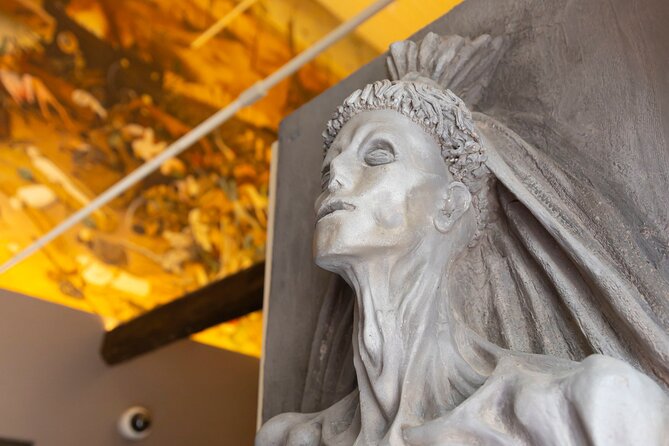
I think you should book this if you want a short, guided visit that helps you understand Irish wake rituals through folklore, artifacts, and the meaning behind what people did. The 45-minute format, the professional guide, and the historic Almshouse setting make it feel intentional rather than random.
Book with caution if death and illness imagery or discussion could upset you or your group. This is not a “light history stop,” even though it deals with life, memory, and community in the way the wake tradition does.
If you’re the type of traveler who likes context—why traditions look the way they do—this tour is a smart use of time in Waterford. If you only want casual, cheerful culture today, you may prefer something else.
FAQ
Where does the Irish Wake Museum tour start?
It starts at Waterford Treasures: Irish Wake Museum on Cathedral Square, Waterford, Ireland, and it ends back at the same meeting point.
How long is the tour?
The tour lasts about 45 minutes.
How much does it cost?
The price is $17.54 per person.
Is the tour guided, and what language is it in?
Yes, it’s a guided tour with a professional guide, and it’s offered in English.
What’s included in the ticket price?
The tour includes the guided tour and a professional guide, and it also includes admission.
How big is the group?
The experience is designed to be intimate (with highlights noting a limit of four people), and the activity overall has a maximum of 12 travelers.
Is it suitable for children?
It’s advised that it is not suitable for children under age 8 due to the subject matter.
Will the tour talk about death and illness?
Yes. The tour includes mention of death, injury, and illness, and it may include realistic depictions of the recently deceased.
What’s the cancellation policy?
Free cancellation is available if you cancel up to 24 hours in advance for a full refund. If you cancel less than 24 hours before the start time, the amount paid is not refunded.