REVIEW · ROME
Vatican: Early Entry to Museums, Sistine Chapel & St Peter’s
Book on GetYourGuide →Operated by What a Life Tours · Bookable on GetYourGuide
The Vatican is one of those places that punishes indecision. With an early-entry, small-group visit, you get to see the Vatican Museums, the Sistine Chapel, and St. Peter’s Basilica without spending your morning fighting lines. Two things I really like about this setup are the earliest available entrance and the fact that you’re guided by an English-speaking professional who knows how to pace the experience. One heads-up: the tour is time-tight and fast-moving, and it isn’t a good fit if you need long stops or slower walking.
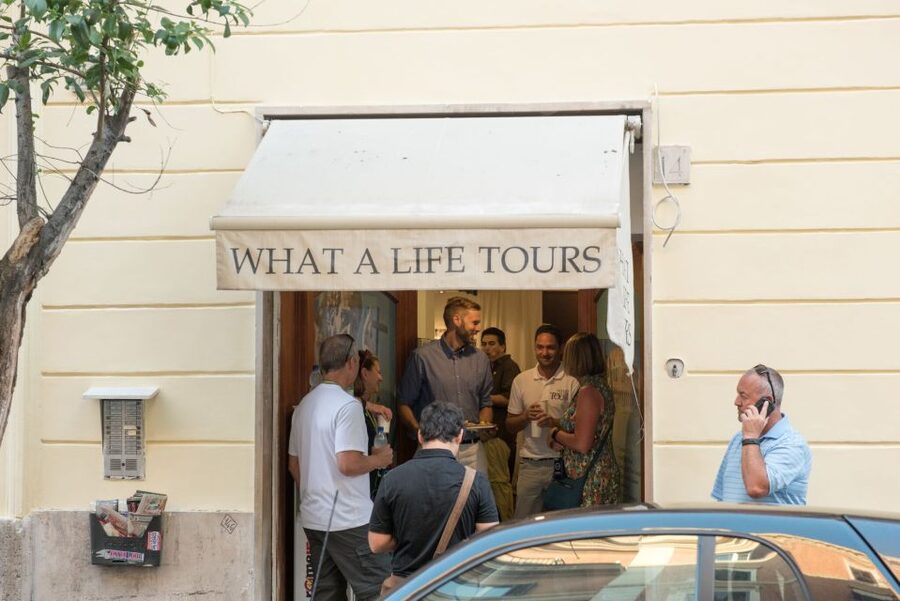
I also like that the meeting point is straightforward: you check in directly at the What a Life Tours storefront on Via Santamaura 14B, just a few meters from the Vatican Museums entrance. Guides get praised by name a lot in the reviews, including Mariana, Jep, Lucia, Elaine, Mario, Cinzia, and others, and the common theme is clear storytelling plus smart photo stops—so you don’t just shuffle from crowd to crowd.
In This Review
- Key things to know before you go
- Why early entry changes everything at the Vatican Museums
- Meeting point, timing, and the rules that can slow you down
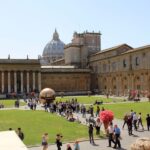
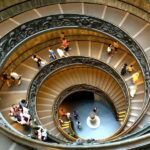
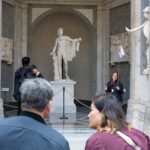
- What you actually see in the Vatican Museums (and why the time works)
- Sistine Chapel: quick, focused, and timed for less crowd pain
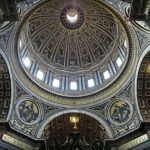
- St. Peter’s Basilica in about 30 minutes (plus the real-world closure risk)
- Price and value: is $128 fair for this format?
- Who this tour suits best (and who should choose another plan)
- The guide factor: why certain names keep showing up
- Should you book this early-entry Vatican tour?
Key things to know before you go
- Earliest entrance = calmer rooms in the Vatican Museums before the main rush hits
- Skip-the-ticket lines for the Museums, Sistine Chapel, and St. Peter’s Basilica areas
- Small group (up to 10) means you can actually hear your guide and ask questions
- Strict timing: you meet 15 minutes early, because late arrivals can lose your timed entry
- Dress code and bag rules are enforced, with security-style screening and cloakroom logistics
- Sistine Chapel view changes (Jan 12–Mar 31, 2026) due to Last Judgement maintenance scaffolding
Why early entry changes everything at the Vatican Museums
The Vatican is huge, and the trick isn’t just seeing the highlights—it’s seeing them with your sanity intact. An early start matters because it shifts you into the first wave. You arrive before most people flood in, and that changes how you experience the Vatican Museums: you can actually look at art instead of just passing it.
In this tour, you get roughly 2.5 hours in the Vatican Museums, which is long enough to hit the big moments without pretending you can cover the entire collection. This is the sweet spot for most visitors. You don’t have to sprint, but you do keep momentum with a guide who knows where the crowds form and where you can slow down.
A practical bonus that comes up repeatedly in the reviews: guides point out the spots where you’ll get the best views and photos, and they do it without turning the visit into a chaotic free-for-all. That might sound small, but it’s the difference between standing in the wrong place for 15 minutes and actually seeing what you came for.
You can also read our reviews of more museum experiences in Rome
Meeting point, timing, and the rules that can slow you down
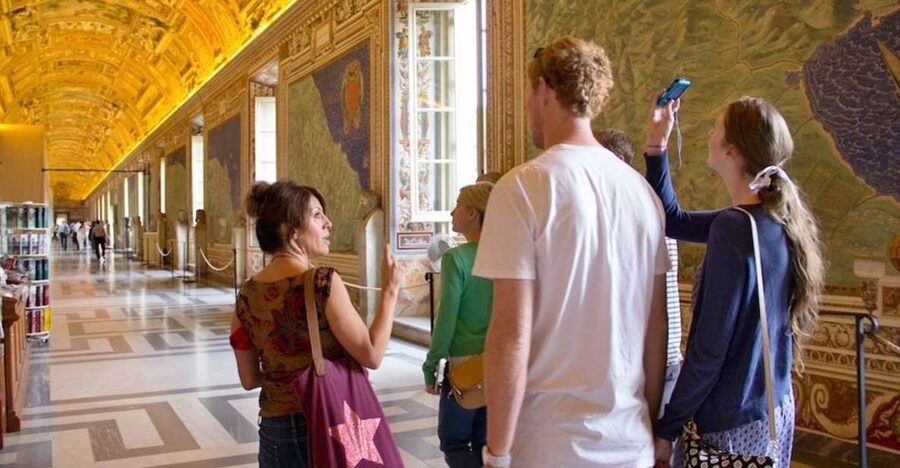
This is one of those tours where the details outside the attraction matter just as much as the art. Your check-in is at What a Life Tours on Via Santamaura 14B, located only a few meters from the Vatican Museums entrance. That makes it easier than meeting points that are a guessing game in Rome.
Plan to be there 15 minutes before the start time. Your voucher is valid only for your reserved date and time, and late arrival can mean you lose entry. Also, Rome streets can be confusing when you’re trying to find one storefront while crowds move past you—so give yourself breathing room.
Next: security. Everyone passes airport-style screening, and in high season the wait can be up to 30 minutes. Even with skip-the-ticket lines, security is still part of the process, because it’s security for the complex itself.
Then comes the dress code and clothing rules. In Sistine Chapel and St. Peter’s Basilica, you need shoulders and knees covered. The tour also doesn’t allow shorts, short skirts, or sleeveless shirts. If you’re visiting from a warm place or traveling light, bring a layer you can put on quickly. You’ll thank yourself inside.
Bags can also be an issue. Bags larger than 40x35x15 cm, plus tripods and large umbrellas, aren’t allowed and must be stored in the cloakroom. The catch: the cloakroom is about a 20-minute walk from where the tour ends. That means the practical cost of storing a bag might be longer than you expect.
One more date-specific note: from January 12 until March 31, 2026, Michelangelo’s Last Judgement fresco is affected by maintenance scaffolding, so that wall may be temporarily out of view. If that specific ceiling panel is your top priority, it’s worth knowing before you plan your trip dates.
What you actually see in the Vatican Museums (and why the time works)
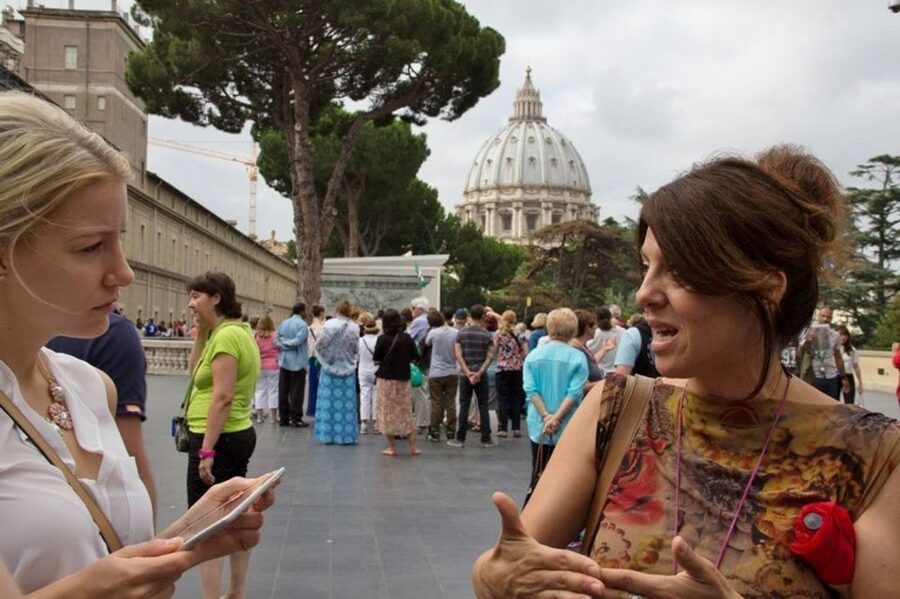
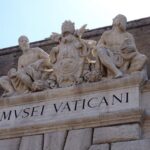
The heart of your morning is the Vatican Museums. You’ll get a guided tour for about 2.5 hours, and it’s structured around what most people genuinely want: the masterpieces and the context to understand them.
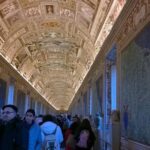
A key stop listed on this itinerary is the Gallery of Maps (about 15 minutes). This is one of those Vatican Rooms that often gets skipped on fast self-guided visits, but in a guided format it’s easier to appreciate. It’s also a good “reset” moment in the route—less ceiling-and-statues intensity, more visual storytelling through cartography.
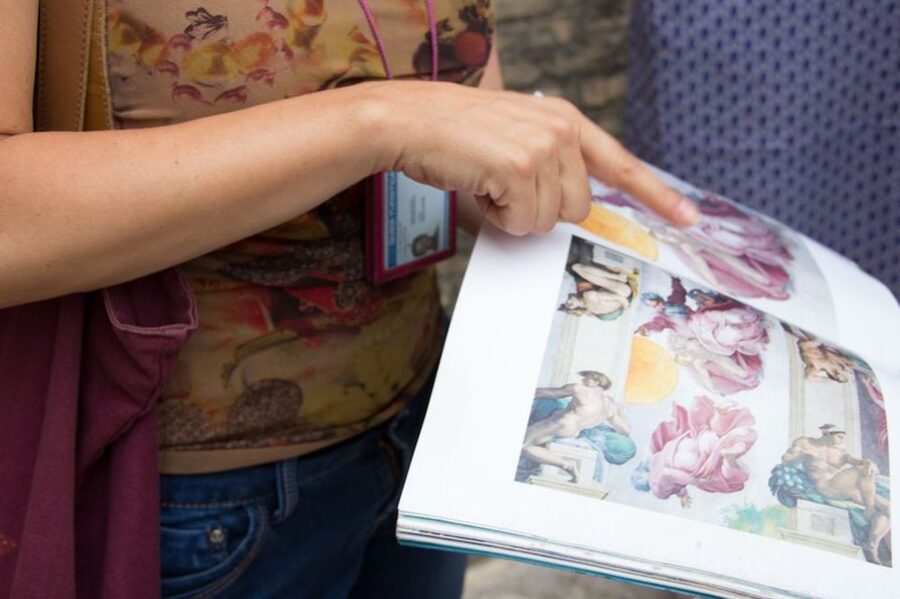
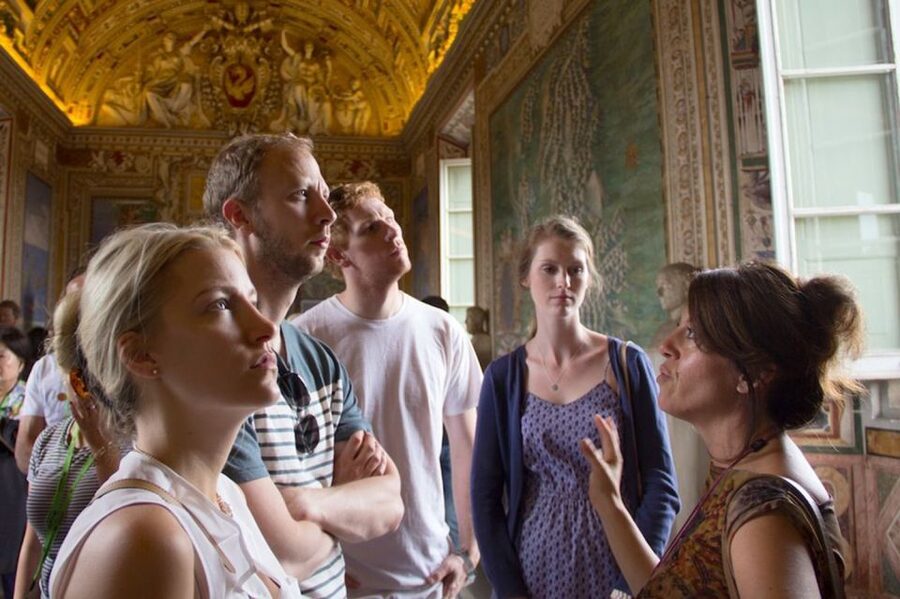
What I like about doing the Museums with a guide (instead of wandering) is that you don’t just see famous pieces—you get a framework. The reviews are full of examples of guides bringing the Vatican to life with humor, crisp explanations, and pointers to things visitors commonly miss. Names that came up often include Mariana (praised for storytelling and keeping the group at a comfortable pace) and Elaine (praised for identifying interesting points and mixing wit with art and history). Mario is another recurring name, with praise for charisma and for keeping the group together smoothly.
Even when different guides have different styles, the practical advantage is the same: you spend your time looking at important things, not trying to guess what you’re looking at.
A possible drawback: this is not a slow drift through galleries. The route is designed for a 3 to 3.5 hour total experience. If you like to linger—quietly read labels, study one painting for 40 minutes, or meander between rooms—this tour may feel like a brisk workout.
Sistine Chapel: quick, focused, and timed for less crowd pain
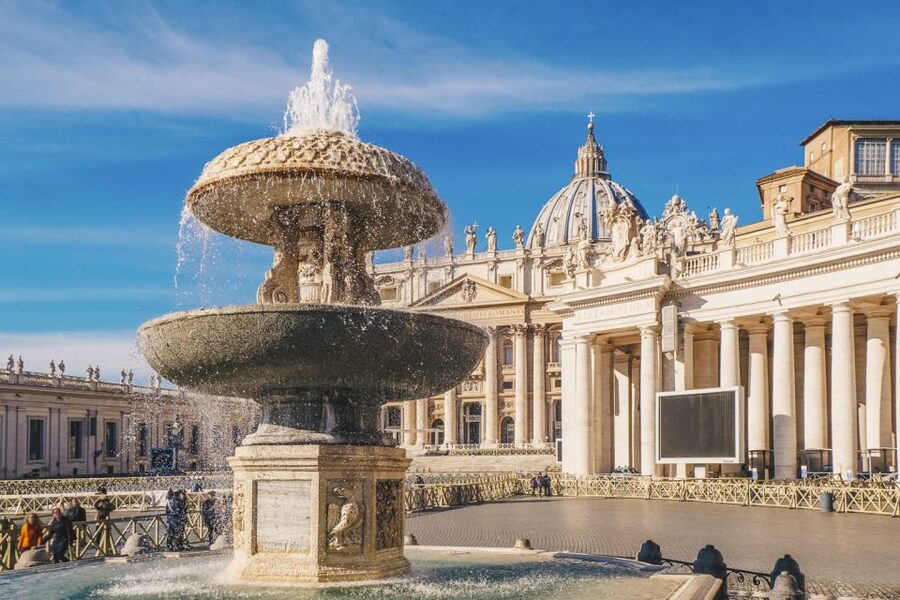
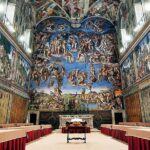
The Sistine Chapel stop is about 15 minutes. That sounds short until you remember the reality of this space: it’s high-stakes, crowded, and rules are strict. This tour’s value is that you’re there with a guide and a plan, so you don’t waste precious minutes searching for viewpoints.
In the reviews, a theme is that early entry helps you experience the Sistine Chapel in a less painful way. People talk about being in the chapel when it’s less crowded than the public rush. That matters because the Sistine Chapel is where your attention has to lock in quickly. Your guide helps you focus on what you’re actually looking at, instead of just staring at a ceiling while your brain tries to process everything at once.
There’s also a practical item: you must have knees and shoulders covered for this part. The tour bans clothing like shorts and sleeveless shirts, so make sure you’re compliant before you reach the chapel security checkpoints.
Important special note again for 2026: Last Judgement may be scaffolded from Jan 12 to Mar 31, 2026, which can change what you’re able to see on that specific wall. If you’re planning around a particular fresco detail, build that into your expectations.
St. Peter’s Basilica in about 30 minutes (plus the real-world closure risk)
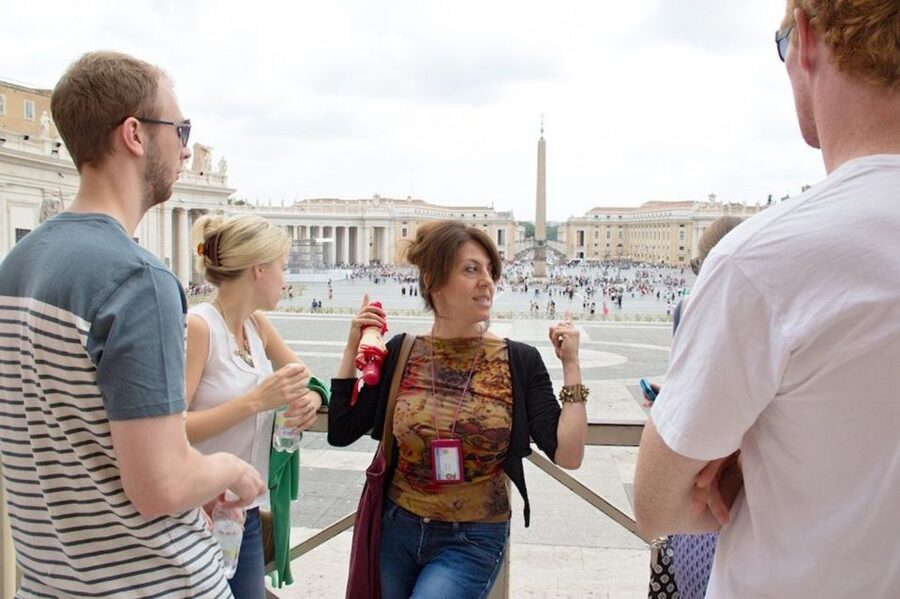
St. Peter’s Basilica is scheduled for about 30 minutes. That’s a short window for a building this big, but it works if your goal is to get oriented fast and see the main wow-factor sights without losing the day to endless walking.
The guide’s job here is often twofold:
1) help you understand what you’re seeing quickly, and
2) keep you moving so you can finish the tour without getting stuck in bottlenecks.
In some cases, the schedule can change. St. Peter’s Basilica is an active parish and may close unexpectedly due to religious events. If that happens, the tour runs an extended version of the Museums and Sistine Chapel areas. The key point for your planning is that no refunds are issued for unexpected closures.
If your heart is set on the Basilica itself, it’s still worth booking because the tour includes the option of extra museum time if closures happen. But make sure you’re emotionally ready for the Vatican to be the Vatican, meaning plans can shift.
Also, don’t forget the same dress code rule applies: knees and shoulders covered.


Price and value: is $128 fair for this format?
At $128 per person for about 3 to 3.5 hours, the price is tied to two things you’d have to pay for indirectly on your own: time and expertise.
First, there’s the obvious value: skip-the-ticket line access for the Vatican Museums, Sistine Chapel, and St. Peter’s Basilica. Even with early entry, line-wrangling can eat your morning. Paying for this reduces the chance your visit turns into a patience test.
Second, you’re not just buying entry. You’re buying a guide who can explain what you’re seeing, keep you on the right path, and help you find spots that are easier for photos and viewing. Reviews are full of praise for guide personalities—some are funny, some are serious, and many are both—and there’s a repeating compliment: guides add context and point out details you might miss on your own.
Is it pricey? Sure, but the Vatican isn’t a place where time is cheap. If you value seeing the highlights with less stress and better interpretation, this format is usually good value.
If you don’t mind crowds or you prefer to go at your own pace, you could self-guide and save money. But you’ll work harder to figure out what to prioritize, and you’ll spend more time stuck in friction points.
Who this tour suits best (and who should choose another plan)
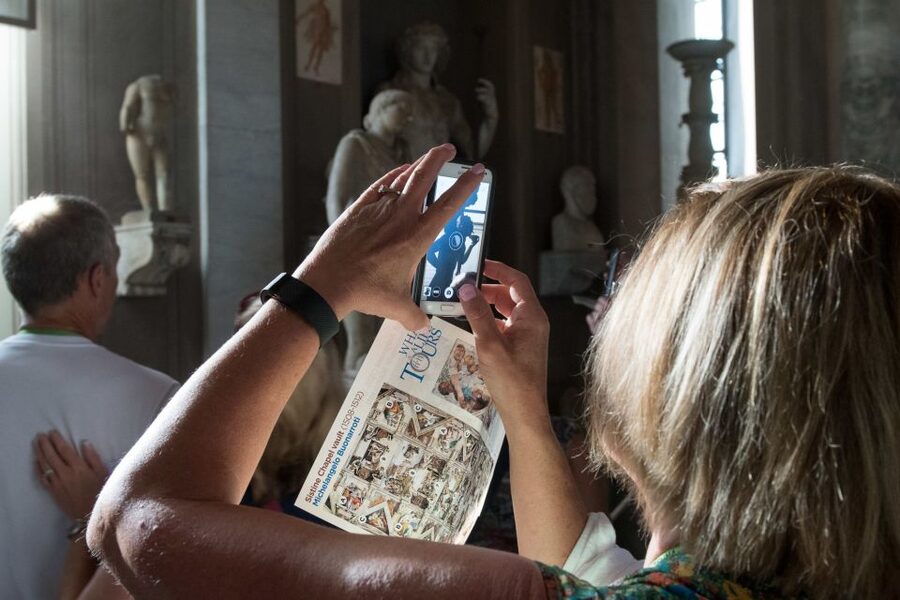
This tour fits best if you want a structured “greatest hits” morning with a live English guide and a small group. It’s also ideal if you’re traveling with mixed interests—some people want the famous art, others want the story behind it—and you want one person to connect the dots.
The tour is small-group capped around 10 participants (with a promise that the group won’t exceed 12). Reviews frequently mention that guides managed groups calmly even on busy days, and that the pacing felt comfortable rather than chaotic.
Who might not love it:
- Anyone who needs a slow pace or has mobility issues. The tour is described as not suitable for walking difficulties, and wheelchair users/mobility-impaired visitors aren’t suitable.
- People who want to linger. The Museums alone are long, and the overall route is fast-paced by design.
- Anyone who doesn’t want to deal with dress code and bag rules. These are enforced here.
If you want to treat Vatican City like a full-day museum marathon, consider other options with longer time. If you want a top-to-bottom highlights visit without line stress, this tour makes a lot of sense.
The guide factor: why certain names keep showing up
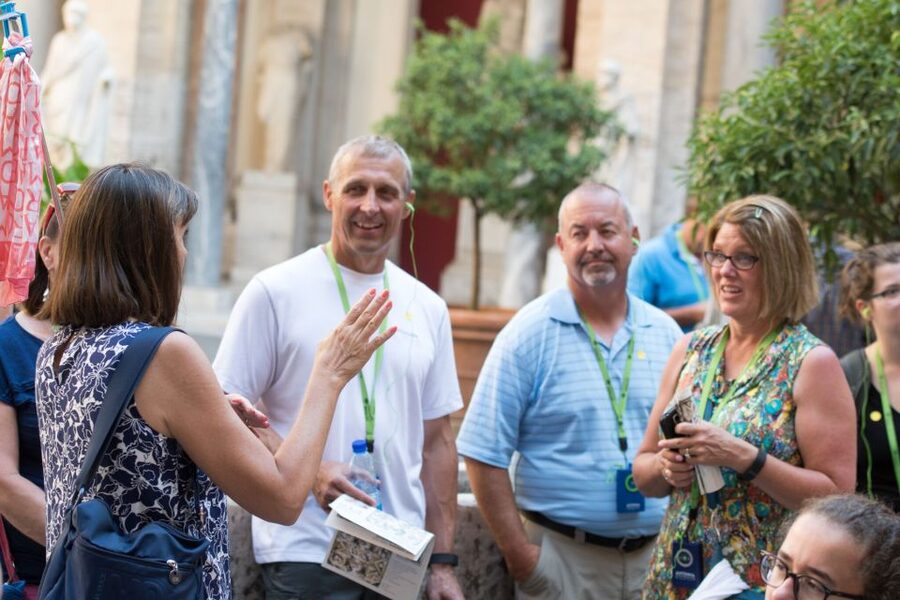
One of the best signs of quality is consistency in feedback. Across the reviews, certain guides show up again and again, with similar praise themes:
- Mariana: storytelling and keeping a comfortable pace
- Jep/Jeb: humor plus art and history explanations
- Lucia: insider details and good organization, with early-entry value emphasized
- Elaine: strong art-context explanations and humor
- Mario: charisma, confident control of the group, and vivid narrative
- Cinzia/Cynthia: clear organization and engaging, calm leadership
- Cyndi/Cynthia: pacing and attention to each participant
- Tony: helpful context during the tour route
Even if you don’t get your favorite guide name, the format clearly aims for guides who can hold attention, manage timing, and help you understand what matters. That’s the difference between checking off a list and actually learning how to look at the Vatican.
Should you book this early-entry Vatican tour?
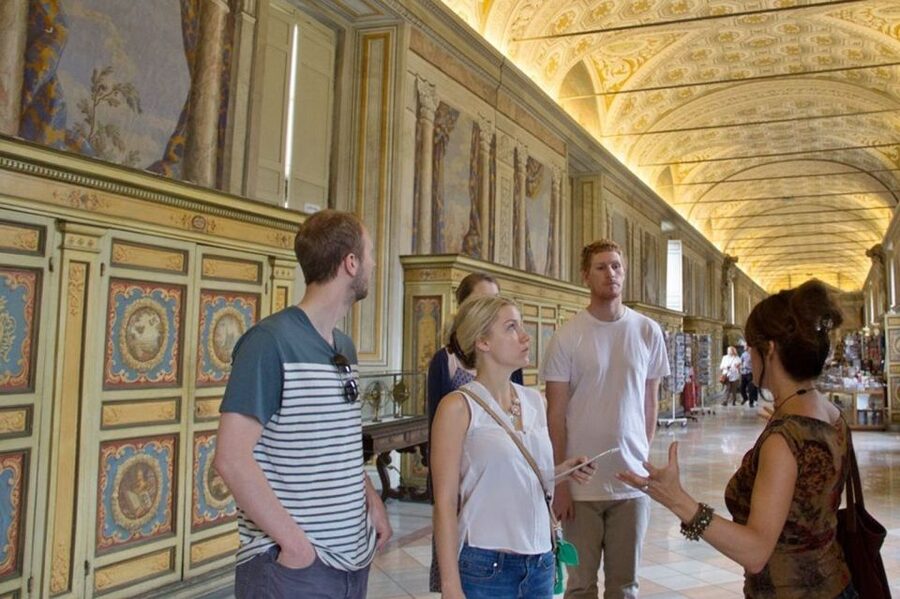
Book it if you want a high-impact Vatican morning with earliest entrance, skip-the-ticket lines, and guided context—and you’re okay with a time-tight route. It’s a smart choice for first-timers who need help prioritizing, and it also works for repeat visitors who want a tighter, guided version of the must-sees plus a few extra interpretive stops.
Skip it (or choose a different style of tour) if you’re someone who needs long breaks, very slow pacing, or extra time in one room. Also, if stairs and walking are hard for you, don’t stretch this plan—your best match will be something designed around mobility and longer dwell time.
If you do book, prepare like a local: bring a layer for dress-code compliance, plan extra time to reach Via Santamaura 14B, and keep an eye on the 2026 Last Judgement maintenance window so your expectations match what you’ll see.