REVIEW · TURIN
Turin: Egyptian Museum Small Group Skip-the-Line Guided Tour
Book on GetYourGuide →Operated by Keys of Italy/Piemonte · Bookable on GetYourGuide
Turin’s Egyptian Museum can feel like an Egypt-size rabbit hole. This small-group, skip-the-line tour turns the chaos into a clear route through the collection, with an expert guide steering you to the best stops. You’ll walk out with stories, not just photos.
I especially love how the tour is kept semi-private (max 9 people), so the guide can actually answer questions instead of talking at you. I also love the focus on must-see highlights like the Tomb of Kha and the Ellesija temple, plus the way objects are explained in order of time.
One possible drawback: the museum is massive, but your guided window is only 2 hours, so it’s a fixed-format tour. If you (or your kids) need lots of open-ended wandering or constant detours, you may feel a bit rushed.
In This Review
- Key highlights worth your time
- Turin’s Egyptian Museum route, built for real people
- Getting there: Carignano Square and a quick entry plan
- The museum’s chronological layout (and why it matters)
- Tomb of Kha: the stop that turns history into a scene
- Sarcophagi, statues, and the food-trace details
- Drovetti papyrus sheets: reading culture, not just artifacts
- Ellesija temple: rock-hewn, saved from the Nile, moved in 1966
- What the guides do well (and why it changes the whole experience)
- Museum rules you should know before you go
- Price and value: is $93 worth it?
- Who this tour suits best (and who should think twice)
- Should you book this skip-the-line small-group tour?
- FAQ
- How long is the Turin Egyptian Museum small-group skip-the-line tour?
- How big is the group?
- Is there skip-the-line access?
- What languages are available?
- Can I bring a camera?
- Is the tour wheelchair accessible?
Key highlights worth your time
- Skip-the-line entry so you can start seeing things quickly.
- Monolingual small groups capped at 9 people for better questions and pacing.
- A guided route through chronological galleries from the 4th century BC to the 3rd century AD.
- The Tomb of Kha with very specific, scene-by-scene context.
- Major collections including the Drovetti papyri and the Ellesija temple story (moved to Italy in 1966).
Turin’s Egyptian Museum route, built for real people
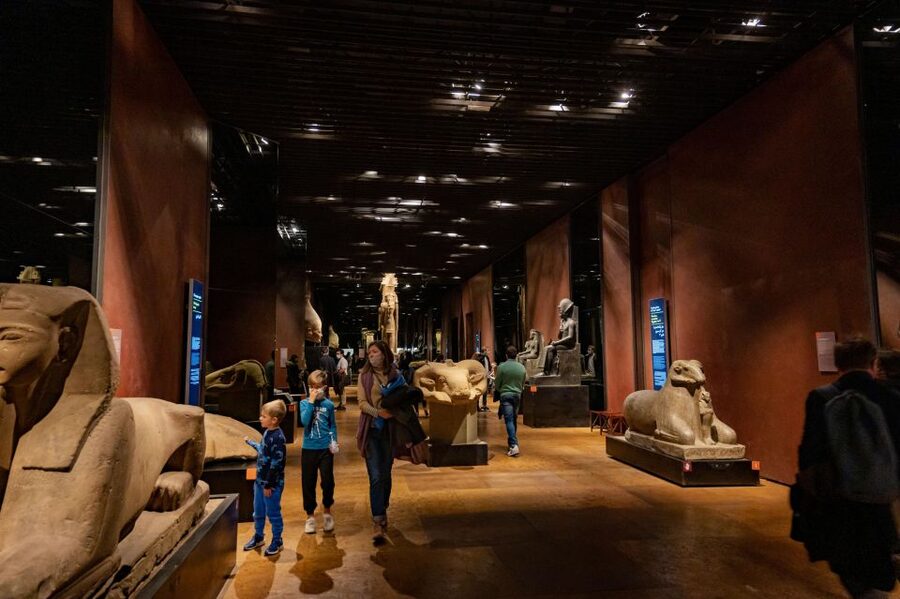
Turin’s Egyptian Museum is famous, and it’s also big enough to overwhelm you if you go in cold. One big reason this tour works is that it doesn’t try to “cover everything.” It picks the objects and themes that make the museum make sense fast.
The second reason is the group size. With a maximum of 9 guests, you’re not a number in a crowd. In past groups, guides such as Nadia, Louisa, Francisco, Francesco, Marco, Giada, and Gabriel have been singled out for being engaging, patient, and able to explain what you’re looking at without turning it into a lecture.
And yes, the skip-the-line ticket matters. Waiting around for admission is the last thing you want when your hour-by-hour schedule is tight.
You can also read our reviews of more guided tours in Turin
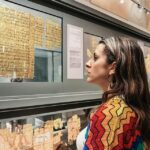
Getting there: Carignano Square and a quick entry plan
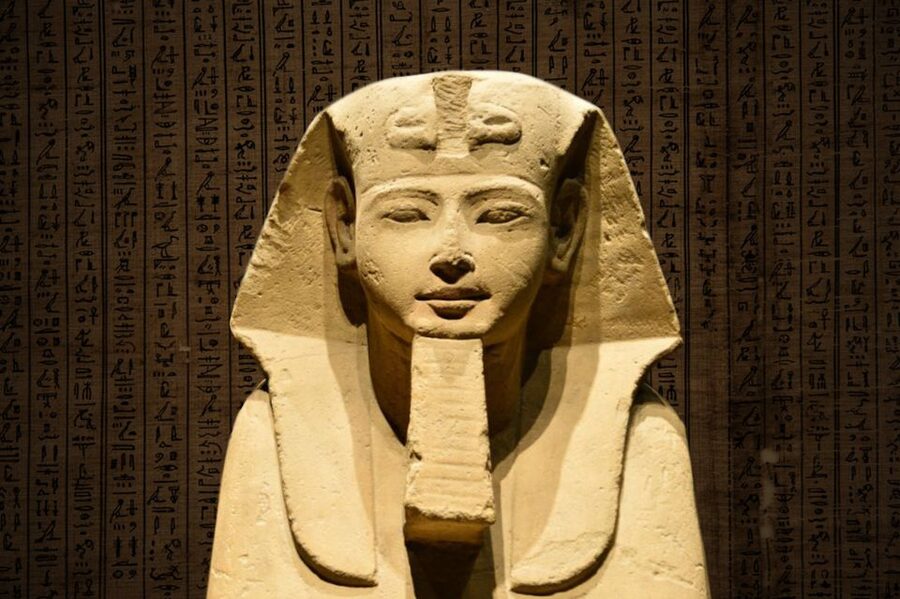
Your meeting point is Carignano Square, near the statue at the center of the square. The guide carries a Keys of Italy sign, and you should arrive 15 minutes early.
Once you meet up, you enter with your skip-the-line access. That short step saves you energy for what comes next: walking through rooms where Egyptian art can look similar at first glance—until someone gives you the map.
Practical note: the museum rules are strict. Plan to travel light. If you show up with a camera-ready daypack and a camera, you’ll have to deal with the restrictions before you even start.
The museum’s chronological layout (and why it matters)
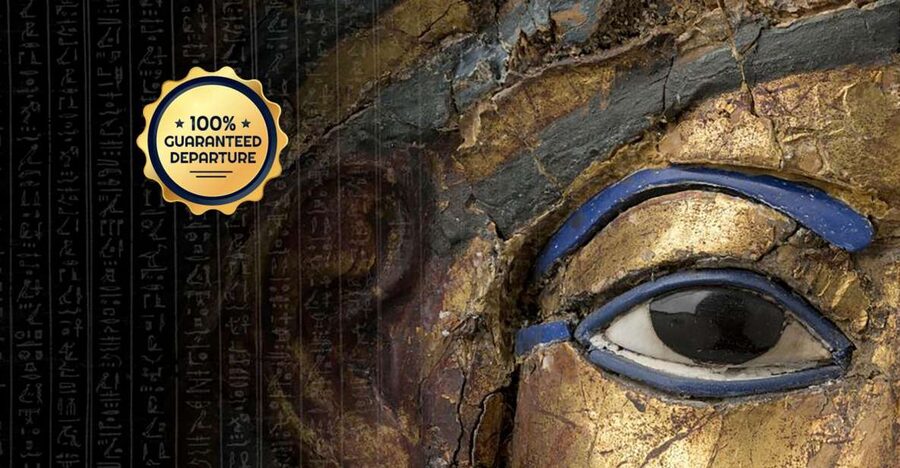
This tour follows the museum’s story in time order. You’ll move through exhibitions arranged from the 4th century BC to the 3rd century AD, so you’re not bouncing randomly between eras.
That chronological flow is more than a design choice. It helps you understand what changes—and what stays familiar. Egyptian culture didn’t sit still for centuries. Dynasties rose, styles shifted, and ideas about the afterlife evolved. Seeing that progression with a guide makes the collection feel like a timeline, not a storage warehouse.
What you’ll get in 2 hours is a guided “spine” through the museum. After that, if you want, you can return and linger longer on the sections that clicked for you.
Tomb of Kha: the stop that turns history into a scene
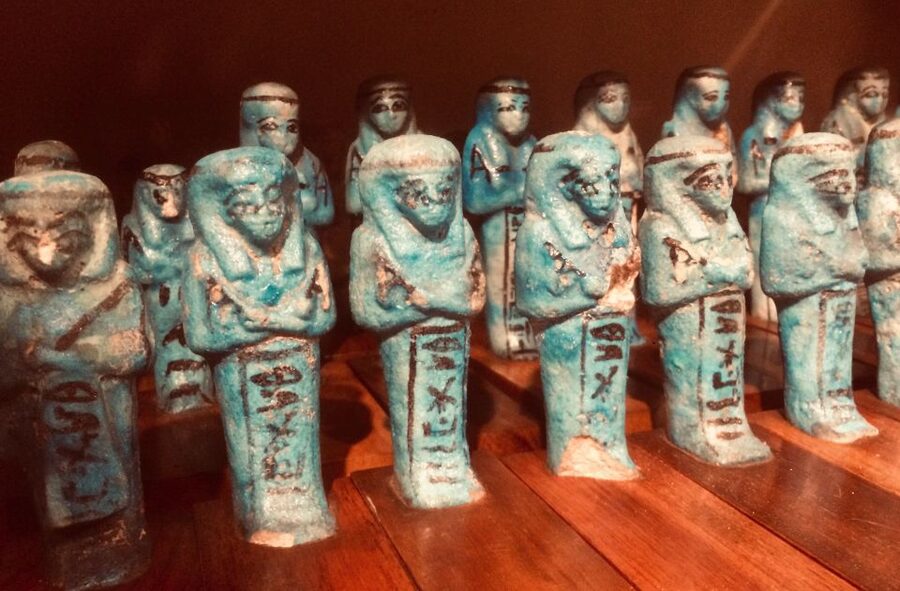
If you only remember one thing from this tour, make it the Tomb of Kha. Kha is described as a tomb builder to the pharaohs, dating to around 3,500 BC. Your guide brings that age down to something human by explaining what these objects were meant to do and how they were used to tell a story about life after death.
This is where the tour’s guided format really pays off. A tomb section can look like “more ancient art” until you understand how it fits into a belief system and why specific details appear where they do.
You’ll also see the kind of burial material that makes the afterlife concept feel practical. Sarcophagi, statues, everyday items, and the “stuff” a tomb needs—explained in a way that connects form to function.
Sarcophagi, statues, and the food-trace details
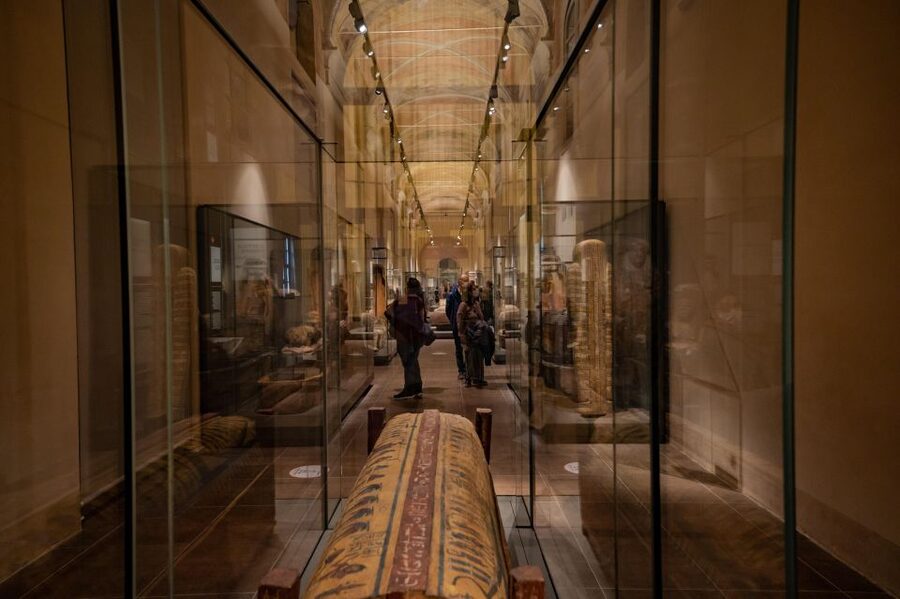
Egyptian museums can be gorgeous and intimidating at the same time. The tour steers you toward objects that spark curiosity instead of just awe.
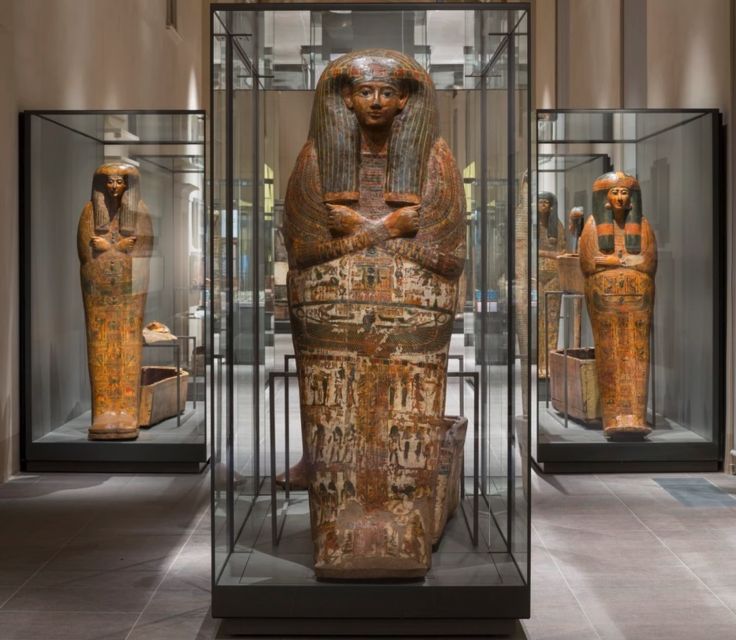
Expect to encounter sarcophagi, statues, sundries, and furniture, presented alongside remarkably preserved items. Two examples included on this tour are salted meat and a pottery bowl with the remains of tamarind and grapes.
Those details are not random “cool facts.” They show how burial preparation involved real provisions, not just symbolic decoration. The goal wasn’t only to honor someone. It was also to plan for needs in the next world.
If you’re the type who likes your history with sensory texture—food, materials, craftsmanship—this section is where you’ll lean in.
You can also read our reviews of more museum experiences in Turin




Drovetti papyrus sheets: reading culture, not just artifacts
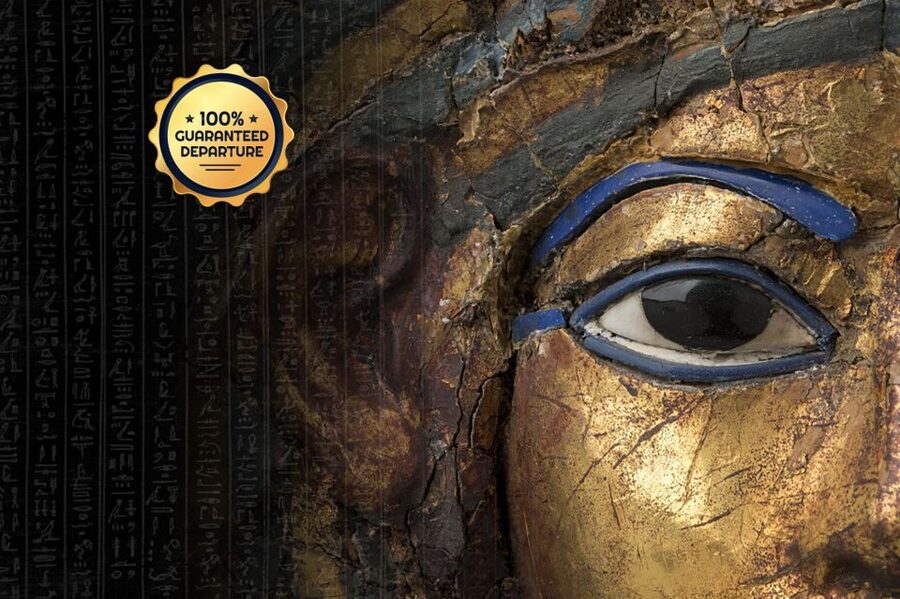
Next comes the Drovetti collection of papyrus sheets, described as among the most important in the world. Papyrus isn’t just a pretty writing surface. It’s how knowledge traveled: records, texts, and the written side of everyday life and belief.
With a guide, you’re less likely to treat papyri as “mysterious scroll-looking objects.” Instead, you’ll learn why the collection matters and what role documents and inscriptions played in Egyptian culture across centuries.
This is also a good moment to ask questions. Many of the guides named by previous participants are praised for answering everything from basic context to deeper Egyptology questions. If you’ve ever wondered what you’re supposed to look for on an ancient text, this stop is your chance to get a straight answer.
Ellesija temple: rock-hewn, saved from the Nile, moved in 1966

The final highlight is the Ellesija temple, a rock-hewn temple more than 3,500 years old. Your guide connects it to Pharaoh Tuthmosis III and explains how it was saved from Nile flooding before being moved to Italy in 1966.
This stop has a double payoff. First, you see something physically old—carved stone that survived long enough to be studied and displayed. Second, you learn the modern story of preservation. You’re watching cultural heritage made portable by necessity, not choice.
It’s the kind of conclusion that sticks. The tour starts with a tomb and burial goods, then moves through writing and daily-life traces, and ends with a whole temple relocated across time and geography. That arc turns the museum into a story with a beginning, middle, and dramatic last page.
What the guides do well (and why it changes the whole experience)
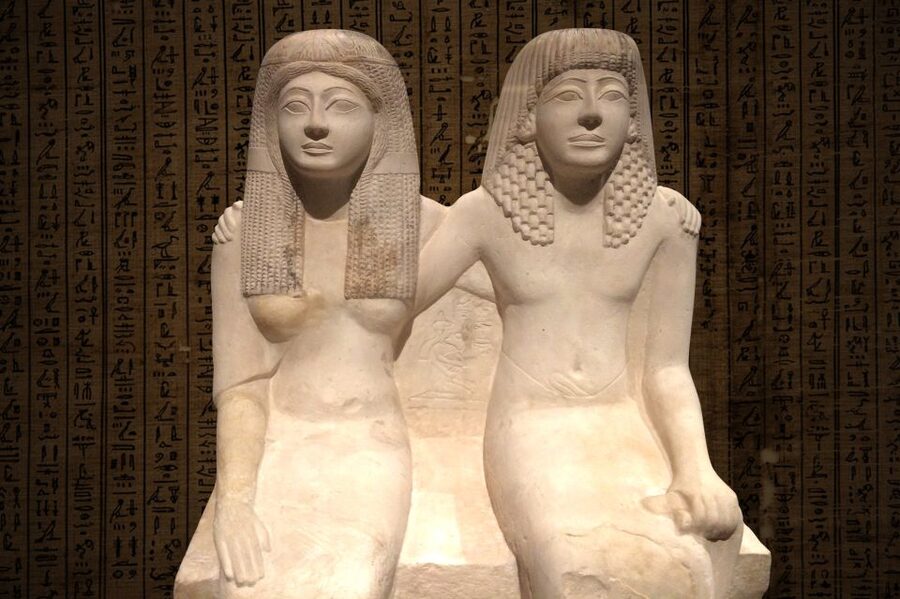
The single biggest difference between wandering a museum on your own and doing this tour is interpretation. The guide points out what to look for and tells you how to read the collection.
In past tours linked to this experience, guides including Nadia, Louisa, Francisco, Francesco, Marco, Giada, Gabriel, and others have been described as:
- Engaging and able to keep attention
- Patient with questions
- Clear about what you’re seeing
- Able to connect objects across time
Also, when groups are larger than 6, you’ll use a head set. That small detail matters in a museum environment. It helps you stay focused on the guide instead of playing listen-and-guess with the noise level around you.
The tour is also offered in English, French, Spanish, and Italian, so you’ll get the explanation in your language without switching midstream.
Museum rules you should know before you go
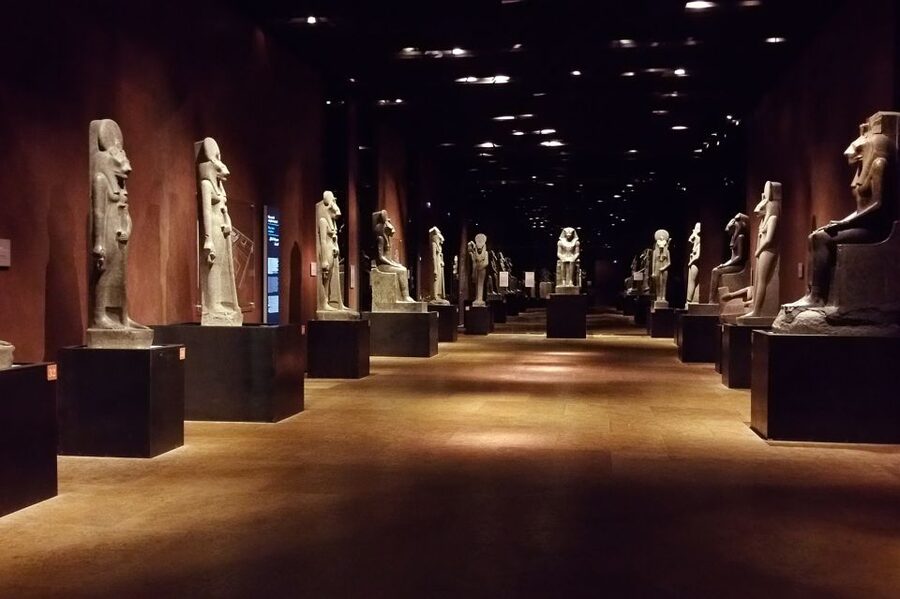
The Egyptian Museum has restrictions that affect how you experience the space. According to the tour info, you should not bring:
- Cameras
- Luggage or large bags
- Flash photography
- Backpacks
These rules can feel strict, but they’re the kind of strict that keeps the galleries calm and easier to manage. If you want photos, plan to rely on your memory and what the guide shows you—then you can look for official images later.
Also, if you’re someone who carries a camera “just in case,” assume it won’t pass. Pack accordingly.
Price and value: is $93 worth it?
At $93 per person for about 2 hours, this isn’t a budget museum stroll. But it’s also not “pay for the ticket.” You’re paying for guided meaning plus skip-the-line entry, in a small group.
Here’s how I think about value:
- Without a guide, the Egyptian Museum can be overwhelming. You can see a lot, but you may not connect the dots.
- With this format, you get a planned route through major works—Tomb of Kha, Drovetti papyri, and Ellesija temple—and you learn what makes each one important.
- The small group limit helps you get answers instead of watching the back of someone else’s head.
If you’re even moderately interested in Egyptian culture, this price tends to make sense. If you want a quiet museum wander with zero structure, you might prefer a self-guided visit and spend your time deeper in whatever catches your eye.
Who this tour suits best (and who should think twice)
This tour is ideal if you want a focused, guided overview that still highlights the museum’s big hitters. It’s also a good fit for families who can handle a structured 2-hour experience—though note that one family found the format less adaptable for a curious child with lots of questions.
If your group includes adults who love myth, inscriptions, burial rituals, and temple history, you’ll likely enjoy the way the tour connects themes rather than just listing objects.
It’s also wheelchair accessible, which is a real plus for planning.
Should you book this skip-the-line small-group tour?
Yes—if you want a high-impact visit with less stress and clearer context. The combination of skip-the-line entry, max 9 people, and targeted stops like Tomb of Kha, Drovetti papyri, and Ellesija temple is exactly what makes this museum easier to love.
Book it especially if:
- You don’t want to spend your first museum hour figuring out where to go.
- You like learning from a guide who can answer questions.
- You want the museum’s main stories stitched together in a short time.
Skip it (or consider a different option) if:
- You need lots of free time to wander without a fixed route.
- Your priority is photography or bringing lots of personal items (since cameras and large bags aren’t allowed).
FAQ
How long is the Turin Egyptian Museum small-group skip-the-line tour?
The tour lasts 2 hours.
How big is the group?
It’s a small group limited to a maximum of 9 participants.
Is there skip-the-line access?
Yes, you get an Egyptian Museum skip-the-line ticket.
What languages are available?
The live tour guide is available in English, French, Spanish, and Italian.
Can I bring a camera?
No. Cameras are not allowed, and flash photography is also not allowed.
Is the tour wheelchair accessible?
Yes, the tour is listed as wheelchair accessible.