REVIEW · TURIN
Turin: Museum of Oriental Art Entry Ticket
Book on GetYourGuide →Operated by Fondazione Torino Musei · Bookable on GetYourGuide
That quiet room of art is the main event. The Museum of Oriental Art in Turin is a serious stop for Eastern art, with collections spanning from Neolithic times to the start of the 20th century.
What I like most is the museum’s focus and depth: you’re not getting a few token objects. You’re looking at about 2,300 works plus over 1,400 archaeological finds tied to pre-Islamic eras. One thing to consider: you’ll need to be ready to move through galleries on your own, since this ticket covers admission only and does not include guided explanations.
For a low-cost ticket, I also appreciate how clearly the museum organizes the story of the art world it covers. There are five gallery groupings (South and South-East Asia, Japanese sacred and profane art, the Himalayan region, Islamic art, and a standout Chinese funerary focus). The possible drawback is simple: temporary exhibitions aren’t included, so your experience will depend mostly on the permanent collection.
In This Review
- Key things to notice before you go
- Museum of Oriental Art in Turin: What you’re paying for
- How the permanent collection is organized (and how you should plan your time)
- South and South-East Asia: early material that sets the tone
- Chinese funerary art: the collection that makes this museum famous
- Japanese art: sacred and profane in the same conversation
- The Himalayan region: a different visual language
- Islamic art: a major collection with strong context
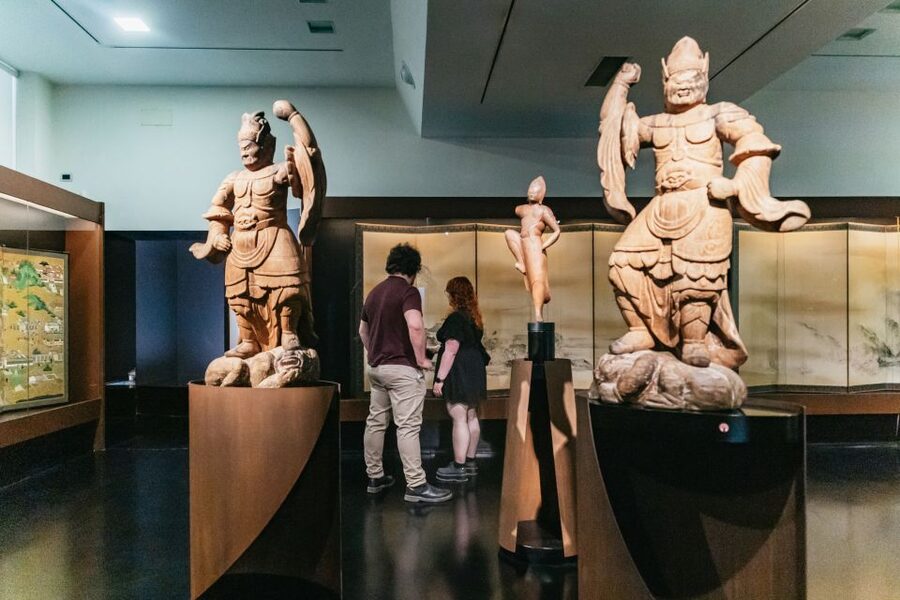
- Standout moment to look for: Kongo Rikishi on a rock base
- The Iraqi digs connection: why the museum’s archaeology matters
- Temporary exhibitions: what you’re missing (and how to plan around it)
- Practical logistics that affect your comfort
- Pricing and value: is $11 the right kind of cheap?
- Who should book this entry ticket
- Should you book Museum of Oriental Art entry in Turin?
- FAQ
- How much is the Museum of Oriental Art entry ticket in Turin?
- How long is the ticket valid?
- Does the entry ticket include guided tours?
- Are temporary exhibitions included?
- Is the museum wheelchair accessible?
- What can’t I bring into the museum?
- Is free cancellation available?
- Who provides the experience?
Key things to notice before you go
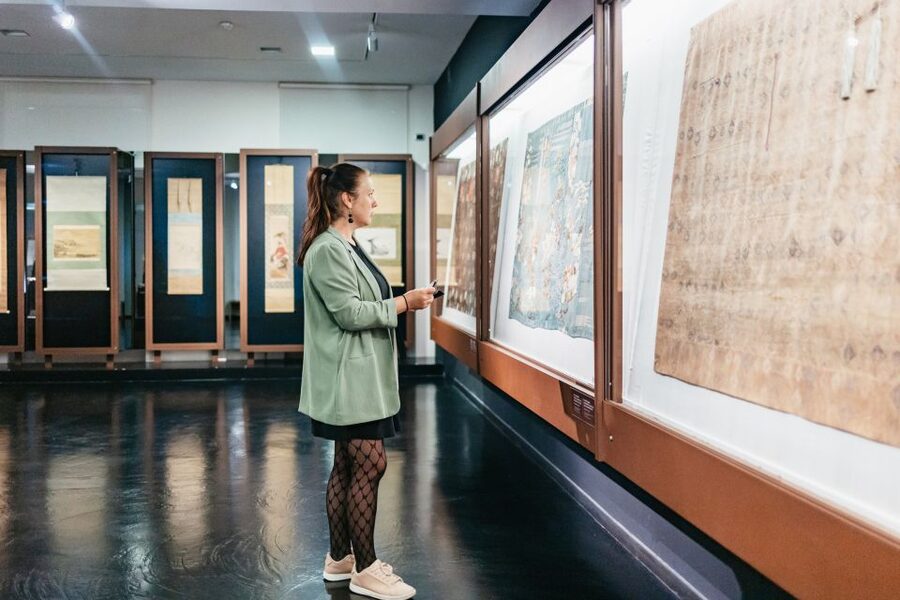
- A top Chinese funerary art collection in Italy: one of the museum’s most important strengths.
- Pre-Islamic archaeology from Iraqi digs: Seleucia and Coche show up through about 1,400 finds.
- Five themed galleries covering broad regions and styles, not random sampling.
- Kongo Rikishi on a rock base: a striking highlight you’ll want to spot during your walk-through.
- Self-guided format: admission only, so plan your own pace and time.
Museum of Oriental Art in Turin: What you’re paying for
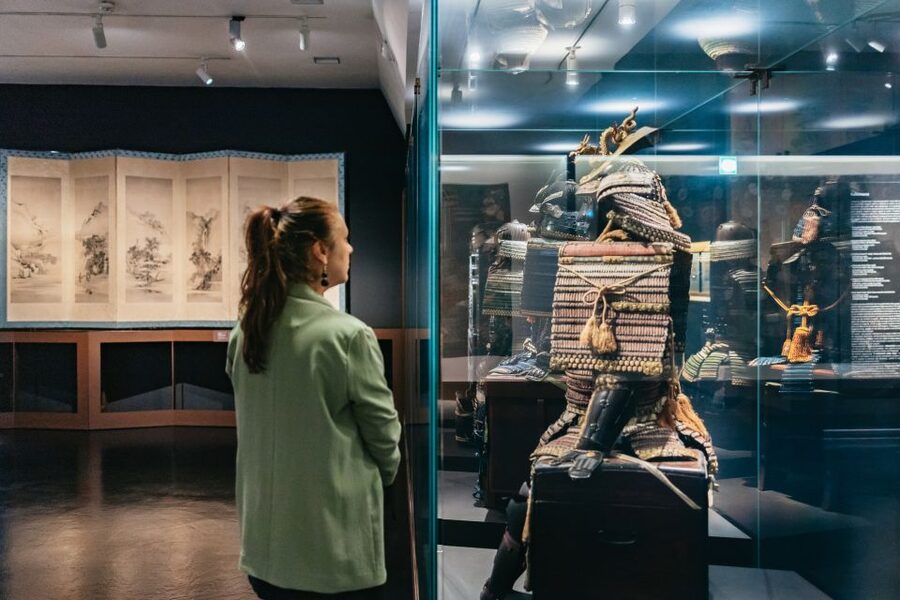
At around $11 per person, this entry ticket is good value if you want concentrated museum time without extra add-ons. You’re paying for access to a collection that’s big on scope and research-oriented display—around 2,300 works and 1,400+ archaeological finds connected to pre-Islamic history.
This is not a museum that tries to impress you with size alone. It’s built for visitors who like to see how objects connect across time: daily life, ritual, belief systems, trade routes, and artistic styles. And because the ticket is admission-only, you can spend your energy on what interests you most, without being rushed by a tour schedule.
The other value point: it’s valid for 1 day, so you can match it to your Turin rhythm. If your plans change, the museum also supports free cancellation up to 24 hours in advance, which makes it easier to protect your itinerary.
A few more Turin tours and experiences worth a look


How the permanent collection is organized (and how you should plan your time)
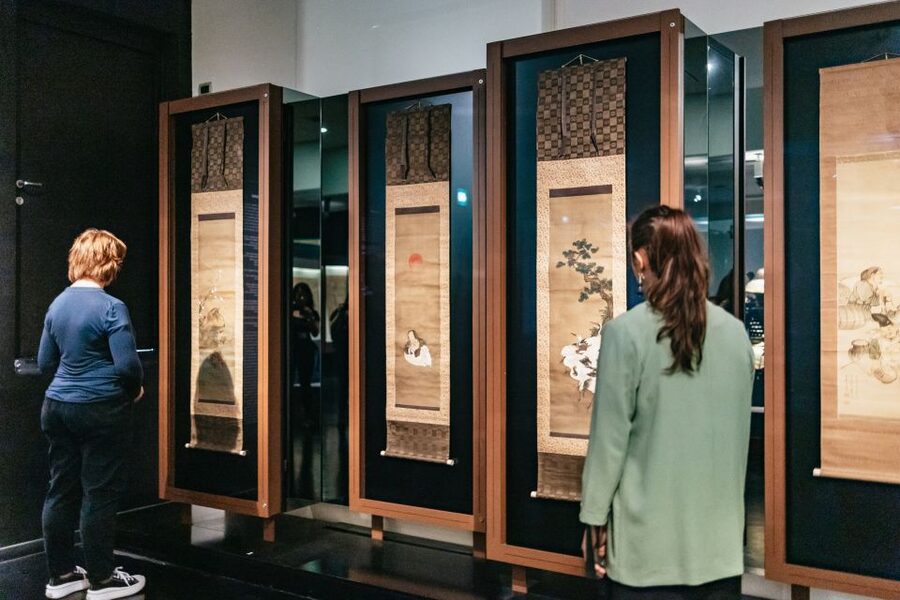
You’ll move through the museum’s presentation of Eastern art across five galleries. The topics aren’t vague—they’re mapped by region and by the types of objects the museum is known for. That matters, because it affects what you’ll notice as you walk.
Think of your visit as choosing a lane or two, then letting the others add context.
Here’s how the galleries break down, and what to look for in each:
South and South-East Asia: early material that sets the tone
One of the first gallery sections focuses on South and South-East Asia, and this is where the museum’s wide timeline begins to make sense. With works stretching back toward the Neolithic period, you get a sense of how long artistic traditions can endure and transform.
What’s practical for you: don’t treat this area like a warm-up. If you’re only scanning, you’ll miss what the museum is doing—showing how early object-making and later cultural expressions connect.
A good approach is to slow down for a few minutes, pick one thread (materials, symbols, craftsmanship), and use that thread to compare what you see later in other regions. The museum structure invites that kind of viewing.
Chinese funerary art: the collection that makes this museum famous
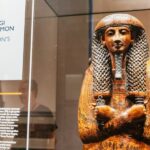
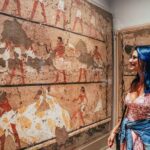
If you do just one major thing, make it time for the museum’s most important collection of Chinese funerary art present in Italy. This is the kind of collection that changes how you read the museum. Funerary objects aren’t just about death; they often reflect status, cosmology, protection, and the idea of how people wanted to be remembered.
Here’s why this section is especially valuable for your experience: funerary art tends to reward careful looking. You can often spend longer here without feeling like you’re forcing it. Even if you’re not an expert, you’ll feel the museum guiding you toward meaning through object type and presentation.
If you want a shortcut: spend an extra 15–20 minutes here. It’s the part most likely to stick with you after you leave.
Japanese art: sacred and profane in the same conversation
Another gallery centers on Japanese art, explicitly including both sacred and profane works. That pairing is useful. It tells you the museum isn’t separating the spiritual from the social in a simple way; it’s treating Japanese art as part of real life, belief, and performance.
When you’re in this section, keep your eyes open for contrasts: objects designed for devotion versus those tied to entertainment, storytelling, or everyday cultural expression. Even without labels fully sinking in, the visual differences often do the teaching for you.
You can also read our reviews of more museum experiences in Turin


The Himalayan region: a different visual language
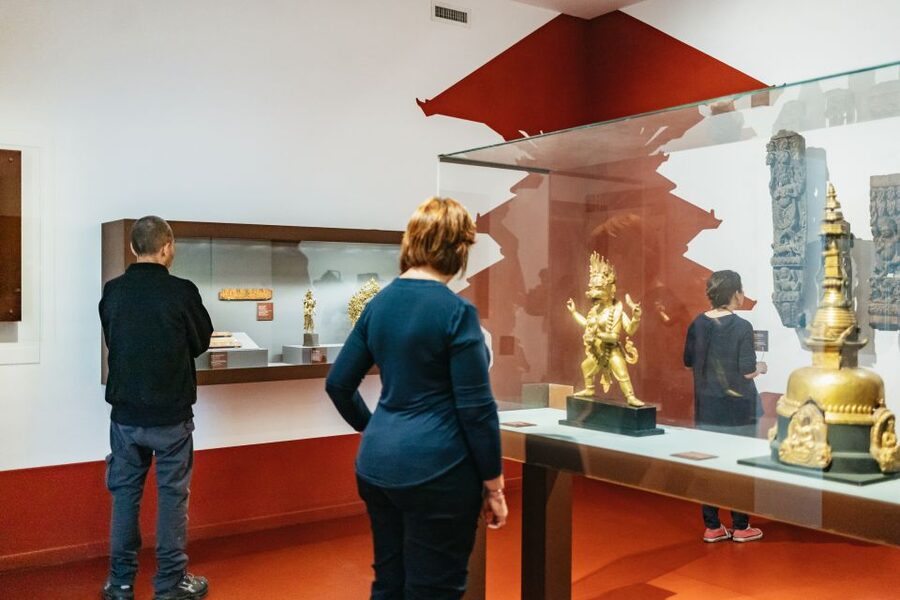
The Himalayan region gallery is where you’ll likely feel a shift in iconography and style. This is a helpful stop if your brain is starting to categorize everything as “one big Eastern art block.” The museum uses this gallery to show how distinct artistic traditions can be, even when they share broad geographic proximity.
A practical tip: if you like to take photos, do it with restraint. Flash photography isn’t allowed, so you’ll want to rely on ambient light and your phone’s basic camera settings rather than hoping for a flash-assisted shot.
Islamic art: a major collection with strong context
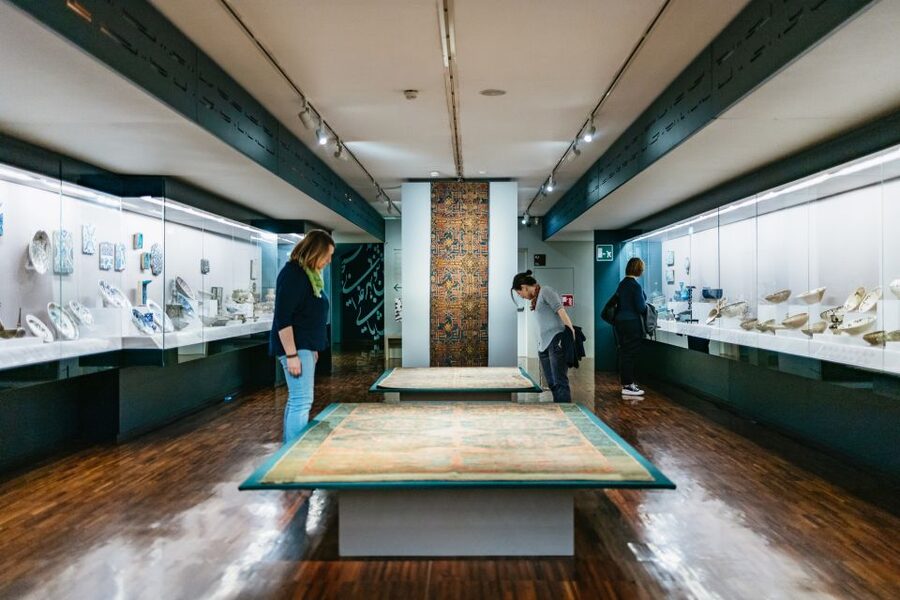
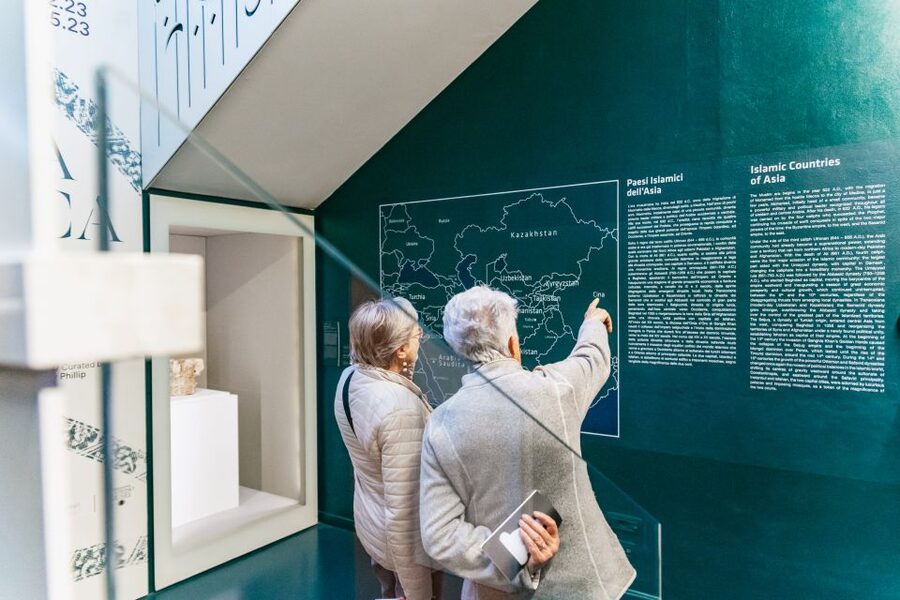
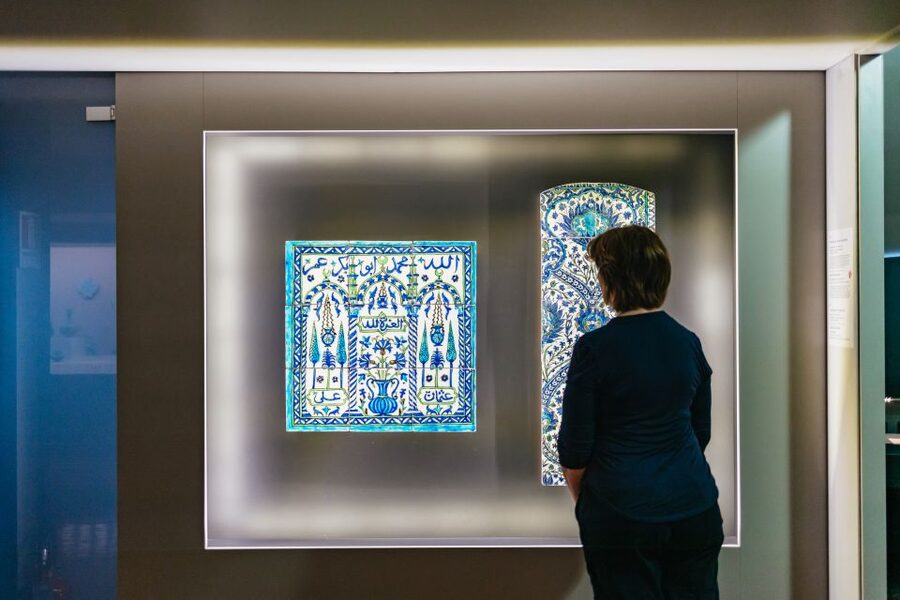
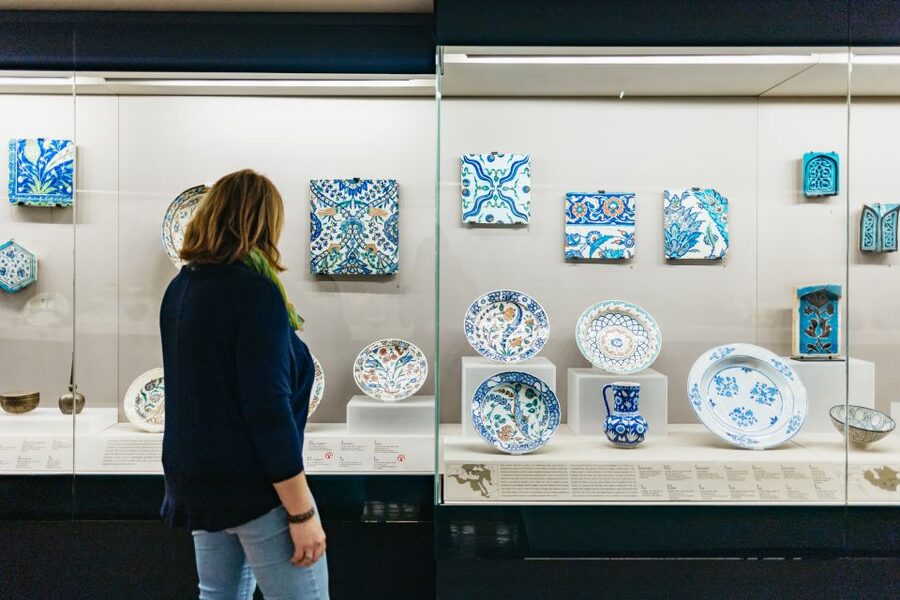
Islamic art is represented as a significant collection, and this section can be a turning point in your visit because it often changes how people interpret the overall museum. Islamic art frequently emphasizes geometry, calligraphic design, pattern logic, and the way objects function in religious and cultural settings.
Even if your interest in Islamic art is limited, this gallery can be a good reality check: the museum shows that Eastern art isn’t one uniform aesthetic. It’s multiple artistic systems working with different rules.
Standout moment to look for: Kongo Rikishi on a rock base
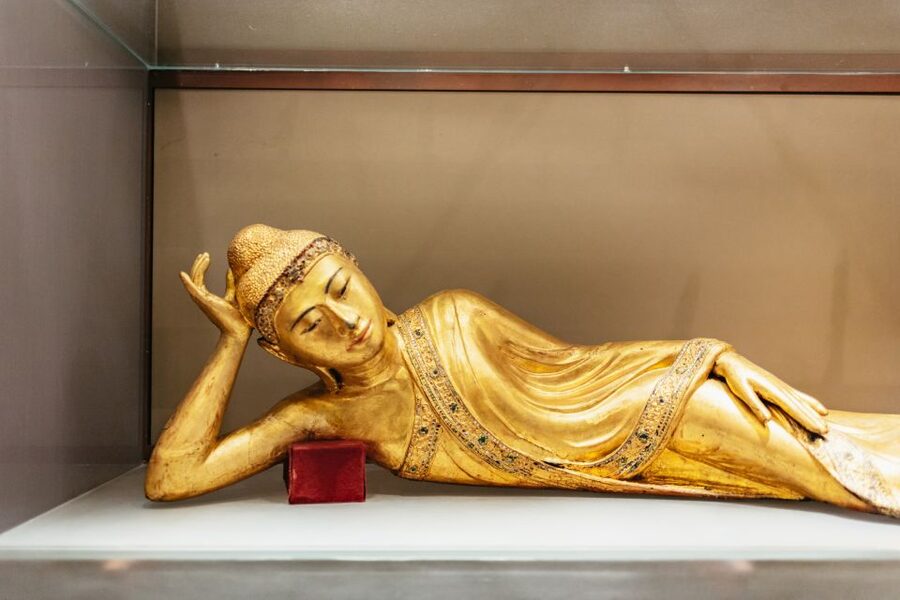
One of the named highlights is Kongo Rikishi on a rock base. That’s the kind of object that usually draws attention fast because of its physical presence and strong “guardian” vibe. Make it a point to locate it during your walk. It can serve as your anchor object—the thing you remember the museum by.
Since the ticket doesn’t come with a guide, your best strategy is to scan the museum signage early, identify where the highlight is, and then build your route around it. That keeps the visit from feeling like aimless wandering.
The Iraqi digs connection: why the museum’s archaeology matters
A distinctive piece of the museum’s identity is its collection of over 1,400 archaeological finds from pre-Islamic times, tied to the Iraqi digs at Seleucia and Coche. This isn’t just “extra stuff.” It’s part of the museum’s argument that art and history are inseparable.
Here’s what this means for you as a visitor: you’ll get more than surface aesthetics. You’ll see objects tied to real places and real historical periods. Even when you’re not reading every detail, the presence of archaeology helps you understand why the museum treats certain materials and styles seriously.
If you’re the type who likes cultural context, don’t skip these displays. They’re one of the museum’s strongest reasons to exist.
Temporary exhibitions: what you’re missing (and how to plan around it)
Temporary exhibitions are not included in this entry ticket. That doesn’t mean the visit is incomplete—it just means you should think of your ticket as access to the permanent collection.
If you happen to be in Turin when a temporary show is running, you might regret spending all your time on the permanent galleries only. But even without temps, the museum already covers a huge timeline and multiple regional groupings, so the core experience is still substantial.
A good strategy: when you arrive, do a quick check of what’s on view, then decide how much time to allocate. You’re aiming for a “right amount,” not a rushed sprint.
Practical logistics that affect your comfort
This is a self-guided museum visit, and a few rules can affect how smooth your visit feels.
- Luggage and large bags aren’t allowed. If you’re traveling with bigger bags, plan to store them before you go.
- Pets aren’t allowed (assistance dogs are permitted).
- No flash photography. Normal photo-taking is fine as long as you follow the rules.
Also, your ticket is valid for 1 day, but starting times depend on availability. That means you’ll want to check what time slots are open and pick the one that fits your museum stamina.
Pricing and value: is $11 the right kind of cheap?
The price—about $11 per person—is the kind of affordability that makes museum time easier to justify. But value here isn’t just about cost. It’s about how much the ticket buys you:
- Admission to a collection with about 2,300 works
- Strong concentration on Chinese funerary art
- A major archaeological component tied to Seleucia and Coche
In other words, you’re not paying for a small sampling of objects. You’re paying for access to a focused, research-friendly museum that rewards slower viewing.
The one caution: since temporary exhibitions are excluded, your “best day” scenario is one where you’re happy to focus on the permanent collection.
Who should book this entry ticket
This museum ticket is a great fit if:
- You want Eastern art with real depth, not quick highlights
- You enjoy museums that organize by region and type, like funerary, sacred, and archaeological materials
- You like self-paced visiting more than strict tour timing
- You’re traveling with accessibility needs and want wheelchair access
It might feel less ideal if you’re specifically chasing temporary exhibits or if you strongly prefer a guided narrative. This ticket doesn’t include guided tours, so you’ll be relying on the museum displays and your own pace.
Should you book Museum of Oriental Art entry in Turin?
I’d book it if you want a high-value cultural stop with serious subject matter, especially if the idea of Chinese funerary art and the museum’s pre-Islamic archaeology from Iraq appeals to you. At $11, the risk is low and the time payoff can be high.
Don’t book it as your only museum plan if you need a guided explanation to enjoy art. This is an admission ticket, so you’ll get the most from it when you’re comfortable exploring on your own and spending extra moments with the pieces that catch your attention.
If you’re short on time in Turin, this is still a solid choice. The galleries are built around clear themes, so you can see something meaningful even on a focused visit.
FAQ
How much is the Museum of Oriental Art entry ticket in Turin?
The ticket price is listed as $11 per person.
How long is the ticket valid?
It’s valid for 1 day. Starting times depend on availability.
Does the entry ticket include guided tours?
No. Guided tours are not included with this ticket.
Are temporary exhibitions included?
No. Temporary exhibitions aren’t included in this entry ticket.
Is the museum wheelchair accessible?
Yes. The activity is listed as wheelchair accessible.
What can’t I bring into the museum?
You can’t bring luggage or large bags. Pets are not allowed (assistance dogs are allowed). Flash photography isn’t allowed either.
Is free cancellation available?
Yes. You can cancel up to 24 hours in advance for a full refund.
Who provides the experience?
The experience provider is Fondazione Torino Musei.