REVIEW · TURIN
Turin: Visit to the Chocolate and Gianduja Museum, Choco-Story Torino
Book on GetYourGuide →Operated by Choco-Story Torino s.r.l. · Bookable on GetYourGuide
Chocolate history hits your senses fast. In Choco-Story Torino, a Turin chocolate museum, you follow cocoa’s journey from early New World use to how European courts and Piedmont makers changed it into something you can taste today. I like the multisensory, interactive setup because you’re not just reading plaques, and I also love that the visit ends with a guided tasting of three chocolates (plus gianduiotti you can see being made). One heads-up: if you use a wheelchair, the museum is only partially accessible, so it’s worth planning around elevator sizes and which areas are reachable.
What makes this work in real life is the pacing. In about 1 hour, you get story rooms, interactive stops tied to the audio guide, a walk through a real chocolate factory process, and then the part that matters most: tasting. If you want a family-friendly activity that doesn’t feel like a chore, this is built for that.
In This Review
- Key points to know before you go
- Why Choco-Story Torino is a smart 1-hour stop in Turin
- Your chocolate storyline: from early cocoa to Turin’s chocolate-makers
- Interactive rooms and a multi-language audio guide you can actually follow
- Watching chocolate being made: the factory walk and gianduiotti
- The tasting: three chocolates and what to notice
- Price and value: where the $14 per person really goes
- Who this is best for (families, dessert fans, and curious foodies)
- Small planning notes for a smoother visit
- Should you book this tour? My take
- FAQ
- How long is the Choco-Story Torino visit?
- How much does it cost?
- Is the audio guide included, and what languages are available?
- Can I taste the chocolate during the visit?
- Do you visit a real chocolate factory?
- Is this museum good for families?
- Are pets allowed?
- Is the museum wheelchair accessible?
Key points to know before you go
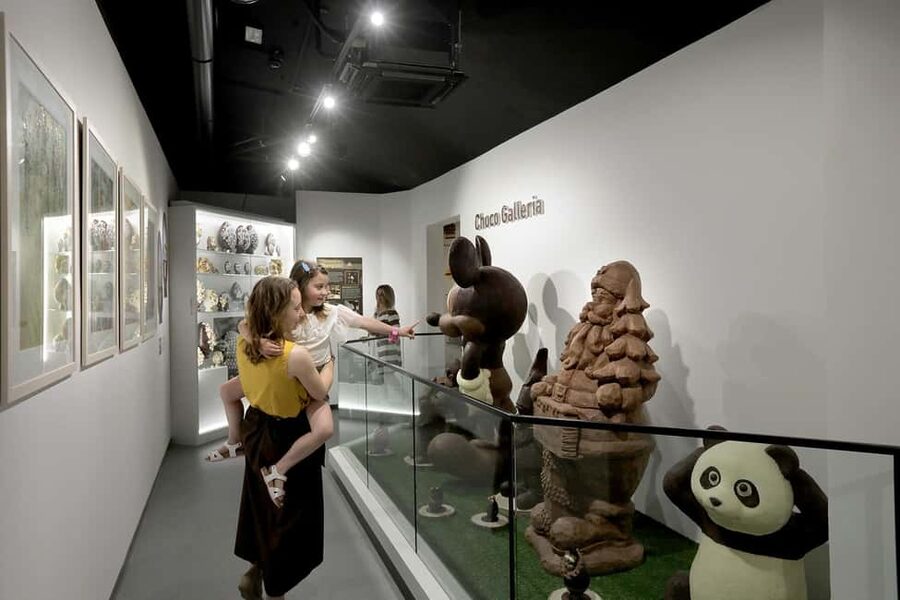
- A real factory walk-through: you can see production stages from cocoa beans to gianduiotti
- Three chocolate tastings: you get a guided sensory comparison, not just one sample
- Audio guide in five languages: Italian, English, French, Spanish, German
- Interactive installations: the audio guide triggers activities in the museum
- Strong for kids: the format keeps younger visitors engaged without dumbing it down
Why Choco-Story Torino is a smart 1-hour stop in Turin
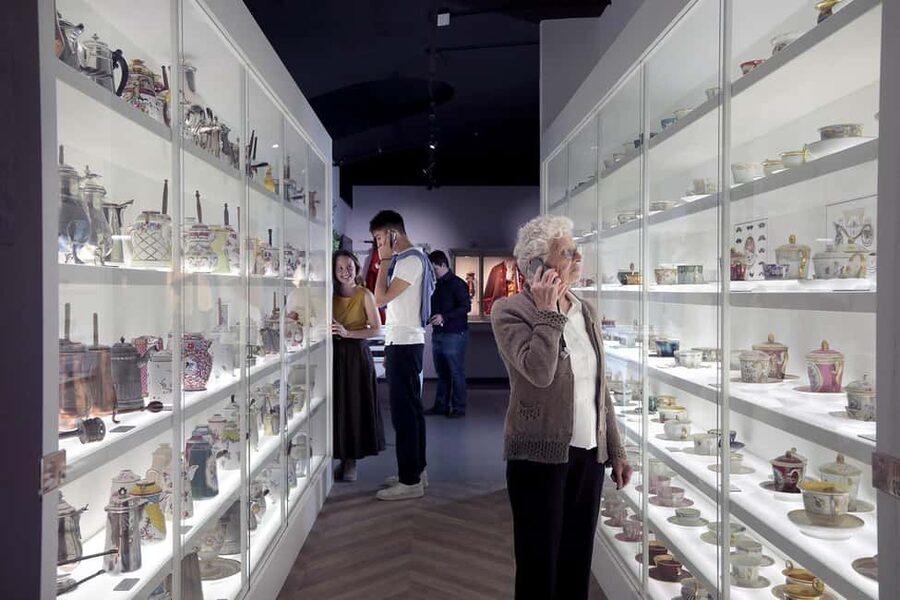
If your day in Turin has a few big sights already, you still need something fun for the senses. This museum is a good match because it’s focused and timed. You’re looking at a 1-hour visit, which means you can fit it between a walk through town and dinner without planning a whole half-day around it.
The other reason I’d call it “smart” is value. At around $14 per person, you’re not paying only for chocolate-flavored souvenirs or a quick photo stop. The experience combines four things: story, interactive rooms, a factory-process visit, and an actual tasting. For many food museums, the “tasting” part is either tiny or inconsistent. Here, tasting is part of the structure, and it comes after you’ve built context.
This is also a museum you can enjoy even if you’re not a self-proclaimed chocolate expert. You get the origins of cocoa, the shifts in European recipes, and how Turin helped shape a signature style. It feels like learning, but the layout pushes you forward with hands-on moments and audio guidance rather than making you stand and study.
You can also read our reviews of more museum experiences in Turin
Your chocolate storyline: from early cocoa to Turin’s chocolate-makers
The core of the Choco-Story Torino experience is the narrative arc. You start with cocoa’s roots, then follow its movement into Europe, and finally land on Turin’s role in making chocolate famous worldwide.
What I find especially useful is that the story doesn’t treat chocolate like a single invention. You’re shown how use and recipes evolved over time—from pre-Columbian civilizations through the way European courts treated chocolate as something precious and courtly. That context matters because it explains why later developments feel like “refinements” rather than random changes.
Then the museum shifts from big history to practical heritage: early recipes that kick-started the Italian chocolate-making tradition, and the specific way Turin masters innovated. You’re basically learning why the city became a reference point. Turin isn’t just a setting in the museum. It’s a character in the story.
If you like food history that stays understandable, this is a strong format. It’s not only dates and facts. The museum frames cocoa’s journey and then connects it to what you’ll see produced later. By the time you get to the chocolate factory section, the story has already pre-loaded your brain with the “why” behind the ingredients and methods.
One note from the museum’s communication style: some content is shown in its original language. That doesn’t usually wreck the experience because you also have an audio guide, but it’s still worth knowing if you’re relying entirely on written text.
Interactive rooms and a multi-language audio guide you can actually follow
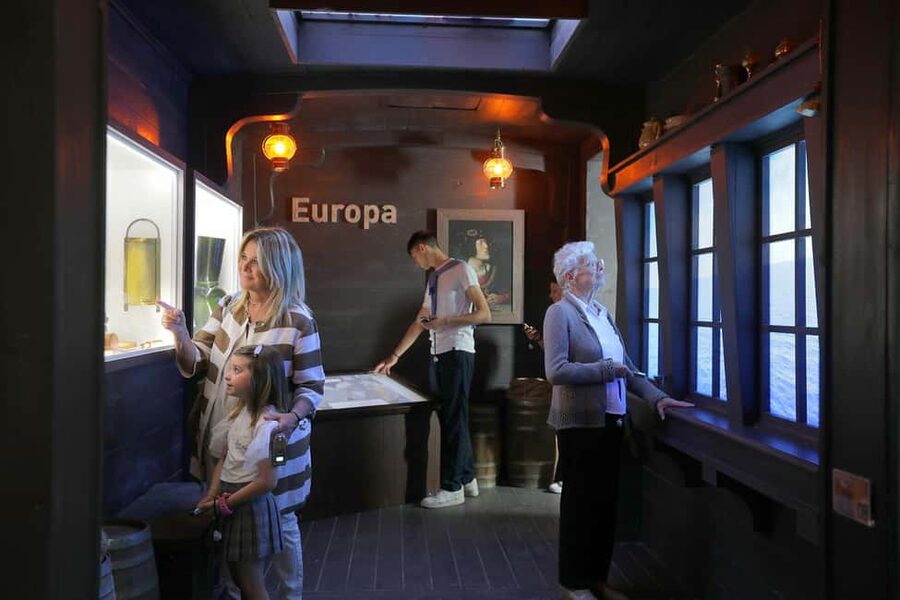
The audio guide is a major part of why this visit feels organized. It’s included, and it’s available in five languages: Italian, English, French, Spanish, and German. Even if you aren’t a “museum audio guide person,” this one is designed to keep you moving through installations rather than just narrating a corridor.
Here’s what that means for your visit: the audio guide doesn’t just play in the background. It’s tied to interactive features in the museum. So you’re not forced to stop and read everything to understand what you’re looking at. You can simply follow the prompts, and the story keeps pace with the rooms.
There’s another real-world plus: the museum has staff/greeters who speak Italian, English, and French. That’s helpful if you need a quick clarification before you start or if you want to double-check how to use the audio guide for your language.
From what’s clear about how the museum is built, the experience aims at clarity and flow. One reason you’ll likely enjoy it is that it doesn’t feel like you’re getting lost in between rooms. You go in with a guide system, you’re nudged through interactive points, and you end at the tasting.
If you’re traveling with kids, this matters even more. An audio guide plus interactive stations usually beats the “stand still and listen to an adult explain chocolate lore” approach.
Watching chocolate being made: the factory walk and gianduiotti
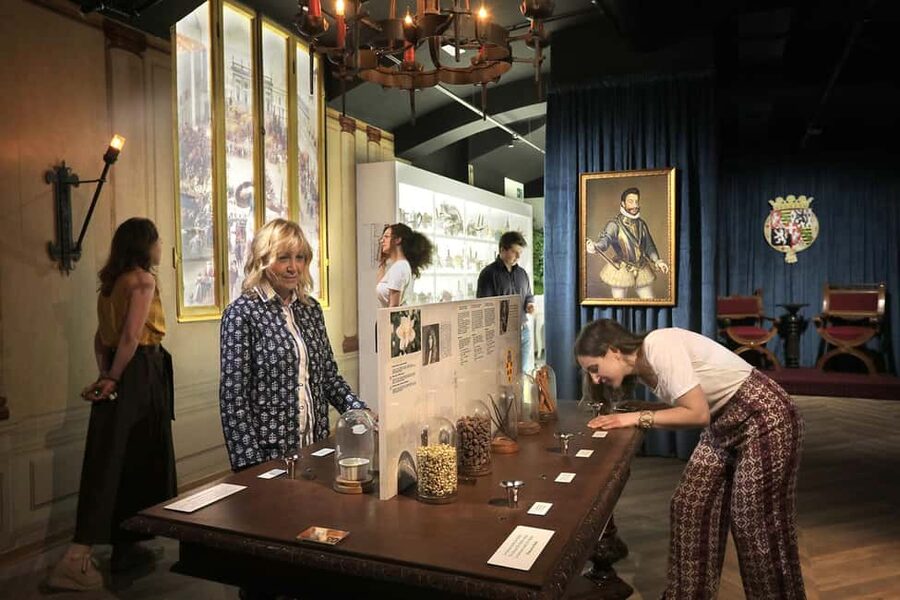
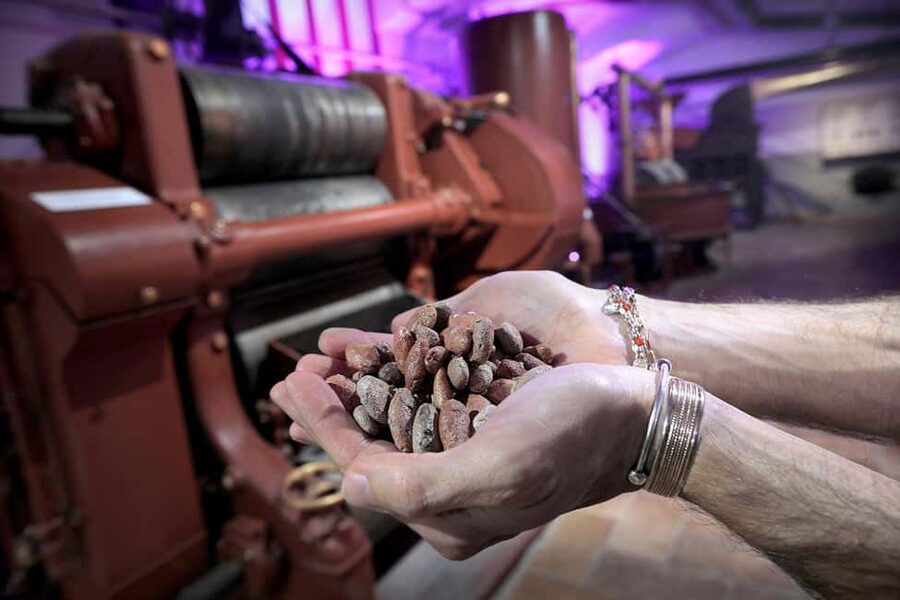
One of the best reasons to pick this museum is the factory component. This is not purely a “look at photos” exhibit. You get to enter a real chocolate factory section and see the production stages up close.
The museum focuses on the path from cocoa beans to finished chocolate creations. You can watch or observe key steps, including selection of the cocoa beans and the creation of gianduiotti. Gianduiotti are a Turin classic, so having them connected to the production process makes the tasting feel earned rather than random.
For a visitor, factory access changes the whole tone. You’re no longer just learning about chocolate in the abstract. You’re learning how it’s made and why that matters. When you later taste different chocolates, you have a better framework for noticing differences. Even if you can’t name every ingredient, you start to understand that chocolate quality is tied to choices at the earlier stages, not only to how something tastes in the final bite.
There’s also a practical timing advantage. The factory section helps structure the “middle third” of your hour. That’s where people often lose focus in museums. Here, the production walkthrough gives your attention somewhere concrete to land.
The tasting: three chocolates and what to notice
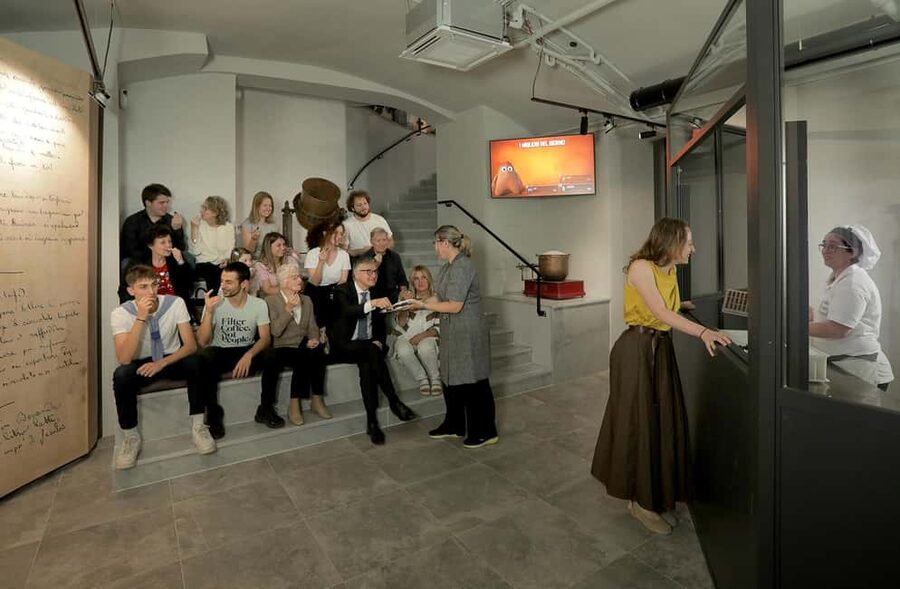
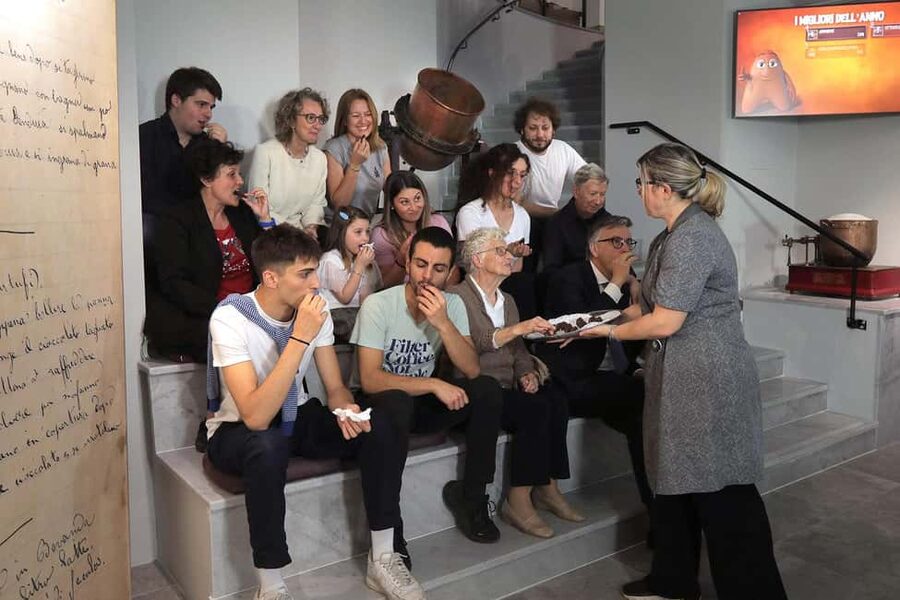
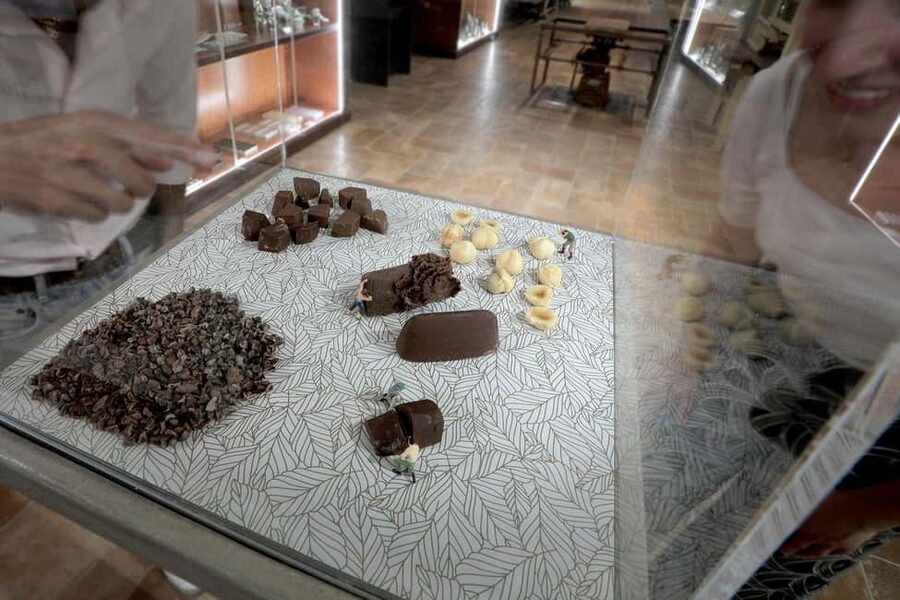
Most food museums promise tasting and then deliver something small. This one is designed so tasting is a payoff. You’ll taste different types of chocolate on a guided sensory journey through tastes and aromas. The goal isn’t just to get sugar on your tongue. It’s to help you compare.
In particular, you can expect tasting that includes three types of chocolate, and a gianduiotto you can see being newly made near the exit. That last part is a nice touch because it connects the factory segment directly to the sample.
When you’re doing the tasting, don’t rush it. The point of the guided sensory angle is comparison. You’ll likely notice differences in aroma and flavor progression—how the first impression changes by the end of each small sample. If you’re with kids, this is a good moment to turn it into a game: which aroma feels stronger, which one tastes more nutty, which one finishes sweeter.
Also, since the museum is built to explain origins and Turin techniques, the tasting can make the history click. Instead of thinking of gianduia and Turin chocolate as a marketing label, you experience it as a product of process and ingredient choices.
Price and value: where the $14 per person really goes
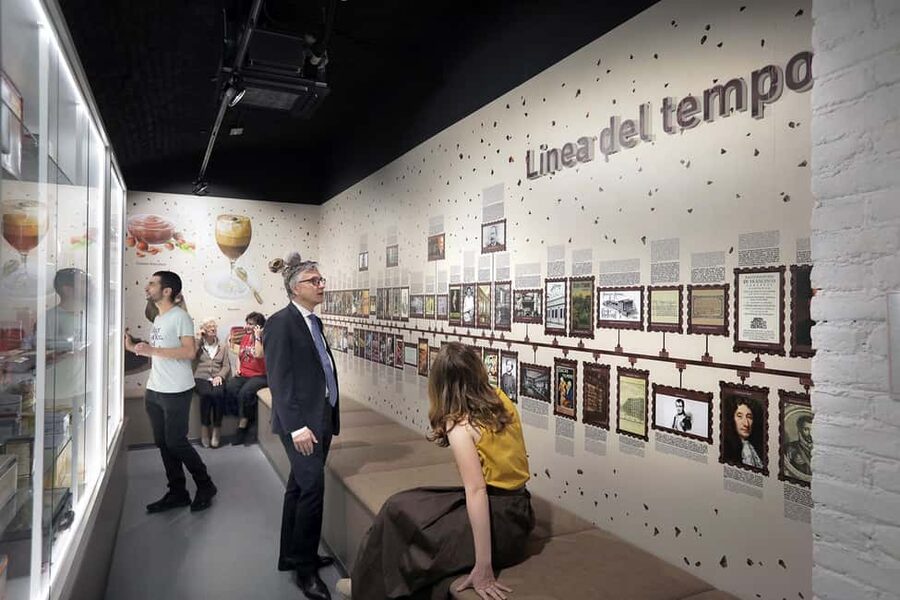
At $14 per person, you’re paying for a tight package: an hour of structured content plus audio guide plus tasting. That’s not just “cheap entertainment.” It’s a sign the museum is prioritizing the actual experience, not only the building and exhibits.
Here’s how the value adds up:
- You get history and context that connect cocoa’s journey to Turin’s role
- You get interaction through installations tied to the audio guide
- You get a factory process view, not just a themed display
- You get a guided tasting with multiple chocolates
This is one of the reasons I’d recommend it even if chocolate museums aren’t your default hobby. Many attractions either lean heavily into storytelling or heavily into sampling. Here, both are part of one flow. That matters because tastings without context can feel random. Context without tastings can feel like homework. You get both.
And it’s timed well. A 1-hour experience is easier to justify on a busy sightseeing day. If you’re paying in time and energy as well as money, shorter is often better—especially when the museum has a built-in pace.
Who this is best for (families, dessert fans, and curious foodies)
This works for more than one kind of visitor.
Families: The museum is described as ideal for families, and the structure supports that. The mix of story, interactive installations, and audio guidance gives kids something to do while you’re still learning. If you want a rainy-day plan in Turin that won’t be a long drag, this is a strong candidate.
Chocolate lovers: If you already buy gianduiotti or Turin chocolate bars, you’ll likely appreciate seeing where the process begins and how the final product is shaped. The factory element makes it feel less like a showroom and more like a “how it’s made” stop.
Curious non-experts: Even if you don’t know the difference between every type of chocolate, the museum’s approach—origins, recipes, Turin innovations, then tasting—builds your understanding as you go. You’re not expected to have background knowledge.
Group dynamics: Since the audio guide is included and available in many languages, it can work for mixed-language groups. Your main “friction point” is usually the first moment: picking up the audio guide and selecting the correct language. After that, the installations carry you forward.
One caution: some museum content is shown in its original language. If you depend heavily on reading only, you might feel that more. But the audio guide plus interactive format usually balances it out.
Small planning notes for a smoother visit
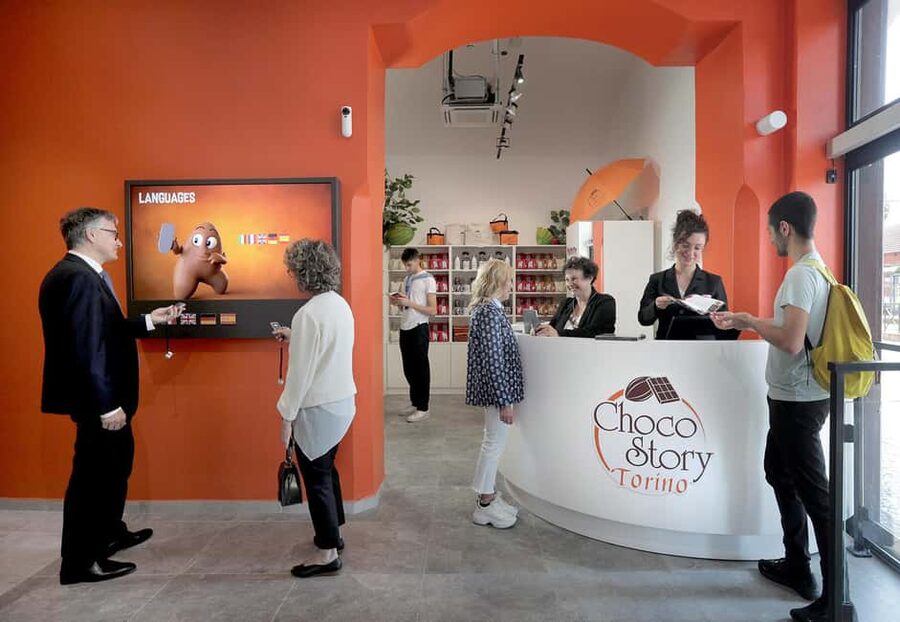
Plan your expectations around the museum’s real structure. This is a one-hour experience with a clear arc: story rooms, interactive guided elements, a factory walk-through focusing on cocoa and gianduiotti creation, and then tasting.
Wheelchair access is the biggest practical planning item. The museum is partially accessible to wheelchair users. Ramps and elevators exist at the entrance and exit, but you should know the elevator details: the width of the elevator with the doors open is 75 cm, and the elevator depth is 125 cm. If your wheelchair is wider than that or if you need extra space to transfer, check with the staff before you go.
Also note the pet policy: pets are not allowed, though assistance dogs are allowed. If you’re traveling with any animal support needs, plan around that rule.
Timing-wise, look for starting times that fit your day because the duration is set at 1 hour. If you’re pairing this with other Turin sights, give yourself enough buffer so you’re not sprinting to the next stop right after the tasting.
Should you book this tour? My take
Book it if you want a Turin activity that teaches and feeds you in the same hour. This is one of those “worth the ticket” experiences because it ties together cocoa history, Turin’s chocolate identity, a real factory process view, and a guided tasting of three chocolates.
Skip it only if you’re looking for a hands-on chocolate workshop where you make your own bars. This museum is built more around story and viewing plus tasting than hands-on DIY. Also, if wheelchair access is a major concern for you, spend extra time planning around what’s reachable, since accessibility is partial.
If you’re in Piedmont and you want a smart, flavorful use of time, Choco-Story Torino is an easy recommendation.
FAQ
How long is the Choco-Story Torino visit?
The visit lasts 1 hour.
How much does it cost?
The price is $14 per person.
Is the audio guide included, and what languages are available?
Yes, the audio guide is included and available in five languages: Italian, English, French, Spanish, and German.
Can I taste the chocolate during the visit?
Yes. You’ll have a guided tasting of different types of chocolate, including three types of chocolate, and gianduiotto is part of the tasting experience.
Do you visit a real chocolate factory?
Yes. The experience includes a factory visit where you can see the production process from cocoa bean selection to the creation of gianduiotti.
Is this museum good for families?
Yes. It’s described as an ideal adventure for families, curious visitors, and true chocolate lovers.
Are pets allowed?
No pets are allowed. Assistance dogs are allowed.
Is the museum wheelchair accessible?
Wheelchair access is partial. There are ramps and elevators at the entrance and exit, and the elevator dimensions are listed as 75 cm width (doors open) and 125 cm depth.