REVIEW · LONDON
London: British Museum Highlights Guided Small Group Tour
Book on GetYourGuide →Operated by Babylon Tours London · Bookable on GetYourGuide
Five objects, six thousand years, one quick sprint. This British Museum highlights tour is interesting because you get a guided route through the collection’s big stories, not a random wander. I love the way the Rosetta Stone is presented as an actual artifact, and I like the small group format that keeps the conversation moving. The only drawback: in 2 to 2.5 hours you’re sampling the highlights, not “doing the whole museum.”
Guides in this program bring the material to life with humor and follow-up questions, and the tone stays serious about the past without becoming a lecture. Names like James H, Jamie, Sheldon, Andy, Alex, Becks, Evo, Steph, and Luis show up across guide experiences, and the common thread is pacing you through crowded galleries so you actually get face time with the objects.
Plan on a bit of walking and standing. You also can’t bring luggage or large bags, and wheelchair access is limited: wheelchair tours are only available as a private tour, not the small-group option.
In This Review
- Key highlights you’ll care about
- A 2–2.5 hour sprint through the British Museum’s main stories
- Getting oriented fast before you hit the big galleries
- The Rosetta Stone: the artifact that turns writing into a real object
- Assyrian lion hunt reliefs: reading power through carved scenes
- Parthenon sculpture: when myth, politics, and craftsmanship share the same wall
- Lewis Chessmen: history you can actually hold in your mind
- Oxus Treasure and other “you came for this” objects
- How the guide level changes the whole experience
- Price and value: what $112 buys you in London museum time
- Practical tips so your visit goes smoothly
- Should you book this British Museum highlights tour?
- FAQ
- How long is the British Museum highlights guided small group tour?
- Is the tour only in English?
- What group size should I expect?
- Is there a minimum number of guests?
- Do you offer wheelchair access?
- Do I need to bring ID?
- Can I bring luggage or large bags into the museum?
- Is hotel pickup or drop-off included?
- Are food and drinks included?
- Where do we meet?
Key highlights you’ll care about
- Rosetta Stone viewing with context: an actual object, plus the big idea of why it mattered.
- Assyrian lion hunt reliefs: you’ll focus on what these carved scenes communicate.
- Parthenon sculpture time: more than a quick look, with explanation while you’re there.
- Lewis Chessmen and Oxus Treasure: two “wait, what is this?” moments in one short trip.
- Up to 8 people in semi-private mode: enough group energy, not chaos.
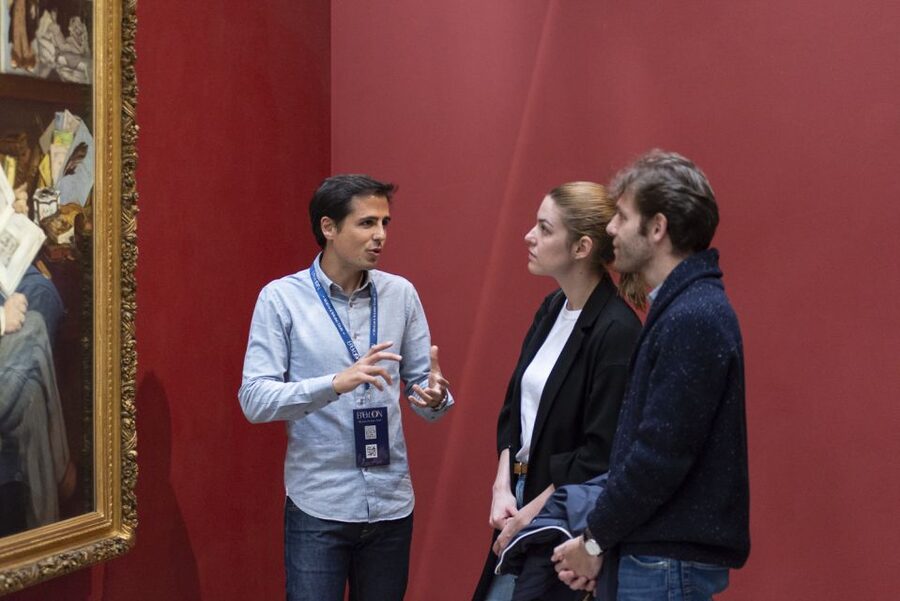
- A guide who keeps the group engaged: useful for teens and adults alike.
A 2–2.5 hour sprint through the British Museum’s main stories
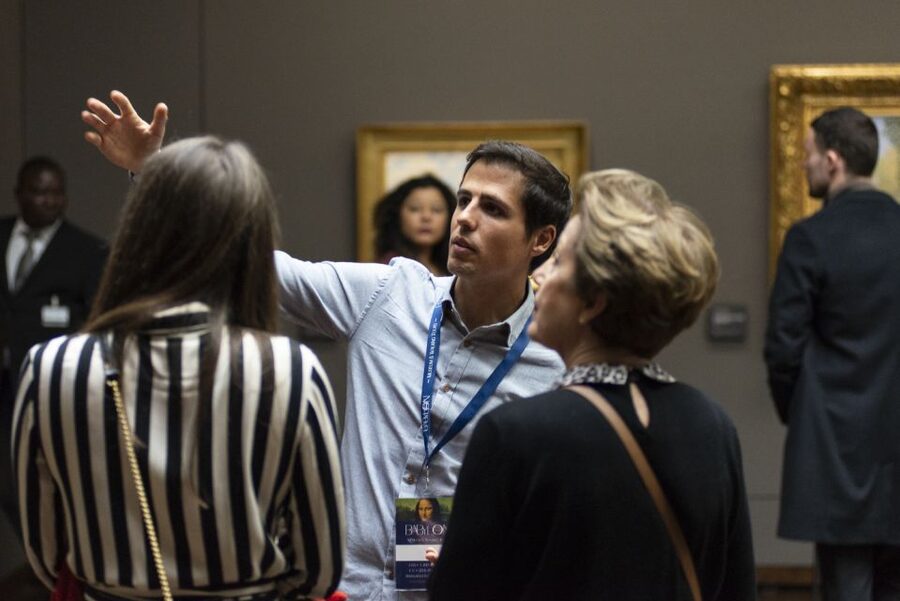
The British Museum can feel like stepping into a time machine with no instruction manual. This tour helps by giving you a short, guided route through the museum’s strongest “anchor” objects—things that connect across regions and eras, from early civilizations to later empires.
The big value is focus. Instead of hoping you stumble onto the right rooms, your guide picks a compact set of stops and uses them to explain what humans have achieved across history. You’ll hear about different peoples and empires through artifacts, including references to primitive tribes and forgotten empires, plus stops that highlight how power, daily life, and belief show up in objects.
Why this works for your trip: if you’re doing London on a schedule, 2 to 2.5 hours is a realistic slice. It also makes the museum easier to revisit later, because you’ll leave with a sense of how the collection is organized and what to look for on your own.
You can also read our reviews of more guided tours in London

Getting oriented fast before you hit the big galleries
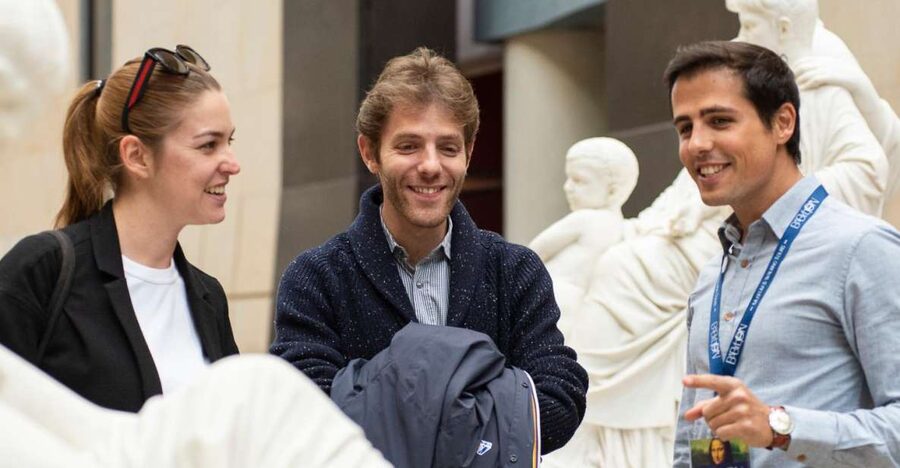
You’re not walking in blind. The first part of the tour typically functions like museum training wheels: a quick orientation on how to move through the space and how to focus your attention once you’re standing in front of a piece.
This matters because the British Museum is enormous. People get stuck in circles of “I’m here, now what?” A good guide reduces that stress by steering you from stop to stop efficiently, so you spend energy on looking and listening rather than trying to decode the layout.
You’ll also notice the tour’s tone. The best guides in this program do something tricky: they keep it understandable for kids and adults, and they keep it witty without losing accuracy. In past experiences shared by visitors, guides were praised for including the group in the conversation, which is a big deal if you don’t want a monologue.
The Rosetta Stone: the artifact that turns writing into a real object
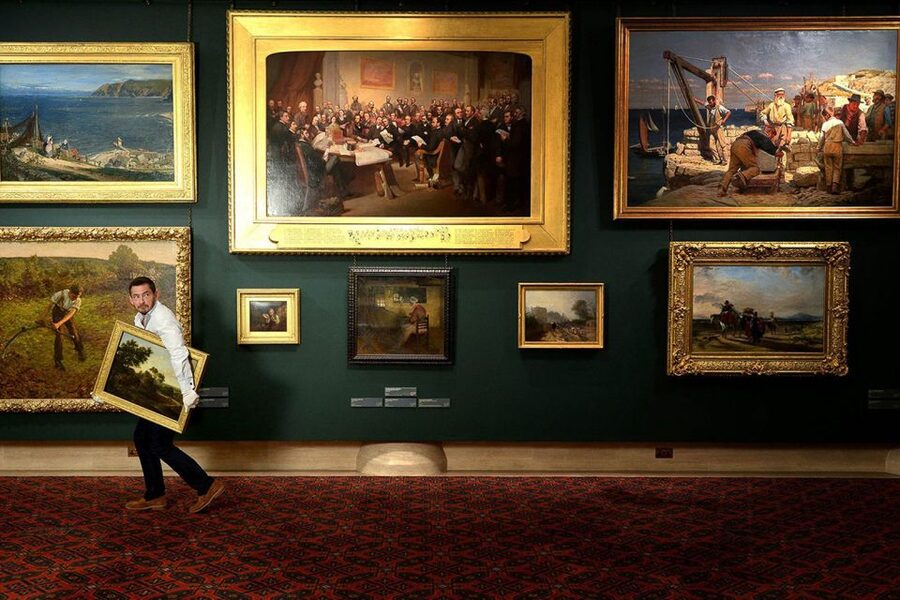
Yes, you’ll see the Rosetta Stone. And the tour’s approach is the point: it’s not treated like a random trivia fact. You’re guided to admire the actual rock and understand why it became a turning point for reading and studying ancient writing systems.
In practical terms, here’s what you should expect. You’ll stand long enough to see it as a physical document—something made, carried, and preserved—rather than just a photo on a wall label. The guide’s job is to connect that physical presence to the broader idea of communication across time.
I like this stop because it’s a bridge between your modern life and the ancient world. Even if you’re not a “history person,” everyone recognizes the theme: information, language, and how societies record what they value. Once you’ve seen it explained in context, you’ll start spotting similar patterns across other objects on the tour.
Assyrian lion hunt reliefs: reading power through carved scenes
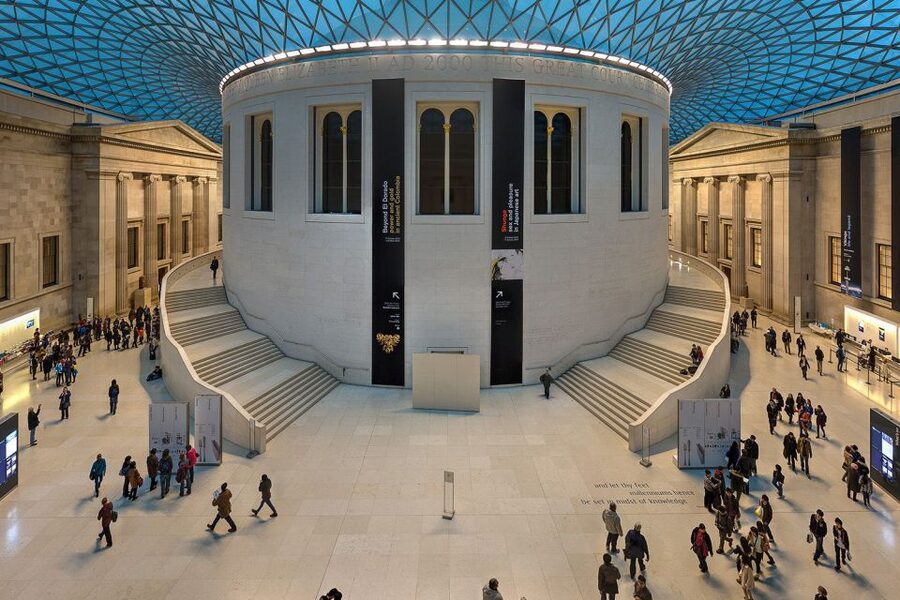
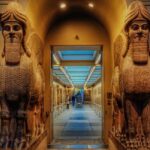
The Assyrian lion hunt reliefs are one of the strongest “wow” stops because they’re story-shaped. You’re looking at action, posture, and spectacle, and the guide helps you understand what the imagery communicates.
This is where a guided approach pays off. Without help, you might appreciate the craftsmanship but miss the message. On the tour, you’ll learn to connect the scenes to the broader world that produced them—how rulers and empires used visual storytelling, and why these kinds of reliefs mattered enough to keep making them.
Look for the details your guide points out: the composition, the repeated motifs, the way figures are arranged to create movement. This stop works especially well if you like visual material more than dates and names, because the guide can explain the “what you’re seeing” first, then connect it to “why it matters.”
Parthenon sculpture: when myth, politics, and craftsmanship share the same wall
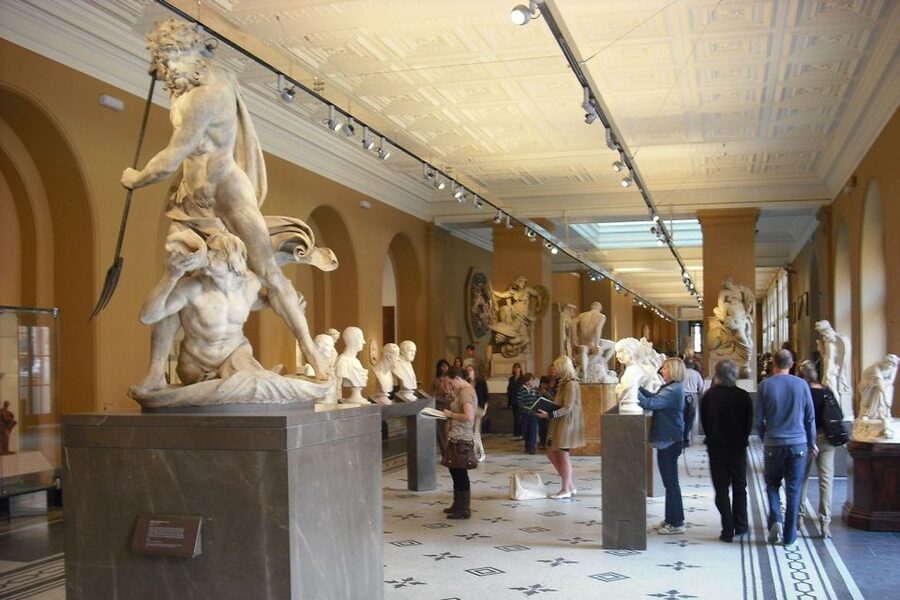
The Parthenon Sculpture is another major highlight. The tour encourages you to be patient here. You’re not just ticking a box; you’re meant to be amazed and to understand the significance of the pieces while you’re still standing in front of them.
What makes this stop valuable on a short tour is pacing. Parthenon sculptures can overwhelm you if you rush. With a guide, you can focus on the most important aspects the museum wants you to notice—how sculpture becomes a public statement, and how art carries meaning beyond beauty.
If you’re visiting with teens, this is also a great place for the guide to do their best work. Many guides keep the tone lively and use humor to hold attention, while still explaining what you’re looking at in a way that sticks.
You can also read our reviews of more museum experiences in London



Lewis Chessmen: history you can actually hold in your mind
The Lewis Chessmen have that rare quality: they feel approachable. Chess is instantly relatable, and that makes it easier for a guide to explain what you’re looking at without drowning you in jargon.
During the tour, you’ll get time to admire the pieces and learn the story behind them. The point isn’t only that they’re old. It’s that the guide helps you see how everyday life and games show up in the museum alongside empires and temples.
I find this stop especially useful if you’re the type of traveler who gets museum fatigue. It’s a change of pace. You still get context, but the object is less intimidating, and the connection to human behavior feels immediate.
Oxus Treasure and other “you came for this” objects
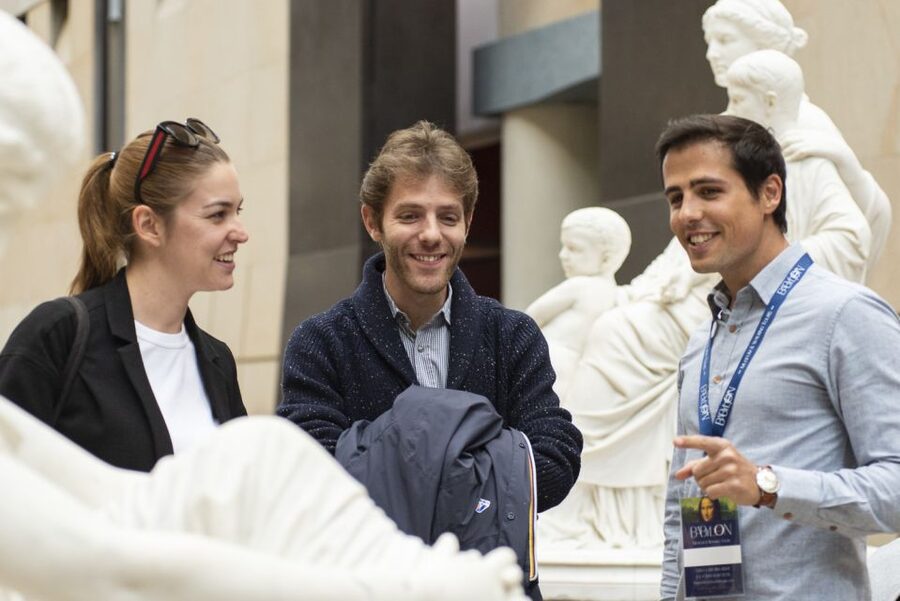
The Oxus Treasure is another high-energy highlight. This is the kind of museum stop that makes you stop and stare, because it’s striking and visually memorable. The guide then helps you understand why it belongs in a story about what humans made, traded, and valued over centuries.
Depending on availability, your tour may also include other major objects like the Royal Game of Ur. If you’re wondering what the guide means by “forgotten empires,” that’s part of the answer: artifacts can preserve parts of culture that written history leaves incomplete.
You might also see pieces like the Mummy of Katebet and Samurai Armour. Those are excellent for variety. One stop reminds you that bodies and beliefs were treated with care and intention. Another shows how armor is both protection and identity—crafted to function, but also built to look the way the wearer wanted to be seen.
How the guide level changes the whole experience
This is the kind of tour where the guide matters a lot. The strongest experiences shared by visitors highlight the same pattern: the guide condenses thousands of hours of collections into a tight route, without making it feel shallow.
And it’s not just facts. People praised guides for being funny, friendly, and organized. There’s also a repeated theme of guides taking time with the group—answering questions, adding little conversation hooks, and making sure you aren’t just herded from one stop to the next.
Some guides stand out in the way they match the explanation to the group. For families, multiple experiences mentioned that kids stayed interested, including teens. That usually happens when the guide doesn’t talk down. Instead, they use clear language, point out what’s visible in front of you, and then connect it to the bigger story.
Even if you’re an adult who visits museums solo, you’ll likely appreciate this approach. You’ll leave with a cleaner mental map of what matters in the British Museum, and what you can choose to study in more depth later.
Price and value: what $112 buys you in London museum time
At around $112 per person for 2 to 2.5 hours, you’re paying for three things: a professional local guide, a time-saving route, and a tight set of high-impact stops.
If you’re thinking of doing the museum on your own, here’s the reality. The British Museum’s scale makes it easy to waste time. Without guidance, you can spend an hour going room to room and still feel unsure what you missed. This tour solves that by selecting specific objects and explaining them while you’re there.
You also get the advantage of group size. Semi-private tours cap at 8 guests, and private options are available if you want a quieter pace. That small-group structure tends to mean you spend more time at each stop and less time waiting for the group to regroup.
Value also comes from the “prepping your brain” factor. If you’re leaving with understanding—of how objects connect across 6,000 years—then the price feels fair. If you want a full day of self-directed wandering, you may find you’ll still need extra time after the tour.
Practical tips so your visit goes smoothly
Here’s how to set yourself up for a calmer, better tour day.
- Bring a passport or ID card. It’s required.
- Leave large bags and luggage behind. The tour doesn’t allow them.
- Wear walking shoes. A small amount of walking is involved, and you’ll want support.
- Expect a museum-style pace. Even when the tour feels fast, you’ll still stop and look, then move on.
- Choose your accessibility option early. Wheelchair tours are only available as a private tour, because the small-group guide format can’t accommodate that request.
One more tip: if you’re taking photos, be patient. At each highlight, you’ll want a few seconds to absorb the object before your guide moves you along. If you try to sprint through the stops, you’ll lose what makes the tour worth it.
Should you book this British Museum highlights tour?
Book it if you want the British Museum’s greatest hits with real context in a short window. It’s a smart choice when you have a limited schedule, when the museum feels overwhelming, or when you want a guide to connect the dots between objects like the Rosetta Stone, Assyrian lion hunt reliefs, Parthenon sculpture, Lewis Chessmen, and Oxus Treasure.
Skip it or add extra time if you’re trying to see everything. This tour is designed to prioritize. You’ll likely leave wanting to come back and explore more rooms on your own. That’s not a failure. It’s a good sign—you’ll know where to spend your deeper time after the guided route gives you the foundation.
FAQ
How long is the British Museum highlights guided small group tour?
It lasts about 2 to 2.5 hours.
Is the tour only in English?
Yes, the live tour guide speaks English.
What group size should I expect?
You can book either a private tour or a semi-private tour with a maximum of 8 guests.
Is there a minimum number of guests?
For semi-private tours, there is a minimum of 2 guests required for the tour to run.
Do you offer wheelchair access?
Wheelchair tours are only available as private tours. Wheelchair users are not suitable for the small-group option.
Do I need to bring ID?
Yes. You need a passport or ID card.
Can I bring luggage or large bags into the museum?
No. Luggage or large bags are not allowed.
Is hotel pickup or drop-off included?
No, hotel pickup and drop-off are not included.
Are food and drinks included?
Food and drinks are not included unless something is specified.
Where do we meet?
The meeting point may vary depending on the option booked.
If you want, tell me your travel dates and whether you’re doing this with kids or adults only, and I’ll suggest the best way to pair it with nearby London stops.