REVIEW · PARIS
Paris: Rodin Museum Ticket & Optional Digital AudioGuide App
Book on GetYourGuide →Operated by Global Tours And Tickets · Bookable on GetYourGuide
A ticket to Rodin’s world is also a ticket to a real Paris studio. I like how this visit puts The Thinker and other iconic works in front of you with clear context, room by room. My favorite part is the setting: Hôtel Biron, Rodin’s historic home and workspace. The main thing to consider is the digital audio guide can be uneven, and at least some of it may not fully cover the garden areas.
You also get a lot for your time. I love that you can move at your pace through rooms packed with sculptures, including early plasters and later works, plus you can take your own photos in the museum and garden zones. A practical drawback: the audio guide is an independent service, so if it glitches or you need help, museum staff can’t fix it.
In This Review
- Key highlights at a glance
- Hôtel Biron: why this museum feels different
- What your Rodin ticket really includes (and what it doesn’t)
- Digital audio guide app: how to use it smoothly
- Entering on your own: best way to start without wasting time
- The mansion rooms: seeing Rodin’s breakthroughs in sequence
- The iconic anchor points
- The feel of “many sculptures”
- Camille Claudel’s presence
- Early plasters and later works: how to read the art like a pro
- Photo time in the museum and gardens: what you should know
- Gardens and outdoor sculpture: plan it as your own moment
- Price and value for a $23 Rodin day
- Who should book this visit
- Quick FAQ
- FAQ
- What’s included with the ticket?
- Do I need headphones for the audio guide?
- Where is the museum, and is there a meeting point?
- How do I access the digital audio guide app?
- Can I take photos inside the museum and gardens?
- Can I leave and re-enter after I’ve entered?
- What hours is Musée Rodin open?
- Should you book this Rodin experience?
Key highlights at a glance

- Hôtel Biron setting: Rodin’s historic home and studio, not just a white-box museum
- Iconic sculptures up close: including The Thinker and The Gates of Hell
- Over 6,000 sculptures: displayed throughout the mansion for a big, steady sense of his output
- Early plasters to finished works: you can track how ideas became sculpture
- Digital audio guide app included: learn Rodin’s life, techniques, and historical context in many languages
- Photo-friendly visit: you can take photos freely in museum and garden areas
Hôtel Biron: why this museum feels different
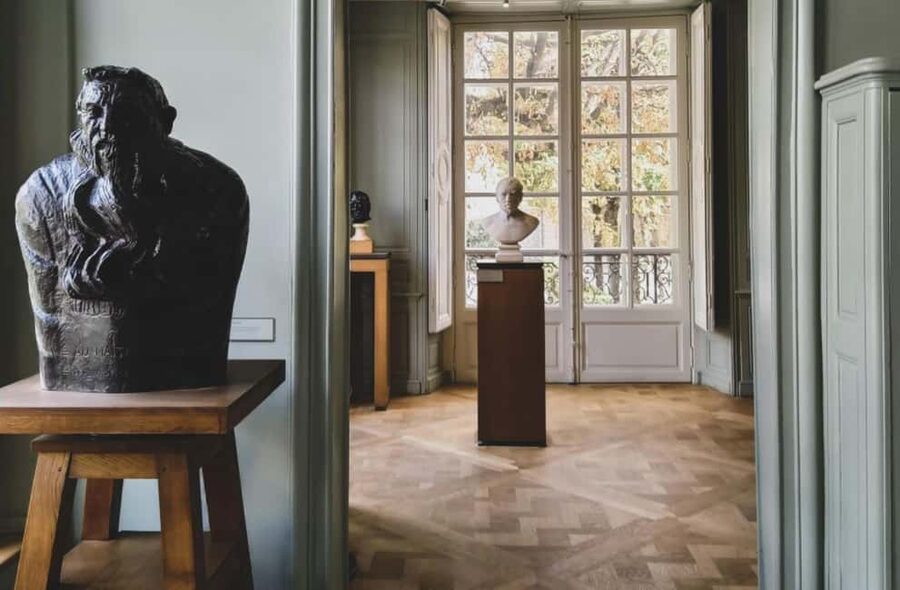
The Musée Rodin experience is tied to place. This is Hôtel Biron, an 18th-century mansion that Rodin once used as his home and studio. That matters because the collection doesn’t feel like a rushed gallery stop. It feels like you’re walking through rooms where sculpture-making and living happened side by side.
I also like that the museum experience isn’t only about the famous names on postcards. The mansion layout helps you notice scale, surface, and composition as you move from room to room. You get a sense of Rodin’s working method: he didn’t treat a sculpture like a single, finished object. He treated it like a process.
You’ll also find works connected to his circle, including pieces by his muse and protégé Camille Claudel. Even if you’re new to both artists, the museum setup makes it easy to see Rodin as more than just the author of one iconic statue.
A few more Paris tours and experiences worth a look



What your Rodin ticket really includes (and what it doesn’t)
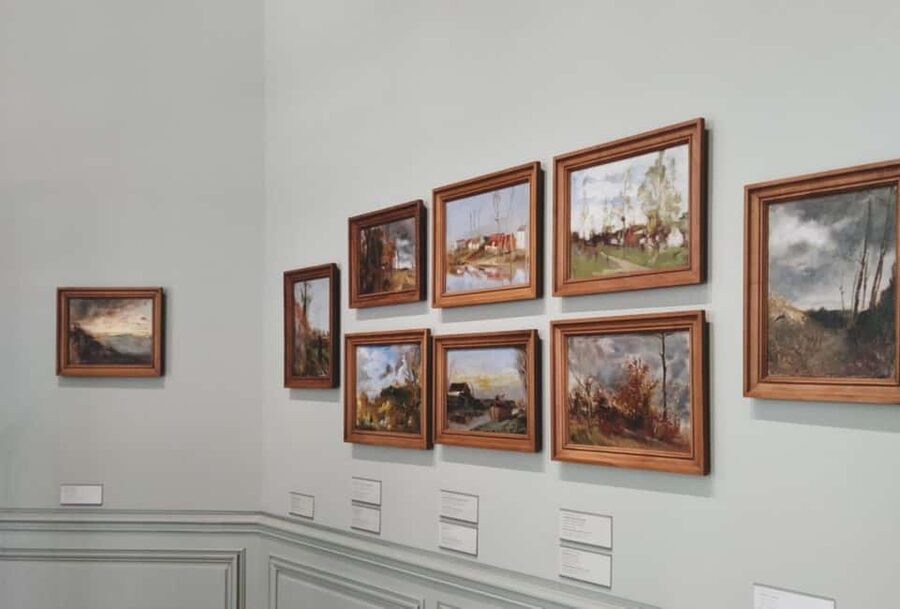
This is a straightforward package: your price covers entrance to Musée Rodin plus a digital audio guide app. That’s a good value combo because you’re not just buying entry—you’re buying a way to understand what you’re looking at.
What’s not included is important for comfort:
- The listing expects you to bring earphones/headphones (the audio guide needs your own)
- The audio guide may not cover all areas equally, especially the garden, based on user feedback
Also note the ticket rules: once you enter, you can stay as long as you like, but you can’t leave and re-enter with the same ticket. So plan to do the main museum first, then decide if you want extra garden time without treating it like a separate trip.
Digital audio guide app: how to use it smoothly
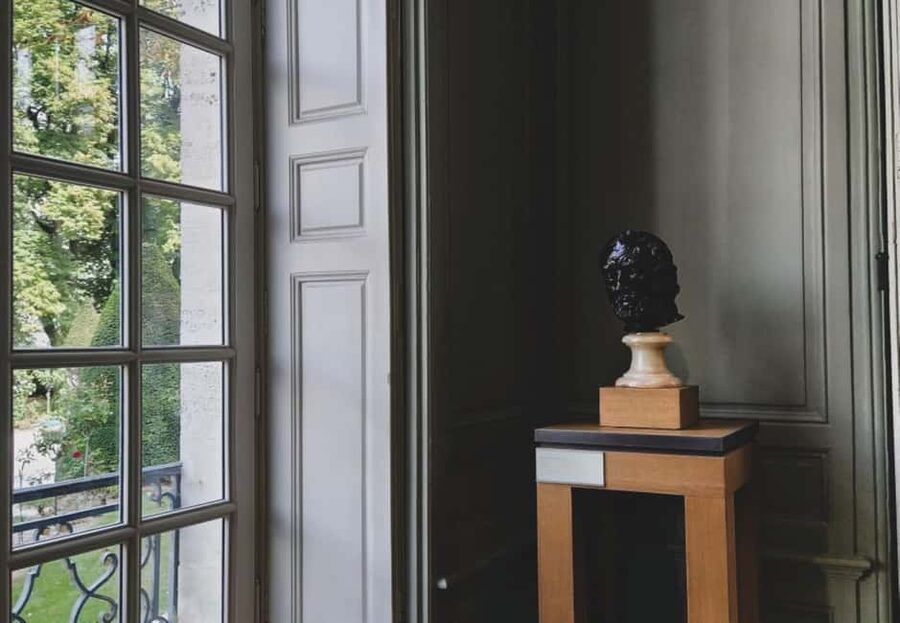
This experience includes a downloadable-style digital audio guide app available in many languages, including English, French, German, Italian, Japanese, Spanish, Chinese, Korean, Dutch, Portuguese, Hindi, Arabic. That language list is broad enough that most visitors can get a match without switching to another plan.
Here’s how it works in real life:
- You access it via a link
- You’ll receive the link a day before your visit, and it will also appear on your GetYourGuide voucher
- You need a valid email address when booking so the link can be sent
- If you need help with the audio guide, you contact the provider directly, since museum staff can’t assist with the app
My practical advice: charge your smartphone fully before you go and bring a pair of headphones you actually like. The app is independent of the museum’s own paid audio options, so it’s worth treating this as its own tool you’re responsible for.
A small but real consideration: one review called out that the audio guide wasn’t always perfectly relevant and didn’t cover the gardens well. That doesn’t mean the visit isn’t worth it—just be ready to use your eyes for the garden, not your phone.
Entering on your own: best way to start without wasting time
There’s no guided group meeting point. You enter and start your visit on your own at Musée Rodin, 77 Rue de Varenne, 75007 Paris.
When I’m walking into a museum like this, I like to do one thing before I go inside: decide how long you’ll spend in the mansion versus how much time for the gardens. Since the ticket doesn’t let you exit and re-enter, your time math matters.
Aim to arrive within opening hours:
- Tuesday to Sunday: 10:00 AM to 6:30 PM (last entry 5:45 PM; rooms close at 6:15 PM)
- Closed Mondays, May 1, January 1, and December 25
If you’re choosing a time, late afternoon can be nice for light in the garden, but you’ll want to make sure you still finish the main sculpture rooms before the 6:15 PM room close.
The mansion rooms: seeing Rodin’s breakthroughs in sequence
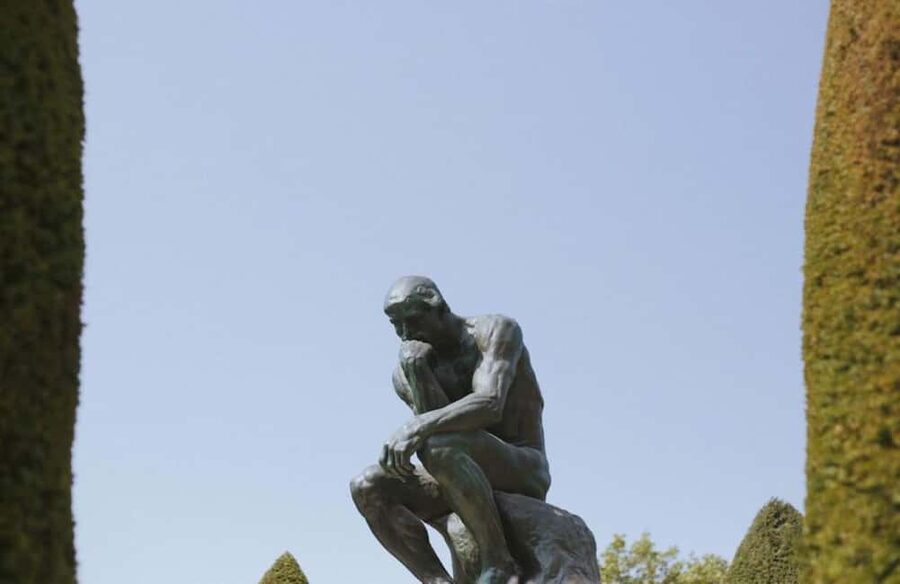
Once you’re inside Hôtel Biron, the museum spreads Rodin’s world across elegant rooms. The big win here is variety. You’re not only seeing finished masterpieces; you’re seeing the breadth of his exploration.
Plan to focus on three “layers” as you wander:
- The signature works that people come for
- The works that show his style evolving
- The process pieces that explain how he built ideas
You can also read our reviews of more museum experiences in Paris



The iconic anchor points
You’ll have a chance to see Rodin’s most iconic works, including The Thinker and The Gates of Hell. Even if you’ve seen photos online, it’s the scale and surface that hits in person. In a self-guided layout, it’s also easier to spend extra time at these pieces without feeling like you’re stuck in a crowd-managed timeline.
The feel of “many sculptures”
One key detail that shapes your expectations: the museum displays over 6,000 sculptures. That doesn’t mean you need to see every single piece. Instead, it means you’ll keep encountering fresh works as you move through rooms. The museum doesn’t turn into one long corridor of the same look. It keeps changing.
Camille Claudel’s presence
The collection includes pieces by Camille Claudel, Rodin’s muse and protégé. If you’re interested in how artistic relationships shape style and careers, seeing her work within the same museum ecosystem gives you a more human, more connected view of Rodin’s circle.
Early plasters and later works: how to read the art like a pro
A big reason people love Musée Rodin is that you can track making, not just finished results. The museum presents early plasters—works that reveal Rodin’s artistic start—and it also shows later works that reflect his mature approach.
This is where the audio guide can really earn its keep. The app is designed to give:
- In-depth narratives about artworks
- Commentary on techniques
- Historical context
- Personal anecdotes about Rodin
If you want your visit to feel less like photo-taking and more like learning, use the audio guide strategically. Don’t turn it on for every stop. Instead:
- Use it for the works you’re unsure about
- Use it when you notice a technical detail (like how the surface treatment changes across time)
- Use it to connect a “process piece” to a later finished masterpiece
The payoff is you start seeing Rodin’s choices. His sculptures feel alive partly because his forms weren’t created in one step. Seeing early material alongside later outcomes can make his modern reputation make sense.
Photo time in the museum and gardens: what you should know
Good news for camera lovers: you can take your own photos freely in both the museum and garden areas.
My tip is simple: don’t save all your photos for the big-name statues. The garden and mansion corners often show Rodin’s forms from angles that make them feel more three-dimensional. Since the audio guide may not fully cover gardens, let photos and direct observation guide you there.
Also, since you’re using a smartphone for the audio guide, it helps to keep your phone battery in mind. If you’re shooting photos heavily, consider lowering screen brightness to avoid an audio-guide meltdown.
Gardens and outdoor sculpture: plan it as your own moment
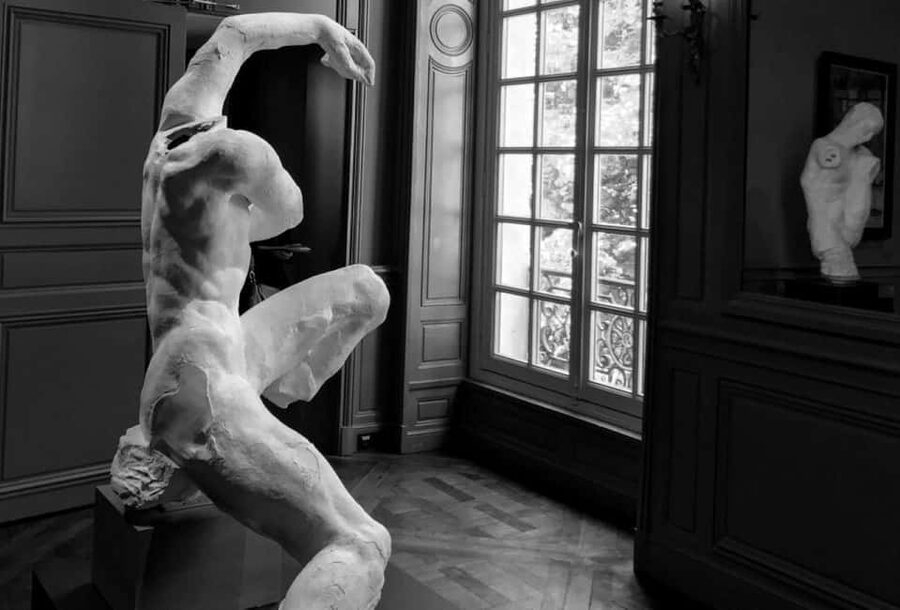
The museum’s gardens are part of the experience, especially on a sunny day. One review highlighted how enjoyable it can be to walk through the estate looking at sculptures. I agree with that vibe: the outdoor setting changes how you see form and shadow.
Here’s the consideration: at least one user reported that the audio guide didn’t cover the gardens well. So treat the garden as a visual break rather than a section where you’ll rely on the app to explain every piece.
How to get the most from outdoor time:
- Spend a little longer than you think you need if the weather is good
- Take photos from a couple of angles, since outdoor light shifts the feel of the sculpture surfaces
- Use the audio guide earlier in the day so you have context before you go outside
Price and value for a $23 Rodin day
At around $23 per person, you’re paying for two main things: museum entry and the included digital audio guide app. For Paris, that’s a solid value if you’re the type who likes context while you walk.
Is it worth it if you already know Rodin well? You’ll still likely enjoy the setting and the scale of the collection. But if you hate tech-dependent audio experiences, you’ll want to be realistic about your comfort level with a linked app and your own headphones.
The best “value match” is for people who:
- Want to see major works like The Thinker and The Gates of Hell
- Like process-focused art (early plasters to later work)
- Prefer self-guided pacing with the option of audio explanations
Who should book this visit
This works best for:
- Art lovers who want a self-guided museum with built-in explanations
- First-timers to Rodin who want help understanding what they’re seeing
- Visitors who enjoy walking through a historic home and studio setting
It may be less ideal for:
- People who strongly depend on audio guides to cover every area, especially outdoors
- Anyone who doesn’t want to manage a phone-based app during the visit
- Families planning a visit with young kids who need a more structured, supervised experience (children must be accompanied by an adult, and unaccompanied minors aren’t allowed)
Quick FAQ
FAQ
What’s included with the ticket?
Your ticket includes entrance to Musée Rodin and a digital audio guide app.
Do I need headphones for the audio guide?
Yes. The listing expects you to bring your own headphones or earphones.
Where is the museum, and is there a meeting point?
The museum is at 77 Rue de Varenne, 75007 Paris. There is no meeting point—you enter on your own.
How do I access the digital audio guide app?
You access it via a link. The link is sent a day before your visit and also appears on your voucher. You need the email address you used for booking.
Can I take photos inside the museum and gardens?
Yes. You can take your own photos freely in the museum and garden areas.
Can I leave and re-enter after I’ve entered?
No. Once you enter, you can’t leave and re-enter with the same ticket.
What hours is Musée Rodin open?
It’s open Tuesday to Sunday from 10:00 AM to 6:30 PM, with last entry at 5:45 PM. Rooms close at 6:15 PM. It’s closed Mondays, May 1, January 1, and December 25.
Should you book this Rodin experience?
Yes—if you’re excited to see Rodin’s signature sculptures inside Hôtel Biron and you like having context as you wander. The value is strong because you get museum entry plus the app, and you can photograph freely in both the indoor and outdoor areas.
I’d book with one expectation check: the digital audio guide may not perfectly cover the garden experience. If you’re okay using the garden as a visual pause (not a fully narrated section), this is a very enjoyable, easy-to-do way to spend a full day with Rodin in Paris.