REVIEW · PARIS
Orsay Museum Priority Entrance Ticket with Optional Audio Guide
Book on Viator →Operated by Dreamtopia Tours · Bookable on Viator
Impressionist art, minus the headache. A priority-style timed ticket to the Musée d’Orsay helps you cut down waiting, so you can spend your limited Paris hours on world-class works. It’s also housed in a former railway station, so the building itself does a lot of the sightseeing work.
What I like most is that you pick a time slot, and the visit is built for a 2 to 3 hour self-guided wander. I also like the optional audio guide: it’s available in many languages, includes a kids track for ages 6–12, and even has induction loops for hearing-aid users.
One drawback to plan around: the experience can feel like timed entry more than true “priority” in the way some people expect, and your entrance time may shift up to one hour earlier or later due to museum availability.
In This Review
- Key things to know before you go
- Musée d’Orsay inside a former station: where the magic starts
- Skip-the-line vs timed entry: what your arrival should feel like
- Your 2–3 hours: a self-guided visit that fits real travel days
- What you should actually do inside the Musée d’Orsay
- Optional audio guide: set it up right before you walk in
- Be smart about coats, security lines, and the most crowded rooms
- Who this ticket is best for (and who should think twice)
- Price and value: is $31.24 a fair deal?
- Should you book? My clear recommendation
- FAQ
- How long is the Musée d’Orsay visit with this ticket?
- Is an audio guide included?
- What languages are offered on the audio guide?
- Can my entrance time change from what I select?
- Are service animals allowed?
- Is this ticket refundable if I cancel?
Key things to know before you go
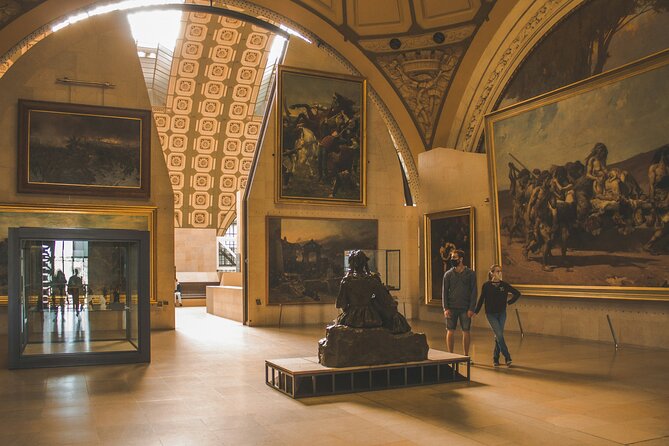
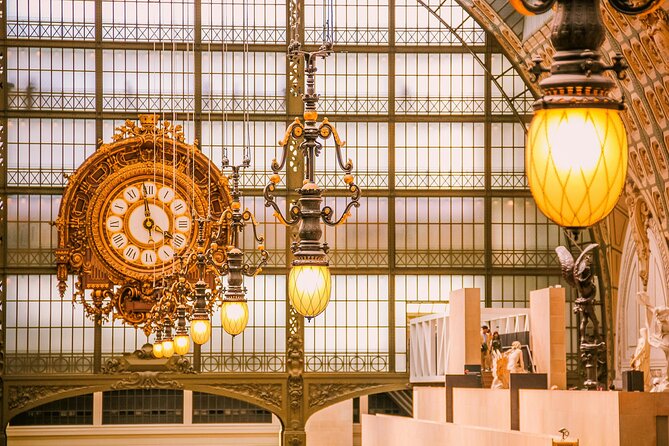
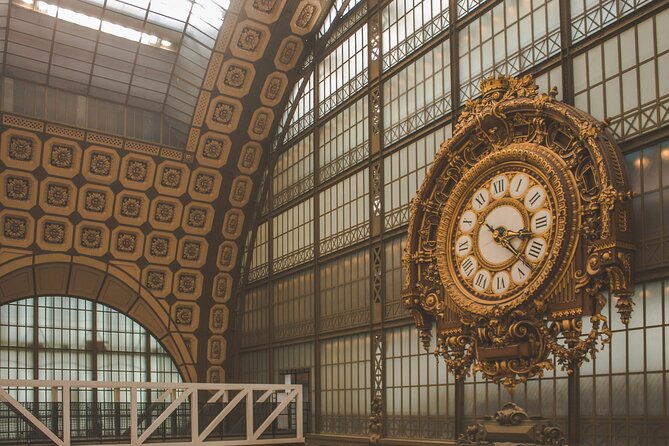
- Former railway station setting: the museum’s architecture is part of the show, including big clock windows with views of Paris.
- Timed entry that reduces hassle: you’re assigned a slot, which helps when the museum is busy.
- Optional audio guide in many languages: including English, French, German, Spanish, Italian, Japanese, Korean, Portuguese, Russian, and Chinese.
- Kids audio option: designed for ages 6–12 (English and French).
- Hearing-aid friendly audio access: induction loops are included.
- Expect possible time adjustment: your entry time may move up to one hour from what you requested.
Musée d’Orsay inside a former station: where the magic starts
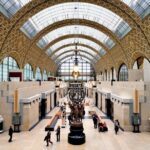
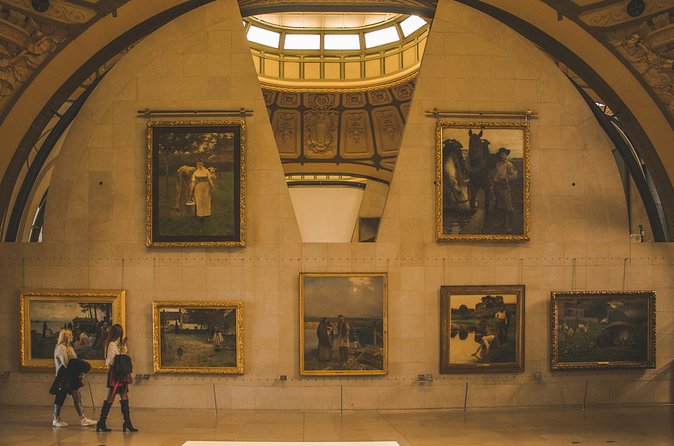
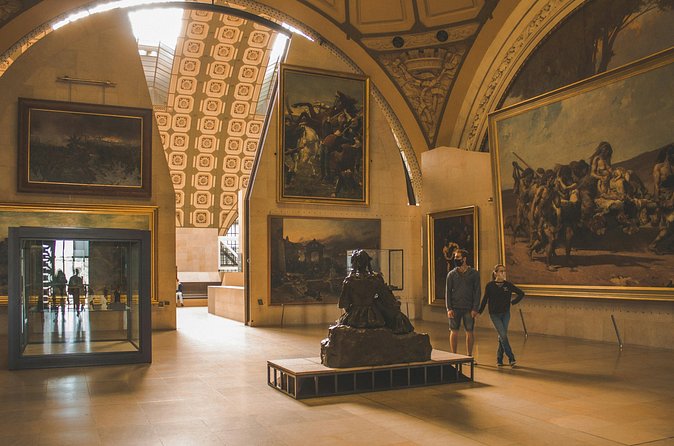
The Musée d’Orsay is one of those Paris stops that works on two levels at once: the art is the headline, but the space keeps pulling you in. It’s set in a stunning former railway station, which means you get grand open areas, dramatic sight lines, and that classic “wait, this is gorgeous” feeling the moment you walk in.
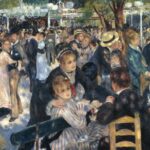
The collection focuses on Impressionist and Post-Impressionist masterpieces, including artists like Monet, Van Gogh, Renoir, Degas, and more. That matters because these artists are popular for a reason: the brushwork, the light, and the way they capture modern life can hit hard when you’re standing in front of the real thing.
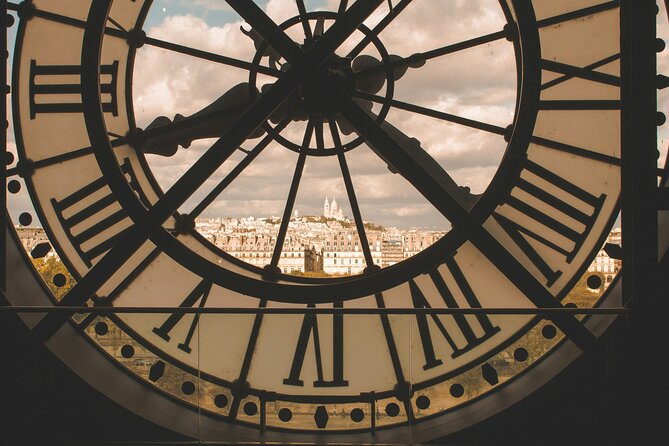
There’s also a practical bonus for short trips: the museum layout and focus make it easier to have a strong visit even if you don’t have a full day. And don’t skip the view from the upper level through the grand clock windows—Paris shows up in the frame.
A few more Paris tours and experiences worth a look



Skip-the-line vs timed entry: what your arrival should feel like
This ticket is sold as skip-the-line style, with admission tied to a selected time slot. In real life, that usually means you’re not “roaming around hoping for the best.” You show up in the right window and you go through controlled entry, which tends to reduce the long, slow standstill lines.
Still, here’s the thing to keep your expectations straight: a few people found it didn’t feel like true priority, because security and reception can still involve waiting. In other words, it’s not a magic wand. It’s more like you pre-book your way into a smoother flow.
Your best move is timing-smart planning:
- Arrive a little early for your slot. One review noted needing to be there about 15 minutes before the allotted time, and that’s a good rule of thumb.
- Build in buffer time if you’re using public transportation or you’re trying to match the correct line fast.
One more wrinkle: due to museum availability, your entrance time can be adjusted up to one hour earlier or later than what you requested. So if you’re working with a tight schedule (like catching a specific tour right after), keep some slack.
Your 2–3 hours: a self-guided visit that fits real travel days
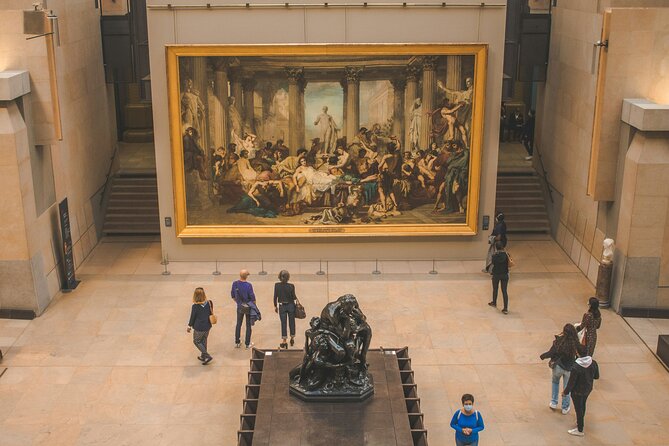
This experience is designed for independent exploration, not a sit-and-listen group tour. That’s a win when you want to move at your own pace, linger where something grabs you, and skip the sections that aren’t your thing.
With a 2 to 3 hour window, you’ll want a simple game plan:
- Start by targeting the artists you care about most (Monet, Van Gogh, Renoir, Degas are the big names here).
- Use the museum’s timeline theme—its focus runs through 19th and early 20th-century art, moving from Realism to Symbolism—so your visit feels connected rather than random.
- Pause for the “small surprises.” Even in crowded museums, Orsay has smaller pockets where you can slow down and actually see brushwork clearly.
The catch is crowd energy. Orsay is popular with locals and visitors, and on busy days it can feel packed. People report it being hard to see paintings well in the Impressionist areas, and noise can be an issue. If you’re sensitive to crowd volume, choosing a quieter time slot can make a big difference.
Also, set expectations around self-guided motion: you won’t have a person herding you from room to room. That’s freeing—but it also means you’ll get more out of the visit if you decide what matters before you enter.
What you should actually do inside the Musée d’Orsay
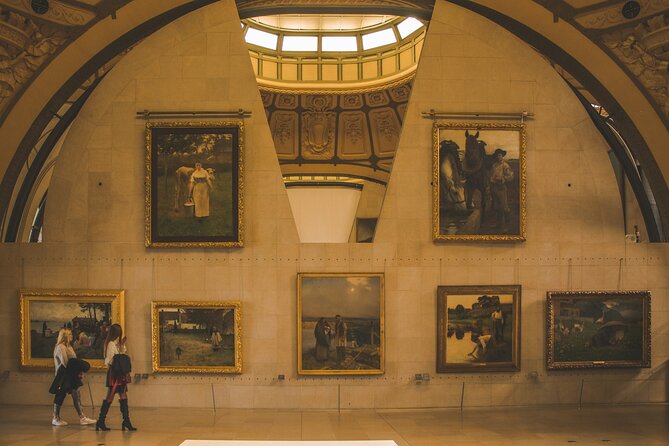
There’s only one stop here: the Musée d’Orsay itself. But you’ll experience it in stages—entry, security flow, then the galleries and viewpoints.
Once you’re in, the building’s size and layout make it easy to create your own route. Reviews and museum descriptions emphasize the strength of the Impressionist suites and the quality of works tucked into smaller niches. That’s important because Orsay isn’t just a long corridor of masterpieces; it has concentrated moments where the art feels close even when the overall museum is busy.
Here are a few practical “don’t miss” ideas based on what this museum is known for and what’s repeatedly highlighted:
- Look for the big Impressionist names—Monet, Van Gogh, Renoir, Degas—then let that guide your room choices.
- Keep an eye out for the smaller display pockets. Some works aren’t in the most obvious big rooms, but they can be spectacular once you find them.
- Save time for the upper level and the clock-window view. It’s a strong break from painting-only mode, and it gives your legs and eyes a reset.
If you want a food pause, there are restaurants inside (reviews mention two). Just know that eating plans can shift depending on crowd levels.
Optional audio guide: set it up right before you walk in
The optional audio guide is a big part of why many people upgrade. It’s not a live guide. It’s a self-guided digital audio experience you listen to on your smartphone, using your own earphones.
If you’re the type who hates fiddling with apps mid-day, do the setup at home:
- Download anything the email instructions require ahead of time.
- Test volume and playback once before you leave.
- Bring working earphones so you’re not stuck later.
The audio guide covers the museum’s permanent collection and includes commentary on over 300 masterpieces. That’s a lot of listening, which can help you slow down and connect what you’re seeing to context without needing a staff guide in the room.
Language coverage is excellent for international visitors. The audio guide is available in French, German, English, Chinese, Korean, Spanish, Italian, Japanese, Portuguese, and Russian. For families, there’s also a children’s audio guide for ages 6–12 in English and French.
One inclusion detail I appreciate: audioguides include induction loops for hearing-impaired visitors with hearing aids. That’s a meaningful accessibility feature, not just a marketing line.
What to watch for: a couple of people reported audio issues—like the info cutting in and out or difficulty hearing over crowd noise. If you know you’ll be in busy rooms, plan to keep your volume up (comfortably) and consider shorter listening bursts rather than expecting one long nonstop track.
You can also read our reviews of more guided tours in Paris



Be smart about coats, security lines, and the most crowded rooms
Getting in can be quick—one review described only about 10 minutes at security when they arrived in the morning. But other feedback makes it clear crowds vary by day and time slot, so you want a plan that stays useful even when lines stretch.
Two practical tips stand out:
- Coats/hats: one review suggested going to the coat check instead of using lockers, calling the locker area a “cluster.” The coat check was described as free and fast.
- Crowded floors: one person called the 5th floor madness, though they also found small Impressionist niches there that were worth the push. If you’re okay with moving through dense areas, you’ll likely find great art once you get your bearings.
Crowd noise is another real factor. Some people wanted whispering rules, and others noted it could be noisy enough that even audio was harder to hear. Your best defense is choosing a time slot with less chaos and having your own rhythm for moving between rooms.
Who this ticket is best for (and who should think twice)
This works well if you’re an art fan who wants real highlights without losing time to uncertainty. It’s also a solid fit for people who like self-guided experiences—meaning you can follow your own interests rather than rely on a group pace.
You’ll likely enjoy it if you:
- Want timed entry so your day stays on schedule.
- Prefer listening on your own device with an audio guide.
- Appreciate the Impressionist and Post-Impressionist focus.
- Travel with kids who might enjoy a dedicated audio track for ages 6–12.
- Need hearing support via induction loops.
You might want to think twice if:
- You expect true “priority” in the sense of zero waiting everywhere. Some buyers reported confusion because security and reception still felt like timed entry.
- You’re very sensitive to noise and expect audio to be crystal clear in crowded rooms.
- Your schedule is extremely tight and can’t absorb a possible entrance-time shift of up to one hour.
Price and value: is $31.24 a fair deal?
At about $31.24 per person, this ticket is priced to feel reasonable compared to the cost of losing half your morning—or missing the entire window—at a major museum. The value isn’t that you’re paying for a guide. You’re paying for confirmed timed access and a smoother entry experience.
If you skip the audio guide, you’re still buying admission bundled with a timed, reduced-wait concept. If you do add audio, you’re getting a structured way to handle the museum’s huge permanent collection (300+ masterpieces) without needing staff-led narration.
Is it worth it every single day? That depends on crowd conditions and how your “arrival stress” lands. Some people said they saw little benefit and felt it was just a timed ticket. Others were happy because they walked in at their slot while non-booked visitors faced longer lines.
My rule: if you’re going on a busy day, or your schedule is tight, timed entry usually pays for itself. If your day is flexible and you’re fine standing in a line, you might feel the price more sharply. In a popular museum like Orsay, that trade-off matters.
Should you book? My clear recommendation
Book it if you want a high-efficiency Orsay visit: art-focused, self-guided, and built around a chosen time slot. This is especially good for Impressionist lovers, families using the children’s audio guide, and anyone who’d benefit from multilingual audio commentary and induction-loop support.
Don’t book it (or at least adjust expectations) if you’re the type who needs a guaranteed “no wait at all” experience or you don’t want smartphone-based audio. Also double-check your planned entry window because your entrance time can shift up to one hour earlier or later.
If you do book, one practical move will improve your day immediately: aim to arrive slightly early, use the coat check for outerwear, and be ready for crowd density in the Impressionist areas. Do that, and you’ll spend your time where it counts—standing close to the paintings instead of staring at a queue.
FAQ
How long is the Musée d’Orsay visit with this ticket?
The visit is listed as about 2 to 3 hours.
Is an audio guide included?
Audio is optional. Packages are available with and without the audio guide.
What languages are offered on the audio guide?
The audio guide languages listed include French, German, English, Chinese, Korean, Spanish, Italian, Japanese, Portuguese, and Russian. A children’s audio guide is also available for ages 6–12 in English and French.
Can my entrance time change from what I select?
Yes. Due to Orsay Museum availability, your entrance time may be adjusted up to one hour earlier or later than your requested time.
Are service animals allowed?
Yes. Service animals are allowed.
Is this ticket refundable if I cancel?
No. This experience is non-refundable and cannot be changed for any reason.