REVIEW · RAVENNA
Classis Museum & Basilica of Santa Apollinare Entry Ticket
Book on GetYourGuide →Operated by Arcadia Tour Operator e DMC · Bookable on GetYourGuide
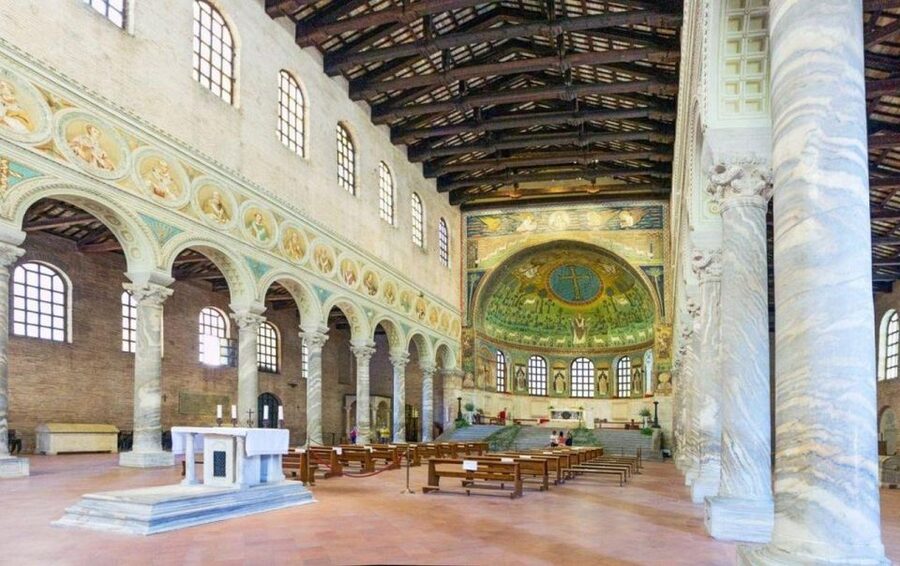
Ravenna gets serious about mosaics. With one day entry, you can pair the Basilica of Sant’Apollinare in Classe with the Classis Museum, both focused on how Ravenna’s faith and coastline shaped each other. I love that the basilica is built for lingering—aisles, sarcophagus fragments, and a view toward the apse that rewards slow looking.
What I really like is the mix of art and context. The basilica gives you the big visual hit—Transfiguration scenes, Sant’Apollinare praying, and symbolic lambs—then the museum explains the city and territory through timelines, daily life, spirituality, and sea-themed exhibits.
One practical drawback: there’s no included transfer between the two sites. You’ll need to plan your own way across Ravenna, and the museum’s hours are short enough that timing mistakes sting.
In This Review
- Key things to know before you go
- Why this Ravenna pairing is worth your time
- Timing: match Basilica hours with Classis Museum hours
- Basilica of Sant’Apollinare in Classe: where to focus inside
- Side aisles, sarcophagus fragments, and mosaic remnants
- The apse mosaics: Transfiguration and Sant’Apollinare
- 7th-century panels: Constantine IV and biblical scenes
- Classis Museum: how Ravenna’s city-and-territory story is told
- The museum’s main threads: sea, timeline, and everyday life
- Reconstructions and tech that help you understand space
- Educational activities and how to use them
- Price and value: $10 for two major stops
- Getting between the two places without a transfer
- How long you really need for the full experience
- Who should book this ticket?
- Should you book this ticket?
- FAQ
- What is included with the Classis Museum and Basilica entry ticket?
- How much does the ticket cost?
- How long is the ticket valid?
- What are the opening hours for the Basilica of Sant’Apollinare in Classe?
- What are the opening hours for the Classis Museum in Ravenna?
- What time is the last entrance?
- Is transfer between the museums included?
- Is a tour guide included?
- Is the ticket wheelchair accessible?
- Can I cancel for a refund?
Key things to know before you go
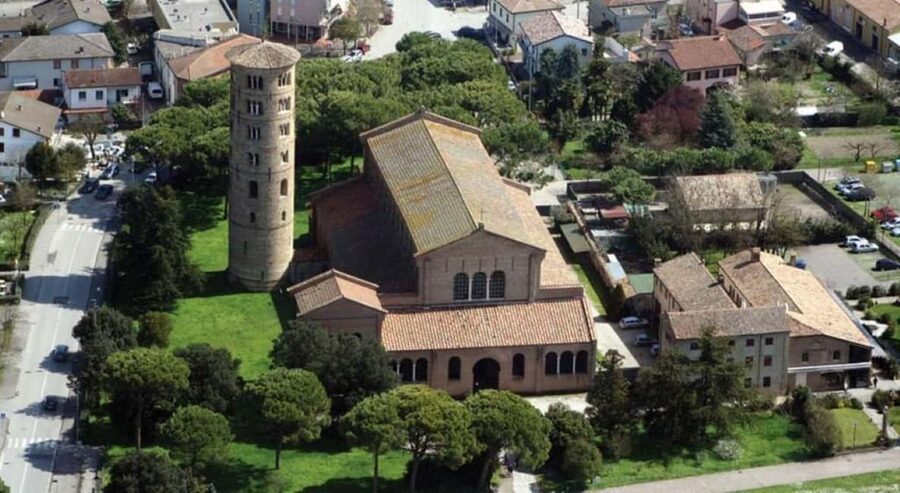
- 6th-century basilica focus: Side aisles, marble sarcophagus elements, and fragments of original mosaic flooring.
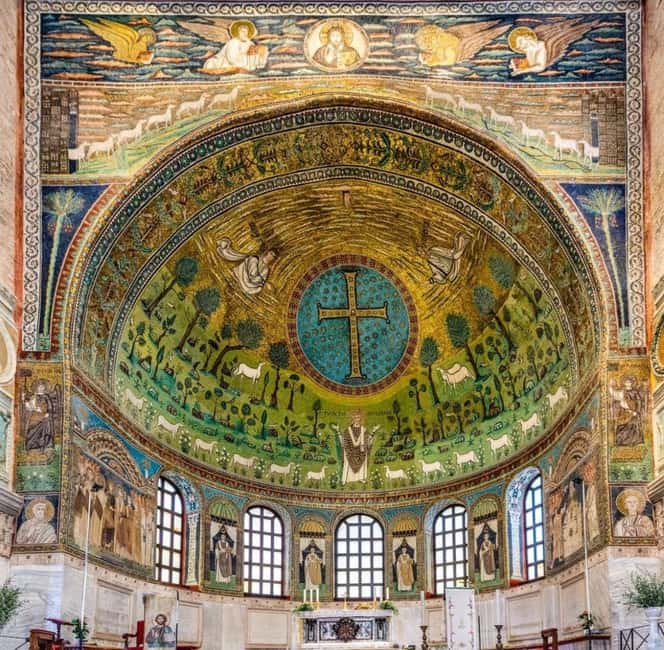
- Apse mosaics to hunt for: Transfiguration of Jesus and Sant’Apollinare in prayer, plus symbolic lambs.
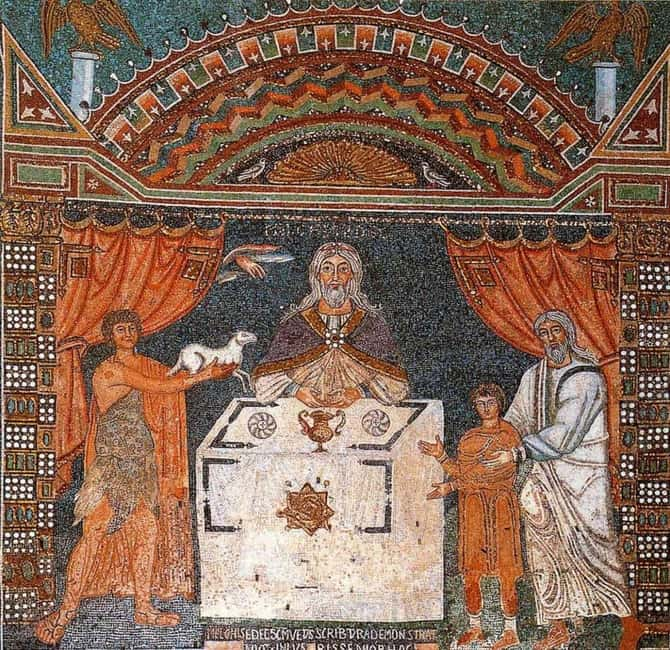
- 7th-century panels with names: Panels showing Byzantine Emperor Constantine IV and biblical figures like Abraham, Abel, and Melchizedek.
- Museum storytelling with the sea: A large mosaic symbolizing Ravenna’s bond with the sea, plus a timeline of key epochs.
- Museum hours are limited: Classis Museum runs every day 10:00 to 15:00, with last entrance 30 minutes before closing.
- Self-paced by design: This ticket is for entry only; you’re doing the visiting on your own.
Why this Ravenna pairing is worth your time
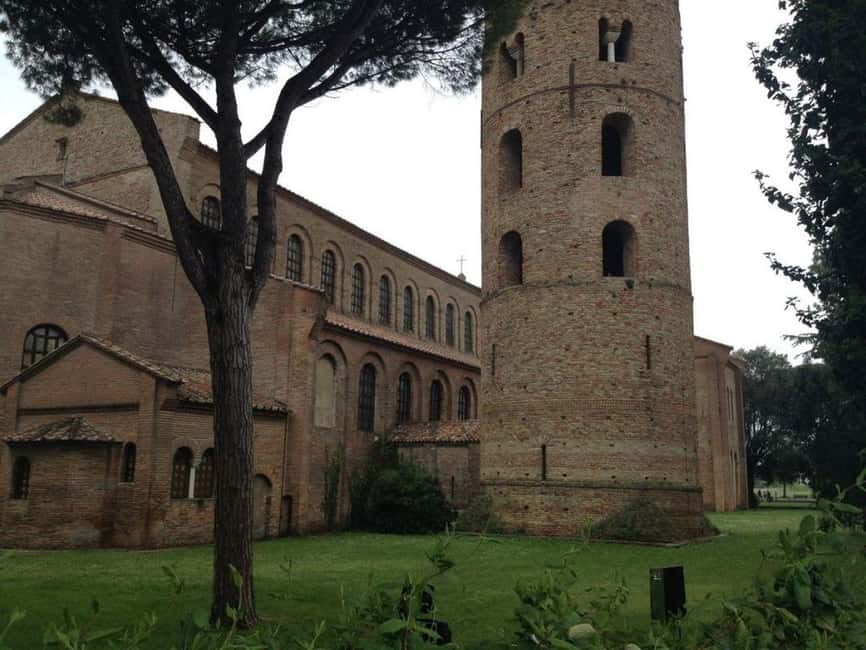
Sant’Apollinare in Classe isn’t just a pretty church. It’s a monument where you can see how faith, power, and imagery worked together in late antiquity. You get the 6th-century architecture and mosaics right up front, then you step into the Classis Museum to understand what that world looked like around Ravenna and its territory.
I like this combo because it keeps your brain busy in the best way. The basilica answers the question what you’re looking at. The museum helps with the bigger question of why it mattered.
If you only have time for one stop, the basilica is the headline. If you have even a few extra hours, the museum makes the basilica feel less random and more connected.
A few more Ravenna tours and experiences worth a look
Timing: match Basilica hours with Classis Museum hours
Your schedule has one big constraint: Classis Museum is only open 10:00 to 15:00 every day. Last entrance is 30 minutes before closing, so you’ll want to plan to arrive by 14:30 if you don’t want to rush.
The basilica is more flexible. From Monday to Saturday it runs 08:30 to 19:00. On Sunday and bank holidays, it’s shorter: 13:30 to 19:00. That means you can usually visit the basilica first and still catch the museum later, as long as you respect the museum window.
Practical tip: treat this as a “morning-to-midday” museum plan. If you show up to the museum late, you’ll lose the chance to see the timeline and the sea-themed exhibits at a reasonable pace. Those are the parts that need a calm, not a sprint.
Basilica of Sant’Apollinare in Classe: where to focus inside
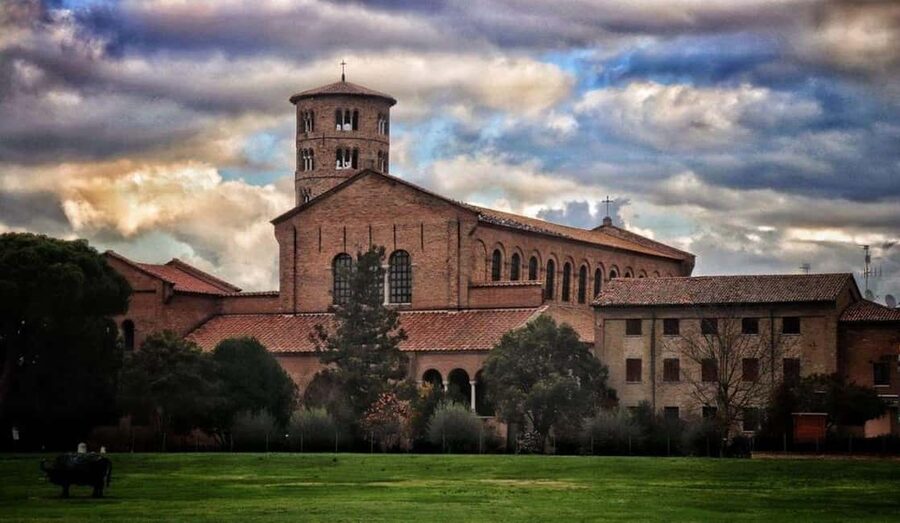
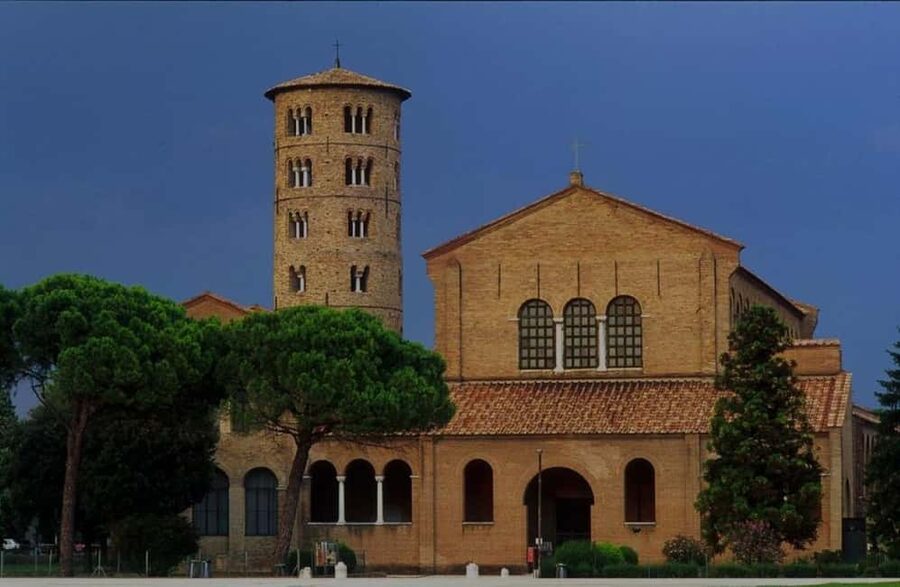
This is a 6th-century basilica, and the details are the whole point. If you only glance at the mosaics, you’ll miss the way the building guides your attention from the sides toward the apse.
Side aisles, sarcophagus fragments, and mosaic remnants
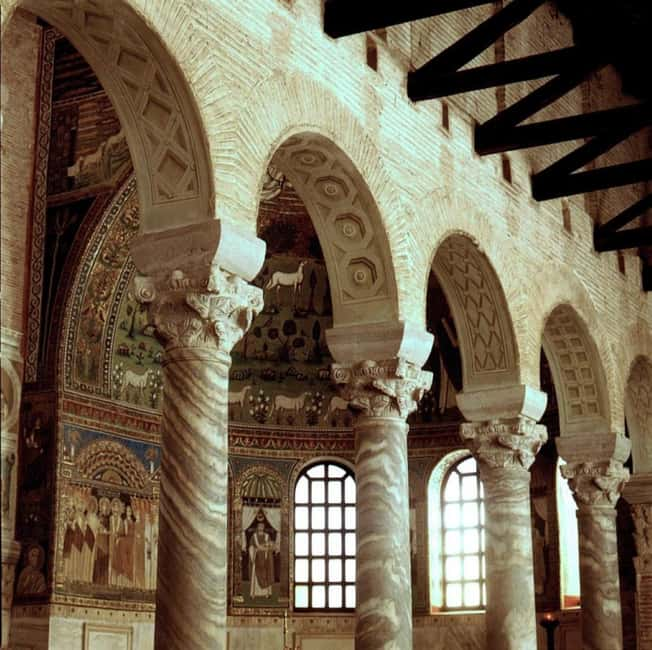
Start by looking along the side aisles. You’ll see ancient marble sarcophagi and fragments of original mosaics that once formed part of the basilica’s flooring. That matters because it turns the visit into more than a single “look at the ceiling” moment. You’re seeing how the artwork and funerary culture lived in the same spaces.
It also gives you a quick education in how these buildings were assembled and reassembled over time—stone, marble, and mosaic fragments all carrying different layers of the past.
The apse mosaics: Transfiguration and Sant’Apollinare
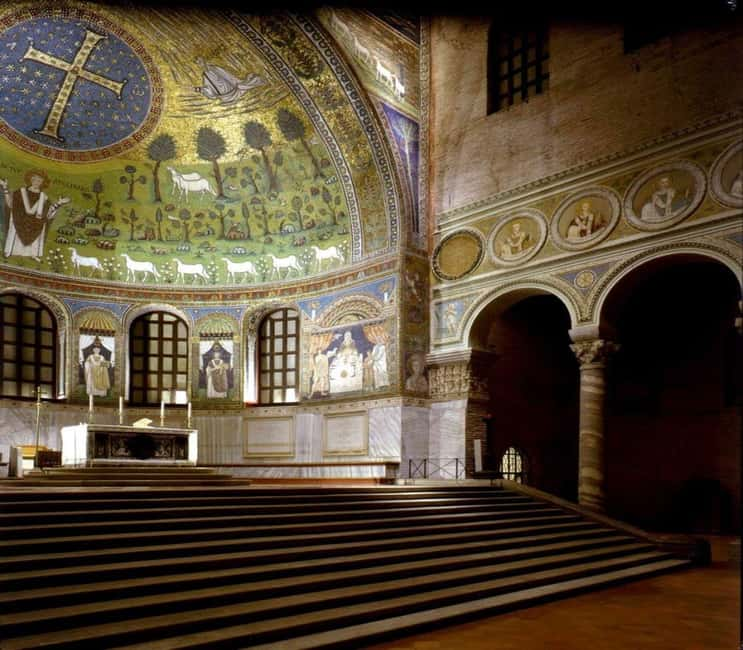
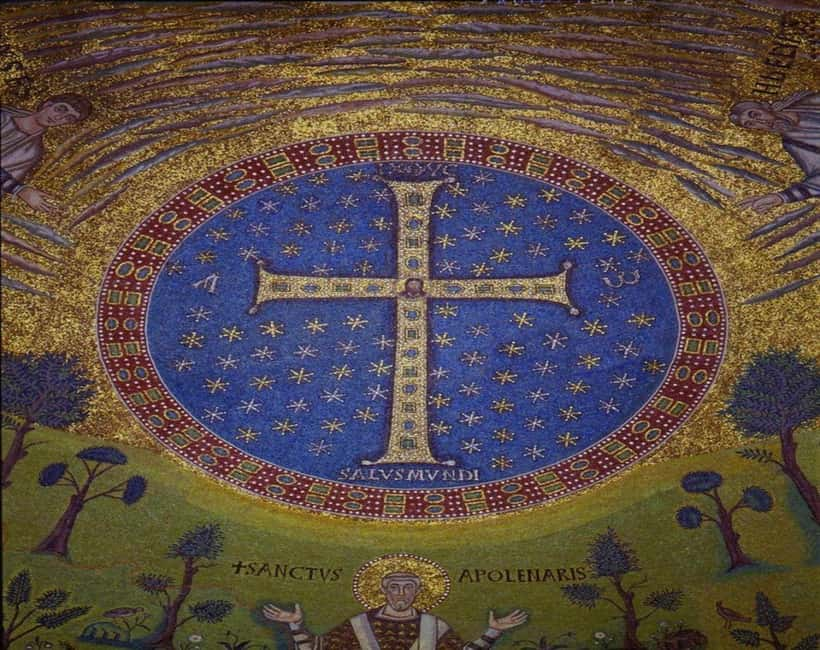
Then go to the apse mosaics. The centerpiece imagery includes the Transfiguration of Jesus and Sant’Apollinare in prayer. You’ll also notice symbolic lambs surrounding the holy figures.
When you’re looking, try not to just identify one scene. Instead, scan outward and notice how the figures are arranged and repeated. The symbolism isn’t decoration. It’s part of the message.
7th-century panels: Constantine IV and biblical scenes
Don’t stop after the main apse. There are also panels from the 7th century with depictions that include the Byzantine Emperor Constantine IV. You’ll also see biblical scenes featuring Abraham, Abel, and Melchizedek.
This is one of the best reasons to include the basilica in a day plan: it connects the visual world of mosaics to named historical figures and scriptural stories. It’s a shortcut to understanding that these images weren’t just “religious art.” They were political and cultural communication too.
Classis Museum: how Ravenna’s city-and-territory story is told
The Classis Museum (the Museum of the City and Territory) keeps the experience moving forward. It’s known for innovation, and it even received an award for innovation in 2021. You’ll feel that in the way the exhibits are structured, with timelines and reconstructions rather than only static displays.
Because the museum is only open until mid-afternoon, plan to focus. Skip the temptation to read everything slowly. You can still get the big picture fast.
The museum’s main threads: sea, timeline, and everyday life
One highlight is a large mosaic symbolizing the indissoluble bond between Ravenna and the sea. It’s a strong visual opener. It frames the entire visit so you understand why “Classis” fits Ravenna so well—this isn’t just a city inland on a map. The coast and water are part of the identity.
From there, you’ll see a timeline marking crucial epochs of Ravenna’s history. That timeline helps you place what you’re seeing in the basilica into a larger sequence instead of treating it as an isolated masterpiece.
You’ll also find sections dedicated to daily life and spirituality. This is where the museum becomes more than companion material. It gives you a sense of how people lived and worshiped, not only what rulers might have commissioned or inspired.
Reconstructions and tech that help you understand space
The museum includes reconstructions of ancient places of worship and residences of Ravenna’s citizens. You can use those to imagine scale and layout while you’re still thinking about the basilica’s architectural choices.
There are also innovative technologies used to enrich the experience. Even if you don’t spend a long time with each interactive, the presence of tech usually means the museum is designed to guide you through themes instead of letting you drift.
Educational activities and how to use them
The museum offers intense educational activities, and that’s good news if you’re the type who likes to leave with a clearer picture. If there’s an activity happening during your visit, it can help you lock in the timeline and the sea-city connection fast.
Even without a formal activity, the way exhibits are grouped—sea, chronology, daily life, spirituality—makes it easier to remember what mattered.
Price and value: $10 for two major stops
At about $10 per person, this ticket is strong value because it covers admission to both venues. You’re not paying twice for separate entry fees to a church site and a museum site. For Ravenna, where the big hits are often spread across different areas, that matters.
The real value is time efficiency. You get the visual and emotional impact of Sant’Apollinare in Classe, then you get context in the Classis Museum without needing extra ticket purchases. It’s a “see it” plus “understand it” setup.
Your decision mostly comes down to one question: do you want a day focused on art plus context? If you’re chasing beaches, nightlife, or short photo stops, this may feel too serious. If you like mosaics, symbols, and how cities develop, you’ll use the ticket well.
Getting between the two places without a transfer
Transfers aren’t included. So you’ll need to reach the basilica and the museum using your own plan—local transport, taxi, or whatever fits your schedule.
This matters because it affects how smoothly you can use the basilica’s long opening hours. The museum has the shorter window, so your travel time has to be built around the museum. If you start too late at the basilica, you may end up rushing through the museum just to catch last entrance.
Tip: pick a realistic visit order. Usually, that means using the basilica first (when it’s early or open longer) and saving the museum for the mid-day slot. If you’re traveling on a Sunday or bank holiday, remember the basilica opens later in the afternoon (13:30).
How long you really need for the full experience
This ticket is valid for one day, but the quality of your experience depends on pacing. The basilica is a place you can see quickly, but it’s also one you’ll appreciate more if you pause at the apse and scan the side aisles and fragments.
At the museum, because the opening hours are 10:00 to 15:00, you’ll likely want a focused plan:
- Spend enough time with the sea mosaic and timeline to get the big structure.
- Use the daily life and spirituality sections to connect the museum to the basilica’s religious imagery.
- Leave time for reconstructions and any interactive exhibits, but don’t feel forced to do every single station.
If you arrive with a plan, you’ll feel like you accomplished more than just ticking off two entries.
Who should book this ticket?
I’d put this ticket at the top of the list for people who enjoy:
- Mosaics and symbolic religious art
- History that connects architecture to everyday life
- Short museum visits that still offer structure and context
- A self-paced day plan (since entry is included, but a tour guide and transfers aren’t)
It can also work well for people who need wheelchair access, since the ticket is listed as wheelchair accessible.
If you’re someone who hates time limits, keep in mind the museum closing time. The basilica can stretch later into the day, but the Classis Museum is what will cap your schedule.
Should you book this ticket?
Yes, if your ideal day in Ravenna includes Sant’Apollinare in Classe and you want the museum context right after. The combination makes the mosaics feel more meaningful because you can connect the imagery to a timeline and to how people lived and worshiped.
Skip it (or rethink your day) if you can’t commit to the museum’s 10:00–15:00 window, or if you’d rather have a guided tour and built-in transfers. With this ticket, you’re responsible for moving between the two sites, and the museum is the part most likely to feel rushed if your timing slips.
FAQ
What is included with the Classis Museum and Basilica entry ticket?
The ticket includes entry to both the Classis Museum and the Basilica of Sant’Apollinare in Classe.
How much does the ticket cost?
The price is listed as $10 per person.
How long is the ticket valid?
It’s valid for 1 day. Starting times depend on availability.
What are the opening hours for the Basilica of Sant’Apollinare in Classe?
Monday to Saturday: 08:30–19:00. Sunday and bank holidays: 13:30–19:00.
What are the opening hours for the Classis Museum in Ravenna?
Every day: 10:00–15:00.
What time is the last entrance?
Last entrance is 30 minutes before closing time for both sites based on the stated hours.
Is transfer between the museums included?
No. Transfer between the museums is not included, and you’ll need to organize your own way to reach them.
Is a tour guide included?
No. A transfer and tour guide are not included.
Is the ticket wheelchair accessible?
Yes, the experience is listed as wheelchair accessible.
Can I cancel for a refund?
Yes. Free cancellation is available up to 24 hours in advance for a full refund.
If you tell me what day of the week you’re going and what time you’ll arrive in Ravenna, I can suggest the cleanest order for basilica vs. museum so you don’t get stuck chasing the last entrance.