REVIEW · ROME
Rome: Vatican Museums & Sistine Chapel Entry Experiences
Book on GetYourGuide →Operated by Discover Rome Tours · Bookable on GetYourGuide
Michelangelo hits different in person. This timed-entry Vatican combo gets you into the Vatican Museums and on to the Sistine Chapel with a pre-booked slot, so you’re not gambling on Rome’s line chaos. I especially like the self-paced feel once you’re inside, and I also like that the included electronic guidebook helps you make sense of the major rooms without needing to keep up with a group. One thing to plan for: even with timed entry, crowds and security can still feel tight, and the dress-photo rules are strict.
The Vatican Museums are huge, so a guided format isn’t the only smart way to do this. I like that you can choose your pace, slow down for the big-name art, then move on before you burn your energy before the Chapel. At the same time, the route matters, because 2.5 hours is enough for the highlights, but not enough to see everything.
As for the drawback: you can run into longer-than-expected waits outside, especially in hot, crowded conditions, and you generally can’t enter before your assigned time. That means you’ll want a plan for how to handle heat, and you’ll want to avoid arriving overconfidently late or early.
In This Review
- Key highlights in a few key points
- Timed-Entry Entry: Avoiding the Rome Line Problem
- Vatican Museums at Your Own Pace: The Highlights Route That Fits 2.5 Hours
- Apollo del Belvedere: the classic you’ll recognize fast
- Gallery of Tapestries: texture you can almost feel
- Gallery of Maps: the surprise that slows you down
- Laocoön statue: the drama of sculpture
- Big-name art: Michelangelo, Raphael, Leonardo da Vinci, and Caravaggio
- Sistine Chapel Time: How to Enjoy Michelangelo Without Losing Your Cool
- Photo rules inside (and why they matter)
- Dress Code and Allowed Items: The Rules That Can Stop You at Security
- What to wear and pack
- The Electronic Guidebook: Useful for Self-Guided, Not a Full Tour Script
- Crowds, Timing Changes, and the Queue Reality
- A small but helpful detail from the experience setup
- Price and Value Check: What You’re Really Paying For
- Who This Works For (and Who Might Want a Different Plan)
- Not suitable for:
- Should You Book This Vatican Entry Experience?
- FAQ
- FAQ
- How long is the Vatican Museums and Sistine Chapel entry?
- Is this ticket refundable?
- What’s included with the entry experience?
- Do I need a guide for this experience?
- Is photography allowed in the Sistine Chapel?
- Are backpacks allowed?
- Are shorts and short skirts allowed?
- Can I enter before my allocated timed entry?
- Who is this experience not suitable for?
Key highlights in a few key points
- Timed-entry access helps you get past the worst of the front-of-line uncertainty and protects your planned slot
- Self-paced wandering lets you spend more time where you actually care (not where a tour script says)
- Major stops you can’t miss: Apollo del Belvedere, Gallery of Tapestries, Gallery of Maps, and the Laocoön statue
- Michelangelo’s Sistine Chapel frescoes are the centerpiece, with strict photo rules inside
- English electronic guidebook supports independent exploring and keeps you moving at a sensible pace
- Crowd density is real—the Vatican can feel packed, so early planning helps you enjoy it more
Timed-Entry Entry: Avoiding the Rome Line Problem
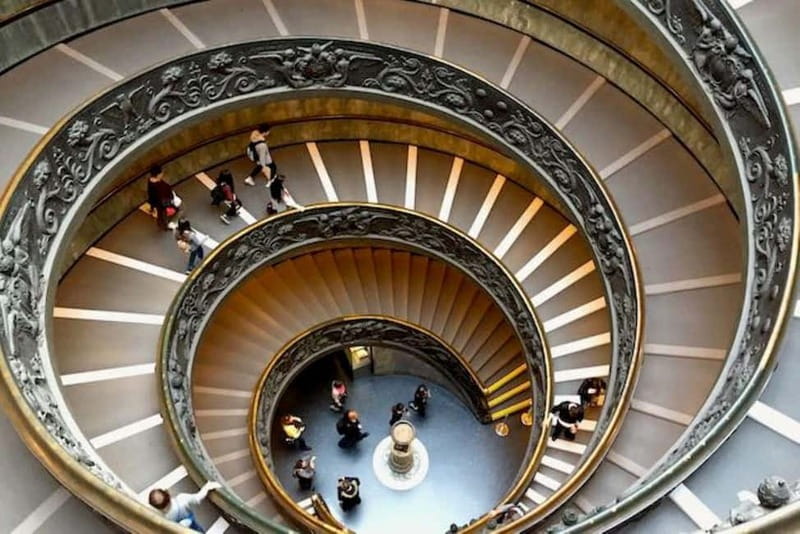
This experience is built around a pre-booked, timed-entry ticket to the Vatican Museums. In plain terms: you show up with a slot, pass through security, then start walking. That matters because the Vatican is famous for lines that can drain your whole morning.
I like the value logic here: the total you pay (listed as $51 per person in the summary) is higher than the base museum admission because the package covers more than just entry. The admission itself is €25 for adults and €13 for guests under 18, while the remaining amount goes toward the electronic information booklet, advertising, and booking fees. So you’re paying for certainty and an easier start, not just for the right to enter.
Now for the nuance that’s worth knowing. One downside that shows up in real-life pacing: a “skip the line” label can still mean you’re standing somewhere. In particular, even with a timed ticket, there can be queues in the lead-up to entry (often under the sun). Also, you can’t count on arriving super-early and slipping in before your allocated time. If you show up long before your slot, you may still wait in outdoor rows.
Practical tip: aim to arrive close to your time slot, then stay flexible. If it’s hot, bring a bottle of water once you’re allowed in, and dress for staying comfortable for a long indoor circuit.
You can also read our reviews of more museum experiences in Rome
Vatican Museums at Your Own Pace: The Highlights Route That Fits 2.5 Hours

The Vatican Museums are not a place for “I’ll see it all.” Even with strong walking legs, you’d be racing. This is a smarter setup: you get access and then you explore at your pace using an English electronic guidebook.
After security, you have time to roam through major areas that cover Greek and Egyptian antiquity before shifting into the Renaissance-and-beyond lineup. That early mix helps you understand the Vatican Museums as a collection, not just a route to one room.
Here are the stops that deserve your attention, based on what’s specifically called out for this entry experience:
Apollo del Belvedere: the classic you’ll recognize fast
The Apollo del Belvedere is the kind of masterpiece you can spot from afar, and it sets expectations for the rest of the museum. I like this as a first “anchor” stop because it gives you a win early and helps you start reading the art with confidence.
Gallery of Tapestries: texture you can almost feel
Tapestries don’t always hit people until they see them up close. Here, you get the chance to view the Gallery of Tapestries at your own pace, lingering as long as you want without being rushed through explanations.
Gallery of Maps: the surprise that slows you down
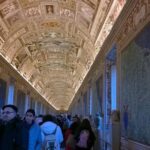
The Gallery of Maps is one of those rooms where people assume it’ll be “nice” and then end up lingering. It’s a visual way to understand how geography and power were connected for centuries—again, perfect for a self-guided visit because you can go back and look twice.
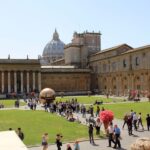
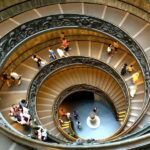
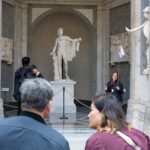
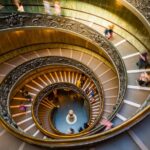

Laocoön statue: the drama of sculpture
The Laocoön statue adds a very different mood: dramatic, emotional, and unmistakably “sculpture as storytelling.” If you enjoy art that feels physical and tense, this is the kind of stop that makes the Museums click.
Big-name art: Michelangelo, Raphael, Leonardo da Vinci, and Caravaggio
This entry experience is designed around the heavyweight names. You’ll have time to admire masterpieces by Michelangelo, Raphael, Leonardo da Vinci, and Caravaggio. The practical value of having multiple big artists in one visit is that you can compare styles without needing a multi-day plan.
Real talk about pacing: with only 2.5 hours, don’t aim to “check every room.” Instead, treat the trip like a curated highlight walk you steer yourself. Spend longer where you feel pulled in, then keep moving so you don’t arrive to the Sistine Chapel already drained.
Sistine Chapel Time: How to Enjoy Michelangelo Without Losing Your Cool
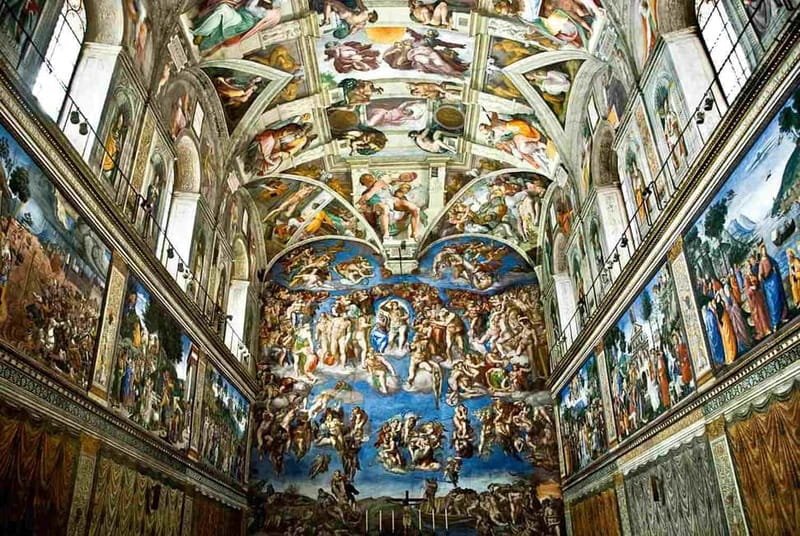
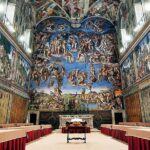
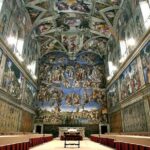
The Sistine Chapel is the reason most people are here. You’ll access it as part of the entry, and your visit time includes time to reflect and admire Michelangelo’s frescoes.
This is where the experience becomes emotional. The scale and detail are hard to translate on screen. In the room, you’re not looking at a “painting.” You’re looking at an environment made of images and composition that fills your attention.
There’s also a crowd reality. The Chapel can be very packed, and the experience becomes less about comfort and more about focus. If you’re the kind of person who gets stressed when you can’t move freely, give yourself permission to slow your expectations and prioritize what you came for.
Photo rules inside (and why they matter)
Photography is allowed, but flash photography is strictly prohibited. That’s important for your own experience because stores right after the exit sell photos and postcards, so you’ll still be tempted to buy a souvenir even if you kept your camera away.
Practical tip: if you care about photos, plan on a quick, respectful moment. Then put the camera down. The Chapel is one of those places where your eyes (not your screen) do the remembering.
Dress Code and Allowed Items: The Rules That Can Stop You at Security
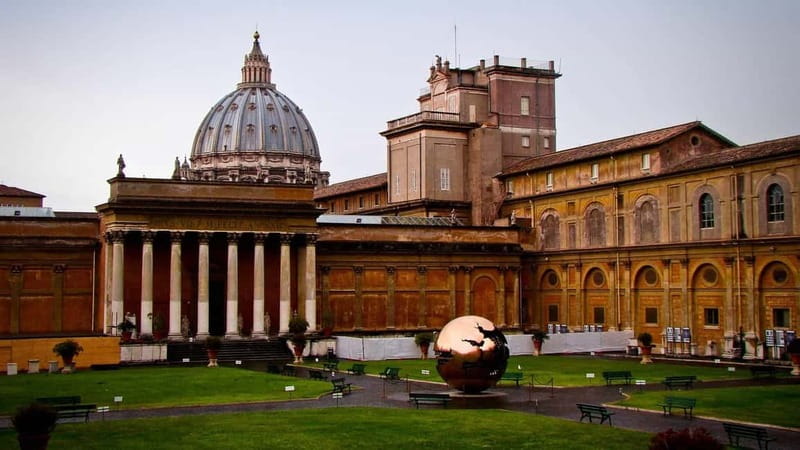
The Vatican has a firm dress-and-behavior policy, and it can surprise first-timers. For this entry experience, these are not allowed:
- Shorts
- Short skirts
- Flash photography
- Backpacks
If you show up with any of the no-go clothing, you may get turned away or forced into an inconvenient workaround. I’d rather you avoid that.
What to wear and pack
The simplest strategy is light, breathable clothing that still looks respectful. Since you may wait in outdoor lines before entry, check the weather forecast and dress for that reality.
Also think about bags. If you’re carrying a backpack, you’ll want to plan an alternative storage option before you arrive—because back to “find a bag solution” often eats time and patience.
The Electronic Guidebook: Useful for Self-Guided, Not a Full Tour Script
This package includes an electronic guidebook in English. That’s a meaningful part of the value, because it gives you context while keeping you free to choose your stops.
You’ll be able to use it as you move between rooms—especially helpful when you’re staring at a sculpture or fresco and trying to understand what you’re actually looking at. It’s also ideal if you prefer to avoid the pace pressure of a live group.
One thing to watch: the entry listing doesn’t mention an audio guide. If you strongly prefer audio narration, you might want to consider a guided tour option if it’s available in your booking path.
If you do choose self-guided, the best “tool” after the guide is your attention. Pick a handful of key works, read what you can, and give yourself a moment to just look.
Crowds, Timing Changes, and the Queue Reality
The Vatican is busy. Even a well-planned timed entry can feel crowded once you’re inside. That’s not a deal-breaker, but it changes how you should approach the day.
One practical consideration: tour times can shift during busy periods. If you’ve got a tightly scheduled plan right after your visit, build in buffer time. The experience itself runs about 2.5 hours, but your real-world schedule also depends on security flow and crowd density.
A small but helpful detail from the experience setup
A named helper showed up in one account as Misbah, who guided someone to the right queue and handled copying ticket details. While you shouldn’t count on a particular person being assigned, it’s a reminder of a useful behavior: follow staff directions for the correct line, especially when you’re standing there trying to sort ticket instructions.
Practical tip: keep your confirmation details handy and double-check which entrance/queue matches your booked option.
Price and Value Check: What You’re Really Paying For
Let’s break down the value in a way that helps you decide.
You’re paying:
- Admission base price (the museum admission fee for adults is €25)
- Plus an additional amount that covers the electronic information booklet, advertising, and booking fees
So this option is best when you value:
- Predictable entry timing
- The included English electronic guidebook
- Less time spent sorting out “what ticket do I need?”
If you’re purely cost-driven, the admission base is cheaper than the full package. But the package adds services that may matter more than you expect when you’re standing in the heat.
In other words: this is a good buy if you want less uncertainty and more “just start walking.” It’s not the bargain choice if you’re okay managing lines and you’re fine showing up with less certainty.
Who This Works For (and Who Might Want a Different Plan)
This entry experience is a strong fit for:
- First-time Vatican visitors who want the big highlights in one go
- People who prefer self-paced exploring instead of following a group schedule
- Art lovers who want Michelangelo, Raphael, Leonardo da Vinci, and Caravaggio in a single visit window
It’s also available as a private group option, which can help if you want more control over pacing.
Not suitable for:
- People over 95 years
If you’re within that age range or near it, you might want to choose a different format that’s easier on walking and crowd stress.
Should You Book This Vatican Entry Experience?
I’d book it if you want a smooth start and a clear plan: timed entry, access to the Museums and the Sistine Chapel, and an English electronic guide to help you make sense of what you’re seeing in a limited 2.5-hour window.
I wouldn’t book it (or I’d rethink) if cost is your top concern and you’re comfortable handling more uncertainty about timing. Also, if you hate crowds and you need lots of personal space, remember the Chapel and major rooms can be very packed even with a controlled entry window.
FAQ
FAQ
How long is the Vatican Museums and Sistine Chapel entry?
The activity duration is listed as 2.5 hours.
Is this ticket refundable?
No. The activity is non-refundable.
What’s included with the entry experience?
You get an entry ticket to the Vatican Museums, access to the Sistine Chapel, and an electronic guidebook in English.
Do I need a guide for this experience?
A guided tour is not included unless you select the guided tour option. You can also explore on your own using the electronic guidebook.
Is photography allowed in the Sistine Chapel?
Photography is allowed, but flash photography is strictly prohibited.
Are backpacks allowed?
No. Backpacks are not allowed.
Are shorts and short skirts allowed?
No. Shorts and short skirts are not allowed.
Can I enter before my allocated timed entry?
With timed entry, you generally cannot enter before your allocated time.
Who is this experience not suitable for?
It’s not suitable for people over 95 years.