REVIEW · LONDON
London: British Museum Guided Tour
Book on GetYourGuide →Operated by My tour London · Bookable on GetYourGuide
A huge museum can feel like a blur—this tour makes it readable. You get a licensed guide and a tailor-made highlight route that turns the British Museum into a time-and-culture story you can actually follow.
I especially like the way the tour keeps you moving without turning every stop into a checklist, and I enjoy how the big-name objects are tied to the big ideas behind them. You also get the practical help of an express security flow, which matters when lines eat your day.
One consideration: the building can get loud, so you may struggle to hear clearly in busier rooms.
In This Review
- Key things I’d put on your radar
- Entering the British Museum with a guided route that actually fits 2 hours
- Where to meet, how security works, and when your tickets show up
- Egypt first: pharaohs, the Rosetta Stone, and hieroglyphs in plain language
- Ancient Greece stops: Parthenon sculptures and ideas that shaped Europe
- Rome next: emperors, engineering, and mosaics you want to slow down for
- Sutton Hoo and Hoa Hakananai’a: early England and a spiritual link across the world
- How the guide handles the museum’s hardest topics without killing the fun
- What you’ll learn through the tour rhythm (and what might be tough)
- Price and value: why $39 can be more than a convenience fee
- Who should book this British Museum guided tour
- Should you book it
- FAQ
- How long is the British Museum guided tour?
- How much does the tour cost?
- Where do we meet the guide?
- When do I get the entry tickets?
- Does the tour include express security?
- Is transportation included?
- What languages are available?
- Is the tour wheelchair accessible?
Key things I’d put on your radar
- Rosetta Stone deciphering: why it was the key to Egyptian hieroglyphs, and what that changed
- Parthenon sculptures and marble inscriptions: how Greek art and thinking echoes forward
- Roman treasures plus the Elgin Marbles controversy: a tour that doesn’t dodge tough context
- Sutton Hoo: Anglo-Saxon England, shown through standout artifacts
- Hoa Hakananai’a (Easter Island): a spiritual, far-reaching object that widens the museum’s scope
- Guided pacing: you see the most remarkable parts faster than wandering alone
Entering the British Museum with a guided route that actually fits 2 hours
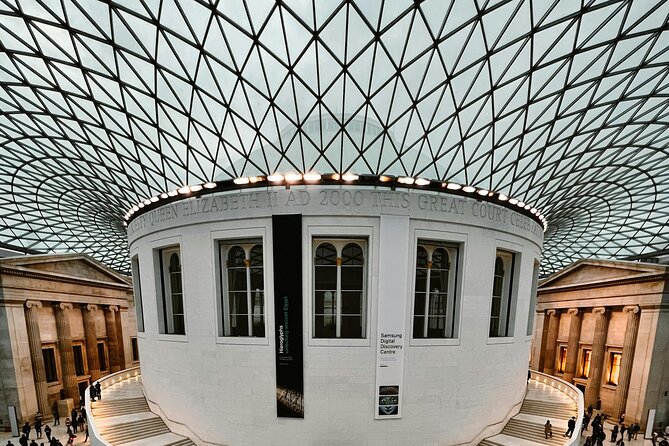
The British Museum is famous for size, but size is the problem. When you walk in on your own, it is easy to spend two hours crossing the same few galleries while the rest of the museum stays out of reach. This tour is built to solve that. You follow a guided path that prioritizes the objects most people remember and most people miss when they rush.
I like the tour’s “see the point” approach. Instead of reading every label, you get the why behind key artifacts: what they were used for, what they meant, and how they shaped later cultures. That makes the museum feel less like storage and more like a conversation across centuries.
You should also know the tour can be tailor-made to match what is available and the most remarkable public museum parts. That flexibility helps if you want highlights, not a rigid script.
You can also read our reviews of more guided tours in London

Where to meet, how security works, and when your tickets show up
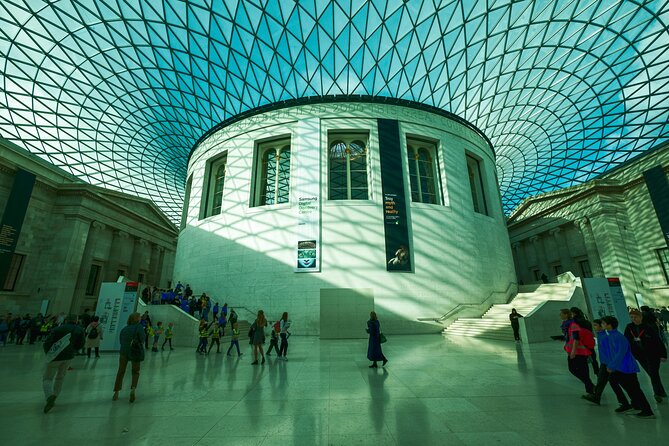
Logistics here are simple, but you need to be precise.
Meet your guide at the British Museum portals on the stairs near the pillars, after you pass security. This is important: it is not outside the gates. If you arrive late or outside the correct area, you can lose time and end up searching the building before the tour even starts.
Tickets are provided close to the start time—typically about 1 hour before via WhatsApp. If you do not use WhatsApp, you can contact the provider by email so they can send your entry tickets instead.
One more practical win: the tour includes express security check. That is not glamorous, but it can save a chunk of stress in a museum that often has long lines.
Egypt first: pharaohs, the Rosetta Stone, and hieroglyphs in plain language
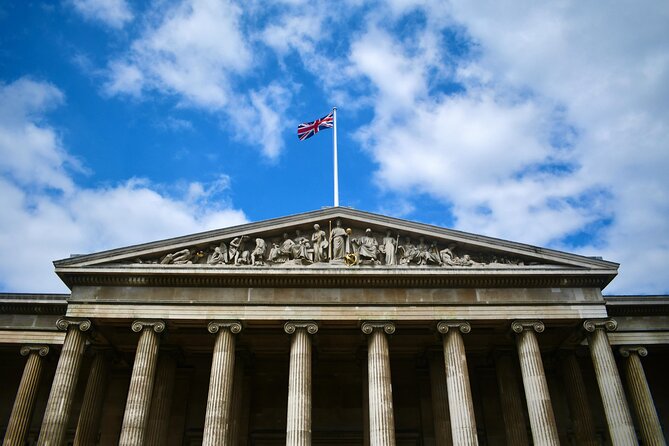
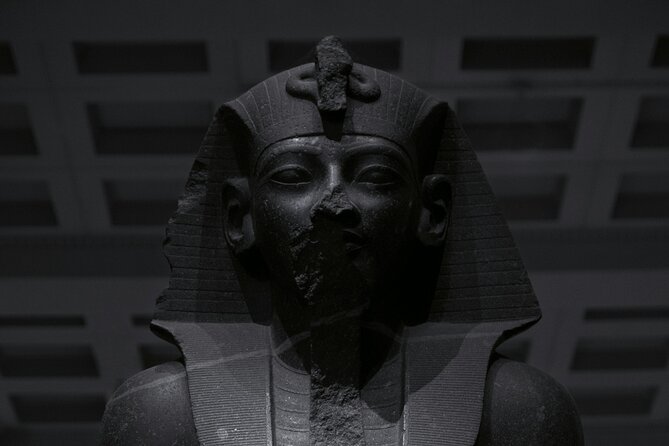
Starting with ancient Egypt is a smart choice. Egypt has the objects that instantly hook people, and it also sets up a theme you will carry through the rest of the tour: language, power, and belief.
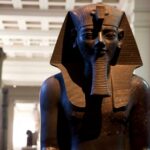
You will spend time around pharaoh-related relics and the museum’s famous path from undeciphered marks to readable history. The Rosetta Stone is the centerpiece here. The key idea you are meant to grasp is how it helped crack Egyptian hieroglyphs—why that single object mattered so much to scholars, and why it turned a locked world of symbols into something researchers could interpret.
What I like about this section is that it is not treated like trivia. The tour frames the Rosetta Stone as a turning point. You are not just seeing a rock; you are seeing the moment history learned how to read itself.
If you have never studied hieroglyphs, you still will be fine. This tour uses the object as the entry point, then points you toward what the characters and inscriptions meant for Egyptians and later readers.
Ancient Greece stops: Parthenon sculptures and ideas that shaped Europe
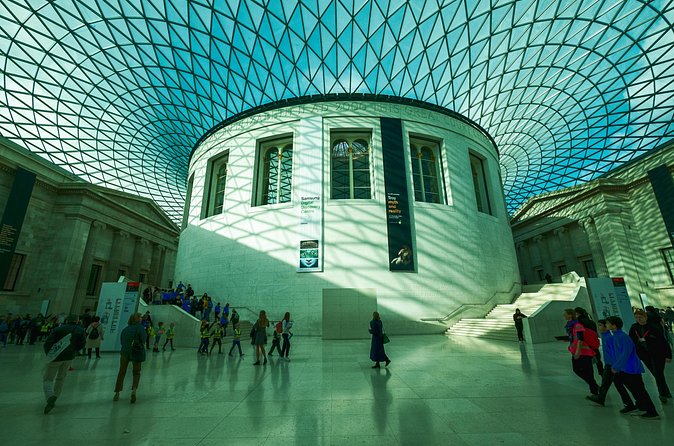
Then the tour moves to ancient Greece, where philosophy and art developed side by side. This is where the British Museum earns its reputation for famous pieces.
Expect time around Parthenon-related sculptures and discussions that connect art to thought. The tour also points you toward marble inscriptions and the way Greek writing and ideas influenced later Western thinking. That connection can be easy to miss when you just read a short plaque.
You will also notice the tour’s attention to interpretation. Greek art can look “pretty” fast, but it carries meaning: civic identity, religious practice, and ideals about human form and order. With a guide, those objects start acting like documents, not just statues.
One note: the tour ties in the Parthenon legacy as a thread that continues into later rooms. You will not leave Greece feeling like you only saw stone. You should leave with a sense of why those sculptures kept mattering.
Rome next: emperors, engineering, and mosaics you want to slow down for
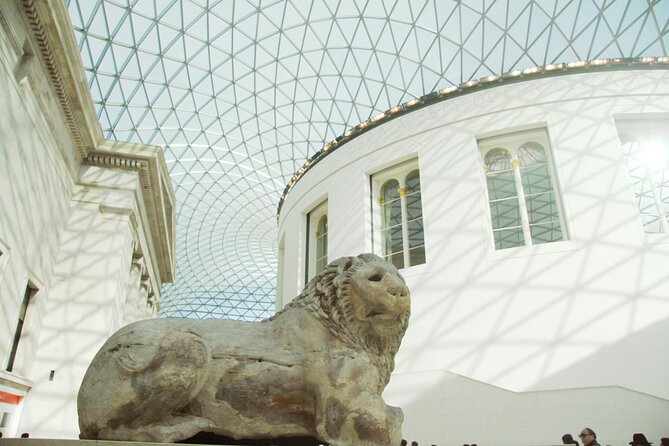
Ancient Rome brings a different energy. Greek galleries often feel like ideals; Roman galleries feel like administration and impact. Here you will look at relics connected to emperors, plus engineering-minded achievements that made Rome powerful.
The tour also highlights the decorative side: statues and mosaics depicting gods and heroes. These objects are the kind you can walk past on your own because they look like “detail.” In a guided format, that detail becomes a story about status, religion, and everyday taste.
I like that the Roman section does not only chase scale. It shows the craft and the symbolism. You start noticing how images supported political authority and how myth stayed useful in Roman hands.
And yes, the tour connects this era to the museum’s most debated displays. You will see the infamous Elgin Marbles as part of the discussion of how these objects moved and why that movement remains controversial. The goal is not to turn it into a shouting match. It is to give you context so you understand why some visitors feel one way and others feel another.
You can also read our reviews of more museum experiences in London



Sutton Hoo and Hoa Hakananai’a: early England and a spiritual link across the world
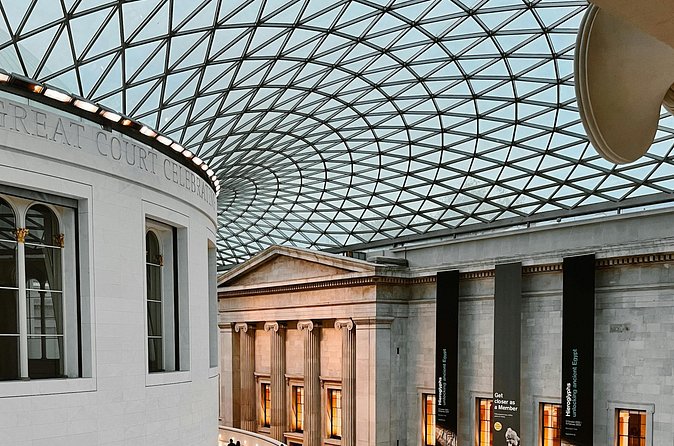
Most museum tours treat continents like separate chapters. This one tries to make those chapters talk to each other. After Greece and Rome, you head toward Sutton Hoo, a set of Anglo-Saxon treasures that give you a rare glimpse into early English life.
Sutton Hoo is special because it does not just show “old stuff.” It suggests a world of power, belief, and high craftsmanship. If you have only heard of Anglo-Saxons in school as a vague outline, this stop gives the period a physical presence.
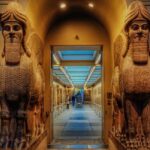
Then the tour makes a big, fascinating jump to Easter Island with Hoa Hakananai’a, the moai sculpture that reflects spiritual meaning in a far-off culture. That contrast does two things for your visit. It prevents you from getting stuck in one regional storyline, and it reminds you that the museum is not only European.
I also like how this late-stage shift keeps the tour from feeling repetitive. After seeing so many classical empires, you get an object that feels like it belongs to a different kind of worldview.
How the guide handles the museum’s hardest topics without killing the fun
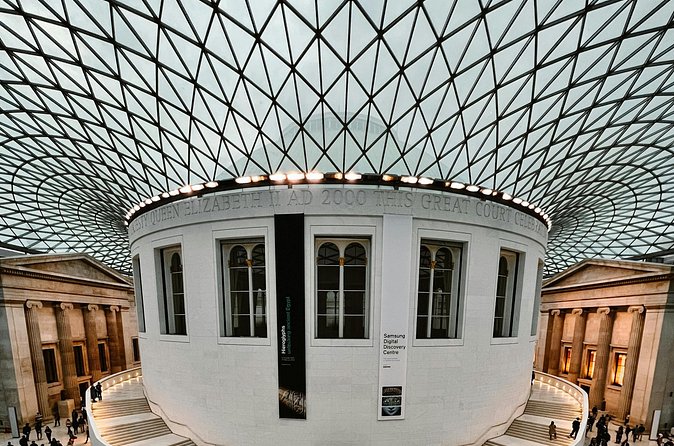
One of the most praised parts of this tour is the way the guide shapes your experience, not just your route. Guides like Filomena, Tara, and Stuart show up repeatedly in the feedback, and the common thread is clear: they make the museum easier to navigate and they add insight you likely would not find from labels alone.
I especially appreciate the attention to contentious objects. The discussion of the Elgin Marbles is one example. Some guides also make a point to flag other debated displays such as the Benin bronzes and contentious Greek marble context. That matters because it keeps the tour honest. You are not only learning what is famous; you are learning why fame comes with arguments.
At the same time, the tone tends to stay friendly and human. Multiple guides are described as upbeat and enthusiastic, and that energy helps you keep pace in a building that can feel endless.
What you’ll learn through the tour rhythm (and what might be tough)
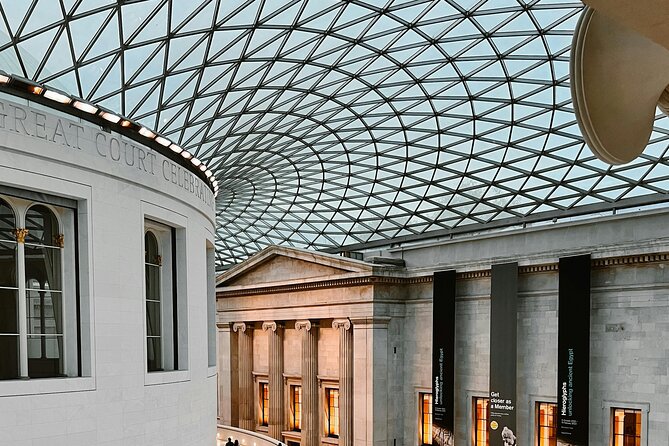
The tour lasts 2 hours, which is short enough that you can stay engaged, but long enough to build a meaningful arc. You start with ancient Egypt, move through Greece and Rome, then pull in Sutton Hoo and Easter Island, and end with additional artifacts from around the globe.
That rhythm is the real value. The British Museum has thousands of artifacts. This tour gives you a guided sequence so your brain forms connections instead of collecting random impressions.
The main drawback shows up when the museum gets crowded. One experience noted that it was difficult to hear the guide over the building noise, and the guide’s voice wasn’t always clear in busy rooms. This can happen in large indoor halls with lots of visitors.
My practical advice: if you know you struggle with audio in crowded settings, consider bringing something to help you focus on speech, and position yourself where you can clearly see the guide. Being closer makes a difference fast.
Price and value: why $39 can be more than a convenience fee
At $39 per person for a 2-hour guided route, the price is not tiny, but it is also not trying to compete with full-day museum spending. The value comes from three things you cannot easily replicate:
First, the express security check and timed entry rhythm reduce wasted time. If you lose an hour to lines, $39 stops feeling like a bargain.
Second, the guide turns a huge collection into an organized story. That is what you pay for. If you came with limited time and a strong interest in major civilizations, a guided “highlights with context” format often beats wandering.
Third, the tour includes licensed guidance and multiple language options (English, French, Italian). If you are traveling with someone who needs a specific language, that narrows the options quickly and adds value.
If you are the type who likes to read slowly and wander freely, you might feel boxed in. But if you want the best parts of the British Museum, explained with context, in a realistic time window, this tour fits the job.
Who should book this British Museum guided tour
This tour makes a lot of sense if you:
- want major highlights without spending the whole day planning
- care about the story behind iconic objects like the Rosetta Stone, Parthenon sculptures, and the Elgin Marbles
- like a guided narrative that crosses time and culture, not a siloed “one gallery at a time” museum trip
- want help navigating a collection that is genuinely overwhelming on your own
It is also a good choice if you prefer a structured pace. Even when you book as a small group, the format can feel close to private because the guide can spend more time explaining.
If you are the type who wants to pick your own route and read every label, you might still enjoy this tour first, then return later to explore. The tour gives you a mental map and a list of what is worth a second look.
Should you book it
I would book this British Museum guided tour if your goal is clear: see the museum’s most important objects in 2 hours, with context, and with less stress. The standout strength is the combination of famous anchors (Rosetta Stone, Parthenon sculptures, Elgin Marbles) plus big “world culture” breadth (Sutton Hoo and Hoa Hakananai’a) without turning it into a random whirlwind.
Skip it only if you have plenty of time to wander slowly, or if you know you do not like group audio in busy rooms. Otherwise, $39 buys you more than a shortcut. It buys you a guided story you can remember when you walk back out into London.
FAQ
How long is the British Museum guided tour?
The tour lasts 2 hours.
How much does the tour cost?
The price is $39 per person.
Where do we meet the guide?
Meet in front of the British Museum portals on the stairs near the pillars, after passing the security check (not outside of the gates).
When do I get the entry tickets?
Tickets are supplied about 1 hour before the tour via WhatsApp. If needed, admission tickets are also supplied 1 to 2 hours before the tour via WhatsApp, or you can email the provider if you do not have WhatsApp.
Does the tour include express security?
Yes. It includes an express security check to help you avoid the regular line.
Is transportation included?
No. Transportation is not included.
What languages are available?
The tour is offered in English, French, and Italian. Depending on demand and tickets, it may run in two languages at the same time.
Is the tour wheelchair accessible?
Yes, it is wheelchair accessible.