REVIEW · LONDON
London: Natural History Museum Guided Tour w/ Priority Entry
Book on GetYourGuide →Operated by Strabo · Bookable on GetYourGuide
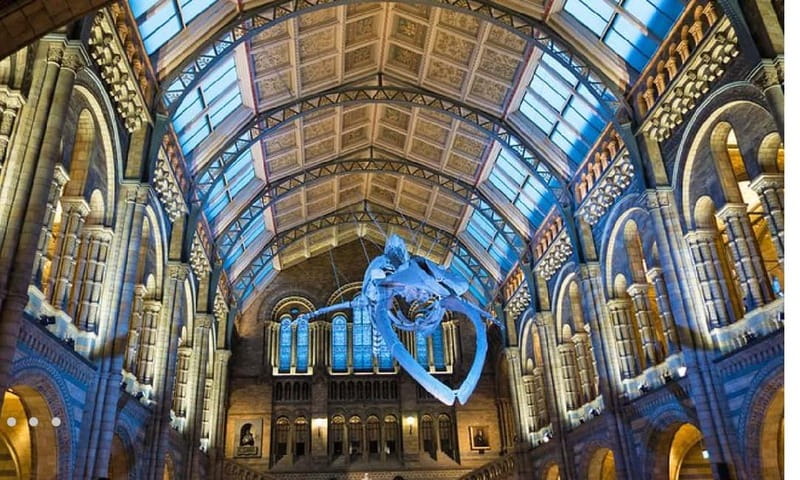
A whale skeleton sets the tone fast. This guided, priority-entry style tour is a smart way to hit the museum’s biggest science moments without getting lost for hours, starting in Hintze Hall.
You’ll see the iconic suspended blue whale skeleton right away, then move through major permanent galleries on dinosaurs, early humans, geology, volcanoes, rare gemstones, and evolution. You also get a stop at the Darwin Centre with views into real research collections and behind-the-scenes work.
What I really like is how the guide turns a giant museum into something you can actually navigate in 90 minutes. I also love the mix of headline exhibits and hands-on tech, including an earthquake simulator, which makes the whole experience feel less like reading panels and more like doing science.
One thing to keep in mind: the tour is short, so you’ll cover only a slice of the museum, not every wing. If you’re hoping for a full-day marathon, you’ll want extra unstructured time after the tour.
In This Review
- Key highlights you’ll care about
- Entering the Natural History Museum: value, pace, and why priority helps
- Meeting outside the Embassy of Venezuela and actually finding the group
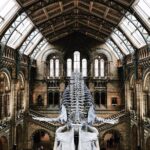
- Hintze Hall: the blue whale skeleton that sets your expectations
- What to look for as you walk in
- Dinosaurs and early humans: a guided path through the loudest wow-factor rooms
- A realistic trade-off
- Earth science in plain English: geology, volcanoes, gemstones, and evolution
- Why this combination works
- Darwin Centre: behind-the-scenes research that changes how you see the galleries
- What to do during this stop
- Hands-on fun: interactive displays and the earthquake simulator
- Noise and crowd reality
- What’s included, what’s not, and how to prep like a pro
- Who this tour suits best (and who might want to plan differently)
- Final call: should you book this guided tour?
- FAQ
- FAQ
- How long is the Natural History Museum guided tour?
- Where do we meet for the tour?
- What’s included in the price?
- What isn’t included?
- Are photos allowed during the tour?
- What should I bring?
- Is the tour refundable if my plans change?
- What about wheelchair accessibility?
Key highlights you’ll care about
- Hintze Hall blue whale: the ceiling-suspended start that helps you orient fast.
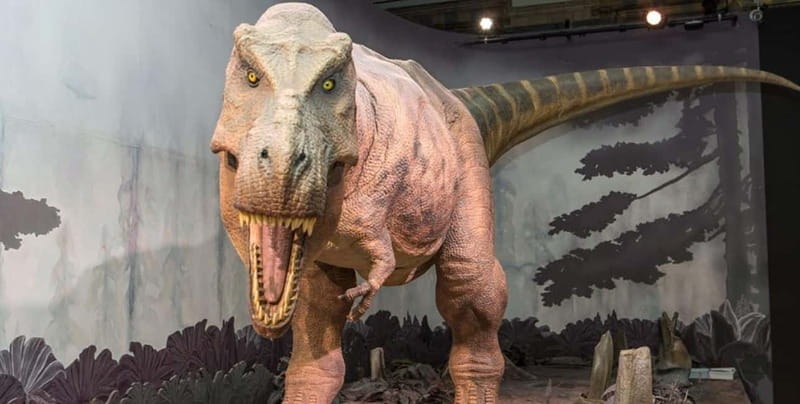
- Animatronic T. rex: a dinosaur moment designed to grab attention quickly.
- Earth stories in one loop: geology, volcanoes, and gemstones with clear connections to the planet.
- Darwin Centre views: behind-the-scenes looks at scientific research and preserved specimens.
- Hands-on science for all ages: interactive displays plus an earthquake simulator.
- Strabo-style pacing: a guide who can explain big concepts clearly while the museum stays loud and busy.
Entering the Natural History Museum: value, pace, and why priority helps
Paying about $33 for a 90-minute guided tour sounds “quick-hit” on paper, but this museum is huge, and time in London is never free. The value here is not just the ticket—it’s the guide’s ability to point you to the best galleries and keep you moving at a museum-friendly pace.
Priority entry is also the practical win. Even when you love museums, queues can drain your energy before you even reach the exhibits. The benefit is simple: you start earlier with less friction, so your first impression is the whale skeleton, not a crowding wall.
The tour is led in English by a live guide from Strabo. That matters because Natural History Museum signage is great, but it can’t replace a human who can link the exhibits together into one story you can follow while you walk.
You can also read our reviews of more guided tours in London
Meeting outside the Embassy of Venezuela and actually finding the group
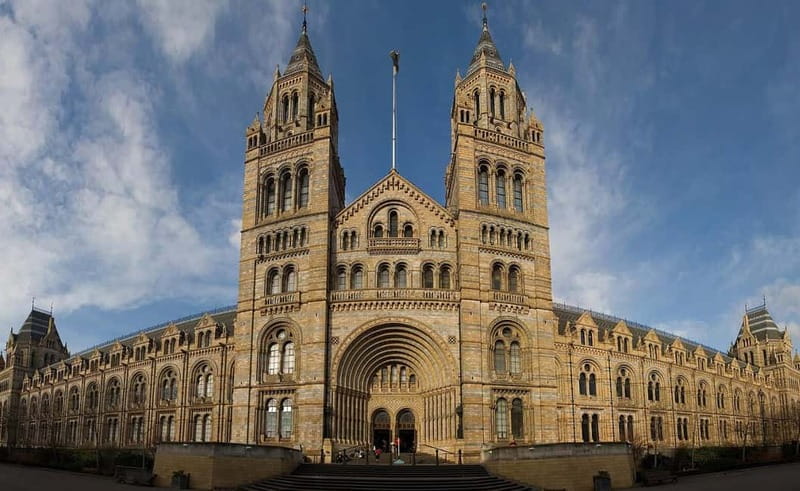
Your meeting point is outside the Embassy of Venezuela, 1 Cromwell Rd, South Kensington, London SW7 2JB. From there, the guide leads you toward the Natural History Museum.
Here’s my practical advice: arrive a bit early and give yourself buffer time around South Kensington streets. One small snag that can happen with meeting points is that directions apps sometimes send people to the wrong stop, especially in busy areas. If your map feels off, ask a nearby staff member or check signage on Cromwell Road rather than wandering.
Wear comfortable shoes. You’ll be walking through crowds and moving between galleries at a guided pace. Bring a camera if you want photos—just note there’s no flash photography.
Hintze Hall: the blue whale skeleton that sets your expectations
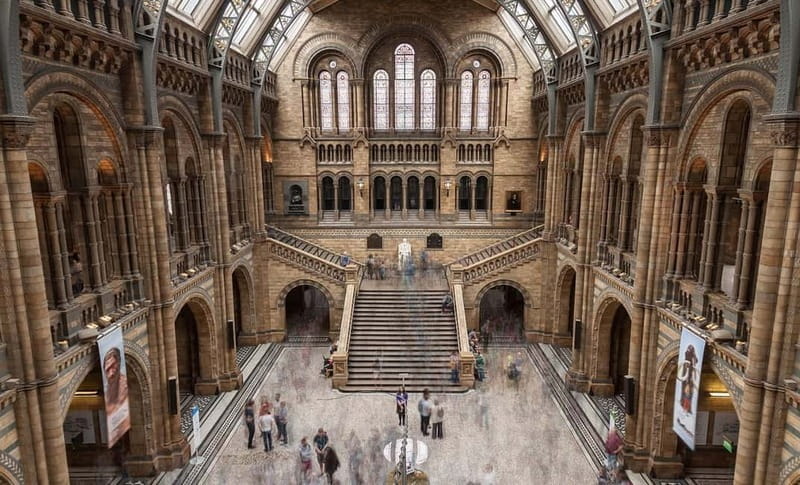
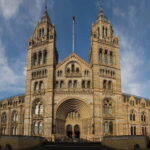
You begin in Hintze Hall, and the very first thing you’ll notice is the iconic blue whale skeleton suspended from the ceiling. It’s not just a wow moment—it’s also a mental anchor. Once you’ve seen it, the rest of the museum makes more sense, because you’re no longer wandering blind.
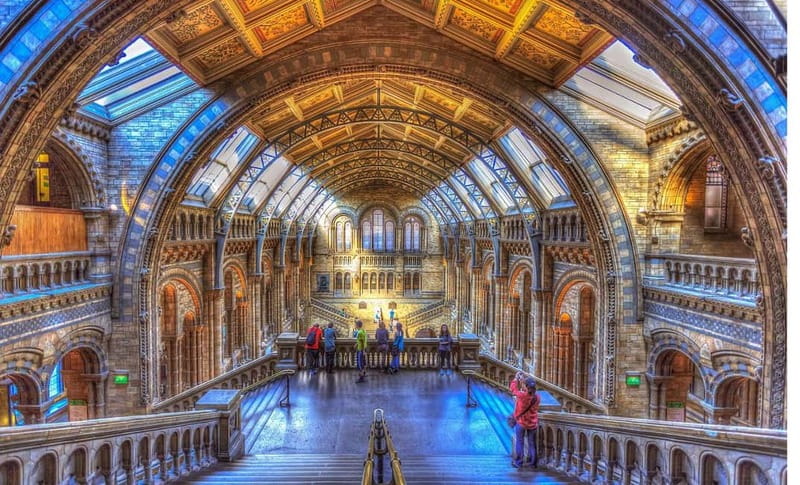
This opening works especially well on a short tour. In 10 minutes, you get the museum’s personality: grand Victorian architecture above you, and big science in front of you. That contrast helps keep attention when the rest of the building starts to feel like “just another gallery.”
What to look for as you walk in
Focus on two things:
- How the skeleton is displayed and how the space frames it
- The way the museum uses themed sections so you can follow the tour route logically
If you’re visiting with kids, this is your easiest win. They can spot it instantly, and then they’ll usually stick with you through the dinosaurs and hands-on exhibits afterward.
Dinosaurs and early humans: a guided path through the loudest wow-factor rooms
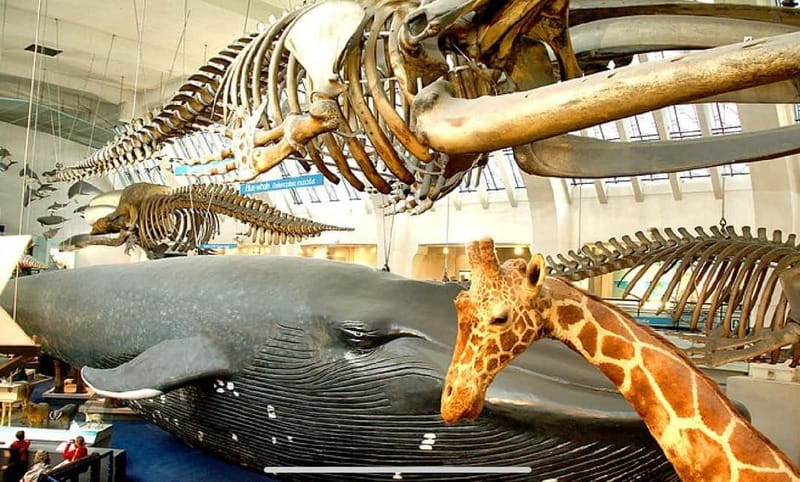
After the whale, you move into themed galleries that cover dinosaurs and early humans. This is where the tour gets playful without losing educational footing.
The dinosaur highlight is a life-sized animatronic T. rex. If you’ve ever watched kids respond to movement and scale, you’ll understand why that matters. It turns a dinosaur exhibit from “big bones” into something you can react to immediately.
You’ll also see exhibits that connect fossils and storytelling to real questions about how Earth’s life changed over time. The early humans portion helps broaden the museum’s usual “just dinosaurs” stereotype by showing how the story of life eventually becomes the story of people.
You can also read our reviews of more historical tours in London
A realistic trade-off
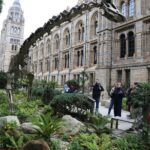
Because the tour is 90 minutes, you don’t get a museum-wide tour of every dinosaur case. You get a curated route through key galleries. That’s good if you want highlights and context quickly, and less good if you’re the type who reads every label and wants time to linger.
Earth science in plain English: geology, volcanoes, gemstones, and evolution
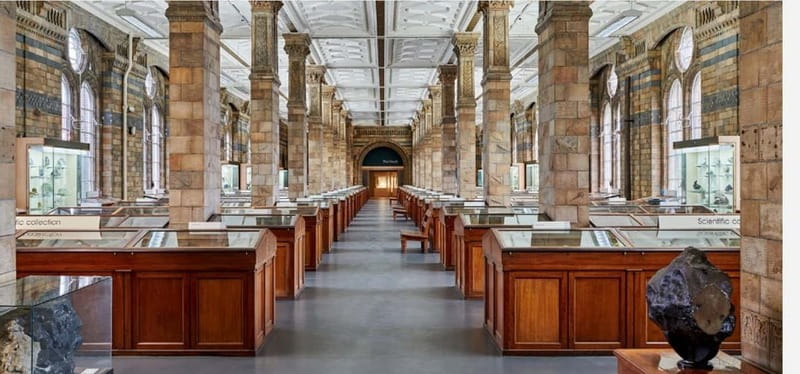
One of my favorite parts of this tour format is that it doesn’t treat “science” as one subject. It treats the Earth like a system: rocks and volcanoes shape environments; environments shape life; life changes over time.
In the geology and volcano areas, you’ll learn about the planet’s processes—what volcanoes do, why Earth’s geology matters, and how those forces connect to the long timeline you’ll see across evolution exhibits. You’ll also cover rare gemstones, which can feel like pure beauty until you understand the science behind mineral formation.
Then the tour transitions into evolution themes, including mammals and early humans. The goal isn’t to make you memorize a family tree. It’s to help you see the connections between fossil evidence, environmental change, and how scientists interpret evolutionary history.
Why this combination works
Most museum visits go one of two ways:
- You focus on one topic and miss the “big picture”
- You rush and miss the “why it matters”
This guided structure tries to do both topics while keeping the story moving.
Darwin Centre: behind-the-scenes research that changes how you see the galleries
A standout stop is the Darwin Centre, where you get behind-the-scenes views of scientific research and preserved specimens. This is the part that can quietly reframe your entire visit.
In the main galleries, you see finished displays. At the Darwin Centre, you’re closer to the idea that science is ongoing: researchers study specimens, collections are preserved for future work, and interpretation changes as methods improve.
Even if you’re not a science nerd, this section adds value because it explains the museum as a living lab, not only a warehouse of artifacts. You’ll also likely notice the difference between objects you can glance at and objects you understand more deeply once you know they’re part of a research workflow.
What to do during this stop
Give yourself permission to slow down just a little. The Darwin Centre style is often less about one huge crowd-stopping exhibit and more about careful looking. Even on a tight schedule, that slower pace can make the tour feel richer.
Hands-on fun: interactive displays and the earthquake simulator
Natural History Museum exhibits can be impressive but still feel like you’re “reading at a distance.” This tour adds interactive moments so the learning sticks better.
You’ll see interactive displays suited for all ages, plus an earthquake simulator. The simulator is exactly the type of exhibit that gives instant understanding: you can feel the idea of seismic movement instead of just hearing about it.
This is also where the tour can be especially good for mixed groups. If you’ve got adults who love science and kids who get bored fast, interactive exhibits help everyone participate at the same time.
Noise and crowd reality
Because the museum is popular, it can get noisy. A guided tour helps because you can still follow the explanation over the chaos. If you’re sensitive to sound, bring patience and plan on moving with the group rather than trying to stop every second to take photos.
What’s included, what’s not, and how to prep like a pro
Here’s the clean breakdown of what you’re getting:
- Entrance to the Natural History Museum
- Access to permanent exhibitions
- A tour guide live in English
Not included: special exhibition tickets. So if you want temporary exhibits on top of permanent galleries, you’ll need separate tickets.
Practical prep:
- Bring comfortable shoes
- Bring a camera (and remember: no flash photography)
- Bring water
And one important note to be careful about: the provided info includes wheelchair accessibility, but it also lists not suitable for wheelchair users. That conflict means you should verify fit with the operator before booking, especially if mobility needs are a factor.
Who this tour suits best (and who might want to plan differently)
This tour is best for you if:
- You want the museum’s big-name science highlights in a short time
- You’d rather follow a guide’s path than make choices under pressure
- You like learning through a mix of exhibits and hands-on moments
- You’re traveling with kids and need momentum
You might want a different plan if:
- You want to spend a long time deep-reading every gallery
- You’re the kind of visitor who prefers a fully self-guided pace
- Your mobility needs require extra certainty (because accessibility details conflict in the info)
Final call: should you book this guided tour?
If your goal is to experience the Natural History Museum’s core stories—blue whale, dinosaurs, Earth science, and Darwin Centre research—this tour is a smart use of time. For the price, you’re buying a guide-led route that helps you see the best parts without losing half the day to wandering.
Book it if you want a focused, friendly walkthrough with real context, guided by Strabo (with clear, approachable explanations and a good sense of humor in the style you’ll likely recognize). Skip or rethink if you’re aiming for full museum coverage, since 90 minutes means only a slice of the galleries.
FAQ
FAQ
How long is the Natural History Museum guided tour?
The tour lasts 90 minutes.
Where do we meet for the tour?
You meet outside the Embassy of Venezuela, 1 Cromwell Rd, South Kensington, London SW7 2JB, and then walk toward the Natural History Museum.
What’s included in the price?
The tour includes museum entrance, access to permanent exhibitions, and a live English-speaking tour guide.
What isn’t included?
Special exhibitions require separate tickets.
Are photos allowed during the tour?
You can bring a camera, but flash photography is not allowed.
What should I bring?
Bring comfortable shoes, a camera, and water.
Is the tour refundable if my plans change?
Free cancellation is available up to 24 hours in advance for a full refund.
What about wheelchair accessibility?
The details provided include wheelchair accessibility, but it also notes not suitable for wheelchair users. You should confirm with the operator before booking.