REVIEW · LONDON
London: Natural History Museum Guided Tour
Book on GetYourGuide →Operated by Babylon Tours London · Bookable on GetYourGuide
Dinosaurs and skull cups in the same museum. This London Natural History Museum guided tour turns the big, intimidating collection into a clear route through standout items, from Iguanodon teeth to a close look at a Dodo skeleton. You’ll also meet the famous characters the museum is known for, like Sophie the Stegosaurus, along the way.
I love the way the tour connects science to real objects you can actually see, not just read about. You’ll get a guide who keeps the pace tight and the meaning clear, so you come away with the museum’s story in your head. One thing to consider: London museums can occasionally close without warning, and if the delay is more than 1 hour from your start time, a refund isn’t offered.
In This Review
- Key things you’ll notice
- Entering the Natural History Museum: how a 2.5-hour route helps
- Fossils and the dinosaur-to-bird story: Iguanodon, Dodo, and Archaeopteryx
- The awe factor: Cursed Amethyst and a giant slice of sequoia
- Pompeii casts and the strange science of human remains
- Darwin’s first edition: why the ending feels earned
- Price and value: what you’re really paying for ($112)
- How the guides shape your experience (Ivo, Guy V., Matilda, and more)
- Small groups, practical rules, and timing reality
- Who should book this Natural History Museum tour?
- Should you book it?
- FAQ
- How long is the London Natural History Museum guided tour?
- How much does it cost?
- Is there a skip-the-line option?
- What group size should I expect?
- Does the tour include food or drinks?
- Do I need ID?
- Are temporary exhibits included?
- Is hotel pickup or drop-off included?
- Is this tour wheelchair accessible?
- What items are not allowed inside the museum?
Key things you’ll notice
- Iguanodon teeth fossils: small fragments that explain whole prehistoric worlds
- Dodo skeleton: one of the most hauntingly famous exhibits
- Archaeopteryx: the bird-and-dinosaur in-between that people argue about
- Pompeii casts: human tragedy turned into plaster, motion, and detail
- Darwin’s first edition of On the Origin of Species: a rare chance to see the milestone in context
Entering the Natural History Museum: how a 2.5-hour route helps
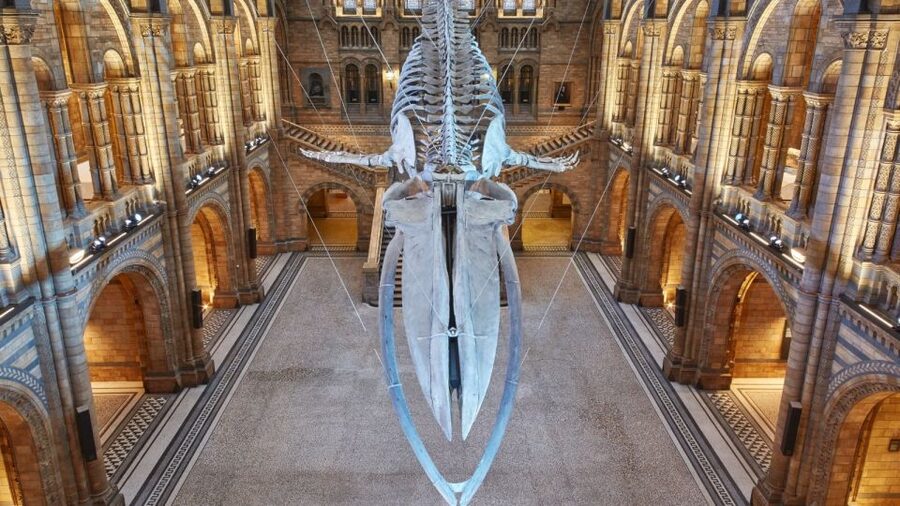
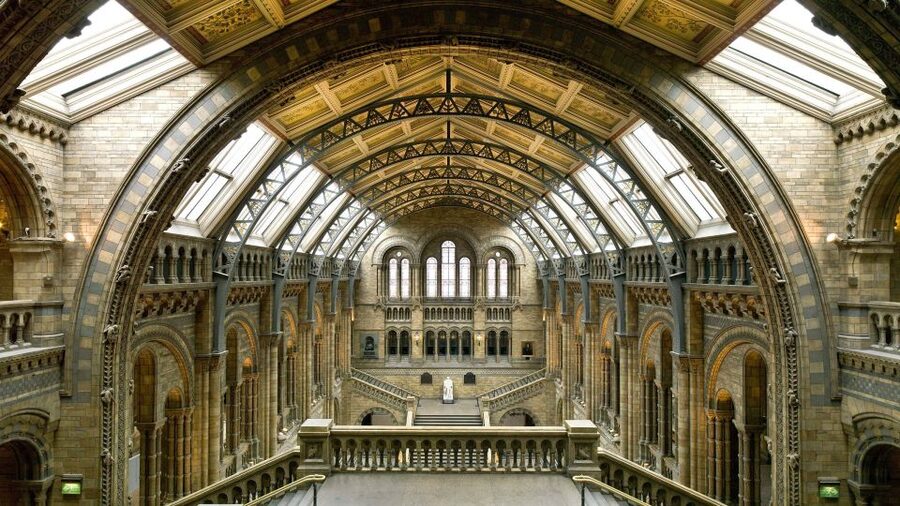
If you’ve ever walked into a major museum and felt your brain hit a wall, this tour is the fix. The Natural History Museum is famous for having an overwhelming amount of stuff—80 million specimens, spread across galleries that feel like a science-fiction maze. A guided route matters because it helps you choose what to look at, instead of drifting until you’re too tired to care.
This is a 2.5-hour guided experience, offered daily, in English. There are private and small-group options, with group tours capped at 8 guests maximum. You’ll also get skip the ticket line, which is a practical win in a place that can draw crowds even when you’re not trying.
One more detail that matters: this tour is not just about “cool objects.” It’s about tracing the story from the earth’s beginnings to the dawn of our species. That theme keeps the tour from feeling like a random highlight reel. You’ll still see wow-factor exhibits, but they connect to a larger narrative—geology, evolution, and how we understand life through evidence.
You can also read our reviews of more guided tours in London
Fossils and the dinosaur-to-bird story: Iguanodon, Dodo, and Archaeopteryx
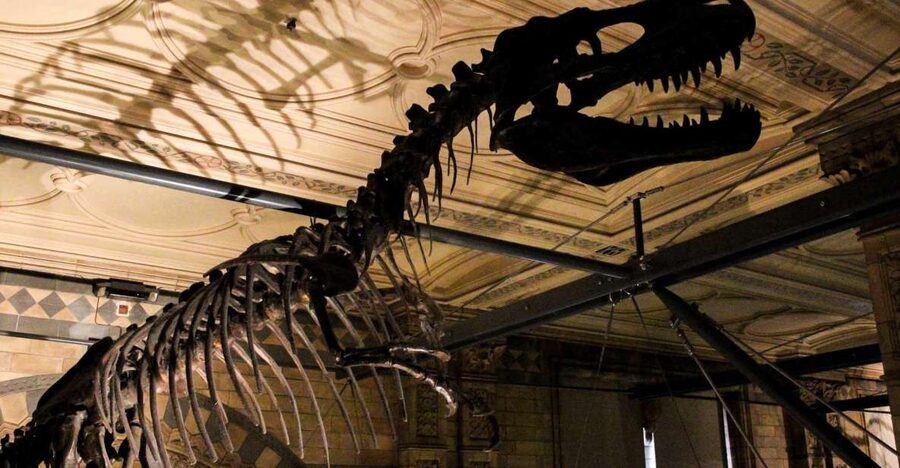
The tour’s fossil focus is where it feels most alive. You start with prehistoric clues like Iguanodon teeth fossils. Teeth are a great example of why museums rule: they’re small, but they’re packed with information about diet, ecosystems, and how scientists reconstruct animals you can’t possibly see any other way.
Then you get the emotional punch of a Dodo skeleton. The dodo story is short, tragic, and easy to understand once you’re standing near the bones. A guide helps you put it in the bigger frame—how quickly human impact can erase a species—without turning it into a lecture.
Next comes Archaeopteryx, the legendary “missing link” people associate with the dinosaur-to-bird transition. The tour describes it as an alleged link, and I like that wording because it signals the honest reality of science: nature doesn’t hand us neat answers. You’ll see why archaeopteryx is such a magnet for questions about wings, feathers, and evolution.
Also, expect a guide to weave in recognizable museum icons, like Sophie the Stegosaurus, so the fossils feel less like distant history and more like characters in an evolving story. One of the strongest things I took from guides in this series (based on how different guides are praised) is that they explain the “why” in plain language. That’s especially important with kids, but it helps adults too.
Practical note: there’s a small amount of walking. This isn’t a marathon through the whole museum, but you should still wear comfortable shoes and be ready to stand and look closely for stretches.
The awe factor: Cursed Amethyst and a giant slice of sequoia
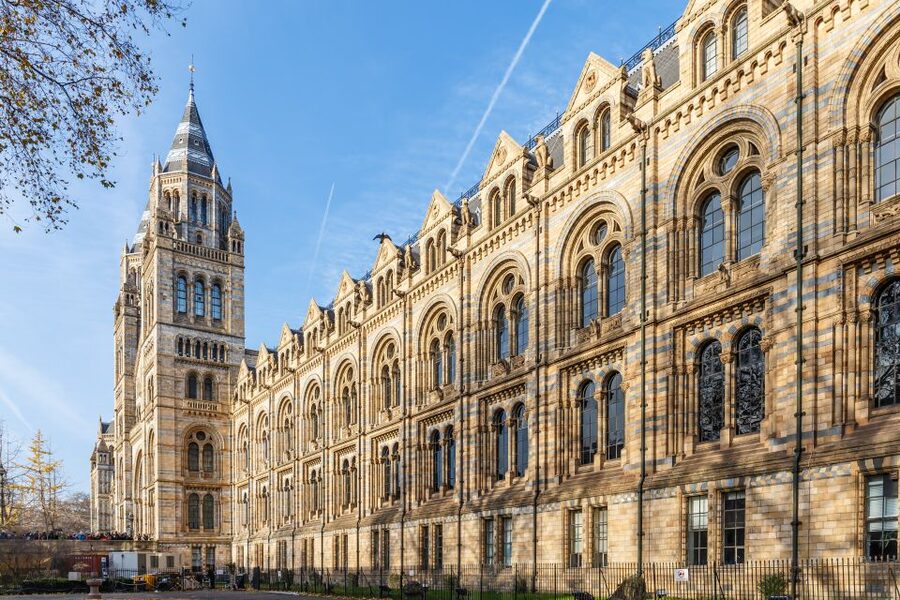
Some tours rush past the objects that are meant to make you stop. This one includes “stop-and-stare” moments on purpose.
One is the Cursed Amethyst—yes, the name sounds like a movie prop, but it’s really a chance to talk about geology, gemstones, and how humans turn natural material into folklore. Even if you don’t care about the curse part, you’ll likely care about what makes the crystal look the way it does and how mineral structure connects to color and formation.
Another is an enormous slice of a Giant Sequoia tree. It’s hard not to feel small in front of something that old and so physically present. This stop also balances the fossil heavy portion of the tour. Instead of talking about life forms from deep time, you get a reminder that nature’s story includes slow growth on land—rings, layers, and the long patience of ecosystems.
These stops are a strong reason to take the guided version instead of wandering. A guide doesn’t just point. They tell you what to notice. With crystal or wood, that difference is huge. Without guidance, you can end up staring at a label instead of the object itself.
Pompeii casts and the strange science of human remains
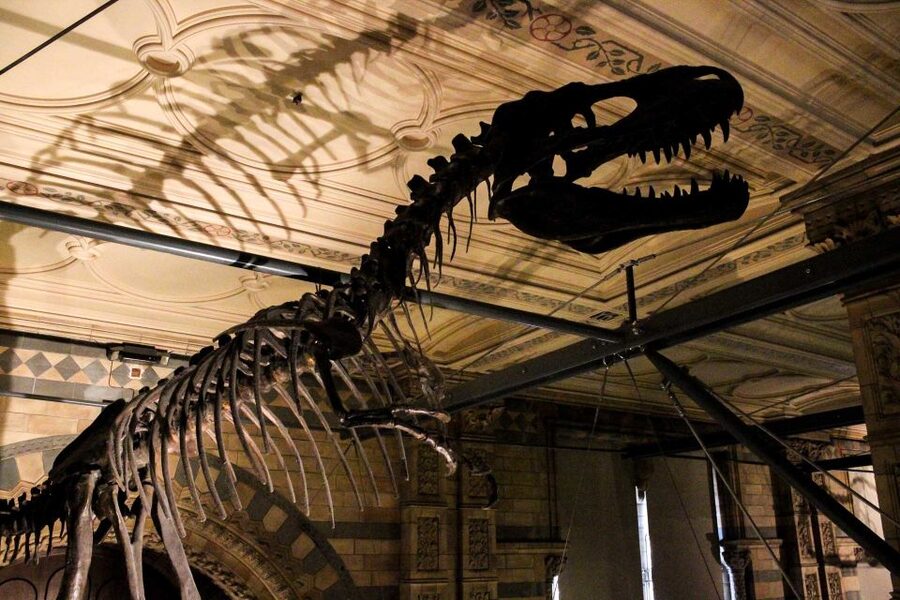
Then you hit the portion that makes you feel the weight of history. The tour includes casts of victims from the volcanic disaster at Pompeii—and those casts aren’t just spooky. They’re a technical record of a moment in time. Plaster replicas preserve posture, clothing textures, and the shape of human presence when the original context was erased.
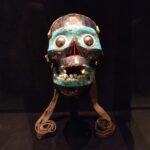
It’s also where the museum’s more unusual “did they really do that?” exhibits can show up. The tour mentions the display of civilizations using human skulls as drinking glasses. That’s not something you forget, and it’s exactly the kind of material a good guide handles with care. The point isn’t shock for shock’s sake. It’s about how objects can change meaning across time—science, status, ritual, and the uneasy line between study and spectacle.
If you’re traveling with kids, this is likely the stop they remember for years. It’s also where you’ll appreciate a guide who can explain carefully without turning it into a creep-fest. In the guide feedback for this tour, people repeatedly mention how guides balance the serious parts with questions from children, and keep the experience moving so nobody gets bored or overwhelmed.
Darwin’s first edition: why the ending feels earned
Toward the end, you get a literary anchor: a first edition of On the Origin of Species. It’s the kind of object that seems simple on the surface—you see a book, you move on. But in a tour themed from earth beginnings to the dawn of our species, that book becomes the payoff.
Here’s why this matters for you: fossils and specimens show evidence. A first edition of Darwin shows how evidence became argument. It turns the museum from a collection of curiosities into a story about how humans built the modern idea of evolution.
A guide’s job here is to keep it from becoming a history-of-science lecture. The best version of this stop is when you understand why a text like this matters right now—why we still look for patterns in variation and why fossils and living organisms both feed the same scientific question.
It’s also a great moment to slow down. By the time you reach this exhibit, you’ve already been trained to look: teeth, bones, impressions, and mineral and plant material. So the book doesn’t feel disconnected. It feels like the last piece of a puzzle you can finally name.
You can also read our reviews of more historical tours in London

Price and value: what you’re really paying for ($112)
At $112 per person for 2.5 hours, this isn’t a “cheap add-on.” But it also isn’t just paying for a museum ticket plus a person talking. You’re paying for three things that protect your time and improve your results:
First, you’re getting a professional art historian guide. A guide with museum training tends to point you at the right details—how to read an object visually, and how to connect exhibits to a bigger theme.
Second, you get skip the ticket line. In a museum this busy, that’s real value. Time saved is energy saved, and energy saved is the difference between enjoying the highlights and feeling like you spent the morning in a queue.
Third, you get a human filter. The Natural History Museum is huge, and most people don’t want to spend half a day deciding where to go. This tour highlights the best-known exhibits tied to the earth-to-evolution theme, so you walk out with the museum’s core story, not just a few random photos.
What you don’t get: temporary exhibits, food and drinks, and hotel pickup/drop-off. If you’re hungry, you’ll need to plan ahead. If you’re relying on hotel transport, you’ll need another plan for getting there.
How the guides shape your experience (Ivo, Guy V., Matilda, and more)
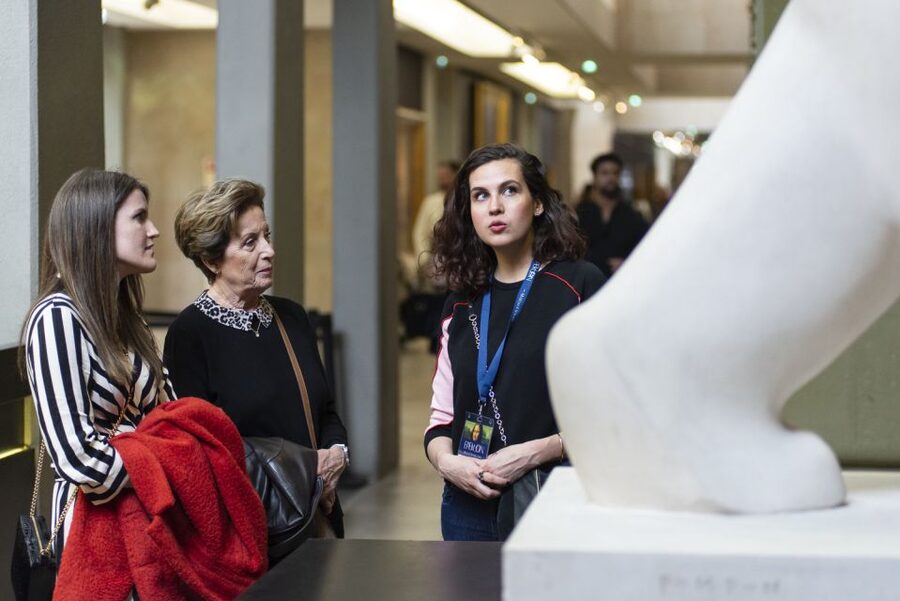
The loudest praise in the feedback is about the guides. Different names show up often, but the pattern is the same: guides are clear, friendly, and good at explaining the big picture without drowning you in jargon.
You’ll see guides like Ivo, Guy V., Matilda, Laurence, Sacha, Luis, and Becky mentioned for making the tour feel fun and structured. People specifically call out things like how the guide involves kids, listens to questions patiently, and keeps adults interested too. One comment even notes that the tour lasted exactly 2.5 hours, which matters because pacing is part of why this format works.
If you’re bringing teenagers, you’ll appreciate guides who can handle both curiosity and skepticism. If you’re bringing younger kids, you’ll appreciate guides who can translate fossils and evolution into kid-level questions without flattening the science.
This is also why the “professional art historian guide” detail matters. Even when the content is science-heavy, museum-trained guides are often strong at helping you notice visual clues: what’s preserved, what’s missing, and why certain artifacts become cultural icons.
Small groups, practical rules, and timing reality
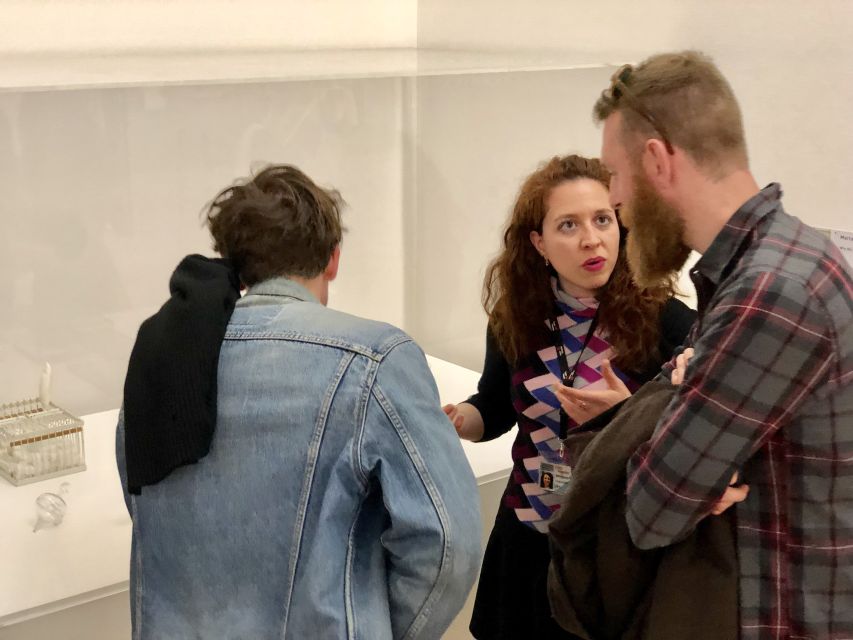
This tour runs daily and offers private or small-group options. For group tours, there’s a minimum of 2 guests needed to run. If that minimum isn’t met, you’ll get an alternative date or a full refund.
Group size matters. With a max of 8 guests, you can actually hear answers and keep up with the pace. This also tends to make questions easier, which helps if you’re the kind of person who can’t stop thinking of follow-ups.
A few on-the-ground rules you should plan for:
- Bring a passport or ID card.
- No luggage or large bags inside. Only smaller bags are allowed through security.
- There’s some walking, so comfortable shoes are smart.
- Museum closures can happen. If the museum opening is delayed by more than 1 hour from your tour starting time, an alternative will be provided but a refund isn’t offered.
Also, the meeting point may vary depending on the option booked. You’ll want to confirm it right after you book, then give yourself buffer time to get through security.
Who should book this Natural History Museum tour?
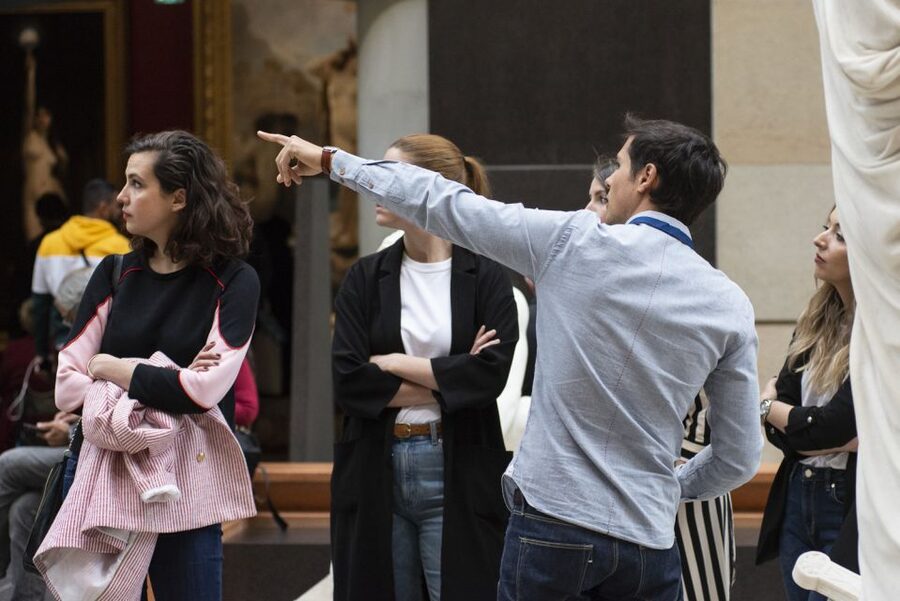
I think this tour is a strong fit if any of these are you:
- You’re visiting the Natural History Museum for the first time and want a guided route that makes sense fast.
- You want top exhibits like Iguanodon, Dodo, Archaeopteryx, Pompeii casts, and Darwin’s first edition without spending days researching which rooms matter.
- You’re traveling with kids and want a guide who can handle questions without losing the adults.
- You’d rather pay for clarity than risk spending your precious London time getting lost in museum corridors.
It may not be ideal if you want a slow, self-directed museum wander with long stops at every room. This tour is designed to cover a lot in 2.5 hours, so it’s more “best-of with context” than “hour-by-hour free exploration.”
Also, this experience is noted as not suitable for wheelchair users, though wheelchair tours are available upon request only as a private tour. If accessibility is a priority, plan for a private option and ask before you go.
Should you book it?
Yes, I’d book this if you want the Natural History Museum to feel like a story you can follow. For $112, you’re buying time saved, highlights chosen for you, and guides who consistently get praised for clear explanations and good pacing—especially with mixed-age groups.
Skip it if you already know the museum layout, you love wandering at your own speed, or you strongly need total flexibility at short notice because of possible museum closures. But if you want a focused route through fossil wonders, evolution’s famous arguments, and the jaw-dropping Pompeii casts, this guided tour is a very practical way to get your bearings and then keep enjoying London.
FAQ
How long is the London Natural History Museum guided tour?
The tour lasts 2.5 hours.
How much does it cost?
It costs $112 per person.
Is there a skip-the-line option?
Yes, this tour includes skip the ticket line.
What group size should I expect?
Group tours run with up to 8 guests maximum. Private options are also available.
Does the tour include food or drinks?
No. Food and drinks are not included.
Do I need ID?
Yes. You should bring a passport or ID card.
Are temporary exhibits included?
No. Temporary exhibits are not included.
Is hotel pickup or drop-off included?
No. Hotel pickup and drop-off are not included.
Is this tour wheelchair accessible?
This experience is listed as not suitable for wheelchair users. Wheelchair tours are available on request only and only as a private tour.
What items are not allowed inside the museum?
Luggage or large bags are not allowed. You can only bring handbags or small, thin bag packs through security.