REVIEW · CAIRO
Cairo 8 Hour Private Tour Giza Pyramids, Egyptian Museum & Bazaar
Book on Viator →Operated by Hesham Egypt tour guide · Bookable on Viator
The pyramids feel unreal, even on a schedule. This private 8-hour tour strings together Cairo’s top museum stop with the Giza Plateau and ends in the markets for easy souvenir shopping. I like that you’re not doing this hopscotch style on public transport, and I also like that the museum time is aimed right at the highlights, including King Tut.
One thing to keep in mind: key sights charge extra. Museum and pyramid entrance fees are not included, and even inside the museum you may need an additional ticket for the mummy room.
In This Review
- What you really get from this tour
- Key things worth knowing before you go
- Private pickup, private car, and an 8-hour rhythm that works
- The Egyptian Museum stop: King Tut and the rooms you’ll actually remember
- Timing reality: you’ll need your focus
- The mummy room extra ticket: plan for it
- Giza Pyramids: three pyramids, a viewpoint, and the one place you can’t fake
- The Great Pyramid of Khufu: why it’s the star
- Khafre’s and Menkaure’s pyramids: quick, but still worth it
- A note on entrance fees
- The Great Sphinx: a quick stop with big impact
- Khan el-Khalili and bazaar shopping: bargaining, souvenirs, and not getting stuck
- What to expect when buying souvenirs
- Lunch break: optional, so choose your style
- Value and cost: why $19 can be a good deal, and where you must budget extra
- How the private guide really changes the day
- Who should book this tour (and who might not love it)
- Should you book this private Cairo 8-hour tour?
- FAQ
- Is this a private tour or a group tour?
- How long is the tour?
- What does the tour include?
- Are entrance fees included for the museum and pyramids?
- Does the tour include the King Tut exhibit?
- Is the mummy room included?
- Do I need a ticket for the Great Sphinx?
- Is lunch included?
- Are there extra charges for some hotels or airports?
- What is the cancellation policy?
What you really get from this tour
You start with a pickup and bottled water, then move through Cairo and Giza by private air-conditioned car or van with your guide. You’ll get a classic overview of the Great Pyramid area—plus a viewpoint for seeing the broader Giza skyline—before closing your day with bazaar shopping for silver, papyrus, and perfume.
There’s also an optional lunch break, but it isn’t included—so if you want a full meal, budget a bit extra on the spot.
Key things worth knowing before you go
- Hotel pickup and drop-off save you time in a city that doesn’t love rushing.
- King Tut-focused museum visit centers your day on the most famous rooms.
- Giza viewpoint time helps you understand the layout, not just the single pyramid.
- Entrance fees aren’t included, so plan for paid tickets and possible add-on tickets.
- Souk/bazaar stop is built in for practical souvenir shopping and bargaining practice.
You can also read our reviews of more private tours in Cairo

Private pickup, private car, and an 8-hour rhythm that works
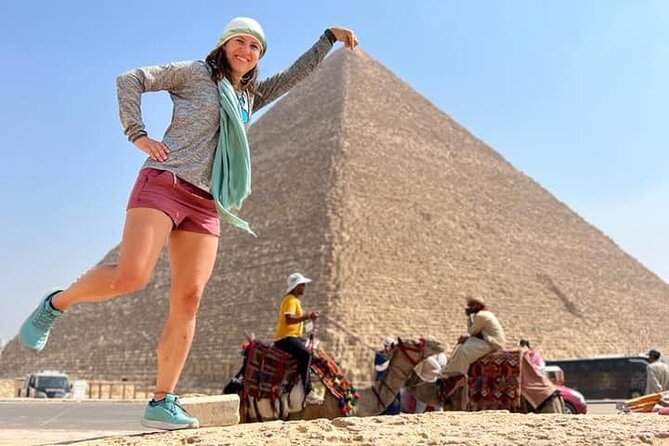
This is built for people who want “Cairo highlights” without wasting half the day figuring out routes, tickets, and timing. You meet your guide in the morning (8:00 am is the stated start), and your day runs until about 4:00 pm. In other words, it’s long enough to feel satisfying, but short enough that you’re not dragging yourself around on pure exhaustion.
The ride part matters. Getting from central Cairo to Giza is easier when you’re in a private air-conditioned vehicle rather than stitching together stops. You also get bottled water, which sounds small until you’re out in the sun and you suddenly care a lot.
One more practical note: if you’re staying farther out—NASR City, 6th Oct City, or New Settlement area—there’s an additional $30 charge mentioned. If you’re unsure, check where your hotel sits before you lock it in.
The Egyptian Museum stop: King Tut and the rooms you’ll actually remember
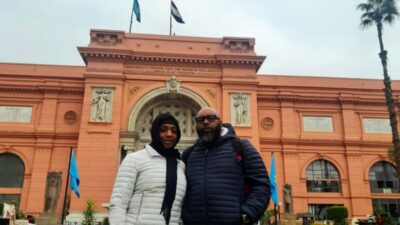
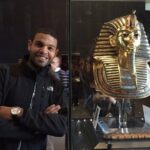
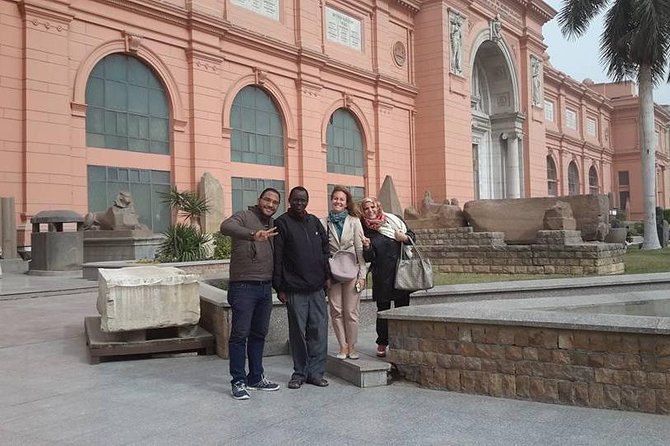
Your first big checkpoint is the Egyptian Museum in Cairo. This is where the tour earns its reputation for a tight focus. You’re set up to see a lot in a limited time, starting with the most famous draw: the King Tutankhamun collection.
The highlights you can expect to target include the Treasury of King Tutankhamun (Ankhamon) and the museum’s well-known mummy and ancient artifact areas. The day also references the museum’s large number of pieces—more than 100,000—so the point isn’t to “see everything.” The point is to prioritize the rooms people come to Cairo for and understand what you’re looking at while you’re there.
Timing reality: you’ll need your focus
A museum day can sprawl fast. The good news here is your time is framed around the museum’s top sections rather than a generic walk-through. Still, wear comfortable shoes and keep your patience for crowd pockets. Cairo museums can get busy, and you’ll get more out of the experience if you keep moving between rooms instead of lingering too long in one display.
The mummy room extra ticket: plan for it
The museum includes the mummy room as an add-on: an extra ticket is mentioned. So if you want that part of the experience, don’t assume it’s already bundled into your day. It’s a small cost relative to the overall day, but it can change how long you spend inside.
You can also read our reviews of more museum experiences in Cairo




Giza Pyramids: three pyramids, a viewpoint, and the one place you can’t fake
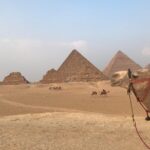
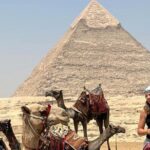
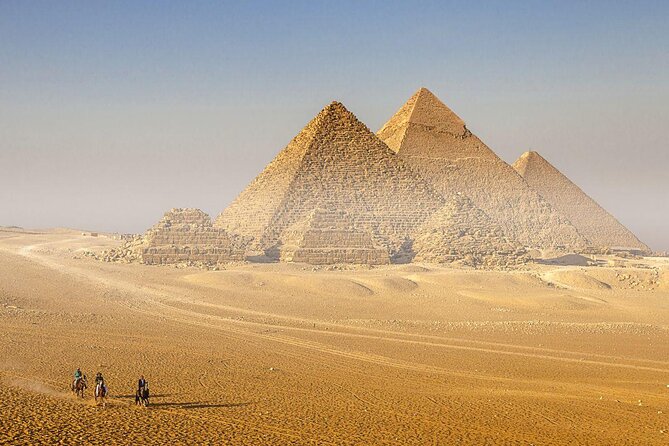
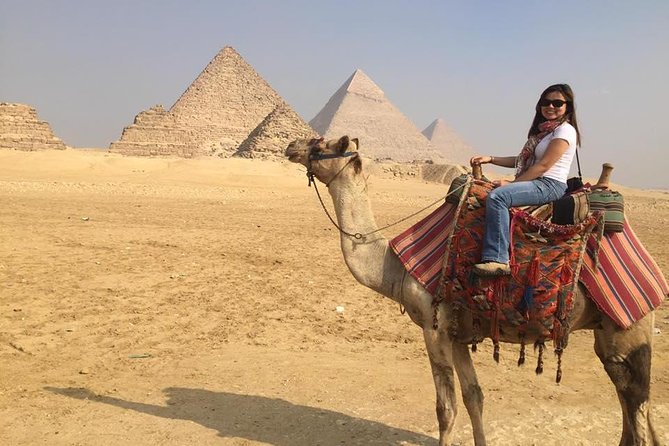
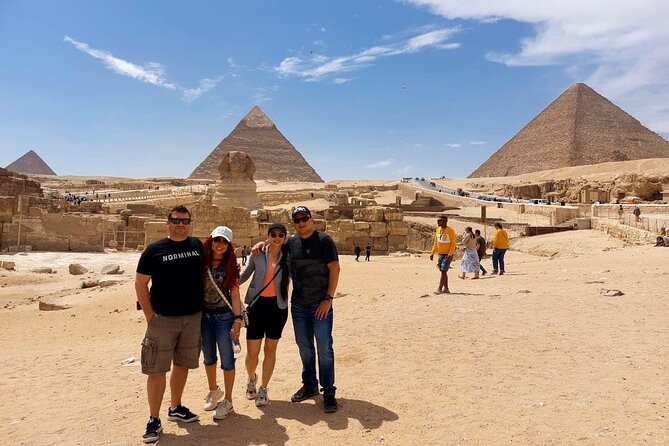
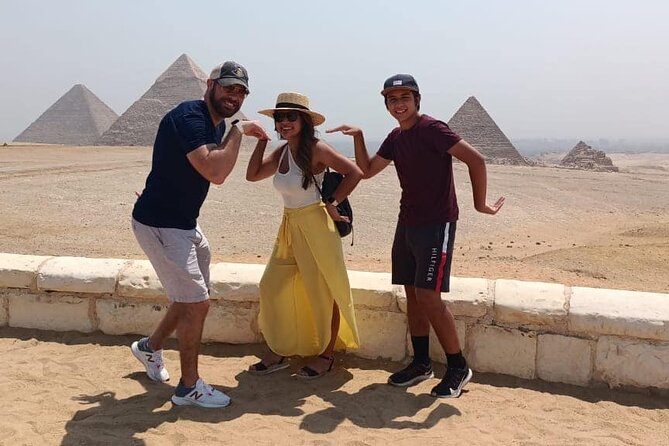
After the museum, you head to Giza for the classic pyramid lineup. This is a straightforward approach: you’ll see the three major pyramids—Khufu (the Great Pyramid), Khafre’s Pyramid, and Menkaure’s Pyramid—then move to a viewpoint for panoramic scenes of the wider Giza complex.
This is one of those places where a guide is genuinely useful, even if you already read a lot. The pyramids look similar until you understand how they relate to each other and why certain angles matter. The viewpoint time helps your brain “connect the dots,” so the whole site feels like a planned ancient complex rather than three isolated monuments.
The Great Pyramid of Khufu: why it’s the star
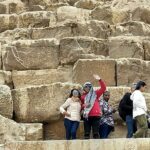
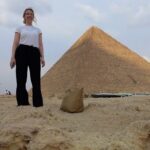
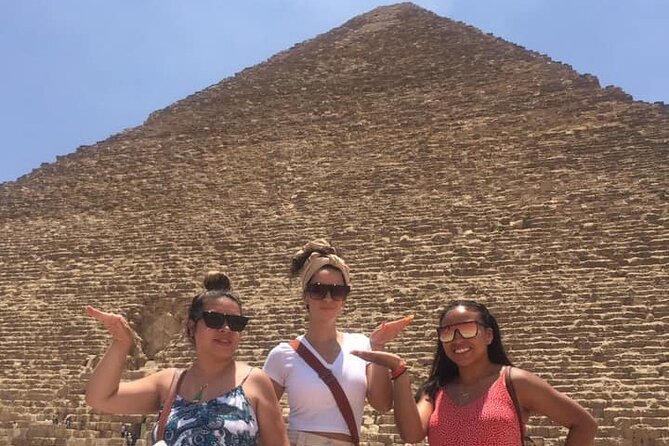
Your stop includes time at the Great Pyramid of Cheops (Khufu), described as the largest pyramid and the tomb of Fourth Dynasty pharaoh Khufu. The tour frames why it’s famous: it’s among the earliest Seven Wonders and largely intact. Even if you’re not chasing dates, those explanations help you appreciate why this site matters.
The on-site time at the individual pyramid stops is short (around 20 minutes each is mentioned), so think of these as focused “see it, understand it, move on” moments. If you want long, unhurried wandering inside the complex area, you might find the schedule a bit tight. But if you want the highlights without losing your whole day, the pacing is solid.
Khafre’s and Menkaure’s pyramids: quick, but still worth it
Khafre’s and Menkaure’s pyramids are included as separate stops. You get brief time at each to keep the main lineup complete and to let your guide point out key differences. Menkaure’s is identified as the smaller of the three main pyramids, and Khafre’s is included as part of the classic trio you came for.
A note on entrance fees
Entrance fees are not included for the major pyramid components. That means you’ll want to carry a budget for tickets on the day. It’s common in Egypt to pay separate tickets for specific areas, and this tour follows that real-world structure: you’re paying for access, while the tour price covers the private movement and guided flow.
The Great Sphinx: a quick stop with big impact
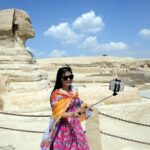
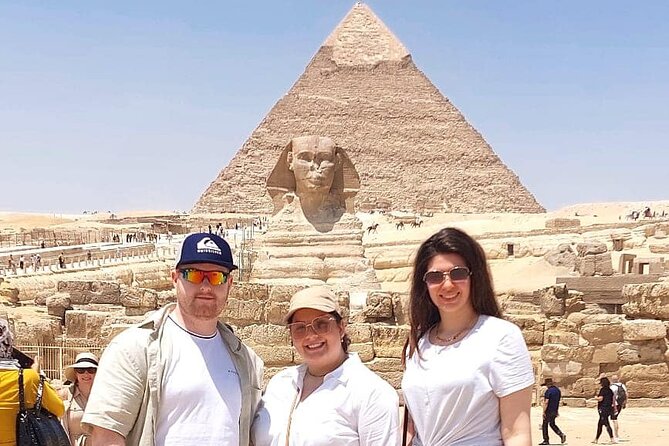
The final major monument stop is the Great Sphinx. In the tour description, a sphinx is explained in terms of its mythic form—human head and lion body, with variations tied to different traditions. The practical value here is that even a brief explanation helps you look at the Sphinx as a symbol, not just a photo backdrop.
Time at the Sphinx is brief (about 15 minutes is listed), but the key detail for planning is that the Sphinx admission is marked as free in the tour info. So you’ll likely spend less time thinking about tickets here and more time focusing on photos and that first “wow” moment.
Khan el-Khalili and bazaar shopping: bargaining, souvenirs, and not getting stuck
The tour finishes with time in Cairo’s markets—specifically described as the Khan el-Khalili / bazaar experience—with shopping for silver, papyrus, and perfume. This is where you can switch from history mode to everyday Cairo mode.
This part of the day is also where bargaining skills matter. If you’re comfortable negotiating, you’ll enjoy the back-and-forth. If you’re not, focus on setting a budget early and treating shopping time as a controlled stroll rather than an endless negotiation. Your guide can help you navigate the market feel, and the tour gives you a clear finish point so you don’t lose the day to shopping fatigue.
What to expect when buying souvenirs
The tour explicitly mentions silver, papyrus, and perfume, so that’s your souvenir list. Keep your expectations practical: papyrus and perfume can be easy to spot, but quality varies. If something looks suspiciously perfect or priced in a way that doesn’t make sense, you’ll be better off walking to compare instead of forcing a single purchase.
If you want to go home with something you’ll actually use, go for the items you can picture in your suitcase: small perfume bottles, flat papyrus, and silver pieces you can fit and protect.
Lunch break: optional, so choose your style
Lunch is presented as optional. Since it’s not included, you decide whether you want a sit-down meal or a quick bite. If you get hungry, you’ll want to plan ahead and keep your energy for Giza. Egypt’s heat can sneak up on you, and a delayed meal makes the rest of the day feel longer.
If you do choose lunch, keep it simple. You’re on a tight schedule, and you’ll likely value food that’s quick and easy over a long restaurant detour.
Value and cost: why $19 can be a good deal, and where you must budget extra
The headline price is $19 per person, which sounds almost too low for a private day with pickup, drop-off, and a private vehicle. The value here is the logistics: you’re paying for the guided flow, the air-conditioned transport, and the time saved by not coordinating everything yourself.
But the budget math has to be honest. Entrance fees for the Egyptian Museum and the pyramid complex are not included, and the museum mummy room requires an extra ticket. That means your final spend depends on what you choose to enter and whether you add the mummy room.
Also consider optional lunch. And remember the potential additional $30 charge if your hotel is in the listed areas (NASR City, 6th Oct City, and New Settlement area).
So, yes: the base tour price is good value if you’re comfortable paying entrance fees separately. It’s less of a deal if you were hoping everything would be fully bundled and paid in advance.
How the private guide really changes the day
A good guide is the difference between seeing monuments and actually understanding what you’re seeing. The tour is structured so your guide can explain key parts as you go—museum artifacts first, pyramid context next, then the Sphinx and market highlights to wrap up.
I especially like that the museum portion is described as guide-led and highlight-based, not random. And there’s a specific review note tied to the guide experience: Sim was praised for being kind and patient, with explanations that were clear. In practice, that matters because museum names and artifact categories can feel overwhelming unless someone helps you sort what’s important.
Who should book this tour (and who might not love it)
You’ll likely love this tour if you:
- want Cairo’s biggest hits in one day
- prefer a private driver + guide over DIY travel
- enjoy the museum-to-monuments rhythm
- want structured time for bazaar shopping
You might not love it if you:
- want long stays at each pyramid spot and don’t like time limits
- need an entirely ticket-free day (entrance fees and add-on tickets apply)
- dislike shopping stops and would rather spend the full day on museums only
It’s designed to work for most travelers, and the tour’s overall structure suggests it’s built for people who want clarity and efficiency.
Should you book this private Cairo 8-hour tour?
If your goal is Cairo highlights—Egyptian Museum (including King Tut), Giza pyramids, the Sphinx, and a market finish—this is a smart way to do it. The private pickup and air-conditioned car help you spend your energy on the sights, not on getting around.
Book it if you’re okay paying entrance fees separately and you want a clear, guided path through the day. Skip it or adjust expectations if you’re the type who wants to wander without any schedule at all.
FAQ
Is this a private tour or a group tour?
It’s a private tour/activity. Only your group will participate.
How long is the tour?
The duration is listed as about 8 hours, typically from 8 am to 4 pm.
What does the tour include?
It includes hotel pick-up and drop-off, private transportation (private vehicle), bottled water, taxes/fees/handling, and a private guided experience. A mobile ticket is also included.
Are entrance fees included for the museum and pyramids?
No. Entrance tickets are not included. The tour notes that entrance fees are at your expense.
Does the tour include the King Tut exhibit?
Yes. The museum time is focused on the King Tutankhamun (Ankhamon) treasury and the King Tut exhibit.
Is the mummy room included?
The mummy room requires an extra ticket to enter, even though the museum stop is included in the day.
Do I need a ticket for the Great Sphinx?
The tour info marks the Sphinx admission as free.
Is lunch included?
Lunch is optional. It is not included as part of the tour price.
Are there extra charges for some hotels or airports?
Yes. There’s an additional $30 charge noted for airport & hotels within NASR City, 6th Oct City, and New Settlement area.
What is the cancellation policy?
Free cancellation is available up to 24 hours in advance for a full refund. If you cancel less than 24 hours before the start time, no refund is provided.