REVIEW · CAIRO
Full day Tour to Giza Pyramids and the Egyptian Museum
Book on Viator →Operated by Adoro viajar a Egipto · Bookable on Viator
Cairo’s past feels close-up and personal. This full-day outing strings together the Giza Pyramids and the Egyptian Museum with an Egyptologist guide, so the landmarks feel less like a checklist and more like a story you can follow.
What I like most is the guide-led context at Giza, plus the way support from the guide helps you feel calm and taken care of.
At Giza, I especially appreciated learning the connections the day covers, from the Cheops/Chephren/Mykerinos complex down to the Valley Temple details and the Sphinx’s link to Chephren. I also like that guides such as Ibrahim can work with different language needs, including Spanish and Portuguese, which matters when you’re trying to keep kids engaged or you want the history explained clearly.
One thing to plan for: entry fees are extra for both the pyramids complex and the museum (while the Sphinx area is listed as free), and you’ll also want to budget for recommended tips. If you dislike spending time on optional add-ons, keep your head and stick to what you planned.
In This Review
- Key highlights worth aiming for
- How the day runs: pickup, 5 to 7 hours, and three focused stops
- Giza Pyramids and Valley Temple: Cheops, Chephren, Mykerinos in real order
- The Valley Temple stop is the “make it make sense” part
- What can feel challenging here
- Getting your best Sphinx moments in about 30 minutes
- The practical tip: treat it like a short photo session with a purpose
- The Egyptian Museum in Tahrir Square: King Tut and a guided highlight loop
- Why this museum timing actually works
- The possible drawback
- Price and logistics: what $100 really turns into
- What justifies the price
- A balanced note on spending pressure
- The guide factor: Ibrahim-style reassurance and multilingual help
- Who benefits most from this kind of guiding
- On-the-ground comfort: walking, heat, and staying in control
- Should you book this Giza + Egyptian Museum tour?
- FAQ
- How long is the tour?
- Is pickup included?
- What’s included in the price?
- Are entry fees included for the pyramids and the museum?
- Is the Sphinx admission included?
- Does the tour have a group limit?
- What happens if weather is bad?
Key highlights worth aiming for
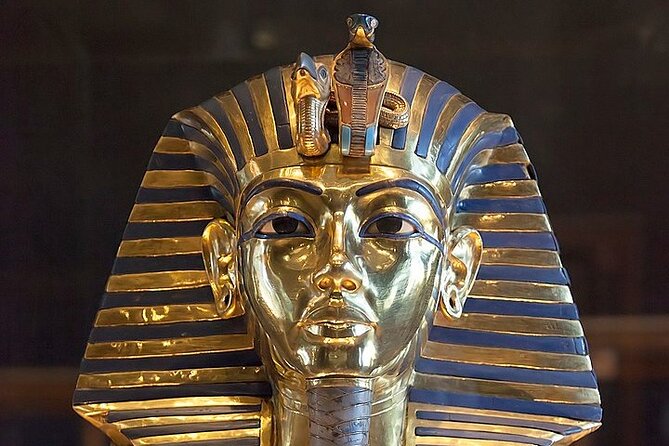
- A guide-led Giza route: You don’t just walk; you learn what you’re looking at while you’re standing there.
- Valley Temple context at Chephren’s complex: The stops connect the pyramids site to funerary practices you can actually visualize.
- Short, focused Sphinx time: 30 minutes is set aside for close-up viewing, not a long shuffle.
- Egyptian Museum focus on top pieces: Expect a guided route through main chambers, including King Tut’s golden treasures.
- Small-group feel: The experience caps at 45 people, which usually helps the pace stay manageable.
How the day runs: pickup, 5 to 7 hours, and three focused stops
This is a one-day Cairo tour built around three anchors: Giza, the Sphinx area, and the Egyptian Museum in Tahrir Square. The total time runs about 5 to 7 hours, depending on pacing and how long you spend at each stop.
You’ll typically get pickup and travel in an air-conditioned vehicle, plus bottled water during the tour. You also get a mobile ticket, which is helpful when you’re trying to keep your hands free for photos and water bottles.
Because it caps at up to 45 people, you’re not stuck in an endless line of busloads. Still, it’s not truly “empty-site” magic—Giza and the museum are busy, so your best strategy is to listen closely at each stop and move with the group.
You can also read our reviews of more museum experiences in Cairo



Giza Pyramids and Valley Temple: Cheops, Chephren, Mykerinos in real order
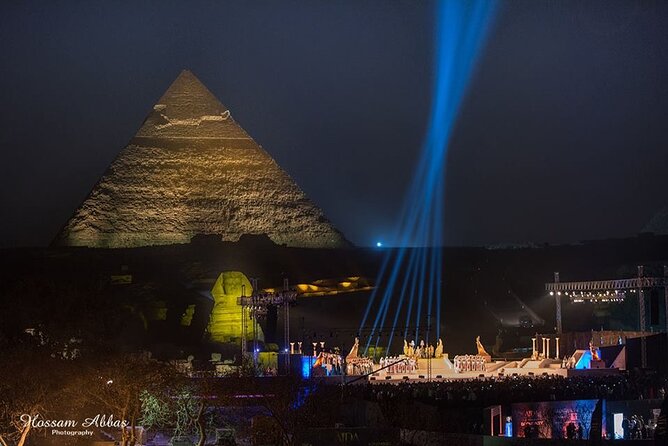
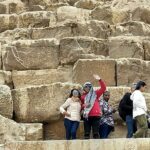
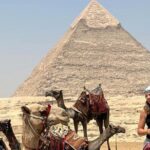
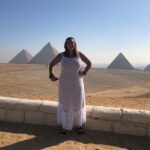
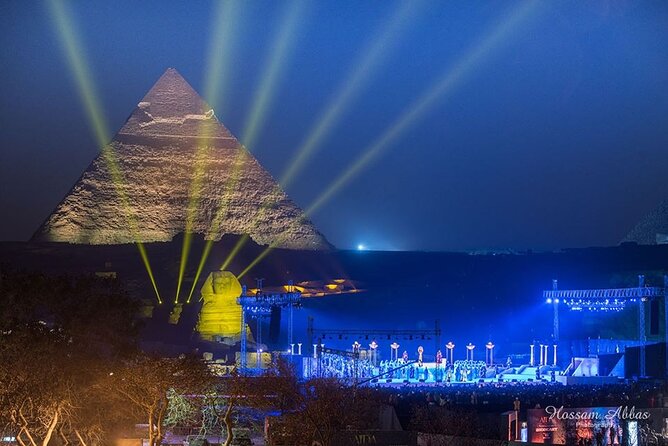
The Giza portion is where the scale hits you. You’ll visit the Great Pyramids of Cheops, Chephren, and Mykerinos, and you’ll also see the Valley Temple tied to Chephren’s complex.
This stop is listed as about 2 hours, and the pyramids admission ticket is not included (entry fees are listed separately). That timing is tight enough to keep momentum, but long enough for your guide to explain what you’re looking at without rushing you through pure staring-blankly-at-stone.
The Valley Temple stop is the “make it make sense” part
The Valley Temple is more than a background texture in this itinerary. You’re guided to the area where priests are described as having mummified the dead body of King Chephren, which gives the site a human purpose beyond architecture.
There’s also a particularly interesting detail in the route: the Khufu pyramid complex includes a valley temple now buried beneath the village of Nazlet el-Samman. The information shared notes evidence like diabase paving and nummulitic limestone walls, while also pointing out that the site has not been excavated—so you’re learning about what’s known, what’s buried, and what remains unseen.
What can feel challenging here
Two hours at Giza can feel longer than it sounds, mostly because:
- you’ll be in the sun and walking in uneven terrain
- you’ll want photos, but you’ll also want to hear the guide
If you’re traveling with kids, this structure can be great—short explanation bursts followed by sight turns keep attention from melting. If you’re someone who prefers wandering on your own, you’ll need to accept that this tour is built around a guided storyline.
Getting your best Sphinx moments in about 30 minutes
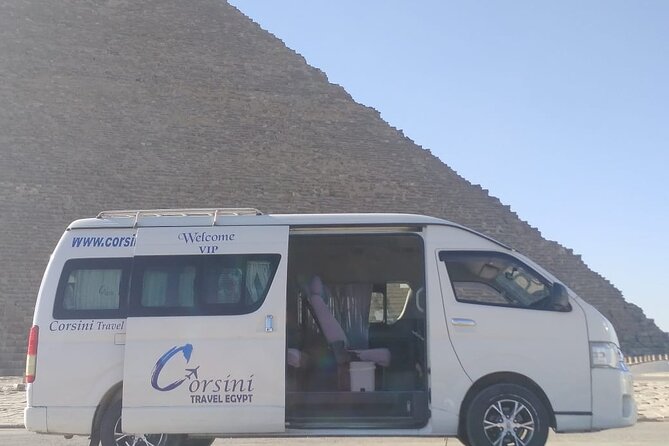
Next comes the Sphinx stop, scheduled for about 30 minutes. The admission here is listed as free, which is a nice bonus in an itinerary where other fees are extra.
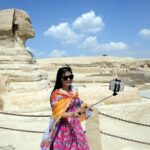
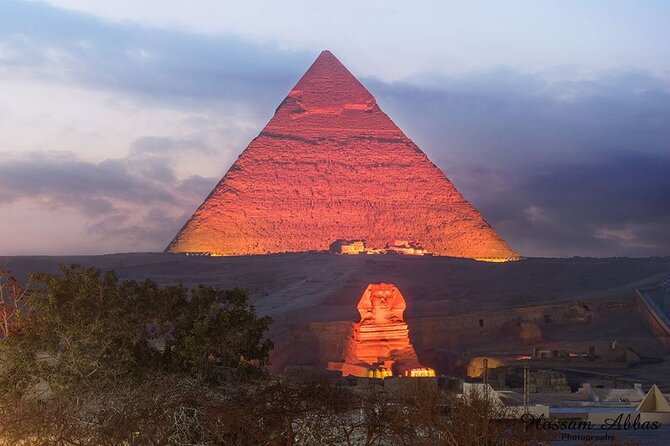
The focus is close-up viewing of the legendary guardian: the lion body with the head of king Chephren. This is the kind of moment where the guide’s description helps you notice details you’d otherwise miss—especially the way the Sphinx sits in relation to the larger funeral complex.
A few more Cairo tours and experiences worth a look



The practical tip: treat it like a short photo session with a purpose
Thirty minutes can go fast if you’re only photographing and not listening. I recommend you do both: let the guide point out specific visual features, then take your photos right after the explanation. It saves you from the “I’m done taking pictures, but I missed what mattered” feeling.
The Egyptian Museum in Tahrir Square: King Tut and a guided highlight loop
After Giza, you head to the Egyptian Museum in Tahrir Square. This museum stop is set at about 3 hours, and the museum admission fee is not included (listed separately).
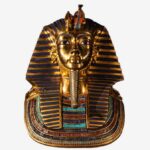
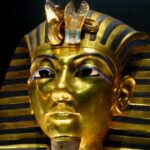
The tour route highlights the museum’s main treasures, including the Golden treasures of King Tut Ankh Amun. Your Egyptologist guide takes you through the museum’s chambers with stops at the key pieces—so you’re not stuck trying to figure out what to prioritize among dozens of rooms.
Why this museum timing actually works
A lot of first-timers get overwhelmed in museums because they feel like they must see everything. Here, the guide-led “main highlights” approach helps you land on the most important objects without burning your whole day getting lost in labels and hallways.
Three hours also gives breathing room. You’ll have time to slow down for the pieces that genuinely grab you—especially King Tut’s famous objects—without the tour feeling like it’s trying to sweep you forward every 30 seconds.
The possible drawback
As with many museum visits, the biggest frustration is not the museum itself. It’s the combination of crowds, museum lighting, and the pressure to keep moving. If you prefer quiet and long viewing, use the first hour to “see the whole map,” then spend the second and third hours on the highlights you care about.
Price and logistics: what $100 really turns into
The tour price is listed at $100 per person, and that’s where value depends on your entry-fee math.
Here’s what’s explicitly listed as extra:
- Pyramids entry fee: $15
- Egyptian Museum entry fee: $15
- Tipping for guide and driver: recommended
So, before tips, you’re looking at about $130 total for the core sights plus the included guide, vehicle, and bottled water. That’s fairly common for Cairo day tours: you pay for transportation and interpretation, and you add the site tickets yourself.
What justifies the price
I think the best value in this setup comes from the Egyptologist guide and the guided pacing. At Giza especially, a good guide can turn “wow, big rocks” into “I know what I’m looking at.” The strong ratings (97% recommended and a 4.9 score) point to the same idea: people feel the guide makes the day work.
Also, the mobile ticket and pickup reduce friction. You’re spending your energy on the pyramids and the museum instead of negotiating logistics.
A balanced note on spending pressure
There is at least one negative experience in the feedback set that complains about guides encouraging high overprices. I can’t confirm whether that happens for every group, but it’s a good reminder to stay clear on what costs are mandatory versus optional. If someone pushes an extra purchase, ask what it covers and whether it’s truly necessary for your planned day.
The guide factor: Ibrahim-style reassurance and multilingual help
A big theme in the experience feedback is the guide approach. People describe feeling safe, supported, and well cared for—especially first-time visitors and families.
The name that shows up strongly is Ibrahim. In one story, the guide is described as reassuring for a first trip to Egypt with kids, making the experience both safe and fun. Another note praises Ibrahim-style organization, with the guide taking responsibility for details after arrival so you’re not left scrambling.
Language support also matters. Several comments point to guides who match language needs, including Spanish and Portuguese, even when the visitor’s English isn’t strong. That’s not a small detail in Egypt, where a missed explanation can make the history feel like random facts instead of a clear picture.
Who benefits most from this kind of guiding
This tour is a strong match for:
- families who want a structured day without constant decision-making
- first-timers who prefer someone else handling timing and “what comes next”
- people who want history explained in a language they understand well
If you already love reading every museum label and wandering slowly, you might still enjoy the guide, but you’ll want to plan extra independent time elsewhere in Cairo.
On-the-ground comfort: walking, heat, and staying in control
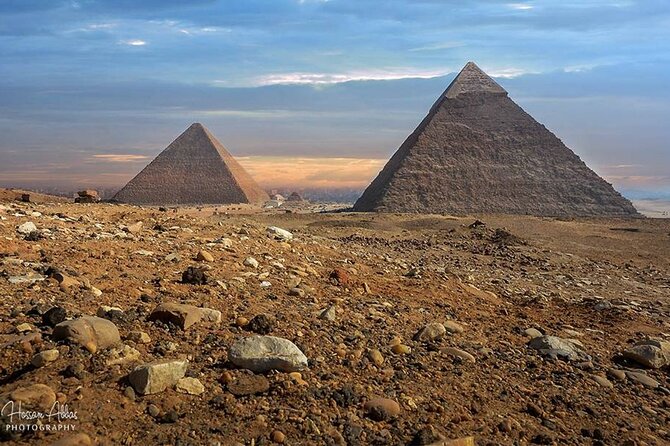
This day is touring, not resting. Giza involves walking on uneven ground and spending time in strong sun, so plan for comfort even if you only bring the essentials.
A few practical moves that keep the day pleasant:
- wear breathable clothes and shoes with grip
- carry water even though bottled water is provided
- bring sun protection because you’ll be exposed at Giza and at the Sphinx
Also, because your schedule is built around sight order, your best tactic is to follow the guide’s pace but ask questions when something grabs you. That’s how you get the payoff from the guided interpretation without turning it into a lecture.
Should you book this Giza + Egyptian Museum tour?
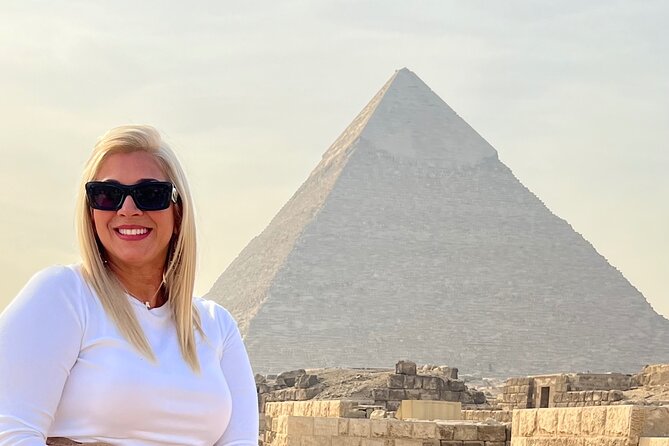
If you want one efficient day that covers the big Giza monuments and then hits the Egyptian Museum highlights, this is a solid choice. The guide-led structure, air-conditioned transport, and emphasis on major pieces like King Tut’s treasures add up to good value—especially if this is your first time in Cairo or you’d like explanations in Spanish or Portuguese via a guide like Ibrahim.
I’d think twice if you:
- hate any extra spending pressure and want total control over every purchase
- prefer long, independent wandering with no set timing
- can’t handle walking in heat for a multi-stop day
If your goal is to leave Cairo with a clear sense of what you saw—rather than only photos—this is the kind of tour that helps you make the monuments and artifacts click.
FAQ
How long is the tour?
The tour lasts about 5 to 7 hours.
Is pickup included?
Yes, pickup is offered.
What’s included in the price?
You get a qualified Egyptologist guide, transport in an air-conditioned vehicle, and bottled water during the tours.
Are entry fees included for the pyramids and the museum?
No. Pyramids entry fees are listed separately (15$) and Egyptian Museum entry fees are also listed separately (15$).
Is the Sphinx admission included?
The Sphinx stop lists admission as free for that part of the visit.
Does the tour have a group limit?
Yes. The maximum group size is listed as 45 travelers.
What happens if weather is bad?
This experience requires good weather. If it’s canceled due to poor weather, you’ll be offered a different date or a full refund.