REVIEW · HAMBURG
Hamburg: Entrance to the Museum Ship Cap San Diego
Book on GetYourGuide →Operated by Cap San Diego Betriebsgellschaft mbH · Bookable on GetYourGuide
A real working-style ship makes history feel physical. Cap San Diego lets you tour a 1960s cargo ship in your own time, from the bridge views to the machine room. I love the way it turns a museum visit into a “ride” across the Atlantic, complete with spaces like the saloon and lookout areas. The price is reasonable for the time you can spend onboard, but the ship has lots of stairs and tight spaces.
Two things I especially like are the emigration-focused story (1850–1930) and the chance to see life “from the inside,” not just from a poster. You get a documentary experience about the Port of Hamburg and a dedicated exhibition in hatch 2 that explains how sea freight moved from the 1960s to today. One possible drawback: it’s self-guided, so the flow depends on your navigation skills, and the layout is not for everyone with claustrophobia or mazeophobia.
In This Review
- Key things you’ll notice onboard
- Cap San Diego: a museum you walk through, not just around
- Where to enter at Überseebrücke and how to plan your 1-day visit
- The 1960s to 70s voyage theme: bridge lookouts and saloon breaks
- Emigration between 1850 and 1930: the documentary that gives it emotional weight
- Hatch 2: General Cargo and Container Handling for the shipping nerds and the curious
- The engine room experience: feeling the steady pulse of the ship
- How much is $14 worth for a self-guided ship museum?
- Navigating on your own: signage, flow, and getting your bearings fast
- Who should book Cap San Diego, and who should skip it
- Should you book Cap San Diego in Hamburg?
- FAQ
- FAQ
- Where is the entrance to Cap San Diego?
- What’s the price to enter Cap San Diego?
- How long should I plan for this museum ship visit?
- Is there a live guide with you during the tour?
- Is the museum ship open every day, and what are the hours?
- What does the documentary cover during the visit?
- What is in hatch 2?
- Can I choose an audio guide?
- Is Cap San Diego wheelchair accessible?
- Who might want to avoid the ship museum?
Key things you’ll notice onboard
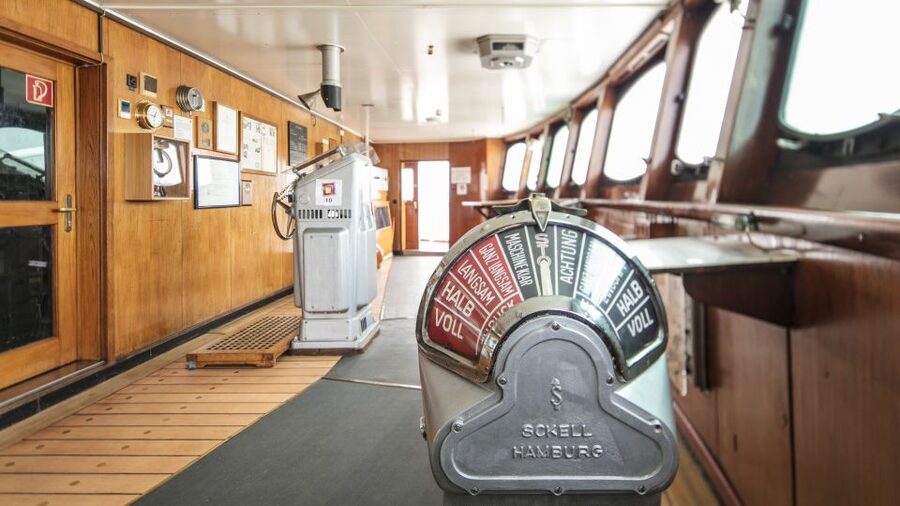
- A self-guided ship tour where you explore bridge, hatch areas, and the machine room on your schedule
- The Emigration documentary called A Suitcase Full of Hope – Emigration Port of Hamburg, covering 1850 to 1930
- Hatch 2 exhibition on General Cargo and Container Handling, with visual timelines from 1960 to today
- Engine room access that makes the ship’s “pulse” feel real, not abstract
- Friendly onboard staff who provide good information, even though you’re not with a live guide
Cap San Diego: a museum you walk through, not just around
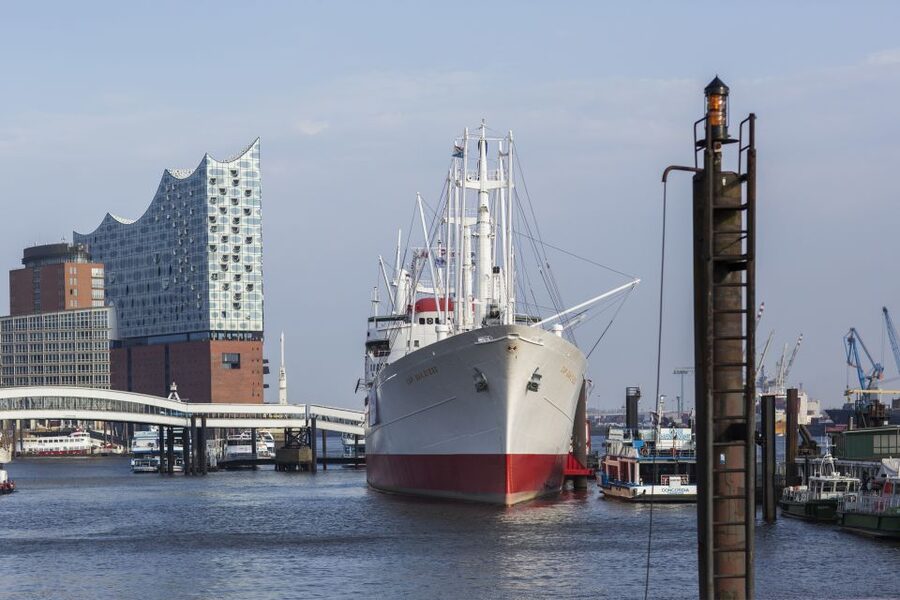
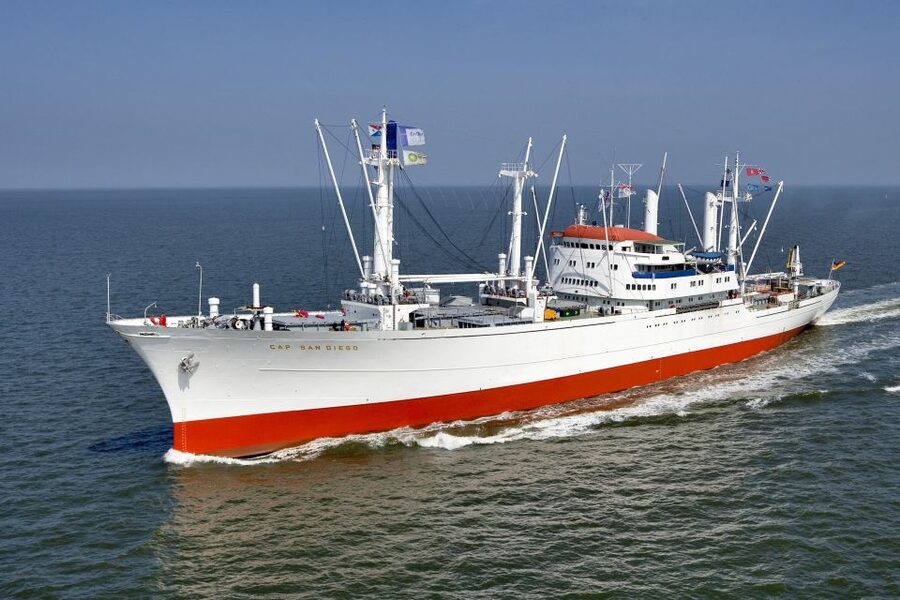
Hamburg has no shortage of maritime sights, but Cap San Diego is different because it’s a real civil cargo ship preserved as a museum. It’s the largest civil museum ship in the world, and it’s tied to a very specific time period: it was built in 1961/62 for Hamburg South, then ran to South America until the end of 1981. The ship has been a museum since 1988, so you get a well-set stage rather than a half-finished exhibit.
What I like about it is the “whole ship” approach. You can move from public-feeling spaces (like lookout points and passenger areas) down toward the industrial guts (the machine room). Instead of learning shipping history only through photos, you’re walking through the places where the work actually happened.
And because it’s self-guided, you’re not forced to match anyone else’s pace. If you want to spend longer on the emigration story or linger at the engine-room viewing area, you can.
You can also read our reviews of more museum experiences in Hamburg

Where to enter at Überseebrücke and how to plan your 1-day visit
Your starting point is simple: go straight to the ship entrance at the end of Überseebrücke. That’s helpful in Hamburg, where waterways can feel like a maze of walkways if you don’t know your anchor point.
The museum is open 10 AM–6 PM daily, and your ticket is valid for 1 day, with starting times based on availability. For a visit like this, I’d plan to arrive early enough that you don’t rush the core parts. Even though you’re only committing to one day, a ship takes time—stairs, doors, and deck-to-deck movement add up.
A smart pacing trick is to split your visit into two mental halves:
1) Story stops (emigration and the ship’s voyage setting)
2) Hands-on spaces (hatch area exhibitions and engine-room experience)
That way, you don’t end up spending all your time in one zone and leaving the others for a sprint at the end.
The 1960s to 70s voyage theme: bridge lookouts and saloon breaks
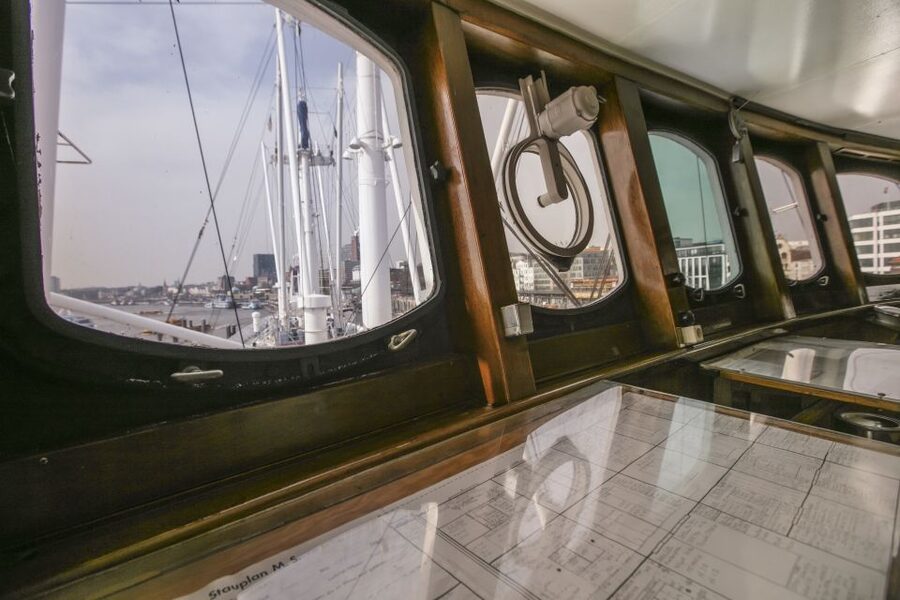
One of the most memorable parts of Cap San Diego is the way it stages the experience as a kind of imaginary voyage. The ship’s story is set in the 1960s and 1970s, across the Atlantic toward places like Rio de Janeiro and Buenos Aires, and then back again. You don’t just read about shipping—you move through spaces that help you picture roles on board.
On the bridge or lookout areas, you get the feeling of someone watching the world move past. That perspective matters because cargo ships aren’t just “transport”—they’re decision-making environments. The ship’s design supports that feeling: you’re physically elevated and looking out, not just studying a model.
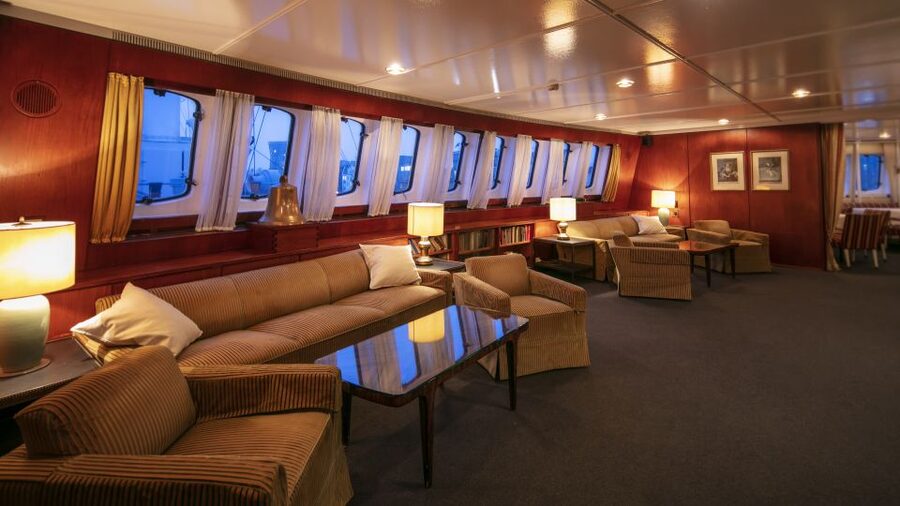
Then there’s the saloon, which is where the museum theme shifts to passenger life. You can relax there and experience a calmer atmosphere while light music plays during the voyage setting. It’s a small thing, but it changes the visit rhythm. You’ll probably appreciate the pause when your legs start to feel it from deck to deck.
One thing I’d keep in mind: since this is a museum ship you explore on your own, the “story theme” works best when you take your time between spaces. If you rush, the ship can feel like a checklist. Slow down a bit and it reads like a journey.
Emigration between 1850 and 1930: the documentary that gives it emotional weight
Cap San Diego connects maritime travel to human movement, and the centerpiece is a documentary you can watch during your self-guided tour: A Suitcase Full of Hope – Emigration Port of Hamburg. It focuses on the fate of emigrants between 1850 and 1930, which is a huge span and a powerful shift from the ship-as-technology angle.
The value here is the bridge between ports and people. Hamburg wasn’t just a shipping hub; it was a gateway. Once you know the timeframe—1850 to 1930—you start seeing the ship as part of a longer migration story, not only the 1960s cargo era.
Also, the documentary isn’t something you have to fit around a live guide. You can stop when you want, watch at your own speed, then continue. That flexibility is useful if you’re juggling photo stops or you want a quieter moment before heading back toward the more industrial areas.
If you like history that has a personal dimension, this is the section that tends to make the visit stick.
Hatch 2: General Cargo and Container Handling for the shipping nerds and the curious
In hatch 2, you’ll find the permanent exhibition called General Cargo and Container Handling. It lays out the history of sea freight transport from 1960 to today, using a mix of historical images and explanatory texts.
This is a key stop because it turns the ship from a static object into a working idea: how cargo moved, how operations changed, and why container handling mattered. Even if you don’t care about logistics terms, you’ll likely appreciate the clear timeline approach and the visual evidence.
What makes this exhibition especially useful is that it answers a real question: Why does the ship look the way it does? The hatch area is directly tied to cargo handling, so the information doesn’t float off on its own. It’s placed where the work would have happened.
A practical tip: give yourself time here to read at least a few panels closely. The exhibition is designed for self-guided exploration, so skimming can make it feel shorter than it is.

The engine room experience: feeling the steady pulse of the ship
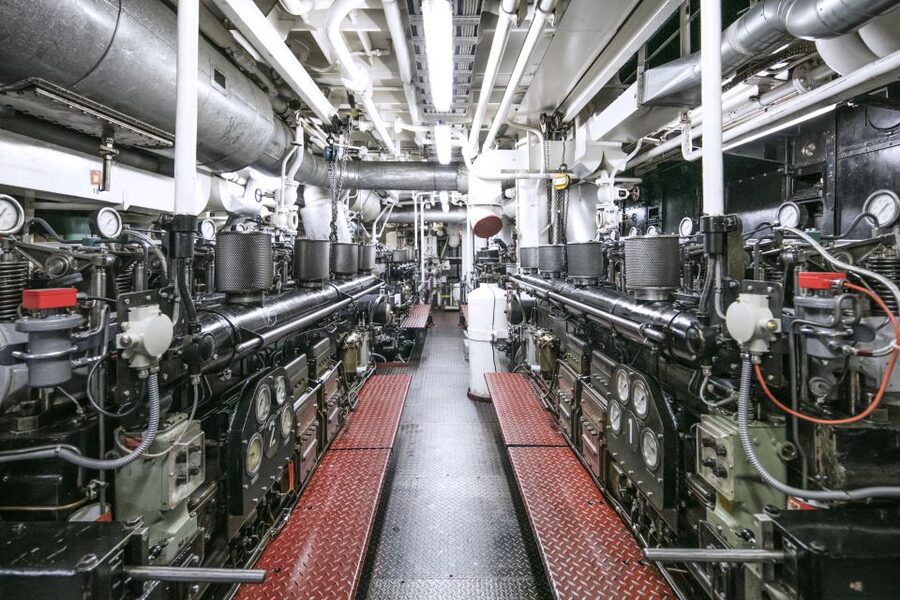
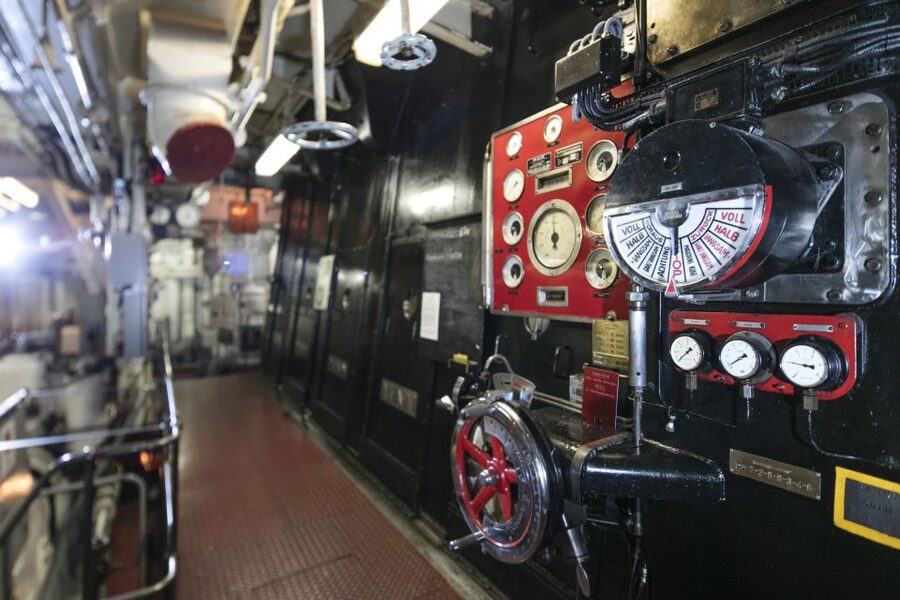
The “engine room” part of Cap San Diego is where the museum becomes visceral. The experience is described as being deep within the Machine Room to feel the steady pulse of the engines.
Even if you’re not a mechanical person, there’s something grounding about this section. You’re no longer imagining shipping from drawings; you’re confronted with the fact that a cargo ship’s movement is built on real power and real engineering. It also balances the emotional story of emigration. After the documentary, the machine room brings you back to the physical reality of how ships operated.
This is also one of the reasons I’d prioritize the engine-room stop earlier rather than saving it for the last hour. Ship visits can get slower as you get tired, and the industrial areas can demand more attention and careful navigation.
How much is $14 worth for a self-guided ship museum?
At $14 per person, Cap San Diego is priced like a serious attraction, not just a quick photo stop. What makes it feel like good value is that you can control how long you stay and you get multiple “types” of content in one ticket:
- a themed voyage setting (bridge lookouts and saloon atmosphere)
- an emigration documentary covering 1850–1930
- a permanent exhibition in hatch 2 about sea freight from 1960 to today
- a machine-room experience tied directly to how ships work
If you’re the kind of visitor who normally spends money on one museum and then feels done in an hour, this ship can surprise you—in a good way. With a ship, there’s just more to cover. With a self-guided format, you’re free to linger over what interests you.
One more practical value point: it’s a museum you can approach with your own pace. That matters because everyone learns differently—some people need more time at the story elements, others focus on the technical areas. This ship accommodates both styles.
Navigating on your own: signage, flow, and getting your bearings fast
Because there’s no live guide, your success depends on how quickly you can orient yourself. The good news is that the ship layout is set up so you can get your bearings fairly quickly once you’re moving through decks.
That said, I’d treat Cap San Diego like a museum that rewards calm navigation. If at first you feel like you’re hunting for the next section, don’t panic. Stick with the main circulation between key zones, and you’ll find the logical connections between bridge, hatch areas, and the machine-room areas.
Onboard staff can help, and they’re described as extremely kind and willing with information. They can be especially useful if you’re unsure where a stop is located or what you should do next.
Who should book Cap San Diego, and who should skip it
This experience is a strong fit if you like maritime history, shipping operations, or museum settings that feel real because you’re inside the object. If you enjoy mixing human stories with technical history, you’ll probably love the documentary plus the machine-room and cargo-handling exhibition pairing.
It’s also a good choice for couples or solo visitors who want quiet control over pacing. Since it’s self-guided, you can spend extra time in one area without worrying about group timing.
However, it’s not for everyone. It’s not wheelchair accessible, and it’s not recommended for people with claustrophobia or mazeophobia or for those with limited mobility, since there are multiple flights of stairs. If you know stairs and tight passageways are a problem for you, choose a different Hamburg museum.
Should you book Cap San Diego in Hamburg?
I’d book it if you want a museum that feels like a journey, not a room-by-room checklist. For $14, you get a layered experience: a themed voyage atmosphere, an emigration documentary focused on 1850–1930, a permanent cargo-handling exhibition in hatch 2, and the engine-room experience that connects story to machinery.
You might skip it if stairs and enclosed spaces would make the visit uncomfortable. And if you strongly prefer guided narration, the self-guided format may feel less structured than you’d like.
If you’re flexible and want authentic atmosphere with real ship spaces to explore, Cap San Diego is one of those rare picks where the setting does half the storytelling for you.
FAQ
FAQ
Where is the entrance to Cap San Diego?
You should go directly to the ship entrance located at the end of Überseebrücke.
What’s the price to enter Cap San Diego?
The price is listed as $14 per person.
How long should I plan for this museum ship visit?
It’s described as valid for 1 day, so you can plan to spend your visit within that same-day window.
Is there a live guide with you during the tour?
No. This is a self-guided tour, so there is no live guide.
Is the museum ship open every day, and what are the hours?
Yes. The museum is open daily from 10 AM to 6 PM.
What does the documentary cover during the visit?
The self-guided route includes a documentary called A Suitcase Full of Hope – Emigration Port of Hamburg, covering the fate of emigrants between 1850 and 1930.
What is in hatch 2?
In hatch 2, you can find the permanent exhibition General Cargo and Container Handling, with information and historical images about sea freight transport from 1960 to today.
Can I choose an audio guide?
Yes. Entrance is included, and an audio guide is available if you select that option.
Is Cap San Diego wheelchair accessible?
No. It’s not wheelchair accessible, and it is not recommended for people with limited mobility due to multiple flights of stairs.
Who might want to avoid the ship museum?
It’s not recommended for people with claustrophobia or mazeophobia, since it involves exploring a ship layout on your own.