REVIEW · STAVANGER
Stavanger: Norwegian Petroleum Museum – Entrance Ticket
Book on GetYourGuide →Operated by Norsk Oljemuseum · Bookable on GetYourGuide
Want to understand Norway’s oil story fast? The Norwegian Petroleum Museum in Stavanger makes offshore work feel human and easy to follow, from how oil forms to how drilling and production happen. I especially like the interactive exhibitions and the museum’s clear connections between technology and Norwegian society. One possible drawback: it’s primarily exhibition-based, so you’ll get the most if you read the explanations and take your time instead of treating it like a quick photo stop.
I also like that the museum tackles the climate challenge head-on, linking greenhouse gas emissions and global warming to a real industrial world. And yes, the kids’ area is actually fun—there’s a play-platform built for little movers, not just a sad corner with a couple of toys. The museum is in central Stavanger near Vågen, so you can pair it with an easy harbor walk instead of planning a whole separate day.
In This Review
- Key things to know before you go
- Norwegian Petroleum Museum in Stavanger: what you’re really paying for
- Getting there and parking near Vågen (Jorenholmen is your friend)
- Walk-through overview: how the exhibits build the offshore story
- Oil formation, finding resources, and drilling: the core exhibits you shouldn’t rush
- Technology progress and oil revenue: why Norway built a whole system around offshore energy
- The climate challenge exhibition: greenhouse gases in everyday context
- Catch the Oilkid film: growth, change, and the human timeline
- Kids area in Norsk Oljemuseum: rescue chute, catastrophe room, and play
- Picture quiz: a fun way to slow down and notice details
- Entrance ticket value: is $19 worth it for a 1-day visit?
- When to go: opening hours that help you plan a real day in Stavanger
- Languages and accessibility: what you should expect on site
- Who should book this ticket (and who might not)
- Should you book the Norwegian Petroleum Museum in Stavanger?
- FAQ
- How much does the Norwegian Petroleum Museum entrance ticket cost?
- How long does the museum visit take?
- Where is the museum located in Stavanger?
- When is the museum open?
- What’s included with the ticket?
- What languages are available?
- Is there a recommended film to watch?
- What activities are there for children?
- Is the museum wheelchair accessible?
Key things to know before you go
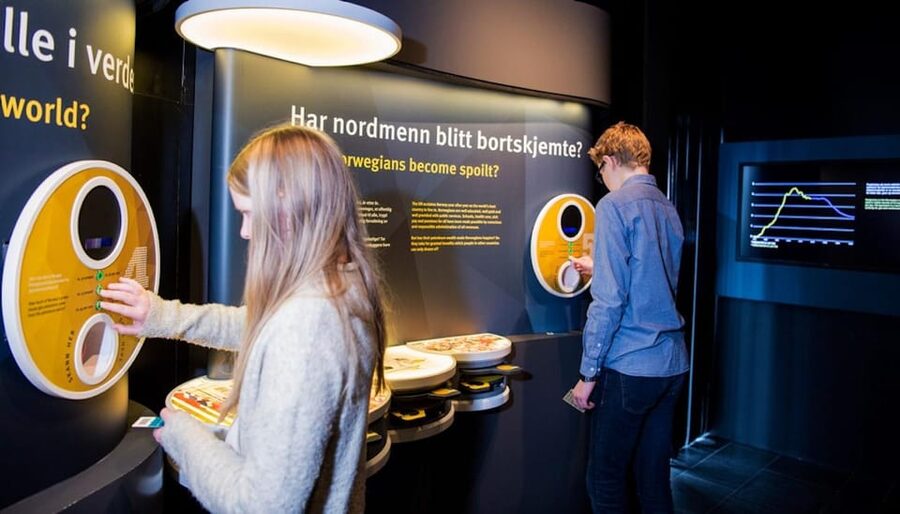
- Offshore explained in plain language: you’ll see how resources are found and how drilling and production work.
- Hands-on interactive exhibits: original objects, models, films, and interactive displays keep you moving.
- Climate change is part of the story: greenhouse gas emissions and global warming are treated as unavoidable context.
- Film time is worth it: don’t skip the museum film Oilkid about growing up in times of change.
- Family activities are built in: a rescue chute, catastrophe room, interactive games, and a play-platform.
Norwegian Petroleum Museum in Stavanger: what you’re really paying for
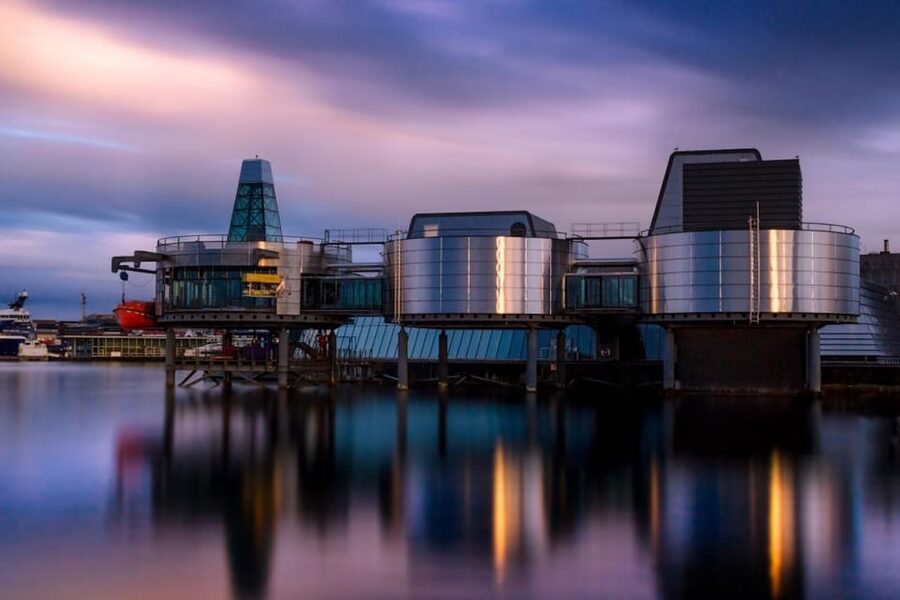
The Norwegian Petroleum Museum (Norsk Oljemuseum) is one of those places that can teach you a lot without acting like a lecture. You’re walking through Norway’s offshore industry—how it grew, what it built, and what it costs the world. With ticket access for adults and children, it’s designed so different age groups can stay interested at the same time.
The big value is that the exhibits aren’t just about oil as a substance. They explain the full chain: how oil and gas form, how you locate resources beneath the seabed, and how drilling and production are carried out. Then it widens again to cover the technology improvements and how oil revenue has influenced Norwegian society. If you’re curious how a modern country built itself around offshore energy, this museum gives you the backbone.
The museum also adds the layer people sometimes avoid: climate. You’ll see how greenhouse gas emissions and global warming fit into the conversation. That makes the visit feel more current than a purely historical display, and it keeps the museum from feeling one-note.
Getting there and parking near Vågen (Jorenholmen is your friend)

The museum is in Stavanger city center, close to Vågen (the harbor). That’s a practical win: you don’t need special transport to get there, and it’s easy to combine with a harbor stroll, cafés, or other downtown stops.
For parking, the recommended option is Jorenholmen. If you’re driving, plan to park once and then walk from there. Stavanger’s central location means you’ll likely spend more time enjoying the waterfront area than wrestling with logistics.
Walk-through overview: how the exhibits build the offshore story
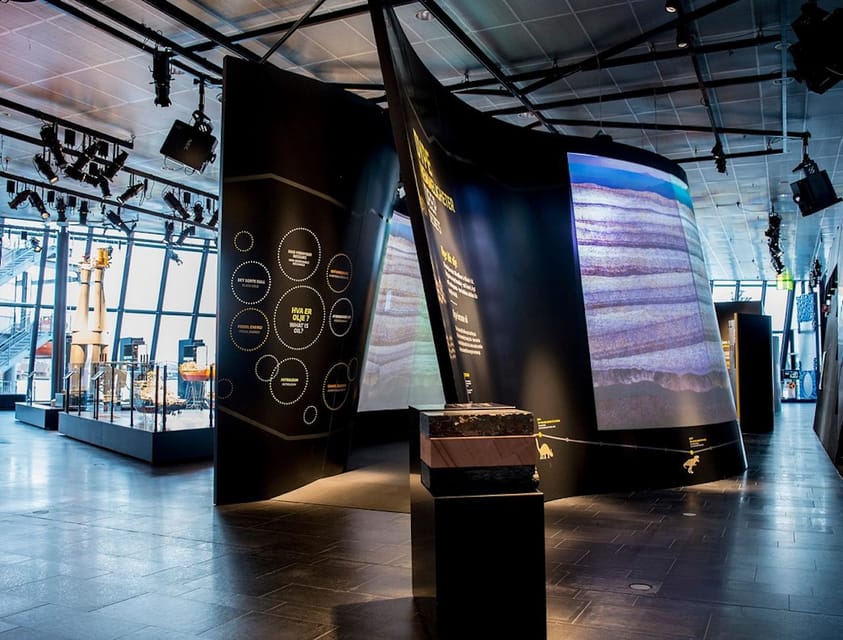
Think of the museum as a guided narrative made of rooms, objects, and interactive pieces. You start with the basics: what oil and gas are, and how they form. Then the exhibits move into discovery—how resources beneath the seabed are found. After that comes the hands-on engineering side: drilling and production, including the technological advances that helped the industry evolve.
As you move through, you’re also learning about effects beyond the rigs and pipelines. The museum covers how oil revenue shaped Norwegian society, so you’re not only learning processes—you’re learning outcomes. That matters because it helps explain why this industry became so important in Norway, not just how it works.
A smart approach for your visit: pick one “main thread” to follow. If you’re more engineering-focused, track the drilling and technology content. If you’re more society-focused, pay attention to the oil revenue and the social impact parts. Either way, the museum gives you enough variety to keep it interesting.
Oil formation, finding resources, and drilling: the core exhibits you shouldn’t rush
The central strength here is clarity. The museum’s petroleum exhibitions give you an insight into offshore operations in a way that’s easy to grasp. You’ll learn how oil and gas formed over time, which helps explain why this isn’t something that comes from nowhere.
Then the exhibits shift to the “how do we locate it?” question. You’ll see explanations of how resources beneath the seabed are found, which is often the most mind-boggling part for first-time visitors. It’s one thing to know oil exists. It’s another to understand the tools and methods used to find it under the seabed.
Finally, the museum covers how drilling and production are conducted. This is where models, original objects, and films can do a lot of work for you. They help you translate technical processes into something you can actually picture, rather than just reading about it in abstract terms.
Technology progress and oil revenue: why Norway built a whole system around offshore energy
Beyond the basics, you’ll come away with a sense of how the industry matured. The exhibits present technological advances—showing that offshore operations weren’t always the way they are now, and that innovation has played a huge role in making the industry work.
Then comes a different kind of learning: the museum connects petroleum money to Norwegian society. Oil revenue affects things at national and social levels, and the museum frames that impact as part of the real story. It makes the experience feel like an explanation of cause and effect, not just a gallery of equipment.
What I like about this section for your planning: it helps you connect the dots between physics, engineering, and politics/economics. If you’ve ever wondered why energy matters beyond energy, this museum gives you a practical answer.
The climate challenge exhibition: greenhouse gases in everyday context
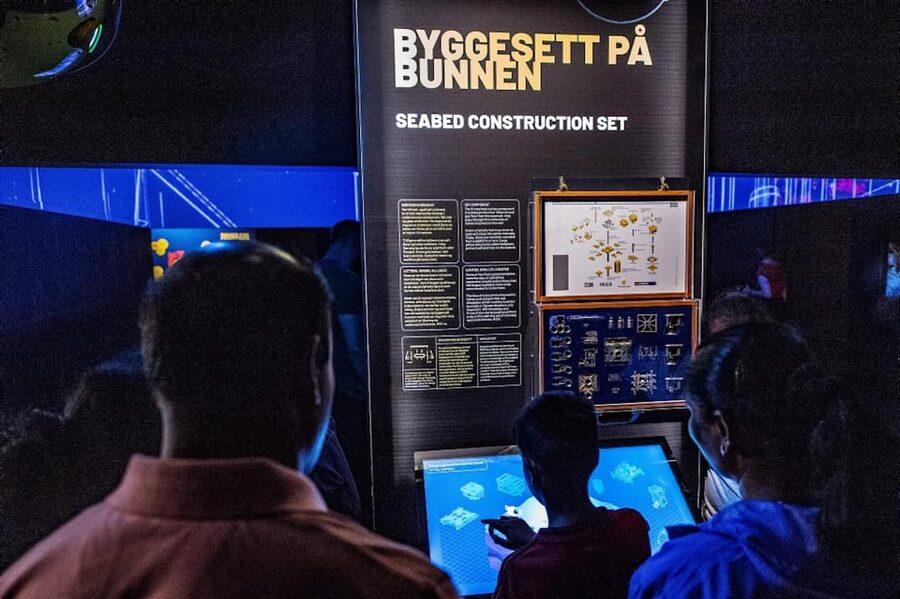
One reason this museum works well is that it doesn’t treat climate change as an afterthought. You’ll learn about the climate challenge posed by greenhouse gas emissions and global warming. It’s presented as a serious part of the overall picture of offshore operations.
For many people, this is the emotional pivot of the visit. You start by learning the industry’s logic—how it formed, how it operates, why it matters to a country. Then you’re confronted with the reality of emissions and global warming, and the story shifts from “how things work” to “what it means.”
If you’re bringing kids or teens, this section is a useful conversation starter. You can point to the exhibit explanations and ask simple questions: Where do greenhouse gas emissions come from? Why does warming happen? The museum gives you enough material to make those questions feel grounded, not random.
Catch the Oilkid film: growth, change, and the human timeline
The museum film Oilkid is specifically recommended—so build time for it. The film is about growing up in times of change, which ties nicely to the museum’s broader themes: an industry that reshaped Norway, and a world that’s now grappling with climate realities.
Even if you’re not a movie person, this stop helps break up the exhibition walking. It turns some of the concepts you’re reading into a narrative tone, so you’re not only collecting facts—you’re getting a feeling for how change shows up in real life.
I’d treat this as a “mid-visit reset.” Watch it when your brain is full of technical details, then return to the exhibits with a clearer sense of meaning.
Kids area in Norsk Oljemuseum: rescue chute, catastrophe room, and play

If you’re traveling with children, the Petroleum Museum is built for them. Adults get the main story through exhibits, but kids get hands-on zones that feel like a game.
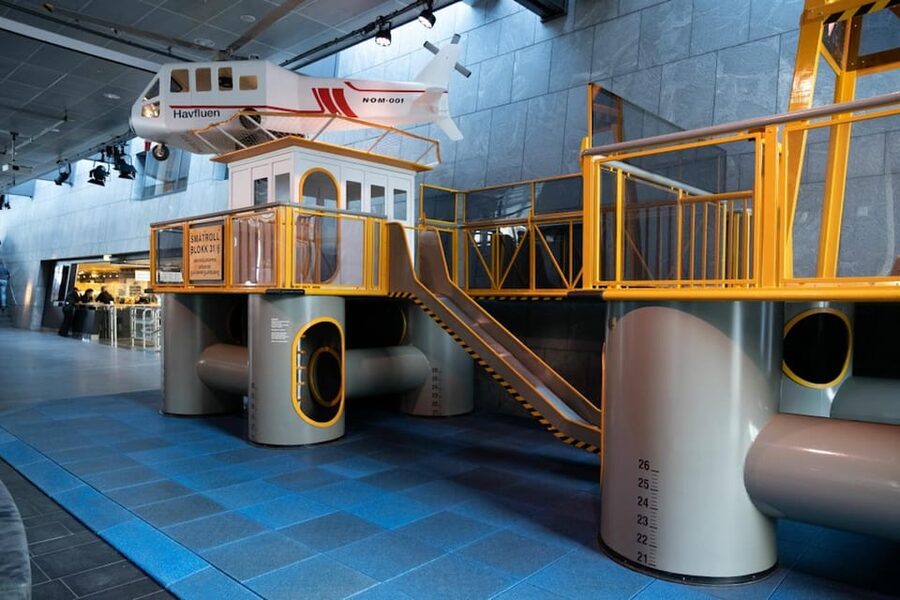
Look for the rescue chute and the catastrophe room. Those sound like they’re designed for action and make the museum feel less like a lecture hall. There are also interactive games, which help kids explore concepts without feeling like they’re being tested.
The play-platform is the big win for younger kids. It’s a space where children can slide, play, and climb. That matters because it burns energy in a safe way, which keeps families from turning a museum visit into a negotiation.
If you’re planning your day, assume the kids will want to repeat the fun parts. Build that flexibility into your timing so you don’t rush through the main exhibitions while your child is still deciding where to climb next.
Picture quiz: a fun way to slow down and notice details
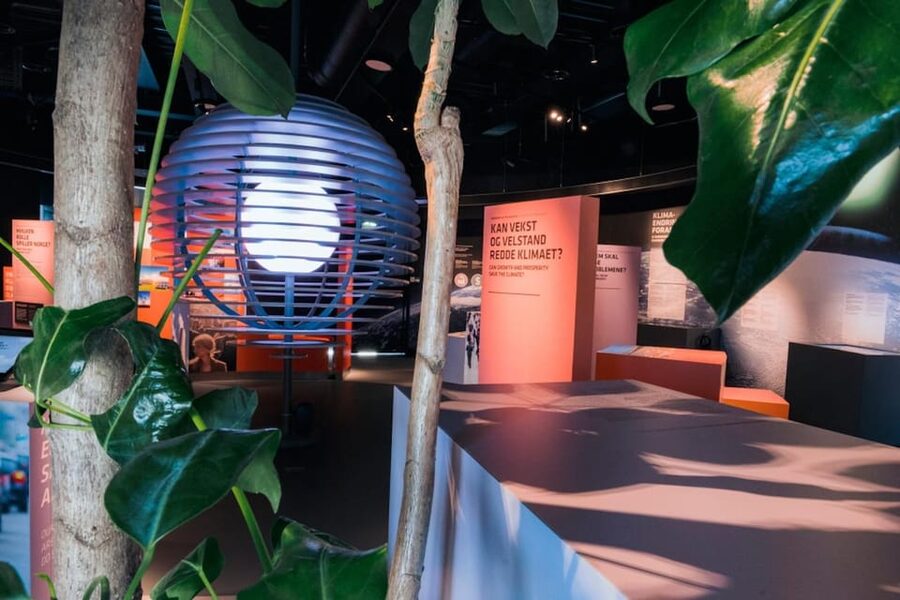
There’s a picture quiz designed for the whole family. This is a clever trick: instead of trying to remember everything you read, you’re searching for details within the exhibitions. It turns the museum from passive viewing into active looking.
This also helps when you’re visiting across generations. Adults can focus on learning, kids can focus on games, and everyone still participates together.
For your own approach, don’t treat the quiz like a race. If you take a few minutes longer at each display because you’re trying to spot what the quiz asks for, you’ll naturally absorb more of the content.
Entrance ticket value: is $19 worth it for a 1-day visit?
The price is $19 per person for a 1-day experience. That’s a fair figure for a museum that covers multiple big themes—oil and gas fundamentals, technological progress, society-level impact, and a climate challenge component—plus interactive and play activities for children.
Here’s the value angle that matters: you’re not paying just for a single exhibit. The ticket gives you access to the full museum experience for your day, including interactive sections and the film area. If you go with kids, your money also buys you the kids’ activities, which often cost extra at other attractions.
For adults, the payoff is understanding offshore operations as a system rather than a collection of facts. You’ll walk away with a more complete picture of how Norway’s petroleum industry became central, and how climate change fits into that reality.
When to go: opening hours that help you plan a real day in Stavanger
The museum is open year-round, which is great if your trip dates shift. Hours vary by season:
- 1 June to 31 August: every day 10:00–19:00
- 1 September to 31 May: Monday–Saturday 10:00–16:00, Sunday 10:00–18:00
- It’s closed 17 May
- At Christmas: closed 24, 25, 31 December, and 1 January
- At Easter: closed on Good Friday and Easter Sunday
Because hours change, I’d choose your day based on when you’ll have enough time to actually enjoy the exhibits and the kids’ activities. With interactive displays and a film, rushing tends to lower the value. Plan a relaxed pace and treat it as a main event, not a quick stop.
Languages and accessibility: what you should expect on site
The museum offers English and Norwegian. So if you’re traveling without Norwegian, you won’t be stuck guessing what you’re looking at.
The museum is wheelchair accessible, which is a meaningful practical point if you’re traveling with mobility needs. Since the experience is exhibition-based, you’ll likely find that accessible routes help you move through most of the museum without turning it into a puzzle.
Who should book this ticket (and who might not)
Book this experience if you want a clear, modern explanation of Norway’s offshore petroleum industry, plus a real climate component. It’s especially good for families because the museum keeps both adults and kids engaged with interactive exhibits, games, and a play-platform.
You might hesitate if you’re looking only for a guided, one-speaker explanation with deep technical detail. This experience is built around exploring the exhibitions yourself and reading and watching your way through the story. If that style fits you, great. If not, you may want to pair the visit with other explanations during your trip.
Should you book the Norwegian Petroleum Museum in Stavanger?
Yes, if your goal is understanding—without getting stuck in jargon. The museum gives you a full picture of offshore operations: formation, discovery, drilling, technology advances, and the role of oil revenue in Norwegian society. Then it adds the climate challenge through greenhouse gas emissions and global warming.
For families, it’s an easy win. The rescue chute, catastrophe room, interactive games, and play-platform mean kids can burn energy while still staying in the same building learning the same themes.
If you’re in Stavanger for a day and want something that feels both educational and genuinely fun, this is a strong booking. Just don’t treat it like a ten-minute stop. Give it time, and you’ll come away with a smarter mental model of Norway’s energy story.
FAQ
How much does the Norwegian Petroleum Museum entrance ticket cost?
The entrance ticket is priced at $19 per person.
How long does the museum visit take?
The experience is listed as lasting 1 day.
Where is the museum located in Stavanger?
The museum is in Stavanger city center, close to Vågen (the harbor).
When is the museum open?
It’s open all year, with different hours by season: 1 June–31 August daily 10:00–19:00, and 1 September–31 May Monday–Saturday 10:00–16:00 and Sunday 10:00–18:00. It is closed 17 May, and closed on specific days during Christmas and Easter.
What’s included with the ticket?
Your ticket includes entrance to the museum.
What languages are available?
The museum provides English and Norwegian.
Is there a recommended film to watch?
Yes. The museum film Oilkid is specifically recommended, and you can see it as part of your visit.
What activities are there for children?
Children can enjoy a rescue chute, a catastrophe room, interactive games, and a play-platform where they can slide, play, and climb.
Is the museum wheelchair accessible?
Yes, the museum is wheelchair accessible.