REVIEW · HAMBURG
Hamburg: RICKMER RICKMERS Museum Entry Ticket
Book on GetYourGuide →Operated by Museumsschiff RICKMER RICKMERS · Bookable on GetYourGuide
A real sailing ship in the middle of Hamburg port. The RICKMER RICKMERS lets you walk through restored crew and officers’ spaces, then shift into maritime exhibitions that explain what windjammer life felt like. I especially liked the careful restoration level and the practical way the ship teaches you how sailors worked and lived, from onboard routines to the ship’s place in merchant shipping. One possible drawback: you’ll want comfortable shoes, and the visit is not set up for wheelchair users or people with mobility impairments.
This is one of the last great sailing ships, a German-built three-master that was used as a merchant ship. Today it sits at the heart of the harbor as an interactive museum, with full access to all areas included in your ticket. If you’re the type who likes details more than big crowds of galleries, you’ll probably feel right at home.
The day is fairly flexible, but you do need to be in the right mindset: think slow wandering and looking closely, not a quick photo stop. Also, there’s an onboard restaurant if you want it, but food and drinks are not included—so plan for that in your budget.
In This Review
- Key highlights you’ll actually feel on the ship
- Hamburg’s restored windjammer: what this museum ship really is
- Ticket price and where to enter at Landing Bridge 1
- The museum area: crew and officers’ quarters you can walk through
- Exhibition area with maritime objects, plus temporary art and photo
- Deck time: panoramic port skyline views that slow you down
- Onboard restaurant and what to expect from food
- How long should you plan, and what the flow feels like
- Is this good value for your time in Hamburg?
- Who should book the RICKMER RICKMERS entry ticket
- Should you book the RICKMER RICKMERS museum entry?
- FAQ
- How much is the RICKMER RICKMERS museum entry ticket?
- How long can I visit the museum ship?
- Where do I enter the ship?
- What’s included with the ticket?
- Is food included?
- Is the museum ship wheelchair accessible?
Key highlights you’ll actually feel on the ship
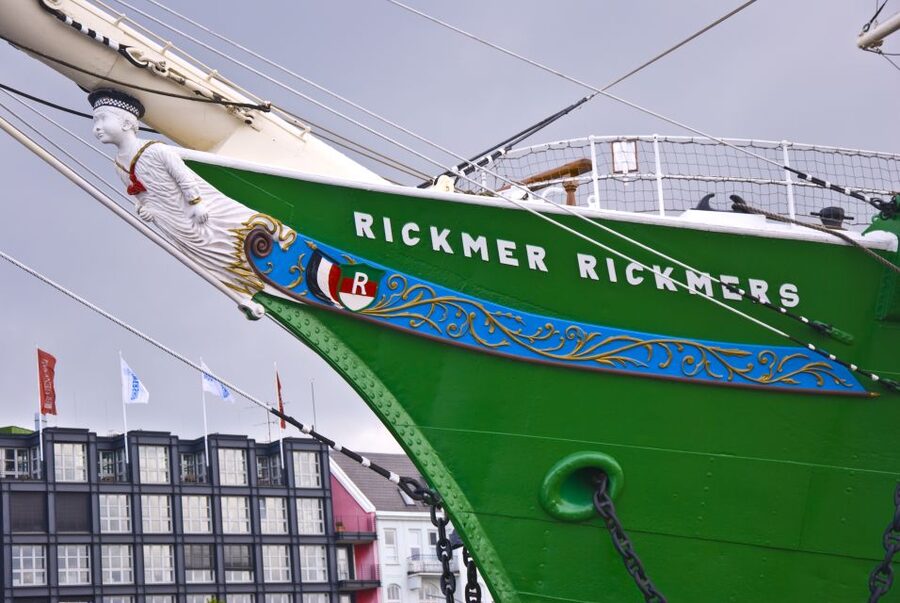
- A German-built merchant windjammer (three-master) turned museum right in the working port area
- Restored crew and officers’ quarters that make onboard life feel concrete
- Special maritime exhibitions plus changing art and photography displays
- Panoramic skyline and harbor views from onboard as you move around the ship
- Honorary captains of RICKMER RICKMERS that add a human layer to the ship’s story
Hamburg’s restored windjammer: what this museum ship really is
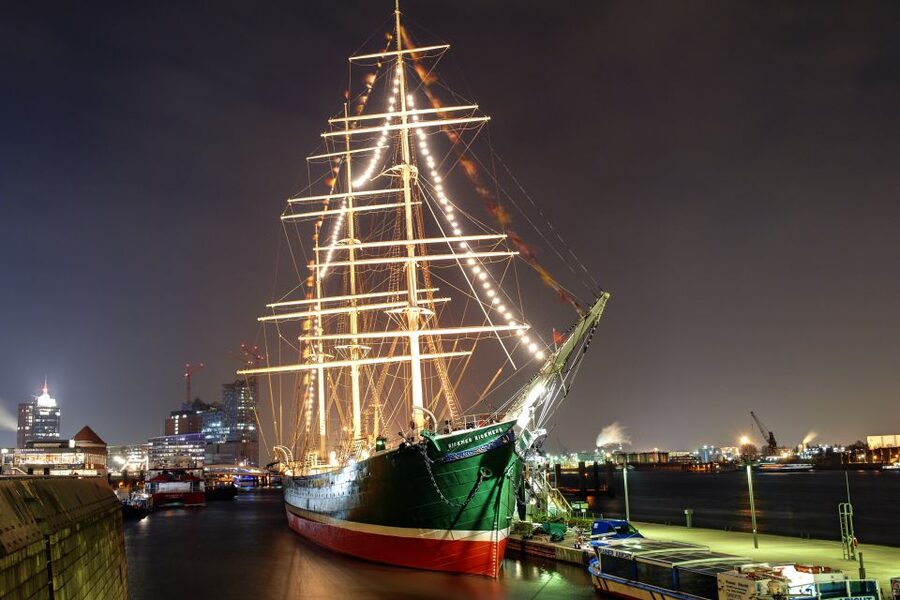
The RICKMER RICKMERS isn’t a modern replica. It’s a real historic sailing ship—one of the last big classic ships still tied to its original windjammer identity. The ship was built by a German shipyard and used exclusively as a merchant ship. That matters, because it shapes what you’ll learn onboard. This isn’t only about romance of sails. It’s about work, routine, and the lived reality of seafaring.
What makes it interesting for your trip is the setting. You’re not traveling out to some remote museum site. The ship sits in the heart of the Hamburg port, so you get that sense of being around maritime life even as you explore a museum. The experience works great as a half-day anchor or a full day if you’re the slow-and-curious type.
I like that the museum is set up to teach through spaces, not just panels. You walk through zones of the ship and the story becomes physical—stairs, rooms, and the feeling of being inside something built to function at sea.
A few more Hamburg tours and experiences worth a look


Ticket price and where to enter at Landing Bridge 1
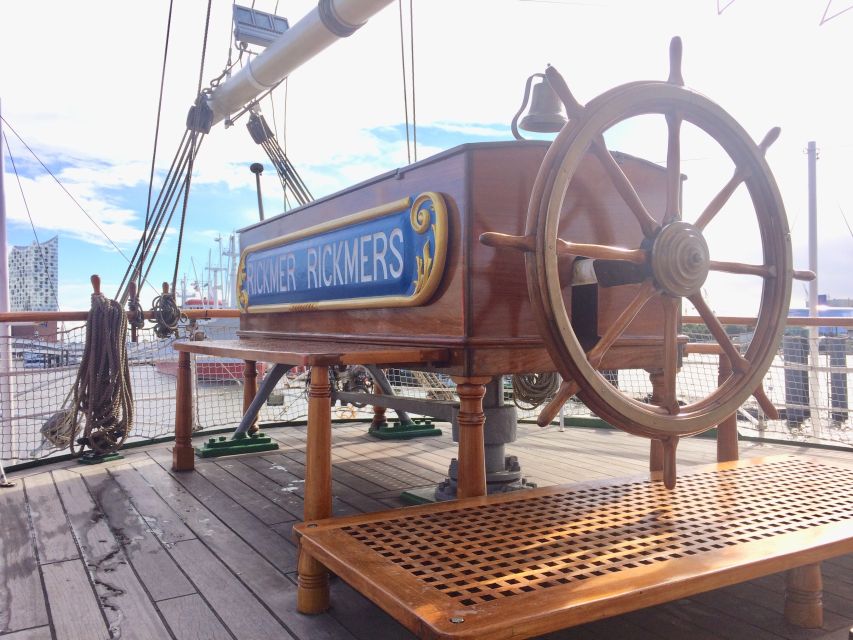
The ticket is priced at about $8 per person, which is strong value for a real ship experience with full access. You’re paying for time in multiple restored areas, not just a quick entrance to one exhibit room. And because the ticket is valid for 1 day, you can match your visit to your day in Hamburg instead of forcing a tight schedule.
Your entry point is the ship itself at Landing Bridge 1. Follow the signs to the entrance area. That’s simple, but it’s still worth arriving a bit early if you like to get your bearings before you start climbing around.
A couple practical notes that can save you stress:
- Comfortable shoes are a must. Even if you’re just doing the museum walk, you’ll be moving on a ship.
- No baby strollers are allowed.
- The experience is not suitable for people with mobility impairments or wheelchair users, so plan another activity if accessibility is a concern for anyone in your group.
The museum area: crew and officers’ quarters you can walk through
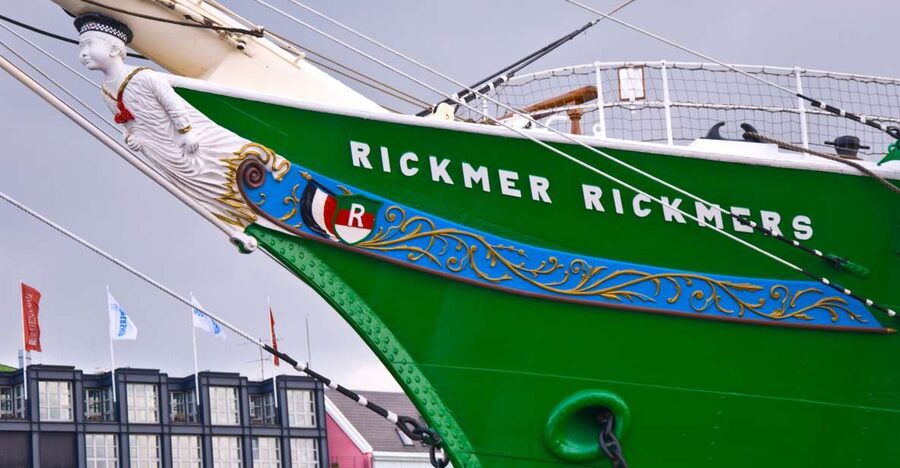
Once you’re inside, the museum is organized in a way that makes it easy to start with the basics. The ship is divided into three sections, and the first is the museum area focused on the history of the ship and onboard life.
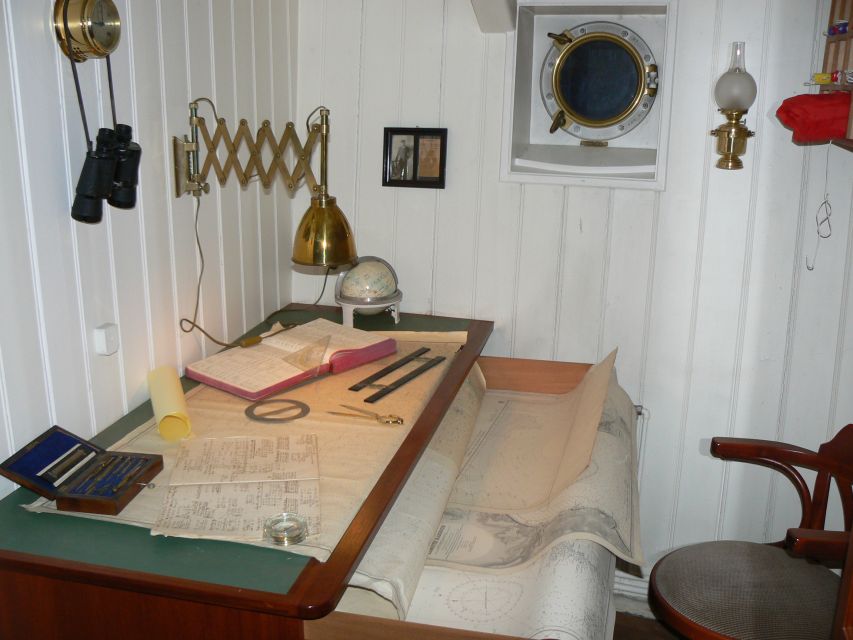
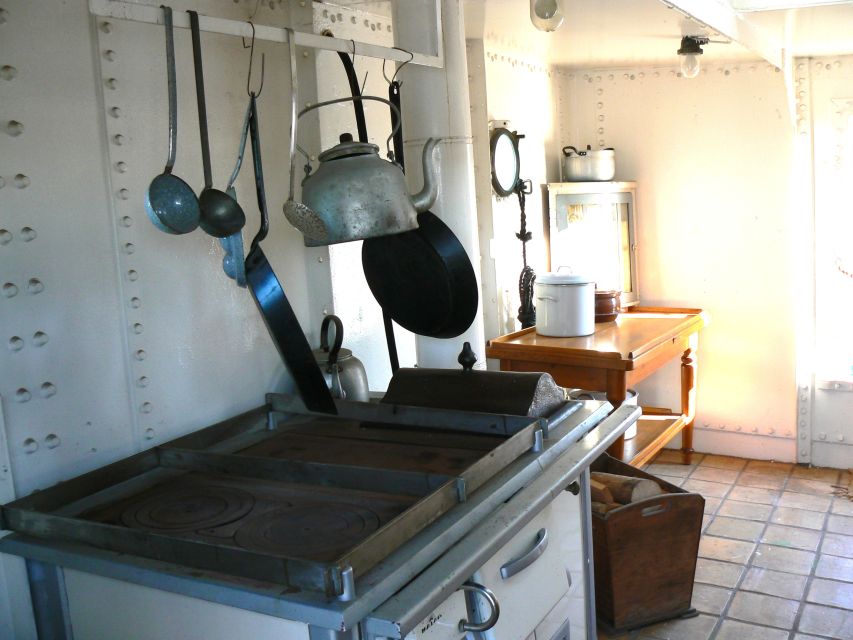
This is where you’ll find the kind of details that make a museum feel honest. The crew and officers’ quarters are carefully restored, and that restoration is the core reason this ticket feels worth it. You’re not just reading about hierarchy or daily routine. You’re seeing the spaces where different roles would have lived and worked.
Here’s what you should do to get the most out of this section:
- Take your time when you enter the quarters. Look at how the spaces are laid out and imagine how you’d move around there while working.
- Read the story points, then look again at the rooms. The descriptions make the physical layout easier to understand.
This part also helps you understand the windjammer concept without getting lost in technical jargon. Since the ship was used as a merchant ship, the onboard life lessons tend to feel practical: how people lived aboard, what areas were meant for work, and how the ship functioned as a working vessel.
Also, keep an eye out for the segment about honorary captains of RICKMER RICKMERS. It gives the ship a more personal dimension, reminding you that the story isn’t just wood and rigging—it’s people and roles passed through time.
Exhibition area with maritime objects, plus temporary art and photo
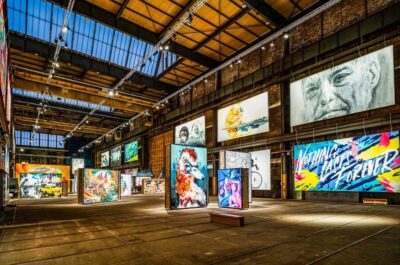
After the core museum section, you move into the exhibition area. This area mixes restored nautical objects with changing temporary art exhibitions and photography displays.
I like this layout because it stops the experience from becoming a single-note historical walkthrough. You get the grounded feel of ship-related items, then you get a visual change of pace with temporary displays. Even if you’ve seen other maritime museums, the variety helps you stay interested while still staying on-theme.
How to use this part of the ship:
- Don’t speed-run the restored nautical objects. These are the things that help your brain connect the ship’s story to real maritime culture and tools.
- When you hit the temporary art or photography, give it a moment even if you usually skip art. It’s tied to the maritime world, so it can add emotional context to what you just learned about daily life onboard.
One more reason this works well: the ship itself is already a built-in exhibit. So the temporary displays don’t fight for attention. They sit inside the overall atmosphere of a working sailing ship.
Deck time: panoramic port skyline views that slow you down
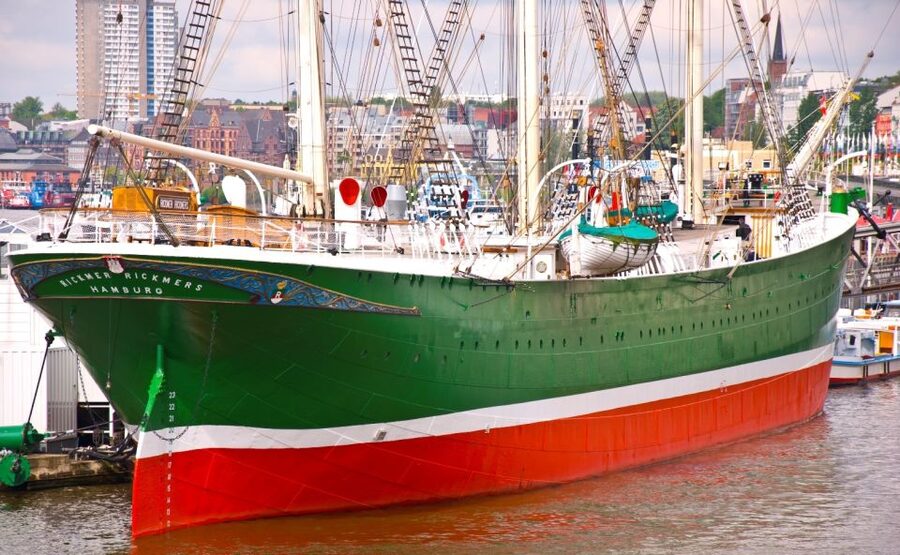
One of the best perks of being onboard a ship museum is movement. As you wander through the ship, you get opportunities for panoramic skyline views from onboard.
This matters more than it sounds. Views are one of the fastest ways to switch your brain from museum mode to travel mode. You’ll see Hamburg’s port area setting the background, which helps you understand why a windjammer ship belongs here in the first place.
A small tip: if you’re photographing, plan for a couple pauses. Don’t just shoot from one spot. The ship’s structure and layout mean the views can change as you walk. That’s part of the fun.
And while you’re at it, keep an eye out for the ways the museum connects maritime roles back to the ship’s identity. The honorary captains theme reinforces that the story has leadership, decision-making, and the human side of sailing.
You can also read our reviews of more museum experiences in Hamburg

Onboard restaurant and what to expect from food
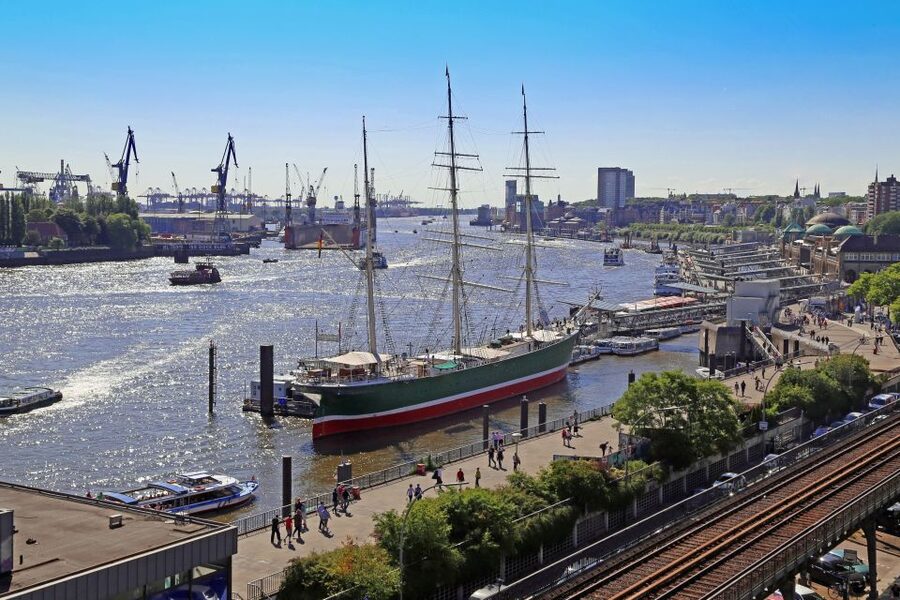
When you reach the third section, you’ll find the onboard restaurant. It’s a good place to take a breather, and it’s especially useful if you’re visiting during a longer window and want to avoid leaving the ship.
The restaurant offers authentic Hamburg dishes as well as typical nautical food. This is not a minor perk. A lot of ship museums feel like you’re stuck in sightseeing mode all day. Having a real meal option onboard keeps the day relaxed.
Just remember: food and drinks are not included with your ticket. So treat lunch or a snack as an optional add-on and price it into your day.
If you’re traveling with people who don’t want a strictly museum-only pace, this restaurant area can act like a natural reset. You can finish a section, eat, then return for any remaining parts.
How long should you plan, and what the flow feels like
The activity is listed as 1 day. That doesn’t mean you need to spend all day. It does mean you should expect a full, unhurried museum experience rather than a 30-minute stop.
A comfortable pacing strategy is:
- Start with the museum area to get oriented in the ship’s story and onboard life.
- Move to the exhibition area when you’re ready for restored nautical objects plus the temporary photography and art.
- Save time for deck and skyline views so the ship feels like a ship, not just a set of rooms.
This approach also helps if you’re the type who likes to read details but still wants to see the views. You’re not forcing yourself to choose between learning and atmosphere.
Is this good value for your time in Hamburg?
At around $8, you’re paying for full access to multiple ship areas, plus an information booklet. The value comes from the combination: a real historic three-master ship, restored living spaces, and exhibition content that’s split between maritime objects and rotating displays.
If you’re a museum person, this will likely feel efficient. If you’re more into walking neighborhoods and avoiding museums, it still has a strong appeal because you’re inside a ship tied to the working port. It’s a different kind of sightseeing—part history, part atmosphere, part harbor views.
I also think this experience can work well if you’ve already visited other museum ships. The praise around restoration effort and the level of detail makes it the kind of visit where you notice what’s been preserved and arranged with care, not just put on display.
Who should book the RICKMER RICKMERS entry ticket
This ticket is a strong match if you:
- Love maritime themes, nautical tools, or ship design in a real-world setting
- Enjoy museums that teach through spaces rather than only text panels
- Want a break from pure city sightseeing and would like a “walk inside the story” experience
- Travel with people who appreciate a mix of history and views, especially from decks
It’s not a good match if someone in your party needs wheelchair access or mobility support. Also skip it if you’re traveling with a baby stroller, since strollers aren’t allowed.
Should you book the RICKMER RICKMERS museum entry?
I’d book it if you want a hands-on, ship-first museum that gives you restored crew life, maritime exhibitions, and port views in one place. The full access plus the low ticket price makes it easy to justify, and the ship layout naturally encourages wandering rather than rushing.
I’d think twice only if your group can’t handle uneven movement typical of a ship setting, or if you prefer museums that are mostly indoors and very “bench-friendly.” If those factors don’t apply, this is a solid Hamburg stop that turns a harbor scene into something you can walk through.
FAQ
How much is the RICKMER RICKMERS museum entry ticket?
The ticket price is listed at about $8 per person.
How long can I visit the museum ship?
The ticket is valid for 1 day. So plan on fitting the visit into a day in Hamburg rather than a short, timed slot.
Where do I enter the ship?
The ship is located at Landing Bridge 1. Follow the signs to the entrance area.
What’s included with the ticket?
Your ticket includes entrance to the ship with full access to the museum and exhibition areas, plus an information booklet.
Is food included?
No. Food and drinks are not included. There is an onboard restaurant where you can buy meals.
Is the museum ship wheelchair accessible?
No. The experience is not suitable for people with mobility impairments and is not suitable for wheelchair users.